
The Enchantment of the Uebelmannia Pectinifera: Discovering a Rare Ribbed Cactus

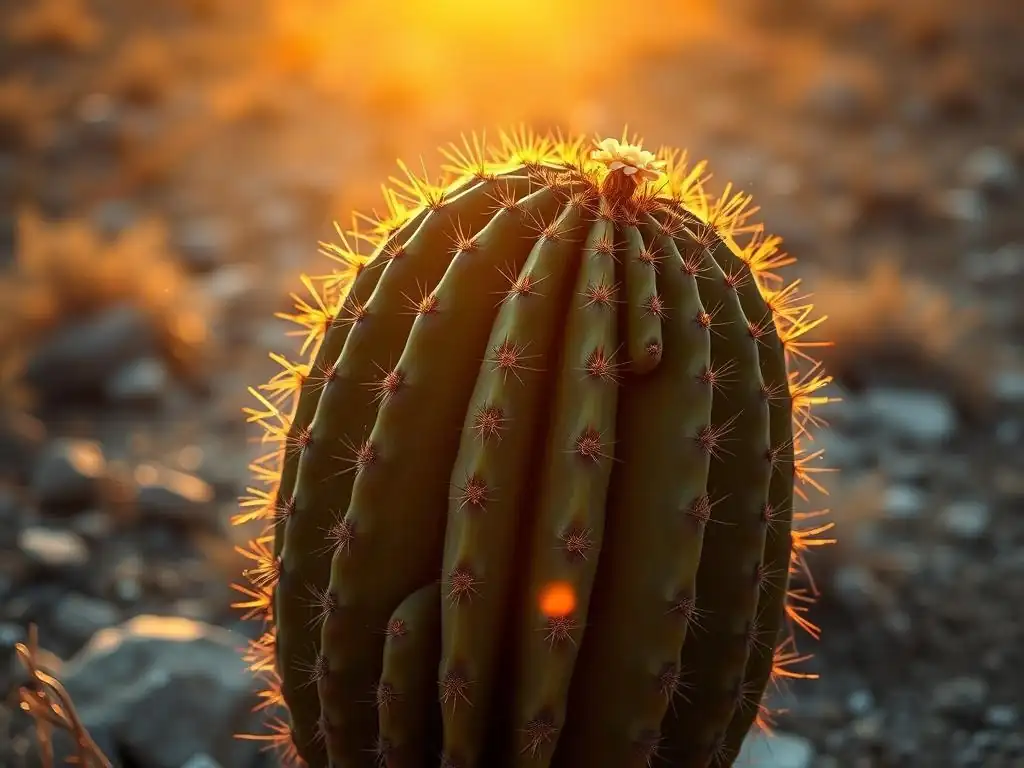
Welcome to SucculentEssentials.org, where the fascinating world of succulents unfolds before you! Are you ready to unlock the secrets to cultivating these resilient beauties? Then prepare to be captivated by the rare and exquisite Uebelmannia pectinifera, a ribbed cactus that will challenge and reward your green thumb. Dive into our comprehensive Uebelmannia pectinifera care guide and discover the techniques to nurture this unique specimen to its full potential. Let the journey begin!
- Unveiling the Uebelmannia pectinifera: A Collector's Gem
-
Uebelmannia pectinifera Care Guide: Cultivating this Exquisite Cactus
- Light Requirements for Optimal Uebelmannia pectinifera Growth
- Watering Techniques for Uebelmannia pectinifera: Avoiding Overwatering
- Ideal Soil Composition for Uebelmannia pectinifera Thriving
- Temperature and Humidity Preferences for Uebelmannia pectinifera
- Fertilizing Your Uebelmannia pectinifera: A Balanced Approach
- Propagation of Uebelmannia pectinifera: Expanding Your Collection
- Potential Pests and Diseases Affecting Uebelmannia pectinifera
- Displaying Your Uebelmannia pectinifera: Enhancing its Beauty
- Frequently Asked Questions
- Final Reflection: The Enduring Allure of the Uebelmannia Pectinifera
- Unveil Your Inner Cactus Connoisseur
Unveiling the Uebelmannia pectinifera: A Collector's Gem
The world of succulents boasts a breathtaking diversity, encompassing a vast array of shapes, sizes, and textures. Among these captivating plants, the Uebelmannia pectinifera stands out as a true collector's gem, a rare and highly sought-after species known for its unique ribbed structure and captivating beauty. This comprehensive care guide delves into the fascinating world of the Uebelmannia pectinifera, providing essential information for both seasoned succulent enthusiasts and newcomers alike. We'll explore its distinctive characteristics, its natural habitat, and the specific care requirements needed to successfully cultivate this remarkable ribbed cactus in your own collection.
Understanding the nuances of Uebelmannia pectinifera care is crucial for ensuring its longevity and appreciating its full potential. This guide aims to equip you with the knowledge to not only maintain but also thrive this stunning addition to your succulent family. Prepare to be enchanted by the intricacies of this rare and rewarding species.
Distinguishing Features of Uebelmannia pectinifera
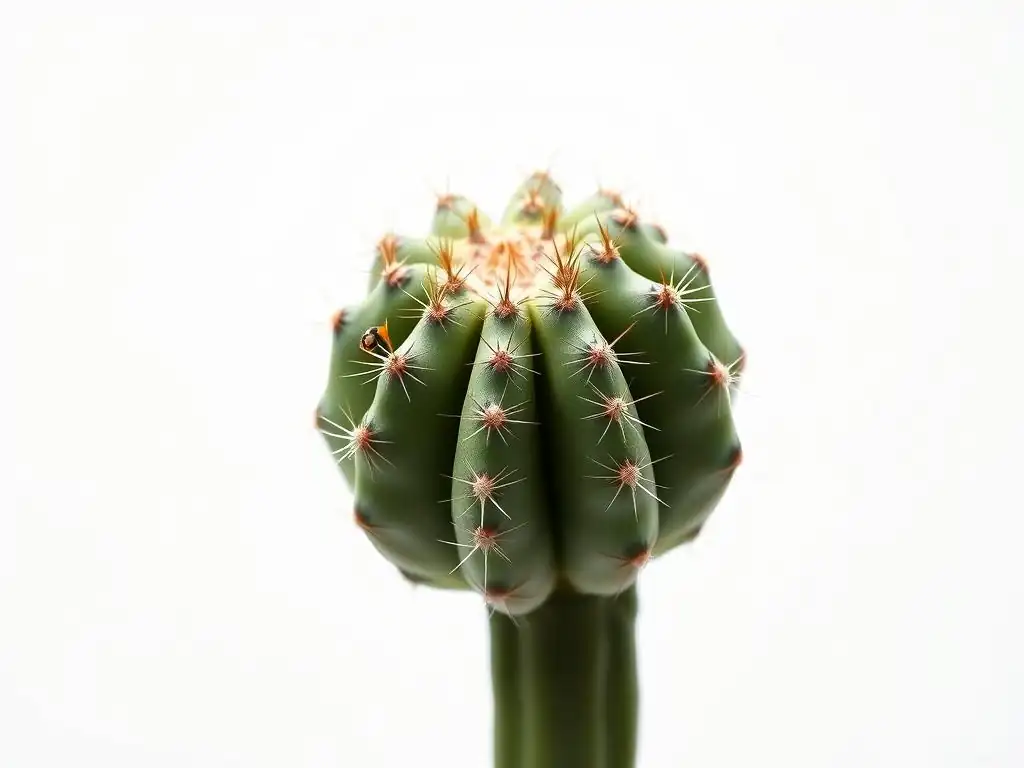
The Uebelmannia pectinifera is instantly recognizable for its striking appearance. Unlike many succulents, it exhibits a distinctly ribbed structure, forming a captivating geometric pattern. These ribs are typically numerous and sharply defined, creating a visually arresting effect. The plant's body is usually a greyish-green, sometimes tinged with a bluish hue, and its surface is often covered in a fine, almost imperceptible layer of powdery bloom.
This bloom helps protect the plant from harsh sunlight and excessive water loss. The areoles, small cushion-like structures from which spines emerge, are spaced along the ribs, usually producing relatively short, thin spines. Flowers are relatively small and typically yellow or yellowish-green, adding a subtle yet elegant touch to the plant's overall aesthetic.
These unique characteristics set the Uebelmannia pectinifera apart from other succulents and make it a highly desirable addition to any specialized collection. The careful observation of these features is crucial for proper identification and ensuring you are indeed caring for a genuine Uebelmannia pectinifera. Careful attention to detail is key in distinguishing it from similar-looking species.
Habitat and Natural Distribution of Uebelmannia pectinifera
Understanding the Uebelmannia pectinifera's natural habitat is paramount to replicating suitable growing conditions. This rare cactus is endemic to a specific region of Brazil, inhabiting rocky, well-drained soils in arid and semi-arid environments. It thrives in areas with high intensity sunlight and relatively low humidity. The natural environment often experiences significant temperature fluctuations between day and night, with scorching heat during the day and significantly cooler temperatures at night. This information is critical for mimicking the ideal growing conditions when cultivating Uebelmannia pectinifera in cultivation.
Providing adequate sunlight, well-draining soil, and appropriate temperature fluctuations are key factors in ensuring the plant's health and well-being. Failure to replicate these conditions can lead to various problems, including root rot and stunted growth. The precise location and extent of its natural distribution are still being researched, highlighting the rarity and conservation importance of this species. 🌱
Uebelmannia pectinifera Care Guide: Cultivating this Exquisite Cactus
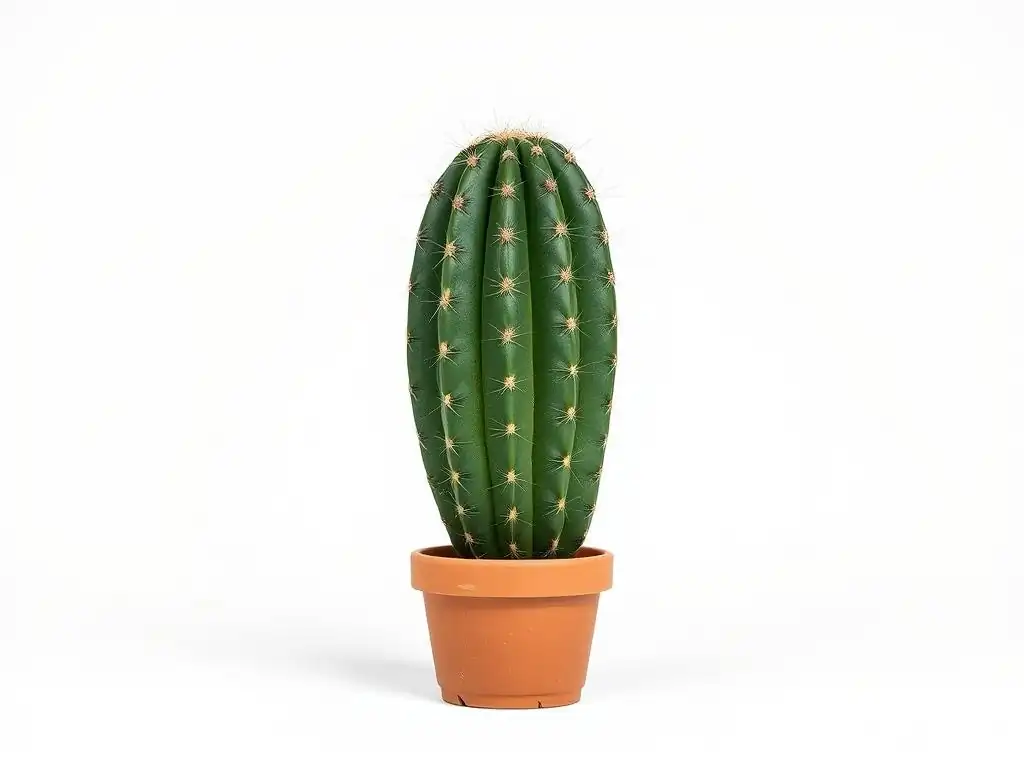
This comprehensive guide delves into the specific care requirements of the Uebelmannia pectinifera, a rare and highly sought-after ribbed cactus. Understanding its unique needs is crucial for successful cultivation and enjoying the beauty of this exceptional plant. This guide provides detailed information to help you nurture your Uebelmannia pectinifera and ensure its long-term health and vibrancy. We'll cover essential aspects, from light and watering to soil composition, providing practical tips and observations to aid your cultivation journey. Remember, patience and attention to detail are key to successfully cultivating this captivating succulent.
Light Requirements for Optimal Uebelmannia pectinifera Growth
The Uebelmannia pectinifera thrives under intense, bright light conditions. Mimicking its native habitat is key to its successful cultivation. Direct sunlight for a significant portion of the day is ideal, particularly during the warmer months. However, the intensity of the sun needs careful consideration, especially during the peak summer heat. Prolonged exposure to scorching midday sun can lead to sunscald, causing unsightly damage to the cactus's delicate skin.
To achieve optimal light exposure without causing harm, consider the following strategies:
- East or West-facing window: These locations provide ample morning or afternoon sun, respectively, minimizing the risk of intense midday heat.
- Gradual Acclimation: If moving your Uebelmannia pectinifera to a sunnier spot, do so gradually to prevent shock. Start with a few hours of direct sun and increase the exposure time over several weeks.
- Supplemental Lighting: During winter months, when sunlight is less intense, consider supplementing with grow lights to ensure the plant receives sufficient light for healthy growth. This is especially important in northern latitudes. A good quality grow light will help maintain the plant's vibrant color and prevent etiolation (leggy growth due to insufficient light).
Observing your plant's response to light is crucial. Signs of insufficient light include elongated stems and pale coloration. Conversely, signs of excessive sunlight include browning or yellowing of the skin and potential scarring. Adjusting the plant's position based on these visual cues is crucial for maintaining its health and beauty.
Watering Techniques for Uebelmannia pectinifera: Avoiding Overwatering
Overwatering is a significant threat to the Uebelmannia pectinifera. This succulent is adapted to arid conditions and requires infrequent watering, particularly during its dormant period (typically during the cooler months). The frequency of watering depends heavily on several factors, including:
- Season: Water less frequently during winter when growth slows down significantly.
- Pot Size and Type: Well-draining pots are essential. Larger pots retain more moisture, requiring less frequent watering than smaller pots.
- Soil Conditions: The soil should be completely dry before the next watering. Checking the soil moisture with your finger is a reliable method.
A good rule of thumb is to allow the soil to dry out completely between waterings. Thoroughly soak the soil when you do water, ensuring that the water drains freely from the drainage holes. Avoid letting the plant sit in standing water, as this can lead to root rot. Signs of overwatering include soft, mushy stems and a foul odor emanating from the soil.
Here's a simple table summarizing ideal watering practices:
| Season | Watering Frequency | Soil Moisture Check |
|---|---|---|
| Spring/Summer | Every 2-3 weeks | Completely dry |
| Autumn/Winter | Every 4-6 weeks | Completely dry |
Remember, under-watering is generally preferable to overwatering for this species. It's better to err on the side of caution and water less frequently.
Ideal Soil Composition for Uebelmannia pectinifera Thriving
The Uebelmannia pectinifera requires a well-draining soil mix to prevent root rot. This is crucial because excessive moisture can quickly lead to decay. A suitable soil mix should be highly porous and allow for excellent aeration. A good blend might include:
- 2 parts standard cactus and succulent potting mix
- 1 part coarse sand
- 1 part perlite or pumice
This combination ensures good drainage and aeration while providing sufficient nutrients for healthy growth. Avoid using heavy clay soils, as they retain too much moisture. The addition of perlite or pumice improves the drainage and aeration of the soil, further reducing the risk of overwatering. Amendments like crushed granite or lava rock can also improve the drainage. The goal is to create a soil environment that mimics the well-drained, rocky conditions of the plant's natural habitat. Proper soil composition is a key element in providing optimal conditions for your Uebelmannia pectinifera to flourish.
Temperature and Humidity Preferences for Uebelmannia pectinifera
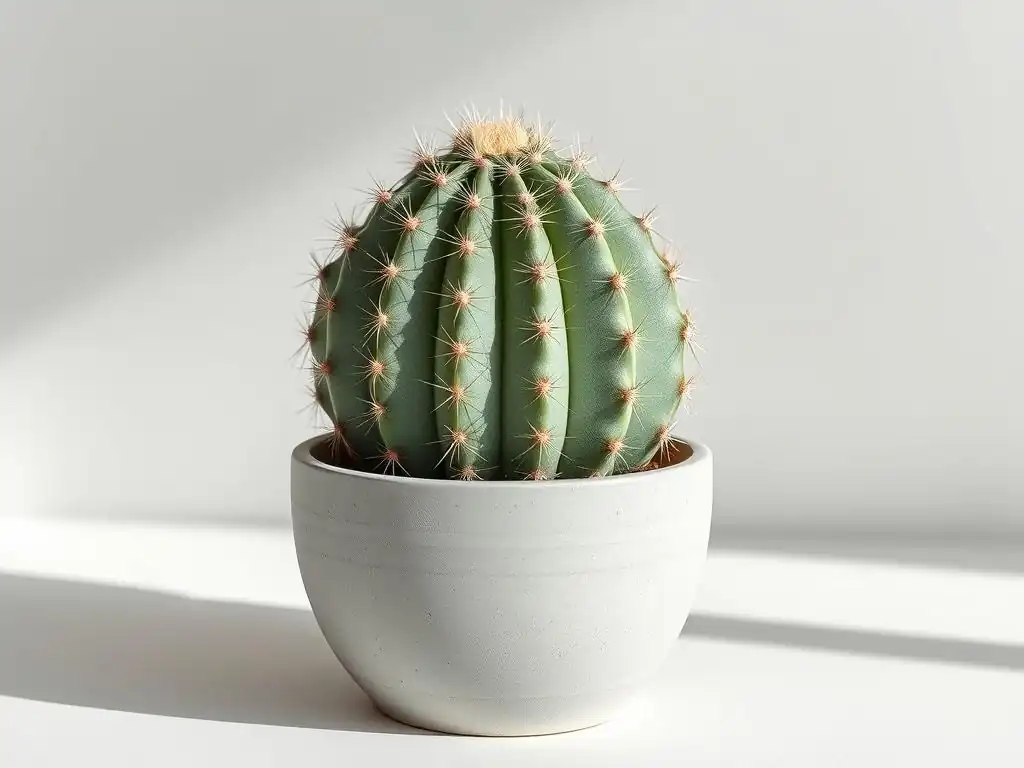
The Uebelmannia pectinifera, a captivating ribbed cactus, thrives in specific temperature and humidity conditions. Understanding these preferences is crucial for successful cultivation. Optimal temperatures generally range from 65°F to 85°F (18°C to 29°C) during the growing season, typically spring and summer. During the winter months, a cooler period of rest is beneficial, with temperatures ideally between 50°F and 60°F (10°C and 15°C). Exposure to extreme temperatures, both hot and cold, should be avoided. Sudden temperature fluctuations can stress the plant and lead to damage, potentially affecting its growth and overall health. Therefore, gradual transitions between seasons are recommended.
Humidity levels are less critical for Uebelmannia pectinifera compared to temperature. These cacti are adapted to drier climates and do not require high humidity. In fact, excessive humidity can increase the risk of fungal diseases, particularly root rot. Average household humidity is generally suitable, but ensure good air circulation around the plant to prevent moisture buildup.
Avoid placing the Uebelmannia pectinifera in overly humid environments, such as bathrooms or kitchens with poor ventilation. Providing appropriate airflow is key to maintaining a healthy environment for your Uebelmannia pectinifera. Proper air circulation helps to prevent the accumulation of moisture on the plant's surface, reducing the risk of fungal infections.
Fertilizing Your Uebelmannia pectinifera: A Balanced Approach
Fertilizing your Uebelmannia pectinifera is essential, but it requires a balanced approach to avoid harming this sensitive plant. Over-fertilizing can lead to salt buildup in the soil, potentially damaging the roots and affecting the plant's overall health. Conversely, under-fertilizing can result in stunted growth and a lack of vibrant coloration.
A well-balanced cactus and succulent fertilizer, diluted to half the recommended strength, is ideal. Apply fertilizer sparingly, only during the growing season (spring and summer), typically every 4-6 weeks. Avoid fertilizing during the winter dormancy period, as the plant's metabolic activity slows down significantly, and excess nutrients can harm the roots.
The type of fertilizer is also crucial. Choose a fertilizer specifically formulated for cacti and succulents, as these plants have unique nutrient requirements. Look for a fertilizer with a lower nitrogen (N) content compared to phosphorus (P) and potassium (K). A balanced NPK ratio such as 10-10-10 or even a slightly lower nitrogen ratio like 5-10-10 is usually recommended.
Always follow the instructions on the fertilizer packaging carefully, diluting the solution as indicated. Remember, less is often more when it comes to fertilizing Uebelmannia pectinifera. Regular monitoring of your plant's growth and overall health will help you determine the optimal fertilization schedule and ensure the long-term well-being of this exquisite cactus. Pay close attention to any signs of stress, such as yellowing leaves or stunted growth, which could indicate over- or under-fertilization.
Propagation of Uebelmannia pectinifera: Expanding Your Collection
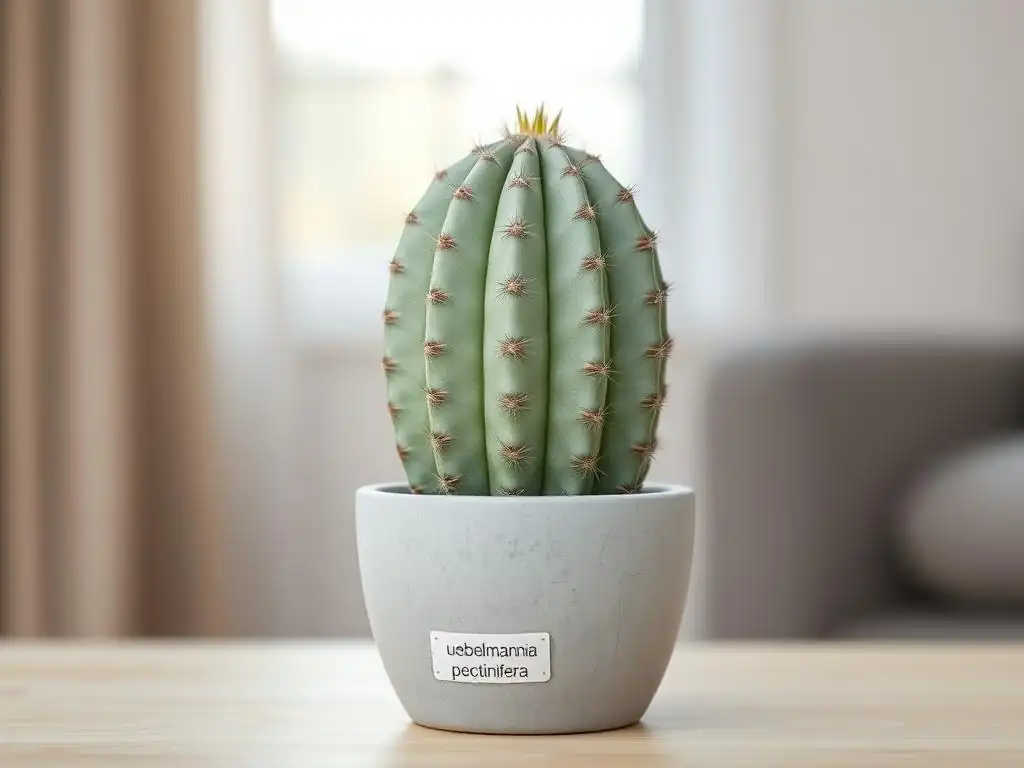
Successfully propagating Uebelmannia pectinifera can be a rewarding experience for any serious succulent enthusiast. This rare and striking cactus presents unique challenges, but with patience and the right techniques, you can expand your collection and share this beauty with others. This section will delve into two primary methods: seed propagation and propagation from cuttings. Remember, Uebelmannia pectinifera is a slow-growing species, so patience is key throughout the entire process.
Seed Propagation of Uebelmannia pectinifera: A Detailed Guide
Seed propagation offers a chance to cultivate Uebelmannia pectinifera from its earliest stages. However, obtaining viable seeds can be difficult, as this species doesn't readily produce them in cultivation. If you are fortunate enough to acquire seeds, follow these steps:
- Seed Starting Mix: Use a well-draining cactus and succulent potting mix. Adding perlite or pumice improves drainage further, preventing root rot, a common issue for seedlings.
- Sowing: Sow seeds thinly and evenly onto the surface of the moist mix. Do not bury them deeply; light is crucial for germination.
- Humidity and Temperature: Maintain high humidity—a humidity dome or plastic wrap over the container can be helpful—and a warm temperature (around 70-75°F or 21-24°C). Consistent warmth is critical for successful germination.
- Light: Provide bright, indirect light. Avoid direct sunlight, which can scorch the delicate seedlings.
- Watering: Water sparingly, allowing the soil to dry out slightly between waterings. Overwatering is a significant risk at this stage.
- Patience: Germination can take several weeks, or even months. Be patient and persistent; even with ideal conditions, Uebelmannia pectinifera seeds are known for their slow germination rates.
This meticulous approach is necessary because Uebelmannia pectinifera seedlings are exceptionally vulnerable to fungal diseases and rot. Careful monitoring and appropriate adjustments to humidity and watering are crucial for maximizing your chances of success. Expect slow growth; even after germination, these plants require years to reach a mature size.
Cuttings Propagation of Uebelmannia pectinifera: Techniques and Considerations
Propagation from cuttings is generally less successful with Uebelmannia pectinifera compared to seed propagation. The plant's slow growth and unique structure make it challenging to propagate this way. However, under very specific circumstances, it might be possible.
- Timing: The best time to attempt cuttings propagation is during the active growing season (typically spring or early summer).
- Technique: If taking a cutting, ensure it's a relatively mature section, with a clean cut. Allow the cutting to callous over for several days before planting in a well-draining mix.
- Rooting: Rooting hormones can be used, but success isn't guaranteed. Maintain a warm and humid environment, but avoid overwatering.
- Challenges: The low success rate is primarily due to the plant's predisposition to rot and its slow healing process. Many attempts will likely fail.
It's important to emphasize that cutting propagation for Uebelmannia pectinifera is not a reliable method. The effort involved, and the high probability of failure, often make seed propagation the preferred option, even with its own challenges. The rarity of this species and its delicate nature mean that propagation should be approached with careful consideration and a realistic expectation of limited success. 🌱
Potential Pests and Diseases Affecting Uebelmannia pectinifera
The Uebelmannia pectinifera, while a resilient succulent, is not immune to the challenges posed by pests and diseases. Understanding these threats is crucial for maintaining the health and vibrancy of your rare cactus collection. While generally hardy, neglecting proper care can leave your Uebelmannia pectinifera vulnerable. This section details common issues and provides preventative and remedial strategies. Remember, early detection is key to successful treatment.
Identifying and Treating Common Uebelmannia pectinifera Pests
Several common succulent pests can infest Uebelmannia pectinifera, causing significant damage if left unchecked. These include:
- Mealybugs: These small, cottony insects often cluster in crevices and leaf axils, sucking sap and weakening the plant. Infestations can be identified by the presence of white, fluffy masses. Treatment involves manual removal with a cotton swab dipped in isopropyl alcohol, followed by a systemic insecticide if the infestation is widespread. Regular inspection is crucial for early detection.
- Scale Insects: These armored pests are harder to spot than mealybugs, often appearing as small, brown bumps on the plant's surface. They also suck plant sap, leading to stunted growth and yellowing. Treatment involves scraping off visible scale insects and applying insecticidal soap or neem oil. Persistent infestations may require stronger systemic insecticides.
- Spider Mites: These microscopic pests are difficult to see with the naked eye but leave behind fine webbing on the plant. Their feeding causes stippling and discoloration of the plant's surface. Treatment involves using a strong spray of water to dislodge the mites, followed by the application of a miticide.
| Pest | Identification | Treatment | Prevention |
|---|---|---|---|
| Mealybugs | White, cottony masses | Isopropyl alcohol, systemic insecticide | Regular inspection, good air circulation |
| Scale Insects | Small, brown bumps | Scraping, insecticidal soap, neem oil, systemic insecticides | Maintaining plant hygiene, monitoring new acquisitions |
| Spider Mites | Fine webbing, stippling, discoloration | Strong water spray, miticide | Maintaining humidity, avoiding overcrowding |
Careful observation and prompt action are essential. Remember to always follow the instructions on any pesticide or insecticide you use, ensuring proper ventilation and safety precautions. Using a magnifying glass can aid in early detection of these tiny invaders. Early intervention can often prevent serious damage and save your precious Uebelmannia pectinifera.
Preventing Diseases in Your Uebelmannia pectinifera Collection
Preventing diseases is significantly more effective than treating them. Proper care significantly reduces the risk of fungal or bacterial infections. Here are some key preventative measures:
- Proper Watering: Overwatering is a major contributor to root rot, a common fungal disease in succulents. Ensure your Uebelmannia pectinifera receives adequate drainage and allow the soil to dry out completely between waterings. Adjust watering frequency depending on the season and environmental conditions. Signs of root rot include soft, mushy stems and a foul odor.
- Good Air Circulation: Good airflow helps prevent fungal diseases by reducing humidity around the plant. Avoid overcrowding your succulents and ensure adequate spacing between plants.
- Sterile Tools and Potting Mix: Always use clean, sterile tools when propagating or repotting your plants to prevent the spread of diseases. Use a well-draining potting mix specifically formulated for succulents and cacti to avoid water retention.
- Quarantine New Plants: Always quarantine new Uebelmannia pectinifera plants for several weeks before introducing them to your existing collection. This helps prevent the introduction of pests or diseases.
By following these preventative measures, you significantly enhance the chances of maintaining a healthy and thriving Uebelmannia pectinifera collection. Remember, proactive care is the best defense against potential problems. A healthy plant is a happy plant! 🌱
Displaying Your Uebelmannia pectinifera: Enhancing its Beauty
The Uebelmannia pectinifera, with its striking ribbed structure and unique aesthetic, deserves a display that showcases its captivating beauty. Proper display not only enhances the visual appeal of this rare succulent but also contributes to its overall health and well-being. Careful consideration of lighting, pot selection, and overall presentation is crucial.
Creating the Perfect Display for Your Uebelmannia pectinifera
The Uebelmannia pectinifera thrives in bright, indirect sunlight. Direct, intense sunlight can scorch its delicate skin, resulting in unsightly blemishes. Therefore, a location that receives ample sunlight but avoids the harsh midday rays is ideal. East- or west-facing windows are often suitable, offering morning or afternoon sun respectively. During particularly intense periods of sunlight, consider providing some light shade or moving the plant slightly away from the window.
Pot selection is equally important. A well-draining pot is paramount to prevent root rot, a common problem for succulents. Terracotta pots are excellent choices due to their porous nature, allowing excess moisture to evaporate readily. The pot's size should be proportionate to the plant's size – avoid overly large containers that retain too much water. When repotting, use a well-draining succulent and cactus potting mix.
To further enhance its display, consider using attractive decorative elements. A simple, understated pot, perhaps in a neutral color, allows the Uebelmannia pectinifera's unique texture and form to take center stage. However, you can also complement its beauty with other elements such as small, smooth stones or decorative gravel in the pot's top layer. Remember, less is more; avoid cluttering the display, allowing the plant to be the focal point. Regular dusting with a soft brush will help keep the plant looking its best and prevent dust buildup from obscuring its intricate details.
Combining Uebelmannia pectinifera with Other Succulents: Design Ideas and Considerations
While the Uebelmannia pectinifera is a stunning specimen on its own, its unique form and texture lend themselves well to creative arrangements with other succulents. However, careful consideration of the companion plants is necessary to ensure both aesthetic harmony and the well-being of each plant.
When combining the Uebelmannia pectinifera with other succulents, choose plants with complementary forms and colors. For instance, pairing it with smaller, trailing succulents can create a visually interesting contrast, highlighting the Uebelmannia pectinifera's verticality. Consider using plants with different textures—a smooth, fleshy succulent alongside the ribbed Uebelmannia pectinifera—to add visual interest. Avoid overcrowding the arrangement; give each plant sufficient space to grow and access sunlight.
Here's a table illustrating potential companion plants and design considerations:
| Companion Plant | Characteristics | Design Considerations |
|---|---|---|
| Conophytum species | Small, button-like succulents | Create a ground cover around the base of the Uebelmannia. |
| Haworthia species | Rosette-forming succulents with various textures | Provide textural contrast; avoid overcrowding. |
| Echeveria species | Rosette-forming succulents; various colors | Choose colors that complement the Uebelmannia's muted tones. |
| Small cacti (e.g., Mammillaria) | Various shapes and textures | Consider the cacti's light and water requirements. |
Remember to always prioritize the individual needs of each plant when creating a succulent arrangement. Ensure that all plants receive adequate sunlight, water, and drainage. Regular monitoring is essential to catch any signs of stress or disease in any of the plants. With careful planning and attention to detail, you can create a captivating display that celebrates the unique beauty of the Uebelmannia pectinifera and its chosen companions. 🪴
Frequently Asked Questions
What is a Uebelmannia pectinifera?
The Uebelmannia pectinifera is a rare and highly sought-after succulent cactus species. It's characterized by its ribbed, columnar growth and striking appearance. It's a slow-growing plant native to Brazil.
How do I water my Uebelmannia pectinifera?
Water your Uebelmannia pectinifera sparingly, allowing the soil to completely dry out between waterings. Overwatering is a common cause of root rot. Infrequent, deep watering is best.
What type of soil is best for Uebelmannia pectinifera?
Use a well-draining soil mix specifically formulated for cacti and succulents. A mixture of cactus potting soil, pumice, and perlite will provide excellent drainage and aeration. Avoid heavy clay soils.
How much sunlight does a Uebelmannia pectinifera need?
This cactus thrives in bright, indirect sunlight. Direct, intense sunlight can scorch the plant. A south-facing window with filtered light is ideal, or a location with several hours of morning sun.
How can I propagate my Uebelmannia pectinifera?
Propagation is best achieved through seeds or offsets. Offsets, or "pups," can be carefully separated from the mother plant and planted in well-draining soil. Seed propagation requires patience and specific conditions.
Final Reflection: The Enduring Allure of the Uebelmannia Pectinifera
The Uebelmannia pectinifera, a seemingly humble cactus, embodies a powerful lesson about the interconnectedness of conservation, cultivation, and our appreciation for the natural world. Its rarity underscores the fragility of biodiversity and the urgent need for responsible stewardship, a message that resonates deeply in our increasingly threatened ecosystems.
My journey in researching and writing this care guide has profoundly impacted my understanding of this unique species. It's not just about mastering the intricacies of watering schedules and sunlight exposure; it's about recognizing the profound beauty and delicate balance inherent in even the smallest corner of the natural world. The Earth provides enough to satisfy every man's needs but not every man's greed.
- Mahatma Gandhi. This quote perfectly encapsulates the responsibility we bear towards preserving species like the Uebelmannia pectinifera, ensuring its survival for generations to come.
Now, I invite you to consider your own relationship with the natural world. Perhaps this care guide has sparked a newfound appreciation for the intricacies of plant life, or perhaps it has ignited a desire to learn more about conservation efforts. Whatever the case may be, I hope this exploration of the Uebelmannia pectinifera has inspired you to cultivate not only this remarkable cactus, but also a deeper connection with the beauty and fragility of our planet. Let us all strive to be responsible custodians of the natural wonders that surround us.
Unveil Your Inner Cactus Connoisseur
Thank you for exploring the fascinating world of the Uebelmannia pectinifera! We hope you've gained a new appreciation for this unique and captivating succulent. Ready to delve deeper into the world of succulents?
- Start your own Uebelmannia collection: Begin by researching local nurseries or online sellers specializing in rare cacti. This is your opportunity to own a piece of botanical history!
- Share your passion: Introduce your friends to the wonders of this incredible cactus – perhaps they'll share your enthusiasm for succulents!
- Expand your knowledge: Explore the diverse world of rare and unusual succulents; discover the vibrant tapestry of the plant kingdom.
What exciting succulent will you add to your collection next? Let's discuss in the comments below!