
Elevate Your Sanctuary: The Power of a Personal Succulent Space

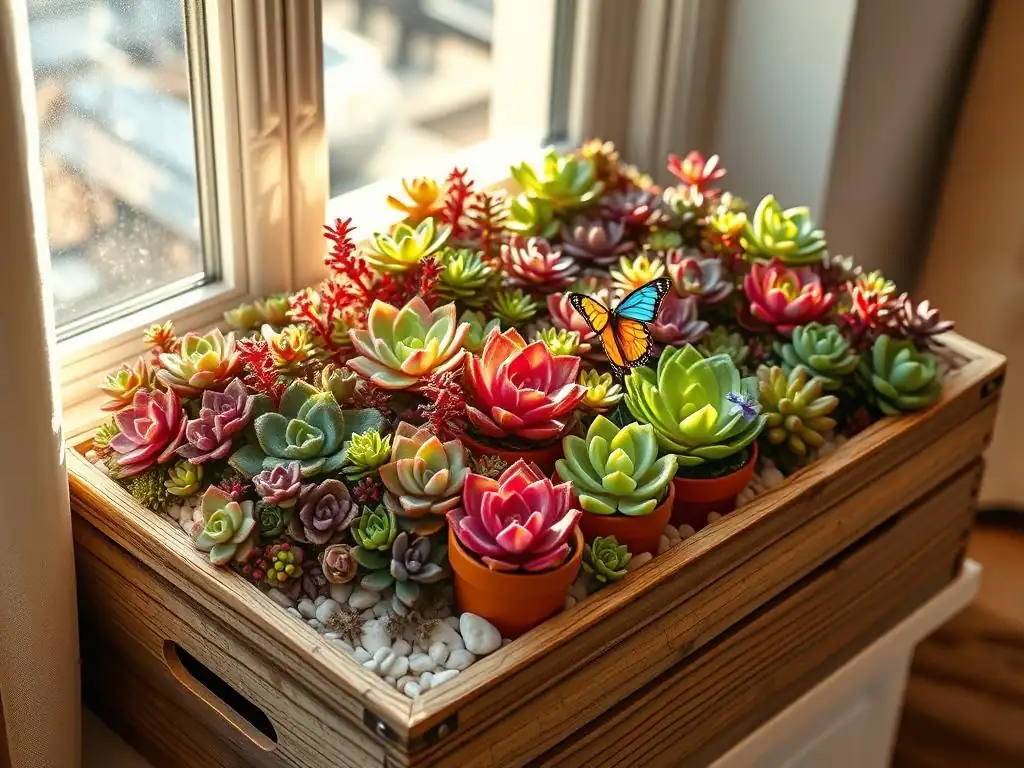
Welcome to SucculentEssentials.org, where the extraordinary world of succulents unfolds before you. Are you ready to transform your living space into a vibrant oasis? We delve into the captivating art of DIY succulent garden design, unlocking secrets to crafting personalized succulent havens brimming with unique textures and colors. Discover how to cultivate your own breathtaking collection, from rare species to stunning arrangements. Prepare to be inspired – your journey to a thriving succulent sanctuary begins now!
-
Designing Your Dream DIY Succulent Garden: A Step-by-Step Guide
- Choosing the Perfect Location for Your DIY Succulent Garden Design
- Selecting the Right Succulents for Your Indoor or Outdoor Space: Variety and Aesthetics
- Essential Tools and Materials for Your DIY Succulent Garden Design Project
- Step-by-Step Guide to Creating Your DIY Succulent Garden Design: A Beginner-Friendly Approach
- Maintaining Your Thriving DIY Succulent Garden: Long-Term Care
- Enhancing Your DIY Succulent Garden Design: Creative Ideas and Inspiration
- DIY Succulent Garden Design: Troubleshooting Common Problems and Solutions
- The Joy of a Personal Succulent Space: Reap the Rewards of Your DIY Succulent Garden Design
- Frequently Asked Questions
- Final Reflection: Cultivating Inner Peace, One Succulent at a Time
- Unleash Your Inner Gardener: Cultivate Your Succulent Oasis
Designing Your Dream DIY Succulent Garden: A Step-by-Step Guide
Creating a personal succulent sanctuary isn't just about adding plants; it's about crafting a space that reflects your personality and brings a touch of the desert's serene beauty into your life. This guide delves into the art of DIY succulent garden design, empowering you to build a thriving, aesthetically pleasing oasis tailored to your specific needs and preferences.
Whether you're a seasoned succulent enthusiast or a curious beginner, we'll walk you through each step, from selecting the ideal location to choosing the perfect succulents to create your dream DIY succulent garden. We'll explore various design approaches, focusing on practical tips and techniques to ensure your succulent garden flourishes for years to come.
This comprehensive guide will cover everything from basic planning to advanced design considerations, helping you transform a simple space into a vibrant and captivating succulent paradise—a true testament to your green thumb and unique style. Get ready to unlock the power of a personal succulent space and elevate your home or outdoor area to a tranquil haven.
Choosing the Perfect Location for Your DIY Succulent Garden Design
The success of your DIY succulent garden hinges significantly on choosing the right location. Consider these crucial factors before you even think about planting:
- Sunlight: Succulents crave sunlight, but the amount varies depending on the species. Most need at least six hours of direct sunlight daily. Observe your space throughout the day to identify areas that receive ample sunshine. South-facing locations are generally ideal, but east- or west-facing spots can also work well, offering slightly less intense sun. For indoor gardens, south-facing windows are your best bet.
- Temperature: While succulents are drought-tolerant, extreme temperature fluctuations can stress them. Avoid areas exposed to harsh winds or sudden temperature drops. A sheltered spot, whether indoors or outdoors, provides a more stable environment.
- Drainage: Proper drainage is paramount. Succulents are susceptible to root rot in soggy soil. If planting outdoors, ensure the soil drains well. For indoor gardens, use well-draining potting mixes specifically designed for succulents and containers with drainage holes.
- Accessibility: Consider how easily you can access your garden for watering, maintenance, and admiring your creations! A conveniently located garden simplifies care and allows you to fully enjoy your succulent sanctuary.
Selecting the Right Succulents for Your Indoor or Outdoor Space: Variety and Aesthetics
The beauty of a succulent garden lies in the diversity of its inhabitants. Choosing the right succulents is key to creating a visually appealing and thriving space. Consider these factors:
- Variety in Size and Shape: Mix and match succulents of different sizes and shapes to create visual interest and depth. Combine rosette-forming succulents with columnar or trailing varieties for a dynamic composition. Think about using a variety of textures as well!
- Color and Texture: Succulents offer an incredible range of colors and textures. Incorporate succulents with varying shades of green, blue, red, and even purple to create a vibrant palette. Consider the contrast between smooth, fleshy leaves and those with a rougher, more textured surface.
- Light Requirements: Remember that different succulents have different light needs. When selecting your plants, ensure that their light requirements align with the conditions in your chosen location. Grouping succulents with similar light needs together will simplify care.
- Growth Habits: Consider the mature size and growth habit of each succulent. Fast-growing varieties might need more frequent repotting or pruning, while slower-growing ones offer more stability in your design. Plan the spacing accordingly to allow each succulent enough room to grow without overcrowding.
Remember, planning is key to a successful DIY succulent garden design. By carefully considering these factors, you can create a stunning and thriving succulent sanctuary that brings joy and tranquility to your life. 🪴
Essential Tools and Materials for Your DIY Succulent Garden Design Project
Creating a thriving DIY succulent garden requires careful planning and the right tools. Gathering your materials beforehand ensures a smooth and efficient process. You'll need a variety of items, ranging from basic gardening tools to specialized supplies for optimal succulent growth. Let's delve into the specifics.
First, you'll need appropriate containers. This could range from simple terracotta pots to more elaborate containers like repurposed wooden crates, vintage teacups, or even stylish metal troughs. The choice depends entirely on your aesthetic preferences and the overall design of your succulent garden. Remember to consider drainage—succulents are susceptible to root rot, so adequate drainage holes are crucial.
Next, you'll need the right soil. Standard potting soil is not ideal for succulents; they require a well-draining, fast-drying mix. A cactus and succulent potting mix, readily available at most garden centers, is the best option. You can even create your own custom blend by mixing standard potting soil with perlite or coarse sand to improve drainage. Consider adding a small amount of organic matter like composted manure for added nutrients.
Beyond the containers and soil, you'll need basic gardening tools. A small trowel or hand shovel is essential for planting and transplanting. Consider adding a pair of gardening gloves to protect your hands, especially when working with prickly succulents. Finally, a watering can with a fine rose will allow for precise watering, preventing overwatering, a common problem for beginner succulent gardeners. Remember, even small details contribute to a successful DIY succulent garden design.
Step-by-Step Guide to Creating Your DIY Succulent Garden Design: A Beginner-Friendly Approach
Building your DIY succulent garden is a rewarding journey, even for beginners. This step-by-step guide will walk you through the process, ensuring a successful and beautiful outcome. Remember patience and attention to detail are key elements in creating a thriving succulent garden.
This comprehensive guide breaks down the creation process into manageable steps, making it easy to follow, regardless of your experience level. We'll cover everything from choosing the right location to the ongoing maintenance of your succulent garden. This approach ensures that you can create a beautiful and healthy garden, even if you're a complete novice. Let's begin!
Preparing the Soil and Planting Medium for Optimal Growth
The success of your DIY succulent garden hinges on providing the right soil and planting medium. Succulents are adapted to arid conditions and require excellent drainage to prevent root rot. Avoid using regular potting soil, as it retains too much moisture.
A well-draining mix is paramount. You can purchase a pre-mixed cactus and succulent potting mix from most garden centers, or you can create your own. A good homemade mix typically consists of a blend of potting soil, perlite (for aeration), and coarse sand (for drainage). The ratio can vary depending on the specific needs of your succulents, but a common starting point is a 1:1:1 ratio. Always ensure the mix is well-aerated to allow for proper root growth and moisture regulation. Remember, proper soil preparation is a foundational aspect of a successful DIY succulent garden design.
Planting Your Succulents: Techniques for Success
Planting your succulents requires a gentle hand and careful consideration of their individual needs. Before planting, inspect each succulent for any signs of damage or disease. Remove any dead or decaying leaves. Gently loosen the roots if they are tightly bound in their original containers.
When planting, ensure there's adequate space between each succulent. Overcrowding can lead to competition for resources and increased risk of disease. The spacing will depend on the mature size of the succulents. Use a small trowel or spoon to carefully create planting holes.
Place the succulents into the holes, ensuring the base of the plant is at the same level as the soil surface. Gently fill in the holes with the planting mix, taking care not to bury the stem. Avoid compacting the soil too tightly, as this can restrict root growth. Proper planting techniques are essential for a healthy and visually appealing DIY succulent garden design.
Watering Your New Succulent Garden: A Crucial Aspect of DIY Succulent Garden Design
Watering is a critical aspect of succulent care, and getting it right is crucial for the long-term health and beauty of your DIY succulent garden. Overwatering is a common mistake that can lead to root rot and ultimately kill your plants. Underwatering, on the other hand, can lead to shriveled and unhealthy succulents.
The best approach is to water thoroughly but infrequently. Allow the soil to dry out completely between waterings. The frequency will depend on factors such as the climate, the type of container, and the size of your succulents. During the growing season (spring and summer), you may need to water more frequently than during the dormant season (fall and winter). Always check the soil moisture before watering—stick your finger about an inch into the soil.
If it's dry, it's time to water. Use a watering can with a fine rose to gently apply water at the base of the plants, avoiding wetting the leaves. Proper watering techniques are an essential component of successful DIY succulent garden design and contribute significantly to the overall health and longevity of your plants. Remember, consistent monitoring and adjustments based on environmental conditions will ensure your succulents thrive.
Maintaining Your Thriving DIY Succulent Garden: Long-Term Care
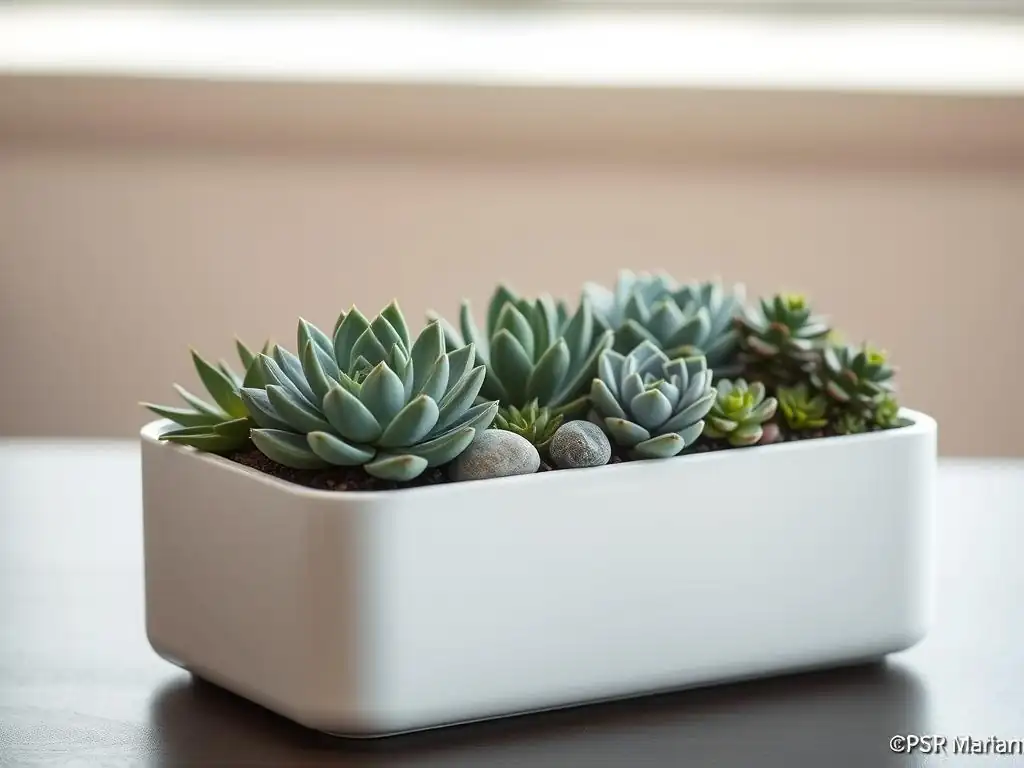
Creating a beautiful DIY succulent garden design is only half the battle. Maintaining its vibrancy and health requires consistent effort and attention. This section focuses on the long-term care strategies crucial for ensuring your succulent sanctuary flourishes for years to come. Understanding these techniques will transform your DIY project from a fleeting creation into a lasting source of beauty and tranquility.
Regular Maintenance and Pruning Techniques for Your DIY Succulent Garden Design
Regular maintenance is key to a healthy and aesthetically pleasing succulent garden. This includes several important steps:
- Watering: Overwatering is a common culprit in succulent demise. Allow the soil to dry completely between waterings, and adjust frequency based on the season and your specific environment. During winter, many succulents require significantly less water. Feel the soil – if it's dry an inch or two below the surface, it's time to water. Avoid getting the leaves wet, as this can lead to rot.
- Sunlight: Most succulents thrive in at least six hours of sunlight daily. Monitor your garden's location and adjust accordingly. Signs of insufficient light include etiolation (leggy growth) and pale coloration. Rotate your pots periodically to ensure even sun exposure for all your succulents.
- Pruning: Pruning encourages bushier growth and prevents overcrowding. Remove dead, damaged, or diseased leaves and stems promptly. Use clean, sharp scissors or shears to minimize the risk of infection. For larger succulents, you might need to prune back leggy stems to encourage branching and a more compact shape. This is particularly important for maintaining the overall design of your DIY succulent garden.
- Weeding: Regular weeding prevents competition for resources and helps maintain the aesthetic appeal of your garden. Remove weeds promptly to avoid them overwhelming your precious succulents.
Remember, consistency is paramount. Establishing a regular maintenance schedule—perhaps a weekly or bi-weekly check-in—will ensure your DIY succulent garden design remains healthy and vibrant.
Protecting Your Succulents from Pests and Diseases: Prevention and Treatment
Even with diligent care, your DIY succulent garden design might encounter pests and diseases. Prevention is always better than cure. Here's how to protect your succulents:
- Prevention: Start with healthy, pest-free succulents. Inspect new plants carefully before incorporating them into your garden. Ensure proper spacing to allow for good air circulation, reducing the risk of fungal diseases. Avoid overwatering, which can create a breeding ground for pests and diseases.
- Common Pests: Mealybugs, aphids, and spider mites are common succulent pests. Inspect your plants regularly for signs of infestation, such as white cottony masses (mealybugs), tiny insects clustering on leaves (aphids), or fine webbing (spider mites).
- Treatment: For minor infestations, you can often remove pests manually with a cotton swab dipped in rubbing alcohol. For more severe infestations, insecticidal soap or neem oil can be effective. Always follow the product instructions carefully. In cases of severe disease, removing and discarding affected plants might be necessary to prevent the spread of infection.
A proactive approach to pest and disease management is crucial for the long-term health of your DIY succulent garden. Early detection and prompt treatment can save your plants and maintain the integrity of your carefully crafted design.
Repotting Your Succulents: When and How to Repot for Healthy Growth
Repotting is an essential part of long-term succulent care, promoting healthy growth and preventing rootbound conditions. Knowing when and how to repot is crucial for maintaining the vitality of your DIY succulent garden design.
- When to Repot: Succulents generally need repotting every 1-2 years, or when they become rootbound (roots circling the pot). Signs of rootbound succulents include slow growth, roots emerging from drainage holes, and difficulty absorbing water. Spring is generally the best time to repot.
- How to Repot: Choose a well-draining pot slightly larger than the previous one. Use a succulent and cactus potting mix, which is specifically formulated to provide good drainage. Gently remove the succulent from its old pot, taking care not to damage the roots. Inspect the roots and remove any damaged or dead ones. Plant the succulent in the new pot, ensuring the crown (where the leaves emerge) is slightly above the soil line. Water lightly after repotting.
Regular repotting ensures your succulents have ample space for root growth and access to fresh nutrients, contributing to the ongoing beauty and health of your DIY succulent garden. Remember that proper repotting techniques are essential for maintaining a thriving and visually appealing succulent sanctuary.
Enhancing Your DIY Succulent Garden Design: Creative Ideas and Inspiration
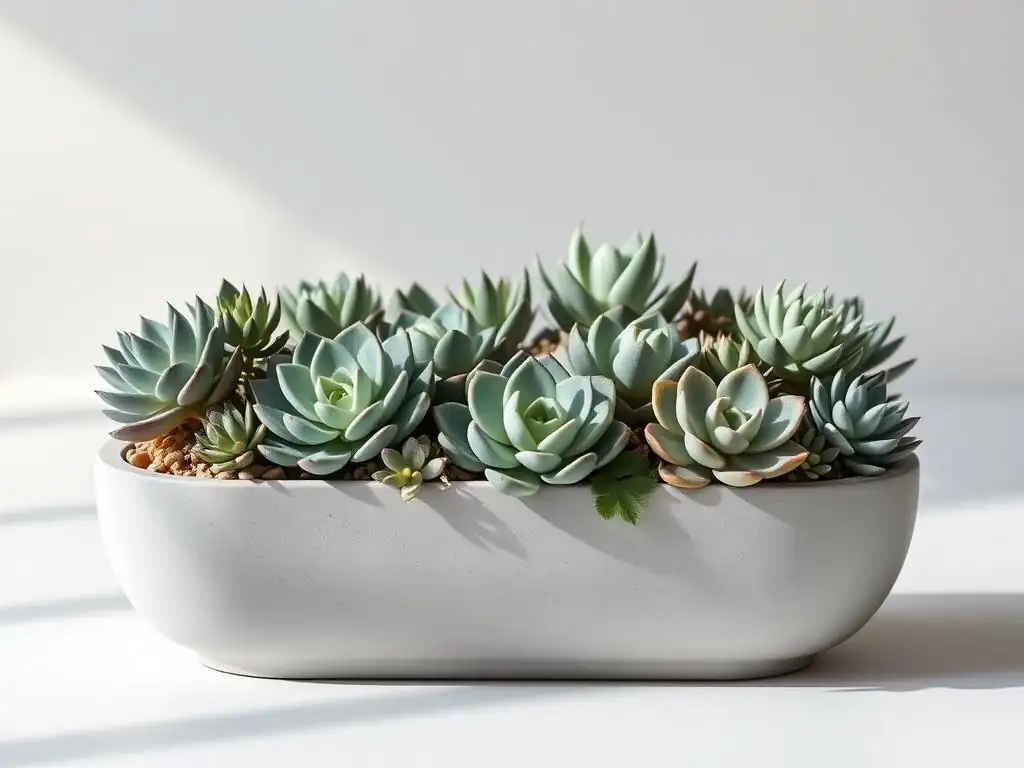
This section explores creative avenues to elevate your DIY succulent garden design, transforming a simple collection of plants into a captivating and personalized sanctuary. We'll delve into practical techniques and inspiring ideas to help you craft a succulent space that truly reflects your unique style and preferences. Remember, the beauty of a DIY project lies in its individuality.
Adding Decorative Elements to Your Succulent Garden: Rocks, Gravel, and More
Incorporating decorative elements is key to enhancing the aesthetic appeal of your DIY succulent garden design. Think beyond the plants themselves! The right additions can create texture, contrast, and visual interest, grounding your succulent arrangement and adding depth.
Consider using a variety of rocks and gravels. Larger, statement rocks can anchor larger succulents, while smaller pebbles can fill in spaces and create a more natural look. Experiment with different colors and textures – smooth river stones, rough volcanic rock, or even brightly colored glass pebbles can add a pop of personality. The size and type of rocks you choose should complement the overall style and scale of your design. For instance, a minimalist modern design might benefit from clean, white river rocks, while a rustic desert theme could incorporate rough, earthy tones.
Beyond rocks and gravel, other decorative elements can elevate your design. Consider adding:
- Driftwood: Adds a natural, organic touch, especially suitable for coastal-themed gardens.
- Miniature figurines: Add a whimsical touch, particularly in smaller terrariums or container gardens.
- Small decorative fences: Define different sections within a larger garden.
- Metal accents: Add a touch of industrial chic or modern elegance.
Remember to choose materials that are durable and won't leach harmful chemicals into the soil. Prioritize natural, non-toxic options whenever possible. Proper placement is crucial; don't overcrowd the space. Allow the decorative elements to enhance, not detract from, the succulents themselves.
Creating a Unique Theme for Your DIY Succulent Garden: Desert, Coastal, or Modern
Choosing a theme is a fantastic way to guide your DIY succulent garden design and create a cohesive, visually appealing space. A well-defined theme provides a framework for selecting plants, decorative elements, and containers. Let's explore some popular themes:
- Desert Theme: This classic choice evokes the natural habitat of many succulents. Use earthy tones, terracotta pots, and rough textures. Include cacti alongside succulents for a truly authentic desert feel. Consider incorporating sand, small rocks, and driftwood to complete the scene. Think arid landscapes with dramatic contrasts.
- Coastal Theme: Bring the seaside to your home! Use lighter colors, smooth stones, and driftwood. Opt for succulents with bluish-green hues. Sea glass or shells can add a unique touch. The overall feel should be breezy and relaxed, reflecting the calming nature of the ocean.
- Modern Theme: Embrace clean lines and minimalist aesthetics. Use sleek containers, geometric shapes, and a limited color palette. Focus on the succulents' inherent beauty, letting their form and texture take center stage. Choose a monochromatic scheme or stick to a few carefully selected complementary colors.
The possibilities are endless! You can also create a themed garden based on your favorite colors, patterns, or even a specific region of the world. The key is to stay consistent with your chosen theme throughout the design process.
DIY Succulent Garden Design Ideas: Vertical Gardens, Terrariums, and More
The beauty of a DIY succulent garden design lies in its versatility. Beyond traditional ground-level arrangements, explore creative options like vertical gardens and terrariums to maximize space and showcase your succulents in unique ways.
- Vertical Gardens: Perfect for small spaces or adding a statement piece to a wall, vertical gardens offer a dynamic display. You can create one using a variety of materials, from repurposed pallets to specialized wall planters. Choose succulents that will cascade beautifully and consider varying heights and textures for visual interest. Proper drainage is vital to prevent root rot.
- Terrariums: Terrariums provide a miniature, self-contained ecosystem. They are ideal for showcasing smaller succulents and creating a unique microclimate. You can use a variety of glass containers, from simple bowls to elaborate vintage vessels. Ensure proper ventilation to prevent mold and mildew.
- Container Gardens: Container gardens offer flexibility and portability. Use a variety of pots and planters to create a visually interesting arrangement. Choose containers that complement your chosen theme and the succulents themselves. Consider using different sizes and shapes for a more dynamic display. Remember that proper drainage is essential for all container plantings.
Remember to consider the specific needs of each succulent species when designing your garden. Research the light, water, and soil requirements before making your final planting decisions. With careful planning and a touch of creativity, you can craft a stunning DIY succulent garden that will bring joy and beauty to your space for years to come.
DIY Succulent Garden Design: Troubleshooting Common Problems and Solutions
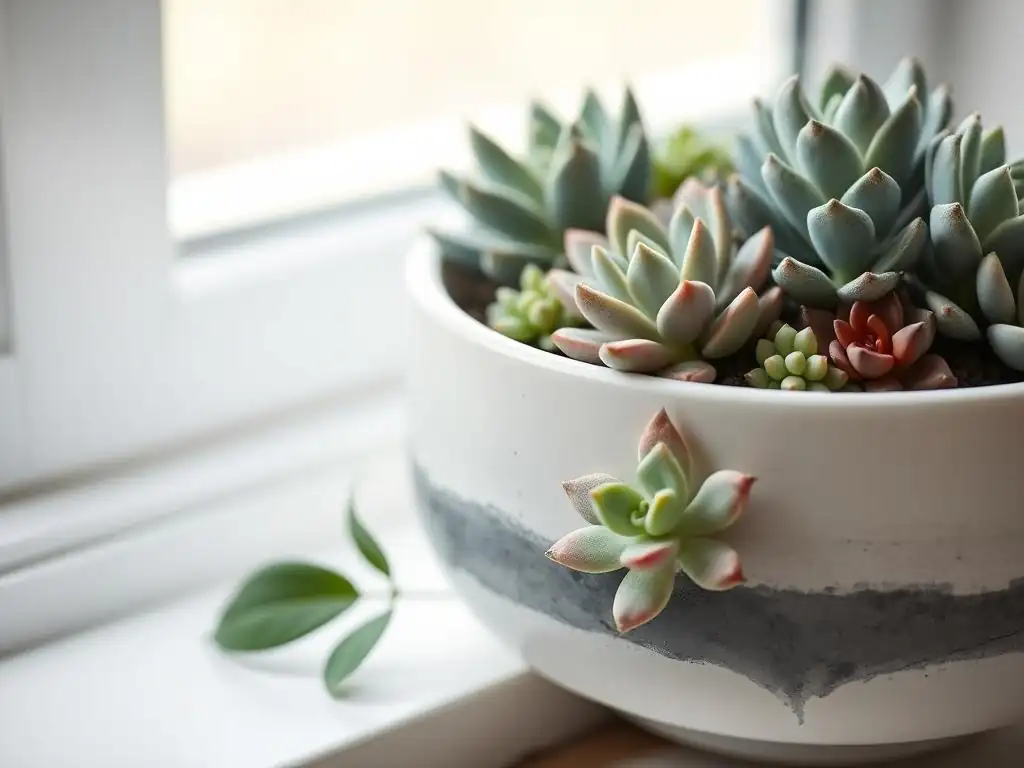
Creating a thriving DIY succulent garden is a rewarding experience, but it's not without its challenges. Even the most experienced succulent enthusiasts encounter problems along the way. This section addresses common issues and provides practical solutions to help you maintain a healthy and beautiful succulent sanctuary. Understanding these potential pitfalls and how to proactively address them is key to successful DIY succulent garden design.
Addressing Common Issues: Yellowing Leaves, Root Rot, and More
One of the most frequent concerns among succulent growers is yellowing leaves. This can stem from several factors, including:
- Overwatering: This is the most common culprit. Succulents store water in their leaves, and excessive watering leads to root rot, which then manifests as yellowing leaves. A tell-tale sign is soft, mushy leaves.
- Underwatering: While less frequent than overwatering, underwatering can also cause yellowing, particularly in lower leaves. These leaves will often shrivel and become brittle before turning yellow.
- Nutrient Deficiency: A lack of essential nutrients can lead to discoloration and yellowing. Ensure your succulent soil is rich in nutrients.
- Sunburn: Intense, direct sunlight can scorch succulent leaves, causing them to turn yellow or brown. Gradual acclimation to sunlight is crucial, especially for newly planted succulents.
- Pest Infestation: Certain pests can cause damage to succulent leaves, leading to yellowing or spotting. Regular inspection is key to early detection and treatment.
Another significant problem is root rot, often caused by overwatering and poorly draining soil. Symptoms include mushy, dark-colored roots and a foul odor emanating from the soil. Prevention is crucial. Use well-draining soil mixes specifically formulated for succulents and ensure proper drainage in your containers. If root rot occurs, carefully remove the affected roots and repot the succulent in fresh, dry soil. You might need to carefully remove some of the affected soil as well.
Finally, pest infestations can devastate a succulent garden. Common pests include mealybugs, aphids, and spider mites. Regularly inspect your plants for signs of infestation—tiny insects, webbing, or sticky residue. If you find pests, treat them promptly using appropriate insecticidal soap or other organic methods. Early detection is critical in preventing widespread damage. Remember that prevention through proper hygiene and regular inspection is better than cure.
Tips for Overcoming Challenges in Your DIY Succulent Garden Design
Successfully navigating the challenges of DIY succulent garden design requires proactive measures and careful observation. Here are some essential tips:
- Proper Soil Selection: Use a well-draining soil mix specifically formulated for succulents, often containing perlite, pumice, or coarse sand. Avoid using garden soil, which retains too much moisture.
- Appropriate Watering: Water thoroughly but infrequently, allowing the soil to dry completely between waterings. The frequency will depend on factors like the climate, pot size, and type of succulent. Check the soil moisture by inserting your finger into the soil; if it's dry an inch or two below the surface, it’s time to water.
- Sunlight Management: Provide adequate sunlight, but avoid direct, intense midday sun, particularly during the hottest months. Gradually acclimate new succulents to brighter conditions to prevent sunburn.
- Container Selection: Choose pots with drainage holes to prevent waterlogging. Terracotta pots are excellent choices as they allow for better air circulation and evaporation.
- Regular Inspection: Regularly check your succulents for signs of pests, diseases, or other problems. Early detection is crucial for effective treatment. A quick weekly check can save your plants from considerable problems.
- Fertilization: Feed your succulents sparingly during the growing season (spring and summer) with a balanced, diluted succulent fertilizer. Avoid over-fertilizing, as this can harm the plants.
By following these guidelines and addressing potential problems promptly, you can cultivate a thriving and beautiful DIY succulent garden that brings joy and tranquility to your personal sanctuary. Remember, patience and observation are key to success in this rewarding hobby. Even with the best care, some issues may arise, but with a little knowledge and attention to detail, you can overcome them and enjoy the beauty of your handmade succulent garden for years to come.
The Joy of a Personal Succulent Space: Reap the Rewards of Your DIY Succulent Garden Design
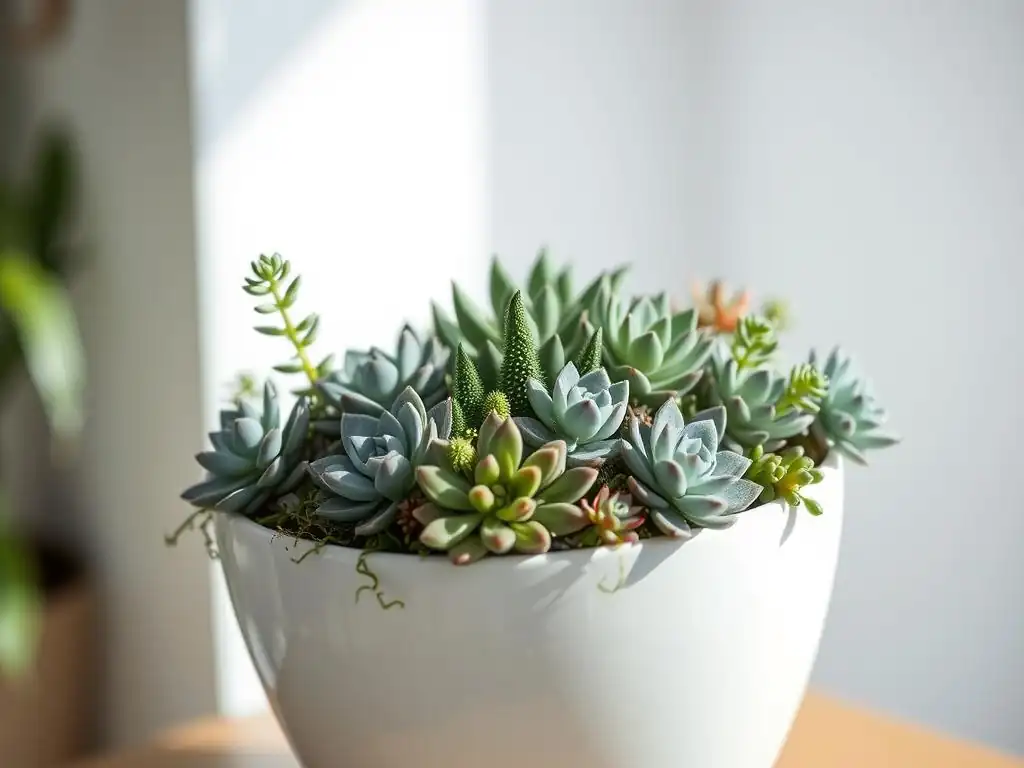
Creating your own DIY succulent garden design offers a unique blend of creativity, therapeutic benefits, and long-term satisfaction. It's more than just planting; it's about crafting a personal sanctuary that reflects your individual style and nurtures your well-being. This section explores the multifaceted rewards of embarking on this rewarding journey, from the immediate stress relief to the lasting aesthetic pleasure of a thriving succulent collection. Let's delve into the enriching aspects of designing and maintaining your own succulent haven.
The Therapeutic Benefits of Gardening: Stress Reduction and Mindfulness
Gardening, particularly the focused activity of arranging and caring for succulents, offers significant therapeutic advantages. Studies have shown that engaging in horticultural activities can significantly reduce stress levels. The repetitive motions of potting, planting, and watering act as a form of gentle exercise, releasing endorphins and promoting a sense of calm. The act of nurturing these resilient plants fosters a sense of responsibility and accomplishment, boosting self-esteem and providing a sense of purpose.
Furthermore, tending to a succulent garden encourages mindfulness. The detailed work required – carefully selecting the perfect pot, arranging the succulents to maximize their visual appeal, and monitoring their hydration needs – demands a present focus, shifting attention away from daily anxieties and promoting a state of tranquility. The quiet contemplation involved in observing the slow, steady growth of your plants can be incredibly meditative.
The rhythmic repetition of tasks associated with succulent care acts as a form of moving meditation, helping to quiet the mind and alleviate stress. This mindful approach to gardening can contribute to improved mental clarity and emotional well-being. Many find that the simple act of watching their succulent garden thrive provides a sense of peace and contentment, a soothing balm for the modern stresses of life.
The Aesthetic Appeal of a Well-Designed Succulent Garden: Bringing Nature Indoors
A well-designed succulent garden is a feast for the eyes. The diverse textures, colors, and shapes of succulents offer endless possibilities for creative arrangements. From minimalist displays in sleek modern pots to vibrant, cascading compositions in rustic containers, the aesthetic versatility of succulents allows you to personalize your garden to perfectly complement your interior design.
Consider the impact of different pot styles: terracotta pots offer a rustic charm, while ceramic pots provide a more modern feel. The choice of succulents themselves contributes significantly to the overall aesthetic. Think about contrasting textures: the smooth, fleshy leaves of Echeveria against the spiky rosettes of Sempervivum. Or consider color palettes: a monochromatic arrangement of various shades of green can be incredibly calming, while a vibrant mix of pinks, purples, and greens can create a more energetic feel. Strategic placement of succulents of varying heights and shapes can add depth and visual interest to your design. Whether it's a small windowsill garden or a larger, more elaborate installation, a thoughtfully designed succulent collection enhances the beauty and ambiance of any space. The carefully curated arrangement of your DIY succulent garden design transforms an ordinary area into a captivating display of natural artistry, bringing a touch of the outdoors in.
Long-Term Sustainability of Your DIY Succulent Garden: A Lasting Investment
One of the significant advantages of choosing succulents for your DIY succulent garden design is their inherent resilience. These drought-tolerant plants require minimal maintenance, making them an ideal choice for busy individuals or those new to gardening. Their low-water needs contribute to long-term sustainability, reducing your environmental footprint and saving on water costs. With proper care, your succulent garden can thrive for years, offering continuous aesthetic pleasure and a rewarding sense of accomplishment.
Furthermore, the propagation of succulents is relatively easy. You can easily increase your collection by taking cuttings and propagating new plants, extending the lifespan of your garden and minimizing the need to constantly purchase new succulents. This propagation not only adds to the longevity of your garden but also provides a satisfying cycle of growth and renewal.
Proper soil selection and pot drainage are crucial for the long-term health of your succulents. Choosing well-draining potting mixes and pots with drainage holes prevents root rot, a common problem that can significantly shorten the lifespan of your plants. By investing time in learning about the specific needs of your chosen succulents, you're ensuring the long-term success and beauty of your DIY succulent garden design—a truly lasting investment in your well-being and your home's aesthetic appeal.
Frequently Asked Questions
What is a DIY succulent garden design?
A DIY succulent garden design is a personalized arrangement of succulents created by you! It allows for creative freedom and lets you tailor the design to your specific space and aesthetic preferences, using readily available materials. You choose the succulents, the container, and the overall style.
What are the essential elements for a successful DIY succulent garden?
Essential elements include selecting the right succulents for your environment (considering sunlight and drainage), using a well-draining potting mix, and choosing a suitable container with drainage holes. Proper watering is also crucial.
How do I choose the right succulents for my DIY garden design?
Consider your location's climate and the amount of sunlight your garden will receive. Select succulents with similar water and light requirements to ensure they thrive together. Research different varieties to find ones that complement each other aesthetically.
What kind of container is best for a DIY succulent garden?
Almost any container can work, but it's vital to ensure it has adequate drainage holes to prevent root rot. Terracotta pots are popular due to their breathability. Consider the size and style of the container to complement your design and the succulents you've chosen.
Where can I find inspiration for my DIY succulent garden design?
Explore online resources like Pinterest and Instagram for endless ideas. Visit local nurseries for inspiration or browse through gardening books and magazines. Let your personal style guide you, and don't be afraid to experiment!
Final Reflection: Cultivating Inner Peace, One Succulent at a Time
The meticulous art of crafting a DIY succulent garden isn't merely a hobby; it's a powerful act of self-care, a tangible expression of our innate need for connection with nature and beauty. In a world increasingly dominated by digital distractions and fast-paced living, the quiet act of nurturing these resilient plants offers a much-needed antidote, a sanctuary for the soul that can be created in even the smallest of spaces.
The enduring appeal of succulent gardens lies not only in their aesthetic charm but also in their symbolic resonance. These hardy plants, thriving even in challenging conditions, mirror our own capacity for resilience and growth. The love for all living creatures is the most noble attribute of man.
- Charles Darwin. This quote speaks to the deeper connection we forge with the natural world, a connection that is profoundly enriched through the mindful practice of cultivating our own personal succulent space. The process itself – from selecting the perfect pots to arranging the succulents with intention – becomes a meditative practice, fostering a sense of calm and accomplishment.
Now, consider your own life. What small, intentional act of creation can you introduce to bring a similar sense of peace and purpose into your daily routine? Perhaps it's not succulents, but another creative outlet that speaks to your soul. Embrace the opportunity to cultivate your own personal sanctuary, however you define it, and watch as the transformative power of mindful creation unfolds. Let the resilience of the succulent inspire you to nurture your own inner strength and find beauty in the everyday.
Unleash Your Inner Gardener: Cultivate Your Succulent Oasis
Thank you for exploring the world of succulent serenity with us! We hope you've discovered the joy and ease of creating a thriving succulent garden. Now it's time to put your newfound knowledge into practice.
- Design your dream succulent arrangement: Start with a single pot, and let your creativity flourish! Sketch out ideas, browse for inspiration online or in gardening magazines, and visualize your personal succulent haven. This is your chance to truly personalize your space. Consider the overall style you want to achieve, whether it's modern, rustic, or something else entirely.
- Share your succulent journey: Post a picture of your progress on social media—we'd love to see your creations! Use #SucculentEssentials to connect with our community and share tips with fellow enthusiasts.
- Explore the diverse world of succulents: Visit your local nursery or browse online resources to discover the incredible variety of succulents available. You're sure to find new favorites to add to your growing collection! Consider factors like sunlight requirements and water needs when making your selections.
Ready to transform your space into a miniature botanical paradise? Which unique succulent will you choose for your next project?