
Discover Your Calm: Building Your Private Succulent Haven

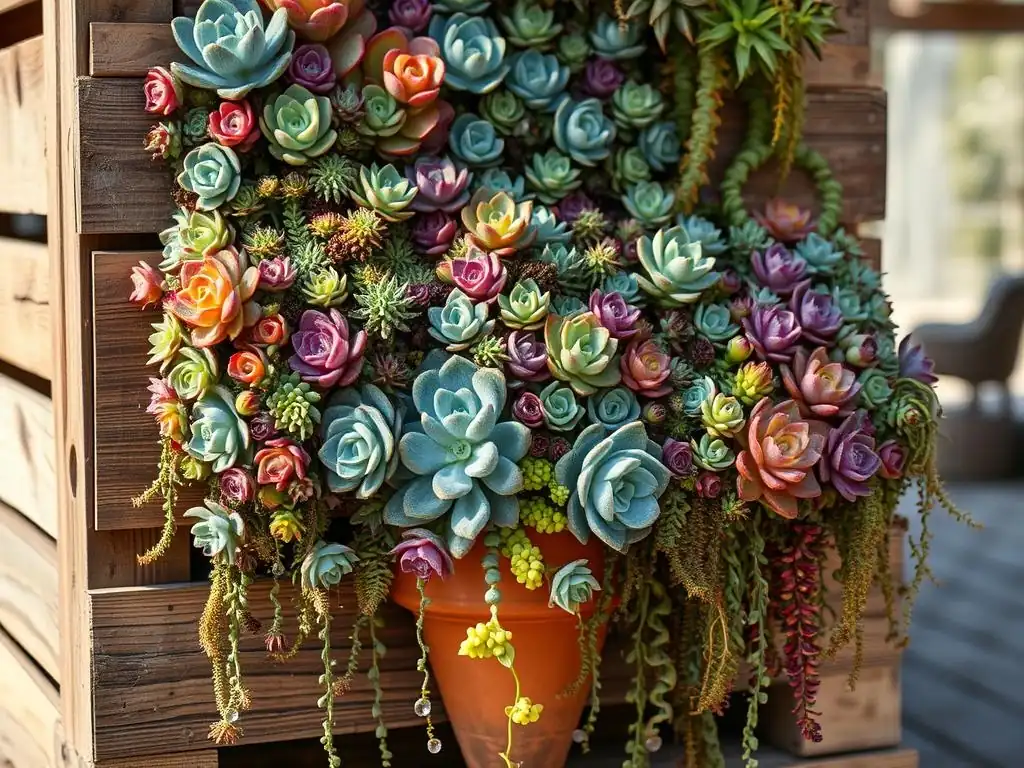
Welcome to SucculentEssentials.org, where the fascinating world of succulents unfolds before you! Are you ready to transform your space into a thriving oasis? We delve into the art of DIY succulent garden design, unlocking the secrets to crafting breathtaking arrangements and nurturing rare, exquisite species. Prepare to be inspired and discover the calming power of these resilient plants – let's embark on this journey together!
- Designing Your DIY Succulent Garden: Choosing the Perfect Location
- DIY Succulent Garden Design: Selecting Your Star Plants
- Building Your Succulent Sanctuary: Step-by-Step Guide
- Maintaining Your Thriving Succulent Haven: Long-Term Care
- Adding Creative Touches to Your DIY Succulent Garden Design
- Designing for Different Spaces: DIY Succulent Garden Ideas
- Troubleshooting Common Issues in Your DIY Succulent Garden
- Embrace the Serenity: Enjoying Your Private Succulent Haven
-
Frequently Asked Questions
- What are the essential elements for a successful DIY succulent garden design?
- How do I choose the right succulents for my DIY garden design?
- What kind of container is best for a DIY succulent garden?
- What are some creative ideas for arranging succulents in a DIY garden?
- How do I maintain my DIY succulent garden?
- Final Reflection: Cultivating Inner Peace, One Succulent at a Time
- Unleash Your Inner Gardener: Cultivate Your Calm
Designing Your DIY Succulent Garden: Choosing the Perfect Location
Creating a thriving, personal succulent haven is a rewarding experience that blends horticultural expertise with artistic expression. This guide delves into the art of DIY succulent garden design, focusing on key aspects that ensure your miniature desert landscape flourishes.
We'll explore everything from selecting the ideal location and optimizing soil drainage to choosing the perfect containers, transforming your space into a tranquil oasis teeming with these resilient and beautiful plants. This journey into crafting your own DIY succulent garden will not only enhance your home's aesthetic appeal but also provide a calming and therapeutic experience, allowing you to connect with nature's enduring beauty.
The process of carefully selecting plants, arranging them aesthetically, and nurturing their growth offers a unique blend of creativity and mindful engagement, making it the perfect hobby for those seeking a peaceful and rewarding pursuit. Let's embark on this journey together and discover how to cultivate your own private succulent sanctuary.
Sunlight Considerations for Your Succulent Garden Design
Sunlight is paramount for the health and vibrancy of your succulents. These sun-loving plants require ample exposure to thrive. The ideal location for your DIY succulent garden is one that receives at least 6-8 hours of direct sunlight daily. However, the intensity of sunlight can vary depending on your geographic location and the time of year. In regions with intense summer sun, you might need to provide some afternoon shade to prevent sunburn, especially for more delicate varieties.
Consider the orientation of your chosen space. South-facing locations generally receive the most sunlight, while east-facing areas offer morning sun and west-facing areas provide afternoon sun. Observe the sun's path throughout the day to determine the most suitable location. If you're working with a limited space, consider using grow lights to supplement natural sunlight, especially during winter months when daylight hours are shorter.
Remember, insufficient sunlight can lead to etiolation (leggy growth) and weakened plants, while excessive sun can cause scorching and damage. Careful observation and adaptation based on your specific environment are key to success. Experimentation and observation are crucial for finding the perfect balance.
Optimizing Soil Drainage for Healthy Succulents
Proper soil drainage is crucial for preventing root rot, a common problem among succulents. These plants are adapted to arid conditions and require well-draining soil to avoid sitting in water. Avoid using garden soil, which typically retains too much moisture. Instead, opt for a specialized succulent potting mix, which is typically a blend of inorganic materials like perlite, pumice, or coarse sand, mixed with a small amount of organic matter like peat moss. This blend ensures excellent aeration and drainage, allowing excess water to escape readily.
You can also improve drainage by adding a layer of gravel or broken pottery shards to the bottom of your containers. This creates a drainage layer, preventing water from accumulating at the base of the pot. Regularly check the soil moisture levels before watering, allowing the top inch or two to dry out completely between waterings. Overwatering is a common mistake that can quickly lead to root rot and plant death. By providing well-draining soil and practicing mindful watering, you’ll significantly improve the chances of your succulent garden thriving. Remember, it's better to underwater than overwater your succulents.
Selecting the Ideal Containers for Your DIY Succulent Garden
The choice of containers plays a significant role in the aesthetics and functionality of your DIY succulent garden. While you can certainly use traditional terracotta pots, the possibilities are endless. Consider using a variety of containers to add visual interest. Think about repurposing items like old teacups, vintage tins, or even decorative bowls. The key is to ensure adequate drainage, regardless of the container's material. If a container doesn't have drainage holes, you'll need to drill some or use a liner with drainage holes.
The size and shape of the containers should also be considered. Larger containers are ideal for larger succulent arrangements, while smaller containers are perfect for individual plants or smaller groupings. The material of the container also influences drainage and temperature regulation. Terracotta pots, for example, are porous and allow for good air circulation, while plastic pots retain moisture longer.
Choose materials and sizes that complement your overall design and the specific needs of your chosen succulents. Consider the weight and stability of the containers, especially if you're creating a larger or elevated arrangement. A well-considered choice of containers will enhance both the beauty and the health of your succulent garden.
DIY Succulent Garden Design: Selecting Your Star Plants
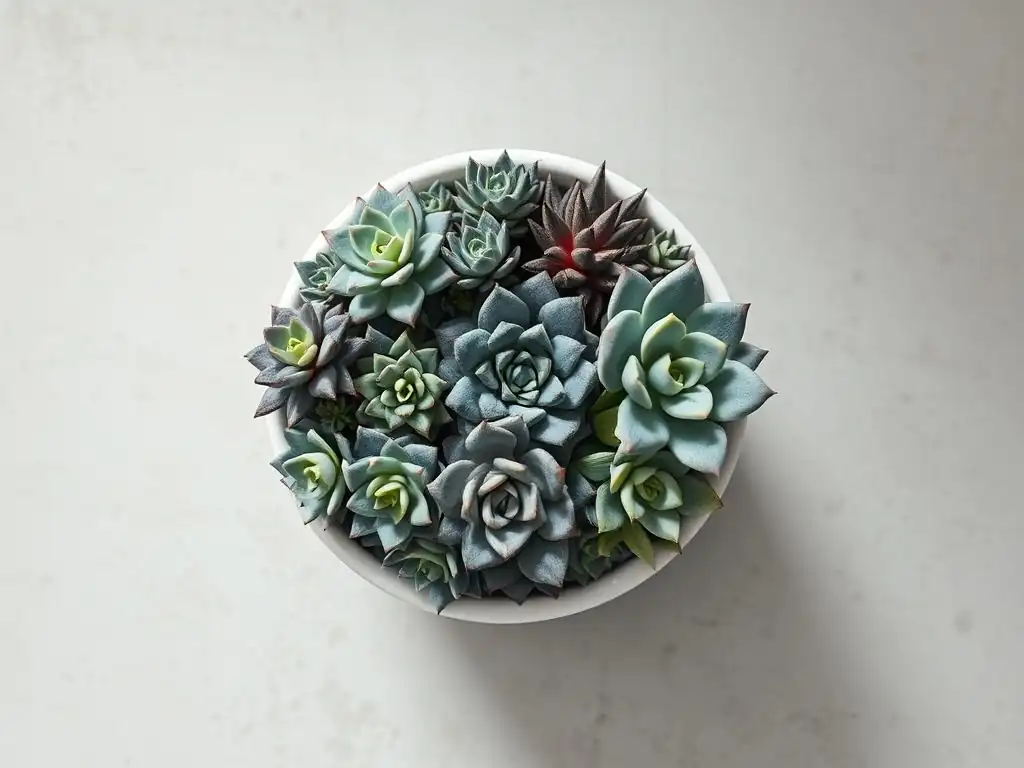
This section focuses on the crucial first step in crafting your DIY succulent garden design: choosing the right plants. The success of your succulent haven hinges on selecting species that thrive in your specific environment and complement each other aesthetically. Careful consideration of light, water needs, and overall aesthetic harmony will ensure a flourishing and visually stunning garden.
Choosing Succulents for Different Light Conditions
Light is arguably the most critical factor influencing succulent health and growth. Different succulents have varying tolerances for sunlight exposure. Understanding these needs is paramount for a thriving DIY succulent garden design.
Many succulents crave abundant sunshine. These sun-worshippers, such as Echeveria species (like Echeveria laui with its powdery blue leaves) and Sedum rubrotinctum (Jelly Bean Plant), will flourish in locations receiving at least six hours of direct sunlight daily. Insufficient light will lead to etiolation (leggy growth) and a weakened plant.
Conversely, some succulents prefer partial shade or filtered light. These shade-loving varieties, including Haworthia and Gasteria species, are susceptible to sunburn if exposed to intense direct sunlight. They thrive in brighter, indirect light conditions. A north-facing window or a shaded area of your garden might be ideal.
Finally, a few succulents tolerate low-light conditions, although their growth will be slower. These are excellent choices for indoor DIY succulent garden design in rooms with limited natural light. Sansevieria trifasciata (Snake Plant) is a prime example of a low-light tolerant succulent.
Creating a Diverse Succulent Collection: Shapes, Sizes, and Textures
A visually captivating DIY succulent garden design incorporates variety. Think beyond just color; consider the shapes, sizes, and textures of your chosen succulents. This creates depth and interest, transforming your garden from a simple collection into a miniature landscape.
| Succulent Type | Shape | Size (approx.) | Texture | Notes |
|---|---|---|---|---|
| Echeveria | Rosette | Small to Medium | Smooth, powdery | Many color variations available |
| Sedum morganianum | Trailing | Medium | Soft, fleshy | Ideal for hanging baskets or cascading designs |
| Haworthia attenuata | Rosette | Small | Rough, bumpy | Unique and interesting texture |
| Aeonium arboreum | Tree-like | Large | Smooth, fleshy | Striking architectural form |
| Faucaria tigrina | Rosette | Small | Spiky, textured | Unique "tiger jaws" appearance |
This table provides just a small sample. The possibilities for creating a diverse and aesthetically pleasing collection are vast. Remember to consider the mature size of each succulent to ensure they have adequate space to grow without overcrowding.
Incorporating Rare and Unique Succulents into Your Design
Adding rare and unique succulents elevates your DIY succulent garden design to a new level. These unusual plants become focal points, adding a touch of exotic beauty and a sense of accomplishment. However, remember that rare succulents often require specialized care.
Some examples of rare and sought-after succulents include:
- Dudleya brittonii: A striking succulent with blue-grey leaves and a unique rosette form.
- Conophytum: These tiny succulents mimic pebbles, blending seamlessly into their environment.
- Tylecodon: Known for their unusual caudiciform (swollen) stems.
Before incorporating rare succulents into your DIY succulent garden design, thoroughly research their specific needs, including light, watering, and temperature requirements. Their rarity often translates to higher sensitivity and more demanding care. Prioritize their well-being to ensure their survival and contribution to the overall aesthetic appeal of your private succulent haven. Remember to carefully consider the overall design and choose a location that best suits these unique plants' specific needs. This attention to detail will significantly enhance the visual impact and success of your project.
Building Your Succulent Sanctuary: Step-by-Step Guide
This section provides a detailed, step-by-step guide to constructing your own personalized DIY succulent garden design. We'll cover everything from prepping the planting area to the ongoing care of your flourishing succulent haven. Remember, patience and attention to detail are key to creating a thriving and visually stunning succulent garden.
Preparing Your Planting Area: Cleaning and Soil Preparation
Before you even think about planting, the foundation of your DIY succulent garden design is crucial. A clean and well-prepared planting area is essential for healthy succulent growth and will prevent many common problems. Let's start with the basics:
First, thoroughly clean your chosen container or area. If using a reused pot, scrub it with soap and water to remove any residual dirt or debris. This will eliminate potential pests and diseases that could harm your succulents. For outdoor gardens, remove any weeds or grass that could compete with your succulents for nutrients and water. Consider using a weed barrier fabric for larger areas to prevent future weed growth.
Next, soil selection is paramount. Succulents thrive in well-draining soil that prevents waterlogging. Avoid using garden soil alone, as it tends to retain too much moisture. A good DIY succulent garden design incorporates a well-draining mix. A suitable blend might include:
- 2 parts coarse sand
- 1 part perlite
- 1 part potting soil
This mixture ensures excellent drainage, preventing root rot – a common killer of succulents. You can also purchase pre-mixed cactus and succulent potting soil from most garden centers for convenience. Remember to check the soil's drainage by pouring a small amount of water through it. It should drain quickly and completely.
Planting Your Succulents: Techniques for Success
With your planting area prepared, it's time to carefully plant your succulents. This step in your DIY succulent garden design requires a gentle touch to avoid damaging the delicate roots.
Begin by gently removing your succulents from their original containers. If the roots are tightly bound, carefully loosen them with your fingers. Avoid pulling too hard, as this could damage the roots. Inspect the roots for any signs of rot or damage. If you find any, trim the affected areas with clean, sharp scissors.
Next, prepare individual planting holes slightly larger than the root ball of each succulent. Space them appropriately to allow for growth. Remember to consider the mature size of each succulent when planning your arrangement. Overcrowding can lead to competition for resources and poor air circulation.
Carefully place the succulents into their holes, ensuring the top of the root ball is level with the soil surface. Backfill the holes with your prepared succulent soil, gently firming it around the base of each plant. Avoid pressing too hard, as this can damage the roots.
Watering Your New Succulent Garden: Avoiding Overwatering
Overwatering is a common mistake that can quickly kill your succulents. Proper watering is a critical component of a successful DIY succulent garden design. The goal is to provide enough water to keep the soil slightly moist but not soggy.
Initially, after planting, water your succulents lightly to settle the soil. Avoid soaking the plants, as this can lead to root rot. Allow the soil to dry out completely before watering again. The frequency of watering will depend on several factors, including the climate, the type of succulents, and the size of the container.
During the growing season (spring and summer), you may need to water more frequently. However, during the dormant season (fall and winter), water sparingly or not at all. Always check the soil moisture before watering. Stick your finger about an inch into the soil. If it feels dry, it's time to water. If it's still moist, wait a few more days.
Remember, it's better to underwater than overwater succulents. Overwatering leads to root rot, which is often fatal. Observe your succulents carefully for signs of overwatering, such as mushy leaves or stems. If you notice these signs, reduce the frequency of watering and ensure good drainage. A well-planned DIY succulent garden design prioritizes appropriate watering techniques.
Maintaining Your Thriving Succulent Haven: Long-Term Care
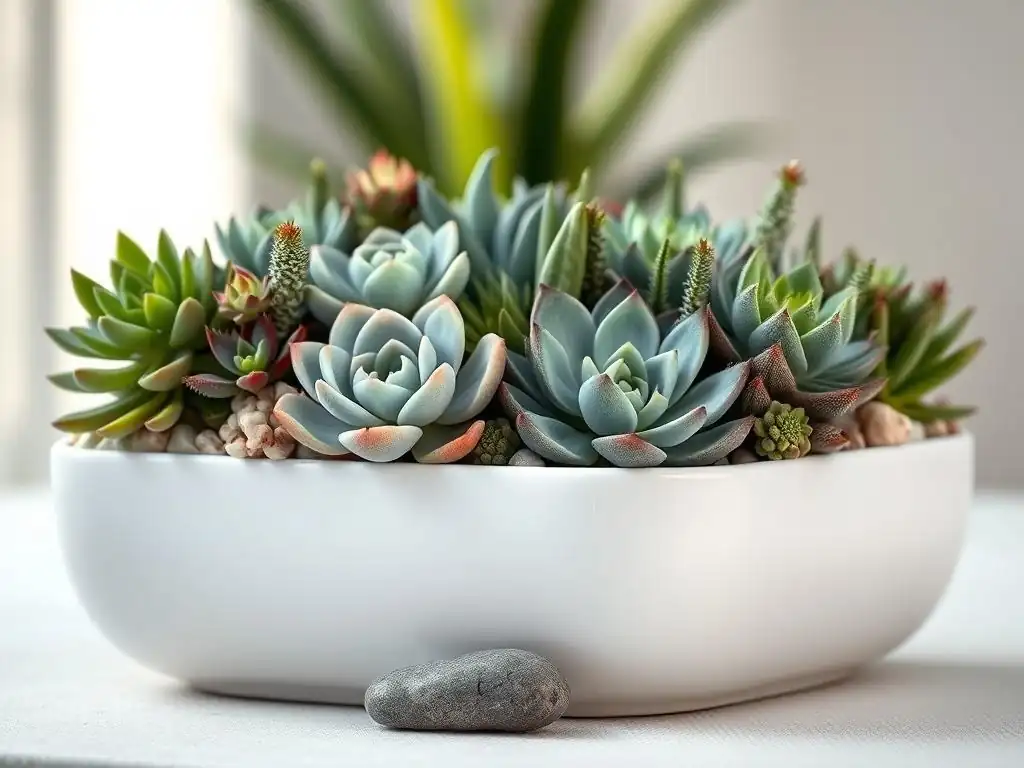
Creating a beautiful DIY succulent garden design is only half the battle. Long-term care ensures your succulent haven thrives for years to come, rewarding you with vibrant growth and stunning displays. This section focuses on the essential practices for maintaining the health and beauty of your carefully curated collection. Remember, consistent care is key to a flourishing succulent sanctuary.
Regular Maintenance: Watering, Weeding, and Pest Control
Regular maintenance is the cornerstone of a successful DIY succulent garden design. This involves a three-pronged approach: watering, weeding, and pest control. Let's delve into each aspect.
Watering succulents requires a delicate balance. Overwatering is a common culprit behind succulent demise. Instead of following a strict schedule, assess the soil moisture. Water thoroughly only when the soil is completely dry, usually every 1-2 weeks, depending on your climate and pot size. Allow excess water to drain completely to prevent root rot. Signs of overwatering include mushy leaves and a foul odor.
Weeding is crucial for preventing competition for resources. Regularly remove any weeds that sprout up in your succulent garden, ensuring your precious plants receive adequate sunlight, water, and nutrients. A small hand trowel is ideal for this task. Remember to be gentle to avoid accidentally damaging your succulent's delicate roots.
Pest control is another vital aspect of succulent care. Common pests include mealybugs, aphids, and spider mites. Regularly inspect your plants for signs of infestation, such as white cottony masses (mealybugs), small insects clustering on leaves (aphids), or fine webbing (spider mites). Early detection is crucial. For minor infestations, you can often remove pests manually with a cotton swab dipped in rubbing alcohol. For more severe infestations, consider using a mild insecticidal soap.
Protecting Your Succulents from Extreme Weather Conditions
Succulents, while drought-tolerant, are still susceptible to extreme weather conditions. Protecting your DIY succulent garden design from harsh elements is critical for their long-term survival. This includes both intense heat and freezing temperatures.
During periods of intense heat, consider providing some shade, especially during the hottest part of the day. This can be achieved by using shade cloth, strategically placing larger plants to provide natural shade, or simply moving your pots to a less sunny location. Avoid placing your succulents in direct sunlight during the hottest part of the day, especially during summer months. Remember, even drought-tolerant succulents can suffer from sunburn.
Conversely, freezing temperatures pose a significant threat. Many succulents are not frost-hardy. During winter months, bring your pots indoors or into a sheltered area, such as a garage or unheated porch, to protect them from frost. If leaving them outdoors, consider covering them with frost cloth or moving them to a more sheltered location. The key is to prevent the soil from freezing solid. Remember to monitor temperatures carefully and adjust your protective measures accordingly.
Propagating Your Succulents: Expanding Your Collection
One of the joys of succulent gardening is the ease of propagation. Expanding your collection through propagation is a rewarding experience, allowing you to create more DIY succulent garden designs and share your passion with others. There are several methods for propagating succulents, including leaf cuttings and stem cuttings.
Leaf propagation is a simple method that can yield numerous new plants. Carefully remove a healthy leaf from the mother plant, ensuring it’s not damaged. Allow the leaf to callus over for a few days before placing it on top of well-draining soil. Keep the leaf slightly moist until roots develop.
Stem cuttings are another effective propagation method. Cut a healthy stem, ensuring it includes several leaves. Allow the cutting to callus over before planting it in well-draining soil. Once again, keep the soil slightly moist until roots develop and new growth appears. Remember, patience is key, as propagation can take several weeks or even months.
With proper care and attention, your DIY succulent garden design will flourish, providing you with years of enjoyment and beauty. Remember to tailor your care practices to the specific needs of your succulent varieties, paying close attention to watering, weeding, pest control, and protection from extreme weather conditions. Enjoy the process of nurturing your unique succulent haven!
Adding Creative Touches to Your DIY Succulent Garden Design
This section focuses on elevating your DIY succulent garden design from a simple collection of plants to a visually stunning and personalized haven. We'll explore ways to incorporate decorative elements and arrange your succulents for maximum aesthetic impact, ultimately creating a space that reflects your unique style and brings you joy. Remember, the key to a successful DIY project is thoughtful planning and attention to detail.
Incorporating Decorative Elements: Rocks, Pebbles, and More
Beyond the succulents themselves, carefully chosen decorative elements can significantly enhance your DIY succulent garden design. Think of these additions as the finishing touches on a beautiful painting. The right elements can unify the composition, add texture, and create visual interest.
Rocks and pebbles are excellent choices, offering a natural and versatile aesthetic. Their varying sizes, shapes, and colors provide opportunities for creative arrangement. For example, you can use larger, flatter stones to create pathways or delineate different sections within your garden. Smaller pebbles can be used to mulch around the base of the plants, helping to retain moisture and suppress weeds. Consider incorporating different colors and textures – smooth river stones contrast beautifully with rough, volcanic rock.
Beyond rocks and pebbles, you can explore other natural elements. Driftwood, for example, adds a rustic charm, particularly effective in a coastal-themed design. Seashells can provide a similar effect, adding a playful touch. Remember to choose materials that are non-toxic and won't leach harmful chemicals into the soil.
Creating Visual Appeal: Arranging Succulents for Optimal Aesthetics
Arranging succulents effectively is crucial for a visually appealing DIY succulent garden design. It's not just about placing plants randomly; it's about creating a balanced and harmonious composition. Consider the following strategies:
- Varying Heights and Textures: Combine succulents of different sizes and shapes to create visual depth and interest. Taller succulents can act as focal points, while smaller ones fill in the gaps. The interplay of textures – smooth, spiky, fuzzy – adds another layer of complexity.
- Color Coordination: Think about the colors of your succulents. You can create a monochromatic scheme using different shades of green, or opt for a more vibrant palette by incorporating succulents with pink, purple, or red hues. A well-planned color scheme will dramatically improve the overall aesthetic.
- Grouping Similar Plants: Grouping similar succulents together can create a sense of unity and cohesion. This is particularly effective with succulents that have similar growth habits or color palettes.
- Leaving Space: Don't overcrowd your garden. Allow sufficient space between plants to prevent them from competing for resources and to showcase their individual beauty. Adequate spacing also improves air circulation, reducing the risk of fungal diseases.
Here's a simple table illustrating a possible arrangement:
| Plant Type | Size | Color | Placement |
|---|---|---|---|
| Echeveria 'Perle von Nürnberg' | Medium | Blue-Green | Center, focal point |
| Sedum 'Autumn Joy' | Medium-Tall | Pink/Red | Back, slightly offset |
| Sempervivum 'Red' | Small | Red | Around the base |
| Graptopetalum 'Paraguayanum' | Small | Green/Pink | Filling in gaps |
Personalized Touches: Adding Unique Character to Your Garden
The beauty of a DIY succulent garden design lies in its ability to reflect your personality and style. Adding personalized touches transforms it from a mere collection of plants into a truly unique and meaningful space.
Consider incorporating elements that resonate with your interests and hobbies. For instance, a miniature fairy garden could add whimsical charm. Small decorative figurines, carefully chosen to complement the succulents, can add a touch of personality. You could even incorporate small, personalized signs or labels identifying each succulent species. This adds a touch of sophistication while also providing valuable information.
Remember, there are no hard and fast rules. Experiment with different ideas, and don't be afraid to break away from traditional garden designs. Let your creativity flow, and you'll create a succulent haven that is as unique and special as you are. The most important aspect is that your DIY succulent garden design brings you joy and a sense of calm. 🪴
Designing for Different Spaces: DIY Succulent Garden Ideas
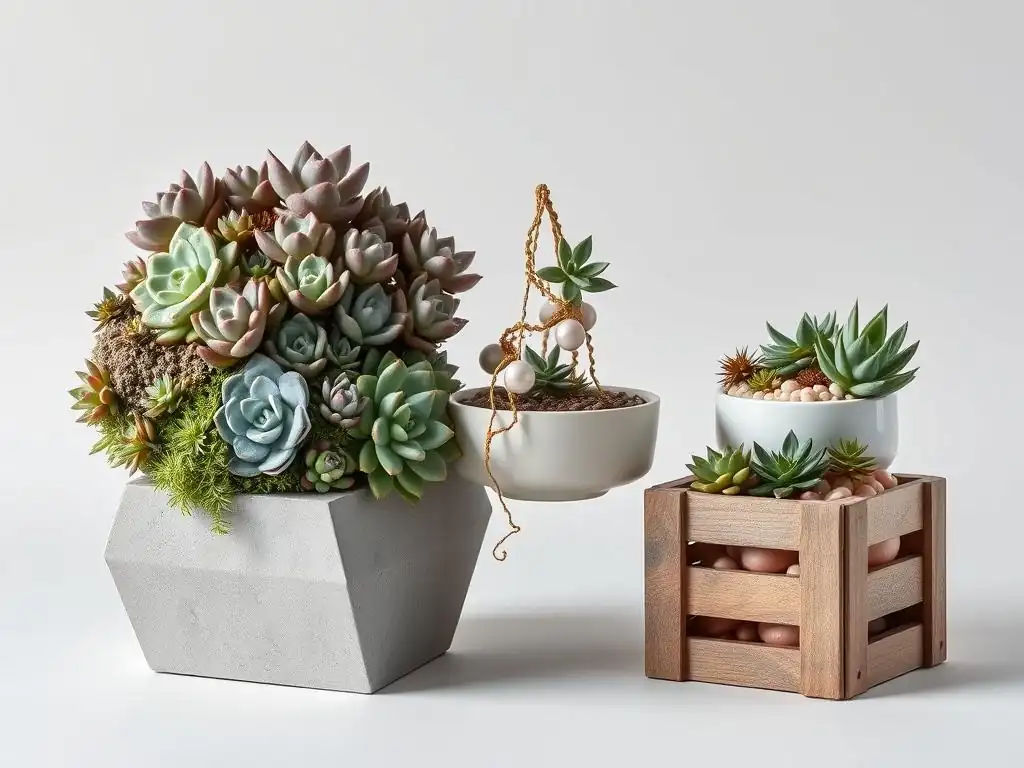
This section explores diverse approaches to DIY succulent garden design, catering to various spaces and preferences. Whether you have a sprawling backyard or a tiny apartment balcony, there's a succulent haven waiting to be created. We'll delve into specific design considerations for small, large, and vertical spaces, providing practical tips and inspirational ideas for your unique succulent sanctuary. Remember, the beauty of a DIY succulent garden lies in its personalized expression of your creativity and connection with nature.
Small Space Succulent Gardens: Creating a Mini Oasis
Limited space doesn't limit your succulent gardening ambitions! Small spaces offer a unique opportunity to create intimate and charming succulent gardens. Think miniature landscapes brimming with texture and color. A sunny windowsill, a tabletop, or even a repurposed teacup can become the perfect home for a thriving miniature succulent garden.
Consider using shallow, wide containers to accommodate the shallow root systems of many succulents. Prioritize smaller succulent varieties like Sedum rubrotinctum (Jelly Bean Plant) or Echeveria species known for their compact growth habits. Experiment with different heights and textures by combining low-growing succulents with taller, upright varieties. Adding small decorative elements like pebbles, sand, or miniature figurines can enhance the overall aesthetic and create a truly enchanting mini-oasis.
Here's a sample arrangement for a small space succulent garden:
| Succulent Variety | Placement | Notes |
|---|---|---|
| Sedum rubrotinctum | Front, center | Creates a vibrant, colorful base |
| Echeveria 'Perle von Nürnberg' | Slightly behind | Adds height and architectural interest |
| Graptopetalum paraguayense | Back, slightly off-center | Provides contrasting texture and foliage |
| Small decorative pebbles | Throughout the pot | Improves drainage and adds visual appeal |
Remember to use well-draining soil specifically formulated for succulents to prevent root rot. Regular, but infrequent, watering is key to maintaining a healthy small-space succulent garden. Avoid overwatering, which is a common cause of succulent demise in confined spaces.
Large Scale Succulent Gardens: Landscaping with Succulents
For those with ample outdoor space, the possibilities for large-scale succulent gardening are truly limitless. Transform your landscape into a breathtaking succulent haven by incorporating these drought-tolerant plants into your overall garden design. Large-scale succulent gardens offer opportunities for creative landscaping and the creation of dramatic focal points.
Consider using succulents to create ground cover, border plantings, or even elaborate rock gardens. Larger succulent varieties, such as Agave or Yucca, can serve as stunning statement pieces. Combine different textures and colors to create visual interest and depth. Remember to choose succulents appropriate for your local climate and soil conditions.
Planning a large-scale succulent garden requires careful consideration of sun exposure, drainage, and soil composition. Proper site preparation is crucial for success. Amend heavy clay soils with organic matter to improve drainage. Ensure adequate sunlight exposure for most succulents, which generally require at least six hours of direct sunlight daily. Consider the mature size of your chosen succulents to avoid overcrowding.
The use of larger, bolder succulents in combination with smaller varieties creates a dynamic and visually appealing landscape. Strategic placement of larger succulents can also define different areas within the garden, creating distinct zones for various activities or aesthetics.
Vertical Succulent Gardens: Wall-Mounted and Hanging Designs
Vertical succulent gardens are a fantastic space-saving option, adding a touch of greenery to walls and fences. They’re also visually striking, creating unique living art pieces. This design approach is perfect for small patios, balconies, or even indoor spaces with limited floor area.
There are many creative ways to create a vertical succulent garden. You can use wall-mounted planters, hanging baskets, or even repurposed items like old picture frames or pallets. Choose smaller, trailing succulents for hanging designs and more compact varieties for wall-mounted planters.
When designing a vertical succulent garden, consider the weight of the plants and planters. Ensure that the structure is strong enough to support the weight, especially as the plants grow. Proper drainage is crucial, as with all succulent gardens, to prevent waterlogging and root rot.
Here are a few ideas for vertical succulent garden designs:
- Wall-mounted planter boxes: Use modular planter boxes that can be arranged in various patterns and configurations.
- Hanging baskets: Choose a variety of succulents with trailing or cascading growth habits.
- Repurposed items: Get creative and use old picture frames, pallets, or even ladders to create unique vertical gardens.
Remember that proper watering techniques are essential for vertical gardens. The plants may dry out faster than those in traditional ground plantings, so monitor moisture levels carefully. Regular inspection for pests and diseases is also important to ensure the health and longevity of your vertical succulent collection.
Troubleshooting Common Issues in Your DIY Succulent Garden
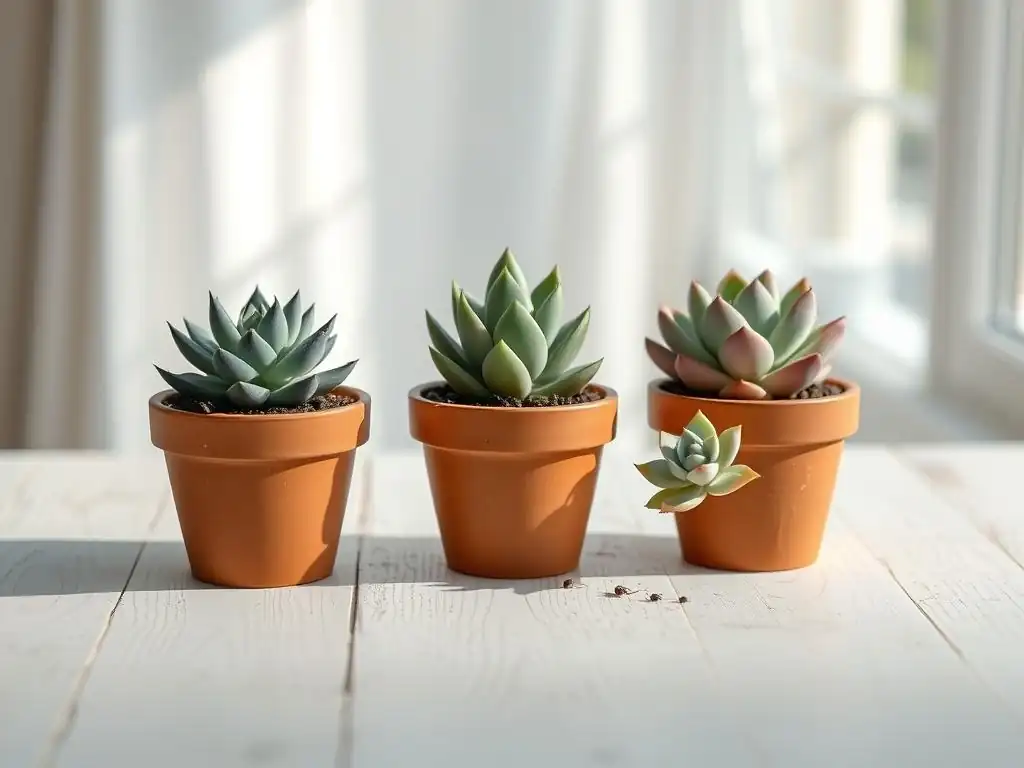
Creating a thriving DIY succulent garden is incredibly rewarding, but even the most experienced succulent enthusiasts encounter challenges. This section addresses common problems, providing practical solutions to keep your succulent haven flourishing. Understanding these potential issues proactively allows for preventative measures and timely interventions, maximizing the longevity and beauty of your carefully curated collection. Effective troubleshooting is key to successful DIY succulent garden design.
Identifying and Addressing Common Succulent Problems
Succulents, while relatively low-maintenance, can signal distress through various visual cues. Learning to recognize these signs early is crucial for effective treatment. Here's a breakdown of common problems and their solutions:
- Leaf Drop: Excessive leaf drop can indicate overwatering, underwatering, temperature fluctuations, or pest infestations. Examine the roots for rot (overwatering) or dryness (underwatering). Adjust watering accordingly and inspect for pests. Sudden temperature changes can also cause stress, leading to leaf loss. Consider relocating your succulents to a more stable environment.
- Root Rot: A common issue stemming from overwatering, root rot manifests as mushy, brown roots. Affected plants often exhibit limp stems and decaying leaves. If caught early, repotting in well-draining soil and reducing watering frequency can save the plant. Severely affected succulents may require propagation from healthy cuttings.
- Leggy Growth: This occurs when succulents don't receive enough sunlight, resulting in elongated stems and sparse foliage. Move your succulents to a sunnier location, gradually increasing their exposure to avoid sunscald. Rotating your containers regularly ensures even light distribution.
- Sunburn: While succulents love sunlight, intense direct sunlight can scorch their leaves, causing brown or bleached patches. Provide afternoon shade during the hottest part of the day, or use a sheer curtain to filter the sunlight.
- Edema: This condition, characterized by corky bumps or blisters on leaves, often results from overwatering, especially in poorly draining soil. Reduce watering and ensure good drainage to prevent further edema. Improve air circulation around the plants to assist drying.
The table below summarizes these common problems and their solutions:
| Problem | Symptoms | Causes | Solutions |
|---|---|---|---|
| Leaf Drop | Excessive leaf loss | Overwatering, underwatering, temperature changes, pests | Adjust watering, inspect for pests, stabilize temperature |
| Root Rot | Mushy, brown roots; limp stems | Overwatering, poor drainage | Repot in well-draining soil, reduce watering |
| Leggy Growth | Elongated stems, sparse foliage | Insufficient sunlight | Move to sunnier location, rotate containers |
| Sunburn | Brown or bleached patches on leaves | Intense direct sunlight | Provide shade or filtered sunlight |
| Edema | Corky bumps or blisters on leaves | Overwatering, poor drainage | Reduce watering, improve drainage, enhance air circulation |
Pest and Disease Management in Your Succulent Garden
Maintaining a healthy succulent garden requires vigilance against pests and diseases. Early detection and swift action are vital in preventing widespread infestations or infections.
- Mealybugs: These small, white insects cluster on stems and leaves, sucking plant sap. Manually remove them with a cotton swab dipped in rubbing alcohol or use insecticidal soap. Regular inspection is key to early detection.
- Aphids: These tiny, soft-bodied insects also suck plant sap, causing leaf distortion and yellowing. A strong spray of water can dislodge them, and insecticidal soap is also effective.
- Fungal Diseases: Overwatering and poor air circulation can lead to fungal infections, manifesting as brown or black spots on leaves. Improve air circulation, remove affected leaves, and consider using a fungicide if necessary. Prevention through proper watering and sanitation is crucial.
Remember, preventative measures are paramount. Regular inspection, proper watering techniques, and good air circulation are your first lines of defense against pests and diseases in your DIY succulent garden design. Early detection significantly increases the chances of successful treatment and preserving the health of your plants.
Reviving Overwatered or Stressed Succulents
Overwatering is a frequent culprit behind struggling succulents. Recognizing the signs and taking prompt action can often save a distressed plant.
If your succulent shows signs of overwatering (mushy leaves, stem rot), immediately remove it from its pot. Gently rinse the roots to remove excess soil. Trim away any rotten or mushy roots using sterile, sharp scissors. Allow the roots to air dry completely before repotting in fresh, well-draining soil. Reduce watering frequency significantly.
For stressed succulents, assess the potential causes: insufficient light, improper watering, temperature extremes, or pests. Address the underlying issue, providing optimal growing conditions. Patience is key; recovery may take time, but with proper care, your succulents can bounce back. Consider using a rooting hormone to aid in recovery and propagation if necessary. Remember, even seemingly hopeless cases can often be revived with attentive care and the right approach to your DIY succulent garden design.
Embrace the Serenity: Enjoying Your Private Succulent Haven
This section delves into the profound benefits of cultivating a personal succulent haven, focusing on the ways in which a carefully designed DIY succulent garden design can contribute to your overall well-being. We'll explore the therapeutic aspects, the creation of a calming space, and the surprising ways your succulent collection can spark creativity.
The Therapeutic Benefits of a Succulent Garden
The act of nurturing succulents offers a unique form of therapy. The repetitive, gentle tasks—watering, repotting, propagating—provide a mindful escape from the stresses of daily life. Studies show that engaging in gardening activities, including tending to succulents, can significantly reduce cortisol levels (the stress hormone). This reduction contributes to lower anxiety and improved mood. Furthermore, the visual appeal of a thriving succulent garden—with its diverse textures, colors, and forms—provides a constant source of visual stimulation that can soothe and uplift.
The vibrant greens, subtle pinks, and striking purples offer a calming palette that reduces mental fatigue. Even the simple act of observing the slow, steady growth of your succulents can be deeply satisfying and rewarding. Consider the therapeutic benefits as a key element in your DIY succulent garden design. Think about incorporating elements like a small water feature or a comfortable seating area to maximize the calming effect.
Creating a Relaxing Space for Contemplation and Mindfulness
Designing a relaxing space within your succulent garden requires careful consideration of several factors. Location is paramount. Choose a spot that receives adequate sunlight but also offers privacy and seclusion. A quiet corner of your patio, a sheltered balcony, or even a dedicated area in your garden are all excellent options.
Incorporate elements that enhance the sense of tranquility. A small, gently flowing fountain can provide soothing sounds, while strategically placed rocks and pebbles can create visual interest and add to the overall aesthetic. Consider the use of soft, natural materials like wood and stone in your DIY succulent garden design. Avoid harsh, artificial elements that could disrupt the peaceful atmosphere.
The overall goal is to create a sanctuary where you can disconnect from the outside world and reconnect with yourself. Remember to include comfortable seating—a bench, a hammock, or even a simple cushion on the ground—to encourage relaxation and contemplation. The integration of soft lighting, perhaps solar-powered lanterns, can create a magical atmosphere in the evenings.
Inspiring Creativity: Using Your Succulent Garden as a Muse
Beyond its therapeutic benefits, a succulent garden can also serve as a powerful source of inspiration. The unique forms and textures of succulents can spark creative ideas for various projects, from painting and photography to jewelry making and even writing. The endless possibilities for arrangement and design—from minimalist displays to elaborate compositions—can stimulate your imagination. Consider your DIY succulent garden design as an evolving art project.
Experiment with different types of succulents, containers, and arrangements to discover new and exciting combinations. Document your progress through photography or journaling. The process of creating and maintaining your succulent garden can be a meditative experience, allowing you to explore your creativity in a calm and focused environment.
The vibrant colors and intricate details of the succulents themselves can serve as a constant source of visual inspiration. By embracing the creative potential of your succulent haven, you'll discover a deeper appreciation for both the plants and your own artistic abilities. This creative process can become an integral part of your overall well-being, adding another layer to the therapeutic benefits of your DIY succulent garden design.
Frequently Asked Questions
What are the essential elements for a successful DIY succulent garden design?
The key elements include proper drainage, sunlight exposure, and selecting suitable succulents for your environment. Consider the size and growth habits of your chosen plants for optimal arrangement.
How do I choose the right succulents for my DIY garden design?
Select succulents with similar water and sunlight requirements. Consider the size and shape of each succulent to create a visually appealing and balanced arrangement. Research the mature size to avoid overcrowding.
What kind of container is best for a DIY succulent garden?
A container with drainage holes is crucial to prevent root rot. The size should be appropriate for the number and size of succulents you plan to use. Consider material like terracotta, which allows for better airflow.
What are some creative ideas for arranging succulents in a DIY garden?
Experiment with varying heights and textures for visual interest. Consider using different sized pots or a layered approach within a larger container. Incorporate decorative elements like stones or pebbles.
How do I maintain my DIY succulent garden?
Watering is key: Water thoroughly but infrequently, allowing the soil to dry out completely between waterings. Regularly inspect for pests and diseases, and repot as needed to prevent overcrowding. Sunlight is also vital; adjust placement as needed.
Final Reflection: Cultivating Inner Peace, One Succulent at a Time
The art of crafting a DIY succulent garden is more than just a design project; it's a powerful pathway to cultivating inner peace and resilience in our increasingly chaotic world. The meticulous process of selecting plants, arranging them thoughtfully, and nurturing their growth mirrors the mindful attention we need to cultivate within ourselves. This intentional act of creation offers a tangible counterpoint to the relentless demands of modern life.
The enduring appeal of succulents, with their quiet strength and ability to thrive even in challenging conditions, resonates deeply with our own desire for stability and self-sufficiency. Their beauty lies not in flamboyant displays, but in their understated elegance and resilience. The best things in life are the simple things.
This simple truth, often overlooked in our pursuit of complexity, finds its perfect expression in the serene beauty of a well-designed succulent garden. Creating this haven, however small, provides a sanctuary for reflection and a tangible reminder of our capacity for growth and renewal.
Now, consider your own life. What small, intentional act of creation can you undertake to foster a sense of calm and purpose? Perhaps it's not a succulent garden, but a similar act of mindful engagement – tending to a herb garden, painting a picture, or simply dedicating time to a beloved hobby. Embrace the opportunity to cultivate your own inner sanctuary, one mindful moment at a time. Let the quiet strength of the succulent inspire you to find your own resilience and bloom where you are planted.
Unleash Your Inner Gardener: Cultivate Your Calm
Thank you for exploring the world of succulent serenity! We hope you gained valuable insights into creating your own peaceful haven. Now it's time to put your knowledge into practice.
- Craft your dream succulent arrangement: Start with a small arrangement, choosing a few favorite succulents, and let your creativity flourish! Select a unique container that reflects your personality. This is your opportunity to truly personalize your calming space.
- Share your succulent journey: Tag us on social media with photos of your progress! We'd love to see your creations and help build a supportive community of succulent enthusiasts.
- Explore further: Learn more about succulent care by browsing our extensive collection of care guides on SucculentEssentials.org. Discover new varieties and unique planting techniques.
Ready to transform your space into a tranquil oasis? What's the first succulent you'll add to your collection?