
Crested Succulents in Design: Using Their Unique Forms for Statement Pieces

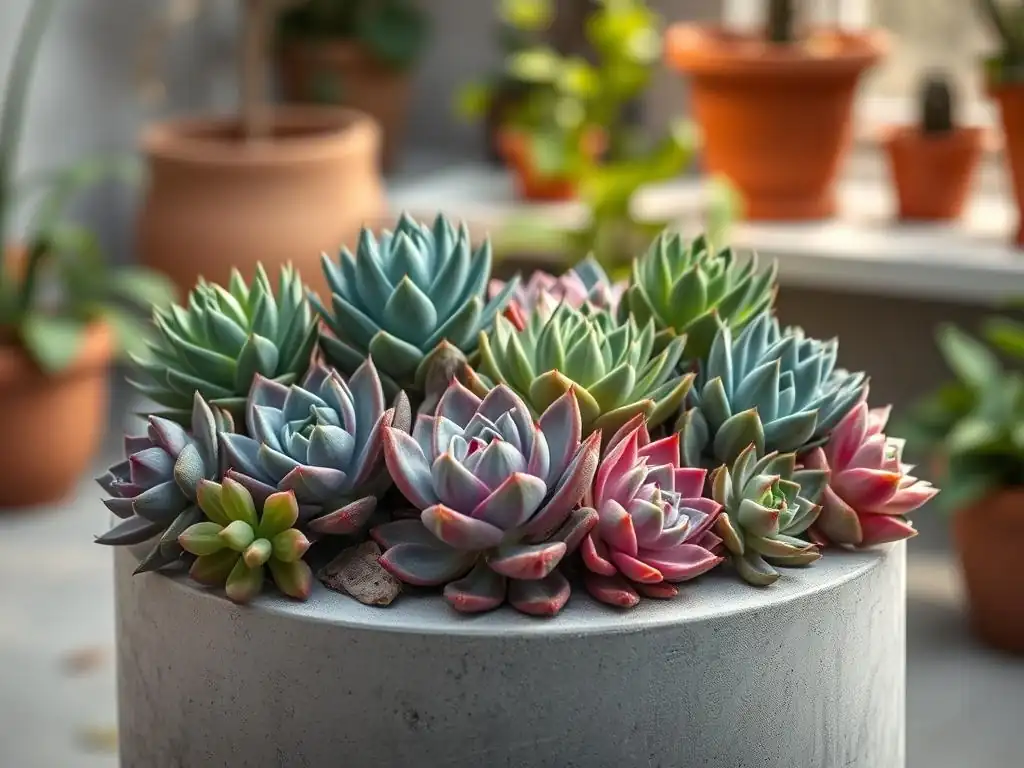
Dive into the captivating world of succulents with SucculentEssentials.org! Are you ready to unlock the secrets to cultivating these resilient beauties? We'll guide you through everything from basic care to crafting breathtaking displays, like the stunning crested succulent arrangement ideas featured in our latest article. Prepare to be amazed by the unique forms and possibilities these extraordinary plants offer – discover how to transform your space with the artistry of succulents. Let's get growing!
- Understanding Crested Succulents and Their Unique Appeal
-
Crested Succulent Arrangement Ideas: Inspiration and Design Techniques
- Creating Striking Monochromatic Arrangements with Crested Succulents
- Showcasing Crested Succulents in Mixed Arrangements: Balancing Textures and Colors
- Designing Miniature Crested Succulent Gardens in Containers
- Integrating Crested Succulents into Larger Landscape Designs (e.g., rock gardens)
- Vertical Displays and Hanging Planters Featuring Crested Succulents
-
Crested Succulent Care and Maintenance for Long-lasting Arrangements
- Light Requirements for Optimal Growth of Crested Succulents
- Watering Techniques for Crested Succulents: Avoiding Overwatering
- Soil Selection and Potting Mixes for Crested Succulent Health
- Propagation Methods for Crested Succulents: Maintaining Your Collection
- Common Pests and Diseases Affecting Crested Succulents and Prevention Strategies
-
Advanced Crested Succulent Design Techniques for Statement Pieces
- Using Crested Succulents to Create Focal Points in Home Decor
- Incorporating Crested Succulents into Modern and Minimalist Designs
- Combining Crested Succulents with Other Plants and Materials for Textural Interest
- Crested Succulent Arrangements for Special Occasions (e.g., weddings, events)
- Creating Artistic and Sculptural Arrangements with Crested Succulents
- Frequently Asked Questions
- Final Reflection: The Enduring Allure of Crested Succulents
- Unleash Your Inner Plant Stylist: Design with Crested Succulents!
Understanding Crested Succulents and Their Unique Appeal
Crested succulents, with their captivating, undulating forms, are a prized addition to any succulent collection. Their unusual growth habit, a fascinating mutation known as fasciation, transforms the typical rosette or columnar shape into a brain-like or wave-like crest. This article delves into the world of crested succulents, exploring their unique characteristics, the science behind their development, and, most importantly, how to creatively incorporate these stunning plants into eye-catching arrangements.
We'll provide you with practical "crested succulent arrangement ideas" to help you showcase these botanical wonders and elevate your succulent displays to the next level. Whether you're a seasoned succulent enthusiast or a curious beginner, understanding the intricacies of crested succulents will unlock a new dimension of appreciation for these captivating plants and their potential in design. Prepare to be inspired by the possibilities!
What are Crested Succulents? A Definition and Explanation of the Mutation
Crested succulents are plants exhibiting a fascinating genetic mutation called fasciation. Instead of growing in their typical symmetrical pattern, the apical meristem (the growing tip) of the plant divides abnormally, resulting in a flattened, broadened, and often contorted growth. This creates the characteristic crested form, often described as resembling a brain, a wave, or a ruffled crest. The mutation can affect the entire plant or only a portion of it, leading to diverse and uniquely beautiful shapes.
While the exact cause of fasciation isn't fully understood, it's believed to be influenced by several factors, including genetic predisposition, environmental stresses (like insect damage or hormonal imbalances), and even viral infections. The result, however, is always striking and highly sought after by succulent collectors and designers. Many popular succulent genera, such as Echeveria, Mammillaria, and Sedum, can exhibit this fascinating mutation.
Identifying Key Characteristics of Crested Growth Forms
Identifying a crested succulent involves looking for several key characteristics that distinguish it from its non-crested counterparts. These include:
- Flattened Growth: The most obvious characteristic is the flattened, broadened stem or rosette. Instead of the typical cylindrical or conical shape, crested succulents develop a flattened, often wavy or irregular surface.
- Undulating Edges: The edges of the crested form often exhibit a series of undulations, creating a rippled or brain-like appearance. These undulations can be subtle or dramatic, depending on the severity of the fasciation.
- Multiple Growth Points: Unlike a typical succulent with a single apical meristem, crested succulents often display multiple growth points along the crest, leading to a more complex and intricate form.
- Variation in Color and Texture: While not always present, some crested succulents may exhibit variations in color and texture compared to their non-crested counterparts. These variations can add to their unique appeal.
- Size and Shape Variability: The size and shape of crested succulents can vary greatly depending on the species and the extent of the fasciation. Some crests are small and compact, while others can be quite large and sprawling.
Understanding these characteristics will help you confidently identify and appreciate the beauty of crested succulents.
The Fascinating Genetics Behind Crested Succulent Development
The development of crested succulents is a complex process rooted in the plant's genetics. While the precise mechanisms aren't fully elucidated, research suggests that several factors contribute to the occurrence of fasciation:
- Genetic Predisposition: Some succulent species are more prone to fasciation than others, suggesting a genetic component to the mutation. This means certain genetic variations might make a plant more susceptible to developing a crest.
- Environmental Factors: Environmental stresses, such as physical damage to the growing tip, hormonal imbalances caused by stress, or even viral or bacterial infections, can trigger the abnormal cell division that leads to fasciation.
- Meristem Disruption: The key event in fasciation is the disruption of the organized cell division in the apical meristem. This disruption leads to the formation of multiple meristems, resulting in the characteristic flattened and broadened growth.
- Epigenetic Modifications: It is also believed that epigenetic modifications—changes in gene expression without alterations to the DNA sequence—could play a role in the development of fasciation. These changes could be triggered by environmental factors.
While the exact interplay of these factors remains an area of ongoing research, the fascinating result is the creation of these uniquely beautiful and highly sought-after crested succulents. Their unusual forms make them stand out, captivating both plant enthusiasts and designers alike.
Popular Crested Succulent Varieties for Design Projects
Crested succulents, with their fascinating, unpredictable growth patterns, offer a unique textural element to any arrangement. Choosing the right crested variety is crucial for achieving the desired aesthetic. Some varieties are naturally more compact, ideal for miniature arrangements, while others boast a sprawling, almost cascading form, perfect for larger displays or hanging planters.
The color variations also play a significant role; some crested succulents display vibrant hues, adding a pop of color to a neutral palette, while others maintain a muted, almost monochromatic appearance, contributing a sense of understated elegance. Understanding these nuances is key to selecting the perfect crested succulents for your design project.
Several popular crested succulents are frequently chosen for their visual appeal and ease of handling. Echeveria species, particularly crested Echeveria Laui, are known for their stunning rosette formations, often exhibiting a range of pastel colors. Their relatively compact growth habit makes them suitable for smaller containers and intricate designs. The crested forms of Graptopetalum paraguayense, commonly known as Ghost Plants, offer a different aesthetic altogether, with their delicate, silvery-green leaves and more irregular growth patterns.
These are excellent for adding a touch of ethereal beauty to an arrangement. Similarly, crested Sedum morganianum, or Burro's Tail, presents an entirely unique form, with its cascading stems and plump, crested leaves, lending itself beautifully to hanging baskets or cascading arrangements. The choice ultimately depends on the overall design concept and the desired visual impact.
Beyond these popular choices, numerous other crested succulent varieties offer exciting design possibilities. Experimentation is key! Consider exploring less common varieties to discover unique forms and colors that can elevate your arrangements. Remember to research the specific care requirements of each variety to ensure their long-term health and vibrancy within your design.
A thriving crested succulent will undoubtedly enhance the overall aesthetic and longevity of your creation. The beauty of crested succulents lies in their individuality; no two plants are exactly alike, making each arrangement a truly unique piece of living art. This inherent variability makes them particularly captivating for those seeking one-of-a-kind succulent arrangements. The unpredictable nature of their growth only adds to their charm and makes them a truly special addition to any succulent collection.
Crested Succulent Arrangement Ideas: Inspiration and Design Techniques
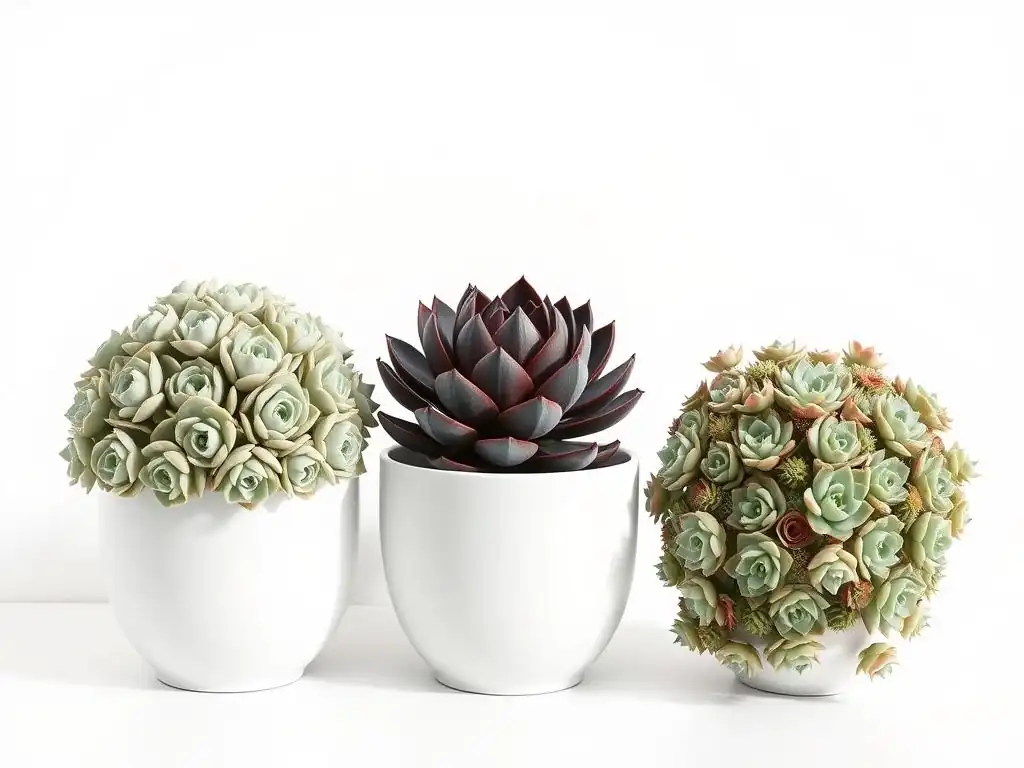
Crested succulents, with their fascinating, unpredictable growth patterns, offer a unique opportunity to create striking and memorable arrangements. Their unusual forms, often resembling miniature coral reefs or fantastical landscapes, lend themselves to a variety of design styles. This section explores creative approaches to incorporating crested succulents into your arrangements, moving beyond simple pot placement to crafting truly artistic displays.
Understanding the specific characteristics of crested succulents is key to maximizing their visual impact and ensuring their well-being within the arrangement. Consider factors like light requirements, which vary depending on the specific species, and the need for well-draining soil to prevent root rot, a common issue with these unique plants.
Creating Striking Monochromatic Arrangements with Crested Succulents
Monochromatic arrangements, using varying shades of a single color, can highlight the textural complexity of crested succulents. Imagine a stunning arrangement featuring only shades of green. You could combine several crested Echeveria, each exhibiting slightly different shades of green, from a deep emerald to a light lime. The varying textures of their crests, some smooth, some ruffled, some almost spiky, would create visual interest without competing colors.
Adding elements like smooth, grey river stones or a textured, green ceramic pot would further enhance the monochromatic aesthetic. This approach allows the unique forms of the crested succulents to truly shine. The simplicity of the palette emphasizes the organic beauty of these unusual plants.
Consider using a variety of crested succulent sizes within the arrangement. A larger crested Graptopetalum could serve as an anchor, surrounded by smaller crested Sedum, creating a sense of depth and visual hierarchy. Remember, even subtle variations in green can create a dynamic display. Think about incorporating different leaf shapes and crest formations to add further complexity and visual interest. A carefully considered monochromatic arrangement with crested succulents can be both elegant and striking.
Showcasing Crested Succulents in Mixed Arrangements: Balancing Textures and Colors
Mixed arrangements offer a chance to explore the interplay between crested succulents and other succulents, creating a vibrant tapestry of textures and colors. The key here is careful balance. The unique forms of the crested succulents should be complemented, not overwhelmed, by their companions. For instance, a crested Mammillaria could be placed amongst smoother, rounder succulents like Echeveria or Graptoveria, creating a dynamic contrast in texture. The vibrant colors of other succulents can also enhance the beauty of the crested specimens. A bright pink Sedum could beautifully complement the muted greens of a crested Sempervivum.
To achieve a successful mixed arrangement, consider the following:
- Color Palette: Choose a color scheme that complements the colors of your crested succulents. Avoid overwhelming them with overly bright or clashing colors.
- Texture Contrast: Use a variety of textures to create visual interest. Combine smooth, fleshy leaves with the unique, irregular textures of crested succulents.
- Plant Height and Size: Arrange plants of different heights and sizes to create depth and visual appeal. Use taller succulents as backdrops for shorter, crested specimens.
- Potting Mix: Ensure that all succulents are planted in a well-draining potting mix to prevent root rot.
A well-designed mixed arrangement showcases the unique beauty of crested succulents while creating a visually stunning and harmonious display. Careful planning and attention to detail are key to achieving this balance.
Designing Miniature Crested Succulent Gardens in Containers
Miniature gardens offer a charming way to showcase the unique appeal of crested succulents. These miniature landscapes, housed in small pots, terrariums, or even repurposed containers, allow for creative expression and provide an intimate viewing experience. The smaller scale emphasizes the intricate details of the crested growth forms. A small, shallow dish can be used for a low-profile arrangement, allowing the crests to be seen clearly.
When designing a miniature crested succulent garden, consider the following:
| Element | Considerations | Example |
|---|---|---|
| Container | Choose a container with drainage holes to prevent waterlogging. | A small terracotta pot, a glass terrarium |
| Substrate | Use a well-draining succulent potting mix. | Cactus and succulent soil mix |
| Plants | Select a variety of crested succulents with complementary colors and textures. | Crested Echeveria, Sempervivum, and Sedum |
| Decorative Elements | Consider adding small rocks, gravel, or miniature figurines for added interest. | Small river stones, miniature cacti |
Remember to choose a container appropriate for the size and number of succulents you plan to use. Proper drainage is essential to prevent root rot. The miniature setting allows for a highly detailed and artistic arrangement, highlighting the unique characteristics of each crested succulent. These miniature gardens make captivating statement pieces, perfect for adding a touch of whimsy and beauty to any space.
Integrating Crested Succulents into Larger Landscape Designs (e.g., rock gardens)
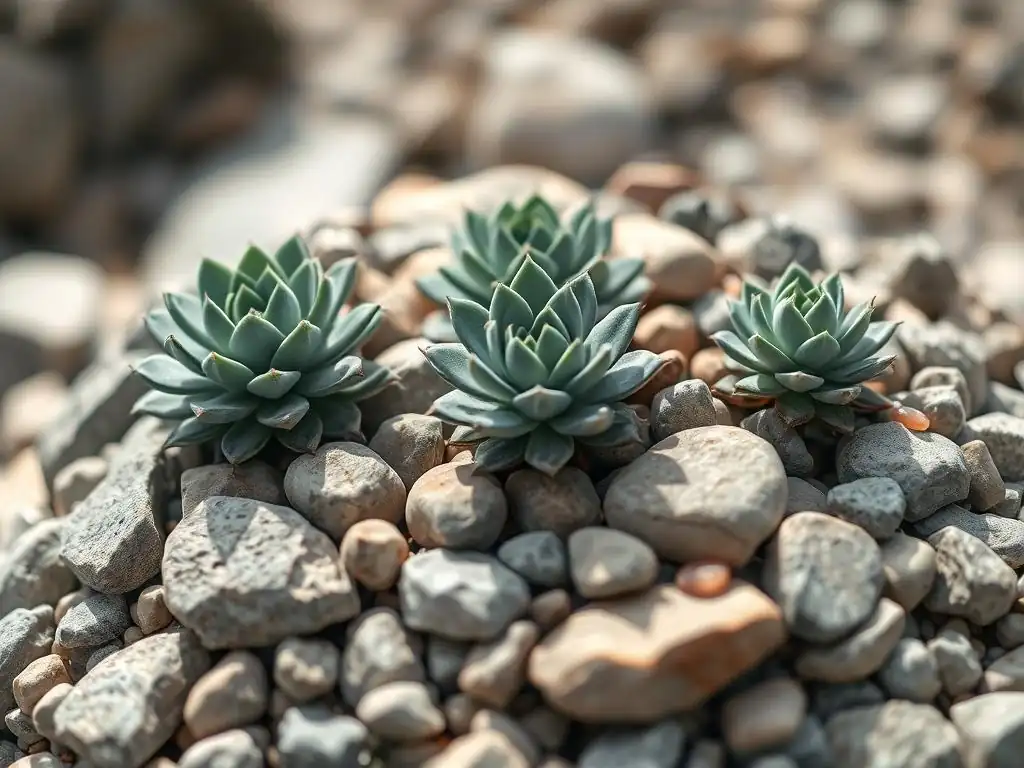
Crested succulents, with their unique, often unpredictable forms, add a captivating element to larger landscape designs. Their sculptural qualities make them ideal focal points within a carefully planned rock garden or xeriscape. The key to successful integration is understanding the crested succulent's specific needs and choosing a location that mirrors its natural habitat. For instance, Echeveria crests, known for their ruffled, brain-like formations, thrive in well-drained, sunny spots, mirroring their natural rocky hillside environments.
When placing them in a rock garden, ensure sufficient space around the plant to allow for air circulation and prevent fungal diseases. Avoid overcrowding, as this can lead to rot and compromise the plant's health. Consider the mature size of the crested succulent; some varieties can become quite large, requiring ample space within the overall rock garden design. Think about using smaller, slower-growing crested succulents as a ground cover between larger rocks, creating a textural contrast.
Alternatively, a larger, more dramatic crested specimen can serve as a stunning centerpiece, drawing the eye and adding a touch of whimsy to the overall landscape. Remember to incorporate other drought-tolerant plants and materials to complete the design and provide a harmonious setting for your crested succulents. Proper drainage is paramount; amend the soil with plenty of grit or pumice to mimic the well-draining conditions these plants prefer. Careful placement and thoughtful consideration of the surrounding environment will ensure your crested succulents thrive and enhance the beauty of your rock garden.
Vertical Displays and Hanging Planters Featuring Crested Succulents
Vertical displays offer a unique opportunity to showcase the often-unusual forms of crested succulents. Their three-dimensional nature lends itself beautifully to hanging planters and wall-mounted arrangements. The visual impact of a crested succulent cascading from a hanging basket is unparalleled, especially when combined with complementary succulents of varying textures and colors. When designing a vertical display, consider the mature size and growth habit of the selected crested succulent. Fast-growing varieties might require more frequent repotting or pruning to maintain their shape and prevent overcrowding.
Choosing a planter with appropriate drainage holes is crucial. Terracotta pots are an excellent choice, as they allow for good air circulation and prevent waterlogging. Hanging baskets made of materials like coco liners or wire baskets lined with sphagnum moss can also work well, provided they don't retain too much moisture. For wall-mounted arrangements, consider using shallow, wide containers that allow the roots to spread while keeping the plants securely in place. You can create interesting visual effects by combining crested succulents with other drought-tolerant plants, such as string of pearls or sedum varieties.
Varying heights and textures will add depth and interest to your vertical display. Remember to water carefully, allowing the soil to dry out completely between waterings to avoid root rot. Regular inspection for pests and diseases is also important to maintain the health and beauty of your crested succulent vertical garden. With careful planning and attention to detail, a vertical display featuring crested succulents can become a striking and unique addition to your home or garden. The unusual shapes and textures will create a captivating focal point, bringing a touch of the unexpected to any space.
Crested Succulent Care and Maintenance for Long-lasting Arrangements
Crested succulents, with their fascinating, unpredictable growth patterns, add a unique sculptural element to any arrangement. However, their unusual morphology also necessitates specific care to ensure their longevity and vibrant health within your design. Understanding these needs is crucial for creating stunning, long-lasting crested succulent arrangements.
This section delves into the essential care practices needed to keep your crested succulents thriving. Maintaining the health of these captivating plants directly translates to the overall success and aesthetic appeal of your arrangements. Neglecting proper care can lead to stunted growth, discoloration, and even plant death, ultimately diminishing the impact of your carefully crafted design.
Light Requirements for Optimal Growth of Crested Succulents
Crested succulents, like their non-crested counterparts, require ample sunlight for optimal growth. However, the intensity and duration of sunlight exposure can influence their health and appearance. Direct, intense sunlight, particularly during the hottest part of the day, can scorch their delicate tissues, causing browning and scarring. Conversely, insufficient light can lead to etiolation – a condition where the plant stretches towards the light source, resulting in a weak, leggy appearance and diminished coloration.
The ideal light exposure for crested succulents is bright, indirect sunlight. This can be achieved by placing your arrangements near a south-facing window (in the Northern Hemisphere) but shielded from the harshest midday rays. Observe your plants closely. Signs of sunburn, such as brown or crispy patches, indicate a need for more shade. Pale, elongated growth suggests they need more light.
Experiment with placement until you find the sweet spot that balances sufficient light with protection from intense sun. Consider using sheer curtains or blinds to filter the light during peak sun hours. During winter months, supplemental grow lights might be necessary to compensate for reduced natural sunlight. The specific light needs may also vary depending on the species of crested succulent. For example, Monanthes species may tolerate slightly more shade compared to Echeveria varieties.
Watering Techniques for Crested Succulents: Avoiding Overwatering
Overwatering is a common problem that significantly impacts the health of crested succulents. Their unique growth habit often results in dense, tightly packed tissues, making them more susceptible to root rot if the soil remains overly moist. Proper watering techniques are critical to preventing this issue.
The key is to allow the soil to dry out completely between waterings. This means letting the top inch or two of the soil dry out before providing more water. The frequency of watering will depend on several factors, including the size of the pot, the type of soil used, the ambient temperature, and the humidity levels. During warmer months, you might need to water more frequently, perhaps every 7-10 days.
In winter, when growth slows, watering might only be necessary every 2-3 weeks, or even less frequently. Always check the soil moisture before watering to avoid overwatering. You can do this by inserting your finger into the soil, or by using a moisture meter. Avoid allowing water to sit in the saucer beneath the pot, as this can lead to root rot.
When watering, water thoroughly until water drains from the drainage holes. Let the excess water drain completely before returning the pot to its original location. Improper watering leads to many problems, such as root rot, fungal diseases, and ultimately, plant death. Proper watering is a keystone of crested succulent care.
Soil Selection and Potting Mixes for Crested Succulent Health
The soil composition is crucial for the health and well-being of crested succulents. They require a well-draining potting mix that prevents waterlogging and ensures adequate aeration around the roots. A poorly draining soil can lead to root rot, a common cause of death in succulents.
A suitable potting mix for crested succulents typically consists of a combination of inorganic materials and a small amount of organic matter. A good starting point is a blend of perlite, pumice, coarse sand, and a small amount of potting soil. The precise proportions can be adjusted depending on your specific climate and the succulent species.
Perlite and pumice provide excellent drainage and aeration, while the coarse sand improves soil structure. The small amount of potting soil adds some nutrients to support the plant's growth. Avoid using heavy clay-based soils, as these retain too much moisture and can suffocate the roots.
You can also add other amendments like coco coir for better water retention, but always prioritize drainage. The right soil mix will greatly enhance the chances of your crested succulents thriving in your arrangement, helping you achieve stunning displays that last. Remember, a healthy root system is essential for a healthy plant.
Propagation Methods for Crested Succulents: Maintaining Your Collection
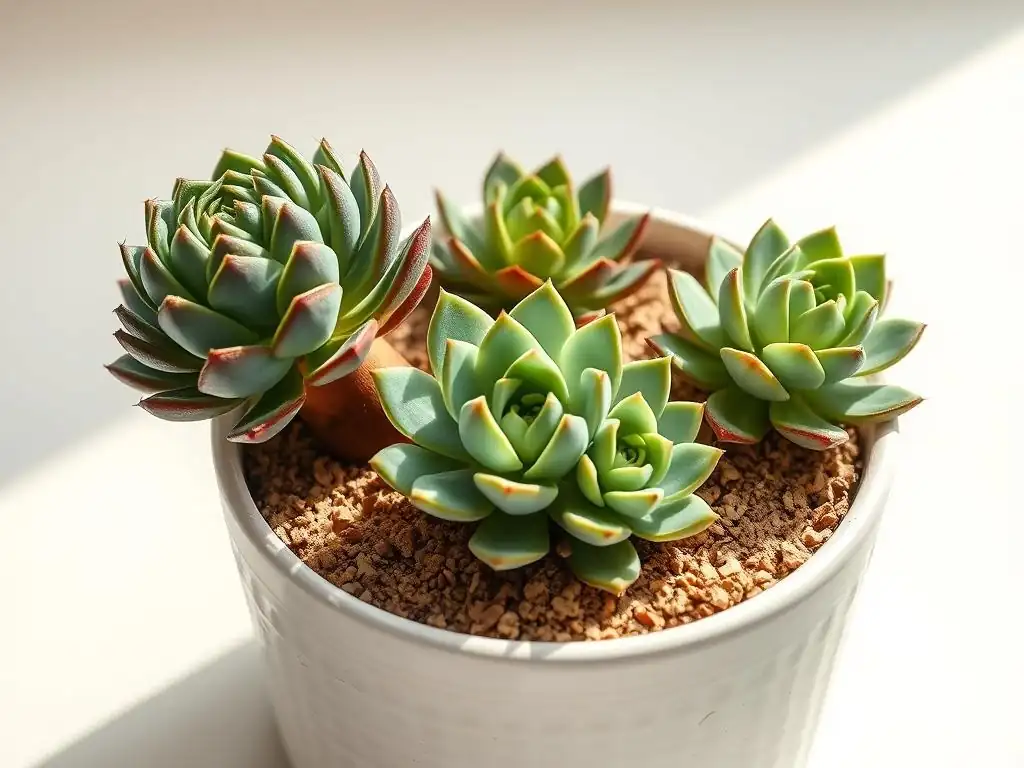
Crested succulents, with their fascinating, unpredictable growth patterns, are highly prized by collectors. However, their unique morphology can sometimes present challenges when it comes to propagation. Successfully propagating crested succulents requires patience and attention to detail, but the rewards are well worth the effort. The most common methods are leaf cuttings and stem cuttings, although grafting is also possible, though significantly more complex and usually reserved for experienced propagators.
Leaf propagation, while possible with some crested varieties, is often less successful than with standard succulents. The unusual growth habit often means leaves detach more easily and have a reduced capacity for root development. If attempting leaf propagation, ensure the leaf is plump and healthy, and use a well-draining succulent potting mix. High humidity and consistent, but not excessive, warmth can improve chances of success. Expect lower success rates compared to stem propagation.
Stem cuttings offer a far more reliable method for propagating crested succulents. Choose a healthy stem section, ideally with several growth points, and allow the cut end to callus over for a few days before planting. This helps prevent rot. Plant the cutting in a well-draining succulent mix, ensuring only the bottom portion is buried. Consistent warmth and bright, indirect light are crucial for successful rooting.
Regularly mist the cutting to maintain humidity, but avoid overwatering, which can lead to rot. Rooting hormones can also be beneficial but aren't strictly necessary for experienced propagators. You can expect to see new growth in several weeks, indicating successful propagation. Remember, patience is key; some crested varieties may root slower than others.
Common Pests and Diseases Affecting Crested Succulents and Prevention Strategies
Like all succulents, crested varieties are susceptible to certain pests and diseases. Understanding these potential threats and implementing preventative measures is essential for maintaining healthy and vibrant plants in your crested succulent arrangements. Early detection and treatment are crucial for minimizing damage and preventing the spread of problems throughout your collection.
Among the most common pests are mealybugs, aphids, and spider mites. Mealybugs appear as small, cottony masses, often clustered in leaf axils or crevices. Aphids are small, soft-bodied insects that can cause significant damage by sucking plant sap. Spider mites are microscopic and create fine webbing on the plant, often leading to yellowing and stippling of leaves.
Regular inspection of your plants is crucial for early detection. Treatment options include insecticidal soap, neem oil, or alcohol solutions. Always follow the product instructions carefully and consider the safety of other plants nearby. Prevention includes maintaining good air circulation around your plants to discourage pest infestations.
Diseases are less common but can still impact crested succulents. Root rot, caused by overwatering, is a significant threat. Symptoms include mushy leaves and stems, and a foul odor from the soil. Proper watering techniques and well-draining soil are key preventative measures.
Fungal infections can also occur, often manifesting as spots or discoloration on leaves. Good air circulation and avoiding overhead watering can help prevent fungal growth. In cases of severe infestation or disease, removing and discarding affected parts of the plant might be necessary to prevent the spread to other succulents. Prevention is always better than cure when it comes to maintaining the health of your precious crested succulents.
Advanced Crested Succulent Design Techniques for Statement Pieces
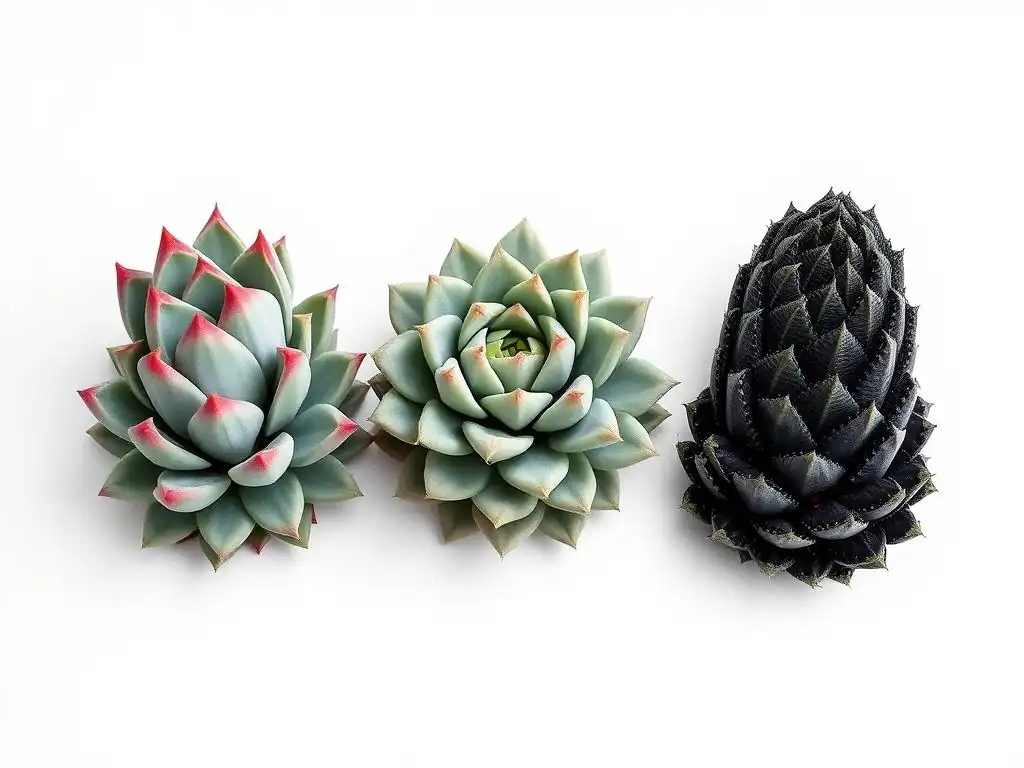
This section delves into sophisticated techniques for incorporating crested succulents into striking arrangements. We move beyond basic planting and explore how to leverage the unique, often unpredictable forms of crested succulents to create truly memorable displays. Mastering these techniques will elevate your succulent arrangements from simple displays to breathtaking focal points. Understanding the inherent asymmetry and sculptural qualities of crested succulents is key to unlocking their full design potential.
Using Crested Succulents to Create Focal Points in Home Decor
Crested succulents, with their dramatic, wave-like growth, are natural focal points. Their unusual forms command attention and add an element of surprise to any room. To maximize their impact, consider these strategies:
- Placement is paramount: Don't hide your crested beauties! Place them where they'll receive ample light (but avoid harsh direct sunlight that can scorch them) and be prominently displayed. A mantelpiece, a high shelf, or even a standalone pedestal can beautifully showcase their unique forms. Consider the background – a plain wall will make the succulent pop, while a busy background might detract from its intricate details.
- Scale and proportion: The size of the crested succulent should be in proportion to its surroundings. A tiny crested plant might get lost on a large table, while a massive specimen might overwhelm a small space. Carefully consider the scale of the pot and its relationship to the overall décor.
- Container selection: The pot is an integral part of the design. Choose a container that complements the succulent's form and color. A simple, modern pot can highlight the organic shapes of the crest, while a more ornate pot can add a touch of elegance. Consider materials like ceramic, concrete, or even wood to create different aesthetic vibes. For example, a stark white ceramic pot will beautifully contrast with the deep greens and blues of a crested Echeveria.
- Highlighting texture: The textural contrast between the smooth, often matte surface of the pot and the rough, undulating texture of the crested succulent itself is a key design element. This interplay of textures adds depth and visual interest.
Incorporating Crested Succulents into Modern and Minimalist Designs
The unusual forms of crested succulents surprisingly complement the clean lines and simplicity of modern and minimalist design. Their organic shapes provide a counterpoint to the geometric precision of modern aesthetics. Here's how to seamlessly integrate them:
- Embrace negative space: Minimalist design often emphasizes negative space. Use this to your advantage by showcasing a single, striking crested succulent in a simple pot on a clean surface. Avoid overcrowding; less is more.
- Color palettes: Stick to a limited color palette, focusing on neutral tones like whites, grays, and blacks, with the crested succulent's vibrant colors providing a pop of interest. This approach enhances the succulent's inherent beauty and prevents visual clutter.
- Geometric containers: Choose pots with clean, geometric lines – cubes, cylinders, or simple spheres – to complement the organic curves of the crested succulent. The contrast between the organic and geometric forms creates a visually compelling composition.
- Strategic lighting: Use strategic lighting to highlight the sculptural qualities of the crested succulent. A well-placed lamp or even natural light can dramatically enhance its three-dimensional form.
Combining Crested Succulents with Other Plants and Materials for Textural Interest
While crested succulents are stunning on their own, combining them with other plants and materials can create even more dynamic arrangements. Here are some ideas to explore:
- Textural contrasts: Pair the rough texture of a crested succulent with the smooth, fleshy leaves of other succulents, or the delicate texture of air plants (Tillandsia). This juxtaposition of textures creates visual interest and depth.
- Color coordination: Choose companion plants that complement the colors of your crested succulent. Consider using succulents with contrasting colors or shades to create a harmonious palette. Think about warm tones (reds, oranges) paired with cool tones (blues, greens).
- Incorporating natural materials: Adding natural materials like stones, driftwood, or even sand can enhance the overall composition. These materials can provide a grounding element and further emphasize the organic nature of the arrangement.
- Creating miniature landscapes: Use different heights and textures to create a miniature landscape within your container. This can involve placing smaller succulents around the base of the crested succulent, creating a layered effect. Consider using different sized gravels or pebbles to add visual interest.
This exploration of advanced techniques for using crested succulents in design provides a solid foundation for creating truly unique and captivating arrangements. Remember that experimentation is key – don't be afraid to try new combinations and approaches to find what works best for you and your creative vision. The beauty of crested succulents lies in their unpredictable nature; embrace this uniqueness and let it guide your artistic endeavors.
Crested Succulent Arrangements for Special Occasions (e.g., weddings, events)
Crested succulents, with their dramatic, unpredictable forms, lend themselves beautifully to special occasion arrangements. Their unique textures and often vibrant colors offer a captivating alternative to traditional floral displays. For weddings, imagine a cascading centerpiece featuring a variety of crested succulents, their muted greens and blues contrasted with pops of color from carefully chosen complementary plants. The organic, almost sculptural quality of crested succulents creates a modern, yet sophisticated aesthetic, perfect for a rustic chic or minimalist wedding theme.
Think about incorporating different heights and textures – using taller crested echeverias as focal points and smaller, more compact varieties to fill in the spaces. The longevity of succulents also makes them a practical choice; guests can even take small cuttings home as wedding favors! 🪴
Beyond weddings, crested succulents can elevate any event. A corporate event might benefit from a striking arrangement featuring a large crested specimen as a centerpiece, surrounded by smaller, carefully curated succulents to create a cohesive and visually interesting display. The unexpected shapes and textures of crested succulents can be a conversation starter, adding a unique touch to the event's overall ambiance.
For a birthday celebration, a vibrant arrangement in a modern geometric pot could be a stunning gift, reflecting the personality of the recipient and adding a touch of unexpected elegance. The key is to consider the overall theme and color palette of the event when selecting specific crested succulent varieties and complementary plants. Remember to choose hardy varieties that can withstand the conditions of the event venue, especially if it's outdoors.
Creating Artistic and Sculptural Arrangements with Crested Succulents
The inherent sculptural quality of crested succulents allows for the creation of truly artistic and visually striking arrangements. Instead of simply grouping them together, consider how their unique forms can be used to build a three-dimensional composition. Think of them as individual elements in a larger artwork. A minimalist approach can be incredibly effective: a single, large crested echeveria, carefully positioned in a simple, modern pot, can create a powerful statement. The focus should be on showcasing the plant's unique form and texture.
For more elaborate arrangements, explore the possibilities of contrasting textures and shapes. Combine crested succulents with smooth, rounded succulents, or incorporate elements like driftwood, stones, or even metal accents to create a more complex and visually interesting composition. Consider the “negative space” around the plants—just as important as the plants themselves—to achieve a balanced and harmonious arrangement. Experiment with different pot shapes and sizes; a tall, slender pot might highlight the vertical growth of a crested plant, while a wide, shallow dish could showcase a sprawling variety.
The possibilities are truly endless, limited only by your creativity and the availability of crested succulents. Remember to prioritize the health of your plants; proper drainage and appropriate light exposure are crucial for maintaining their vibrant appearance and overall well-being. Careful planning and attention to detail will result in a stunning and long-lasting artwork.
Frequently Asked Questions
What are crested succulents?
Crested succulents are fascinating mutations that display a distinctive, fan-like or brain-like growth pattern. This unusual form results from a genetic anomaly, creating a visually striking plant. They're highly sought after by collectors.
How do I incorporate crested succulents into an arrangement?
Use crested succulents as focal points in your arrangements. Their unique shape adds instant visual interest. Consider their size and color when pairing them with other succulents.
What types of crested succulents are best for arrangements?
Many succulents can exhibit cresting, including Echeveria, Sedum, and Mammillaria. Choose varieties with complementary colors and textures to create a visually appealing arrangement.
What are some creative arrangement ideas using crested succulents?
Consider a minimalist arrangement featuring a single crested succulent, or create a lush, layered design combining various textures and colors. Terrariums and vertical gardens are also great options.
Where can I find crested succulents for my arrangements?
Crested succulents can be found at specialized nurseries, online retailers, and sometimes even at larger garden centers. Be prepared to pay a premium price, as they are less common than standard succulents.
Final Reflection: The Enduring Allure of Crested Succulents
The unique forms of crested succulents are not merely fleeting trends in design; they represent a powerful statement about embracing nature's unexpected beauty. Their captivating irregularities, born from genetic mutations, offer a compelling counterpoint to the often-perfect symmetry sought in traditional design, reminding us of the inherent artistry found in imperfection. This inherent beauty translates into a growing appreciation for these plants, not just as botanical curiosities but as vital components of modern interior design.
The influence of crested succulents extends beyond mere aesthetics; they symbolize resilience and adaptation. Their unusual growth patterns, a testament to their ability to overcome challenges, resonate deeply in a world increasingly focused on sustainability and embracing individuality. The beauty of a thing is in its imperfection,
as the Japanese proverb states, and this perfectly encapsulates the charm of these remarkable plants. Their growing popularity reflects a broader cultural shift towards appreciating the unique and unconventional, a move away from mass-produced uniformity.
Consider the impact of incorporating a crested succulent arrangement into your own space. Imagine the conversation starter it will become, the quiet joy it will bring, the subtle reminder of nature's enduring power. Let the unexpected beauty of these plants inspire you to embrace the unique aspects of your own life and design.
Don't be afraid to experiment, to break from convention, and to let the inherent beauty of imperfection shine through in your own creative endeavors. The journey of incorporating these striking plants into your home is just the beginning of a deeper appreciation for the unexpected wonders of the natural world.
Unleash Your Inner Plant Stylist: Design with Crested Succulents!
Thanks for exploring the captivating world of crested succulents with us! We hope you've found inspiration for creating unique and stunning plant arrangements. Ready to elevate your design skills?
- Craft a show-stopping centerpiece: Select your favorite crested succulents—or a delightful collection—and create a miniature succulent garden that showcases their extraordinary forms. Experiment with different pots and textures to achieve a truly unique look!
- Share your creations: Show off your plant styling skills by sharing photos of your masterpiece on social media using #CrestedSucculentStyle to connect with our community!
- Learn more: Deepen your knowledge of succulents by exploring our resources on succulent care and propagation.
What creative designs will you bring to life using crested succulents?