
The Succulent's Legacy in Art and Design: A Source of Inspiration

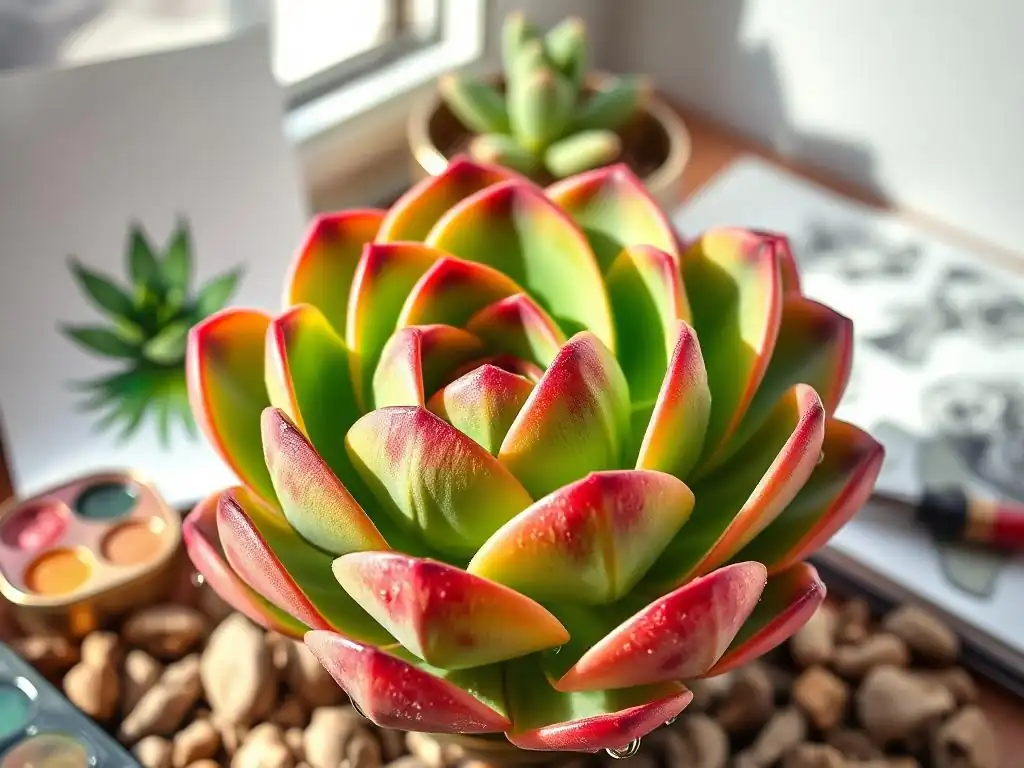
Welcome to SucculentEssentials.org, where the fascinating world of succulents unfolds before you! Prepare to be captivated by the incredible diversity and resilience of these miniature marvels. But we're not just talking about basic care; we're diving deep into the realm of Succulent art design inspiration. Discover how these drought-resistant beauties have inspired artists and designers for centuries – and how you can harness their unique forms and textures to create stunning displays of your own. Ready to unlock the secrets of succulent artistry? Let's explore the unparalleled legacy of these captivating plants!
- Succulent Art Design Inspiration: A Journey Through History
- Succulents in Modern Art and Design: Contemporary Interpretations
- Succulent Art Design Inspiration: Practical Applications and DIY Projects
- The Enduring Appeal of Succulents in Art and Design: A Lasting Legacy
-
Frequently Asked Questions
- What is the main source of inspiration for succulent art and design featured on SucculentEssentials.org?
- Where can I find succulent art design inspiration on SucculentEssentials.org?
- What kind of succulent arrangements are showcased as design inspiration?
- How does SucculentEssentials.org help users translate succulent inspiration into their own creations?
- Beyond arrangements, what other art forms are inspired by succulents on the site?
- Final Reflection: The Enduring Bloom of Succulent Inspiration
- Unleash Your Inner Artist: Bring Succulents to Life!
Succulent Art Design Inspiration: A Journey Through History
Succulents, with their striking forms, vibrant colors, and remarkable resilience, have captivated human imagination for centuries. Far from being mere botanical specimens, these drought-tolerant plants have served as potent symbols and recurring motifs in art and design, influencing everything from ancient pottery to modern minimalist aesthetics.
This article explores the rich legacy of succulents in artistic expression, tracing their evolution from early botanical illustrations to their prominent role in contemporary design trends. We will delve into specific historical periods and artistic movements, revealing how the unique characteristics of succulents have inspired artists and designers throughout history, offering a fascinating glimpse into the enduring appeal of these remarkable plants and their impact on our visual culture.
This exploration of "succulent art design inspiration" will reveal the enduring power of these plants to inspire creativity across diverse styles and eras. Prepare to be amazed by the versatility and enduring beauty of succulents as artistic muses!
Early Depictions of Succulents in Art: Ancient Civilizations and Botanical Illustrations
The earliest depictions of succulents in art are surprisingly ancient. Evidence suggests that succulents, particularly cacti, featured in the artwork of various ancient civilizations. For example, [specific examples of ancient art depicting succulents pending], illustrating their integration into the cultural fabric of these societies.
These early representations often served symbolic purposes, reflecting cultural beliefs and spiritual practices. However, accurate botanical illustrations, focusing on the precise details of succulent morphology, emerged significantly later with the rise of scientific botanical illustration. Detailed studies of succulents started appearing in botanical texts and herbals from the 16th century onwards.
These illustrations, while often serving a scientific purpose, also possess undeniable artistic merit, showcasing the beauty and intricacy of succulent forms with remarkable precision. The meticulous detail and careful observation in these early botanical illustrations laid the groundwork for future artistic interpretations of succulents. The transition from symbolic representation to scientifically accurate depiction marked a crucial step in the evolving relationship between succulents and art.
The Rise of Succulents in 19th-Century Art: Romantic and Victorian Influences
The 19th century witnessed a surge in interest in botany and natural history, influencing artistic trends significantly. The Romantic movement, with its emphasis on emotion and the sublime power of nature, embraced the dramatic forms of succulents. Artists began incorporating succulents into their paintings and drawings, often showcasing them in naturalistic settings, highlighting their textures and unique characteristics.
The Victorian era, with its penchant for elaborate ornamentation and detailed patterns, also saw succulents integrated into various decorative arts, such as textiles and wallpapers. The popularity of botanical prints and the rise of conservatories contributed to the increased visibility of succulents, further fueling their artistic representation. [Specific examples of 19th-century artwork featuring succulents pending].
The use of succulents in Victorian-era decorative arts reflects the era's fascination with the natural world and its integration into domestic spaces. This period saw the beginning of succulents' transition from primarily scientific subjects to fully-fledged artistic motifs.
Succulent Art Nouveau and Art Deco: Geometric Forms and Stylized Representations
The early 20th century saw succulents adopted by two significant artistic movements: Art Nouveau and Art Deco. Art Nouveau, with its flowing lines and organic forms, found inspiration in the sinuous shapes and intricate details of succulents. Artists stylized succulent forms, incorporating them into decorative panels, jewelry, and architectural elements. The emphasis on natural forms, yet with a distinctly stylized approach, perfectly complemented the unique aesthetic of succulents.
Art Deco, on the other hand, favored geometric shapes and streamlined designs. Succulents, with their often geometric growth patterns, lent themselves well to this aesthetic. Artists simplified succulent forms, emphasizing their structural elements and creating striking, graphic representations.
[Examples of Art Nouveau and Art Deco artwork incorporating succulents pending]. The contrasting approaches of Art Nouveau and Art Deco demonstrate the remarkable adaptability of succulents as artistic subjects, capable of inspiring widely different stylistic interpretations. The legacy of these periods continues to resonate in contemporary design, showcasing the enduring influence of succulents on artistic expression.
Succulents in Modern Art and Design: Contemporary Interpretations
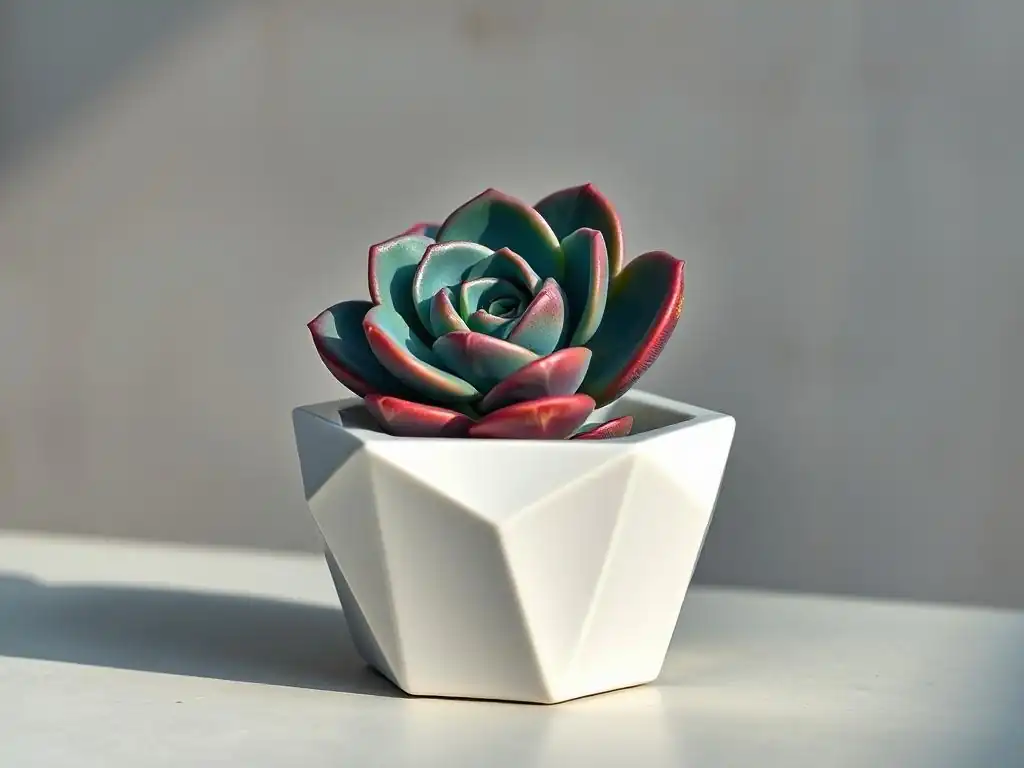
Succulents' unique forms and textures have captivated artists and designers for centuries, but their influence in modern art and design is particularly striking. This section explores how contemporary creators are interpreting these resilient plants, translating their inherent beauty into diverse artistic expressions. The surge in popularity of succulents has fueled a parallel growth in succulent-inspired art, creating a vibrant and ever-evolving field of creative expression. We'll examine key trends, showcasing how succulents are reimagined in various mediums, from traditional painting to cutting-edge digital design. The keyword "Succulent art design inspiration" is perfectly encapsulated in this diverse and exciting realm.
Succulent-Inspired Paintings and Sculptures: Exploring Texture and Form
Many contemporary artists are drawn to the sculptural qualities of succulents. The intricate details of their leaves, the varied shapes and sizes across different species, and the fascinating textures — from smooth and waxy to rough and spiny — all provide endless inspiration. Painters are capturing these textures using a wide range of techniques, from impasto painting that emphasizes the three-dimensionality of the succulents to delicate watercolor washes that highlight their subtle color variations. For example, the work of [Artist's name pending] showcases a masterful ability to render the almost ethereal quality of light reflecting off a Haworthia leaf.
Sculptors, too, are finding inspiration in succulents. Some create realistic representations using materials like clay, resin, or even repurposed materials. Others take a more abstract approach, using the succulent's form as a starting point for exploring themes of growth, resilience, and the beauty of imperfection. The use of mixed media is also common, with artists combining sculpting techniques with painting or incorporating elements like metal or glass to enhance the overall visual impact. The inherent geometric patterns found in many succulent arrangements also provide a rich source of inspiration for abstract sculptural pieces.
Succulents in Textile Design and Fashion: Prints, Patterns, and Embroidered Motifs
The captivating visual appeal of succulents has seamlessly transitioned into the world of textiles and fashion. Their diverse forms and vibrant colors lend themselves beautifully to print designs, appearing on everything from clothing and accessories to home décor fabrics. The popularity of botanical prints has seen a significant resurgence, with succulents featuring prominently alongside other floral motifs. These prints are often used in a variety of styles, from realistic depictions to stylized interpretations that emphasize bold color palettes and graphic elements.
Beyond printed designs, succulents are also finding their way into embroidery and other textile arts. Intricate needlework recreates the subtle details of succulent leaves and flowers, adding a tactile dimension to the artistic expression. The use of various embroidery techniques, thread colors, and fabrics allows for a wide range of stylistic interpretations. From delicate floral patterns to bold geometric designs, the versatility of embroidery perfectly complements the diverse forms found within the succulent family. This trend speaks to a broader appreciation for handcrafted items and a desire to incorporate natural elements into everyday life.
Succulent Photography: Capturing the Beauty of Diverse Species
The beauty of succulents is often best appreciated through the lens of a camera. Succulent photography has become a popular genre, with photographers showcasing the remarkable diversity of these plants. Close-up shots highlight the intricate details of their leaves and flowers, while wider shots capture the overall form and composition of succulent arrangements. The use of natural light and carefully chosen backgrounds enhances the visual appeal, creating stunning images that capture the essence of these fascinating plants.
Different photographic styles, from macro photography emphasizing minute details to landscape photography showcasing succulents within their natural habitat, contribute to the rich tapestry of succulent imagery. The use of post-processing techniques allows photographers to further enhance the color and texture of their subjects, creating images that are both scientifically accurate and artistically compelling.
The resulting photographs serve not only as aesthetically pleasing works of art, but also as valuable resources for succulent enthusiasts, providing inspiration and a deeper understanding of these remarkable plants. This aspect of "Succulent art design inspiration" focuses on the preservation and celebration of natural beauty through the medium of photography.
Succulent Art Design Inspiration: Practical Applications and DIY Projects
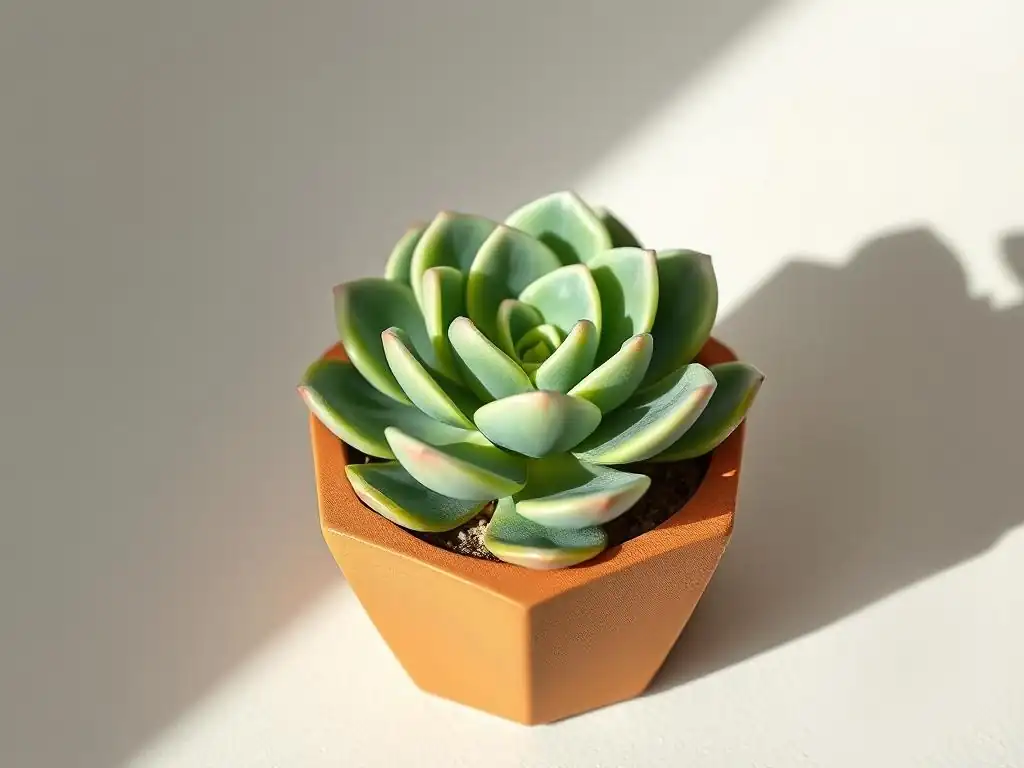
Succulent art design inspiration translates beautifully into tangible creations. The unique textures, colors, and forms of succulents lend themselves readily to various artistic expressions and DIY projects. This section explores practical applications, providing you with the tools and ideas to unleash your creativity. We'll move beyond mere appreciation and delve into the hands-on process of transforming succulent inspiration into stunning works of art.
Creating Succulent-Inspired Artwork: Step-by-Step Tutorials and Techniques
The inherent beauty of succulents provides a rich palette for artistic endeavors. From painting and drawing to sculpting and printmaking, the possibilities are vast. Let's explore some techniques:
1. Watercolor Paintings: The delicate, almost ethereal quality of watercolor paints perfectly captures the subtle nuances of succulent textures and colors. Begin by sketching the outline of your chosen succulent(s) – perhaps a Echeveria with its rosette form, or a Sedum morganianum with its cascading stems. Then, using a light touch and layering techniques, build up the colors and shading, paying close attention to the details of each leaf. Experiment with different washes and techniques to achieve unique effects. Remember to allow each layer to dry before adding the next for optimal blending and vibrancy.
2. Succulent-Inspired Pottery: The sculptural forms of succulents inspire unique pottery designs. Instead of simply painting succulents onto pottery, consider creating pottery in the shape of succulents. Imagine a small vase molded to resemble the plump leaves of an Haworthia or a planter shaped like a Crassula ovata. The possibilities are limited only by your imagination and sculpting skills.
3. Mixed Media Collage: Combine various materials—dried succulent leaves, pressed flowers, textured papers, and paints—to create layered, complex collages. This approach allows you to experiment with textures and colors, creating a visually rich and interesting piece. Consider incorporating found objects or recycled materials to enhance the unique character of your collage.
Incorporating Succulents into Home Décor: Unique Arrangements and Displays
Succulents aren't just for the garden; they are fantastic additions to interior spaces, adding a touch of nature and elegance to any room. Their drought-tolerant nature makes them relatively low-maintenance houseplants, perfect for busy lifestyles.
1. Terrariums: Creating a terrarium is an excellent way to showcase succulents and other small plants in a contained environment. Choose a glass container – a jar, a bowl, or even a repurposed bottle – and layer different types of succulents, adding gravel, charcoal, and potting mix for drainage and moisture control. Experiment with different heights and textures to create a visually appealing miniature landscape.
2. Vertical Gardens: Vertical gardens are a space-saving solution for displaying succulents, especially in smaller apartments or homes. They can be as simple as a wall-mounted planter or as elaborate as a custom-built system. Select a variety of succulents with diverse shapes and colors to maximize visual interest.
3. Unique Planters: Think beyond traditional pots! Repurpose vintage teacups, old watering cans, or even quirky containers like boots or hats to create unique and eye-catching succulent displays. This adds a personal touch and reflects your individual style.
Designing with Succulents: Landscape Design and Garden Inspiration
Succulents are increasingly popular in landscape design, offering drought-tolerance and aesthetic versatility. Their diverse forms and colors provide endless opportunities for creating stunning outdoor spaces.
1. Xeriscaping: Xeriscaping, a type of landscaping that conserves water, is ideally suited for succulents. By strategically grouping succulents with similar water requirements, you can create a low-maintenance, beautiful garden that thrives even in arid climates. This is environmentally friendly and saves on water bills.
2. Rock Gardens: Rock gardens provide the perfect environment for many succulents. The well-drained soil and rocky surroundings mimic their natural habitats. Combine different textures and colors of rocks with a variety of succulents to create a visually interesting and naturalistic landscape.
3. Succulent Walls: For a truly dramatic effect, consider creating a succulent wall. This involves planting succulents in a vertical structure, creating a living wall that adds texture and color to any outdoor space. This requires careful planning and construction but offers a unique and eye-catching design element. Consider the sun exposure and drainage needs when designing your succulent wall to ensure its long-term health and beauty.
The versatility of succulents makes them an unparalleled source of inspiration for art and design projects, both indoors and outdoors. From miniature terrariums to large-scale landscape designs, the possibilities are endless, limited only by your imagination and creativity. Embrace the succulent's legacy and let your artistic vision bloom!
The Enduring Appeal of Succulents in Art and Design: A Lasting Legacy
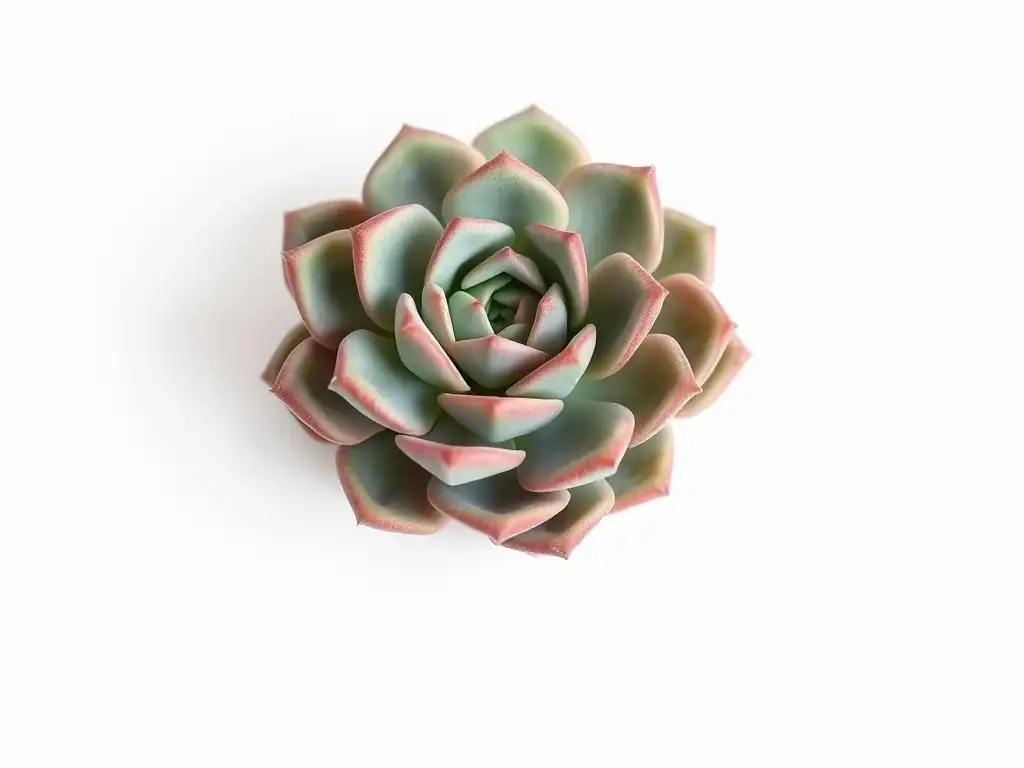
Succulents' unique aesthetic qualities—their varied textures, vibrant colors, and fascinating forms—have captivated artists and designers for centuries. Their inherent resilience and ability to thrive in diverse environments resonate with a deep-seated human appreciation for strength and adaptability. This enduring appeal translates into a rich history of succulent representation across various art forms and design applications, making them a powerful source of "succulent art design inspiration."
The incorporation of succulents into artistic expressions isn't merely decorative; it reflects a deeper connection between nature and human creativity. Their ability to survive harsh conditions symbolizes perseverance and endurance, making them potent symbols in various cultural contexts. This inherent symbolism, coupled with their undeniable visual appeal, has solidified their place in the world of art and design. The enduring legacy of succulents in artistic expression is a testament to their inherent beauty and the powerful emotions they evoke.
Succulents as Symbols: Meaning and Cultural Significance
Succulents hold symbolic weight in various cultures. In some, they represent perseverance and resilience due to their ability to thrive in arid conditions. Their ability to store water is often associated with abundance and prosperity. The diverse forms and colors of different succulent species further enhance their symbolic potential. For example, the rosette shape of many succulents is often interpreted as a symbol of unity and wholeness.
Consider the use of succulents in traditional Mexican art. Their vibrant colors and diverse forms perfectly complement the rich tapestry of Mexican culture, frequently appearing in folk art, textiles, and even religious iconography. Their presence often signifies the enduring spirit of the Mexican people and their ability to thrive even in challenging circumstances. This cultural significance adds another layer to the "succulent art design inspiration" they provide, enriching their use beyond mere aesthetics.
The meaning assigned to succulents can also be highly personal. An artist might choose a specific succulent to represent a particular feeling or idea, imbuing the artwork with a deeper layer of meaning for both the artist and the viewer. This personal interpretation adds to the versatility and enduring power of succulents as artistic motifs.
The Future of Succulent Art and Design: Emerging Trends and Innovations
The future of succulent art and design is bright, with emerging trends pushing the boundaries of creativity and innovation. We're seeing a move towards more sustainable and eco-conscious practices, with artists incorporating recycled materials and focusing on creating pieces that minimize environmental impact. This aligns perfectly with the inherent resilience and low-maintenance nature of succulents themselves.
Furthermore, digital art and technology are playing an increasingly important role. We're seeing stunning digital renderings of succulents, as well as innovative uses of 3D printing to create unique succulent-inspired sculptures and designs. These technological advancements allow artists to explore new textures, forms, and scales, expanding the possibilities of "succulent art design inspiration" even further.
The integration of succulents into interior design continues to evolve. Beyond traditional terrariums and planters, we're seeing more creative applications, such as living walls, succulent-adorned furniture, and even succulent-inspired jewelry. This demonstrates the versatility of succulents and their potential to enhance any space, both indoors and outdoors. The continued exploration of these innovative applications ensures succulents will remain a significant source of inspiration for years to come. The adaptability of succulents—both the plants themselves and their artistic representation—guarantees their continued prominence in the world of art and design.
Frequently Asked Questions
What is the main source of inspiration for succulent art and design featured on SucculentEssentials.org?
The main inspiration comes from the unique forms, textures, and colors of succulents themselves. The site showcases how these natural attributes translate into various art forms and design elements.
Where can I find succulent art design inspiration on SucculentEssentials.org?
The website offers a variety of inspiration, including care guides that highlight the aesthetic qualities of different succulents, and examples of creative succulent arrangements like terrariums and vertical gardens.
What kind of succulent arrangements are showcased as design inspiration?
SucculentEssentials.org features inspiration for a wide range of arrangements, from minimalist displays to elaborate, multi-layered compositions. Examples include terrariums, vertical gardens, and even succulent-based jewelry.
How does SucculentEssentials.org help users translate succulent inspiration into their own creations?
The site provides practical tips and guides on succulent care and propagation, empowering users to create their own arrangements based on the inspiration they find. It also includes DIY project ideas and tutorials.
Beyond arrangements, what other art forms are inspired by succulents on the site?
SucculentEssentials.org explores succulent inspiration in various art forms, including painting, photography, and even sculpture. The site showcases how the unique qualities of succulents can inspire creative expression in diverse mediums.
Final Reflection: The Enduring Bloom of Succulent Inspiration
The enduring appeal of succulents in art and design isn't merely a fleeting trend; it's a testament to nature's enduring power to inspire creativity. Their unique forms, vibrant colors, and resilient nature resonate deeply with artists and designers, offering a wealth of possibilities for expression and innovation that continues to blossom in unexpected ways. This enduring influence speaks to a fundamental human need to connect with the natural world, even in our increasingly urbanized environments.
The succulent's journey from humble desert plant to celebrated muse reflects a broader shift in our aesthetic sensibilities. We are increasingly drawn to designs that celebrate imperfection, resilience, and organic forms. This move away from sterile minimalism towards a more textured, natural aesthetic is profoundly significant. The beauty of a thing is in its function,
wrote William Morris, and the succulent, with its remarkable ability to thrive in harsh conditions, embodies this principle perfectly. Its very survival is a testament to its inherent beauty and strength. This resonates deeply with a generation seeking meaning and sustainability in their choices.
Consider the succulent's legacy in your own life. Do you find yourself drawn to its unique forms? Perhaps you've already incorporated its aesthetic into your home décor or personal projects. I invite you to explore this inspiration further, to let the succulent's quiet strength and vibrant beauty inform your own creative endeavors. Whether it's through painting, sculpting, textile design, or simply appreciating the plant itself, embrace the succulent's enduring legacy and allow its unique spirit to bloom in your own life.
Unleash Your Inner Artist: Bring Succulents to Life!
Thank you for exploring the fascinating world of succulents and their impact on art and design! We hope you've gained a new appreciation for their beauty and versatility. Now it's time to put that inspiration into action.
- Create your own succulent-inspired masterpiece: Whether you're painting a vibrant still life, sculpting a miniature desert landscape, designing a textile pattern, or even transforming a room with a succulent-themed makeover, let your creativity flourish! The possibilities are truly limitless.
- Share your succulent journey: Post your creations on social media using #SucculentInspiration and tag us @SucculentEssentials! We'd love to see your work.
- Consider joining a local art group or workshop to learn new techniques and connect with fellow enthusiasts. You might discover exciting collaborative opportunities.
What unique way will you incorporate the beauty of succulents into your next creative project?