
Focal Point Fun: Drawing the Eye with Key Elements in Succulent Gardens

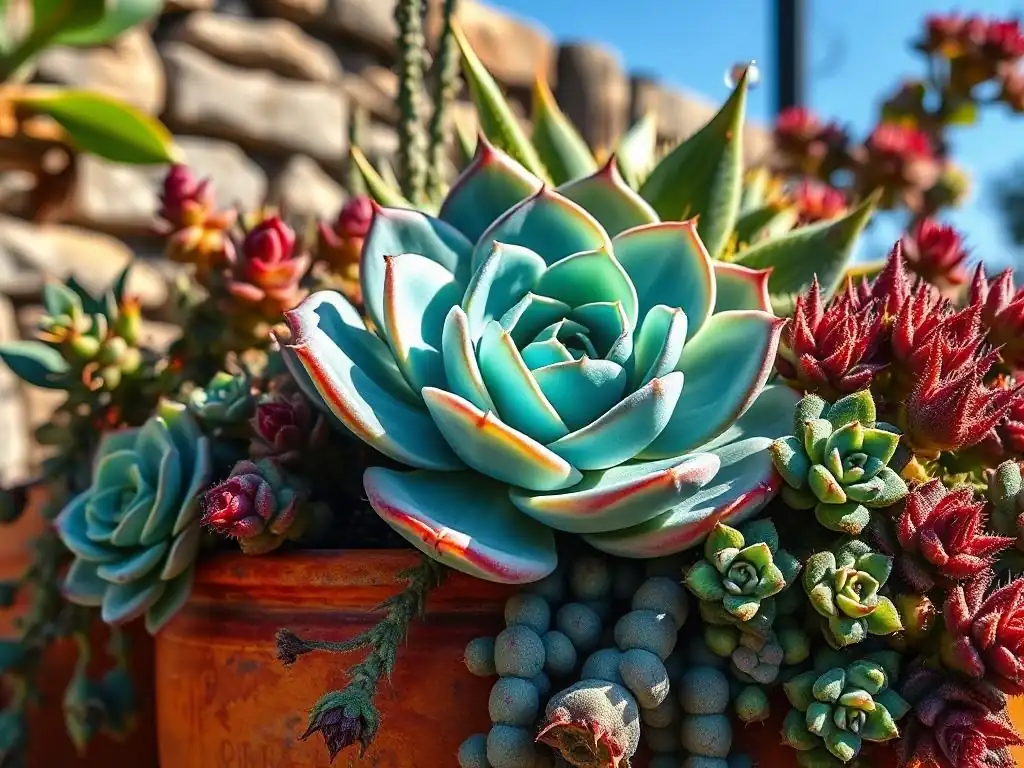
Welcome to SucculentEssentials.org, where the fascinating world of succulents unfolds before you! Are you ready to transform your outdoor space into a breathtaking oasis? We'll show you how. Discover stunning succulent garden focal point ideas that will draw the eye and leave visitors mesmerized. Dive into the captivating details of creating the perfect arrangement – your journey to a vibrant, thriving succulent haven begins now!
- Understanding Focal Points in Succulent Garden Design
- Succulent Garden Focal Point Ideas: Plants as the Star
- Adding Architectural Elements to Your Succulent Focal Point
- Enhancing Your Focal Point with Complementary Elements
- Creating a Focal Point with Water Features in Miniature Succulent Gardens
- Maintaining Your Succulent Garden Focal Point
-
Frequently Asked Questions
- What makes a good focal point in a succulent garden?
- How can I create a focal point using different succulent textures?
- What are some ideas for a focal point using color?
- Besides plants, what else can I use as a focal point in my succulent garden?
- How can I ensure my focal point remains the center of attention?
- Final Reflection: Cultivating Beauty, Cultivating Focus
- Unleash Your Inner Succulent Artist: Design Your Dream Garden!
Understanding Focal Points in Succulent Garden Design
Creating a captivating miniature succulent landscape isn't just about selecting the right plants; it's about skillfully orchestrating their placement to create a visually stunning and balanced composition. A strong focal point is the cornerstone of any successful succulent garden design, acting as a magnet for the eye and guiding the viewer through the miniature world you've created.
This article explores the art of using focal points to elevate your succulent garden designs, transforming them from simple arrangements into breathtaking miniature masterpieces. We'll delve into the crucial role of focal points, techniques for creating visual interest even in confined spaces, and how to select focal points that perfectly complement your chosen succulent garden style.
Whether you're a seasoned succulent enthusiast or a beginner just starting your journey into miniature gardening, understanding focal points will significantly enhance your designs and bring your creative vision to life. Let's explore how to effectively use focal points to create truly enchanting succulent gardens.
The Importance of a Strong Focal Point in Miniature Succulent Landscapes
A well-defined focal point in a miniature succulent garden serves several vital purposes. First, it provides a sense of balance and harmony. Without a focal point, the eye wanders aimlessly, leaving the viewer feeling disoriented and unsure where to focus. A strong focal point anchors the design, creating a sense of order and preventing the arrangement from feeling cluttered or chaotic.
Secondly, a focal point adds visual interest and depth to what might otherwise be a flat, two-dimensional arrangement. It draws the eye in, encouraging exploration of the intricate details within the miniature landscape. Think of it as the star of your show! Finally, a focal point effectively guides the viewer's eye, leading them on a visual journey through the different elements of your succulent garden.
This controlled visual flow creates a more engaging and memorable experience for the observer. Without a clear focal point, the overall impact of your carefully chosen succulents can be significantly diminished. Consider how a well-placed larger succulent, a unique rock formation, or a miniature fountain can dramatically alter the perception of the entire garden.
Creating Visual Interest and Depth in Small Spaces
The challenge of creating visually interesting miniature succulent gardens lies in the inherent limitations of space. However, with careful planning and the strategic use of focal points, even the smallest containers can become captivating miniature worlds. One effective technique is to use height and layering.
By incorporating succulents of varying heights and textures, you create a sense of depth and dimension, preventing the garden from appearing flat and monotonous. Consider using taller succulents as backdrops, placing smaller, trailing succulents in the foreground, and strategically positioning your focal point to draw the eye through this layered landscape. Another effective method is to employ contrast in color and texture.
The juxtaposition of smooth, fleshy leaves against rough, textured stones or contrasting colors amongst the succulents adds visual excitement and helps to highlight your chosen focal point. Don't be afraid to experiment with different textures and colors to create a dynamic and engaging miniature scene. Remember, even small changes can make a significant difference in the overall impact of your succulent garden.
Choosing the Right Focal Point to Complement Your Succulent Garden Style
The selection of a focal point should always be in harmony with the overall style and theme of your succulent garden. For a minimalist design, a single, striking succulent with unique coloring or form might be the perfect choice. For a more whimsical fairy garden, a miniature house, a tiny bird bath, or a small figurine could serve as an engaging focal point.
A rock garden might benefit from a uniquely shaped rock or a small water feature. Consider the overall aesthetic you are trying to achieve and select a focal point that complements and enhances that style. Remember that the focal point should not overpower the rest of the arrangement; rather, it should enhance and unify the elements within the miniature landscape.
The key is to achieve a balance between the focal point and the supporting elements, creating a cohesive and visually appealing miniature succulent garden that captivates and inspires. Experiment with different options, and don't be afraid to let your creativity guide your choices! Ultimately, the best focal point is one that resonates with you and brings your artistic vision to life.
Succulent Garden Focal Point Ideas: Plants as the Star
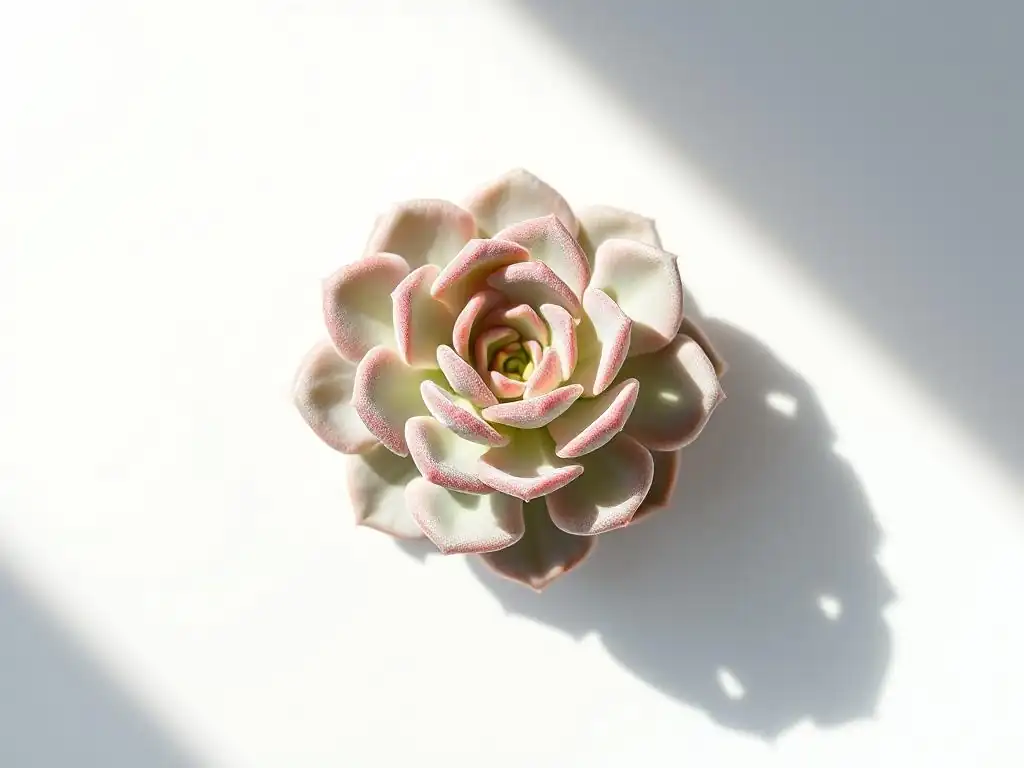
This section explores how to strategically utilize succulents themselves to create captivating focal points in your miniature landscapes and fairy gardens. Choosing the right plants is paramount; a thoughtfully selected succulent can elevate an entire arrangement from ordinary to extraordinary. We'll delve into specific techniques to maximize the visual impact of your chosen succulents, transforming them into the undeniable stars of your miniature succulent garden.
Remember, the goal is to draw the eye and create a sense of wonder, reflecting the unique beauty of these resilient plants. Effective use of "Succulent garden focal point ideas" relies heavily on plant selection and placement.
Using Unique Succulent Varieties as Focal Points
Selecting unusual and striking succulent varieties is key to creating a memorable focal point. Avoid overcrowding; instead, highlight individual plants or small clusters with distinct characteristics. Consider these examples:
- Agave parryi: Its architectural form and striking blue-green leaves command attention. Position it centrally or at a slightly elevated point within the miniature garden for maximum impact.
- Echeveria 'Perle von Nürnberg': This rosette-forming succulent boasts a beautiful, almost ethereal, powdery blue-green hue. Its delicate appearance contrasts beautifully with bolder succulents, creating a visually interesting focal point.
- Haworthia attenuata: The translucent, bumpy leaves of this succulent create a fascinating textural element. Group several together to create a dense, eye-catching cluster.
Choosing succulents with varying sizes and shapes within your focal point also adds depth and visual interest. Think about the overall composition: a taller succulent can serve as a vertical anchor, while smaller, spreading succulents can create a sense of movement and flow around the main focal point. The contrast in size and shape is crucial for a dynamic and visually appealing arrangement. Remember to consider the mature size of your chosen succulents to ensure they don't overwhelm the space over time.
Showcasing Striking Colors and Textures
The beauty of succulents lies not only in their shapes but also in their incredible diversity of colors and textures. Leveraging this variety is crucial for crafting compelling focal points. Think about contrasting colors and textures to maximize the visual appeal:
| Succulent Type | Color | Texture | Suggested Placement |
|---|---|---|---|
| Sedum rubrotinctum | Reddish-bronze | Smooth, slightly fleshy | Elevated position |
| Graptoveria 'Debbie' | Pinkish-purple | Smooth, slightly waxy | Center of the arrangement |
| Sempervivum 'Spiderweb' | Green with red tips | Hairy, spiky | Edge of the arrangement |
| Echeveria 'Laui' | Blue-green with white | Powdery, slightly fuzzy | Central, slightly raised |
The table above showcases how different textures and colors can be combined to create a visually rich focal point. Remember that even subtle differences in color and texture can add significant depth to your miniature succulent garden. Consider using plants with contrasting colors to draw the eye, and use textures to add visual interest and depth. Don't be afraid to experiment!
Incorporating Unusual Growth Habits and Forms
Beyond color and texture, the growth habit of a succulent can be a powerful tool in creating a focal point. Succulents exhibit a wide range of growth patterns, from cascading and trailing to upright and columnar. These variations can be used to create dynamic and visually interesting focal points:
Consider these examples:
- Trailing succulents: Species like Sedum morganianum (Burro's Tail) can be draped elegantly over rocks or the edges of containers, creating a cascading effect that draws the eye downward. This works particularly well in tiered or elevated miniature gardens.
- Columnar succulents: Euphorbias and some cacti offer striking vertical elements. These can serve as strong central focal points, adding height and architectural interest to the overall composition.
- Unusual branching patterns: Some succulents develop unique and unexpected branching patterns, creating a natural focal point due to their irregular, intriguing form. These can be used to add a touch of whimsy and surprise to your arrangement.
By carefully selecting succulents with diverse growth habits, you can create a miniature landscape that is not only visually appealing but also dynamic and engaging. Think about the overall flow and movement within your composition; the placement of succulents with different growth habits can significantly impact the overall feel of the miniature garden. Remember that even subtle differences in growth patterns can significantly enhance the visual interest of your focal point.
Adding Architectural Elements to Your Succulent Focal Point
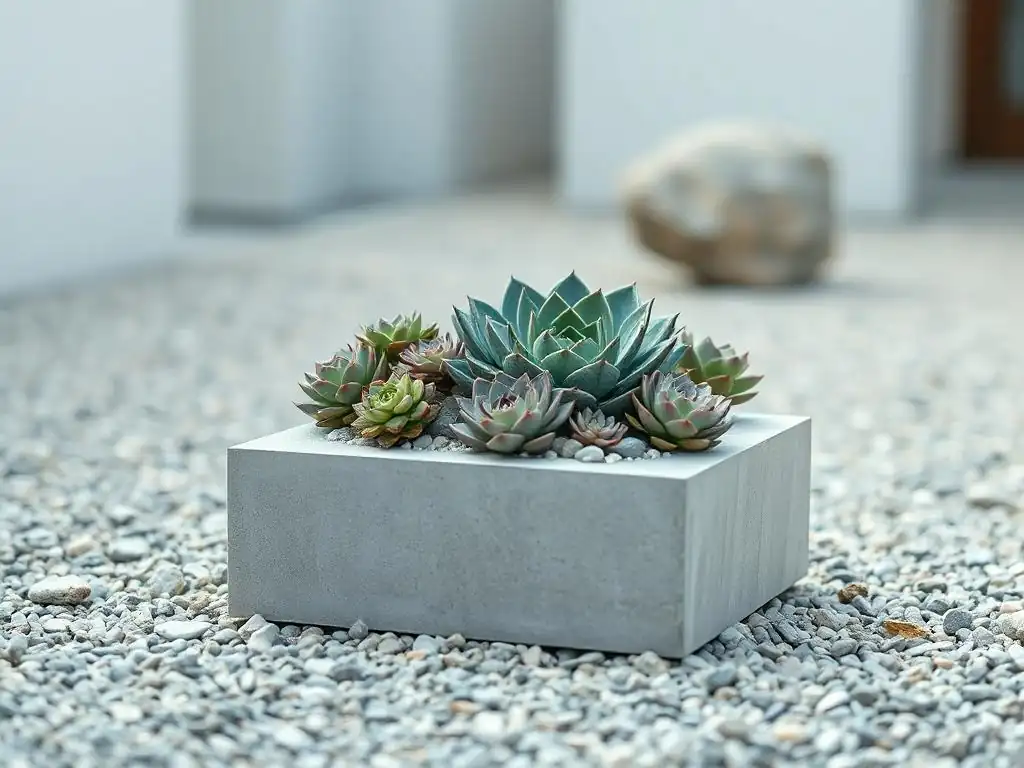
Creating a captivating succulent garden often hinges on establishing a clear focal point. While the succulents themselves contribute significantly to the overall aesthetic, strategically incorporating architectural elements elevates the design to a new level of visual interest. These elements not only draw the eye but also add depth, texture, and a sense of scale to your miniature landscape. This section will explore various ways to achieve this, focusing on miniature structures, creative rock arrangements, and the strategic use of verticality.
Remember, the key is to choose elements that complement your succulent selection and overall garden style, creating a harmonious and engaging display. The right focal point can transform a simple collection of succulents into a truly stunning miniature garden, perfectly embodying your personal style and aesthetic preferences. Let's delve into the specifics.
Miniature Structures and Ornaments for Emphasis
Miniature buildings, fences, bridges, and even tiny whimsical figurines can dramatically enhance a succulent garden's focal point. These elements introduce a sense of scale and narrative, transforming your arrangement from a simple planting into a captivating miniature world. Consider the overall theme of your garden when selecting ornaments. A rustic, fairytale-inspired garden might benefit from a tiny stone cottage or a weathered wooden fence, whereas a modern, minimalist design might incorporate sleek, geometric structures or abstract metal sculptures.
The size and placement of these miniature structures are crucial. They should be proportionate to the succulents and other elements in the garden, avoiding an overwhelming or cluttered look. Strategically placing a miniature house nestled amongst larger succulents can create a wonderful sense of depth and perspective.
Similarly, a small bridge spanning a miniature stream (created using pebbles and perhaps a small water feature – if feasible) can guide the viewer's eye and add a dynamic element to the design. Remember to prioritize quality over quantity; a few well-chosen ornaments can be far more effective than a profusion of distracting trinkets.
Creative Uses of Rocks, Stones, and Pebbles
Rocks, stones, and pebbles offer a versatile and readily available material for creating impactful focal points in succulent gardens. Their natural textures and varying sizes and colors provide a wealth of design possibilities. Consider using larger, uniquely shaped stones as anchor points, strategically placing them to frame or highlight specific succulents or groupings. Smaller pebbles can be used to create pathways, define borders, or even simulate a miniature stream bed.
The color and texture of the rocks should complement the succulents. For example, smooth, grey stones might complement a collection of blue-toned succulents, while rough, reddish-brown stones could enhance the visual appeal of warmer-toned succulents. Experiment with different arrangements and textures to find the most aesthetically pleasing combination.
Remember that the arrangement of rocks can significantly impact the overall visual flow and emphasis of the garden. Carefully placed stones can draw the eye towards the intended focal point, while haphazard placement can create a chaotic and less impactful display. Careful consideration of size, shape, and color will yield the best results.
The Power of Verticality: Using Raised Elements to Draw the Eye
Introducing vertical elements is a highly effective technique for creating compelling focal points in succulent gardens. This could involve using raised planters, tiered displays, or even incorporating vertical structures like small walls or rock formations. Verticality adds dimension and visual interest, breaking up the monotony of a flat planting surface. A raised planter, for example, can provide a dramatic backdrop for a carefully chosen selection of succulents, drawing the eye upward and creating a sense of height and grandeur.
Tiered displays offer another excellent method for incorporating verticality. These can be created using a variety of materials, from stacked terracotta pots to specially designed tiered succulent planters. The key is to create a visually pleasing arrangement that complements the overall design of the garden.
By strategically placing taller succulents on the upper tiers and smaller ones on the lower tiers, you can create a balanced and harmonious composition that draws the eye upwards while maintaining a sense of visual coherence. Remember that the use of verticality isn't just about height; it's also about creating a sense of depth and layering within your succulent garden design.
Enhancing Your Focal Point with Complementary Elements
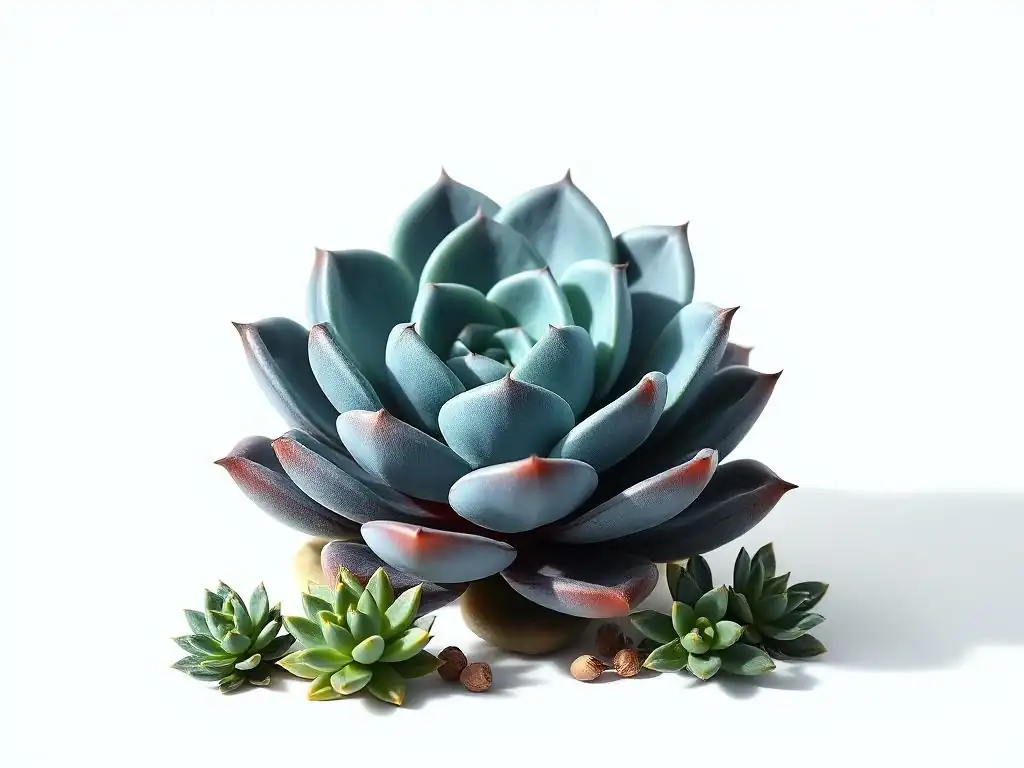
Creating a stunning succulent garden isn't just about choosing a striking focal point; it's about skillfully weaving in supporting elements to enhance its impact. A well-designed succulent garden uses complementary plants and design techniques to draw the eye and create a cohesive, visually appealing miniature landscape.
Think of your focal point as the star of the show – these supporting elements are the talented supporting cast, adding depth and interest to the overall composition. This section will explore ways to use smaller succulents and ground cover, color and texture, and lighting and shadow to maximize the visual appeal of your chosen focal point.
Strategic Placement of Smaller Succulents and Ground Cover
Smaller succulents and ground cover plants play a crucial role in creating a balanced and visually interesting succulent garden. They act as a transition between the focal point and the edges of the arrangement, preventing the focal point from appearing isolated or jarring. Consider these strategies:
- Creating a sense of scale: Using smaller succulents around a larger, more dramatic focal point helps to emphasize its size and importance. For example, placing a cluster of Sedum rubrotinctum ('Jelly Bean') around a large Agave creates a visually pleasing contrast in size and texture.
- Filling negative space: Strategic placement of ground cover, such as Delosperma cooperi (Hardy Ice Plant), can fill in empty spaces and prevent the arrangement from looking sparse. This helps to create a more natural and cohesive look, drawing the eye smoothly towards the focal point.
- Textural variety: Combining succulents with different textures—smooth, rough, spiky—adds depth and visual interest. For instance, the smooth leaves of Echeveria contrast beautifully with the spiky texture of Haworthia. This variety keeps the eye moving and prevents the garden from becoming monotonous.
- Color harmony: Choose smaller succulents and ground cover plants that complement the color palette of your focal point. Using analogous colors (colors next to each other on the color wheel) creates a harmonious and peaceful look. Complementary colors (colors opposite each other on the color wheel) can create more dramatic contrast.
The Role of Color and Texture in Balancing the Focal Point
Color and texture are powerful tools for manipulating the eye in your succulent garden design. A thoughtfully chosen color palette and textural variety can either emphasize or downplay certain elements, subtly guiding the viewer's attention.
Consider this: a vibrant, brightly colored focal point might benefit from a calmer, more muted palette in the surrounding plants. This prevents the garden from feeling overwhelming. Conversely, a more subdued focal point could be enhanced by introducing pops of color in strategically placed smaller succulents.
Texture plays a similar role. A focal point with smooth, rounded leaves might be complemented by succulents with rough, textured leaves, or vice versa. This interplay keeps the garden visually interesting and prevents monotony. Experiment with different combinations to discover what works best for your specific design and chosen focal point. Remember, the goal is to create a balanced and harmonious composition, not a chaotic jumble.
Using Lighting and Shadow to Highlight Your Masterpiece
Light and shadow are often overlooked elements in succulent garden design, but they are incredibly powerful tools for creating depth and drama. By strategically placing your garden and using natural or artificial light, you can enhance the visual impact of your focal point.
- Natural light: Consider the direction and intensity of sunlight throughout the day. Positioning your garden to receive dappled sunlight can create beautiful shadows that highlight the texture and form of your succulents, drawing attention to the focal point.
- Artificial light: In areas with limited natural light, carefully placed spotlights or LED lights can create a similar effect. This is particularly useful for highlighting the focal point at night or in shaded areas.
- Shadow play: Use taller succulents or other elements to create shadows that subtly frame the focal point, drawing the viewer's eye directly to it. This technique adds depth and dimension to the overall design.
Remember that the ultimate goal is to create a visually stunning and harmonious succulent garden. By understanding and utilizing these complementary elements, you can transform a simple collection of succulents into a captivating miniature landscape. Experimentation is key – don't be afraid to try different combinations and see what works best for you!
Creating a Focal Point with Water Features in Miniature Succulent Gardens
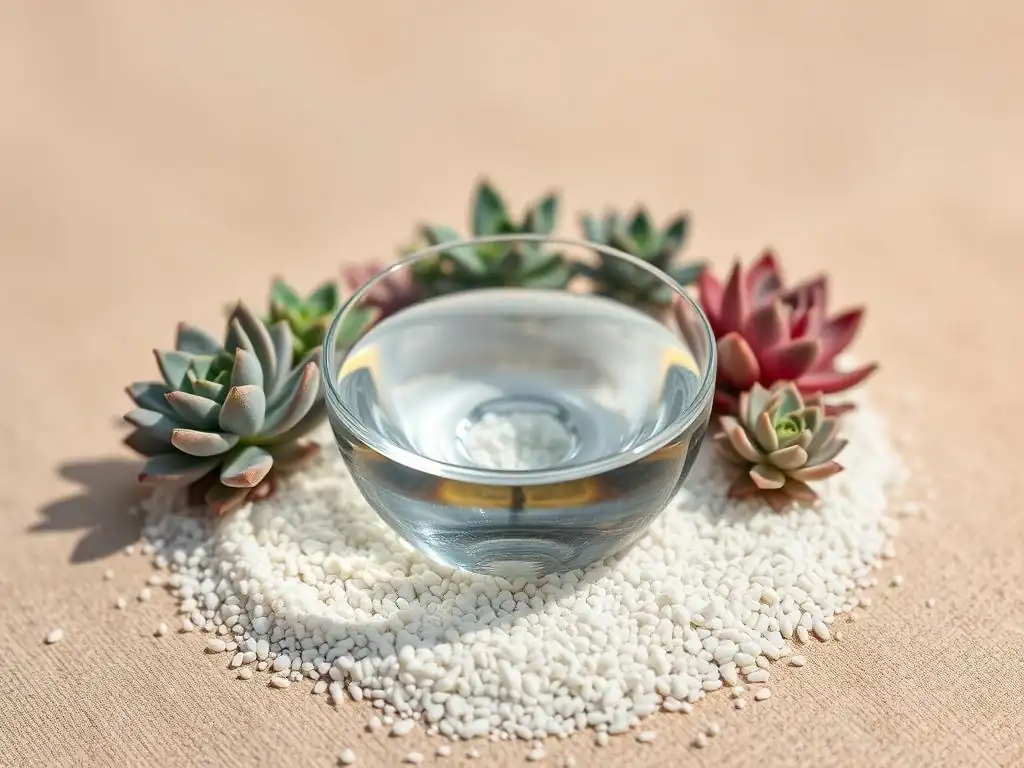
Creating a captivating miniature succulent garden often hinges on establishing a compelling focal point. While many gardeners utilize sculptural elements or unique succulent varieties, incorporating water features offers a dynamic and visually stunning alternative. The gentle sound of trickling water, combined with the reflective surfaces of small ponds, adds an unexpected element of tranquility and movement to these otherwise static displays.
This section explores the possibilities of integrating water features into your miniature succulent landscapes, transforming them from simple arrangements into enchanting microcosms. The keyword phrase "Succulent garden focal point ideas" is perfectly addressed through this exploration of unique and engaging design elements.
The Charm of Miniature Ponds and Waterfalls
Miniature ponds, even the smallest, can serve as breathtaking focal points. Imagine a tiny, shallow basin nestled amongst plump Echeveria and trailing Sedum. The reflective surface mirrors the surrounding succulents, creating a sense of depth and serenity. You can achieve this effect using various materials:
- Resin ponds: Pre-formed resin ponds are readily available and require minimal effort to integrate. Simply select a size appropriate for your garden's scale and embed it within the soil.
- Upcycled containers: Small, shallow bowls, saucers, or even repurposed bottle caps can be used to create rustic, charming ponds. Consider using glazed ceramic for a more polished look.
- Natural materials: For a truly naturalistic approach, you could sculpt a small pond using waterproof clay or carefully shape a depression in a rock, ensuring proper drainage.
Remember to choose succulents that tolerate occasional moisture, avoiding those prone to rot. Consider adding small, smooth pebbles or river stones around the pond's edge to add texture and visual interest. The subtle interplay of light and water will draw the eye and create a captivating centerpiece. A tiny waterfall cascading into the pond adds another layer of visual intrigue, enhancing the overall aesthetic appeal.
Integrating Small Fountains and Drippers
Small fountains and drippers add a delightful auditory and visual element to miniature succulent gardens. The gentle sound of trickling water creates a soothing atmosphere, further enhancing the tranquility of the miniature landscape. These features can be powered by small submersible pumps designed for aquariums or even by gravity-fed systems using a slightly elevated reservoir.
Several options exist for incorporating these features:
- Miniature ceramic fountains: These charming fountains come in a variety of styles and sizes, easily integrated into your design.
- DIY drippers: A simple DIY dripper can be created using a small container with a hole punched in the bottom, allowing a slow, steady drip into a lower basin.
- Repurposed materials: Get creative by repurposing small objects like seashells or decorative beads as part of a miniature fountain system.
When designing your fountain, consider the overall scale of your garden. A large fountain in a small space will look out of place. Similarly, a tiny fountain in a larger garden may get lost. Careful planning and consideration of proportions are key to achieving a harmonious and visually appealing result.
Maintaining Moisture Balance in Water Feature Gardens
While water features enhance the aesthetic appeal, they also introduce the challenge of maintaining a delicate moisture balance. Overwatering can lead to root rot in your succulents, while underwatering will negate the beauty of the water feature itself. Therefore, careful consideration of drainage and soil composition is crucial.
- Well-draining soil: Use a well-draining succulent and cactus potting mix to prevent waterlogging. Adding perlite or pumice to the soil will further enhance drainage.
- Drainage layers: Create a drainage layer at the bottom of your containers using gravel or broken pottery shards to facilitate water runoff.
- Regular monitoring: Regularly monitor the moisture levels in your soil and adjust watering accordingly. Avoid overwatering, especially during periods of low light or cooler temperatures.
The key is to strike a balance. Your goal should be to maintain a consistently moist, but not soggy, environment around your water feature while ensuring that the surrounding succulents receive adequate, but not excessive, moisture. This careful attention to detail will ensure the longevity and beauty of your miniature succulent garden.
Maintaining Your Succulent Garden Focal Point
Creating a stunning succulent garden focal point is only half the battle. Maintaining its vibrancy and health requires ongoing care and attention. This section will guide you through essential techniques to ensure your focal point remains the captivating centerpiece of your miniature landscape for years to come. We'll explore practical strategies for preserving its beauty and addressing potential challenges.
Regular Maintenance and Pruning Techniques
Regular maintenance is key to a thriving succulent garden focal point. This involves more than just watering; it's about proactively shaping your plants and removing any dead or diseased growth. Pruning encourages bushier growth and prevents legginess, maintaining the aesthetic appeal of your chosen focal point.
For instance, if your focal point features a rosette-forming succulent like an Echeveria, regularly removing spent flower stalks will prevent the plant from expending energy on seed production and instead redirect it towards leaf growth, resulting in a fuller, more attractive rosette. This simple act significantly contributes to the overall health and appearance of your focal point.
Pruning tools should be clean and sharp to prevent the spread of disease. Use sterilized scissors or shears to snip off dead leaves, stems, or flowers close to the base. For larger succulents, you might need pruning shears or even a small hand saw for thicker stems. Remember to always sanitize your tools between cuts to avoid cross-contamination.
Here's a helpful table summarizing pruning needs for common succulent focal point plants:
| Succulent Type | Pruning Frequency | Pruning Technique | Notes |
|---|---|---|---|
| Echeveria | Every 2-3 months | Remove spent flower stalks and dead leaves | Maintain compact rosette shape |
| Sedum | As needed | Cut back leggy stems and remove dead growth | Encourage bushier growth |
| Sempervivum (Hens & Chicks) | As needed | Remove dead rosettes and offsets as needed | Control spread and maintain desired density |
| Cactus (e.g., Mammillaria) | Minimal pruning | Remove dead or damaged spines only | Avoid unnecessary cuts; spines are crucial |
Remember, less is often more when pruning succulents. Avoid over-pruning, which can stress the plants and hinder their growth. Observe your plants regularly and prune only when necessary. Regular, gentle pruning is far better than drastic cuts.
Protecting Your Focal Point from Pests and Diseases
Succulents, while generally hardy, are not immune to pests and diseases. Early detection and swift action are crucial to preserving the health and beauty of your succulent garden focal point. Common pests include mealybugs, aphids, and spider mites. Diseases can manifest as root rot, fungal infections, or bacterial blight. Regular inspection is vital for early identification.
To protect your focal point, practice preventative measures. Ensure proper drainage to avoid root rot. Avoid overwatering, which weakens plants and makes them susceptible to pests and diseases. Maintain good air circulation around your succulents to prevent fungal problems.
If you detect a pest infestation, address it immediately. For mild infestations, you can often remove pests manually with a cotton swab dipped in rubbing alcohol. For more severe infestations, insecticidal soap or neem oil may be necessary. Always follow the product instructions carefully.
For diseases, the best approach is prevention. Proper watering and sanitation practices are crucial. If disease does occur, removing affected parts of the plant may be necessary to prevent the spread. In severe cases, you may need to discard the affected plant to prevent the disease from spreading to other succulents in your garden. Remember to always sanitize your tools after handling diseased plants. The preventative care you take will vastly improve the longevity of your succulent garden focal point.
Adapting Your Focal Point to Seasonal Changes
Succulents, while drought-tolerant, still require adjustments based on seasonal changes. Your succulent garden focal point will need different care in summer compared to winter. Understanding these needs is vital for maintaining its health and beauty year-round.
During hot summer months, increased watering may be needed, especially for succulents planted in containers that dry out quickly. However, avoid overwatering, which can lead to root rot. Provide some shade during the hottest parts of the day to prevent sunburn, especially for succulents with delicate leaves.
Conversely, during winter, watering should be significantly reduced. Many succulents enter a period of dormancy, requiring less water. Overwatering during winter can be detrimental, leading to root rot and other problems. Protect your focal point from frost and freezing temperatures, as these can damage or even kill your succulents. Consider moving containerized succulents indoors or providing them with protection during periods of extreme cold. Seasonal adaptations are essential for the long-term health and beauty of your succulent garden focal point. Careful monitoring and adjustments based on weather conditions will ensure your focal point thrives throughout the year.
Frequently Asked Questions
What makes a good focal point in a succulent garden?
A good focal point should be visually striking and command attention. Consider using a unique specimen, a different texture, or a bold color to draw the eye. Size and placement are also key factors.
How can I create a focal point using different succulent textures?
Combine succulents with varying textures like smooth leaves, spiky leaves, and fuzzy leaves to create visual interest. This contrast in texture helps a specific area stand out within the garden.
What are some ideas for a focal point using color?
Use succulents with vibrant colors like reds, oranges, or purples to create a bold focal point. You can also use color blocking techniques to highlight a specific area. Consider the overall color scheme of your garden.
Besides plants, what else can I use as a focal point in my succulent garden?
Consider adding decorative elements, such as unique pots, statues, or water features, to create a focal point. These elements can complement the succulents and add another layer of interest.
How can I ensure my focal point remains the center of attention?
Careful placement and arrangement are crucial. Avoid overcrowding around your focal point. Use ground cover or mulch to define the space and highlight the chosen element.
Final Reflection: Cultivating Beauty, Cultivating Focus
The art of creating a stunning succulent garden isn't just about planting; it's about orchestrating a visual symphony. A well-placed focal point transforms a collection of plants into a captivating landscape, a testament to thoughtful design and an understanding of visual weight. This principle, far from being a niche interest, holds relevance for anyone seeking to create beauty and order in their lives, whether through gardening, interior design, or even personal organization.
The impact of a strong focal point extends beyond the purely aesthetic. It's about creating a sense of harmony and intentionality, a feeling that resonates deeply within us. The deliberate placement of a striking element—a sculptural agave, a vibrant burst of color, or a carefully constructed rock feature—mirrors the way we strive to find focus and purpose in our own lives. The details are not the details. They make the design.
– Charles Eames. This quote perfectly encapsulates the power of seemingly small elements to create a powerful overall effect, a principle as true for succulent gardens as it is for any creative endeavor.
Now, consider your own space, your own projects. Where can you introduce a focal point to enhance the overall impact? What element, however small, can you strategically place to draw the eye and elevate the experience? Take the principles explored in this article—balance, contrast, and visual hierarchy—and apply them to your own creative endeavors. Let the act of cultivating beauty, whether in a garden or in your life, be a source of joy, focus, and lasting satisfaction.
Unleash Your Inner Succulent Artist: Design Your Dream Garden!
Thanks for exploring the art of succulent garden design with us! We hope you feel more confident in creating stunning focal points. Ready to transform your outdoor space?
- Design your dream succulent garden: Grab a pen and paper, or use your favorite design app, and sketch out your vision, incorporating the focal point techniques we discussed. Don't be afraid to experiment!
- Share your progress (or ask for advice!): Join our online community and share photos of your designs – let's inspire each other!
- Add a surprising element: Incorporate an unexpected texture or color to make your garden truly pop. Consider metallic accents or a unique container.
What unexpected element will you use to add flair to your next succulent masterpiece?