
The Kalanchoe's Kaleidoscope: Unfolding the Plant's Rich History

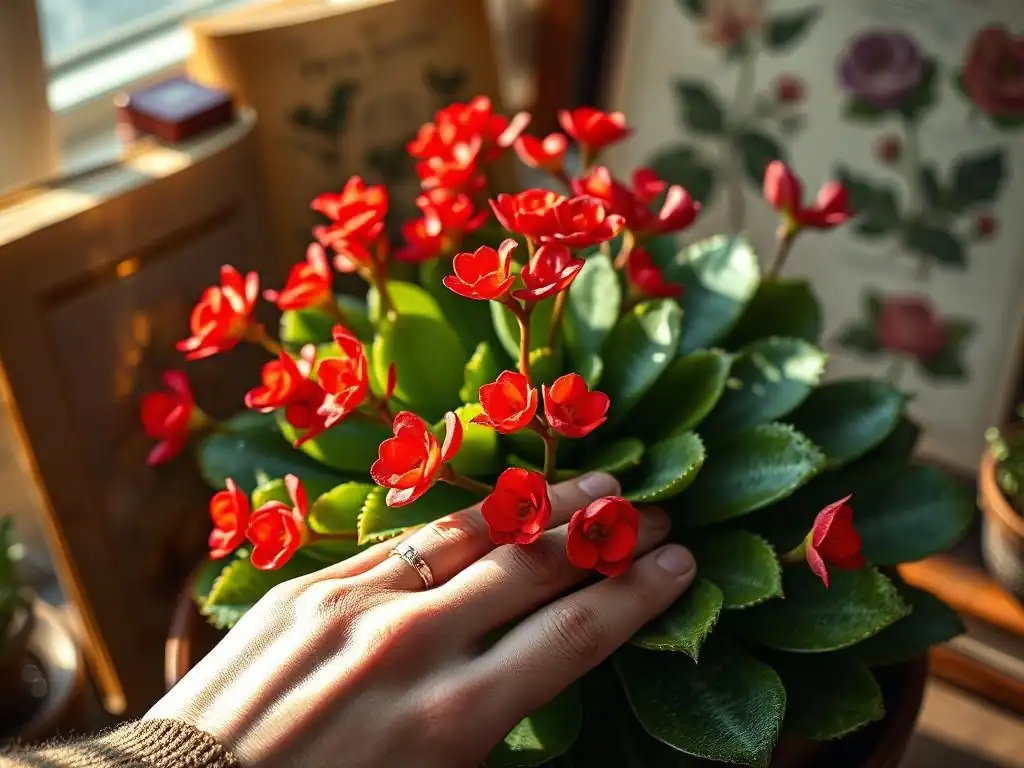
Welcome to SucculentEssentials.org, where the fascinating world of succulents unfolds before you! Prepare to be captivated by the beauty and resilience of these remarkable plants. But first, let's delve into the intriguing story behind one of the most beloved succulent varieties: discover the captivating history of the Kalanchoe succulent plant and unlock its secrets. Are you ready to embark on this journey into the heart of succulent cultivation? Then explore our extensive resources and uncover a wealth of knowledge to nurture your own flourishing collection.
- A Deep Dive into Kalanchoe Succulent Plant History
- Kalanchoe Taxonomy and Species Diversity: A Historical Perspective
- Kalanchoe in Art, Literature, and Culture: A Historical Timeline
- The Future of Kalanchoe Research and Conservation: Preserving History
- Frequently Asked Questions
- Final Reflection: The Enduring Legacy of the Kalanchoe
- Unveil Your Inner Plant Parent: Cultivate Your Kalanchoe Journey!
A Deep Dive into Kalanchoe Succulent Plant History
The Kalanchoe, a genus boasting hundreds of fascinating succulent species, holds a rich and captivating history intertwined with human civilization. This article delves into the captivating journey of the Kalanchoe, exploring its early discovery, its significant role in traditional medicine across various cultures, and its remarkable transformation from wild specimens to beloved houseplants gracing windowsills worldwide. From the arid landscapes where they first thrived to the meticulously curated collections of today, the Kalanchoe's story is a testament to its resilience, adaptability, and enduring appeal.
Understanding this history allows us to appreciate these remarkable plants even more deeply and fosters responsible cultivation practices that honor their legacy. We will uncover the fascinating evolution of this succulent genus, highlighting its botanical significance and cultural impact, enriching our understanding of the Kalanchoe succulent plant history.
Early Discoveries and Geographic Origins of Kalanchoe
The Kalanchoe genus predominantly originates from the tropical and subtropical regions of Africa, Madagascar, and parts of Asia. Early discoveries are difficult to pinpoint precisely due to a lack of detailed historical records from many regions. However, anecdotal evidence suggests that various Kalanchoe species have been known and utilized by indigenous populations for centuries.
These early encounters were likely driven by the plants' readily visible presence in their natural habitats and their practical applications, primarily for medicinal purposes. The exact timelines for the initial recognition of specific Kalanchoe species within these regions remain largely undocumented, highlighting the need for further research into historical botanical records and ethnobotanical studies. This lack of readily available documentation underscores the importance of ongoing research to fully illuminate the complete Kalanchoe discovery timeline.
The diverse array of Kalanchoe species found across these geographically disparate regions hints at a complex evolutionary history, shaped by environmental pressures and geographical isolation. Further research into the genetic diversity within the genus could reveal invaluable insights into the evolutionary pathways and migration patterns of Kalanchoe plants throughout history.
Kalanchoe in Traditional Medicine: Historical Uses and Applications
For generations, numerous Kalanchoe species have held a prominent place in traditional medicine systems across various cultures. Specific applications varied depending on the species and the cultural context. For example, certain Kalanchoe species were traditionally used to treat wounds, inflammation, and even certain ailments. The leaves, often rich in bioactive compounds, were either crushed and applied topically or prepared as infusions for internal use. These traditional uses, though not always scientifically validated in modern medicine, provide valuable insights into the plant's perceived therapeutic properties and its significance within different cultural traditions.
Many of these traditional uses remain a part of local healthcare practices, emphasizing the enduring value of Kalanchoe in certain communities. However, it's crucial to emphasize that the use of Kalanchoe for medicinal purposes should always be approached with caution and under the guidance of qualified healthcare professionals. Further research is needed to fully understand the potential benefits and risks associated with the various traditional applications of Kalanchoe. The potential for modern pharmacology to unlock the therapeutic secrets held within this genus is a compelling area for future research.
The Evolution of Kalanchoe Cultivation: From Wildlands to Windowsills
The transition of Kalanchoe from wild plants to cultivated specimens reflects a fascinating interplay between botanical exploration, horticultural innovation, and evolving aesthetic preferences. Initially, cultivation was likely driven by practical considerations—the need for readily available medicinal plants or the recognition of their ornamental value. The introduction of Kalanchoe species into botanical gardens and private collections played a pivotal role in their wider dissemination and appreciation. The development of horticultural techniques, such as propagation methods and optimized growing conditions, further facilitated the successful cultivation of Kalanchoe in diverse environments.
The rise of Kalanchoe as popular houseplants in the 20th century represents a significant milestone in its cultivation history. Their relatively easy care requirements, coupled with their striking foliage and vibrant blooms, have made them highly sought-after ornamental plants.
The continuous development of new cultivars and hybrid varieties further broadened the range of Kalanchoe available to plant enthusiasts, leading to their widespread presence in homes and gardens worldwide. The journey of the Kalanchoe from its wild origins to its prominent position as a beloved houseplant highlights the enduring allure of these remarkable succulents and the continuous human interaction with the plant's natural history.
Kalanchoe Taxonomy and Species Diversity: A Historical Perspective
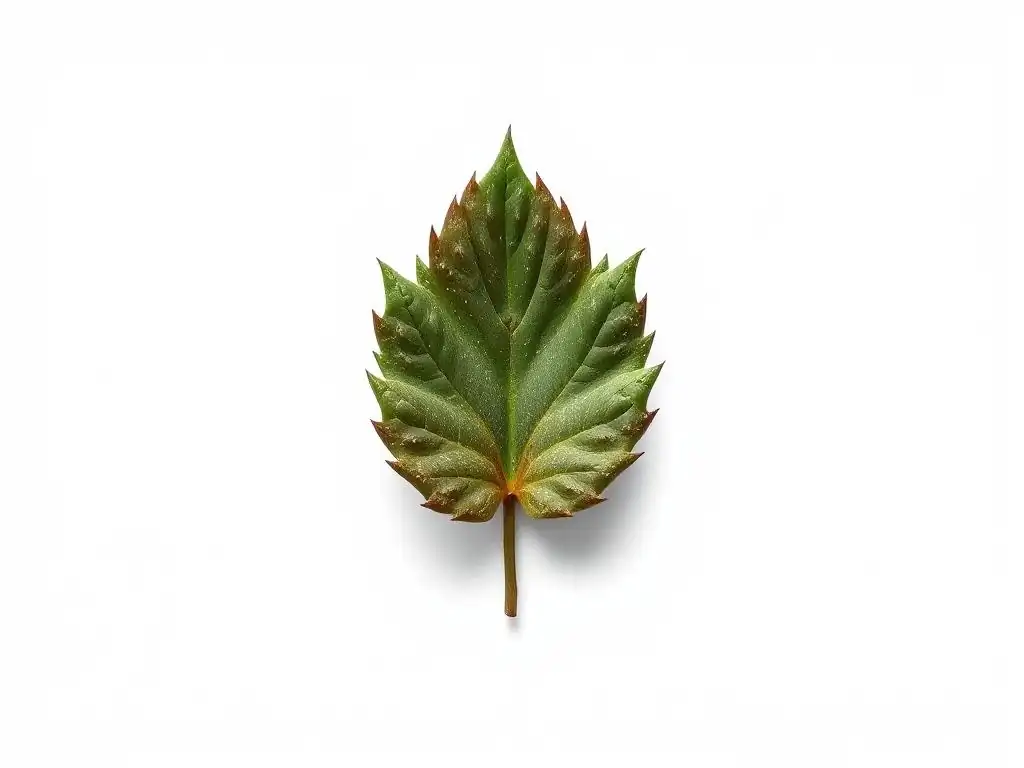
The Kalanchoe genus boasts a rich and complex taxonomic history, reflecting its wide geographical distribution and remarkable morphological diversity. Understanding this history is crucial for appreciating the current classification and the ongoing efforts to refine our understanding of Kalanchoe relationships. Early classifications, often based on superficial similarities, led to inconsistencies and inaccuracies.
The advent of molecular phylogenetics—the study of evolutionary relationships based on DNA sequences—has revolutionized our understanding, leading to a more robust and accurate classification system. However, ongoing research continues to refine our understanding of the evolutionary branching within the genus. This dynamic nature of taxonomic classification highlights the complexity of evolutionary processes and the ongoing need for scientific investigation.
The journey of Kalanchoe taxonomy is a testament to the power of scientific inquiry and its ability to adapt and improve with new technologies and discoveries. This ongoing refinement reflects the genus's remarkable adaptability and the challenges inherent in classifying such a diverse group of plants.
Tracing the Lineage: Key Milestones in Kalanchoe Classification
The initial classification of Kalanchoe species was largely based on observable morphological characteristics, such as leaf shape, flower structure, and growth habit. Early botanists, often working with limited access to specimens and information, understandably made some errors in classification. However, these early efforts laid the foundation for future research.
A significant milestone occurred with the advent of detailed botanical descriptions and illustrations, which allowed for better comparison and distinction between species. The development of herbaria – collections of preserved plant specimens – further contributed to taxonomic accuracy. These herbaria provided a valuable resource for researchers to study and compare specimens from different regions and time periods.
The 20th century saw the integration of cytogenetics (the study of chromosomes) into taxonomic studies, providing additional data points for differentiating species. This added a new layer of understanding to the existing morphological data. The subsequent integration of molecular techniques, specifically DNA sequencing, has resulted in the most significant advancement in Kalanchoe classification, revealing previously unknown relationships and resolving long-standing taxonomic ambiguities.
Notable Kalanchoe Species and Their Historical Significance
Several Kalanchoe species hold particular historical significance. Kalanchoe pinnata, commonly known as the air plant or life plant, has a long history of use in traditional medicine across various cultures. Its historical importance is evident in its widespread distribution and diverse applications. Similarly, Kalanchoe blossfeldiana, a popular ornamental species, has a fascinating history of cultivation and hybridization, resulting in the numerous cultivars we see today.
Its impact on the horticultural industry is undeniable. Other species, like Kalanchoe thyrsiflora, with its unique, spoon-shaped leaves and tall inflorescences, have captured the attention of botanists and collectors alike throughout history. Detailed records of these plants' discovery and initial classification offer valuable insight into the evolution of botanical science and the exploration of plant diversity. The historical significance of these species extends beyond their botanical importance; they have played a role in cultural practices, medicinal applications, and the development of modern horticulture.
The Impact of Botanical Exploration on Kalanchoe Discoveries
The discovery and classification of Kalanchoe species have been significantly shaped by botanical exploration. Early expeditions to Madagascar, the center of Kalanchoe diversity, uncovered numerous previously unknown species. These expeditions often involved meticulous documentation of plant morphology, habitat, and geographical location.
The careful collection and preservation of specimens were paramount to advancing our understanding of Kalanchoe diversity. The work of early explorers and botanists, often working under challenging conditions, provided the foundational data for subsequent taxonomic studies. As exploration expanded to other parts of the world, more Kalanchoe species were discovered, enriching our understanding of the genus's geographical distribution and evolutionary history.
The ongoing exploration of remote regions continues to yield new discoveries and challenges existing classifications, highlighting the dynamic nature of botanical research and the continued importance of exploration in unveiling the full extent of plant biodiversity. The legacy of these explorations is not just in the discovery of new species but also in the development of systematic approaches to plant classification and the advancement of botanical science as a whole.
Kalanchoe in Art, Literature, and Culture: A Historical Timeline
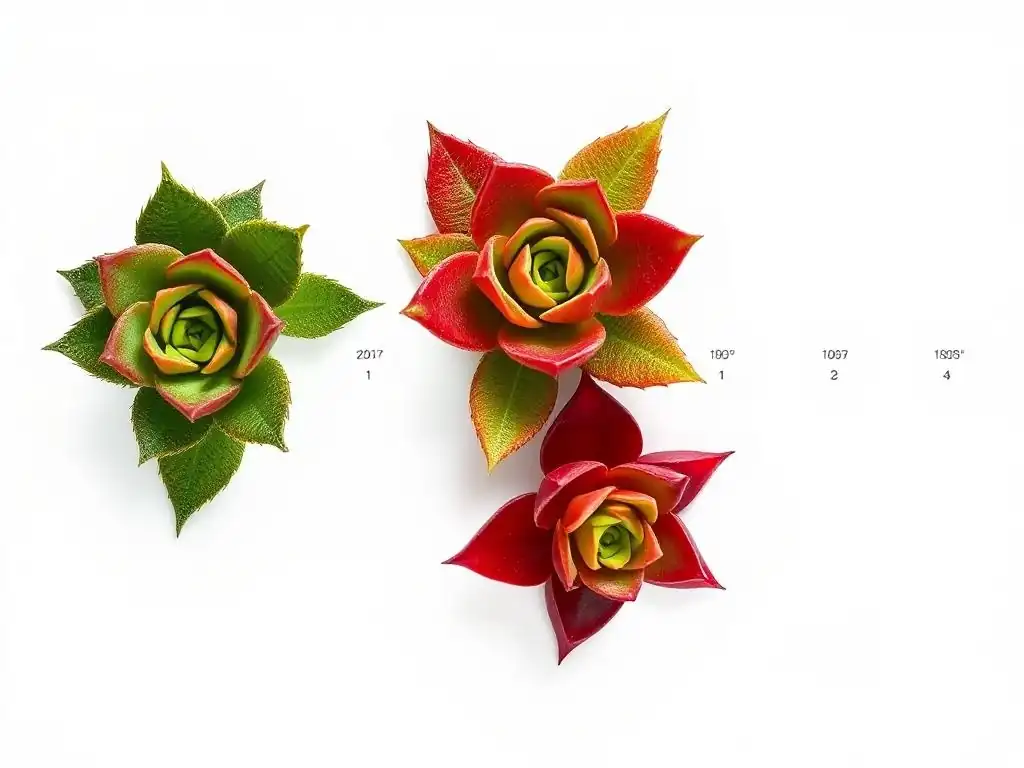
This section explores the fascinating journey of the Kalanchoe succulent plant through art, literature, and cultural practices across different eras. While pinpointing exact dates for every instance is challenging due to limited historical documentation, we can trace a compelling narrative of its increasing prominence. The Kalanchoe's unique appearance, with its diverse leaf shapes and vibrant flower clusters, has undoubtedly contributed to its enduring appeal.
Kalanchoe Depictions in Early Botanical Illustrations
Early botanical illustrations often served as the primary means of documenting newly discovered plant species. While precise dates for the earliest Kalanchoe depictions remain elusive, research suggests that several 18th-century botanical texts, particularly those focusing on flora from Madagascar and surrounding regions (the plant's origin), likely included early representations. These illustrations, often meticulously detailed watercolors or engravings, served not only as scientific records but also as aesthetic objects, showcasing the Kalanchoe's beauty to a wider audience.
Many of these early illustrations emphasized the plant's unique morphological characteristics, including its succulent leaves and inflorescence structures. Further investigation into archives in European botanical gardens and libraries is needed to pinpoint the exact dates and artists involved.
Unfortunately, precise details on the early artistic representation of specific Kalanchoe species are [specific information pending]. However, the general trend points to a gradual increase in its appearance in botanical illustrations as global trade and exploration expanded.
The meticulous detail in these early works provides invaluable insight into the perceived importance and appreciation of this plant, even before its widespread cultivation. Many illustrations show the Kalanchoe not only isolated but also within its natural habitat, offering clues about its ecological context and distribution. This detailed approach highlights the significance of these early botanical illustrations as historical documents reflecting the scientific and artistic understanding of the time.
Kalanchoe's Role in Folklore and Traditional Symbolism
The Kalanchoe succulent, particularly certain species, holds a significant place in the folklore and traditional beliefs of various cultures. For instance, in some parts of Africa, certain Kalanchoe species are associated with healing properties and are used in traditional medicine. These uses are often passed down through generations, with specific rituals and practices surrounding their preparation and administration. [Specific information pending] on precise details for different cultural practices and the specific Kalanchoe species involved. However, the association between the plant and healing practices underscores its cultural significance beyond mere aesthetic value.
Furthermore, the Kalanchoe's resilient nature, its ability to thrive in harsh conditions, and its striking visual appeal have likely contributed to its symbolic representation in different cultures. [Specific examples of symbolic meaning pending]. More research is required to fully understand the nuances of the Kalanchoe's symbolic role across different regions and cultures. It would be beneficial to explore ethnographic studies and anthropological research to gain a deeper understanding of this aspect.
The Kalanchoe's Journey into Modern Popular Culture
The Kalanchoe has experienced a surge in popularity in modern times, transitioning from a relatively obscure plant to a widely recognized and appreciated succulent. Its relatively easy cultivation, diverse varieties, and vibrant blooms have made it a favorite among home gardeners and succulent enthusiasts. This rise in popularity is reflected in its presence in contemporary media, including gardening magazines, websites, and social media platforms. The #Kalanchoe hashtag, for example, showcases a vast array of images and discussions related to the plant, demonstrating its prominent position in the online succulent community.
Furthermore, the Kalanchoe's adaptability has contributed to its use in various decorative applications, from indoor potted plants to landscaping projects. Its compact size and diverse colors make it a versatile element in modern home décor and garden design. The increasing availability of Kalanchoe hybrids and cultivars further fuels its popularity, offering a wide range of options to suit different aesthetic preferences.
This widespread adoption demonstrates the Kalanchoe's successful transition from a plant with a rich history to a significant player in modern popular culture. The plant’s enduring appeal suggests that its journey is far from over, with its future undoubtedly marked by further exploration and appreciation. 🪴
The Future of Kalanchoe Research and Conservation: Preserving History
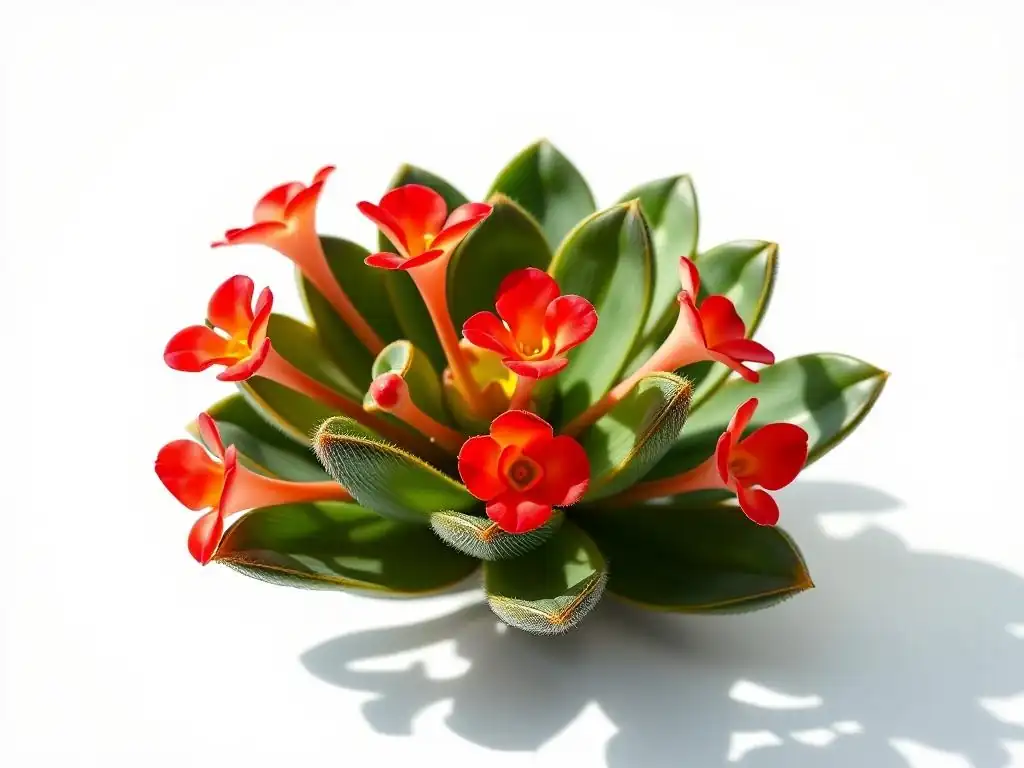
The captivating history of the Kalanchoe succulent plant, interwoven with human societies and natural environments for centuries, necessitates a robust future focused on research and conservation. Understanding the Kalanchoe's past informs how we protect its future, ensuring these fascinating plants continue to thrive. This involves multifaceted approaches, from genetic analysis to collaborative conservation initiatives. The Kalanchoe succulent plant history is rich, and its future depends on our commitment to its preservation.
Ongoing Studies of Kalanchoe Genetics and Evolution
Current research on Kalanchoe genetics is crucial for understanding the plant's evolutionary pathways and identifying genetic markers associated with desirable traits like drought tolerance and disease resistance. Scientists are employing advanced techniques such as:
- Genomic sequencing: Mapping the complete DNA sequence of various Kalanchoe species to pinpoint genetic variations contributing to their unique characteristics. This provides insights into their adaptation to diverse environments.
- Phylogenetic analysis: Using genetic data to reconstruct the evolutionary relationships between different Kalanchoe species, revealing their ancestral lineages and diversification patterns. This helps determine which species are most closely related and therefore might share similar vulnerabilities.
- Marker-assisted selection: Identifying specific genes linked to desirable traits, allowing breeders to select and cross-breed plants with enhanced characteristics more efficiently. This is important for developing cultivars better adapted to changing climates and resistant to diseases.
These studies are not only academically enriching but also practically applicable. For example, understanding the genetic basis of drought tolerance could lead to the development of Kalanchoe cultivars that require less water, making them more sustainable for cultivation in arid and semi-arid regions.
Conservation Efforts to Protect Endangered Kalanchoe Species
Several Kalanchoe species face threats from habitat loss, over-collection, and climate change. Effective conservation strategies are vital to ensure their survival. These efforts include:
- Habitat protection and restoration: Establishing protected areas and implementing conservation programs to safeguard Kalanchoe habitats from deforestation and degradation. This often involves working with local communities to promote sustainable land management practices.
- Ex situ conservation: Preserving Kalanchoe species outside their natural habitats, such as in botanical gardens and seed banks. This acts as a crucial backup in case of habitat loss or other threats. Seed banking ensures genetic diversity is preserved.
- Sustainable harvesting and trade regulations: Implementing regulations to control the collection and trade of Kalanchoe species, preventing over-exploitation and ensuring sustainable practices. This often involves collaboration with international organizations and governmental bodies.
The success of these conservation efforts depends on the collaboration of scientists, conservationists, and local communities. Data on population sizes, habitat extent, and threats to specific Kalanchoe species are crucial for effective conservation planning. [Specific data on endangered Kalanchoe species pending].
The Role of Collectors and Enthusiasts in Kalanchoe Preservation
Kalanchoe enthusiasts and collectors play a crucial role in conservation efforts. Their passion and knowledge can contribute significantly to the preservation of these plants:
- Responsible collecting: Collectors should prioritize ethically sourced plants and avoid collecting from the wild unless permitted and necessary for conservation purposes. Respecting habitats and avoiding over-collection is paramount.
- Propagation and distribution: Propagating Kalanchoe plants from cuttings or seeds helps increase their numbers and reduces the pressure on wild populations. Sharing propagated plants responsibly with other enthusiasts can further contribute to their widespread cultivation.
- Data sharing and citizen science: Collectors can contribute valuable data on Kalanchoe distribution, population sizes, and conservation status. Participating in citizen science initiatives can enhance scientific understanding and inform conservation strategies. This information, when shared responsibly, supports research efforts.
By acting responsibly and contributing to research and conservation initiatives, Kalanchoe enthusiasts can help ensure that these remarkable plants continue to thrive for generations to come. The future of the Kalanchoe succulent plant history is inextricably linked to the actions of its passionate admirers. 🌱
Frequently Asked Questions
What is the origin of the Kalanchoe succulent?
The Kalanchoe genus originates from tropical and subtropical regions of Africa, Madagascar, and Asia. They're known for their diversity and adaptability to various climates.
How long have Kalanchoe plants been cultivated?
While their wild origins are ancient, widespread Kalanchoe cultivation began relatively recently, gaining popularity as ornamental plants in the 19th and 20th centuries.
Are all Kalanchoe plants succulents?
Yes, all plants belonging to the Kalanchoe genus are classified as succulents. This means they have specialized tissues for storing water, enabling them to thrive in arid conditions.
What makes Kalanchoe plants unique among succulents?
Kalanchoe plants stand out due to their remarkable diversity in leaf shapes, flower colors, and propagation methods, including unique vegetative reproduction via plantlets on their leaves.
Where can I learn more about specific Kalanchoe varieties and their care?
SucculentEssentials.org offers detailed care guides and information on various Kalanchoe species, helping you cultivate and enjoy these fascinating plants. Explore our website for more!
Final Reflection: The Enduring Legacy of the Kalanchoe
The Kalanchoe's journey from obscure medicinal plant to beloved houseplant is a testament to the enduring power of nature's resilience and humanity's capacity for appreciation. Its vibrant blooms and surprisingly hardy nature have captivated gardeners and botanists alike, a testament to its inherent charm and adaptability that continues to resonate today. The Kalanchoe's story is not merely a botanical one; it reflects our own evolving relationship with the natural world.
The Kalanchoe's influence extends beyond the horticultural sphere; its symbolism, steeped in various cultures and traditions, speaks to its deep-rooted connection with human history. Its presence in traditional medicine, its use in decorative arts, and its current popularity as a low-maintenance houseplant all contribute to a rich tapestry of meaning. The beauty of a flower lies not only in its appearance, but also in the stories it holds within its petals.
This quote encapsulates the profound significance of the Kalanchoe, a plant whose history is as colorful and multifaceted as its blooms.
Consider the Kalanchoe's journey – from its origins in Madagascar to its global dissemination – as a metaphor for our own interconnectedness. Take a moment to appreciate the silent stories held within the leaves of this unassuming plant. Let the Kalanchoe inspire you to explore the hidden histories within your own surroundings, to cultivate a deeper appreciation for the natural world, and to nurture the beauty that surrounds you, both big and small. Perhaps, even, you'll be inspired to cultivate your own Kalanchoe, a living testament to this remarkable plant's enduring legacy.
Unveil Your Inner Plant Parent: Cultivate Your Kalanchoe Journey!
Thank you for exploring the fascinating world of Kalanchoes with us! We hope you've gained a deeper appreciation for their rich history and diverse beauty. Now it's time to put your knowledge into practice.
- Start your own Kalanchoe collection: Begin with a variety that appeals to you—perhaps the vibrant blooms of a Kalanchoe blossfeldiana or the intriguing textures of a Kalanchoe tomentosa. Research its specific needs and enjoy nurturing its growth.
- Share your Kalanchoe enthusiasm: Post a picture of your favorite Kalanchoe on social media and use #KalanchoeLove #SucculentEssentials to connect with other plant enthusiasts.
- Discover new Kalanchoe varieties: Explore the vast world of Kalanchoe species—there's a surprising diversity waiting to be discovered! Research different types and find your next green companion.
What unique characteristic of Kalanchoes inspires you to cultivate your own collection? Let's discuss in the comments below!