
Creating Enchanting Miniature Succulent Landscapes: A StepbyStep Guide

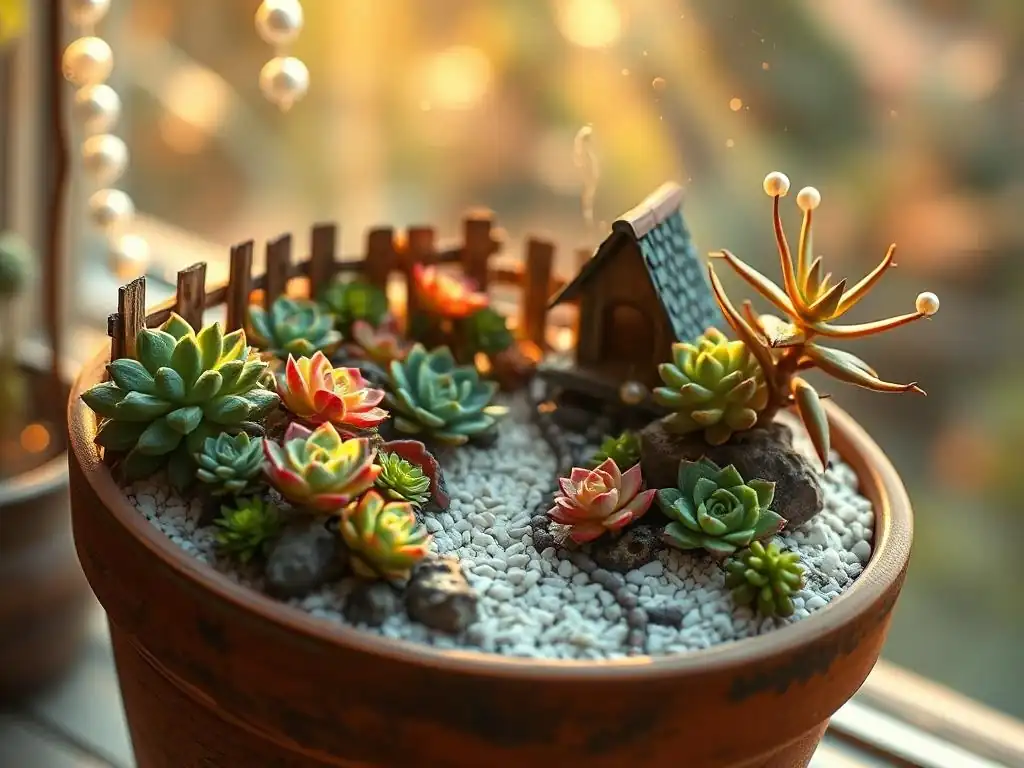
Welcome to SucculentEssentials.org, where the miniature world of succulents unfolds before you! Are you ready to transform ordinary containers into enchanting miniature landscapes? We'll guide you through the secrets of crafting breathtaking succulent arrangements, starting with our comprehensive Miniature Succulent Landscape tutorial. Discover the artistry of succulent gardening and unlock your creative potential – let's begin!
- Gathering Your Materials for a Miniature Succulent Landscape Tutorial
- Designing Your Miniature Succulent Landscape: Ideas and Inspiration
- Step-by-Step Guide: Building Your Miniature Succulent Landscape
- Maintaining Your Miniature Succulent Landscape: Care Tips
- Expanding Your Miniature Succulent Landscape Design Skills
- Frequently Asked Questions
- Final Reflection: Cultivating Tiny Worlds, Growing Big Impacts
- Unleash Your Inner Gardener: Craft Your Miniature Oasis!
Gathering Your Materials for a Miniature Succulent Landscape Tutorial
Creating an enchanting miniature succulent landscape is a rewarding project that blends artistry with horticulture. This step-by-step guide will walk you through the process, from selecting the perfect container to nurturing your thriving miniature succulent garden. We'll delve into the specifics of choosing the right materials and plants to ensure your miniature landscape not only looks stunning but also thrives for years to come.
This tutorial is perfect for both beginner succulent enthusiasts and experienced gardeners looking to refine their miniature landscape design skills. We'll cover essential techniques to achieve a miniature succulent garden that's both visually appealing and ecologically sound, ensuring your miniature masterpiece flourishes. Prepare to embark on a journey of creative expression and botanical wonder as we explore the art of miniature succulent landscaping!
Selecting the Perfect Container for Your Miniature Succulent Garden
The choice of container significantly impacts the success of your miniature succulent landscape. Drainage is paramount; succulents are prone to root rot in overly moist conditions. Therefore, select a container with drainage holes, or amend a container without drainage by adding a layer of gravel or pebbles at the bottom. The size of the container dictates the scale of your landscape; smaller containers are ideal for intricate designs while larger ones allow for more expansive arrangements.
Consider the material of the container as well. Terracotta pots offer excellent breathability, preventing excess moisture. However, they can dry out more quickly, requiring more frequent watering. Ceramic, plastic, and even repurposed items like teacups or small bowls can be used, as long as they provide adequate drainage.
Here's a table summarizing the pros and cons of different container materials:
| Container Material | Pros | Cons |
|---|---|---|
| Terracotta | Excellent drainage and breathability | Dries out quickly, can be fragile |
| Ceramic | Variety of styles and colors, durable | Can retain moisture if not properly drained |
| Plastic | Lightweight, inexpensive, durable | Can retain moisture, less aesthetically pleasing |
| Repurposed Items | Unique and creative, often inexpensive | Drainage may need to be modified, limited sizes |
Remember to choose a container that complements your chosen succulents and overall design aesthetic. The container is the foundation of your miniature landscape, so select it carefully!
Choosing the Right Soil Mix for Miniature Succulent Landscapes
Using the correct soil mix is crucial for the health and longevity of your miniature succulent garden. Succulents require well-draining soil that prevents waterlogging, a common cause of root rot. Avoid using standard potting soil, which retains too much moisture. Instead, opt for a specialized cactus and succulent potting mix, or create your own blend.
A good DIY soil mix typically consists of:
- 1 part potting soil: Provides essential nutrients.
- 1 part coarse sand: Improves drainage and aeration.
- 1 part perlite or pumice: Enhances drainage and prevents compaction.
You can also add a small amount of horticultural charcoal to further improve drainage and prevent fungal diseases. The key is to achieve a soil mix that's airy and well-draining, allowing excess water to escape easily. Never use garden soil, as it's usually too dense and retains too much water. A well-draining soil mix is the cornerstone of a thriving miniature succulent landscape.
Selecting Miniature Succulents for Your Landscape Design
The selection of succulents is where your creativity truly shines! Choose a variety of succulents with different textures, colors, and growth habits to create visual interest and depth. Consider factors like size, shape, and color when making your selections. Miniature varieties like Sedum rubrotinctum (Jelly Bean Plant), Echeveria species, and Sempervivum (Hens and Chicks) are excellent choices for miniature landscapes.
When choosing your succulents, remember to consider their mature size to avoid overcrowding. Smaller succulents are generally better suited for miniature landscapes. Observe the light requirements of each succulent and ensure that your chosen location provides adequate sunlight. Some succulents prefer full sun, while others thrive in partial shade. Researching the specific needs of your chosen succulents will ensure their long-term health and vibrancy in your miniature landscape. Remember that variety is key to creating a visually stunning and thriving miniature succulent garden!
Designing Your Miniature Succulent Landscape: Ideas and Inspiration
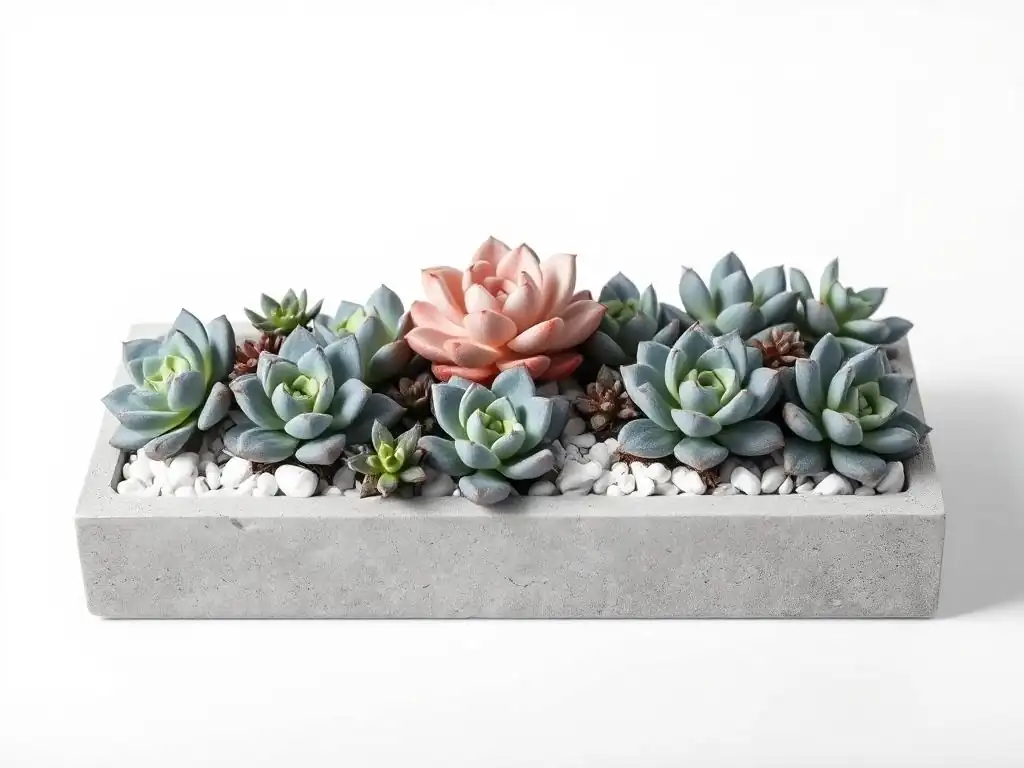
Creating a miniature succulent landscape is a rewarding project that allows for immense creativity. The beauty lies in the miniature scale, replicating larger natural landscapes in a charming, manageable size. This section explores inspirational ideas and practical planning for your own miniature succulent garden. We'll move beyond basic planting and delve into the artistry of creating a truly enchanting miniature world.
Planning Your Miniature Succulent Garden Layout
Before you even think about planting, careful planning is crucial for a successful miniature succulent landscape. Consider these key aspects:
- Container Selection: The container forms the foundation of your miniature world. A shallow, wide dish provides ample space for various succulents, while a taller, narrower container might be better suited for a vertical design. Think about the shape, material (terracotta, ceramic, glass), and color of your container – these choices impact the overall aesthetic. For example, a rustic terracotta pot lends itself to a desert-inspired landscape, while a sleek, modern glass container complements a minimalist design.
- Choosing Your Succulents: Variety is key! Select succulents with differing textures, colors, and growth habits. Consider their mature sizes to ensure a balanced composition. Smaller varieties like Sedum rubrotinctum ('Jelly Bean') and Echeveria minima are ideal for miniature landscapes, while larger ones can serve as focal points. Think about color palettes – a monochromatic scheme can be striking, or you could opt for a vibrant mix of greens, blues, and reds.
- Creating a Focal Point: Every successful miniature landscape needs a focal point to draw the eye. This could be a larger, uniquely shaped succulent, a small decorative element (more on this in the next section), or a strategically placed rock. The focal point anchors the composition and guides the viewer's gaze through the scene.
- Terrain Considerations: Consider incorporating different levels and textures to add depth and visual interest. You can achieve this by using small rocks, pebbles, or even carefully placed bits of bark to create miniature hills, valleys, or pathways. The arrangement of these elements is critical in guiding the flow of the landscape.
- Scale and Proportion: Maintaining a sense of scale is crucial. Ensure that the succulents and decorative elements are proportionally sized to the container. Avoid overcrowding, leaving enough space for each plant to grow without competing for resources. A well-proportioned miniature landscape feels natural and inviting.
Incorporating Decorative Elements into Your Miniature Landscape
Once your succulent selection and layout are planned, the fun truly begins! Adding decorative elements elevates your miniature landscape from a simple planting to a captivating miniature world.
- Rocks and Minerals: Rocks and minerals add texture and depth to your miniature landscape. Use different sizes and colors to create a sense of scale and variety. Consider using smooth, polished stones for a more refined look, or rough, textured stones for a wilder, more natural feel. Placement is key; strategically placed rocks can create pathways, hills, or even waterfalls (using a small, gently flowing water feature—though always ensure proper drainage).
- Miniature Figures and Accessories: Adding miniature figurines, such as fairies, animals, or tiny houses, adds a whimsical touch. These details can tell a story and further enhance the overall theme of your landscape. Choose figurines that complement the overall aesthetic of your miniature garden. Avoid overcrowding; a few well-placed figurines are more effective than a cluttered scene.
- Other Decorative Elements: Consider incorporating other small decorative elements such as miniature bridges, fences, or even tiny signs. These elements can add a unique personality to your miniature landscape, setting it apart from other designs. Remember to maintain scale and proportion. A tiny, intricately carved wooden bridge will look more authentic than a large, oversized one.
The possibilities are endless when it comes to designing a miniature succulent landscape. Let your creativity flourish and enjoy the process of crafting your own miniature world! Remember, patience and attention to detail are key to creating a truly enchanting miniature succulent garden that reflects your personal style and artistic vision. Experiment with different combinations of succulents and decorative elements to find what works best for you. The process is as enjoyable as the result!
Step-by-Step Guide: Building Your Miniature Succulent Landscape
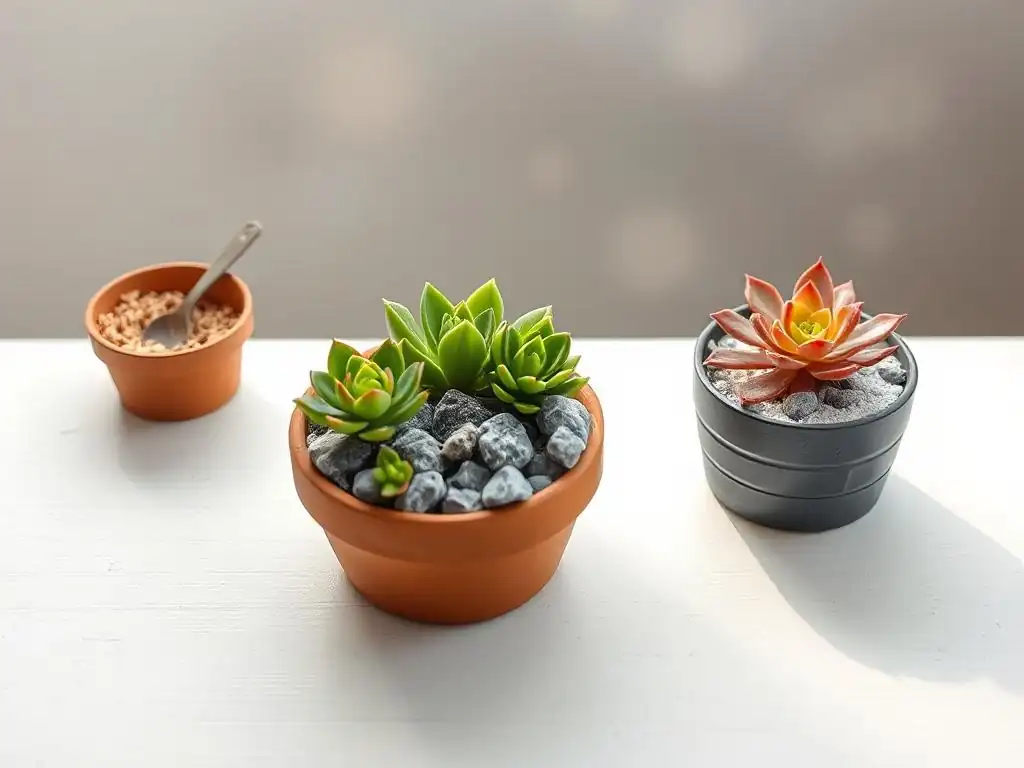
This section provides a detailed, step-by-step guide to creating your own enchanting miniature succulent landscape. We'll cover everything from selecting the right container and soil to planting and arranging your miniature succulents for a truly captivating display. This tutorial is perfect for beginners and experienced succulent enthusiasts alike, helping you master the art of miniature succulent gardening.
Step 1: Preparing Your Container and Soil
Choosing the right container is crucial for the success of your miniature succulent landscape. The ideal container should have drainage holes to prevent waterlogging, a size appropriate to your chosen succulents, and an aesthetic that complements your design vision. Consider using terracotta pots, which allow for better air circulation and prevent moisture buildup. Alternatively, you can repurpose small bowls, teacups, or even decorative tins, ensuring they have adequate drainage. Remember, the size of your container directly influences the scale and complexity of your miniature landscape. A larger container allows for more intricate arrangements and a wider variety of succulents.
Once you've selected your container, it's time to prepare the soil. Succulents thrive in well-draining soil that retains some moisture without becoming soggy. A commercially available cactus and succulent potting mix is an excellent choice. However, you can also create your own blend by mixing regular potting soil with perlite or coarse sand to improve drainage. The ratio should be approximately 1 part potting soil to 1 part perlite or sand. Avoid using garden soil, as it tends to retain too much water and can lead to root rot.
Before planting, ensure your container is clean and free of debris. If using a repurposed container, thoroughly wash it with soap and water. Add a layer of gravel or small stones at the bottom of the container to further improve drainage. This layer acts as a buffer, preventing the soil from clogging the drainage holes. Fill the container with your prepared soil, leaving about half an inch of space at the top. This space allows for easy watering and prevents soil from spilling over.
Step 2: Planting Your Miniature Succulents
Selecting the right miniature succulents is key to creating a visually appealing and thriving miniature landscape. Opt for slow-growing varieties that are well-suited to small containers. Consider the mature size of each succulent to ensure that they will fit comfortably within your chosen container without overcrowding. A diverse selection of textures, colors, and shapes will add depth and interest to your miniature landscape. Some popular choices for miniature succulent landscapes include: Sedum, Echeveria, Sempervivum (Hens and Chicks), and miniature varieties of Haworthia.
When planting your miniature succulents, gently remove them from their original containers, carefully loosening any tightly packed roots. Plant each succulent at the same depth it was growing in its previous container. Space the succulents strategically, considering their mature size and the overall design of your landscape. Leave enough space between plants to allow for growth and to avoid overcrowding. Avoid planting succulents too deeply, as this can lead to root rot. Gently firm the soil around each plant to ensure stability.
After planting, lightly water your miniature landscape to settle the soil. Avoid overwatering at this stage, as this can damage the delicate roots. Allow the soil to dry out slightly between waterings. The frequency of watering will depend on factors such as the size of your container, the type of soil, and the ambient temperature. Observe your plants closely and adjust your watering schedule accordingly.
Step 3: Arranging and Fine-tuning Your Miniature Landscape
Once all your succulents are planted, it's time to fine-tune the arrangement and add finishing touches. Consider the overall composition of your miniature landscape. Experiment with different arrangements to create a visually appealing and balanced design. You can create height and visual interest by using different sizes and types of succulents. Larger succulents can serve as focal points, while smaller succulents can fill in gaps and create texture. Remember, there's no right or wrong way to arrange your miniature succulent landscape; let your creativity guide you!
Adding small decorative elements can further enhance the aesthetic appeal of your miniature landscape. Consider adding miniature figurines, pebbles, small rocks, or even bits of driftwood to create a unique and personalized touch. These elements can add depth, character, and visual intrigue to your creation. However, remember to choose elements that are appropriate in size and scale to your miniature landscape and don't overshadow the succulents themselves. The goal is to create a harmonious and visually pleasing miniature world.
Regular maintenance is key to keeping your miniature succulent landscape thriving. Monitor your plants for signs of pests or diseases. Remove any dead or damaged leaves or stems promptly. Water your succulents sparingly, allowing the soil to dry out completely between waterings. Avoid overwatering, as this is a common cause of succulent problems. With proper care and attention, your miniature succulent landscape will continue to bring joy and beauty for years to come. Enjoy the process and the beautiful results of your miniature succulent landscape creation! 🪴
Step 4: Adding Decorative Elements and Finishing Touches
Once your succulent arrangement is planted and the soil is settled, it's time to unleash your creativity! This is where you bring your miniature succulent landscape to life with charming decorative elements. The possibilities are truly endless, allowing you to personalize your creation and reflect your unique style. Consider the overall aesthetic you're aiming for – perhaps a whimsical fairy garden, a serene desert scene, or a vibrant, colorful display. This will guide your selection of decorative elements.
Adding small figurines, such as miniature animals, fairies, or gnomes, can instantly add a touch of whimsy and enchantment. These tiny details can create focal points and add depth to the overall composition. Remember to choose figurines that are appropriately scaled to your landscape to avoid overwhelming the scene. A single, well-placed figurine can often be more effective than a cluster of many.
Beyond figurines, consider incorporating small rocks, pebbles, and stones of varying sizes and colors. These natural elements can create pathways, delineate different areas within the landscape, or simply add textural interest. Experiment with different colors and textures to create visual contrast and depth. For instance, using smooth, white river stones can create a stark contrast against the earthy tones of the soil and succulents.
Miniature houses, bridges, or other architectural elements can also elevate your miniature succulent landscape. These additions add a sense of scale and perspective, making the overall scene feel more complete and immersive. Look for miniature items made from durable materials that can withstand outdoor conditions if your landscape is intended for an outdoor setting.
Finally, don't underestimate the power of small, carefully chosen plants beyond succulents. Tiny mosses, ferns, or other low-growing plants can add layers of texture and color, creating a more lush and vibrant landscape. However, be mindful of their watering requirements, ensuring they are compatible with the succulents you've chosen. Overwatering is a common problem in miniature landscapes, so choose plants with similar needs.
Remember, the key is to add elements thoughtfully and gradually. Step back and assess your work frequently, ensuring that the additions enhance rather than detract from the overall aesthetic. Avoid overcrowding your landscape; less is often more when it comes to decorative elements. A well-curated collection of thoughtfully placed items will create a more impactful and captivating miniature succulent landscape. Enjoy the process of creating something truly unique and beautiful!
Maintaining Your Miniature Succulent Landscape: Care Tips
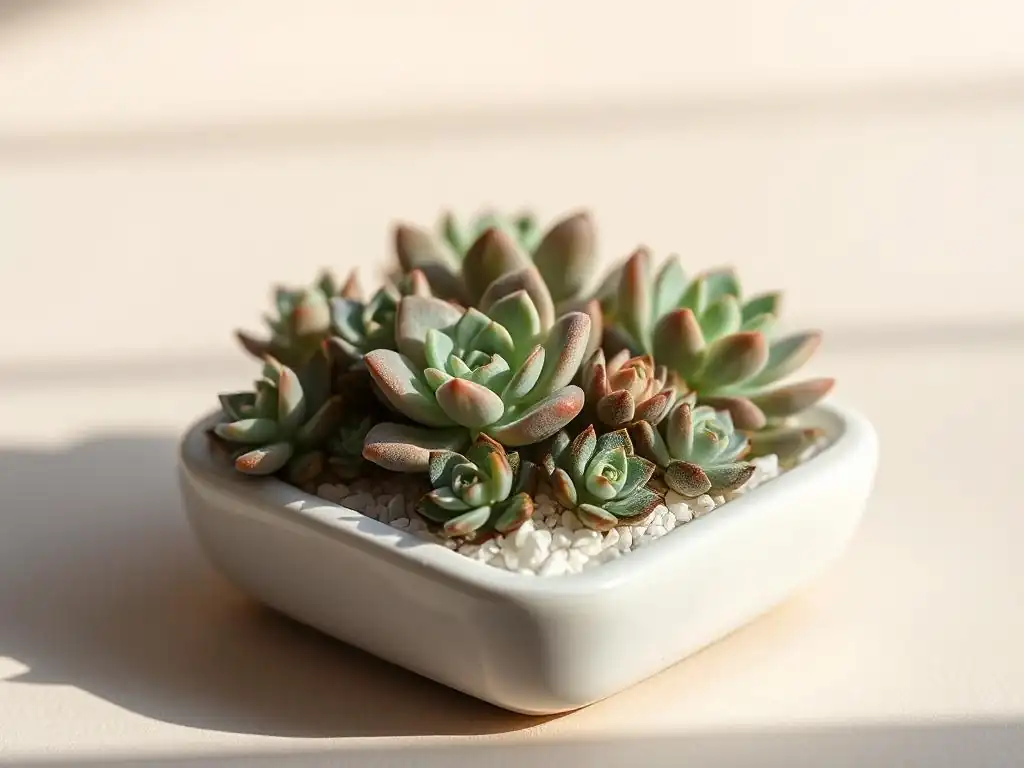
Creating a thriving miniature succulent landscape requires more than just initial planting; ongoing care is crucial for its longevity and beauty. This section delves into the essential maintenance practices to keep your miniature succulent garden flourishing. Remember, consistent attention to detail will reward you with a vibrant and enchanting display for years to come. Proper care translates directly to a healthier, more visually appealing miniature succulent landscape.
Watering Your Miniature Succulent Garden
Watering miniature succulents is a delicate balance. Overwatering is a common mistake leading to root rot and plant death. Underwatering, conversely, results in shriveled, unhealthy plants. The key is to allow the soil to dry out completely between waterings. This drying period varies depending on factors like pot size, soil type, and ambient temperature. For example, a small terracotta pot in a sunny location will dry much faster than a larger ceramic pot in a shaded area.
Here's a practical approach:
- Frequency: During the growing season (spring and summer), water thoroughly when the top inch of soil feels completely dry. Reduce watering frequency significantly during the dormant season (fall and winter). Aim for once every 2-4 weeks, or even less frequently depending on conditions.
- Method: Water slowly and deeply, allowing excess water to drain completely from the drainage holes. Avoid letting water sit in the saucer beneath the pot, as this can lead to root rot. Consider using a watering can with a narrow spout for precise watering.
- Signs of Overwatering: Mushy or rotting leaves, yellowing foliage, and a foul odor are all indicators of overwatering.
- Signs of Underwater: Shriveled leaves, dull colors, and leaf drop are signs your succulents need more water.
Providing Adequate Sunlight for Your Miniature Succulents
Sunlight is vital for the health and growth of succulents. Miniature succulent landscapes, despite their small size, have the same light requirements as larger succulents. Insufficient sunlight can lead to etiolation (leggy growth), pale coloration, and reduced flowering.
Consider these factors when providing sunlight:
- Location: Place your miniature succulent landscape in a location that receives at least 6 hours of direct sunlight daily. A south-facing windowsill is ideal in many climates, but be mindful of intense summer heat which may necessitate some shade during the hottest part of the day. East or west-facing windows can also work well, offering slightly less intense light.
- Seasonal Adjustments: During winter months, when sunlight is less intense, you may need to supplement with grow lights to ensure your succulents receive adequate light.
- Rotation: Regularly rotate your landscape to ensure even light exposure on all sides, preventing uneven growth. This ensures all plants receive a fair share of light, promoting balanced growth.
Remember, observing your plants closely will provide valuable insights into their light needs. If leaves are stretching towards the light source, it's a clear sign they need more light.
Troubleshooting Common Problems in Miniature Succulent Landscapes
Even with diligent care, problems can arise in your miniature succulent landscape. Early detection and appropriate action are key to preventing serious issues.
Here are some common problems and their solutions:
| Problem | Cause | Solution |
|---|---|---|
| Root Rot | Overwatering, poor drainage | Allow soil to dry completely between waterings, ensure adequate drainage. Repot if necessary using well-draining soil. |
| Pest Infestations | Mealybugs, aphids, spider mites | Use insecticidal soap or neem oil to control pests. Isolate affected plants to prevent spread. |
| Etiolation (Leggy Growth) | Insufficient sunlight | Move to a sunnier location or supplement with grow lights. |
| Leaf Drop | Underwatering, temperature stress | Adjust watering frequency, protect from extreme temperatures. |
| Yellowing Leaves | Overwatering, nutrient deficiency | Adjust watering, consider fertilizing with a balanced succulent fertilizer. |
By understanding these common issues and their solutions, you can proactively address problems and keep your miniature succulent landscape thriving, creating a truly enchanting and long-lasting miniature world. 🪴
Expanding Your Miniature Succulent Landscape Design Skills
This section delves into enhancing your creative prowess in miniature succulent landscaping. We'll move beyond the basics, exploring advanced techniques and diverse design styles to elevate your miniature worlds. Mastering these skills will allow you to create truly unique and captivating miniature succulent landscapes, transforming your small-scale gardens into breathtaking works of art. Remember, the beauty of miniature succulent landscaping lies in its versatility and ability to reflect your personal style.
Creating Different Styles of Miniature Succulent Landscapes
The beauty of miniature succulent landscapes lies in their adaptability. You're not limited to a single style; instead, you can explore a wide range of aesthetics to suit your taste and the overall theme of your project. Consider these diverse approaches to miniature succulent landscape design:
- Desert Oasis: This style evokes the arid beauty of a desert landscape. Use sand-colored gravel as a base, incorporate cacti alongside succulents, and add small, weathered rocks to suggest the harsh yet captivating environment. Consider using succulents with spiky textures and muted colors to further enhance the desert theme. Adding a tiny, handcrafted oasis in the center, perhaps a small pool of resin or a cleverly placed miniature figurine, can add a magical touch.
- Mediterranean Villa: Transport yourself to the sun-drenched coast of the Mediterranean with this style. Use terracotta pots and pebbles to create a pathway, and select succulents with a softer, more rounded appearance. Incorporate miniature buildings or ruins (easily found online or created from polymer clay) to complete the scene. Consider adding miniature olive trees (crafted from wire and small leaves) for a touch of authenticity.
- Alpine Meadow: Capture the delicate beauty of an alpine meadow by using a mixture of fine gravel and small stones as a base. Select smaller, more delicate succulents, and incorporate miniature wildflowers (artificial or carefully selected tiny, hardy real ones) to create a sense of natural abundance. A small, handcrafted wooden fence can add a charming rustic touch.
- Mystical Forest: Create an enchanting, mystical forest by using moss as a base and incorporating taller succulents to represent trees. Use strategically placed small rocks and twigs to create a pathway winding through your miniature forest. The addition of miniature mushrooms or fairy figurines can add a touch of fantasy and magic.
Advanced Techniques for Miniature Succulent Landscaping
Moving beyond basic arrangement, let's explore techniques that will elevate your miniature succulent landscapes to a professional level. These advanced techniques will allow for greater depth, realism, and overall visual appeal.
- Layering and Texture: Don't just place succulents; layer them for depth and visual interest. Vary the heights and textures of your succulents, mixing smooth, fleshy leaves with spiky, architectural forms. This creates a more dynamic and engaging landscape.
- Creating Focal Points: Every landscape needs a focal point – a visually arresting element that draws the eye. This could be a particularly striking succulent, a small decorative element, or a miniature structure. Careful placement of your focal point is crucial to balancing the composition.
- Color Theory: Understanding color theory is essential for creating harmonious and visually appealing landscapes. Consider the color wheel and experiment with complementary, analogous, or contrasting color schemes to achieve the desired mood and aesthetic. Remember that even subtle color variations in succulents can significantly impact the overall look.
- Maintaining Scale and Proportion: Maintaining consistent scale and proportion is vital for creating a believable miniature world. Make sure the sizes of your succulents, decorative elements, and any miniature structures are appropriate for the overall scale of your landscape. Failing to do so can lead to an unrealistic and jarring effect.
Remember, practice makes perfect! Experiment with different techniques, styles, and plant combinations to discover your unique voice in the art of miniature succulent landscaping. The possibilities are as endless as your creativity.
Frequently Asked Questions
What kind of succulents are best for miniature landscapes?
Many succulents work well! Look for smaller varieties like Sedum, Echeveria, and Sempervivum for a miniature scale. Avoid fast-growing or very large species.
How do I create a realistic miniature landscape?
Use layers and varying heights to add depth. Include small rocks, pebbles, and sand to mimic natural terrain. Consider adding miniature figurines or other decorative elements.
What kind of soil is best for a miniature succulent landscape?
Use a well-draining succulent and cacti potting mix. This prevents root rot, a common problem for succulents. Avoid using regular garden soil.
How often should I water my miniature succulent landscape?
Water thoroughly but infrequently, allowing the soil to dry out completely between waterings. Overwatering is a major cause of failure in miniature landscapes.
Where should I place my miniature succulent landscape?
Place it in a bright, sunny location but avoid direct, intense sunlight, which can scorch the succulents. Good air circulation is also important to prevent fungal diseases.
Final Reflection: Cultivating Tiny Worlds, Growing Big Impacts
The art of crafting miniature succulent landscapes isn't merely a hobby; it's a potent antidote to the frenetic pace of modern life. These tiny worlds, meticulously constructed, offer a tangible connection to nature's enduring beauty, a calming oasis in the midst of chaos. More than just a craft, it's a mindful practice that fosters creativity and patience, qualities increasingly valuable in our fast-paced society.
The enduring appeal of miniature gardens lies in their ability to evoke a sense of wonder and tranquility. They are miniature ecosystems, reflecting the larger world in a manageable, aesthetically pleasing form. This act of creation, of nurturing something small and delicate, resonates deeply with our innate desire for connection and control. The glory of gardening: hands in the dirt, head in the sun, heart with nature. To nurture a garden is to feed not just the body, but the soul.
This quote perfectly encapsulates the profound emotional connection we can forge through this seemingly simple craft.
Now, consider your own space. What small corner of your life could benefit from the calming influence of a miniature succulent landscape? Perhaps a desk, a windowsill, or even a shelf could become a haven of peace and creativity. I encourage you to try your hand at this rewarding art form. Embrace the process, allow yourself to be surprised by the beauty you create, and discover the unexpected joy of cultivating your own tiny, enchanting world.
Unleash Your Inner Gardener: Craft Your Miniature Oasis!
Thank you for exploring the world of miniature succulent landscapes! We hope you're feeling inspired and confident enough to create your own enchanting miniature garden. Now it's time to put your knowledge into practice.
- Start creating your dream succulent landscape today! Gather your materials and let your creativity flourish. Experiment with different textures, colors, and shapes to craft a unique miniature world.
- Share your creation with the SucculentEssentials community! Post a picture of your finished landscape on social media and tag us—we'd love to see your miniature masterpieces!
- Consider adding unexpected elements, such as tiny figurines, miniature furniture, or even a hidden fairy house, to give your landscape personality.
Ready to transform your space into a miniature botanical paradise? What unique detail will you add to make your succulent landscape truly special?