
The Future of Succulent Conservation: How Collectors Can Lead the Way

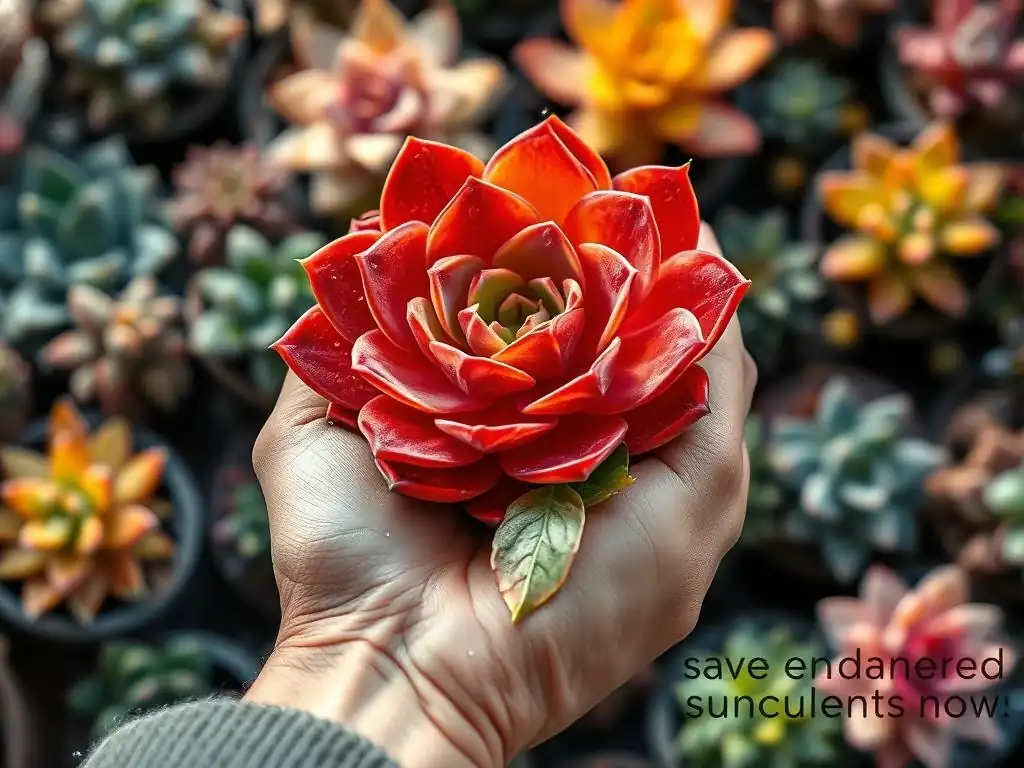
Welcome to SucculentEssentials.org, where the fascinating world of succulents unfolds before you! Are you ready to delve into the vibrant beauty of these resilient plants? We'll guide you through expert care, innovative propagation techniques, and stunning design ideas. But first, a crucial question: Can you help save endangered succulents now? Discover how you, as a collector, can play a vital role in preserving these unique species in our latest article, "The Future of Succulent Conservation: How Collectors Can Lead the Way." Let's explore the captivating journey of succulent care and conservation together!
- Understanding the Threat: Why Succulent Conservation Matters
- Collectors as Conservation Champions: A New Role for Enthusiasts
-
Practical Steps to Save Endangered Succulents Now
- Creating a Sanctuary for Endangered Succulents: Designing Your Collection
- Participating in Citizen Science Initiatives for Succulent Conservation
- Advocating for Stronger Conservation Policies and Legislation
- Donating to Conservation Organizations Focused on Succulents
- Educating Others About the Importance of Succulent Conservation
- The Future of Succulent Conservation: A Collaborative Approach
- Frequently Asked Questions
- Final Reflection: Cultivating a Future for Succulents
- Cultivate Your Conservation Impact: Grow Your Green Legacy
Understanding the Threat: Why Succulent Conservation Matters
The vibrant world of succulent collecting, filled with the unique beauty and resilience of these fascinating plants, faces a serious challenge: the growing threat of extinction for many species. While the allure of rare and unusual succulents is undeniable, the current trends in collection and trade are putting unprecedented pressure on already vulnerable populations. This article explores the multifaceted threats facing succulents and highlights the crucial role succulent collectors can play in reversing this alarming trend.
We will examine the pressing issues driving succulent endangerment and propose actionable steps that enthusiasts can take to actively participate in conservation efforts, ensuring the survival of these remarkable plants for generations to come. Saving endangered succulents now is not just a responsibility; it's an opportunity to contribute significantly to the preservation of biodiversity and the beauty of our natural world.
This is crucial, not only for ecological balance, but also for the future enjoyment of these captivating plants by hobbyists and enthusiasts worldwide. Let's delve into the specifics of the threats and explore how we can make a difference.
The Growing Danger of Habitat Loss and Overharvesting
Habitat destruction is a primary driver of succulent endangerment. Rapid urbanization, agricultural expansion, and unsustainable land management practices are relentlessly shrinking the natural habitats of many succulent species. These plants, often adapted to specific, often fragile ecosystems, struggle to survive when their environments are altered.
Simultaneously, overharvesting for the horticultural trade poses a significant threat. The demand for rare and unique succulents fuels illegal and unsustainable collection practices, depleting wild populations at an alarming rate. This is particularly true for slow-growing species, which are unable to replenish themselves quickly enough to keep up with the harvesting rate.
For example, certain Haworthia species, prized for their intricate patterns, are facing severe population declines due to over-collection. The combined impact of habitat loss and overharvesting creates a vicious cycle, pushing many succulent species closer to the brink of extinction. Sustainable harvesting practices and strict regulations are urgently needed to mitigate this critical threat.
Climate Change and its Impact on Succulent Populations
Climate change is exacerbating the existing threats to succulent survival. Changes in temperature, precipitation patterns, and increased frequency of extreme weather events are disrupting the delicate balance of succulent ecosystems. Many succulent species are highly specialized to specific climatic conditions, making them extremely vulnerable to even minor shifts in temperature and rainfall.
For instance, prolonged droughts can severely stress already vulnerable populations, while increased frequency of wildfires can devastate entire habitats. The impact of climate change is not just limited to direct effects; it also interacts with other threats, such as increased pest and disease pressure, further weakening already stressed populations. Understanding the specific vulnerabilities of different succulent species to climate change is crucial for developing effective conservation strategies.
The Role of the Black Market in Endangered Succulent Trade
The illegal trade in endangered succulents represents a major obstacle to conservation efforts. Driven by high demand for rare and sought-after species, the black market operates outside of regulatory frameworks, bypassing sustainable harvesting practices and conservation regulations. This illegal trade not only contributes to the depletion of wild populations but also hinders efforts to track and monitor these species.
The lack of transparency and traceability makes it difficult to identify the sources of illegally harvested plants, further complicating conservation efforts. Combating the black market requires a multi-pronged approach, including stricter enforcement of existing regulations, increased public awareness, and collaboration between international organizations and law enforcement agencies. Furthermore, ethical sourcing and responsible purchasing practices by collectors are essential in disrupting the illegal trade and promoting sustainable alternatives.
Collectors as Conservation Champions: A New Role for Enthusiasts
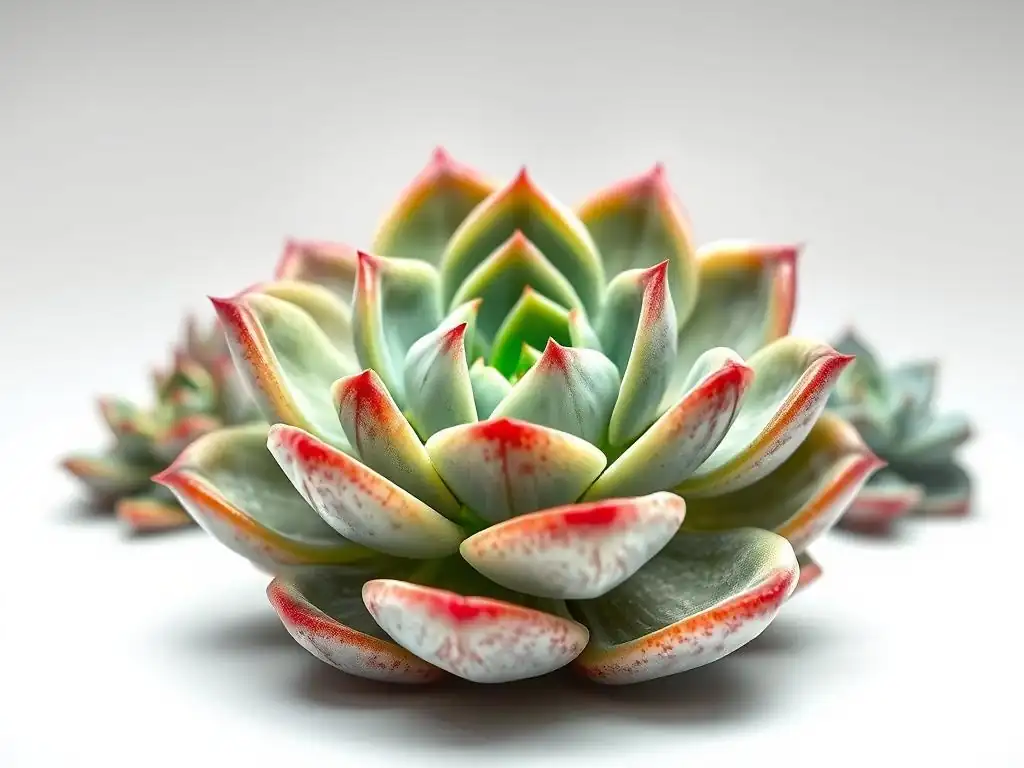
The burgeoning popularity of succulents has unfortunately led to an increased threat to many rare and endangered species. Unsustainable harvesting practices and habitat destruction are pushing some succulent varieties towards extinction. However, this crisis also presents a unique opportunity: succulent collectors, with their passion and knowledge, can become vital partners in conservation efforts. By shifting from simply acquiring plants to actively contributing to their survival, collectors can play a crucial role in saving endangered succulents now.
This isn't just about ethical collecting; it's about embracing a new responsibility – a stewardship of these remarkable plants. This section will explore how collectors can transform their passion into impactful conservation actions. Instead of contributing to the problem, collectors can become a significant part of the solution. The collective power of informed enthusiasts can make a tangible difference in the fight to preserve succulent biodiversity.
Ethical Collecting Practices: A Guide for Responsible Acquisition
Responsible succulent acquisition is paramount. Avoid purchasing plants from sources that cannot demonstrate sustainable harvesting practices. This means verifying that the plants are propagated responsibly, not taken directly from the wild. Look for nurseries and vendors that propagate plants from cuttings or seeds, ensuring a sustainable supply without depleting natural populations. Consider the following checklist before purchasing a rare succulent:
- [ ] Source Verification: Can the seller provide proof of ethical propagation?
- [ ] Documentation: Is there documentation regarding the plant's origin and propagation method?
- [ ] Transparency: Is the seller open about their sourcing practices?
- [ ] Sustainable Practices: Does the seller employ environmentally friendly growing methods?
Prioritize purchasing plants that have been cultivated rather than wild-collected. Cultivated plants are less likely to harbor diseases or invasive pests that could harm native populations. Furthermore, choosing cultivated succulents supports responsible nurseries and incentivizes sustainable propagation techniques. Remember, the goal is not just to own a rare succulent, but to be a part of its continued survival. Each responsible purchase strengthens the market for ethically sourced plants, weakening the demand for those illegally harvested from the wild. This is a crucial step in saving endangered succulents now.
Supporting Sustainable Propagation and Conservation Efforts
Beyond ethical purchasing, active participation in conservation initiatives is essential. Collectors can contribute significantly to saving endangered succulents now by supporting organizations dedicated to succulent conservation. Many botanical gardens and research institutions are actively involved in propagation and reintroduction programs for endangered species. Financial contributions, volunteering time, or even donating space for propagation can significantly boost these efforts.
Consider the following ways to support conservation:
- Donations: Contribute financially to organizations focused on succulent conservation.
- Volunteering: Offer your time and skills to assist with propagation or habitat restoration projects.
- Advocacy: Support policies that protect succulent habitats and prohibit illegal harvesting.
- Education: Spread awareness about the importance of succulent conservation among fellow enthusiasts.
Participating in citizen science projects, such as monitoring succulent populations or reporting illegal harvesting, can also contribute valuable data to conservation efforts. Your expertise as a collector can be invaluable in identifying endangered species and tracking their populations. Becoming an active participant in these initiatives is not just about contributing; it's about actively shaping the future of succulent conservation.
Identifying Reputable Sources for Rare Succulents: Avoiding the Black Market
The black market for rare succulents thrives on the demand for unique and desirable plants. However, purchasing from these sources directly contributes to unsustainable harvesting and habitat destruction, threatening the survival of many species. Identifying reputable sources is therefore crucial to ensure ethical collecting.
Here's how to distinguish reputable sources from those involved in illegal activities:
| Feature | Reputable Source | Black Market Source |
|---|---|---|
| Transparency | Open about sourcing and propagation methods | Secretive about origins, often vague or evasive |
| Documentation | Provides certificates of origin or propagation | Lacks documentation or provides fabricated ones |
| Pricing | Prices reflect propagation and care costs | Prices are unusually low, suggesting illegal sourcing |
| Legality | Complies with all relevant regulations | Likely violates CITES or other conservation laws |
Be wary of unusually low prices, especially for rare species. This often indicates illegal sourcing. Always ask detailed questions about the plant's origin and propagation. A reputable seller will be happy to provide this information. Remember, supporting ethical sources is not just about acquiring plants; it’s about actively participating in saving endangered succulents now and ensuring the future of these fascinating plants. Your choices as a collector directly impact the survival of endangered succulent species.
Practical Steps to Save Endangered Succulents Now
This section details actionable steps succulent collectors can take to contribute to the conservation of endangered species. By actively participating in preservation efforts, collectors move beyond mere appreciation and become vital partners in ensuring the survival of these unique plants. Saving endangered succulents now is not just a call to action; it's a responsibility we share with future generations.
Creating a Sanctuary for Endangered Succulents: Designing Your Collection
Creating a thriving collection isn't just about aesthetics; it's about providing a safe haven for vulnerable species. Careful planning is crucial for the long-term health and survival of your succulents. Consider these key aspects when designing your collection space:
- Species-Specific Needs: Research the specific environmental requirements of each endangered succulent you acquire. This includes light intensity (full sun, partial shade), temperature tolerance, and soil drainage needs. Failure to meet these needs can quickly lead to the decline and death of these precious plants. For instance, Haworthia retusa requires excellent drainage to avoid root rot, while Dudleya brittonii thrives in bright, sunny conditions.
- Optimal Growing Conditions: Replicate the natural habitat of your succulents as closely as possible. This may involve using specialized potting mixes, adjusting watering schedules based on climate, and providing appropriate ventilation. A well-ventilated greenhouse or a sunny windowsill with controlled temperature and humidity can significantly improve the chances of success.
- Disease Prevention and Pest Control: Regularly inspect your plants for signs of disease or pests. Early detection and treatment are essential to prevent widespread infestations that could decimate your collection and threaten the survival of endangered species. Maintaining cleanliness in your collection area, using organic pest control methods, and quarantining new plants are crucial preventative measures.
- Documentation and Tracking: Maintain detailed records of each plant, including its species, acquisition date, propagation method (if applicable), and any observations regarding its health and growth. This meticulous record-keeping is invaluable for monitoring the progress of your conservation efforts and sharing data with researchers or conservation organizations. A simple spreadsheet or a dedicated database can efficiently manage this information.
Participating in Citizen Science Initiatives for Succulent Conservation
Citizen science projects offer valuable opportunities for collectors to contribute directly to succulent conservation research. These initiatives often involve data collection, species monitoring, and habitat restoration. Your participation can significantly impact the understanding and protection of endangered species.
- Data Collection: Many organizations are actively seeking volunteers to collect data on succulent populations in the wild. This might involve counting plants, recording their location, or documenting their health status. Contributing your observations, no matter how seemingly insignificant, adds to the larger body of knowledge essential for informed conservation strategies.
- Habitat Restoration: Some citizen science projects focus on restoring degraded succulent habitats. This could involve removing invasive species, planting native succulents, or participating in controlled burns to promote natural regeneration. These hands-on projects provide a direct and tangible way to contribute to the preservation of these precious ecosystems.
- Species Monitoring: By participating in long-term monitoring programs, you can help track the health and population dynamics of endangered succulents. This data is crucial for assessing the effectiveness of conservation efforts and identifying emerging threats. Such continuous monitoring allows for timely interventions and adjustments in conservation strategies.
Advocating for Stronger Conservation Policies and Legislation
Collectors can play a significant role in driving positive change by advocating for stronger conservation policies and legislation. This involves engaging with policymakers, supporting conservation organizations, and raising public awareness.
- Contacting Elected Officials: Write letters, emails, or make phone calls to your representatives to express your concern about the plight of endangered succulents and urge them to support conservation initiatives. Your voice, combined with the voices of other concerned citizens, can influence policy decisions and lead to increased funding for conservation programs.
- Supporting Conservation Organizations: Donate to or volunteer with organizations dedicated to succulent conservation. Your contributions will directly support their on-the-ground efforts, research initiatives, and advocacy campaigns. By actively supporting these organizations, you become a vital part of a larger network working to save endangered succulents.
- Raising Public Awareness: Share your knowledge and passion for succulents with others. Educate your friends, family, and community about the importance of succulent conservation and the threats these plants face. Using social media, participating in community events, or writing articles can significantly raise public awareness and encourage others to take action. The more people who understand the issue, the greater the collective impact on conservation efforts.
Saving endangered succulents now requires a multifaceted approach. By combining meticulous cultivation practices, active participation in citizen science initiatives, and dedicated advocacy, succulent collectors can significantly contribute to the long-term survival of these remarkable plants. The future of these unique species rests, in part, on the actions we take today.
Donating to Conservation Organizations Focused on Succulents
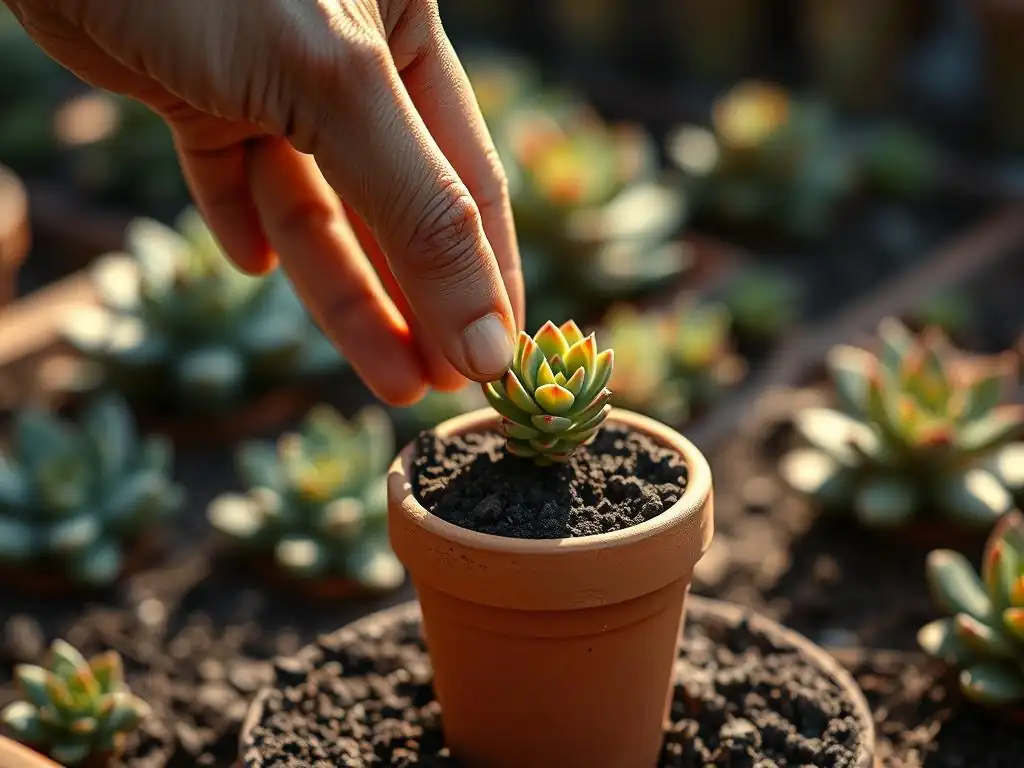
Supporting organizations dedicated to succulent conservation is a crucial step in the fight to save endangered succulents now. Many non-profits work tirelessly to protect vulnerable succulent species in their natural habitats and in ex-situ collections. These organizations conduct vital research, implement habitat restoration projects, and advocate for stronger legislation to protect these plants. Your donation, no matter the size, directly contributes to their efforts.
For example, a relatively small contribution could help fund the monitoring of a specific endangered species population, allowing researchers to track its numbers and identify threats. Larger donations might support more ambitious projects like habitat restoration or the establishment of seed banks, preserving genetic diversity for future generations. Consider researching organizations operating in regions known for high succulent biodiversity, and choose those with transparent financial practices and demonstrable impact.
Look for organizations that actively engage in community outreach and education programs, amplifying the message of succulent conservation. Your financial support is not just about money; it's an investment in the long-term survival of these fascinating plants. By choosing carefully and researching reputable organizations, you can ensure your donation makes a real and lasting difference in the fight to save endangered succulents now.
Educating Others About the Importance of Succulent Conservation
Beyond personal action, spreading awareness is paramount to save endangered succulents now. Educating others about the threats facing succulents and the importance of conservation is a powerful tool. This can be achieved through various avenues, from informal conversations with friends and family to more formal presentations at gardening clubs or community events. Sharing compelling information, such as the unique ecological roles succulents play in their native environments and the consequences of their extinction, can inspire others to take action.
Use engaging visuals – photographs of stunning succulents and their habitats, infographics detailing the threats they face, or even short videos showcasing conservation efforts – to make your message more impactful. Participating in online forums and social media groups dedicated to succulents allows you to reach a wider audience and engage in discussions about conservation practices. Consider creating educational materials, such as brochures or presentations, to distribute at local nurseries or botanical gardens.
Even simple actions, like correcting misinformation about succulent care that might lead to unsustainable practices, contribute to broader understanding. Remember, every person you educate becomes a potential advocate for succulent conservation, multiplying the impact of your efforts. By actively sharing knowledge and promoting responsible succulent ownership, you significantly contribute to the collective effort to save endangered succulents now.
The Future of Succulent Conservation: A Collaborative Approach
Building Partnerships Between Collectors, Conservationists, and Researchers
The fate of many endangered succulent species rests not only on the shoulders of conservationists, but also on the passionate community of collectors. Building strong partnerships between these groups is crucial for effective and sustainable conservation efforts. Collectors, with their deep knowledge of rare varieties and access to unique specimens, possess invaluable resources that can significantly contribute to conservation initiatives. This collaboration can take many forms.
For example, collectors can provide researchers with access to their plant collections for genetic studies, contributing to a deeper understanding of species diversity and evolutionary relationships. This genetic data is paramount in identifying distinct populations and developing targeted conservation strategies. Furthermore, collectors can participate in in situ and ex situ conservation programs, providing expertise in propagation and cultivation techniques. Their participation in conservation seed banks, for instance, ensures the preservation of genetic material even if wild populations face extinction.
A successful partnership requires open communication, a shared understanding of conservation goals, and a mutual respect for each other's expertise. Clear protocols for data sharing, ethical collecting, and responsible propagation are essential components of a productive collaboration. The combined strength of scientific research, conservation strategies, and the dedication of collectors can significantly improve the chances of saving endangered succulents.
The Power of Collective Action: Community Initiatives for Succulent Preservation
Collective action is vital in the fight to save endangered succulents now. Individual efforts, while commendable, are often insufficient to address the multifaceted threats faced by these vulnerable plants. Community-based initiatives provide a powerful platform for pooling resources, sharing knowledge, and amplifying the impact of conservation efforts. These initiatives can take various forms, from establishing local succulent conservation groups to organizing educational workshops and public awareness campaigns.
For example, a community could launch a succulent propagation project, focusing on increasing the populations of critically endangered species through carefully managed cultivation programs. This not only helps increase the number of plants but also provides valuable opportunities for education and community engagement. Another effective strategy is creating dedicated succulent sanctuaries or conservation areas, where endangered species can thrive in a protected environment. These initiatives often require collaboration with local authorities and land managers to secure appropriate land and resources.
Furthermore, community-based initiatives can play a crucial role in monitoring wild populations, documenting threats, and implementing strategies to mitigate these threats. Citizen science projects, where volunteers participate in data collection and monitoring, can provide valuable insights into the status of endangered succulents and the effectiveness of conservation interventions. By fostering a sense of shared responsibility and collective action, community initiatives can be powerful tools in the fight to save endangered succulents. The success of these initiatives hinges on strong community engagement, effective communication, and the active participation of all stakeholders.
Long-Term Strategies for Ensuring the Survival of Endangered Succulents
Protecting endangered succulents requires a long-term perspective that goes beyond immediate conservation efforts. Sustainable, long-term strategies are crucial for ensuring the survival of these plants in the face of ongoing and emerging threats. This requires a multi-pronged approach that addresses habitat loss, over-collection, climate change, and other factors that contribute to the decline of succulent populations. One key element is strengthening legal protections for endangered succulents, including stricter regulations on the trade of these plants. International cooperation is essential to ensure that these regulations are effectively enforced across borders.
Investing in research to better understand the ecological needs of endangered species is also vital. This research can inform conservation strategies by revealing critical habitat requirements, reproductive biology, and susceptibility to disease. Furthermore, developing sustainable cultivation techniques for endangered succulents is crucial for ex situ conservation efforts. These techniques should minimize the environmental impact while ensuring the long-term preservation of genetic diversity.
Educating the public about the importance of succulent conservation and the threats facing these plants is essential for fostering public support for conservation initiatives. This education can be achieved through various channels, including workshops, public awareness campaigns, and educational materials. Ultimately, the success of long-term succulent conservation relies on a comprehensive strategy that integrates scientific research, robust legal frameworks, community engagement, and a commitment to sustainable practices. Only through a sustained and collaborative effort can we truly save endangered succulents now and secure their future for generations to come.
Inspiring the Next Generation of Succulent Conservationists
Inspiring the next generation to engage in succulent conservation is crucial for the long-term survival of these fascinating plants. We need to cultivate a passion for these unique species in young minds, fostering a sense of responsibility towards their preservation. This can be achieved through various educational initiatives and community outreach programs. Schools and community centers can host workshops on succulent propagation and care, teaching children about the importance of biodiversity and the role they can play in protecting endangered succulents.
These programs should be engaging and hands-on, allowing children to actively participate in the process, from planting seeds to caring for mature plants. The use of interactive displays and age-appropriate materials will make learning fun and memorable. For example, a fun project might involve creating miniature succulent gardens within recycled materials, emphasizing the importance of sustainability.
Furthermore, engaging with local botanical gardens and environmental organizations can provide valuable resources and opportunities for outreach. Partnering with these organizations allows access to established networks and educational materials, expanding the reach of conservation efforts. These partnerships can lead to collaborative projects, such as student-led research on local succulent populations or community planting events focused on endangered species. By involving young people in real-world conservation projects, we instill a sense of ownership and responsibility, empowering them to become active participants in protecting succulent biodiversity.
This proactive approach will ensure the continuation of succulent conservation efforts long after the current generation of enthusiasts has passed on. The future of succulent conservation rests in the hands of those who will inherit this responsibility. By nurturing their passion and providing them with the necessary tools and knowledge, we can ensure a future where these amazing plants continue to thrive.
We must actively engage young minds to cultivate the next generation of conservation champions. Early exposure to the beauty and fragility of succulents can ignite a lifelong commitment to their preservation. This is not just about saving plants; it's about fostering a sense of environmental stewardship that extends far beyond the world of succulents.
Frequently Asked Questions
What is the biggest threat to succulent species?
The biggest threat is habitat loss due to urbanization, agriculture, and mining. Climate change also plays a significant role, altering growing conditions and increasing the risk of wildfires. Conservation efforts are crucial.
How can I help save endangered succulents?
You can support conservation organizations working to protect succulent habitats. Responsible collecting and propagation practices, avoiding plants from the wild, also make a big difference. Consider donating to relevant charities.
Are all succulents endangered?
No, not all succulents are endangered. However, many species are threatened, and the number is increasing. Awareness and responsible actions are essential to protect vulnerable species.
How can I propagate succulents responsibly?
Obtain succulents from reputable sources, avoiding wild-collected plants. Propagate using leaf cuttings or offsets from your existing healthy plants to avoid putting pressure on wild populations. Learn proper techniques to ensure success.
What role do succulent collectors play in conservation?
Collectors can play a vital role through responsible collecting, supporting conservation initiatives, and educating others about the importance of protecting these plants. By propagating and sharing plants, they help increase the overall population of certain species.
Final Reflection: Cultivating a Future for Succulents
The alarming rate of succulent endangerment is not merely an ecological concern; it's a direct threat to the beauty and biodiversity of our planet. We've explored the multifaceted challenges facing these remarkable plants, from habitat loss to unsustainable harvesting, and highlighted the crucial role collectors can play in their preservation. The future of these captivating plants rests, in part, on our collective action.
The passion surrounding succulent collecting presents a unique opportunity for positive change. This shared enthusiasm, if channeled correctly, can become a powerful force for conservation. We are not simply talking about preserving plants; we are safeguarding a vital part of our natural heritage. The Earth provides enough to satisfy every man's needs but not every man's greed.
- Mahatma Gandhi. This quote underscores the urgent need for responsible consumption and a shift towards sustainable practices within the succulent collecting community. The beauty of these plants should inspire us to protect them, not exploit them.
Now, consider your own relationship with succulents. Are you a collector? A casual admirer? Regardless, you have a role to play. Choose to support ethical growers and nurseries, advocate for responsible harvesting practices, and educate others about the importance of succulent conservation. By making conscious choices and embracing a mindful approach to collecting, you can contribute to a future where these extraordinary plants continue to thrive, enriching our lives and the ecosystems they inhabit for generations to come.
Cultivate Your Conservation Impact: Grow Your Green Legacy
Thanks for exploring the vital role succulent collectors play in conservation! You've now learned how your passion can directly impact the future of these amazing plants. Let's put that knowledge into action:
- Become a dedicated propagator: By propagating your own succulents, you'll directly reduce the pressure on wild populations and can share your success with others. This is a powerful way to make a difference.
- Join a local succulent society: Connect with fellow enthusiasts, share your expertise, and participate in conservation projects. You might be surprised by the collaborative efforts already underway!
- Spread the word: Share this article (and your propagation successes!) on social media using #SucculentConservation to educate others about the importance of protecting these plants.
What propagation technique will you master next to help ensure a brighter future for succulents? Let's discuss your ideas in the comments below!