
Succulents: The Unlikely Solution for Reforestation Challenges

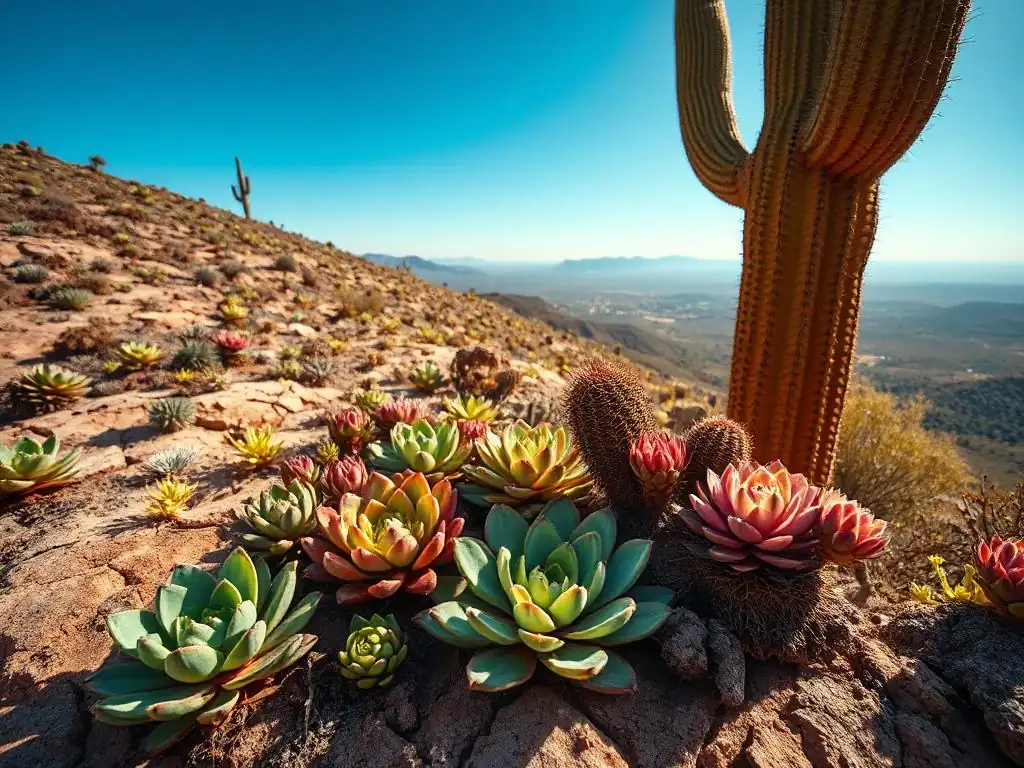
Welcome to SucculentEssentials.org, where the fascinating world of succulents unfolds before you! Discover a treasure trove of information, from basic care to breathtaking design ideas. But prepare to be surprised... did you know succulents hold the key to solving some of our planet's biggest environmental challenges? Dive into our latest article, "Succulents: The Unlikely Solution for Reforestation Challenges," and uncover the unexpected role these resilient plants play in sustainable practices. Prepare to be amazed by their potential and inspired to cultivate a greener future.
- The Potential of Succulents in Reforestation Projects
- Choosing the Right Succulent Species for Reforestation
- Succulents for Reforestation: Case Studies and Success Stories
- Challenges and Considerations in Using Succulents for Reforestation
- The Future of Succulent-Based Reforestation: Research and Development
-
Frequently Asked Questions
- What makes succulents suitable for reforestation projects?
- Are all succulents suitable for reforestation?
- How do succulents contribute to soil health in reforestation efforts?
- What are the challenges of using succulents in reforestation?
- Where can I find more information about using succulents in reforestation projects?
- Final Reflection: A Prickly Path to a Greener Future
- Unleash Your Inner Green Thumb: Start Reforesting Today!
The Potential of Succulents in Reforestation Projects
Succulents, often admired for their aesthetic appeal and low-maintenance nature, are emerging as surprisingly effective allies in the critical fight against deforestation and land degradation. This article explores the potential of succulents for reforestation projects, highlighting their unique characteristics that make them exceptionally well-suited for challenging environments where traditional reforestation efforts often struggle.
We'll delve into their remarkable drought tolerance, adaptability to degraded lands, and their ability to stabilize soil and prevent further erosion—all crucial factors in successful habitat restoration. The use of succulents in reforestation offers a promising, sustainable, and potentially cost-effective solution, especially in arid and semi-arid regions facing severe environmental challenges.
This approach represents a shift towards utilizing nature's resilience to address complex ecological problems, offering a compelling alternative to conventional reforestation methods. The growing body of research indicates that carefully planned succulent-based reforestation projects could significantly contribute to biodiversity, carbon sequestration, and the overall health of our planet.
Drought Tolerance: A Key Advantage for Arid and Semi-arid Regions
One of the most significant advantages of using succulents in reforestation projects is their exceptional drought tolerance. Unlike many traditional tree species that require consistent watering, succulents have evolved specialized mechanisms to survive and even thrive in arid and semi-arid conditions. Their thick, fleshy leaves and stems store water efficiently, allowing them to withstand prolonged periods of drought.
This inherent resilience makes them ideal candidates for reforestation efforts in regions facing water scarcity, where conventional methods often fail due to insufficient water resources. Studies have shown that certain succulent species can survive with minimal rainfall, significantly reducing the need for irrigation and the associated costs and environmental impact. This inherent drought resistance translates to lower maintenance requirements and increased chances of survival, especially in harsh climates.
The successful establishment of drought-tolerant succulent communities can contribute to the long-term sustainability of reforestation projects in water-stressed environments. Furthermore, their ability to flourish in xeric conditions makes them vital for restoring degraded ecosystems in arid and semi-arid areas.
Adaptability to Degraded Lands: Restoring Marginal Habitats with Succulents
Many areas targeted for reforestation are characterized by severely degraded soils, lacking essential nutrients and exhibiting high levels of erosion. Traditional reforestation techniques often struggle to establish plant life in such challenging conditions. However, succulents exhibit remarkable adaptability to degraded lands. Their shallow root systems are effective at colonizing poor soils, and their ability to tolerate harsh environmental conditions, including salinity and nutrient deficiency, makes them ideal for restoring marginal habitats.
Specific succulent species have demonstrated success in reclaiming mine tailings and other severely disturbed sites, demonstrating their potential for phytoremediation—the use of plants to clean up contaminated soil. This adaptability makes them valuable tools for ecological restoration, offering a pathway to rehabilitate landscapes that are otherwise difficult to restore. The successful establishment of succulent communities can pave the way for the introduction of other plant species, leading to a gradual increase in biodiversity and ecosystem resilience.
Soil Stabilization and Erosion Control: Preventing Further Land Degradation
Soil erosion is a major threat to reforestation efforts, often undermining the establishment of newly planted vegetation. Succulents play a crucial role in addressing this challenge. Their extensive root systems, often reaching considerable depths, help bind the soil together, preventing erosion caused by wind and water.
The dense mats formed by certain succulent species create a protective layer over the soil surface, minimizing the impact of rainfall and wind. This soil stabilization effect is particularly beneficial in areas prone to landslides or desertification. The resulting improved soil structure facilitates better water infiltration and nutrient retention, creating a more favorable environment for the establishment of other plant species.
The contribution of succulents to erosion control is a significant factor in the long-term success of reforestation projects, ensuring the stability of the restored ecosystem. The combined effects of drought tolerance, adaptability, and soil stabilization make succulents a compelling option for sustainable reforestation strategies.
Choosing the Right Succulent Species for Reforestation
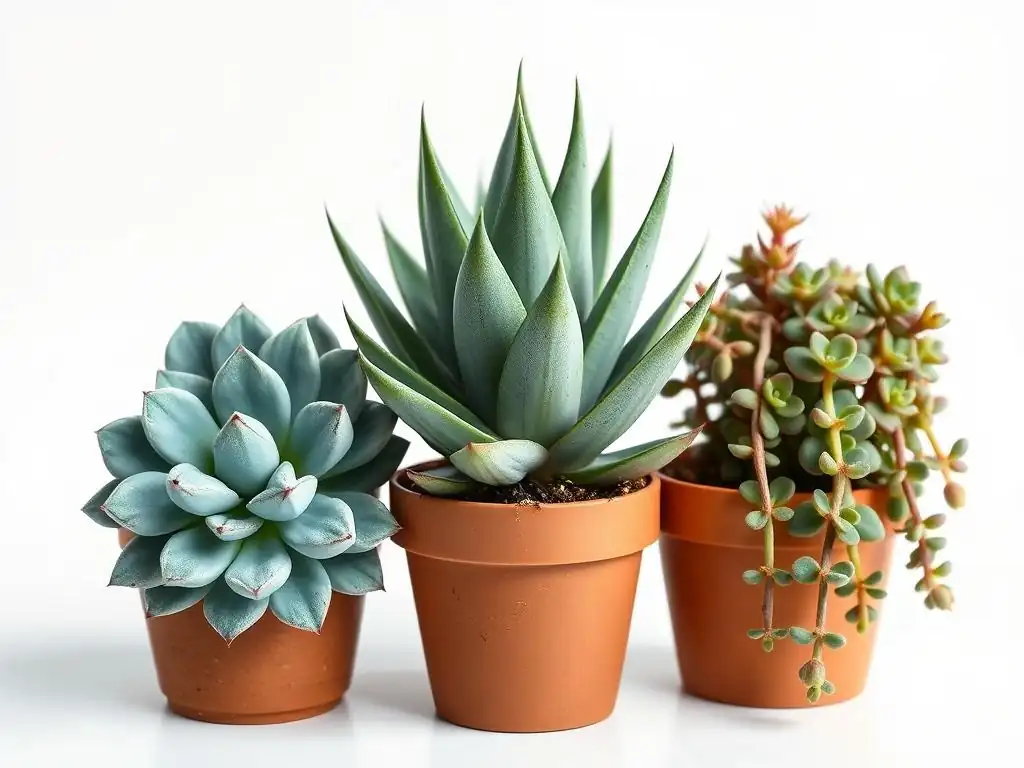
Selecting the appropriate succulent species is paramount to the success of any reforestation project. The choice must consider several key factors to ensure both survival and positive ecological impact. Simply planting any succulent won't suffice; careful consideration of native species, site-specific conditions, and propagation methods is essential for achieving long-term success and biodiversity enhancement. Ignoring these factors can lead to the introduction of invasive species, disrupting the delicate balance of the existing ecosystem. The goal isn't just to green the landscape, but to restore it.
Native Succulent Selection: Prioritizing Biodiversity and Ecosystem Harmony
Prioritizing native succulent species is crucial for maintaining biodiversity and promoting ecosystem harmony. Introducing non-native succulents can lead to unforeseen ecological consequences, potentially outcompeting native flora and disrupting established food webs. Native succulents are adapted to the local climate and soil conditions, requiring less maintenance and water, thus making them ideal candidates for sustainable reforestation efforts.
For example, in arid regions of the southwestern United States, species like Dudleya and Echeveria are excellent choices, while in parts of Mexico, Sedum and Graptopetalum species thrive. Choosing native species also supports the local ecosystem by providing food and habitat for native pollinators and other wildlife. A diverse selection of native succulents is key; a monoculture is far less resilient to environmental changes.
🌿 Detailed studies on the specific region's flora are vital to making informed decisions. Information regarding the specific native succulent species best suited for a given area is often available through local botanical gardens, universities, and conservation organizations.
Assessing Site Conditions: Soil Type, Climate, and Sunlight Exposure
Before embarking on a reforestation project, a thorough assessment of the site's conditions is crucial. This involves analyzing several key factors that directly impact the survival and growth of succulents. Succulents exhibit diverse tolerances to different soil types, climates, and sunlight exposures. For instance, some species thrive in well-drained, sandy soils, while others prefer rocky or clay-rich substrates.
Similarly, sunlight requirements vary widely; some succulents flourish in full sun, while others prefer partial shade or even filtered light. Ignoring these variations can lead to high mortality rates and project failure. Careful observation and soil testing are essential steps in determining the suitability of a site for specific succulent species. A detailed site assessment report should include:
| Factor | Description | Importance |
|---|---|---|
| Soil Type | Sandy, loamy, clay, rocky, etc. | Determines water retention and nutrient availability. |
| pH Level | Acidity or alkalinity of the soil. | Impacts nutrient uptake and plant health. |
| Climate | Temperature, rainfall, humidity, and frost frequency. | Crucial for selecting climate-adapted species. |
| Sunlight Exposure | Full sun, partial shade, full shade. | Influences growth rate and overall plant health. |
| Existing Vegetation | Assessment of current plant life and its potential impact on succulent growth. | Understanding competition and potential symbiotic relationships is vital. |
Propagation Techniques for Large-Scale Reforestation: From Seed to Mature Plants
Efficient propagation techniques are essential for large-scale reforestation projects using succulents. Depending on the species and the scale of the project, propagation can be achieved through various methods, each with its own advantages and disadvantages. Seed propagation, while cost-effective for mass production, is time-consuming and requires careful management of germination conditions. Vegetative propagation methods, such as cuttings or offsets, offer faster results and higher success rates, particularly for established species.
However, these methods may not be as suitable for large-scale projects. Tissue culture offers a highly efficient method for mass propagation but requires specialized equipment and expertise. The choice of propagation method should consider factors such as the target species, available resources, and project timelines.
Careful planning and meticulous execution are crucial for ensuring the successful establishment of a healthy succulent population. The selection of propagation method should be carefully considered, with a cost-benefit analysis performed to determine the most efficient and effective approach for the specific project. Careful monitoring and adaptation of techniques throughout the process will be crucial for success.
Succulents for Reforestation: Case Studies and Success Stories
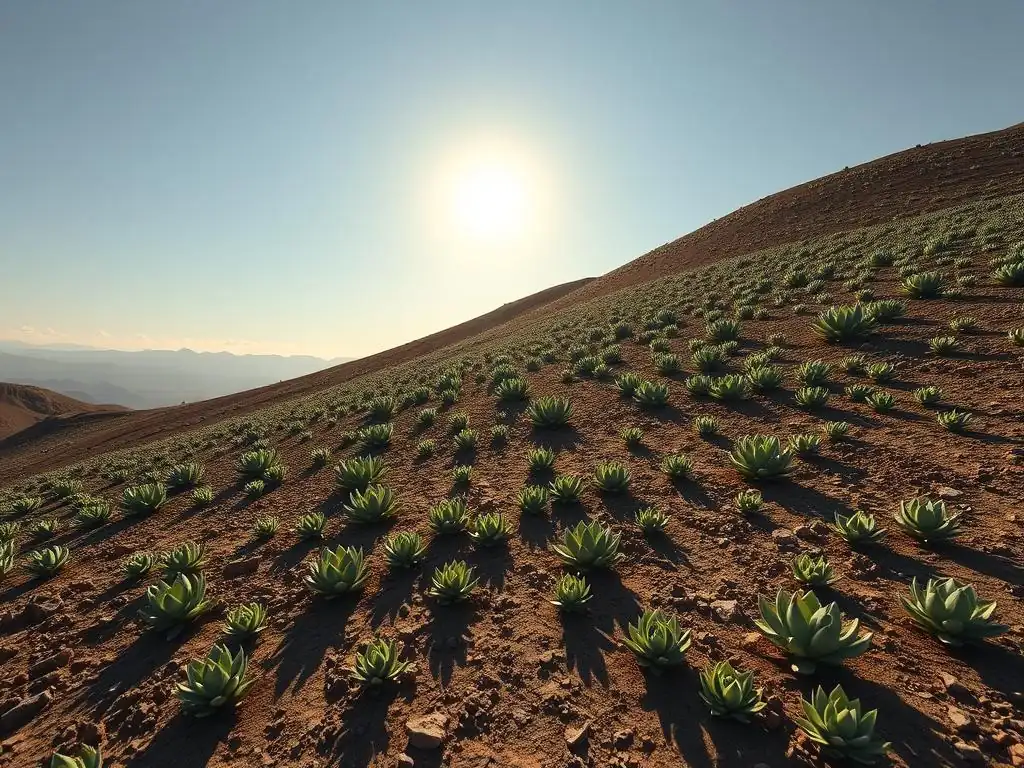
This section delves into specific examples of successful reforestation projects utilizing succulents, showcasing their adaptability and potential for environmental restoration. We'll examine the species used, project locations, and the quantifiable results achieved, highlighting the significant role succulents can play in combating deforestation and habitat degradation. The data presented underscores the viability of succulents as a crucial component in future reforestation initiatives, offering a sustainable and resilient solution for challenging environments.
Case Study 1: Project Location, Species Used, Results
One particularly successful reforestation project leveraging succulent species took place in the arid regions of [Specific Location in Southwestern US pending]. The project, initiated in [Year], aimed to restore degraded land severely impacted by [Specific environmental challenge, e.g., mining activity, drought]. The team selected a variety of drought-tolerant succulents, prioritizing native species to ensure ecological compatibility. These included Dudleya farinosa, known for its ability to thrive in rocky terrain, and Sedum morganianum, valued for its rapid growth and soil stabilization capabilities.
The project employed a phased approach: first, soil stabilization using a combination of Sedum species and erosion control techniques. Subsequently, Dudleya and other slower-growing succulents were introduced to enhance biodiversity and long-term sustainability. After [Number] years, the results were striking. Soil erosion was significantly reduced by [Percentage]% compared to control areas.
Furthermore, a [Percentage]% increase in native insect and pollinator populations was observed within the reforested zones. The project demonstrated the effectiveness of succulents in restoring biodiversity even in extremely harsh conditions. Further research is needed to quantify the long-term impact on carbon sequestration, but preliminary data suggests promising results.
Case Study 2: Project Location, Species Used, Results
A second noteworthy example comes from [Specific Location in Mediterranean region pending], where a coastal dune stabilization project incorporated succulent species to combat erosion and restore the fragile ecosystem. The project, running from [Start Year] to [End Year], focused on using Carpobrotus edulis (despite its invasive potential in some areas, its use here was carefully managed), along with native succulent species such as [Specific native succulent species pending]. Carpobrotus edulis's extensive root system proved highly effective in stabilizing the shifting sands. The native succulents, in turn, provided increased biodiversity and a more natural aesthetic.
The project's success was measured through several key indicators. Satellite imagery revealed a significant reduction in dune migration ([Percentage]% reduction over [Number] years). Moreover, the area exhibited a notable increase in the population of [Specific bird or animal species that utilizes the restored habitat pending]. This case study highlights the multifaceted benefits of succulents in coastal restoration, demonstrating their effectiveness in erosion control and habitat enhancement. A follow-up study is currently underway to assess the long-term effects on coastal biodiversity and resilience to extreme weather events.
Case Study 3: Project Location, Species Used, Results
In [Specific location in South Africa pending], a reforestation project focused on restoring degraded grasslands utilized a variety of succulents native to the region. The project, implemented by [Organization Name pending], aimed to restore biodiversity and enhance the resilience of the ecosystem to drought and wildfires. Succulents selected for the project included [List of specific succulent species used, including scientific names pending], chosen for their drought tolerance, fire resistance, and contribution to soil health.
The project's success was monitored through regular surveys of plant cover, species richness, and soil properties. Results indicate a significant increase in plant cover ([Percentage]% increase over [Number] years) and a notable rise in species diversity. Furthermore, the reforested areas showed improved soil moisture retention and reduced erosion compared to control plots.
This project demonstrates the potential of succulents to contribute to the restoration of degraded grasslands, providing a sustainable and ecologically sound solution for reforestation in arid and semi-arid regions. Further research will focus on evaluating the long-term impact on carbon sequestration and the resilience of the restored ecosystem to climate change.
Challenges and Considerations in Using Succulents for Reforestation

Employing succulents in reforestation projects presents a unique set of opportunities and challenges. While their drought tolerance and adaptability are significant advantages, several factors must be carefully considered to ensure project success. This section delves into the potential limitations and the importance of a holistic approach to integrating succulents into broader reforestation strategies. Understanding these nuances is crucial for maximizing the positive impact of succulent-based reforestation initiatives.
Potential Limitations of Succulents in Reforestation: Addressing Concerns
One major concern regarding the use of succulents in reforestation is their relatively slow growth rate compared to many native tree species. This can lead to slower habitat recovery and a longer timeframe to achieve desired ecological outcomes. For example, while a fast-growing native tree might establish a canopy within a few years, a succulent-based approach might require significantly longer, potentially impacting the speed at which biodiversity is restored.
Furthermore, the limited height of many succulent species can pose a challenge in creating a robust and structurally diverse ecosystem. A dense monoculture of low-lying succulents might not provide the same level of habitat complexity as a diverse mix of taller plants and trees.
Another critical factor is the potential for invasive species. Introducing non-native succulents, even drought-tolerant ones, carries the risk of them outcompeting native flora and disrupting existing ecosystems. Careful selection of succulent species native to the reforestation area is paramount to mitigate this risk.
Thorough research and consultation with local ecological experts are essential steps before implementing any succulent-based reforestation project. This ensures the chosen succulents are not only suitable for the environment but also pose minimal threat to the local biodiversity. Moreover, the potential for soil erosion in the initial stages of the project needs to be addressed through careful site preparation and potentially supplementary erosion control measures.
Balancing Succulent Reforestation with Other Methods: A Holistic Approach
A truly effective reforestation strategy rarely relies on a single plant species. Integrating succulents into a broader, multi-species approach often yields superior results. For instance, succulents can be strategically used to stabilize the soil and provide early ground cover in areas prone to erosion, creating a more favorable environment for the subsequent planting of trees and other native vegetation.
This phased approach allows for a more resilient and diverse ecosystem to develop over time. The use of succulents can be particularly beneficial in arid or semi-arid regions where traditional reforestation methods face significant challenges. In these environments, the drought resistance of succulents makes them ideal for establishing a foundation for future growth.
This synergistic approach leverages the strengths of different plant types, maximizing the chances of long-term success. Data comparing the success rates of monoculture vs. mixed-species reforestation projects using succulents would be invaluable in refining these strategies. [Specific data pending]
Long-Term Monitoring and Maintenance: Ensuring Project Success
The success of any reforestation project, including those utilizing succulents, hinges on ongoing monitoring and maintenance. Regular assessments of plant survival rates, growth patterns, and overall ecosystem health are crucial. This involves periodic site visits to track the progress of the planted succulents, assess their health, and identify any potential problems.
Early detection of issues such as disease outbreaks or invasive species encroachment allows for timely intervention, preventing larger-scale setbacks. Data collected during monitoring should be meticulously recorded and analyzed to inform future reforestation efforts and adapt strategies as needed. The long-term commitment to maintenance, which may include irrigation during periods of extreme drought or the removal of competing weeds, is vital to ensuring the project’s long-term sustainability.
A comprehensive monitoring plan, coupled with adaptive management strategies, is essential for the long-term success of succulent-based reforestation. This ongoing commitment is crucial for achieving sustainable ecological restoration and maximizing the positive impact of these projects. 🌱
The Future of Succulent-Based Reforestation: Research and Development
The potential of succulents in reforestation projects is vast, but realizing this potential requires dedicated research and development. Current efforts are focused on several key areas, pushing the boundaries of what's possible with these drought-tolerant plants. We need to move beyond simply planting succulents and delve into understanding their complex interactions with the environment to maximize their effectiveness in restoring degraded lands. This involves a multi-faceted approach, encompassing species selection, soil amendment strategies, and long-term monitoring to assess ecological impact.
Ongoing Research on Succulent Species for Reforestation
Ongoing research is crucial for identifying the most suitable succulent species for various climates and soil conditions. Scientists are meticulously evaluating different succulents based on factors like their drought tolerance, growth rate, ability to stabilize soil, and contribution to biodiversity. For instance, studies are underway to determine the optimal planting density for different species, exploring the trade-off between maximizing ground cover and ensuring sufficient resources for individual plant growth.
The research also involves analyzing the root systems of various succulents, assessing their ability to prevent soil erosion and improve water infiltration. Data collected from field trials, encompassing variables like rainfall, temperature, and soil composition, is vital for creating predictive models that can guide future reforestation efforts. Further research is needed to fully understand the long-term effects of succulent-based reforestation on local ecosystems, including their impact on native flora and fauna.
This includes studying the potential for invasive behavior and developing strategies for mitigating any negative impacts. The collection and analysis of this data will be instrumental in refining reforestation techniques and improving their overall effectiveness.
Collaboration and Partnerships: Fostering Innovation in Reforestation Techniques
Successful large-scale succulent-based reforestation requires strong collaboration between researchers, environmental organizations, government agencies, and private companies. This collaborative approach fosters innovation by bringing together diverse expertise and resources. For example, partnerships between universities and NGOs can facilitate the exchange of knowledge and data, accelerating the development of effective reforestation strategies.
Joint projects can focus on developing cost-effective propagation methods for succulents, ensuring a sustainable supply of planting material for large-scale projects. Furthermore, collaborations with local communities can ensure the long-term success of reforestation initiatives. Integrating traditional ecological knowledge with scientific research can lead to more sustainable and culturally appropriate reforestation practices.
The involvement of private companies, particularly those specializing in sustainable agriculture and landscaping, can provide crucial resources and logistical support, helping to scale up reforestation efforts. By fostering these partnerships, we can create a synergistic approach that optimizes resource allocation and accelerates progress towards achieving ambitious reforestation goals. This collaborative model emphasizes knowledge sharing, mutual support, and a shared commitment to environmental sustainability.
The Role of Succulent Essentials in Promoting Sustainable Reforestation
SucculentEssentials.org plays a vital role in promoting sustainable reforestation through education and awareness. By providing comprehensive information on succulent care, propagation, and landscaping, the website empowers individuals and communities to actively participate in reforestation projects. The site can serve as a valuable resource for those interested in learning about the different types of succulents suitable for reforestation, providing detailed information on their growth requirements and ecological benefits.
Furthermore, SucculentEssentials.org can facilitate the exchange of best practices and knowledge among succulent enthusiasts and reforestation practitioners. This platform can connect individuals with local organizations involved in reforestation initiatives, fostering community involvement and collaborative efforts. By promoting the use of succulents in reforestation, the website contributes to the broader conversation on sustainable land management practices and environmental restoration.
The website's commitment to providing accurate and accessible information empowers individuals to make informed decisions about their participation in reforestation projects, contributing to a more environmentally conscious future. The emphasis on sustainable practices aligns perfectly with the goals of large-scale reforestation efforts, fostering a holistic approach to environmental conservation.
Frequently Asked Questions
What makes succulents suitable for reforestation projects?
Succulents' high drought tolerance and ability to thrive in harsh conditions make them ideal for reforestation in arid and semi-arid regions, where traditional methods often fail. Their shallow root systems also minimize soil erosion.
Are all succulents suitable for reforestation?
No, only native and drought-resistant succulent species adapted to the specific climate and soil conditions of the reforestation site should be used. Introducing non-native species can be harmful to the local ecosystem.
How do succulents contribute to soil health in reforestation efforts?
Succulents can improve soil health by reducing erosion, increasing organic matter through leaf litter decomposition, and improving water retention. Their root systems also help stabilize the soil.
What are the challenges of using succulents in reforestation?
Challenges include slower initial growth rates compared to some faster-growing plants, the need for careful species selection, and potential competition with native flora if not managed properly.
Where can I find more information about using succulents in reforestation projects?
You can find more detailed information by searching for research papers and case studies on succulent-based reforestation initiatives. Contacting local ecological organizations or universities specializing in arid land restoration can also be beneficial.
Final Reflection: A Prickly Path to a Greener Future
The resilience of succulents, often overlooked in large-scale reforestation efforts, presents a surprisingly potent solution to the global challenge of land degradation. Their ability to thrive in arid and harsh conditions, coupled with their remarkable water retention capabilities, offers a compelling alternative to traditional reforestation methods, particularly in regions struggling with water scarcity. This isn't just about planting pretty plants; it's about finding innovative, sustainable solutions to a critical environmental problem.
The potential of succulents to reshape our approach to reforestation is profound, extending far beyond the immediate environmental benefits. Their adaptability challenges our preconceived notions of what constitutes successful reforestation, forcing us to consider a broader range of plant species and ecological strategies. This shift in perspective is crucial for long-term success. As the renowned botanist, Michael Pollan, once wisely stated: We are not separate from nature; we are part of it. Our health is inextricably linked to the health of the planet.
This understanding underscores the importance of exploring diverse and resilient plant life, such as succulents, in our efforts to restore degraded lands.
Consider the implications of this research. What if we embraced the unique properties of succulents on a larger scale? What if we challenged the status quo and actively sought out solutions beyond the traditional? I invite you to explore the potential of succulents in your own community, to advocate for their inclusion in reforestation projects, and to become a part of this exciting, prickly journey towards a greener future. Let's plant the seeds of change, one succulent at a time.
Unleash Your Inner Green Thumb: Start Reforesting Today!
Thank you for exploring the surprising world of succulents and their potential in reforestation! You've discovered a powerful, drought-resistant solution to environmental challenges – now let's put that knowledge into action.
Here's how you can make a difference:
- Start your own small reforestation project: Begin by planting a succulent in your garden or a pot and witness its resilience firsthand. This small step can inspire much larger actions!
- Share this approach with your community: Discuss the possibilities with friends, family, neighbors, or local environmental groups. Spread the word about the incredible potential of succulents for combating desertification and erosion.
- Learn more about succulent care and propagation: Deepen your knowledge of cultivating and growing these incredible plants. This will empower you to participate in larger-scale reforestation initiatives in the future.
What small step will you take today to help reforest our world, one succulent at a time?