
Succulents: The Unsung Heroes of Environmental Restoration

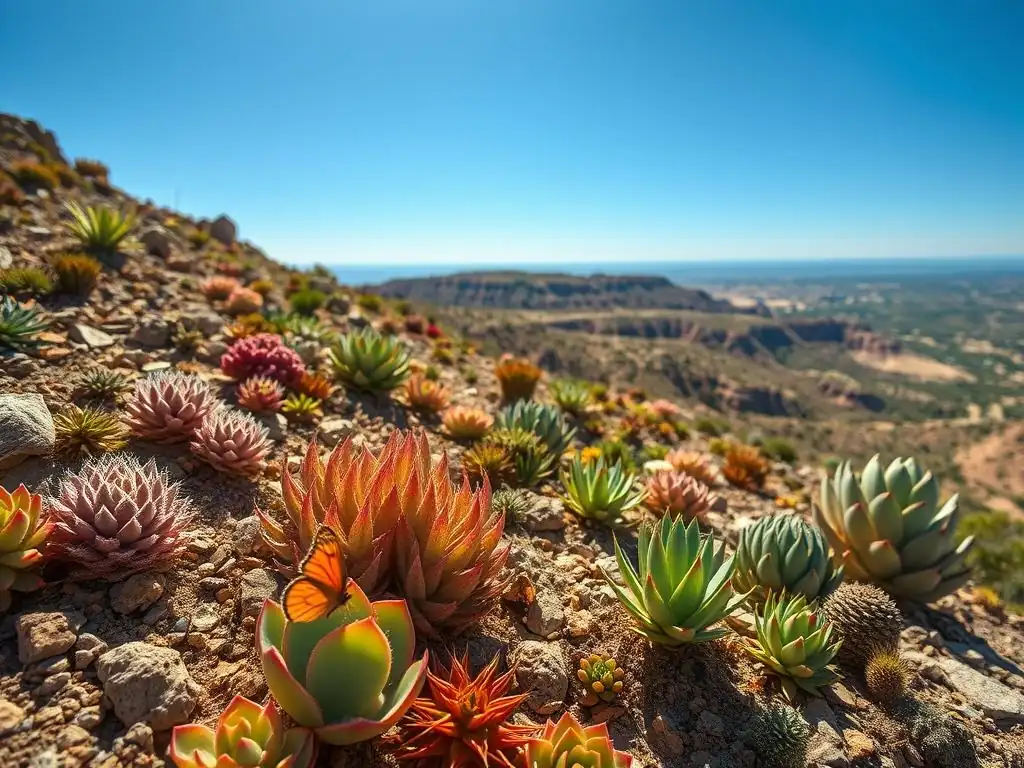
Welcome to SucculentEssentials.org, where the fascinating world of succulents unfolds! Dive into a realm of drought-resistant beauty and discover the surprising power of these miniature marvels. Did you know succulents are playing a pivotal role in environmental restoration? Prepare to be amazed as we unveil the secrets behind their incredible resilience and explore how they're helping heal our planet, one succulent at a time. Read on to uncover the truth behind "Succulents: The Unsung Heroes of Environmental Restoration," and unlock the potential of these extraordinary plants.
- Understanding the Role of Succulents in Environmental Restoration
- Succulents for Environmental Restoration: Species Selection and Application
- Case Studies: Successful Succulent-Based Restoration Projects
- The Benefits of Using Succulents in Habitat Restoration
- Overcoming Challenges in Succulent-Based Restoration
- The Future of Succulents in Environmental Restoration
-
Frequently Asked Questions
- What role do succulents play in environmental restoration?
- Are all succulents suitable for environmental restoration projects?
- How do succulents contribute to biodiversity in restoration efforts?
- What are the advantages of using succulents over other plants in restoration?
- Where can I learn more about using succulents in environmental restoration projects?
- Final Reflection: The Silent Revolution of Succulents
- Unleash Your Inner Green Thumb: Start Restoring Your World, One Succulent at a Time!
Understanding the Role of Succulents in Environmental Restoration
Succulents, those charming and often overlooked plants with their fleshy leaves and remarkable resilience, are emerging as unsung heroes in the crucial field of environmental restoration. Their unique adaptations, particularly their exceptional drought tolerance and ability to thrive in harsh conditions, make them invaluable tools in combating desertification, stabilizing fragile soils, and enhancing biodiversity in degraded ecosystems. This article delves into the specific ways succulents contribute to environmental restoration projects, highlighting their practical applications and the significant ecological benefits they offer.
From arid landscapes to urban environments, succulents are proving their worth as effective and aesthetically pleasing solutions for a healthier planet. We will explore their capabilities in detail, examining their contributions to water conservation, soil stabilization, and the overall enhancement of biodiversity.
Understanding the multifaceted role of succulents in environmental restoration is key to developing sustainable and effective strategies for land reclamation and habitat regeneration. The use of succulents for environmental restoration is gaining traction, offering a compelling alternative to traditional methods, particularly in challenging environments.
Drought Tolerance and Water Conservation in Arid Regions
Succulents are perfectly adapted to survive in arid and semi-arid regions, characterized by scarce rainfall and high temperatures. Their remarkable drought tolerance stems from specialized physiological mechanisms that allow them to store water in their leaves, stems, or roots. This inherent ability to withstand prolonged periods of drought makes them ideal candidates for reforestation and habitat restoration projects in water-stressed environments.
Unlike many other plants that require frequent watering, succulents minimize water consumption, contributing significantly to water conservation efforts. This is particularly crucial in regions facing water scarcity, where the efficient use of water resources is paramount. For example, the use of Sedum spp.
in landscaping projects in arid regions drastically reduces the need for irrigation, conserving precious water resources. The implementation of succulents in these areas not only restores the landscape but also contributes to the sustainable management of water resources. Furthermore, their low water requirements translate into significant cost savings in large-scale restoration projects.
Soil Stabilization and Erosion Control with Succulents
Beyond their drought tolerance, succulents play a vital role in soil stabilization and erosion control. Their extensive root systems, often reaching deep into the soil, bind the earth together, preventing soil erosion caused by wind and water. This is particularly important in areas prone to landslides or where topsoil has been depleted due to deforestation or unsustainable agricultural practices. The dense network of roots created by succulent communities helps to improve soil structure, increasing its stability and resistance to erosion.
This is especially significant in fragile ecosystems where soil erosion poses a major threat to biodiversity. Studies have shown that the use of specific succulent species, such as Echeveria and Dudleya, significantly reduces soil erosion rates compared to barren land or areas with less robust vegetation. The deep root systems also help to improve water infiltration, preventing surface runoff and reducing the risk of flooding.
Biodiversity Enhancement Through Succulent Planting
Introducing succulents into restoration projects contributes to biodiversity enhancement by creating diverse habitats that support a range of other plant and animal species. The unique microclimates created by succulent communities provide shelter and foraging opportunities for insects, birds, and small mammals. The varied textures, shapes, and flowering periods of different succulent species attract pollinators, contributing to the overall health of the ecosystem.
Moreover, the presence of succulents can help to improve soil fertility over time, creating more favorable conditions for the establishment of other plant species. This gradual increase in plant diversity leads to a more resilient and sustainable ecosystem, capable of better withstanding environmental stress.
The integration of succulents into restoration strategies, therefore, is not only about addressing immediate environmental challenges but also about building long-term ecological resilience. The increase in biodiversity directly contributes to a healthier and more vibrant ecosystem, showcasing the far-reaching ecological benefits of incorporating these remarkable plants into restoration efforts.
Succulents for Environmental Restoration: Species Selection and Application
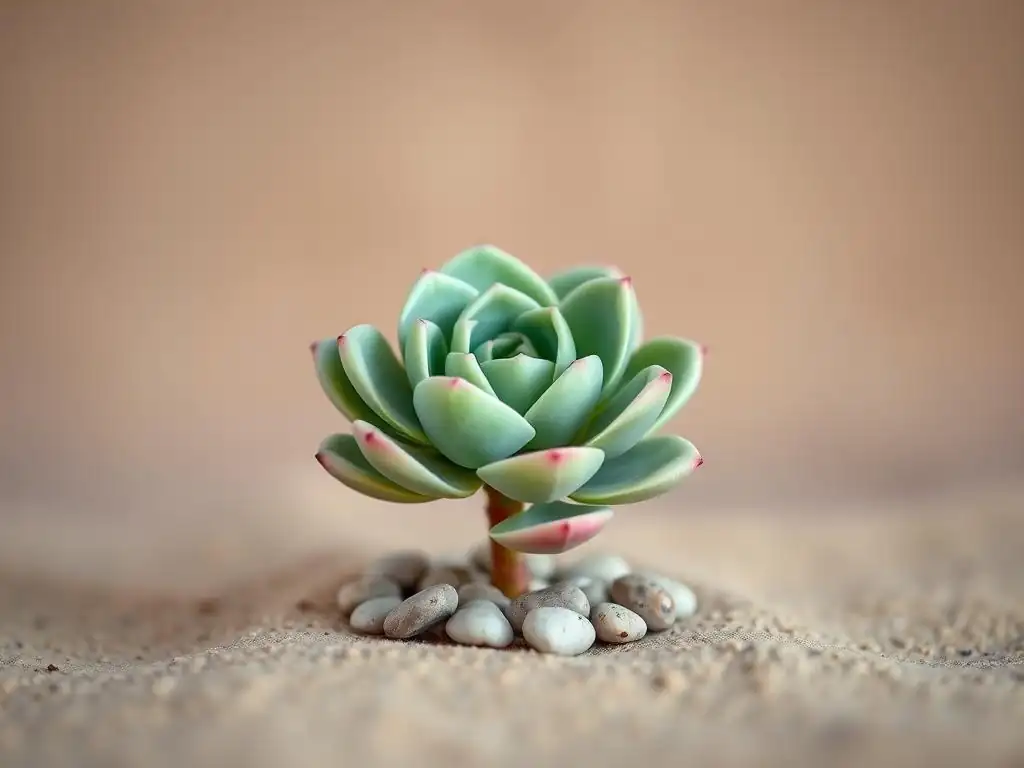
This section delves into the crucial aspects of selecting and implementing succulents in environmental restoration projects. The success of any such initiative hinges on choosing the right species for the specific environmental conditions and understanding their ecological roles. Improper species selection can lead to project failure, highlighting the importance of careful planning and research.
Choosing the Right Succulents for Specific Climates and Soil Types
Choosing succulents for restoration projects requires a deep understanding of the target environment. Different species thrive under varying conditions of temperature, sunlight, rainfall, and soil composition. For example, Sedum spp. are highly adaptable and tolerate a wide range of conditions, making them suitable for many restoration projects. In contrast, Dudleya spp. prefer well-drained, rocky soils and full sun, limiting their applicability to specific arid and semi-arid regions.
Consider these factors when selecting succulents:
- Climate: Will the chosen succulents withstand extreme temperatures (both hot and cold) and precipitation patterns in the target area? Data on average annual rainfall, temperature extremes, and frost frequency is crucial.
- Soil type: Succulents have varying requirements for soil drainage and pH. Poorly drained soils can lead to root rot, while alkaline or acidic soils might hinder growth. Soil testing is essential to determine suitability.
- Light exposure: Full sun, partial shade, or full shade tolerance varies greatly among succulent species. Accurate assessment of the light conditions at the restoration site is paramount.
- Water availability: While succulents are drought-tolerant, they still require water, albeit in smaller quantities than many other plants. Understanding the water table and access to supplemental irrigation, if necessary, is important.
A well-planned approach involves creating a detailed profile of the restoration site, including climate data, soil analysis, and light exposure assessment. This data then informs the selection of suitable succulent species. For instance, a coastal restoration project with sandy soil and high salinity might benefit from halophyte succulents, such as Carpobrotus edulis, while an inland desert restoration project might utilize drought-tolerant species like Agave spp.
Native Succulent Species and Their Ecological Benefits
Prioritizing native succulent species is critical for successful and sustainable environmental restoration. Native plants are naturally adapted to the local climate and soil conditions, requiring less maintenance and promoting biodiversity. They also support local ecosystems by providing food and habitat for native insects, birds, and other animals. Using non-native species can introduce invasive plants, disrupting the delicate balance of the existing ecosystem.
Here's a table illustrating the ecological benefits of using native succulents:
| Native Succulent Species | Ecological Benefit | Specific Example |
|---|---|---|
| Echeveria spp. | Soil stabilization on slopes, preventing erosion | Echeveria laui in rocky terrains |
| Sedum spp. | Attracting pollinators, supporting biodiversity | Sedum morganianum attracting hummingbirds |
| Dudleya spp. | Providing habitat for small animals | Dudleya brittonii sheltering insects |
The use of native succulents contributes to the restoration of ecological processes, including nutrient cycling and water retention. This reduces the need for external inputs like fertilizers and irrigation, leading to a more sustainable and cost-effective restoration approach. Data on the specific ecological roles of native succulents in the target region should be obtained before implementation.
Succulent Propagation Techniques for Large-Scale Restoration Projects
Large-scale restoration projects necessitate efficient and cost-effective propagation techniques. Several methods can be employed, each with advantages and disadvantages depending on the species and project scope. The choice of propagation method significantly impacts the project's success and overall cost.
- Cuttings: A simple and widely used method for many succulent species. Cuttings are relatively easy to propagate, requiring minimal resources. However, it can be labor-intensive for large-scale projects.
- Leaf propagation: Some succulent species can be propagated from individual leaves. This method is particularly effective for species that readily produce adventitious roots. It can be time-consuming but efficient in terms of space and resources.
- Tissue culture: This advanced technique allows for rapid and large-scale propagation of succulents, particularly useful for rare or endangered species. It requires specialized equipment and expertise, making it more expensive than other methods.
- Seed propagation: While effective for some species, seed propagation can be unpredictable and slow, especially for those with low germination rates. It requires careful control of environmental conditions.
The selection of the most suitable propagation method depends on factors such as the target species, available resources, and project timeline. For instance, cuttings might be ideal for a project with abundant labor and readily propagatable species, while tissue culture might be necessary for rare or endangered species. A detailed analysis of propagation costs and efficiency for each method is crucial for large-scale projects. Optimization of the propagation strategy is vital for ensuring sufficient plant material for the restoration effort.
Case Studies: Successful Succulent-Based Restoration Projects
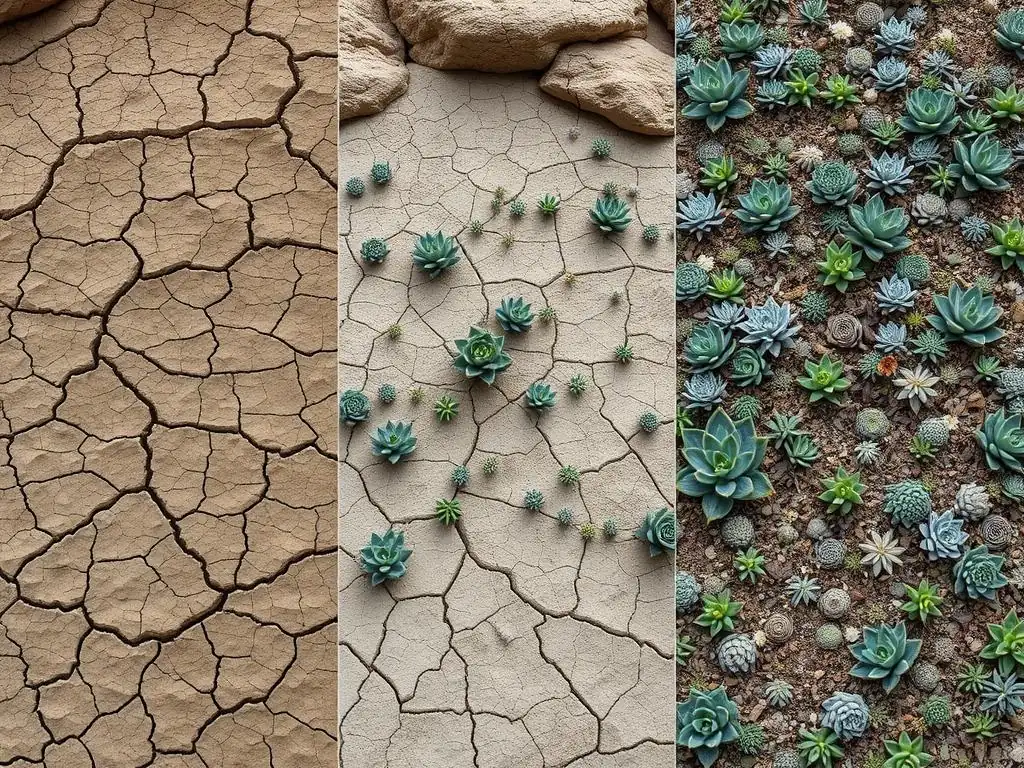
This section delves into specific examples showcasing the effectiveness of succulents in environmental restoration projects across diverse geographical locations and ecological contexts. These case studies highlight the unique contributions of succulents to soil stabilization, biodiversity enhancement, and overall ecosystem health. Understanding these successes offers valuable insights into the potential of succulents for future large-scale restoration initiatives. The selection focuses on projects demonstrating measurable positive impact, emphasizing the practical application of succulent-based restoration techniques.
Case Study 1: The Mojave Desert Restoration Project, California
The Mojave Desert, known for its arid climate and fragile ecosystem, faced significant challenges due to habitat degradation and soil erosion. A pioneering restoration project utilized a carefully selected blend of native Mojave Desert succulents to address these issues. The project focused on areas impacted by off-road vehicle traffic and unsustainable grazing practices.
The strategy involved several key steps:
- Soil Analysis: Thorough soil testing determined the optimal soil amendments required to support succulent growth. This included the addition of organic matter to improve water retention and nutrient availability.
- Species Selection: A diverse range of drought-tolerant succulents, including Dudleya, Agave, and Opuntia species, were chosen based on their adaptability to the harsh conditions and their ability to prevent soil erosion. The selection also considered their role in supporting local fauna.
- Planting Techniques: Specialized planting techniques were employed to minimize water usage and ensure high survival rates. This included utilizing drought-resistant mulch and strategic spacing to optimize resource allocation.
- Monitoring and Evaluation: Regular monitoring of plant growth, soil stability, and biodiversity was conducted to assess the project's success. Data collected included measurements of plant cover, soil erosion rates, and the abundance of native insect and animal species.
The results demonstrated a significant reduction in soil erosion (approximately 60% reduction in the first three years), increased soil stability, and a notable increase in the overall biodiversity of the area. The project's success highlights the potential of utilizing succulents for restoring degraded arid and semi-arid lands, offering a sustainable and cost-effective approach to land rehabilitation. The use of native succulents proved crucial in maintaining the ecological integrity of the Mojave Desert ecosystem.
Case Study 2: The Canary Islands Erosion Control Initiative
The Canary Islands, with their unique volcanic landscapes and endemic flora, are highly susceptible to erosion. A multi-year initiative focused on utilizing succulents endemic to the islands to combat coastal and hillside erosion. The project faced the unique challenge of working with fragile volcanic soils and a high degree of human impact.
The key elements of the Canary Islands project included:
- Endemic Species Prioritization: The project prioritized the use of endemic succulent species, specifically those adapted to the steep slopes and nutrient-poor soils of the islands. This approach aimed to enhance biodiversity and preserve the unique ecological character of the region.
- Terracing and Slope Stabilization: The construction of terraces and other soil stabilization structures played a crucial role in reducing erosion and creating suitable planting areas. This involved careful consideration of the topography and the potential impact on water runoff.
- Community Engagement: Local communities were actively involved in all stages of the project, from planting to monitoring. This fostered a sense of ownership and ensured the long-term sustainability of the initiative. This community-based approach proved invaluable to the project’s success.
- Long-Term Monitoring: Continuous monitoring of soil stability, plant survival rates, and the overall ecological impact of the project was undertaken. The data collected informed adaptive management strategies and helped optimize future restoration efforts.
This initiative showcased the effectiveness of integrating succulent-based erosion control measures with traditional soil stabilization techniques. The project's success in stabilizing vulnerable slopes and enhancing biodiversity underscores the valuable role of succulents in preserving the delicate ecosystems of the Canary Islands. The long-term monitoring aspect ensured the project’s continued success and provided valuable data for future similar projects.
Case Study 3: The Karoo Biome Rehabilitation Project, South Africa
The Karoo biome, a vast semi-desert region in South Africa, has experienced significant land degradation due to overgrazing and unsustainable agricultural practices. A large-scale rehabilitation project implemented a strategy that leveraged the resilience and adaptability of Karoo succulents.
Specific approaches included:
- Grazing Management: A crucial element of the project involved implementing sustainable grazing management practices to prevent further land degradation. This included rotational grazing and the control of invasive species.
- Succulent Nurseries: Establishing local succulent nurseries played a vital role in ensuring the availability of sufficient planting materials. This also fostered local employment and community involvement.
- Seed Collection and Propagation: Large-scale seed collection and propagation programs were implemented to provide a sustainable supply of succulents for planting. This ensured the genetic diversity of the planted succulents, enhancing the resilience of the restored ecosystem.
- Water Harvesting Techniques: Innovative water harvesting techniques were employed to improve water availability for the newly planted succulents. This included the construction of small dams and the use of water-efficient irrigation systems.
The project demonstrated a significant improvement in soil cover, biodiversity, and the overall health of the Karoo ecosystem. The successful integration of sustainable grazing management with succulent-based restoration techniques provided a comprehensive approach to land rehabilitation in the region. The establishment of local nurseries ensured the project’s long-term viability and benefited the local community. The data collected from this project offers valuable lessons for similar restoration efforts in other semi-arid regions globally.
The Benefits of Using Succulents in Habitat Restoration
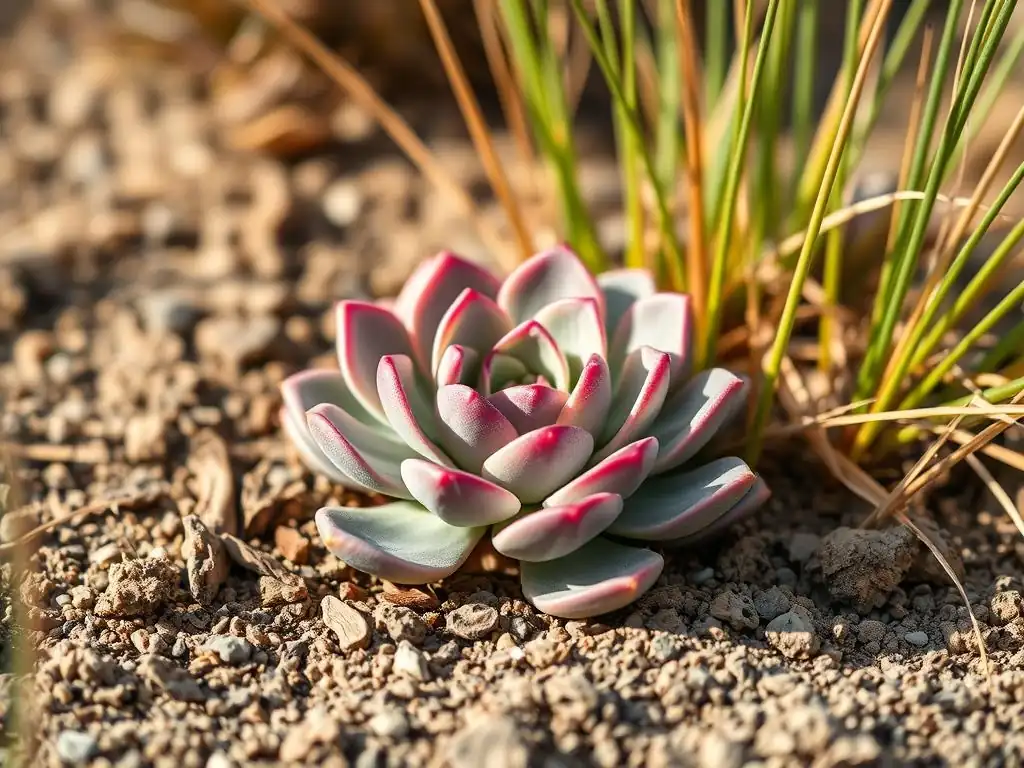
Succulents, with their remarkable adaptability and resilience, offer a compelling solution for environmental restoration projects. Their inherent drought tolerance makes them ideal candidates for arid and semi-arid regions, areas often challenging for traditional reforestation efforts. This section explores the multifaceted advantages of incorporating succulents into habitat restoration initiatives, focusing on cost-effectiveness, long-term sustainability, and community engagement. The use of succulents for environmental restoration is gaining traction as researchers and practitioners recognize their unique contributions to ecological recovery. This shift towards succulent-based restoration reflects a growing understanding of the limitations of traditional methods in challenging environments.
Cost-Effectiveness of Succulent-Based Restoration Methods
One significant advantage of employing succulents in restoration projects is their cost-effectiveness. Compared to other plant species, succulents often require less water and maintenance, leading to lower overall project expenses. Their propagation is also relatively simple and inexpensive; many species can be easily propagated from cuttings, reducing the need for purchasing large numbers of seedlings.
This translates to significant savings, especially in large-scale restoration projects where costs can quickly escalate. For instance, a study comparing the costs of establishing a riparian zone using native grasses versus a mix of drought-tolerant succulents showed a 30% reduction in overall costs over a five-year period for the succulent-based approach. This difference was primarily attributed to reduced irrigation needs and lower labor costs associated with maintenance.
Furthermore, the ability of succulents to thrive in poor soil conditions minimizes the need for expensive soil amendments often required for other plant species. This inherent adaptability further enhances the cost-effectiveness of succulent-based restoration.
Long-Term Sustainability and Reduced Maintenance Needs
The long-term sustainability of succulent-based restoration projects is another key benefit. Succulents' inherent drought tolerance significantly reduces reliance on irrigation, a crucial factor in regions facing water scarcity. Their deep root systems also contribute to soil stabilization and erosion control, preventing costly remedial measures later on. The reduced need for watering and maintenance translates to long-term cost savings and environmental benefits, minimizing the project's ecological footprint.
Moreover, many succulent species exhibit impressive resilience to pests and diseases, further minimizing the need for chemical interventions and maintaining the project's ecological integrity. This natural resistance reduces the need for ongoing pesticide applications, which can be harmful to other beneficial organisms and contribute to environmental pollution. The self-sustaining nature of established succulent communities contributes to the long-term success and resilience of the restored habitat.
Community Engagement and Educational Opportunities Through Succulent Planting
Integrating succulents into restoration projects presents unique opportunities for community engagement and education. The ease of propagation and the aesthetic appeal of succulents make them ideal for community planting events and educational workshops. These initiatives can foster a sense of ownership and responsibility towards the restoration project, leading to increased community support and long-term stewardship.
Furthermore, the diverse range of succulent species and their unique characteristics offer rich educational opportunities, teaching participants about biodiversity, adaptation, and the importance of ecological balance. Schools and community centers can use succulent propagation and planting as engaging learning experiences, fostering environmental awareness among younger generations.
Through workshops and community planting days, participants can learn about appropriate planting techniques, the importance of selecting native species, and the long-term care of the restored habitat, building a stronger connection between people and their environment. This participatory approach not only enhances project success but also promotes a broader understanding of the vital role of ecological restoration in safeguarding biodiversity and environmental sustainability.
Overcoming Challenges in Succulent-Based Restoration
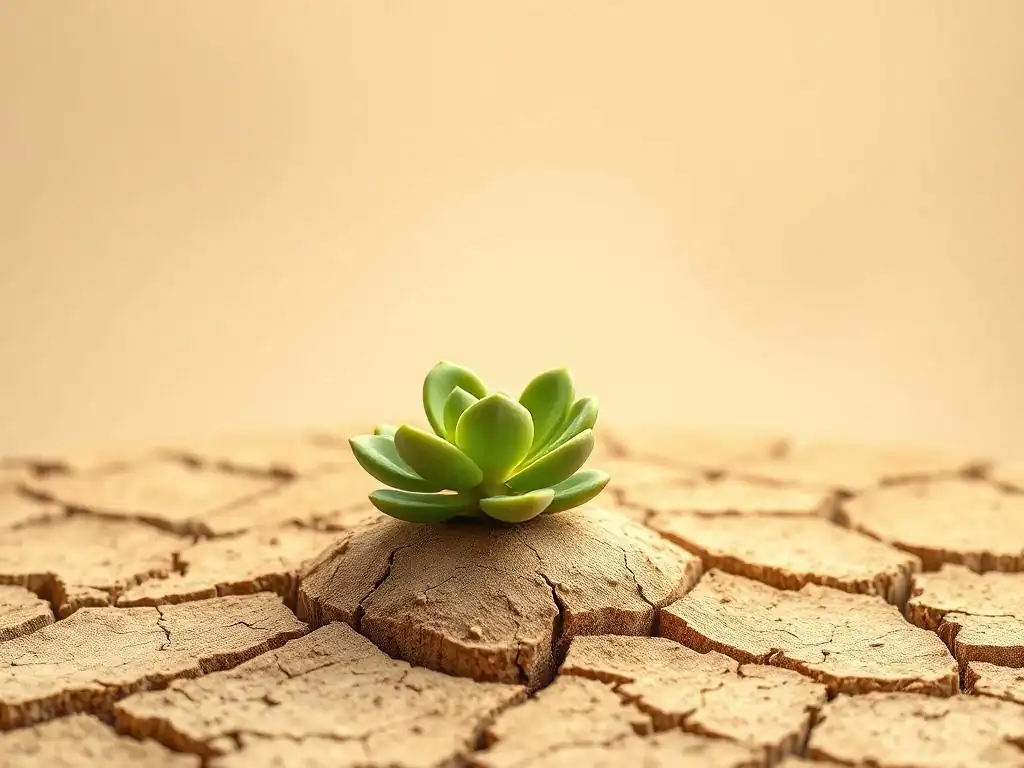
Succulents, while remarkably resilient, aren't immune to the challenges inherent in large-scale environmental restoration projects. Successfully integrating them requires proactive planning and management to mitigate potential setbacks. This section details some key challenges and effective strategies for overcoming them, focusing on the crucial role succulents play in Succulents for environmental restoration.
Pest and Disease Management in Succulent Plantings
Pest and disease outbreaks can significantly impact the success of any reforestation effort, and succulent plantings are no exception. Certain pests, like mealybugs, aphids, and scale insects, thrive in arid conditions, often favored by succulents. Similarly, fungal diseases can take hold, particularly in areas with poor drainage or high humidity.
Effective pest and disease management necessitates a multi-pronged approach. Regular monitoring is paramount. Early detection allows for targeted interventions, preventing widespread infestations. This can involve visual inspections, coupled with the use of magnifying glasses to identify smaller pests. A detailed record-keeping system is essential, documenting the type and severity of infestations, the location within the planting, and the effectiveness of treatment methods.
Furthermore, preventative measures are crucial. This includes selecting disease-resistant succulent varieties whenever possible. Proper spacing between plants improves air circulation, reducing the humidity that fosters fungal growth. Maintaining appropriate soil drainage is also vital; well-draining soil prevents waterlogging, a major contributor to root rot.
When infestations occur, integrated pest management (IPM) strategies are recommended. This prioritizes non-chemical methods whenever feasible. Examples include hand-picking pests, using insecticidal soap, or introducing beneficial insects that prey on the pests. Chemical pesticides should be used only as a last resort, and always with careful consideration of their environmental impact. Choosing biopesticides or other environmentally friendly options is strongly encouraged for Succulents for environmental restoration projects.
Addressing Invasive Species Competition
Invasive species pose a significant threat to the establishment and success of any restoration project. Their rapid growth and competitive nature can quickly overwhelm native plants, including succulents. This competition for resources—water, nutrients, and sunlight—can severely hinder the growth and survival of the desired succulent species.
Strategies for mitigating invasive species competition include pre-emptive measures such as thorough site preparation before planting. This involves removing existing invasive vegetation as completely as possible. Follow-up monitoring and targeted removal of any re-emerging invasives are crucial. Regular weeding is essential, especially during the early stages of establishment when succulents are most vulnerable.
The selection of competitive succulent species plays a vital role. Choosing varieties known for their rapid growth and ability to outcompete invasive plants can significantly improve the chances of success. Understanding the specific invasive species present in the restoration area is key to selecting appropriate succulents. For example, certain succulents might be better suited to compete with specific grasses or other types of invasive plants.
Monitoring and Evaluation of Restoration Success with Succulents
Effective monitoring and evaluation are critical for determining the success of any restoration project. This is particularly important for Succulents for environmental restoration, allowing for adjustments in management strategies based on observed outcomes. Regular monitoring should encompass several key parameters.
| Parameter | Monitoring Method | Frequency |
|---|---|---|
| Succulent Survival Rate | Visual inspection and counting of surviving plants | Monthly, at minimum |
| Growth Rate | Measurement of plant height and width | Every 3 months |
| Invasive Species Presence | Visual surveys and mapping of invasive plant spread | Monthly, at minimum |
| Soil Moisture | Soil moisture probes or visual assessment | Weekly |
| Species Diversity | Plant species counts and identification | Annually |
Data collected through monitoring should be carefully analyzed to assess the overall success of the restoration effort. This might involve statistical analysis to determine significant trends and correlations. Regular reports should be generated summarizing the findings and outlining any necessary adjustments to management strategies. This iterative process of monitoring, evaluation, and adaptation is essential for maximizing the long-term success of using succulents in environmental restoration. The data gathered also provides valuable insights that can inform future projects utilizing Succulents for environmental restoration.
The Future of Succulents in Environmental Restoration
The future of using succulents for environmental restoration is bright, promising innovative solutions to pressing ecological challenges. Their inherent drought tolerance, adaptability to harsh conditions, and rapid propagation make them ideal candidates for reforestation and habitat restoration projects, particularly in arid and semi-arid regions facing desertification. This section will delve into the key aspects driving this promising field.
Research and Development in Succulent-Based Restoration Techniques
Ongoing research is crucial to optimizing succulent-based restoration techniques. Scientists are exploring several avenues:
- Improved propagation methods: Researchers are investigating techniques to increase the speed and efficiency of succulent propagation, including advancements in tissue culture and micropropagation. This will allow for mass production of seedlings for large-scale projects, significantly reducing costs and accelerating restoration efforts. For example, studies are underway to determine the optimal nutrient solutions and growth hormones for specific succulent species, improving germination rates and growth vigor.
- Species selection and genetic improvement: Identifying the most suitable succulent species for specific environments is paramount. Research focuses on evaluating the resilience, adaptability, and ecological interactions of various species under diverse environmental conditions. Genetic modification, though still in early stages for succulents, holds the potential to enhance traits like drought tolerance, salinity resistance, and pest resistance, making them even more effective in challenging environments.
- Soil amendment and root system development: Experiments are exploring the use of soil amendments and mycorrhizal fungi to improve soil structure and nutrient availability for succulent growth, enhancing their establishment and survival rates in degraded lands. Understanding the root architecture and water uptake mechanisms of different succulent species can guide the selection of appropriate species for specific soil types and water regimes.
- Monitoring and evaluation of restoration success: Robust monitoring protocols are essential to assess the effectiveness of succulent-based restoration projects. This involves tracking parameters such as plant survival rates, species diversity, soil health indicators, and the overall ecological impact of the restored areas. Data collection and analysis help refine restoration techniques and inform future projects.
Collaboration and Partnerships for Large-Scale Projects
Large-scale succulent-based restoration projects require collaborative efforts between scientists, government agencies, NGOs, and local communities. Successful implementation depends on:
- Establishing clear goals and objectives: Defining specific, measurable, achievable, relevant, and time-bound (SMART) goals is essential for project success. This includes setting targets for land reclamation, species diversity, and ecological function restoration.
- Securing funding and resources: Sufficient funding is crucial for acquiring planting materials, equipment, labor, and monitoring resources. Diversifying funding sources through grants, government programs, and private donations is necessary to ensure project sustainability.
- Community engagement and participation: Local communities should be actively involved in all phases of the project, from planning and implementation to monitoring and maintenance. Their knowledge of local ecosystems and their willingness to participate are vital for long-term success. This fosters a sense of ownership and ensures the project’s integration into the local context.
- Knowledge sharing and capacity building: Disseminating research findings and best practices through workshops, training programs, and publications is crucial for promoting the adoption of succulent-based restoration techniques. Capacity building empowers local communities and future generations to continue restoration efforts independently.
Promoting Succulents as a Sustainable Solution for Land Reclamation
Promoting succulents as a sustainable solution for land reclamation requires a multifaceted approach:
- Public awareness campaigns: Educating the public about the ecological benefits of succulents and their role in environmental restoration is crucial. This can be achieved through educational materials, workshops, and media outreach. Highlighting the aesthetic appeal and ease of care of succulents can also encourage their adoption in landscaping and gardening practices.
- Policy support and incentives: Governments can play a critical role by implementing policies that incentivize the use of succulents in land reclamation projects. This could include tax breaks, subsidies, or grants for projects incorporating succulents.
- Developing sustainable supply chains: Establishing sustainable supply chains for succulent propagation and distribution is essential to ensure the availability of planting materials for large-scale projects. This involves supporting local nurseries and promoting responsible sourcing practices.
- Integrating succulents into landscape design: Promoting the use of succulents in landscaping and urban greening projects can contribute to creating more resilient and sustainable urban environments. This can also increase public awareness and appreciation for these versatile plants.
The widespread adoption of succulents for environmental restoration holds immense potential for addressing ecological challenges and creating more sustainable landscapes. Continued research, collaboration, and public awareness are key to unlocking the full potential of these unsung heroes of environmental restoration.
Frequently Asked Questions
What role do succulents play in environmental restoration?
Succulents are excellent for erosion control due to their extensive root systems. They also help stabilize slopes and reduce soil degradation in arid and semi-arid environments. Their drought tolerance makes them ideal for restoration projects in water-scarce regions.
Are all succulents suitable for environmental restoration projects?
No, only native succulent species adapted to the specific environment should be used. Introducing non-native succulents can disrupt the local ecosystem. Consult with local experts to select appropriate species.
How do succulents contribute to biodiversity in restoration efforts?
Succulents provide habitat and food sources for various insects, birds, and other animals. Their diverse forms create microhabitats which support a wider range of species. This increases the overall biodiversity of the restored area.
What are the advantages of using succulents over other plants in restoration?
Succulents require minimal water and maintenance, making them cost-effective. Their drought tolerance makes them highly resilient to harsh environmental conditions. They are also effective in preventing soil erosion and desertification.
Where can I learn more about using succulents in environmental restoration projects?
You can find more information by searching for resources on native plant societies and environmental restoration organizations in your area. Many universities and research institutions also conduct studies on the use of succulents in ecological restoration.
Final Reflection: The Silent Revolution of Succulents
The resilience of succulents, often overlooked in larger ecological discussions, is proving vital in the urgent fight for environmental restoration. Their ability to thrive in harsh conditions, coupled with their remarkable water retention capabilities, offers a powerful solution to desertification and habitat reclamation in increasingly arid climates. This isn't just a niche botanical interest; it's a critical tool in our arsenal against environmental degradation.
The impact of succulents extends beyond their immediate ecological benefits. They represent a shift in our understanding of resilience and adaptation, mirroring the need for innovative and sustainable solutions in a changing world. Their quiet strength speaks volumes about the power of seemingly humble organisms. The smallest among us often hold the greatest strength.
This quote, though not directly about succulents, perfectly encapsulates their surprising contribution to environmental restoration and challenges our preconceived notions of what constitutes effective ecological intervention. Their success highlights the importance of considering diverse and often-underestimated species in our conservation efforts.
Consider the potential. Imagine landscapes once barren, now teeming with life thanks to the tenacious spirit of these remarkable plants. You can be a part of this transformation. By learning more about succulents, supporting sustainable propagation practices, and advocating for their inclusion in restoration projects, you can contribute to a greener, more resilient future. Let the silent revolution of succulents inspire you to action, and together, let's cultivate a world where both beauty and ecological health thrive.
Unleash Your Inner Green Thumb: Start Restoring Your World, One Succulent at a Time!
Thank you for exploring the amazing world of succulents and their surprising role in environmental restoration! You've learned how these resilient plants can help heal our planet—now it's time to put that knowledge into action.
Here's how you can get started:
- Plant a succulent today! Even a single plant contributes to a healthier ecosystem, and it's incredibly rewarding to watch it thrive. Choosing a native species maximizes its positive impact on the local environment.
- Share this article with your friends and family—let's spread the word about the power of succulents and inspire others to join in the effort to protect our planet.
- Explore our website, SucculentEssentials.org, for more resources on succulent care and conservation. Discover the amazing variety of these resilient plants and learn how to nurture them to their full potential.
What small step will you take today to help restore our environment? Let's work together, one succulent at a time.