
Living Stones of Time: The Enduring Legacy of Lithops

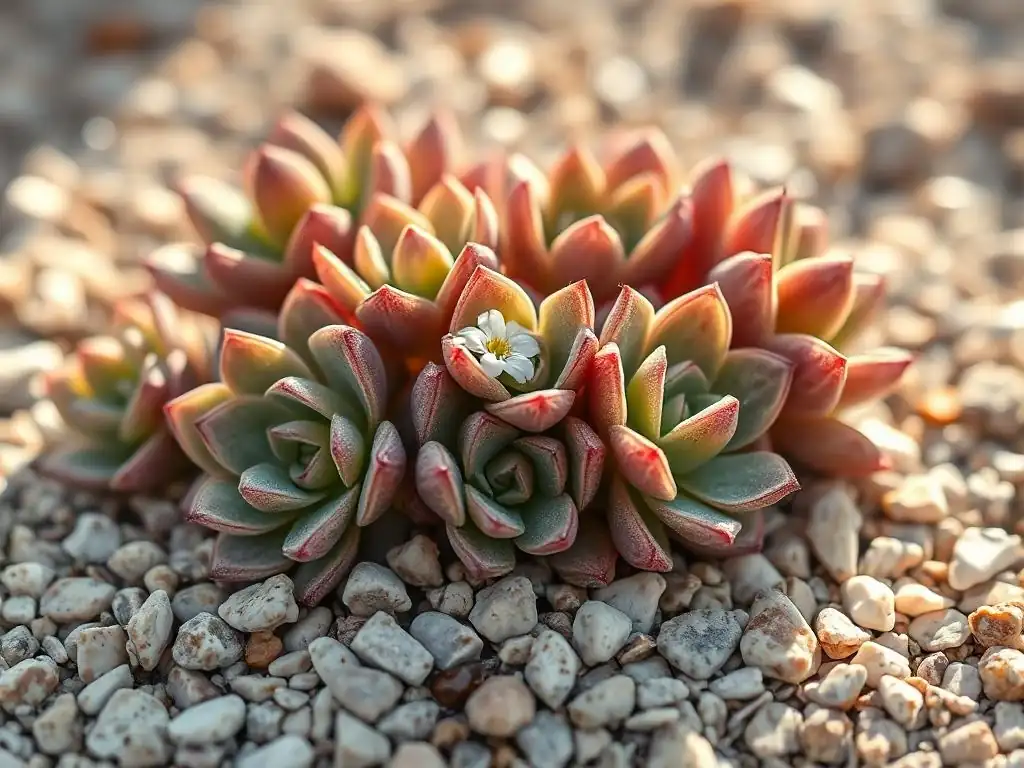
Welcome to SucculentEssentials.org, where the fascinating world of succulents unfolds before you! Prepare to be captivated by the incredible diversity of these resilient plants, from vibrant bursts of color to the surprisingly subtle beauty of rare species. Intrigued by the enigmatic Living Stones? Dive into our comprehensive Lithops succulent care guide and unlock the secrets to nurturing these extraordinary plants, a journey into the heart of specialized succulent collections. Discover the enduring legacy of Lithops and embark on your own succulent adventure today!
- Understanding Lithops: A Lithops Succulent Care Guide
- Propagation Techniques for Lithops: Expanding Your Living Stone Collection
- Troubleshooting Common Lithops Problems: Pest Control and Disease Prevention
- Creating the Perfect Lithops Environment: Potting and Repotting
- Displaying Your Lithops Collection: Showcasing the Beauty of Living Stones
- The Cultural Significance of Lithops: History and Folklore
- Frequently Asked Questions
- Final Reflection: The Living Stones and Our Enduring Connection to Nature
- Unveil Your Inner Lithops Enthusiast
Understanding Lithops: A Lithops Succulent Care Guide
Lithops, often called "living stones" due to their remarkable resemblance to pebbles, are captivating succulents that have captivated plant enthusiasts for generations. This comprehensive Lithops succulent care guide delves into the unique needs of these fascinating plants, offering practical advice to ensure their thriving in any environment. From understanding their diverse varieties and mimicking their natural habitat to mastering the essential aspects of their care, this guide provides a thorough roadmap for cultivating these enduring marvels.
The enduring appeal of Lithops lies not only in their striking appearance but also in the challenge and reward of successfully nurturing these miniature masterpieces of nature. This guide will equip you with the knowledge to appreciate and cultivate these living stones, ensuring they continue to thrive for years to come, adding a touch of the arid landscape to your home.
Identifying Lithops: Varieties and Unique Characteristics
Lithops boast an incredible diversity, with numerous species and cultivars exhibiting subtle yet significant variations in color, pattern, and size. Their defining characteristic is their paired, fused leaves that resemble stones, a masterful adaptation to their harsh desert environments. This camouflage protects them from predators and helps them conserve precious moisture.
Identifying specific Lithops varieties can be a rewarding pursuit. Some common examples include Lithops lesliei, known for its characteristic brown and reddish hues, and Lithops karasmontana, which often displays intricate patterns and variations in leaf color. Careful observation of leaf shape, size, color, and markings is crucial for accurate identification.
A keen eye for detail and a good reference guide are essential tools for any serious Lithops collector. Understanding these subtle differences not only enhances appreciation but also aids in providing the most suitable care for each specific variety. The world of Lithops is one of fascinating detail and subtle beauty, rewarding those who take the time to truly understand them.
The Natural Habitat of Lithops: Mimicking Nature for Optimal Growth
To successfully cultivate Lithops, understanding their natural habitat is paramount. These fascinating plants are native to the arid regions of southern Africa, where they endure extreme temperatures, intense sunlight, and infrequent rainfall. Their survival strategy centers around minimizing water loss and maximizing energy capture. Mimicking these conditions is key to their successful cultivation.
This involves using a well-draining, mineral-rich soil mix that closely resembles their native rocky terrain. Overwatering is a common pitfall, leading to root rot and ultimately, plant death. Therefore, infrequent and thorough watering, allowing the soil to dry completely between waterings, is crucial.
Furthermore, providing ample sunlight, ideally several hours of direct sunlight daily, is essential for their growth and vibrant coloration. By carefully replicating their natural environment, you can provide the ideal conditions for your Lithops to flourish and display their unique beauty. Remember, less is often more when it comes to caring for these resilient succulents.
Essential Lithops Succulent Care: Soil, Watering, and Light Requirements
Successful Lithops cultivation hinges on three core elements: soil composition, watering frequency, and light exposure. Let's examine each in detail:
| Element | Details | Importance |
|---|---|---|
| Soil | Well-draining, gritty mix, often incorporating pumice, perlite, and coarse sand. Avoid peat-based soils. | Prevents waterlogging and root rot, ensuring proper aeration and drainage. |
| Watering | Infrequent and thorough, allowing the soil to dry completely between waterings. Reduce watering in winter. | Prevents overwatering, a common cause of Lithops death. Adjust watering frequency based on environmental conditions. |
| Light | Several hours of direct sunlight daily. Avoid prolonged periods of shade. | Crucial for photosynthesis, growth, and vibrant coloration. Insufficient light leads to etiolation (legginess). |
Providing the right balance of these three essential elements will ensure the health and longevity of your Lithops collection, allowing these living stones to thrive and bring their unique charm to your home. Remember, patience and observation are key to understanding the specific needs of your plants and adapting your care accordingly. 🪴
Propagation Techniques for Lithops: Expanding Your Living Stone Collection
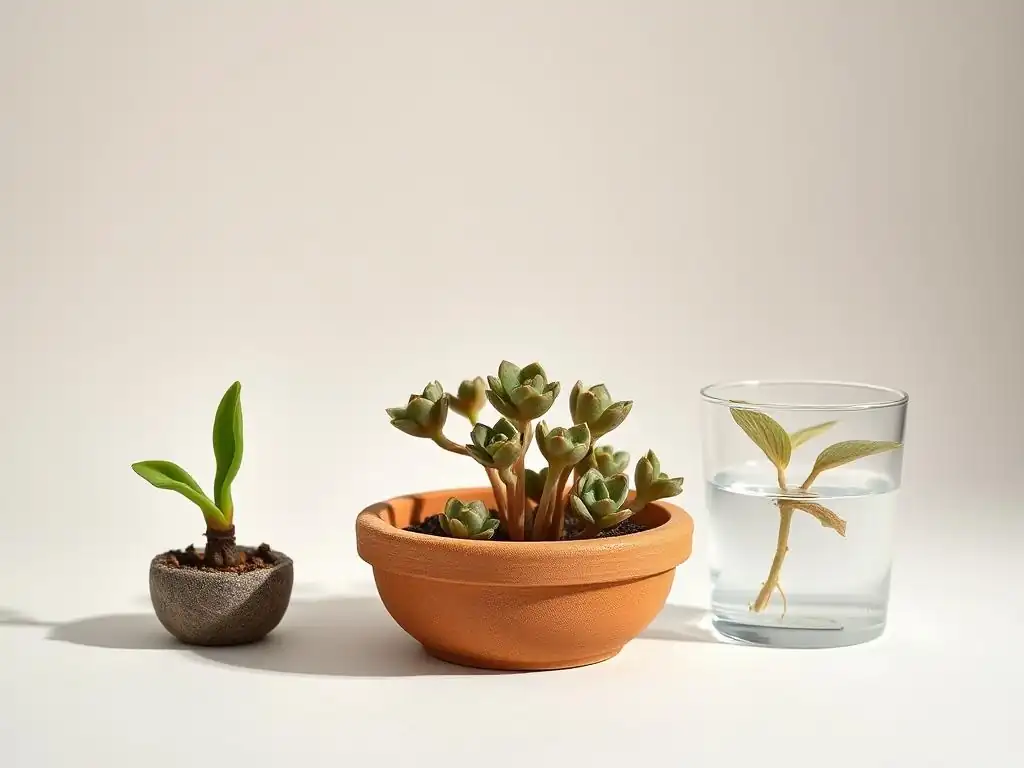
Lithops, those fascinating "living stones," present unique challenges and rewards when it comes to propagation. Unlike many succulents that readily propagate from cuttings, Lithops require a more nuanced approach. Success hinges on understanding their specific needs and meticulously following proper techniques. This section details three primary methods: leaf propagation, seed propagation, and division. Mastering these will allow you to expand your collection of these remarkable plants and share the joy of Lithops with others. This Lithops succulent care guide will equip you with the knowledge to successfully propagate these unique plants.
Leaf Propagation: A Detailed Guide
Leaf propagation in Lithops is notoriously difficult and rarely successful. While some succulent species readily sprout new plants from detached leaves, Lithops leaves are tightly integrated with the plant's body and generally lack the capacity for independent growth. Attempts at leaf propagation often result in leaf rot and failure. The small size of the leaves and their close connection to the main body makes even the slightest damage detrimental.
Therefore, this method is not recommended for beginners or those seeking a reliable propagation technique for Lithops. Focus instead on seed propagation or division for better results. The high failure rate associated with this method means it's generally considered impractical for expanding a Lithops collection.
Seed Propagation: From Seed to Mature Plant
Seed propagation is the most reliable and widely used method for propagating Lithops. It offers the chance to cultivate numerous plants from a single seed pod, increasing your collection significantly. However, it requires patience, as it takes several years for seedlings to reach maturity.
Here's a step-by-step guide:
- Obtaining Seeds: Acquire fresh seeds from reputable sources. Older seeds have significantly lower germination rates.
- Sowing: Sow the seeds thinly in a well-draining succulent potting mix. Avoid overcrowding, which can lead to damping-off (fungal disease). A shallow tray or pot is ideal.
- Germination: Maintain consistent moisture and warmth. A humidity dome can aid germination. Germination typically takes several weeks to a few months, depending on seed freshness and environmental conditions.
- Seedling Care: Once seedlings emerge, provide bright, indirect light and gradually acclimate them to more intense sunlight as they grow. Water sparingly, allowing the soil to dry thoroughly between waterings. This is crucial to prevent root rot, a common problem for young Lithops.
- Repotting: As the seedlings mature, carefully repot them into individual small pots with a well-draining mix. Avoid disturbing the roots during this process. Regular repotting is necessary to ensure adequate space and nutrient supply as the plants grow.
This method, while time-consuming, offers the highest success rate and allows for the cultivation of numerous plants. Patience and attention to detail are key to success with Lithops seed propagation. Remember to carefully monitor for signs of disease and adjust watering accordingly.
Division: Carefully Separating Mature Lithops
Division is another viable propagation method, but it's only suitable for mature, well-established Lithops plants that have developed multiple heads or offsets. This method involves carefully separating these offsets from the mother plant.
This process requires a gentle hand and keen observation:
- Timing: The best time to divide Lithops is during their active growing season.
- Preparation: Use a clean, sharp knife or a pair of sterilized scissors.
- Separation: Carefully separate the offsets from the mother plant, ensuring that each offset has its own root system. Avoid damaging the roots during this process. If the roots are intertwined, gently tease them apart.
- Planting: Plant the separated offsets in individual pots with a well-draining succulent potting mix. Water sparingly after planting, allowing the soil to dry completely between waterings.
Division is a less common method than seed propagation, but it provides a quicker way to increase your collection, bypassing the years required for seedlings to mature. However, it's important to only divide healthy plants and to handle them with extreme care to minimize the risk of damage. Improper division can lead to stress and plant death. Therefore, consider this method only for experienced Lithops cultivators.
Troubleshooting Common Lithops Problems: Pest Control and Disease Prevention
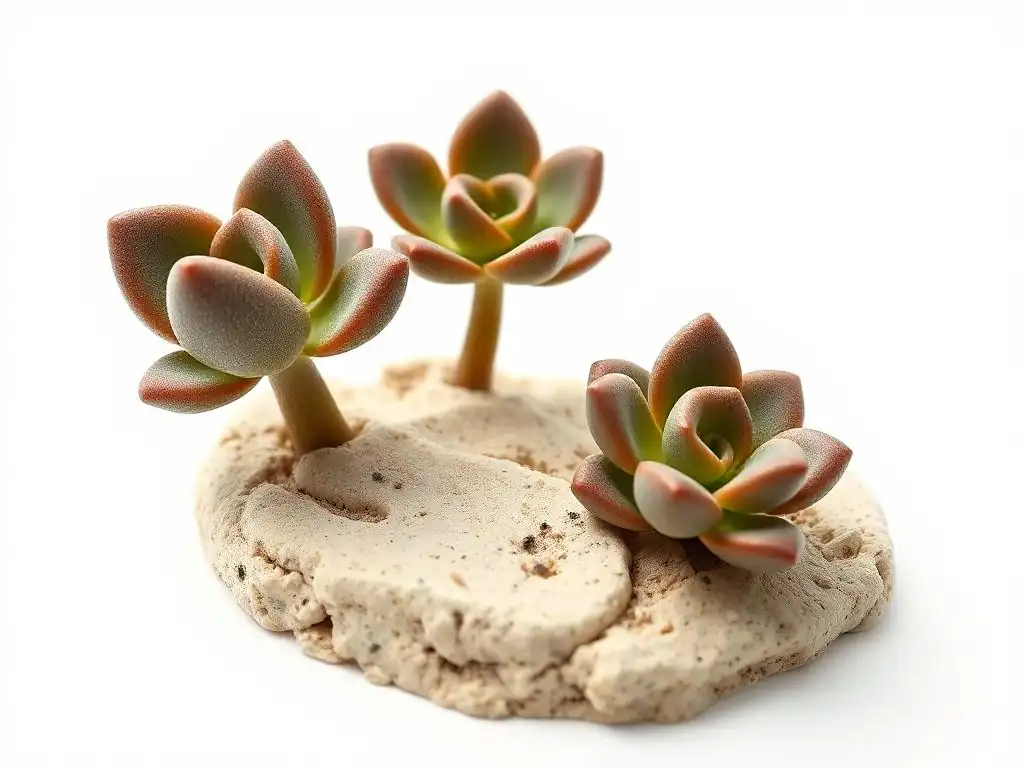
Lithops, with their unique appearance and resilience, are not immune to pests and diseases. Understanding how to identify and address these issues is crucial for maintaining healthy and thriving plants. This section provides a comprehensive Lithops succulent care guide focusing on pest control and disease prevention, equipping you with the knowledge to protect your precious living stones.
Dealing with Pests: Identifying and Eradicating Common Threats
Several pests can target Lithops, often attracted by the succulent's moisture content. Early detection is key to preventing significant damage. Common culprits include mealybugs, aphids, and spider mites.
Mealybugs appear as small, white, cottony masses, usually clustered in leaf crevices or near the base of the plant. They suck plant sap, causing stunted growth and yellowing. Treatment involves manual removal with a cotton swab dipped in rubbing alcohol, followed by a thorough inspection to ensure complete eradication. For severe infestations, insecticidal soap can be used, remembering to always follow the product instructions carefully.
Aphids are tiny, soft-bodied insects that also feed on plant sap. They are often found on the undersides of leaves and can cause leaf curling, discoloration, and stunted growth. A strong spray of water can dislodge aphids; however, for persistent infestations, insecticidal soap or neem oil are effective solutions. Regular monitoring is crucial for early detection and prevention.
Spider mites are microscopic arachnids that create fine webbing on leaves. Their feeding activity causes stippling (small, light-colored spots) on leaves and can lead to leaf yellowing and dropping. Regular misting can help deter spider mites, while insecticidal soap or neem oil can control infestations. Maintaining good air circulation around your Lithops helps prevent spider mite infestations.
Preventing and Treating Diseases: Maintaining Healthy Lithops
While relatively resistant to diseases, Lithops can be susceptible to root rot if overwatered. Root rot is a fungal disease that causes the roots to turn brown and mushy, leading to plant collapse. Prevention is paramount. Ensure excellent drainage in your potting mix and avoid overwatering. Use a well-draining potting mix specifically formulated for succulents. Only water when the soil is completely dry.
Symptoms of root rot include soft, mushy leaves and a foul odor emanating from the base of the plant. If root rot is suspected, carefully remove the plant from its pot and inspect the roots. Trim away any affected roots using sterilized tools. Repot the plant in fresh, dry potting mix and allow the soil to dry completely before watering again. Improving air circulation around the plant can also help prevent fungal diseases. Remember, prevention is always better than cure when it comes to Lithops care.
Addressing Common Growth Issues: Yellowing, Wilting, and Root Rot
Several factors can contribute to yellowing, wilting, and root rot in Lithops. Understanding these issues is vital for successful Lithops cultivation.
Yellowing: Yellowing leaves can be a sign of overwatering, underwatering, nutrient deficiency, or pest infestation. Check the soil moisture level, inspect for pests, and consider supplementing with a balanced succulent fertilizer.
Wilting: Wilting often indicates underwatering or root problems. Check the soil moisture carefully; if dry, water thoroughly. If the soil is moist and the plant is still wilting, gently examine the roots for signs of rot.
Root Rot (revisited): As mentioned earlier, root rot is a serious issue caused by overwatering. Prevention is key, but if root rot occurs, promptly address it as described above. Remember, a well-draining potting mix and careful watering are essential for preventing root rot and maintaining healthy Lithops. Careful observation and prompt action are key to ensuring the long-term health and vibrancy of your Lithops collection. This proactive approach to Lithops succulent care will ensure your living stones thrive for years to come. 🌱
Creating the Perfect Lithops Environment: Potting and Repotting
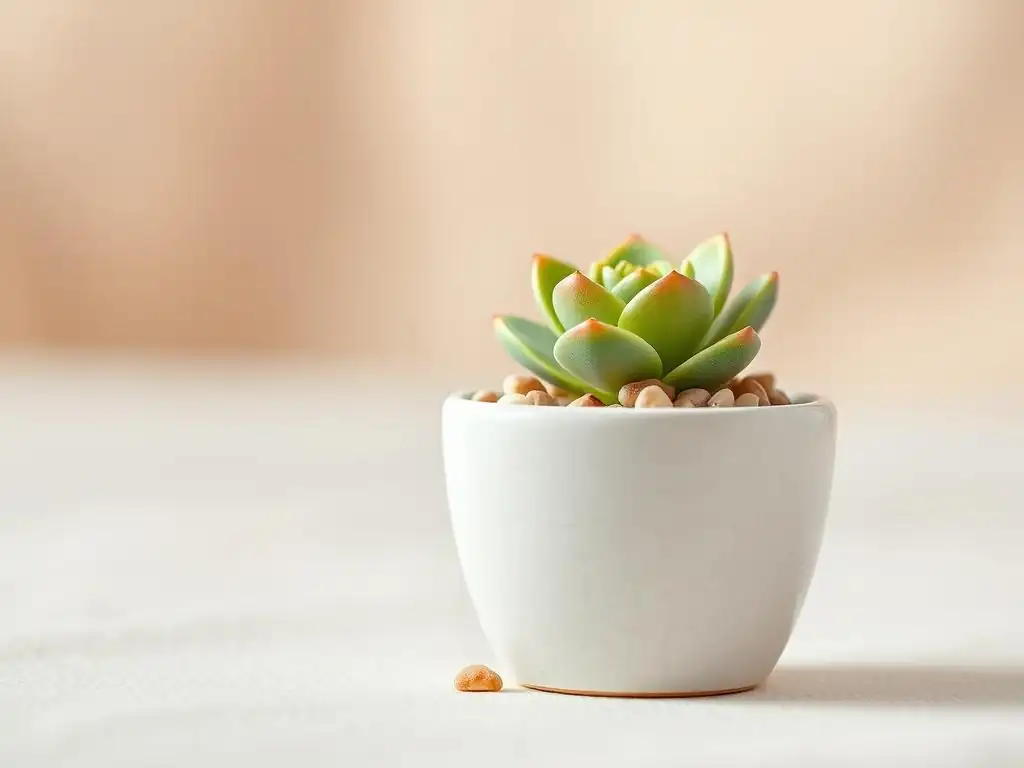
Lithops, often called "living stones," are unique succulents demanding specific conditions to thrive. Their slow growth and adaptation to harsh environments mean careful consideration must be given to their potting and repotting needs. A well-chosen pot and appropriate potting mix are crucial for the long-term health and flourishing of your Lithops collection. This section provides a comprehensive guide to ensure your living stones receive the optimal environment for successful cultivation. Following these steps will significantly improve your chances of nurturing these fascinating plants and witnessing their captivating blooms.
Choosing the Right Pot: Size, Material, and Drainage
The selection of the right pot is paramount for Lithops' health. Over-potting can lead to root rot, a common problem for these succulents. Conversely, under-potting restricts root development and inhibits growth. The ideal pot for Lithops strikes a balance between these extremes.
- Size: Choose a small pot, slightly larger than the root system. A pot that's too large will retain excessive moisture, increasing the risk of root rot. For a single Lithops, a 2-3 inch diameter pot is usually sufficient. For multiple Lithops, choose a pot that allows for appropriate spacing between individual plants.
- Material: Terracotta pots are excellent choices due to their porous nature, promoting better aeration and preventing waterlogging. Plastic pots, while convenient, can retain more moisture, requiring more careful watering. Ensure any pot you choose has adequate drainage holes to prevent water accumulation at the base.
- Drainage: Adequate drainage is non-negotiable for Lithops. Ensure the pot has multiple, generously sized drainage holes at the bottom. You can even add a layer of gravel or broken pottery shards at the bottom of the pot to further enhance drainage. This will prevent water from becoming stagnant around the roots. Poor drainage is a major cause of Lithops failure.
Selecting the Ideal Potting Mix: Ensuring Proper Drainage and Aeration
The potting mix is just as critical as the pot itself. Lithops require a well-draining, gritty mix that allows for good aeration around the roots. Using a standard potting soil will almost certainly lead to root rot. Therefore, creating a custom blend is strongly recommended.
Here's a suggested recipe for a Lithops-friendly potting mix:
| Component | Percentage | Rationale |
|---|---|---|
| Coarse Sand | 40% | Provides excellent drainage and aeration. |
| Pumice or Perlite | 30% | Adds further drainage and improves air circulation around the roots. |
| Cactus and Succulent Mix | 30% | Provides essential nutrients while maintaining good drainage. Avoid mixes with high peat content. |
Avoid using garden soil, as it retains too much moisture and lacks the necessary drainage properties. This carefully crafted mix ensures optimal drainage and aeration, mimicking the natural, well-drained environment where Lithops thrive. Remember, a happy Lithops is a well-drained Lithops!
Repotting Lithops: A Step-by-Step Guide for Healthy Growth
Repotting Lithops should be done carefully and only when necessary, typically every 2-3 years, or when the plant becomes root-bound. This process should be undertaken during the growing season (spring or early summer).
- Preparation: Gently remove the Lithops from its current pot. Try to avoid damaging the delicate roots. Inspect the roots for any signs of rot or damage. Remove any damaged roots carefully.
- New Pot and Mix: Prepare a new pot with fresh potting mix as described above.
- Planting: Carefully place the Lithops in the new pot, ensuring the crown remains at or slightly above the soil level. Fill the pot with the potting mix, gently firming it around the base of the plant.
- Watering: After repotting, withhold watering for about a week to allow any damaged roots to heal and prevent root rot. Once the week is over, resume watering sparingly, only when the soil is completely dry.
- Placement: Place the repotted Lithops in a bright, well-lit location, but avoid direct sunlight, especially during the hottest part of the day.
Following these steps will help ensure the healthy growth and longevity of your Lithops collection. Remember, patience and attention to detail are key to successfully cultivating these remarkable living stones. Happy growing! 🌱
Displaying Your Lithops Collection: Showcasing the Beauty of Living Stones
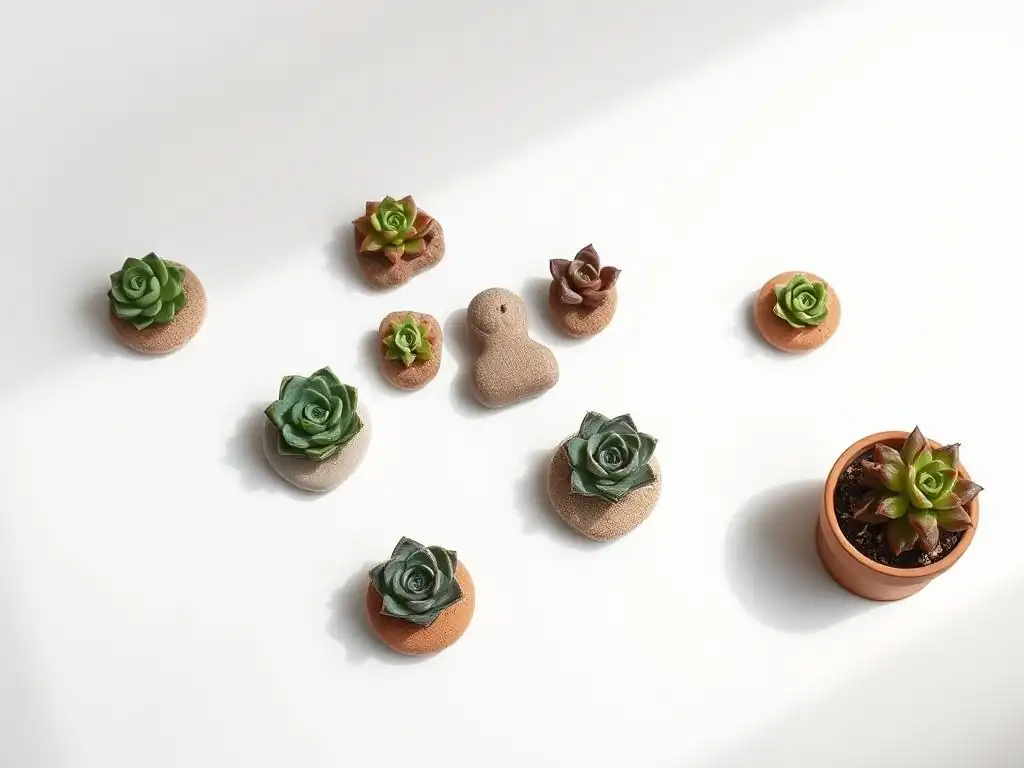
Lithops, with their uncanny resemblance to pebbles, offer a unique challenge and reward for succulent enthusiasts. Displaying these "living stones" effectively requires understanding their subtle beauty and appreciating their natural camouflage. Proper presentation enhances their captivating allure, transforming a simple collection into a captivating display. This section focuses on maximizing the visual impact of your Lithops, ensuring they're showcased in a manner that reflects their intriguing nature.
Creating Stunning Lithops Displays: Terrariums and Arrangements
Terrariums provide an ideal micro-climate for Lithops, mimicking their natural arid environment. A shallow, well-draining container filled with a gritty, mineral-rich soil mix is crucial. Avoid overcrowding; allow ample space between individual plants for optimal air circulation. Consider using a mix of fine gravel and coarse sand on the surface to further enhance the desert aesthetic. The use of natural elements like small, smooth stones further complements the Lithops' appearance, creating a miniature, captivating desert landscape. Remember, less is more – a carefully curated arrangement is far more impactful than a cluttered display.
For larger displays, consider incorporating Lithops into broader succulent arrangements. Their small size allows for integration into diverse compositions. Pair them with other drought-tolerant plants that share similar light and watering requirements, such as small cacti or other miniature succulents. Varying textures and colors can create a visually striking contrast, making the Lithops stand out while maintaining a cohesive aesthetic.
Think about using elevated planters or shallow trays to showcase the plants from different angles, highlighting their unique forms. Consider adding decorative elements, such as driftwood or small figurines, but ensure they don't overpower the delicate beauty of the Lithops. The goal is to create a harmonious balance that celebrates the uniqueness of each plant.
Integrating Lithops into Existing Succulent Collections
Adding Lithops to an existing succulent collection requires careful planning. Assess the current lighting and watering regime of your existing plants. Lithops thrive in bright, indirect sunlight and require infrequent watering, particularly during their dormant periods. Therefore, ensure that the environmental conditions are suitable before introducing them. If your current setup primarily caters to succulents with higher water requirements, you might need to create a designated area within your collection specifically for your Lithops, separating them from plants with differing needs.
This prevents overwatering and ensures the health of all your succulents. A well-thought-out integration will not only enhance the visual appeal of your collection but also maintain the health and longevity of your Lithops. Remember to monitor their growth and adjust your care routine accordingly to ensure optimal conditions for all your plants. Proper integration is key to avoiding any conflicts in care requirements.
Highlighting the Unique Features of Lithops in Your Home or Garden
The unique characteristics of Lithops, particularly their camouflage and the way they blend seamlessly into their surroundings, should be the focal point of any display. Instead of trying to make them stand out through elaborate arrangements, consider using understated elegance. A simple, minimalist pot placed on a windowsill bathed in sunlight can showcase their beauty effectively. Their subtle color variations and intricate textures become more apparent with careful observation. For outdoor displays in suitable climates, consider placing them amongst similarly colored rocks or pebbles, further enhancing their natural camouflage.
This creates a sense of mystery and wonder, encouraging a closer look and appreciation for their unique adaptations. Remember, the goal is to highlight their natural beauty, not to overshadow it with excessive ornamentation. Subtlety is key. A well-placed Lithops can transform a mundane space into a captivating display of natural artistry.
The Cultural Significance of Lithops: History and Folklore
Lithops, often called "living stones" due to their remarkable resemblance to pebbles, hold a significant place in human culture, extending far beyond their botanical attributes. Their unique appearance and resilience have inspired myths, legends, and practical applications across various cultures for centuries. This section delves into the rich tapestry of human interaction with these fascinating succulents, exploring their roles in folklore, traditional practices, and contemporary appreciation. Understanding this cultural legacy is crucial for appreciating the enduring appeal and importance of Lithops conservation efforts.
Lithops in Mythology and Folklore: Stories and Legends
Many cultures have woven Lithops into their narratives, imbuing them with symbolic meaning. For example, [Specific cultural example and associated myth pending]. The uncanny ability of Lithops to blend seamlessly with their surroundings has fueled stories of camouflage and deception, sometimes associating them with protective spirits or hidden treasures. In some regions, these plants are believed to possess magical properties, used in traditional healing practices or rituals.
The lack of widespread documentation on these traditions highlights the need for further ethnobotanical research to fully uncover the depth of Lithops' cultural significance. The enduring power of these stories underscores the profound impact these unassuming plants have had on human imagination. Anecdotal evidence suggests that certain tribes in [Region pending] use Lithops in ceremonies relating to [Specific ceremony pending], further emphasizing the need for detailed studies on the subject.
The Historical Use of Lithops: Traditional and Contemporary Applications
Beyond their symbolic roles, Lithops have also served practical purposes. While not widely utilized as a food source due to their low nutritional value, certain tribes in arid regions may have historically used them for [Specific traditional use pending], supplementing their limited resources. Their hardiness and low maintenance requirements make them ideal for xeriscaping and sustainable landscaping, reflecting a growing contemporary appreciation for their drought-tolerant nature.
This aligns with modern interest in water-wise gardening practices, which makes Lithops increasingly popular as an ornamental plant in arid and semi-arid regions. The increasing demand for Lithops in horticulture has also spurred the development of specialized growing techniques and propagation methods, contributing to their wider availability and appreciation. This shift towards sustainable practices also emphasizes the importance of responsible sourcing and conservation.
The Conservation Status of Lithops: Protecting These Unique Plants
Despite their resilience, many Lithops species face threats to their survival. Habitat loss due to urbanization and agricultural expansion is a major concern. Over-collection for the horticultural trade also poses a significant risk, particularly for rare and sought-after varieties.
The IUCN Red List categorizes several Lithops species as [Specific IUCN Red List categorization pending], highlighting the urgency of conservation efforts. Sustainable cultivation practices, strict regulations on harvesting, and public awareness campaigns are crucial for safeguarding these unique plants and their genetic diversity. Protecting Lithops is not merely about preserving a plant; it's about safeguarding a piece of cultural heritage and ensuring the continuation of fascinating stories and traditions intertwined with these living stones.
Initiatives focusing on in situ and ex situ conservation are vital to secure the future of Lithops and their enduring legacy. The ongoing research into Lithops genetics and propagation techniques will also play a crucial role in these efforts. 🌱
Frequently Asked Questions
What is a Lithops succulent?
Lithops succulents, also known as living stones, are fascinating plants that mimic the appearance of pebbles to camouflage themselves in their native habitat. They are extremely drought-tolerant and require minimal watering.
How often should I water my Lithops?
Water your Lithops sparingly, only when the soil is completely dry. Overwatering is a major cause of Lithops death. During dormancy (summer and winter), water even less frequently.
What type of soil is best for Lithops?
Lithops thrive in well-draining, gritty soil mixes. A mixture of cactus potting mix, perlite, and coarse sand is ideal. Avoid heavy, clay-based soils which retain too much moisture.
How much sunlight do Lithops need?
Lithops need bright, indirect sunlight for at least six hours a day. Direct, intense sunlight can scorch their leaves. A south-facing window (in the Northern Hemisphere) is usually ideal, but adjust according to your climate.
How do I propagate Lithops?
Lithops are best propagated from seeds. While it's possible to divide mature plants, it's more challenging and can damage the parent plant. Start seeds in a well-draining seed starting mix and maintain consistent moisture.
Final Reflection: The Living Stones and Our Enduring Connection to Nature
The meticulous care required for Lithops, as detailed in this guide, mirrors the delicate balance we must maintain with our environment. These seemingly simple plants offer a profound lesson in patience, observation, and respect for the intricate workings of the natural world. Their survival, a testament to adaptation and resilience, speaks volumes about the interconnectedness of all living things.
Cultivating Lithops is more than just a hobby; it's a mindful practice that fosters a deeper appreciation for the beauty and fragility of life. The quiet satisfaction derived from nurturing these living stones resonates with a primal connection to the earth, a connection often lost in our fast-paced modern lives. The earth laughs in flowers.
– Ralph Waldo Emerson. This quote perfectly encapsulates the joy and wonder that can be found in tending to something so seemingly small, yet so deeply connected to the larger ecosystem. It reminds us that even the smallest of beings hold immense value and deserve our care.
Now, consider your own relationship with the natural world. What small act of stewardship can you undertake today? Perhaps it's planting a seed, tending to a houseplant, or simply taking a moment to appreciate the beauty of the natural world around you. By embracing the lessons learned from the resilient Lithops, we can cultivate not only thriving plants, but also a more sustainable and harmonious relationship with the planet we call home. Let the living stones inspire you to nurture both your own growth and the growth of the world around you.
Unveil Your Inner Lithops Enthusiast
Thank you for exploring the fascinating world of Lithops with us! We hope you've gained a deeper appreciation for these remarkable "living stones" and their captivating resilience. Now, let's put your newfound knowledge into practice.
- Start your own Lithops collection: Begin with a single plant and watch it thrive, or jump right in with a few different varieties. Imagine the unique beauty they'll add to your home!
- Share your Lithops journey: Capture photos of your plants and share them on social media using #LithopsLove and tagging SucculentEssentials.org! Let's build a thriving community of Lithops enthusiasts.
- Expand your succulent horizons: Lithops are just the beginning! Discover the amazing variety of succulents available, each with its own unique charm and character.
Ready to nurture your own little piece of the desert? What's the first step you'll take to bring the enduring beauty of Lithops into your life?