
EcoConscious Watering: Sustainable Tools & Techniques for Succulents

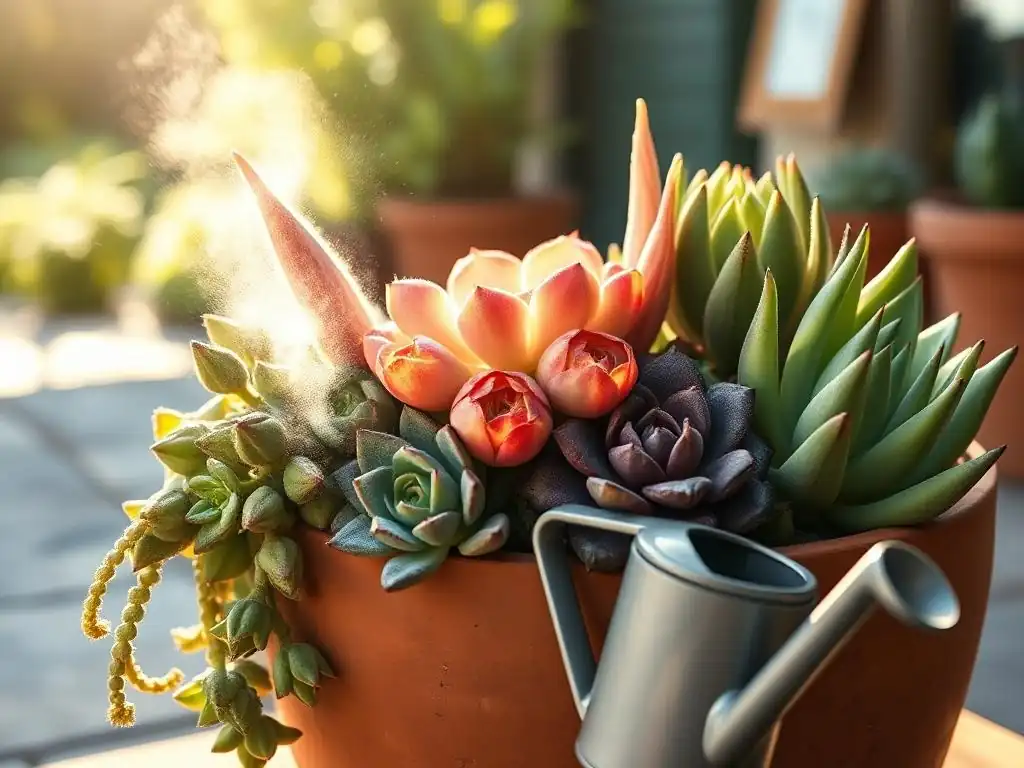
Welcome to SucculentEssentials.org, your gateway to the fascinating world of succulents! Are you ready to unlock the secrets to thriving, vibrant plants while embracing eco-friendly practices? Discover sustainable succulent watering methods that will transform your approach to plant care, ensuring your collection flourishes for years to come. Dive into our Expert Buying Guides and Product Reviews and learn how to choose the right tools and techniques for a greener, healthier succulent lifestyle. Let's cultivate a thriving oasis, together!
- Understanding Water-Wise Succulent Care: The Basics of Sustainable Watering
- Eco-Friendly Watering Tools for Thriving Succulents
- Sustainable Watering Techniques for Optimal Succulent Growth
- Choosing the Right Soil for Water Retention and Drainage
- Water Conservation Strategies for a Greener Succulent Collection
- Eco-Friendly Products for Sustainable Succulent Care
- Troubleshooting Common Watering Issues in Succulents
- Frequently Asked Questions
- Final Reflection: The Ripple Effect of Conscious Watering
- Unleash Your Succulent's Inner Oasis: Sustainable Watering Wisdom
Understanding Water-Wise Succulent Care: The Basics of Sustainable Watering
Succulents, with their striking beauty and drought-tolerant nature, have captured the hearts of plant enthusiasts worldwide. However, even these desert dwellers require careful watering to thrive. This article delves into the crucial aspects of sustainable succulent watering, exploring eco-conscious tools and techniques that promote both plant health and environmental responsibility. We'll move beyond simple watering schedules and examine how to truly understand your succulents' needs, ensuring they receive the precise amount of water they require, minimizing waste and maximizing their growth.
This guide is designed for succulent lovers of all levels, from beginners learning the ropes to experienced collectors seeking to refine their watering practices for a more sustainable approach. We'll cover everything from recognizing signs of overwatering and underwatering to choosing the right watering tools and implementing effective, water-wise strategies. Let's cultivate a greener thumb, one succulent at a time! 🌱
Why Sustainable Watering Matters for Succulents
Sustainable succulent watering isn't just about saving water; it's about promoting the long-term health and vitality of your plants. Overwatering, a common problem among succulent enthusiasts, leads to root rot, a devastating condition that can quickly kill your plants. This not only results in the loss of your beloved succulents but also contributes to water waste. Conversely, underwatering can stress the plants, hindering their growth and making them more susceptible to pests and diseases.
Adopting sustainable practices ensures that your succulents receive the optimal amount of water, promoting robust growth while conserving this precious resource. Think of it as mindful hydration – providing just what's needed, when it's needed. This approach benefits not only your plants but also the environment, reducing your overall water footprint. Furthermore, sustainable watering often involves using less energy, as it may reduce the need for frequent and lengthy watering sessions.
Assessing Your Succulent's Water Needs: Soil Moisture and Plant Signals
Determining the right watering schedule for your succulents requires careful observation and understanding of their individual needs. The key lies in monitoring soil moisture and recognizing plant signals. Instead of relying on a fixed schedule, check the soil regularly using your finger. Insert your finger about an inch into the soil; if it feels dry, it's time to water. However, avoid overwatering by ensuring the soil is completely dry before watering again. Different succulents have different water requirements depending on their species, size, pot size, and growing conditions.
Consider these factors when assessing your plant's hydration needs. Furthermore, pay close attention to the plant itself. Signs of underwatering include shriveled leaves and a lack of turgor (firmness). Conversely, overwatering may manifest as mushy or rotting leaves and a foul odor from the soil. Learning to interpret these signals is crucial for successful, sustainable succulent care.
Recognizing Overwatering vs. Underwatered Succulents: Signs and Symptoms
Understanding the tell-tale signs of overwatering and underwatering is paramount for maintaining healthy succulents. Overwatering, often a result of well-meaning but misguided care, leads to root rot, a fatal condition caused by the suffocation of roots in consistently damp soil. Symptoms include mushy, discolored, or rotting leaves; a foul odor emanating from the soil; and a generally limp or wilted appearance, despite seemingly moist soil. In contrast, underwatering manifests as shriveled, wrinkled leaves that lack turgor; stunted growth; and a generally dry and brittle appearance.
The soil will be completely dry to the touch. To address overwatering, remove the succulent from its pot, examine the roots, and trim away any rotting sections. Repotting in dry, well-draining soil is crucial. For underwatering, simply water thoroughly, ensuring the water drains completely from the pot.
Regular monitoring and prompt action will help you prevent these problems and maintain the health and beauty of your succulent collection. Remember, prevention is key! By carefully observing your succulents and understanding their needs, you can effectively prevent both overwatering and underwatering, fostering a thriving and sustainable succulent garden.
Eco-Friendly Watering Tools for Thriving Succulents
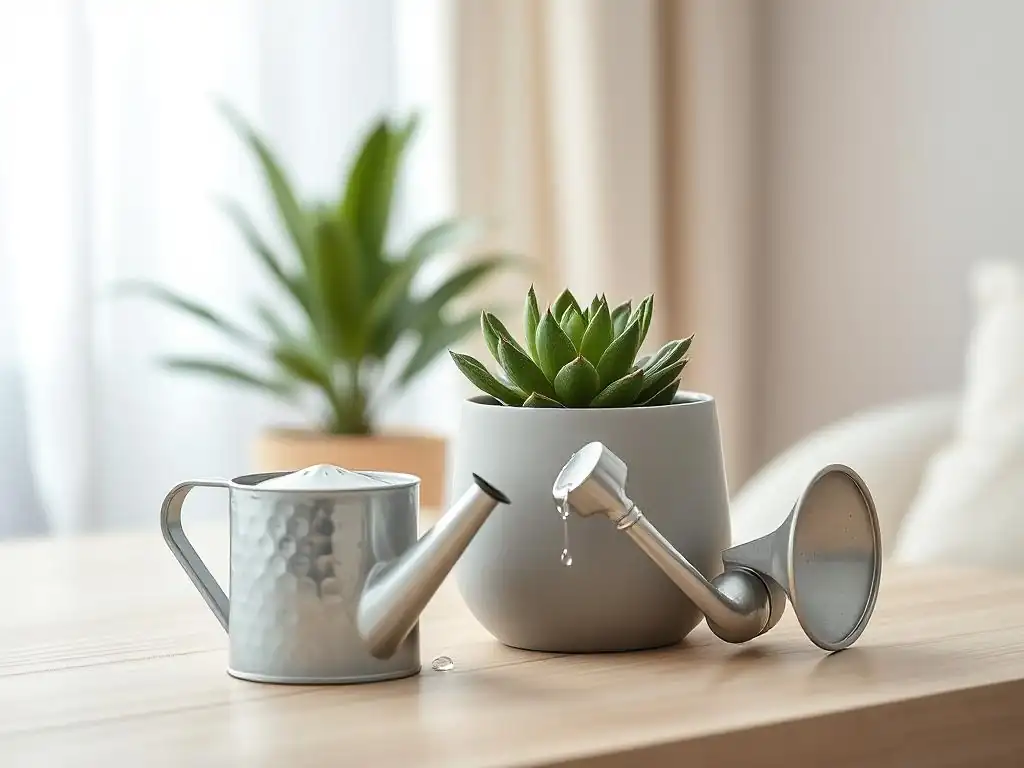
This section explores sustainable tools designed to optimize water usage while ensuring your succulents thrive. We'll delve into specific product types, highlighting their benefits and practical applications for achieving optimal succulent hydration while minimizing water waste. Choosing the right tools is crucial for implementing truly sustainable succulent watering methods.
The Best Watering Cans for Precise Succulent Hydration
Precise watering is paramount for succulents, preventing overwatering which can lead to root rot. Traditional watering cans often lack the control needed for these delicate plants. However, several eco-conscious options provide the necessary precision. Look for watering cans made from recycled materials, such as recycled aluminum or plastic. Features to prioritize include:
- Rose head sprayers: These distribute water gently, preventing soil erosion and ensuring even moisture.
- Long, thin spouts: Allow for targeted watering, reaching the base of the plant without wetting the foliage.
- Graduated markings: Enable accurate measurement of water volume, aiding in consistent watering practices.
Consider the capacity of the can based on your collection size. A smaller can (1-2 liters) is ideal for precise watering of individual plants or small arrangements, promoting mindful water usage. Larger cans are suitable for larger collections, but careful pouring is essential to avoid overwatering. Choosing a lightweight, ergonomic design will also reduce strain during watering.
Remember, even with the best watering can, sustainable succulent watering methods require observing your plants closely and adjusting your watering routine based on their needs and environmental conditions.
Soaker Hoses for Deep, Even Moisture: Benefits and Best Practices
Soaker hoses offer a sustainable alternative to overhead watering, delivering water directly to the roots. This minimizes evaporation and runoff, conserving water resources. For succulents planted in containers or in the ground, soaker hoses provide a gentle, consistent supply of moisture, encouraging healthy root development.
- Porous material: Look for hoses made from durable, porous materials that allow for even water distribution.
- Length and placement: Choose a hose length appropriate for your planting area. Place it carefully near the roots, avoiding direct contact with the plants to prevent fungal issues.
- Water pressure: Adjust the water pressure to a gentle flow to avoid waterlogging.
Soaker hoses are a game-changer for my succulent collection! I've noticed significantly less water waste and healthier plants since switching from traditional watering.
- A satisfied succulent enthusiast
Using soaker hoses is one crucial aspect of sustainable succulent watering methods, particularly when dealing with multiple plants or large containers. Proper placement and water pressure management are key to maximizing their efficiency and minimizing water waste.
Drip Irrigation Systems for Automated, Efficient Watering: Setup and Maintenance
For larger succulent collections or outdoor gardens, drip irrigation systems offer a highly efficient and automated watering solution. These systems deliver water directly to the roots, minimizing evaporation and runoff. They also allow for precise control over watering schedules and amounts.
| Component | Benefit | Maintenance |
|---|---|---|
| Drip emitters | Precise water delivery to individual plants | Regularly check for clogs and leaks. |
| Tubing | Delivers water to emitters | Inspect for damage or leaks. |
| Water timer | Automated watering schedule | Check batteries and program settings. |
| Water source | Connects to a water supply | Regular inspection and cleaning. |
Setting up a drip irrigation system involves careful planning and placement of the components. Consider the size and layout of your planting area, the water pressure, and the specific needs of your succulents. Regular maintenance, including checking for leaks and cleaning emitters, is essential for optimal performance and longevity. Implementing a drip irrigation system is a significant step towards sustainable succulent watering methods, especially for larger gardens or busy schedules. The initial investment translates into long-term water savings and healthier plants.
Self-Watering Pots and Planters: A Review of Top Options for Succulents
Self-watering pots and planters offer a fantastically convenient and sustainable approach to succulent watering. These innovative designs minimize water waste by allowing the plants to absorb moisture only as needed, reducing the frequency of watering and preventing overwatering, a common culprit in succulent demise. Several key features distinguish high-quality self-watering pots ideal for succulents.
Look for pots with a reservoir large enough to hold several days' worth of water, depending on the size of your succulent and the pot's material. Porous materials, while potentially beneficial for aeration, might lead to quicker evaporation from the reservoir, so consider the climate and your watering habits. A clear reservoir is beneficial, allowing for easy monitoring of water levels and preventing accidental overfilling.
Effective wicking systems are crucial. The system should efficiently transport water from the reservoir to the soil without creating overly saturated conditions. Some self-watering pots utilize a simple wicking method, while others incorporate more sophisticated systems. Choosing a pot with a well-designed wicking system ensures even moisture distribution to the roots, preventing root rot and promoting healthy growth. The best systems are designed with the specific needs of succulents in mind, recognizing their preference for well-draining soil and infrequent watering. This means the wicking system shouldn't be overly aggressive, potentially leading to soggy soil.
When choosing a self-watering pot for your succulents, consider the size and type of succulent. A small echeveria will require a much smaller reservoir than a large agave. The pot's material is also a factor; terracotta pots, while aesthetically pleasing, tend to dry out faster than plastic or ceramic ones.
The added benefit of a self-watering pot for succulents is the reduced need for frequent watering, leading to a significant reduction in water consumption compared to traditional methods. This aligns perfectly with sustainable gardening practices, conserving water and minimizing environmental impact. Many manufacturers are now focusing on sustainable materials for their self-watering pots, such as recycled plastics or biodegradable options.
Consider these eco-friendly choices to further enhance your sustainable succulent gardening practices. Remember to research reviews and compare different models before purchasing to find the perfect self-watering system for your succulents and your lifestyle. Careful consideration of these factors will ensure your succulents thrive while minimizing your environmental footprint.
Sustainable Watering Techniques for Optimal Succulent Growth
This section delves into effective and eco-conscious watering methods crucial for the healthy growth of your succulents. We'll explore techniques that minimize water waste and promote thriving plants, aligning with sustainable succulent care practices. Remember, the key to successful succulent watering is less frequent, deeper watering rather than frequent shallow watering. This prevents root rot and encourages deeper root growth, leading to more resilient plants. Choosing the right method depends on your specific succulent species, pot type, and environment.
Bottom-Watering Technique: A Deep-Moisture Approach for Succulents
Bottom-watering is a highly effective and sustainable method for succulents, particularly those in well-draining pots. This technique minimizes water waste and prevents the crown of the plant from getting wet, which can lead to rot. Instead of pouring water directly onto the soil, you submerge the pot's base in a reservoir of water for a specific duration.
The process involves placing the pot in a tray or container filled with a few inches of water. Allow the succulent to absorb water from the bottom for 15-30 minutes, or until the top layer of soil feels moist. Then, remove the pot from the water and allow any excess water to drain completely. This method ensures the soil is thoroughly saturated from the bottom up, promoting healthy root development.
Using bottom-watering reduces the risk of overwatering, a common problem for succulent enthusiasts. By allowing the plant to absorb water at its own pace, you ensure it receives the precise amount of moisture it needs. This method is particularly beneficial for clay pots, which are naturally porous and allow for better drainage and aeration. Monitoring the soil moisture is crucial; you might need to adjust the soaking time based on the pot size, soil type, and the size of your succulent. Avoid letting the roots sit in standing water for extended periods.
Top-Watering Technique: The Right Way to Water from Above
While bottom-watering is preferred for many succulent varieties, top-watering can also be a sustainable approach if done correctly. The key is to avoid overwatering and to ensure proper drainage. Top-watering involves gently pouring water onto the soil surface, ensuring the water reaches the entire root system. However, it's crucial to avoid getting the crown (the central part of the plant) wet, as this increases the risk of fungal diseases and rot.
When top-watering, use a gentle stream of water to avoid disturbing the soil and washing away essential nutrients. Water until you see water draining from the drainage holes at the bottom of the pot. This indicates that the soil is thoroughly saturated. Allow any excess water to drain completely before returning the pot to its usual location. Avoid watering succulents during the hottest part of the day, as this can cause water to evaporate quickly and potentially scorch the leaves. Early morning or late evening is ideal.
Top-watering is best suited for succulents planted in well-draining pots with ample drainage holes. The type of soil used is also crucial; a well-draining cactus and succulent potting mix is essential to prevent waterlogging. Regularly inspecting the soil moisture levels will help you determine when your succulents require watering. Remember, less frequent, deeper watering is better than frequent shallow watering.
Rainwater Harvesting for Succulents: Collecting and Utilizing Natural Resources
Rainwater harvesting presents a highly sustainable and eco-friendly approach to watering your succulents. Rainwater is naturally soft and lacks the chemicals often found in tap water, which can harm your plants over time. Collecting rainwater requires minimal effort and can significantly reduce your reliance on municipal water sources.
Several methods exist for collecting rainwater. You can use simple containers such as buckets, barrels, or even repurposed plastic bins to collect rainwater from rooftops or other suitable surfaces. Ensure that the collection containers are clean and free of debris to prevent contamination. A simple filter can be added to remove larger particles. Once collected, rainwater can be stored for later use. However, it’s important to store it in a clean container in a shaded area to prevent algae growth and contamination.
Using rainwater for your succulents contributes to water conservation and reduces your environmental impact. It's a cost-effective alternative to tap water, and the natural pH of rainwater often proves beneficial for succulent growth. Remember to monitor the water quality and ensure it remains clean and free from pollutants. While rainwater harvesting is an excellent sustainable practice, it's still crucial to monitor your succulents for signs of underwatering or overwatering, regardless of the water source. Combining rainwater harvesting with efficient watering techniques, such as bottom-watering, maximizes its benefits.
Mulching Techniques to Retain Moisture and Suppress Weeds
Mulching is a cornerstone of sustainable succulent watering, offering a multifaceted approach to conserving water and improving soil health. By applying a layer of mulch around your succulents, you create a microclimate that significantly reduces evaporation from the soil surface. This is crucial for succulents, which are adapted to arid conditions and can easily suffer from overwatering. The right mulch acts as a natural barrier, shielding the soil from the sun's harsh rays and preventing rapid moisture loss.
Several materials make excellent mulch for succulents. For instance, gravel provides excellent drainage while simultaneously suppressing weed growth and moderating soil temperature fluctuations. Its inorganic nature prevents it from decomposing and releasing nutrients that could potentially over-fertilize your succulents. The size of the gravel is important; smaller gravel tends to pack down more, potentially hindering drainage, whereas larger gravel allows for better aeration. Experiment to find the ideal size for your succulent species and pot size.
Another effective option is crushed volcanic rock, which offers similar benefits to gravel but often has a more aesthetically pleasing appearance, complementing the colors and textures of many succulent varieties. Its porous nature helps to regulate moisture levels, allowing excess water to drain while retaining sufficient humidity for optimal growth. This type of mulch is particularly suitable for succulents that thrive in well-drained, slightly alkaline soils.
Organic mulches, like fine bark chips or coconut coir, also have their place, but require careful consideration. While they can improve soil structure and fertility over time, they can also decompose, potentially leading to nutrient imbalances or attracting pests and diseases if not managed properly. Organic mulches also tend to retain more moisture than inorganic options, which could be detrimental to succulents susceptible to root rot. If using organic mulch, ensure good drainage and monitor your succulents closely for signs of overwatering. A thin layer is crucial to avoid creating a waterlogged environment.
The application of mulch is straightforward. Simply spread a layer of your chosen material around the base of your succulents, leaving some space between the mulch and the stems to prevent rot. The ideal thickness will depend on the type of mulch and the climate; a layer of about 1-2 inches is generally sufficient.
Regularly inspect the mulch layer for signs of compaction or weed growth, and replenish or adjust as needed to maintain its effectiveness. By employing proper mulching techniques, you'll significantly enhance the efficiency of your watering practices and contribute to the long-term health and sustainability of your succulent collection. This contributes directly to sustainable succulent watering methods, reducing water waste and promoting healthier plants.
Choosing the Right Soil for Water Retention and Drainage
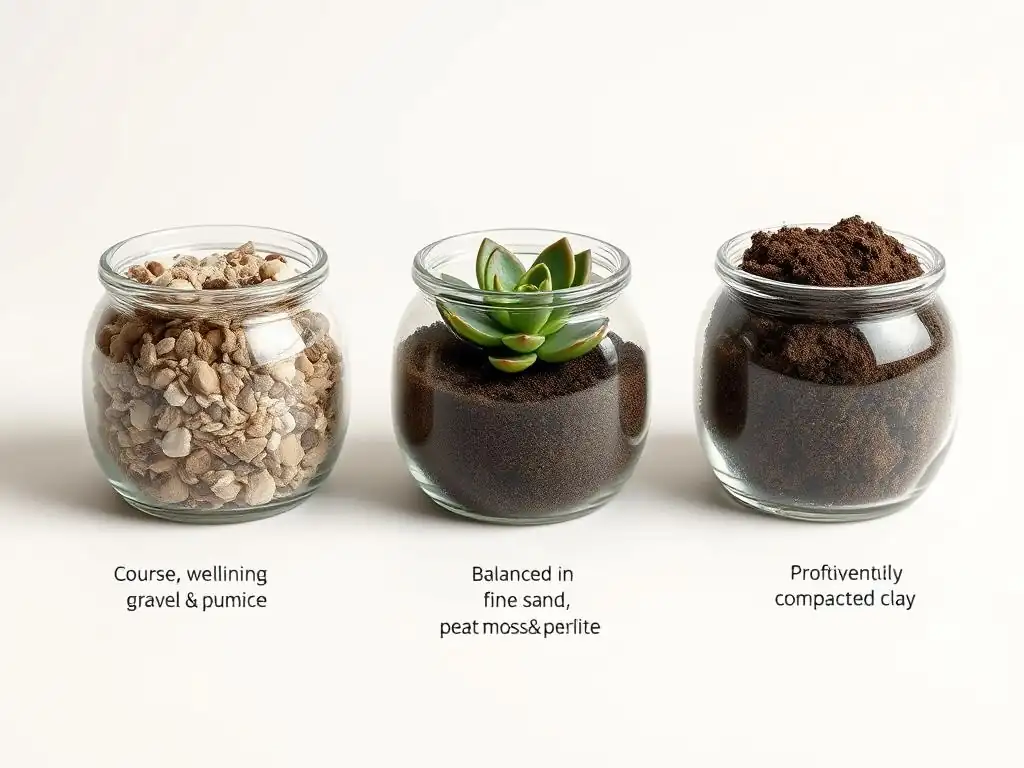
Selecting the appropriate soil is paramount for sustainable succulent watering. The ideal soil blend balances water retention, preventing desiccation, with excellent drainage, avoiding root rot – a common succulent killer. Overwatering, often a result of poorly draining soil, is a leading cause of succulent demise. Sustainable succulent watering methods begin with understanding the soil's crucial role. This section explores the key characteristics of ideal succulent soil and how to achieve that balance. Remember, the goal isn't to keep the soil constantly moist, but to provide a medium that allows for efficient water uptake and prevents waterlogging.
Importance of Well-Draining Soil for Succulent Health
Well-draining soil is the cornerstone of healthy succulents. Succulents, adapted to arid and semi-arid climates, are not designed to sit in soggy soil. Poor drainage leads to root rot, a fungal infection that quickly suffocates the roots, preventing nutrient and water absorption. Symptoms include mushy, brown roots and a limp, wilting plant.
Even if you practice careful watering, poorly draining soil will negate your efforts. The soil should allow excess water to drain quickly, preventing the roots from remaining saturated. This is crucial for sustainable succulent watering because it ensures the plants receive only the water they need, minimizing waste and preventing disease. Think of it this way: a well-draining soil acts as a natural irrigation system, delivering water to the roots without causing water stress or rot.
Best Soil Mixes for Succulents: Commercial Brands and DIY Recipes
Several commercial brands offer pre-mixed succulent and cactus potting mixes. These often include perlite, vermiculite, and peat moss, which contribute to good drainage and aeration. However, carefully check the ingredient list to ensure the mix is suitable. Some commercial mixes may contain too much peat moss, which can retain too much moisture.
Alternatively, creating your own succulent soil mix offers greater control and customization. A popular DIY recipe combines:
- 2 parts potting soil: Provides essential nutrients.
- 1 part perlite: Improves drainage and aeration.
- 1 part coarse sand: Enhances drainage and prevents compaction.
This recipe provides a good balance of water retention and drainage, catering to the specific needs of succulents. Remember to always use coarse sand, as fine sand can compact and impede drainage. Experimentation is key; you may need to adjust the proportions based on your climate and the specific succulent species. For instance, succulents in drier climates might benefit from a slightly higher proportion of sand, while those in more humid environments may require slightly more potting soil.
Adding Perlite and Pumice to Improve Drainage and Aeration
Perlite and pumice are essential components of well-draining succulent soil. Both are volcanic materials that provide excellent drainage and aeration. Perlite is lightweight and expands when heated, creating air pockets within the soil. Pumice, a more porous material, also enhances drainage and provides structural support.
Adding perlite and pumice to your succulent soil mix significantly improves its drainage and aeration. This prevents waterlogging, reduces the risk of root rot, and promotes healthy root development. Consider the following:
| Material | Benefits | Considerations |
|---|---|---|
| Perlite | Lightweight, excellent drainage and aeration | Can be dusty; use a mask when handling |
| Pumice | Porous, good drainage, structural support | Can be heavier than perlite; may affect pot weight |
| Combination | Optimized drainage and aeration | Offers the best of both worlds |
By incorporating these amendments, you optimize your soil for sustainable succulent watering, ensuring your plants thrive while minimizing water waste and environmental impact. Proper soil selection is the first step towards responsible and effective succulent care. 🌱
Water Conservation Strategies for a Greener Succulent Collection
Sustainable succulent watering methods are crucial for both the health of your plants and the preservation of our planet's resources. By adopting mindful watering practices, you can significantly reduce water consumption while ensuring your succulents thrive. This section delves into practical strategies to achieve this balance. We'll explore techniques that move beyond simply "watering when dry" to encompass a holistic approach to water conservation within your succulent collection.
This involves understanding your succulents' individual needs, optimizing your watering techniques, and choosing the right tools. Remember, even small changes can make a big difference in the long run. Let's cultivate a greener future, one succulent at a time!
Grouping Succulents by Water Needs for Efficient Watering
Efficient watering starts with organization. Grouping succulents with similar water requirements allows for targeted watering, minimizing waste and maximizing hydration. Instead of watering your entire collection uniformly, categorize your plants based on their water needs – high, medium, and low. This approach prevents overwatering drought-tolerant species and ensures sufficient hydration for those with higher water demands.
For example, Echeverias and Sedums, known for their drought tolerance, can be grouped together and watered less frequently. Meanwhile, Haworthias and Gasterias, which prefer consistently moist (but not soggy) soil, should be kept separate and watered more often.
Consider using visually distinct containers or labels to clearly identify each watering group. This simple system simplifies your watering routine and helps prevent accidental overwatering or underwatering of specific plants. This method not only conserves water but also enhances the overall health and longevity of your succulent collection.
| Succulent Type | Water Needs | Watering Frequency (Example) |
|---|---|---|
| Echeveria | Low | Every 2-3 weeks |
| Sedum | Low | Every 2-3 weeks |
| Haworthia | Medium | Every 1-2 weeks |
| Gasteria | Medium | Every 1-2 weeks |
| Kalanchoe | Medium-High | Every 7-10 days |
Utilizing Shade Cloths to Reduce Evaporation in Hot Climates
In regions with intense sunlight and high temperatures, significant water loss occurs through evaporation. Utilizing shade cloths is a simple yet effective strategy to mitigate this problem, particularly during peak sun hours. Shade cloths reduce the direct sunlight hitting your succulents, thus lowering the soil temperature and slowing down the evaporation rate. This means your succulents retain moisture for longer periods, requiring less frequent watering.
The optimal shade cloth percentage depends on your climate and the specific needs of your succulents. A 30-50% shade cloth is generally suitable for most succulents, providing sufficient protection without depriving them of essential sunlight. However, succulents that prefer partial shade might benefit from a higher percentage shade cloth.
Remember to monitor your plants closely after installing a shade cloth, adjusting its placement or percentage as needed to ensure they receive adequate light. This method is particularly beneficial during the hottest months of the year, significantly reducing water usage and protecting your plants from sun stress. The long-term benefits include healthier plants and reduced water bills.
Monitoring Soil Moisture with a Moisture Meter
Precise watering is key to sustainable succulent care. Overwatering is a common problem leading to root rot, while underwatering can cause stress and stunted growth. A moisture meter eliminates guesswork, providing accurate readings of soil moisture levels. This tool allows you to water only when necessary, preventing both overwatering and underwatering, leading to healthier plants and reduced water waste.
Different types of moisture meters are available, each offering varying levels of precision. Digital meters generally provide more accurate readings than analog ones. Before using any meter, carefully read the instructions to ensure you obtain accurate measurements. Regularly checking the moisture level of your succulent's soil, especially before watering, allows you to tailor your watering schedule to the specific needs of each plant. This precise approach ensures that your succulents receive the optimal amount of water, promoting healthy growth while minimizing water waste. Using a moisture meter is a simple yet effective investment in sustainable succulent care.
Implementing a Watering Schedule Based on Season and Climate
Succulents, despite their drought tolerance, still require water, albeit in carefully measured amounts. A sustainable approach to succulent watering hinges on understanding the interplay between seasonality and local climate. Overwatering is a common killer of these plants, leading to root rot and ultimately, plant death. Conversely, underwatering can lead to stunted growth and stress. Therefore, a flexible, adaptable watering schedule is crucial for eco-conscious succulent care.
The key is to observe your plants closely and adjust your watering routine based on their needs. During the warmer months (spring and summer), succulents generally require more frequent watering due to increased evaporation and higher temperatures. However, even then, avoid saturating the soil.
Allow the top inch or two of soil to dry out completely before watering again. The frequency will depend on your specific climate; arid regions may require less frequent watering than more humid areas. For example, a succulent in a sunny, dry Californian climate might only need watering every two weeks in summer, while one in a humid Florida climate might need watering every week, or even more frequently, depending on the intensity of the sun and the pot's drainage.
Conversely, during the cooler months (autumn and winter), succulents enter a period of dormancy. Their metabolic rate slows, and they require significantly less water. In many climates, watering once a month, or even less frequently, may suffice. Again, the soil should be allowed to dry out completely before any additional watering. Always check the soil moisture level by inserting your finger a couple of inches into the soil. If it feels dry, it’s time to water. If it feels moist, wait. Remember, it is far better to underwater than to overwater your succulents.
Monitoring the weather patterns in your region is another vital aspect of sustainable succulent watering. Prolonged periods of rain may eliminate the need for supplemental watering altogether. Conversely, extended heat waves or periods of drought may necessitate more frequent, but still careful, watering. Pay close attention to the weather forecast and adjust your schedule accordingly. A combination of observation, understanding your climate, and flexible scheduling forms the bedrock of eco-conscious succulent watering. Using a moisture meter can also be helpful to accurately assess soil moisture levels before watering.
Eco-Friendly Products for Sustainable Succulent Care
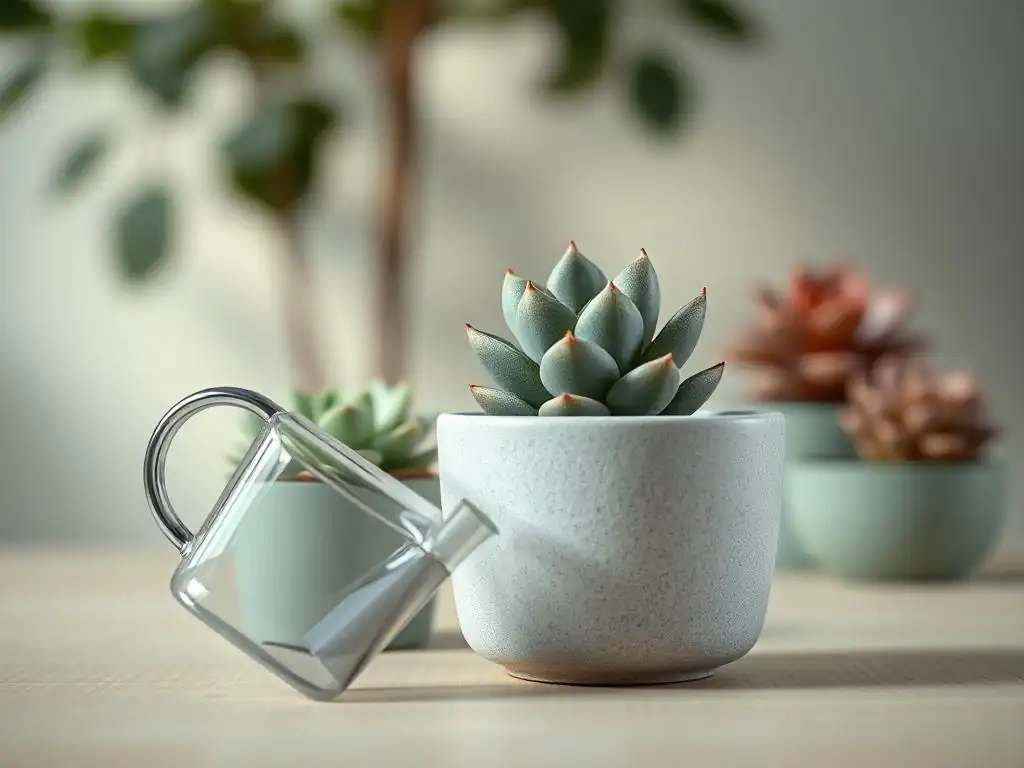
This section explores sustainable and eco-conscious products designed to optimize your succulent watering practices, minimizing water waste and environmental impact while promoting healthy plant growth. We'll delve into specific tools and their benefits, focusing on how they contribute to a more sustainable approach to succulent care. The goal is to provide you with the knowledge to make informed choices when selecting products for your succulent collection, ultimately promoting a greener approach to your hobby. Remember, sustainable succulent watering methods are key to responsible plant care.
Organic and Sustainable Fertilizers for Healthy Succulent Growth
Choosing the right fertilizer is crucial for healthy succulent growth, and opting for organic and sustainable options minimizes the environmental footprint of your succulent care routine. Avoid chemical fertilizers that can pollute water sources and harm beneficial soil organisms. Instead, consider these alternatives:
- Compost tea: A nutrient-rich liquid made by steeping compost in water. It's a fantastic source of slow-release nutrients and beneficial microbes that improve soil health. Applying compost tea every few weeks during the growing season can significantly boost your succulents' vigor. Remember to dilute the tea before application to avoid burning the roots.
- Worm castings: These are the excrement of earthworms, and they're packed with essential nutrients in a readily available form. They improve soil structure, aeration, and water retention, all beneficial for succulents. Mix a small amount of worm castings into your succulent potting mix for a slow-release nutrient boost.
- Seaweed extract: A natural liquid fertilizer rich in minerals and growth hormones. It strengthens plants' immune systems, making them more resistant to pests and diseases. Use seaweed extract as a foliar spray or add it to your watering can at a diluted concentration.
The benefits of using these organic fertilizers extend beyond the immediate health of your succulents. By avoiding synthetic fertilizers, you contribute to healthier soil ecosystems, protect water quality, and reduce your carbon footprint. Remember to always follow the product instructions for application rates to avoid over-fertilizing.
Natural Pest Control Methods for Succulents: Avoiding Harmful Chemicals
Sustainable succulent watering extends beyond just the water itself; it encompasses the entire care routine. Harmful chemical pesticides can contaminate soil and water, negatively impacting the environment and potentially harming beneficial insects. Instead, embrace these natural pest control methods:
- Neem oil: A natural insecticide derived from the neem tree. It's effective against a variety of common succulent pests like mealybugs, aphids, and spider mites. Dilute neem oil according to the product instructions and apply it as a foliar spray.
- Insecticidal soap: A gentle yet effective solution for controlling soft-bodied insects. It disrupts the pests' cell membranes, causing them to dehydrate and die. Like neem oil, it should be diluted and applied as a foliar spray.
- Diatomaceous earth: A naturally occurring sedimentary rock that's finely ground into a powder. Its sharp edges can cut into the exoskeletons of insects, causing dehydration and death. Sprinkle it lightly around the base of your succulents to control crawling pests.
Regularly inspecting your succulents for pests is crucial for early detection and intervention. Early treatment with natural methods can often prevent a minor infestation from becoming a major problem. Remember to always test any new treatment on a small area of your plants first to ensure there are no adverse reactions.
Composting for Succulents: Recycling and Nutrient Enrichment
Composting is a cornerstone of sustainable gardening practices, and it's particularly beneficial for succulent enthusiasts. By composting organic kitchen and garden waste, you create a nutrient-rich amendment that improves the quality of your succulent potting mix. Here's how to integrate composting into your succulent care:
- What to compost: Suitable materials include coffee grounds, eggshells, fruit and vegetable scraps (avoiding citrus fruits due to their acidity), and dried leaves. Avoid meat, dairy products, and oily foods, as these can attract pests and create unpleasant odors.
- Composting methods: You can use various methods, including simple composting bins, worm composting (vermicomposting), or even a small indoor compost bin. Choose a method that suits your space and lifestyle.
- Using compost for succulents: Once your compost is mature (dark brown and crumbly), you can mix it into your succulent potting mix. This will improve soil drainage, aeration, and provide a slow-release source of nutrients. Start with a small amount and gradually increase it as needed.
By composting, you reduce landfill waste, create a valuable resource for your succulents, and contribute to a more sustainable gardening practice. The nutrient-rich compost improves soil health, reducing the need for synthetic fertilizers and promoting healthier, more resilient succulents.
Troubleshooting Common Watering Issues in Succulents
Succulents, while known for their drought tolerance, are still susceptible to watering problems. Incorrect watering practices can lead to a range of issues, from sluggish growth to irreversible damage. Understanding the signs of both overwatering and underwatering is crucial for maintaining healthy, thriving succulents. This section focuses on identifying and addressing these common problems, promoting sustainable succulent watering methods and ensuring the long-term health of your plants. Remember, consistent monitoring and adjusting your watering schedule based on environmental factors are key to success. Let's delve into the specifics of resolving these common issues.
Addressing Overwatering Problems in Succulents: Recovery and Prevention
Overwatering is a frequent culprit behind succulent decline. Symptoms include mushy, soft leaves, yellowing or browning foliage, and a foul odor emanating from the soil. If you suspect overwatering, immediate action is crucial. First, remove the succulent from its pot and carefully inspect the roots. If the roots are brown, mushy, and slimy, root rot is likely present.
Here's a step-by-step guide to recovery:
- Remove affected roots: Gently remove any visibly rotten or mushy roots using clean, sharp scissors or a knife. Sterilize your tools with rubbing alcohol before and after use to prevent the spread of disease.
- Allow the roots to dry: Place the succulent in a well-ventilated area for several hours, or even overnight, to allow the roots to air dry slightly. This helps prevent further rot.
- Repot in fresh, well-draining soil: Use a succulent and cactus potting mix, known for its excellent drainage properties. Ensure the pot has adequate drainage holes to prevent waterlogging.
- Water sparingly: After repotting, avoid watering for at least a week to allow the roots to heal and establish themselves in the new soil. Subsequent watering should be infrequent and only when the soil is completely dry.
Prevention is key: To prevent future overwatering incidents, use pots with drainage holes, avoid using saucers that trap water, and water only when the soil is completely dry, checking moisture levels with a finger test before watering. Consider using a moisture meter for precise measurement of soil moisture levels. Consistent monitoring and adjustment based on environmental factors such as temperature and humidity are crucial for sustainable succulent watering methods.
Reviving Underwatered Succulents: Repotting and Rehydration Techniques
Underwatering, while less immediately damaging than overwatering, can still lead to stress and stunted growth in succulents. Signs of underwatering include shriveled, wrinkled leaves, and a generally dry and brittle appearance. Luckily, underwatered succulents are often easier to revive than their overwatered counterparts.
The revival process typically involves a gentle rehydration and, if necessary, repotting:
- Gradual rehydration: Instead of immediately soaking the soil, start with a gentle watering, ensuring the water reaches the root zone. Subsequent waterings should be done only when the soil is completely dry, allowing the plant to gradually absorb moisture.
- Assess root health: If the plant shows no improvement after a week or two of careful watering, consider removing it from the pot to assess the root system. If the roots are dry and brittle, the plant may need repotting to ensure the roots have access to fresh, moist soil.
- Repotting (if necessary): Use a fresh, well-draining succulent and cactus potting mix. Gently loosen the roots to encourage better water absorption. Avoid overwatering after repotting.
- Monitor and adjust: Continue to monitor the plant's condition and adjust your watering schedule accordingly, ensuring you are not overwatering or underwatering in the future.
Remember that choosing the right pot and soil is vital for the long-term health of your succulents and contributes to sustainable succulent watering methods. Proper drainage is essential to prevent both overwatering and underwatering issues.
Dealing with Root Rot in Succulents: Identification and Treatment
Root rot, a common fungal disease, is often a consequence of overwatering. It affects the roots, preventing them from absorbing water and nutrients. Early detection is crucial for successful treatment. Symptoms include mushy leaves, yellowing or browning foliage, and a foul odor emanating from the soil. Advanced cases may result in the complete collapse of the plant.
Here's how to address root rot:
- Identification: Carefully remove the succulent from its pot and inspect the roots. Healthy roots are firm and white or light-colored. Rotten roots are brown, mushy, and often have a slimy texture.
- Treatment: If root rot is present, carefully remove the affected roots using clean, sterilized scissors or a knife. Trim away any mushy or discolored areas. Allow the roots to air dry for several hours before repotting in fresh, well-draining soil.
- Prevention: The best way to deal with root rot is to prevent it in the first place. This involves using well-draining soil, pots with drainage holes, and watering only when the soil is completely dry. Ensure good air circulation around the plant to minimize humidity. Avoid overwatering, which is the primary cause of root rot. Regular inspection of your succulents can help in early detection and timely intervention. This promotes sustainable succulent watering methods by preventing unnecessary water waste and plant loss.
Frequently Asked Questions
How often should I water my succulents?
The frequency depends on several factors, including pot size, soil type, and climate. Generally, less is more; allow the soil to dry out completely between waterings to prevent root rot.
What are some sustainable watering methods for succulents?
Consider using a soaker hose or drip irrigation system for precise watering. Bottom watering is also effective, allowing the plant to absorb water as needed. Avoid overhead watering which can lead to fungal diseases.
What type of soil is best for sustainable succulent watering?
Well-draining soil is crucial. A cactus and succulent potting mix is ideal, allowing excess water to drain easily and preventing waterlogging. Amend heavy soils with perlite or pumice to improve drainage.
How can I tell if my succulents need water?
Check the soil moisture by inserting your finger about an inch into the soil. If it's completely dry, it's time to water. Wilting leaves can also indicate a need for water, but this is a late sign.
What are the consequences of overwatering succulents?
Overwatering leads to root rot, a fatal condition for succulents. Symptoms include mushy leaves and a foul odor. Prevention is key through proper watering techniques and well-draining soil.
Final Reflection: The Ripple Effect of Conscious Watering
The future of succulent cultivation hinges on our ability to adopt truly sustainable watering methods. Ignoring the environmental impact of our gardening practices is no longer an option; the consequences of water scarcity and unsustainable resource use are becoming increasingly apparent in our own backyards and beyond. We must move beyond simply keeping our plants alive to nurturing them in a way that respects the delicate balance of our ecosystems.
The shift towards eco-conscious succulent care is more than just a trend; it's a fundamental change in our relationship with the natural world. It's about recognizing the interconnectedness of all living things and understanding our responsibility to protect precious resources. The earth provides enough to satisfy every man's needs but not every man's greed.
- Mahatma Gandhi. This quote underscores the importance of mindful consumption, a principle that extends directly to our watering practices. We must cultivate a sense of stewardship, ensuring that our passion for succulents doesn't come at the expense of the planet's well-being.
Consider the impact of your watering choices. Will you continue to rely on outdated, water-intensive methods, or will you embrace the innovative and efficient techniques explored in this article? You have the power to make a difference, one succulent, one watering session at a time. By adopting sustainable practices, you not only contribute to a healthier environment but also cultivate a deeper appreciation for the beauty and resilience of these remarkable plants. Let's work together to ensure a thriving future for both succulents and our planet.
Unleash Your Succulent's Inner Oasis: Sustainable Watering Wisdom
Thanks for exploring eco-conscious succulent care! You've discovered the secrets to keeping your plants thriving while minimizing your environmental impact. Ready to put your knowledge into practice?
- Master the Art of Deep Watering: This simple technique, detailed in the article, will transform how you water your succulents, ensuring thorough and efficient hydration. You'll see a difference in your plants' health almost immediately!
- Share Your Experiences: Let's build a community of eco-conscious succulent enthusiasts! Share your watering successes and challenges in the comments below.
- Optimize Your Watering Tools: Consider using a watering can with a rose head or a specialized soil moisture meter—these small changes can significantly improve water conservation.
What watering method are you most excited to try with your succulents?