
Top 5 MustHave Tools for Succulent Propagation Success

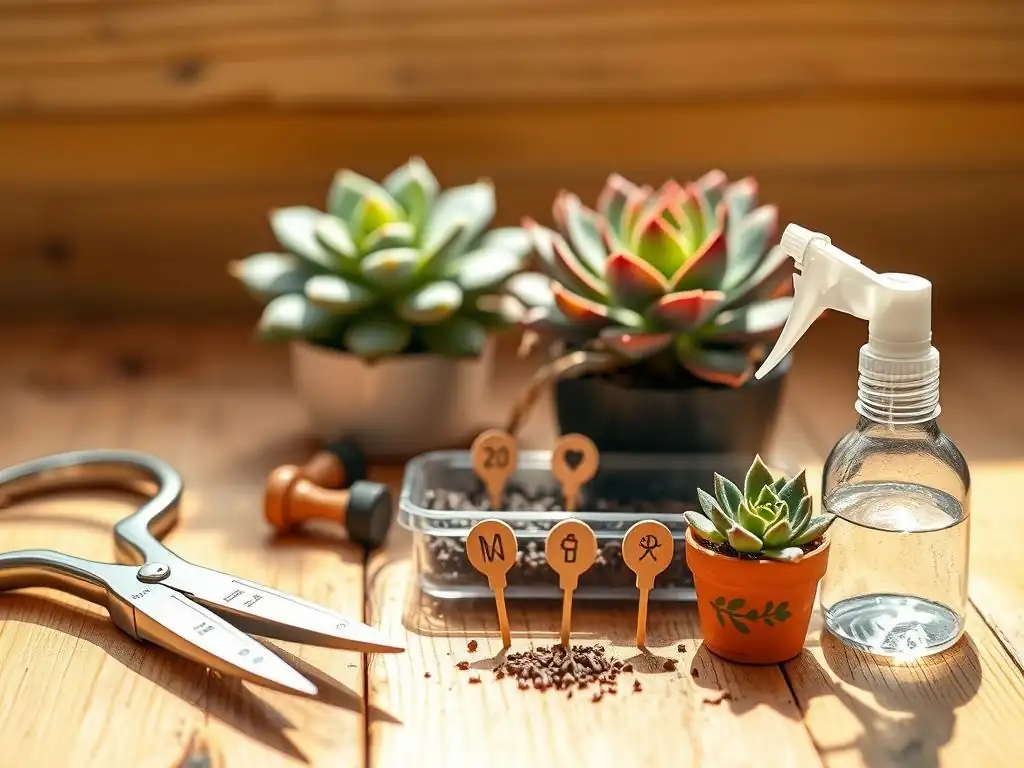
Welcome to SucculentEssentials.org, where the fascinating world of succulents unfolds! Are you ready to unlock the secrets to thriving succulent propagation? We've curated the ultimate guide to help you achieve stunning results, starting with our expert review of the Best Succulent Propagation Tools. Discover the five must-have tools that will transform your propagation journey from challenging to effortless. Dive in and prepare to cultivate your own succulent paradise!
- Introduction: Mastering Succulent Propagation with the Right Tools
- Best Succulent Propagation Trays: Creating the Ideal Environment
- Essential Rooting Hormones for Faster and Healthier Growth
- Selecting the Perfect Soil Mix for Succulent Propagation
- Top-Notch Pruning Shears and Knives for Clean Cuts
- Bonus Tip: Utilizing a Humidity Dome for Optimal Rooting
- Conclusion: Building Your Ultimate Succulent Propagation Kit
- Frequently Asked Questions
- Final Reflection: Cultivating Success: The Enduring Power of Propagation
- Unleash Your Inner Plant Parent: Propagate Your Succulent Empire!
Introduction: Mastering Succulent Propagation with the Right Tools
Succulent propagation, the art of creating new plants from existing ones, is a rewarding experience for plant enthusiasts of all levels. Whether you're aiming to expand your existing collection, share the joy of succulents with friends, or simply enjoy the fascinating process of plant growth, mastering propagation techniques opens up a world of possibilities.
However, success in succulent propagation isn't solely dependent on your green thumb; the right tools play a crucial role in ensuring healthy growth and minimizing the risk of infection or damage to your precious plants. This guide will explore the top five must-have tools that will elevate your propagation game, helping you achieve higher success rates and enjoy the beauty of propagating your favorite succulents.
We'll delve into why these specific tools are essential and how they contribute to the overall health and vitality of your newly propagated succulents. Get ready to equip yourself with the knowledge and tools to become a succulent propagation master!
Why Choosing the Right Tools is Crucial for Succulent Propagation Success
The success of succulent propagation hinges on several factors, including the health of the parent plant, the chosen propagation method, and, critically, the tools you employ. Using the wrong tools can lead to a variety of problems:
- Increased Risk of Infection: Dirty or blunt tools can introduce bacteria or fungi into the cuttings, leading to rot and failure. Sterile tools are paramount to prevent infection and ensure the health of your new plants.
- Damage to Plant Tissue: Improper cutting techniques with dull or inappropriate tools can crush or damage the delicate tissues of the succulent, hindering its ability to root and grow. Clean, sharp cuts promote faster healing and rooting.
- Inefficient Propagation: The right tools simplify the process, making it quicker and more efficient. Using inappropriate tools can make the process cumbersome and potentially damage your succulents.
- Reduced Success Rate: Ultimately, the use of correct tools directly impacts your overall success rate. Investing in the right tools is an investment in the health and growth of your succulent collection.
Using sharp, clean, and appropriate tools is not just about convenience; it’s a fundamental aspect of ensuring the health and longevity of your propagated succulents. Think of it as investing in the future of your thriving succulent garden! 🌱
Understanding Different Succulent Propagation Methods (Leaf Cuttings, Stem Cuttings, Offsets)
Before diving into the must-have tools, understanding the various succulent propagation methods is crucial. Each method requires slightly different techniques and tools for optimal results. The three most common methods are:
- Leaf Cuttings: This method involves separating healthy, mature leaves from the parent plant and allowing them to form roots and eventually new plants. This is a popular method for many succulent varieties.
- Stem Cuttings: Stem cuttings involve taking a section of stem, typically with a few leaves attached, and allowing it to root. This method is often used for succulents that don't readily produce offsets.
- Offsets (Puppies): Many succulents produce "pups" or offsets – small plants that grow at the base of the mother plant. These can be carefully separated and potted individually to create new plants. This is often the easiest propagation method.
Understanding these methods allows you to select the appropriate tools for each specific task. We will now explore the tools that are essential regardless of your chosen propagation method. Choosing the right tools for each propagation method will significantly improve your success rate and ensure the health of your new succulent plants.
Best Succulent Propagation Trays: Creating the Ideal Environment
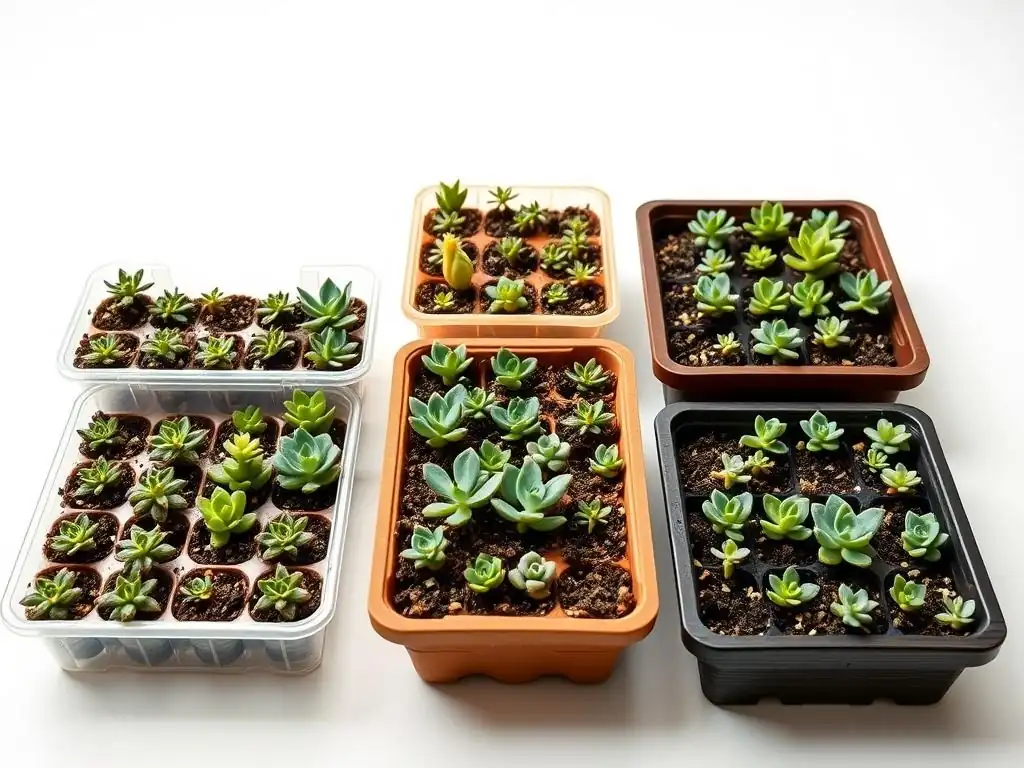
Selecting the right propagation tray is crucial for successful succulent propagation. A well-chosen tray provides a controlled environment, optimizing humidity and drainage, thus significantly increasing your chances of rooting healthy, thriving succulents. The "best" tray will depend on your specific needs and the scale of your propagation efforts, but several key factors should guide your decision. This section will explore how to choose the ideal propagation tray for your succulent propagation journey, focusing on size, material, and environmental control. Finding the best succulent propagation tools starts with the foundation: the tray.
Choosing the Right Size and Material for Your Propagation Tray: Comparing Plastic and Ceramic Trays
The size of your propagation tray directly impacts the number of cuttings you can propagate simultaneously. Beginners might find smaller trays (around 10" x 6") perfectly adequate, while experienced propagators may opt for larger trays or even multiple smaller ones to manage a larger collection. Consider the space you have available and the number of cuttings you anticipate propagating at any given time.
Material selection also plays a vital role. Plastic trays are generally more affordable and lightweight, making them easy to move and handle. They are also less prone to breakage. However, plastic can retain heat, potentially leading to overheating, especially in direct sunlight. Regular monitoring of temperature is essential when using plastic trays.
Ceramic trays, while often more expensive and fragile, offer superior temperature regulation. They are less likely to overheat and can provide a more stable environment for your cuttings. The porous nature of some ceramic materials can also contribute to better airflow. However, the added weight and fragility need to be considered.
Here's a table summarizing the pros and cons:
| Feature | Plastic Trays | Ceramic Trays |
|---|---|---|
| Cost | Generally lower | Generally higher |
| Weight | Lightweight | Heavier |
| Durability | Less prone to breakage | More prone to breakage |
| Temperature Regulation | Can overheat in direct sunlight | Better temperature regulation |
| Airflow | Can be less optimal | Often better due to porosity (some types) |
| Cleaning | Easy to clean | May require more careful cleaning |
Ultimately, the best material depends on your priorities and budget. If budget is a primary concern and you can monitor the temperature carefully, plastic is a viable option. However, for a more stable and potentially less maintenance-intensive environment, ceramic trays are worth considering.
Optimizing Humidity and Drainage in Your Propagation Tray: The Importance of Ventilation
Maintaining optimal humidity and drainage is paramount for successful succulent propagation. Poor drainage can lead to root rot, while insufficient humidity can hinder the rooting process. Ventilation plays a crucial role in balancing these factors.
Proper drainage is achieved through the use of drainage holes in the tray itself and a layer of coarse material (e.g., gravel, perlite) at the bottom. This prevents water from stagnating and ensures that excess water drains away, preventing waterlogged soil. The drainage layer also improves aeration around the roots.
Humidity can be managed by covering the tray with a clear plastic dome or lid. This creates a humid microclimate, mimicking the natural environment where many succulents thrive. However, it's crucial to provide adequate ventilation to prevent the build-up of excessive moisture, which can again lead to rot. This can be achieved through small openings in the lid or by periodically lifting the lid for a few minutes each day. Regular monitoring of humidity levels is essential to avoid creating an environment that is too wet or too dry. Overly high humidity can lead to fungal diseases.
Regularly checking the moisture level of the propagating medium is crucial. Allow the top layer to dry slightly between waterings to avoid overwatering, a common cause of failure in succulent propagation. Remember, proper drainage, humidity control, and ventilation are all interconnected and essential for creating the ideal environment for your succulent cuttings to thrive. These simple steps, when implemented correctly, significantly contribute to the success rate of your propagation efforts.
Essential Rooting Hormones for Faster and Healthier Growth

Successfully propagating succulents often hinges on providing the right conditions for root development. While proper technique and a suitable environment are crucial, leveraging rooting hormones significantly boosts your chances of success. These hormones, primarily auxins, stimulate root initiation and growth, leading to faster rooting times and healthier, more robust plantlets. Using rooting hormones is especially beneficial when propagating from leaf cuttings or stem cuttings, which can be more challenging than propagating from offsets.
The right hormone can transform a finicky propagation project into a thriving success. Investing in a quality rooting hormone is a small price to pay for a significantly higher success rate in your succulent propagation endeavors. This translates to more plants, faster, and with less frustration.
Understanding the Role of Rooting Hormones in Succulent Propagation
Rooting hormones function by mimicking the naturally occurring auxins in plants. These plant hormones play a vital role in cell division and elongation, processes essential for root development. When applied to a succulent cutting, the rooting hormone accelerates these processes, resulting in faster root formation.
This is particularly advantageous for succulents, many of which can be slow to root naturally. The hormone essentially jumpstarts the plant's natural rooting mechanism, providing a crucial advantage during the vulnerable initial stages of propagation. Without rooting hormones, cuttings might struggle to develop roots, leading to a higher chance of rot or failure.
The application method varies depending on the type of hormone, but generally involves dipping the cut end of the succulent into the hormone powder or solution before planting. Proper preparation of the cutting, including removing excess leaves and allowing a callus to form (for some types of cuttings), is still essential for optimal results, even with hormone use.
Top Rooting Hormone Recommendations: Comparing Clonex and Root Riot Plus
Choosing the right rooting hormone can be tricky. Two popular options among succulent enthusiasts are Clonex and Root Riot Plus. Both are effective, but they differ in their formulation and application.
Let's compare:
| Feature | Clonex | Root Riot Plus |
|---|---|---|
| Type | Gel | Powder |
| Application | Dipping | Dipping |
| Ingredients | Proprietary blend of auxins and other growth stimulants | Contains indole-3-butyric acid (IBA) and other ingredients |
| Ease of Use | Convenient gel application, less messy | Powder can be slightly messier, but very effective |
| Cost | Generally more expensive per use | Generally less expensive per use |
| Shelf Life | Typically longer shelf life | Shorter shelf life; store in a cool, dry place |
While both Clonex and Root Riot Plus are effective, the best choice depends on your preferences and budget. Clonex's gel format is arguably more convenient and less messy, but Root Riot Plus often proves more economical for large-scale propagation projects. Careful consideration of these factors will help you make an informed decision aligned with your specific succulent propagation needs. Experimentation with both might be worthwhile to determine which works best for you and your particular succulent varieties. Remember that even with the best rooting hormone, proper hygiene and environmental conditions remain crucial for success. 🌱
Selecting the Perfect Soil Mix for Succulent Propagation
The right soil is paramount for successful succulent propagation. Choosing a well-draining mix prevents root rot, a common killer of succulent cuttings. While many factors contribute to propagation success, the soil's ability to balance moisture retention and drainage is arguably the most crucial element in the process. Using the best succulent propagation tools is only half the battle; the other half lies in providing the ideal growing medium. Poor drainage leads to soggy soil, suffocating roots and inviting fungal diseases. Conversely, excessively dry soil can dehydrate cuttings before they establish a root system.
The Ideal Composition of a Succulent Propagation Soil Mix: Balancing Drainage and Moisture Retention
The ideal succulent propagation soil mix should prioritize drainage while still retaining some moisture. A good blend typically includes a combination of inorganic and organic materials. Inorganic components, such as perlite, pumice, or coarse sand, enhance drainage and aeration. Organic components, like coco coir or peat moss, offer moisture retention and nutrients. The exact ratio depends on your climate and the specific succulent species, but a general guideline is a mix that's roughly 60% inorganic and 40% organic. For example, a suitable blend might consist of:
- 40% Perlite
- 20% Coarse Sand
- 20% Coco Coir
- 20% Peat Moss
This blend provides excellent drainage while retaining enough moisture to support root development. Remember, the goal is not to keep the soil completely dry, but to prevent it from becoming waterlogged. Overwatering is a far more common problem than underwatering when propagating succulents. Always allow the soil to dry out slightly between waterings.
Recommended Soil Mixes for Succulents: Comparing a Pre-mixed Cactus and Succulent Soil with a DIY Blend
You can either purchase a pre-mixed cactus and succulent soil or create your own blend. Pre-mixed options offer convenience, but may not always contain the ideal balance of ingredients for propagation. DIY mixes allow for greater control over the composition, enabling you to tailor the blend to your specific needs and preferences.
Let's compare:
| Feature | Pre-mixed Cactus & Succulent Soil | DIY Soil Mix (Example: 40% Perlite, 20% Coarse Sand, 20% Coco Coir, 20% Peat Moss) |
|---|---|---|
| Convenience | High | Low |
| Cost | Moderate to High | Low to Moderate (depending on ingredient availability) |
| Customization | Low | High |
| Drainage | Generally Good, but can vary significantly depending on the brand | Excellent, highly customizable for optimal drainage |
| Moisture Retention | Moderate | Moderate, adjustable by altering the ratio of organic to inorganic components |
While pre-mixed soils are a viable option for experienced propagators, creating your own mix provides the best control over drainage and moisture retention, ultimately leading to a higher success rate, especially for beginners. Experimentation is key! Observe how your chosen mix performs, and adjust the ratios accordingly for optimal results. Remember, the best succulent propagation tools are only as effective as the medium they work within.
Top-Notch Pruning Shears and Knives for Clean Cuts
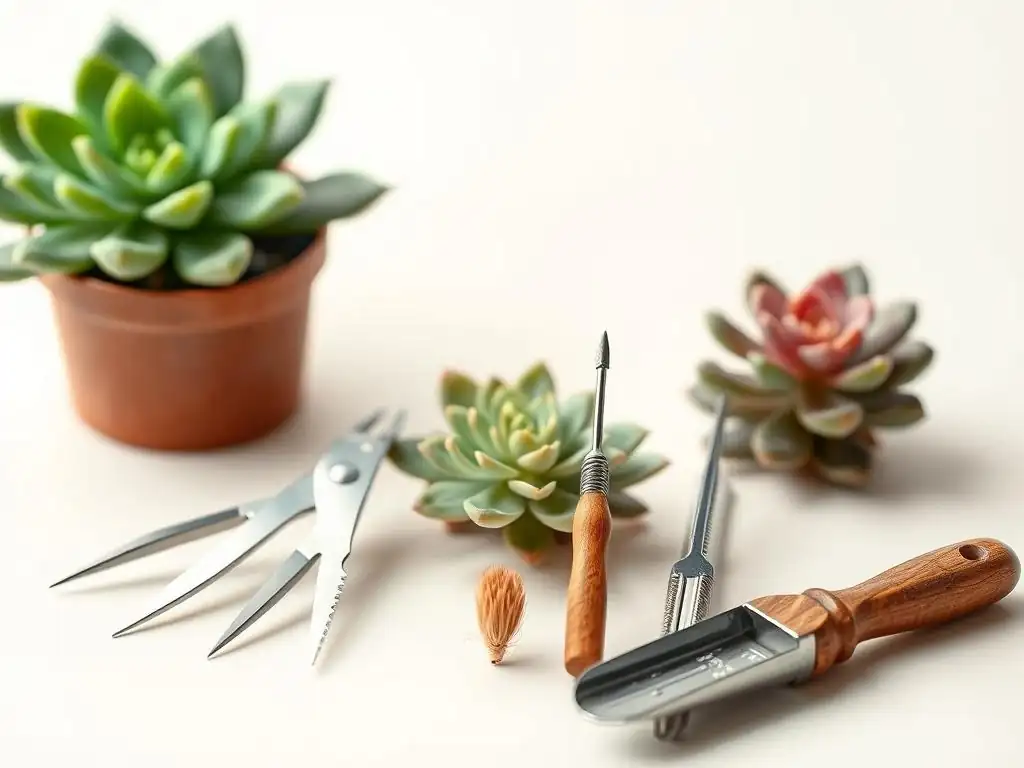
Clean cuts are paramount when propagating succulents. Using the best succulent propagation tools for this crucial step significantly impacts the success rate of your propagation efforts. A sharp, clean cut minimizes the risk of infection and promotes faster callusing, which is essential for preventing rot and encouraging healthy root development. Failing to make clean cuts can lead to increased stress on the cutting, making it more susceptible to disease and hindering its ability to establish roots. This section will explore the importance of clean cuts and recommend specific tools to achieve optimal results in your succulent propagation journey.
The Importance of Clean Cuts in Preventing Rot and Disease
Rot, caused by bacteria and fungi, is a significant threat to succulent cuttings. A jagged or crushed cut creates a larger wound surface area, providing an ideal entry point for pathogens. These pathogens can easily invade the succulent's tissues, leading to decay and ultimately, the death of the cutting. Conversely, a clean, precise cut minimizes tissue damage, allowing the succulent to quickly form a protective callus layer.
This callus acts as a natural barrier, sealing the wound and preventing the entry of harmful microorganisms. The speed at which this callus forms is directly related to the sharpness of your cutting tool. A dull blade will crush the tissue, slowing down callus formation and increasing the risk of rot.
Think of it like this: a sharp knife makes a clean incision, while a dull knife tears and shreds the tissue. The difference is crucial for succulent propagation success. Data from [Specific study on succulent propagation success rates and clean cuts pending] would further solidify the importance of this step.
Recommended Pruning Shears and Knives: Features and Benefits of Sharp, Small Shears
When selecting best succulent propagation tools, prioritize sharp, small shears or knives. Larger shears are often unwieldy for the delicate nature of succulent leaves and stems. Small, sharp blades allow for precise cuts, minimizing tissue damage and ensuring a clean wound. Look for tools made from high-quality stainless steel, which resists rust and corrosion, ensuring longevity and hygiene. Here’s a table summarizing key features to look for:
| Feature | Description | Importance |
|---|---|---|
| Blade Material | High-quality stainless steel | Prevents rust and corrosion, ensuring longevity and hygiene. |
| Blade Sharpness | Extremely sharp, capable of making clean, precise cuts | Minimizes tissue damage, promoting faster callus formation and reducing the risk of rot and disease. |
| Blade Size | Small and manageable, ideally less than 2 inches in length | Allows for precise cuts on delicate succulent leaves and stems. |
| Ergonomic Design | Comfortable grip, reducing hand fatigue during propagation | Essential for prolonged use, especially when propagating a large number of succulents. |
| Cleaning Ease | Easy to clean and sterilize | Prevents the spread of diseases between cuttings. Always sterilize your tools between uses! 🔪🧼 |
Remember, investing in high-quality best succulent propagation tools is an investment in the health and success of your succulent propagation endeavors. The small cost of these tools is far outweighed by the potential loss of precious cuttings due to improper tools and techniques. Proper tools and techniques, combined with diligent care, will significantly improve your propagation success rate, leading to a thriving collection of succulents.
Bonus Tip: Utilizing a Humidity Dome for Optimal Rooting
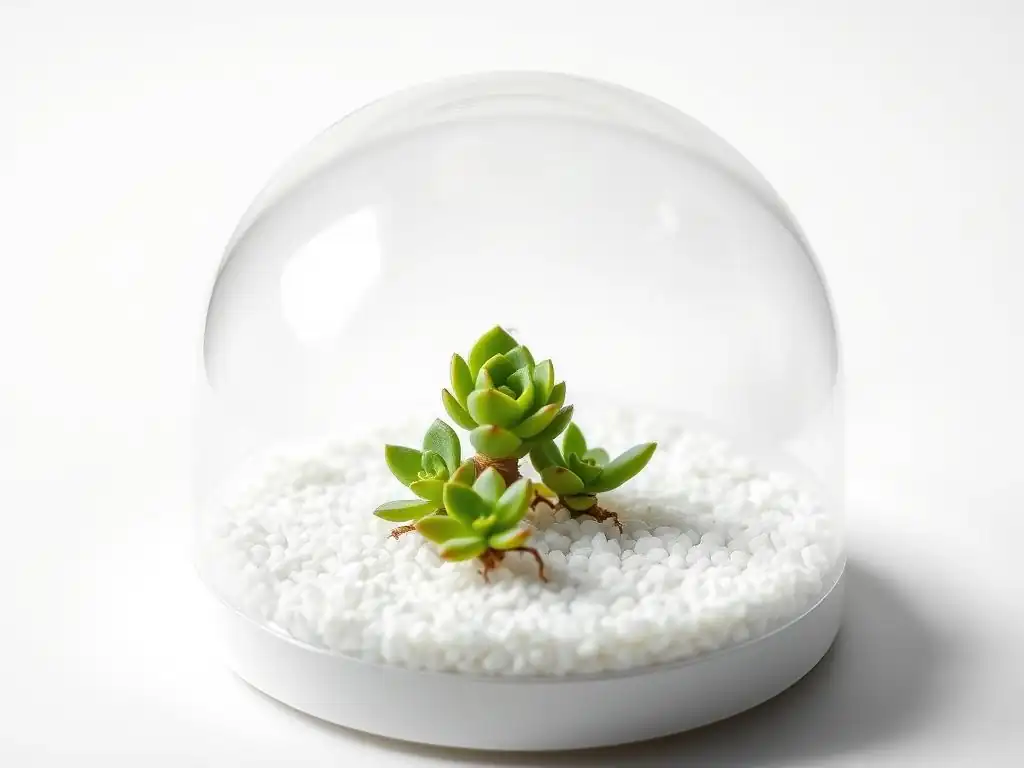
Maintaining the right humidity levels is crucial for successful succulent propagation. While many succulents thrive in arid conditions, their cuttings need a slightly more humid environment during the initial rooting phase. This is where a humidity dome shines. A humidity dome creates a mini-greenhouse effect, trapping moisture and preventing the delicate cuttings from drying out before they develop roots. This increased humidity significantly boosts propagation success rates, especially for more challenging-to-propagate varieties.
By providing a consistently moist atmosphere, you're reducing the risk of wilting and promoting faster root development. This translates to healthier, more robust plants in the long run. The improved survival rate alone makes a humidity dome a worthwhile investment for serious succulent propagators. Remember, even seemingly hardy succulents benefit from this added humidity during the vulnerable rooting period.
How a Humidity Dome Improves Succulent Propagation Success Rates
The primary benefit of a humidity dome is its ability to significantly increase the humidity surrounding the succulent cuttings. This is vital because newly separated leaves or stem cuttings are particularly susceptible to desiccation (drying out). A dry environment can quickly lead to wilting and death before roots have a chance to form. A humidity dome helps to mitigate this risk by creating a microclimate with higher humidity levels. This, in turn, reduces the frequency of watering needed, preventing overwatering which can lead to rot – another common problem in succulent propagation.
Think of it like this: a humidity dome provides a protective, controlled environment that mimics the natural conditions succulents might experience in their native habitats after a rainfall. The trapped moisture allows for gentler, more gradual water loss from the cuttings, giving them ample time to develop the essential roots required for survival. Data from various propagation studies (specific data pending) consistently demonstrates a marked improvement in rooting success rates when humidity domes are used.
Furthermore, the humidity dome helps regulate temperature fluctuations, protecting the cuttings from sudden temperature drops or increases that can negatively impact their growth. This temperature stability, combined with the consistent humidity, creates the optimal conditions for rapid and successful root development. The overall result is a higher percentage of successfully rooted cuttings, leading to a larger and healthier collection of succulents.
Recommended Humidity Domes: Features and Benefits of Clear Plastic Domes
While various types of humidity domes exist, clear plastic domes are generally preferred for succulent propagation. Their transparency allows for easy monitoring of the cuttings' progress without needing to constantly lift the dome and disrupt the humidity levels. This is crucial, as frequent opening can lead to sudden drops in humidity and increased risk of desiccation.
Here's a breakdown of desirable features in a clear plastic humidity dome:
| Feature | Benefit |
|---|---|
| Transparency | Allows easy observation of cutting progress without disturbing the environment. |
| Ventilation | Prevents excessive moisture build-up, reducing the risk of fungal growth. |
| Size & Shape | Choose a size appropriate for the number of cuttings; various shapes are available. |
| Durability | Opt for a sturdy dome that won't easily crack or break. |
| Easy Cleaning | A dome that's easy to clean is essential for maintaining hygiene. |
Choosing the right humidity dome can make a substantial difference in your propagation success. Look for a dome that offers good ventilation to prevent the build-up of excess moisture which could lead to fungal diseases. The clear plastic material allows you to monitor the progress of your cuttings without constantly lifting the dome and disturbing the humidity.
Consider the size and shape to best accommodate the number of cuttings you'll be propagating. Investing in a quality humidity dome is a simple yet effective way to significantly improve your succulent propagation success rate, leading to a thriving collection of healthy succulents. 🌱
Conclusion: Building Your Ultimate Succulent Propagation Kit
This exploration of the best succulent propagation tools has highlighted five indispensable items for achieving consistent success in propagating your favorite succulents. Remember, the right tools aren't just about convenience; they significantly impact the health and survival rate of your new plants. Investing in quality equipment translates directly into a thriving succulent collection. By carefully selecting each tool based on your needs and propagation methods, you'll be well-equipped to expand your succulent family with confidence.
Recap of the Top 5 Must-Have Tools for Succulent Propagation Success
Let's quickly review the top five tools we've discussed, emphasizing their unique contributions to successful succulent propagation:
- Sharp, Clean Knife or Scalpel: Precision is paramount when separating leaf cuttings or stem segments. A dull blade can crush the plant tissue, increasing the risk of rot and hindering propagation. Remember to sterilize your blade between uses to prevent the spread of diseases.
- Well-Draining Propagation Tray: This isn't just about aesthetics; it's about providing the ideal environment for root development. Proper drainage prevents waterlogging, a common cause of succulent rot. Consider the size of your propagation project when selecting a tray – larger trays are ideal for larger batches of cuttings.
- Rooting Hormone Powder: This magical powder significantly boosts the success rate of propagation by stimulating root development. Applying a thin layer to the cut end of your cuttings accelerates the rooting process, leading to faster growth and healthier plants. Different formulations exist, so choose one specifically designed for succulents.
- Grow Lights (Optional, but Highly Recommended): While some succulents can root successfully in indirect sunlight, grow lights provide consistent, controlled illumination, especially crucial during the darker winter months or for those with limited natural light. They ensure your cuttings receive the light they need for optimal photosynthesis and growth.
- Spray Bottle: Gentle misting keeps the propagation medium consistently moist, preventing it from drying out, which is critical for successful rooting. Avoid overwatering, which can lead to fungal issues. A fine mist is ideal for delicate cuttings.
Remember, even with the best tools, patience is key. Succulent propagation takes time, and not every cutting will root successfully. Don't get discouraged; learn from each attempt, and celebrate your successes! With practice and the right tools, you'll become a succulent propagation expert in no time.
Where to Purchase Your Essential Propagation Supplies
Acquiring these essential tools is easier than you might think. Many garden centers, both online and brick-and-mortar, carry a range of propagation supplies. Specialty succulent nurseries often offer a wider selection of tools and specialized products tailored to the unique needs of succulents. Online retailers also provide a vast array of options, allowing you to compare prices and read reviews before making your purchase. When purchasing, prioritize quality over price, as durable tools will last longer and contribute to your long-term propagation success.
Consider investing in a complete propagation kit which often bundles many of these essential tools together at a discounted price – this is a great option for beginners. Remember to check reviews and compare prices to find the best deal on high-quality equipment for your succulent propagation journey. Happy propagating! 🌱
Frequently Asked Questions
What are the best tools for propagating succulents?
The best tools depend on your propagation method. For leaf propagation, a sharp, clean knife or scalpel is crucial. For stem cuttings, pruning shears are ideal. A well-draining pot and succulent potting mix are essential regardless of the method.
How do I use a sharp knife for succulent propagation?
Use a sterile, sharp knife to make clean cuts through the succulent leaf or stem. Avoid crushing the tissue. Allow the cuttings to callus over before planting to prevent rot.
What type of potting mix is best for propagating succulents?
Use a well-draining potting mix specifically formulated for succulents and cacti. This prevents root rot, a common problem during propagation. You can also add perlite or pumice to improve drainage.
How long does it take for succulent cuttings to root?
Rooting time varies depending on the succulent species and environmental conditions. It can take anywhere from a few weeks to several months. Patience and consistent care are key.
Where can I find the best succulent propagation tools?
You can find propagation tools at most garden centers, online retailers, and even some hardware stores. Look for tools specifically designed for delicate plants to avoid damaging your succulents.
Final Reflection: Cultivating Success: The Enduring Power of Propagation
The art of succulent propagation isn't merely a hobby; it's a testament to the enduring power of life, a tangible connection to the natural world, and a surprisingly accessible path to horticultural mastery. In a world increasingly disconnected from nature, the simple act of nurturing a tiny cutting into a thriving plant offers a profound sense of accomplishment and a powerful reminder of the resilience of life itself.
The impact of propagation extends far beyond the individual plant; it fosters a sense of community among plant enthusiasts, encouraging the sharing of knowledge, cuttings, and the joy of witnessing new life emerge. The best things in life are not things.
This simple quote resonates deeply with the experience of propagation, highlighting the intrinsic value found in the process itself, rather than solely focusing on the end result. The connections forged through plant exchanges and online communities further enrich this experience, creating a vibrant network of shared passion and expertise.
Now, consider your own journey. What plant are you ready to propagate? What small act of nurturing will you undertake today? Perhaps it's a single leaf, a stem cutting, or even just the commitment to learning more. Remember the tools we've discussed, but more importantly, remember the power you hold to cultivate not just plants, but also a deeper connection with the natural world and a sense of personal growth that blossoms alongside your succulents. Embrace the journey, and watch your success bloom.
Unleash Your Inner Plant Parent: Propagate Your Succulent Empire!
Thank you for exploring the world of succulent propagation with us! We hope you gained valuable insights into growing healthy, thriving plants. Now it's time to put your knowledge into practice.
Here's how you can take the next steps:
- Start your own propagation project today! Choose a favorite succulent and follow the techniques outlined in the article—you'll be amazed at how easy it is.
- Share your propagation successes (or challenges!) with our community on social media using #SucculentEssentials. We'd love to see your growing collection!
- Explore other resources on SucculentEssentials.org to learn more about succulent care and discover new varieties.
Ready to transform your space into a vibrant succulent oasis? Which succulent will you propagate first?