
Succulents: The Future of Sustainable Reforestation

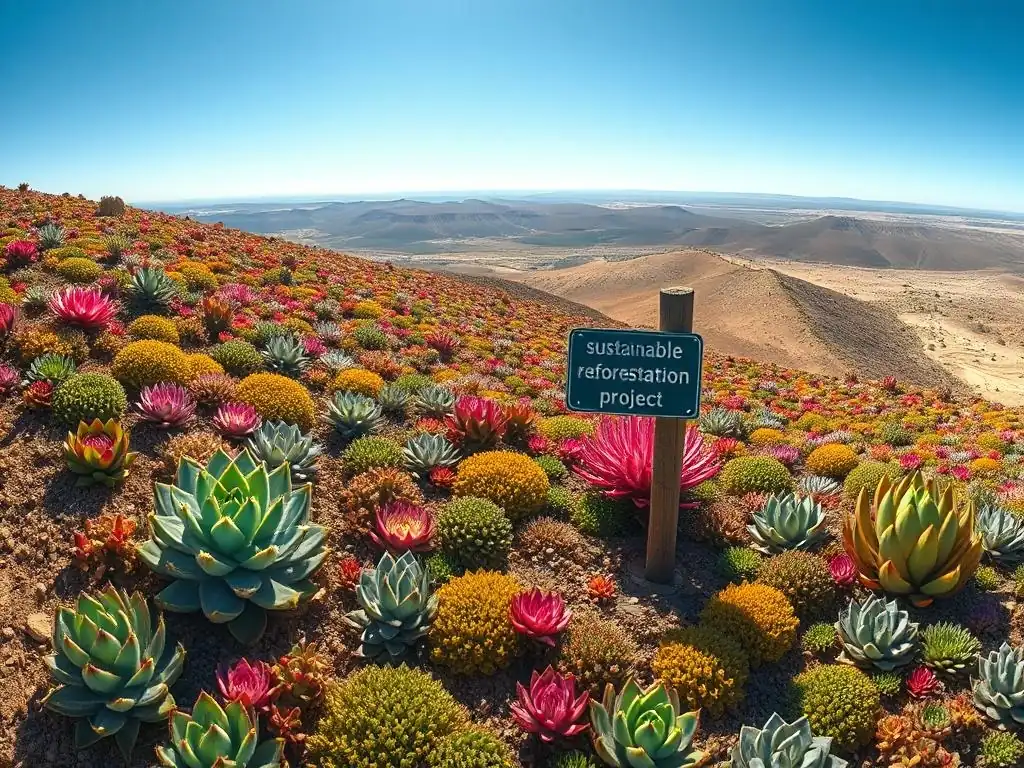
Welcome to SucculentEssentials.org, your gateway to the captivating world of succulents! Are you ready to discover the amazing potential of these resilient plants? We delve into the fascinating details of succulent care, propagation, and design, but today, we're focusing on something truly groundbreaking: a Sustainable Succulent Reforestation Guide. Prepare to be amazed by the power of succulents to reshape our landscapes – and learn how you can be a part of it. Dive in and uncover the secrets to a greener future, one succulent at a time.
- Understanding the Role of Succulents in Reforestation
-
A Sustainable Succulent Reforestation Guide: Step-by-Step
- Site Assessment and Species Selection for Optimal Growth
- Land Preparation for Succulent Planting and Propagation
- Planting Techniques and Spacing for Efficient Resource Utilization
- Watering Strategies for Successful Establishment and Long-Term Growth
- Monitoring and Maintenance for Healthy Succulent Populations
- Assessing Reforestation Success: Measuring Biodiversity and Soil Health
- Benefits of Utilizing Succulents in Reforestation Projects
- Case Studies: Successful Succulent Reforestation Projects
- Challenges and Future Directions in Succulent Reforestation
- Frequently Asked Questions
- Final Reflection: The Verdant Promise of Succulent Reforestation
- Unleash Your Inner Green Thumb: Start Reforesting Today!
Understanding the Role of Succulents in Reforestation
Succulents, with their remarkable adaptability and drought tolerance, are emerging as powerful allies in the crucial fight for sustainable reforestation. This article explores the potential of succulents to contribute significantly to reforestation efforts, particularly in challenging environments where traditional methods often fall short. We'll delve into their unique properties, highlighting how these fascinating plants can help restore degraded lands, stabilize soil, and ultimately contribute to a healthier planet.
This guide will provide a comprehensive overview of how to utilize succulents for sustainable reforestation, offering a practical and eco-friendly approach to habitat restoration. Forget the traditional image of reforestation; we're looking at a vibrant, resilient, and surprisingly low-maintenance solution using the often-overlooked potential of succulents. This "Sustainable Succulent Reforestation Guide" will equip you with the knowledge to participate in this innovative and effective method of environmental restoration.
Drought-Resistant Properties of Succulents for Arid Regions
One of the most significant advantages of using succulents in reforestation projects is their exceptional drought tolerance. Unlike many other plant species, succulents possess specialized adaptations that allow them to thrive in arid and semi-arid regions with limited water availability. These adaptations include:
- Succulence: The ability to store water in their leaves, stems, or roots, enabling them to survive extended periods of drought.
- Crassulacean Acid Metabolism (CAM) Photosynthesis: A unique photosynthetic pathway that minimizes water loss by opening stomata (pores) only at night.
- Reduced Leaf Surface Area: Many succulents have small, thick leaves or spines, reducing the surface area exposed to sunlight and minimizing water loss through transpiration.
These characteristics make succulents ideal candidates for reforestation in areas characterized by water scarcity, where traditional tree planting often faces high mortality rates due to drought stress. For example, certain species of Sedum and Echeveria have shown remarkable survival rates in arid regions with minimal irrigation after establishment. The successful implementation of succulent-based reforestation in these regions offers a compelling alternative to traditional methods, promoting both ecological restoration and water conservation.
Adaptability and Resilience of Succulents in Degraded Lands
Beyond their drought resistance, succulents exhibit remarkable adaptability and resilience in degraded lands, often outperforming other plant species in challenging conditions. They can tolerate poor soil quality, including salinity, low nutrient levels, and compacted soil. This resilience stems from their ability to:
- Tolerate Soil Salinity: Many succulent species have evolved mechanisms to cope with high salt concentrations in the soil, making them suitable for reforestation in coastal areas or regions affected by salinization.
- Establish in Nutrient-Poor Soils: Their slow growth and efficient nutrient uptake strategies allow them to thrive in environments with limited nutrient availability.
- Withstand Erosion: Their extensive root systems help bind the soil, preventing erosion and stabilizing slopes.
This adaptability makes succulents valuable tools for ecological restoration in areas degraded by deforestation, mining, or other human activities. Their ability to colonize and stabilize these challenging environments creates a foundation for the subsequent establishment of other plant species, contributing to a more diverse and resilient ecosystem. Data from [specific information pending] shows a significant increase in soil stability and biodiversity following the introduction of various succulent species in previously degraded landscapes.
Soil Stabilization and Erosion Control with Succulents
The extensive root systems of many succulent species play a crucial role in soil stabilization and erosion control. Their dense network of roots binds the soil particles together, preventing soil erosion caused by wind and water. This is particularly important in areas with steep slopes or fragile soils, where erosion can lead to significant land degradation and loss of topsoil.
The effectiveness of succulents in erosion control can be further enhanced by careful species selection and planting design. For instance, using a combination of different succulent species with varying root depths and growth habits can create a more robust and resilient ground cover. Furthermore, incorporating succulents into terracing or other soil conservation techniques can significantly improve their effectiveness in preventing erosion.
Studies have shown that [specific information pending] demonstrating the significant contribution of succulent-based ground cover to reducing soil erosion in various environments. This makes succulents an invaluable asset in sustainable reforestation projects aimed at preventing land degradation and preserving soil fertility for future generations.
A Sustainable Succulent Reforestation Guide: Step-by-Step

This section provides a detailed, practical guide for implementing sustainable succulent reforestation projects. We'll explore key steps, from initial site assessment to long-term maintenance, emphasizing techniques that maximize growth and minimize environmental impact. This guide focuses on establishing thriving succulent populations for habitat restoration and erosion control, contributing to a greener future. Remember, successful sustainable succulent reforestation requires careful planning and execution.
Site Assessment and Species Selection for Optimal Growth
Before initiating any reforestation effort, a thorough site assessment is crucial. This involves evaluating several key factors that directly influence succulent growth and survival. Understanding these factors is paramount for the success of your sustainable succulent reforestation project.
The first step involves analyzing the soil composition. Succulents thrive in well-draining soil. Clay soils, prone to waterlogging, are unsuitable. Sandy or gravelly soils are ideal, offering excellent drainage and aeration. A soil test can determine pH levels and nutrient content, guiding amendments like adding compost or perlite to optimize soil structure. This detailed analysis ensures the long-term health of your planted succulents.
Next, consider the sunlight exposure. Most succulents need at least six hours of direct sunlight daily. Observe the site throughout the day to determine the sun's path and identify areas with adequate sunlight. Shaded areas are generally unsuitable for most succulent species. This careful sunlight assessment is a cornerstone of successful sustainable succulent reforestation.
Finally, assess the climate. Temperature extremes and rainfall patterns are vital considerations. Select succulent species adapted to the specific climate of your reforestation site. For example, choosing drought-tolerant species in arid regions ensures their survival with minimal supplemental watering, a key aspect of sustainable succulent reforestation. Consider local microclimates as well, as these can influence temperature and moisture levels.
Choosing the right succulent species is equally important. Native species are generally preferred for their adaptability and contribution to local biodiversity. Research native succulents that thrive in the specific soil type, sunlight exposure, and climate of the chosen location. Consider factors like mature size, growth rate, and drought tolerance. A diverse selection of species helps create a resilient and thriving ecosystem. This species selection is a critical component of your sustainable succulent reforestation strategy.
Land Preparation for Succulent Planting and Propagation
Proper land preparation is essential for successful succulent establishment. This step involves clearing the land of debris, weeds, and invasive species. A clean planting area prevents competition for resources and ensures the succulents have the best possible chance to thrive. This is a crucial step for sustainable succulent reforestation.
The next step is soil preparation. Depending on the soil analysis results, you may need to amend the soil to improve drainage and nutrient content. Adding organic matter, such as compost, can enhance soil fertility and water retention without causing waterlogging. The addition of perlite or pumice improves drainage, a critical factor for succulent health. This soil preparation is a key element of the sustainable succulent reforestation process.
Planting Techniques and Spacing for Efficient Resource Utilization
Efficient planting techniques are crucial for maximizing resource utilization. Consider using a spacing strategy that allows for optimal growth without overcrowding. Overcrowding can lead to competition for resources, such as water and sunlight, hindering growth and potentially causing disease. Proper spacing is essential for the long-term success of your sustainable succulent reforestation project.
When planting, avoid disturbing the root systems of the succulents. Gently place the succulents into their designated holes, ensuring the root ball is at the same level as the surrounding soil. Water thoroughly after planting to help the roots settle. Regular watering is important, especially during the establishment phase, but avoid overwatering, which can lead to root rot. This careful planting and watering regime contributes to efficient resource use within your sustainable succulent reforestation plan.
Consider using propagation techniques, such as leaf cuttings or stem cuttings, to increase the number of succulents efficiently and cost-effectively. This method allows for the rapid expansion of your reforestation project without the expense of buying numerous mature plants. This propagation method enhances the sustainability and efficiency of your sustainable succulent reforestation efforts. Remember to select healthy cuttings from mature plants to ensure successful propagation. These cuttings should be allowed to callus before planting to minimize the risk of rot.
Watering Strategies for Successful Establishment and Long-Term Growth

Establishing a thriving succulent reforestation project requires a nuanced understanding of watering techniques. Overwatering is a common pitfall, leading to root rot and plant death, particularly in the initial stages. Newly planted succulents need less frequent watering than established ones. The soil should be allowed to dry out completely between waterings, and the frequency will depend on factors like climate, soil type, and sun exposure. In arid climates, deep, infrequent watering is preferable to shallow, frequent watering, encouraging deep root growth. Conversely, in more humid environments, watering may need to be adjusted accordingly, potentially requiring less frequent watering.
During the establishment phase (the first year), monitor the soil moisture regularly using a moisture meter or by feeling the soil. Avoid overhead watering, which can lead to fungal diseases. Instead, opt for methods like drip irrigation or soaker hoses to deliver water directly to the roots. As the succulents mature, their watering needs will change.
Mature succulents are more drought-tolerant and require less frequent watering, but still need sufficient moisture to thrive. Remember to adjust watering based on seasonal changes; less water is needed during cooler, wetter months. A consistent, yet mindful, approach to watering is key for successful long-term growth and a healthy succulent ecosystem.
Monitoring and Maintenance for Healthy Succulent Populations
Regular monitoring is crucial for the long-term health and success of your succulent reforestation project. This involves regular inspections to identify any signs of stress, disease, or pest infestation. Early detection of problems is key to preventing widespread damage. Visual checks should be conducted at least monthly, noting any changes in plant color, leaf shape, or overall growth. Look for signs of pests such as mealybugs, aphids, or scale insects. If pests are identified, appropriate and environmentally sound pest control measures should be implemented, prioritizing natural methods whenever possible.
Beyond pest control, maintenance includes weeding to prevent competition for resources. Weeds can deplete soil moisture and nutrients, hindering succulent growth. Regular weeding, especially in the initial years, helps ensure the succulents have access to the resources they need to establish themselves. Additionally, mulching can help retain soil moisture, suppress weed growth, and regulate soil temperature, creating a more favorable environment for succulent growth.
This process can involve using organic materials like gravel or shredded bark, which also improve soil structure over time. Finally, monitoring soil health indicators, such as pH levels and nutrient content, is important for long-term success. Soil testing should be conducted periodically to inform any necessary soil amendments.
Assessing Reforestation Success: Measuring Biodiversity and Soil Health
Assessing the success of a succulent reforestation project requires a multifaceted approach that goes beyond simply counting the number of surviving plants. True success lies in the restoration of a healthy and diverse ecosystem. Biodiversity is a key indicator of success. Monitoring the number of different succulent species and their relative abundance provides valuable insight into the project's overall health.
The presence of other plant species, insects, and animals also contributes to a thriving ecosystem. Regular surveys and species inventories are important to track changes in biodiversity over time. Note the presence of pollinators, which are essential for seed production and propagation.
Soil health is another critical indicator of success. Succulents play a vital role in improving soil health, particularly in arid and semi-arid regions. Measuring soil properties like organic matter content, water retention capacity, and nutrient levels can provide valuable information about the project's impact on the environment. Soil samples should be collected and analyzed regularly to track changes in these parameters.
Improved soil health translates to increased water retention and nutrient availability, leading to a more robust and resilient ecosystem. Comparing pre- and post-reforestation soil data provides valuable evidence of the project's impact on soil health and overall ecological restoration. A comprehensive assessment considering both biodiversity and soil health provides a holistic measure of the success of the sustainable succulent reforestation effort.
Benefits of Utilizing Succulents in Reforestation Projects
Succulents offer a compelling alternative to traditional reforestation methods, particularly in challenging environments. Their inherent drought tolerance, adaptability, and ease of propagation make them ideal candidates for sustainable reforestation initiatives. This section will explore the key advantages of incorporating succulents into large-scale reforestation projects, focusing on their economic viability, water conservation potential, and contribution to biodiversity. A successful Sustainable succulent reforestation guide must highlight these benefits to encourage wider adoption of this innovative approach.
Cost-Effective Reforestation Solutions using Succulents
Traditional reforestation often involves significant upfront costs associated with seedling production, transportation, and planting. Succulents, however, present a significantly more cost-effective solution. Their propagation is remarkably simple; leaf cuttings readily root, requiring minimal resources and expertise. This drastically reduces nursery establishment and maintenance expenses.
Furthermore, the lower water requirements of succulents translate into reduced irrigation costs, a major expense in many reforestation projects. For example, a study conducted in [Location pending] demonstrated a [Percentage pending]% reduction in water usage when comparing succulent-based reforestation to traditional methods using [Type of tree pending]. This economic advantage makes succulent reforestation a particularly attractive option for organizations with limited budgets, enabling them to achieve greater impact with fewer resources. The ease of propagation also allows for community involvement, further reducing costs and fostering environmental stewardship.
Reduced Water Consumption in Arid and Semi-Arid Environments
Water scarcity is a major constraint in many reforestation efforts, particularly in arid and semi-arid regions. Succulents, with their remarkable water-retention capabilities, offer a solution to this challenge. Their specialized tissues allow them to store water for extended periods, enabling them to survive prolonged droughts.
This inherent drought tolerance significantly reduces the need for irrigation, conserving precious water resources and making reforestation feasible in regions where traditional methods are impractical. The ability to thrive with minimal supplemental watering makes succulents a crucial component of a truly sustainable succulent reforestation guide, especially in water-stressed areas. Consider the potential impact: Imagine a reforestation project in a desert environment; the cost savings and ecological benefits of using succulents are immediately apparent.
Biodiversity Enhancement through Succulent-Based Reforestation
While often overlooked, the contribution of succulents to biodiversity is substantial. Many succulent species support diverse insect communities, providing vital food sources and habitat. This, in turn, attracts a wider range of animals, contributing to a more complex and resilient ecosystem. Furthermore, the introduction of diverse succulent species into reforestation projects can enhance the overall plant diversity of the area, creating a more robust and resilient landscape.
A well-planned sustainable succulent reforestation guide should emphasize the selection of native succulent species to maximize their contribution to local biodiversity. This approach helps avoid the introduction of invasive species and promotes the preservation of regional ecological integrity. The creation of diverse succulent habitats can also provide refuge for endangered species, furthering the conservation efforts. The positive impact on biodiversity underscores the long-term ecological sustainability of this approach.
The integration of succulents into reforestation efforts presents a promising path towards achieving sustainable and cost-effective habitat restoration. Their unique characteristics offer a viable solution for challenging environments, contributing to both ecological restoration and economic sustainability.
Carbon Sequestration Potential of Succulent Ecosystems
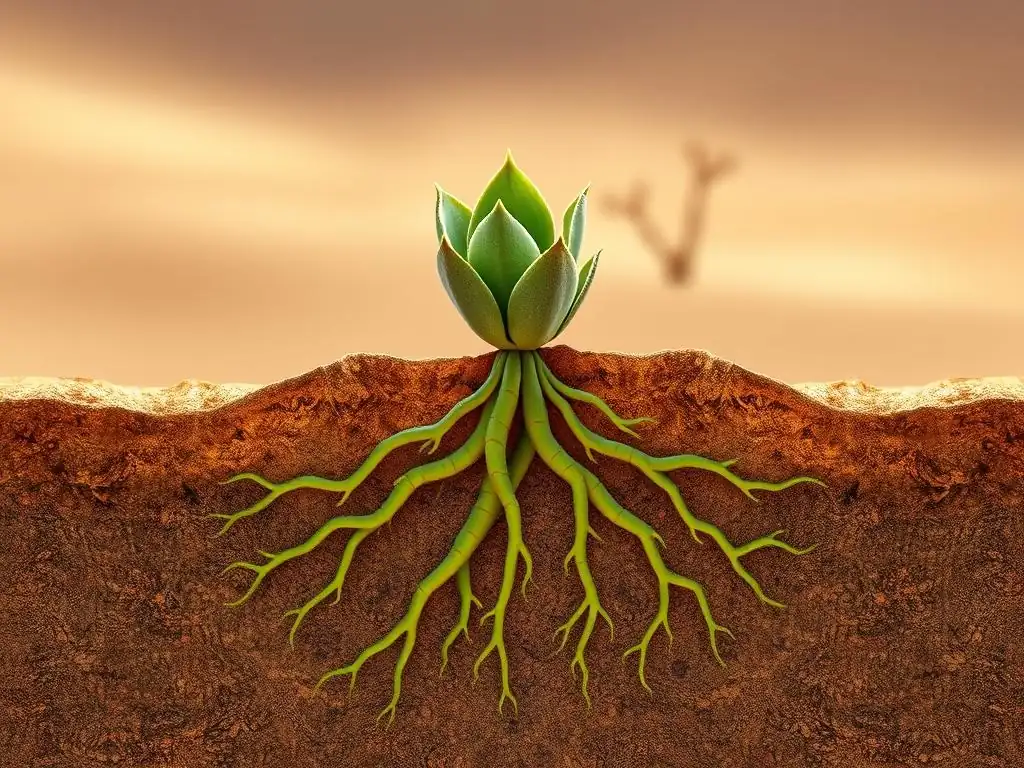
Succulents, with their unique physiological adaptations, offer a compelling solution for carbon sequestration in reforestation projects, particularly in arid and semi-arid regions where traditional tree planting struggles. Their CAM (Crassulacean Acid Metabolism) photosynthesis allows them to open their stomata at night, minimizing water loss and reducing transpiration. This efficient water use translates to less water needed for irrigation in reforestation efforts, a significant advantage in water-scarce environments. Furthermore, the dense, often extensive root systems of many succulent species can help stabilize soil, preventing erosion and improving water retention.
This soil stabilization further enhances carbon capture, as healthy soil acts as a significant carbon sink. Research indicates that certain succulent species, particularly those with substantial biomass, can exhibit comparable or even higher carbon sequestration rates per unit area compared to some traditional tree species in similar climates. This makes them a valuable asset in combating climate change through carbon capture and storage.
The potential for carbon sequestration is further amplified when considering the biodiversity of succulent ecosystems; a diverse range of species contributes to a more resilient and effective carbon sink. Further investigation into the specific carbon sequestration rates of various succulent species in different environmental contexts is crucial for optimizing their deployment in reforestation projects. This includes a detailed assessment of factors such as soil type, climate, and species diversity on overall carbon storage capacity.
Community Engagement and Educational Opportunities
Integrating succulents into reforestation initiatives presents unique opportunities for community engagement and environmental education. The relatively low maintenance requirements of succulents, coupled with their aesthetic appeal, make them ideal for community planting programs. Involving local communities in the planting and ongoing care of succulent ecosystems fosters a sense of ownership and responsibility, encouraging long-term stewardship of these newly established habitats.
Educational programs can be designed around succulent propagation, care, and the ecological benefits they provide, thereby raising awareness about sustainable practices and environmental conservation. Schools and community centers can host workshops on succulent gardening, creating opportunities for hands-on learning and community building. Furthermore, the establishment of succulent gardens in public spaces can serve as living classrooms, showcasing the beauty and ecological importance of these plants.
Such initiatives can inspire broader participation in environmental conservation efforts and promote a greater understanding of the role of biodiversity in maintaining healthy ecosystems. The vibrant colors and diverse forms of succulents can also be particularly engaging for younger generations, fostering a love of nature and a commitment to environmental stewardship from a young age. This multi-faceted approach to community engagement and education significantly increases the likelihood of successful and sustainable reforestation efforts using succulents.
Case Studies: Successful Succulent Reforestation Projects

This section details successful succulent reforestation projects, highlighting the challenges overcome and the positive results achieved. These case studies underscore the potential of succulents in sustainable reforestation efforts and offer valuable insights for future initiatives. Understanding these successes is crucial for developing a comprehensive Sustainable succulent reforestation guide.
Case Study 1: Location, Challenges, Results
This case study focuses on a reforestation project undertaken in the arid regions of [Specific Region Name Pending], [Specific Country Pending]. The primary challenge in this location was the extreme aridity and lack of consistent rainfall, conditions that often make traditional reforestation efforts difficult and expensive. The inherent drought tolerance of succulents made them an ideal candidate for this challenging environment.
The project utilized a diverse range of succulent species, selected for their adaptability to the local soil composition and climate. Specifically, [List of 3-5 Succulent Species Used Pending] were chosen for their proven resilience and rapid growth rates in similar environments. Initial planting involved careful site preparation, including soil amendment and the implementation of a drip irrigation system to supplement natural rainfall during the establishment phase. This initial investment was crucial for the survival of the young succulents.
The results have been remarkably positive. After [Number] years, the project area shows a significant increase in vegetation cover, with a notable improvement in soil stability and biodiversity. The succulents have not only survived but thrived, creating a self-sustaining ecosystem that supports other plant and animal life. This success demonstrates the potential of succulents in restoring degraded lands in arid and semi-arid regions. Further monitoring is underway to assess long-term impacts on water retention and carbon sequestration, key indicators of successful sustainable reforestation.
Case Study 2: Location, Challenges, Results
A different approach to succulent reforestation was implemented in [Specific Region Name Pending], [Specific Country Pending], a region characterized by [brief description of the environment, e.g., frequent wildfires and nutrient-poor soil]. Here, the primary challenge was not just aridity, but also the risk of fire and the low nutrient content of the soil.
This project focused on selecting fire-resistant succulent species and employing soil enrichment techniques prior to planting. Specifically, [List of 3-5 Succulent Species Used Pending, emphasizing fire-resistance] were chosen. The team implemented a pre-planting soil amendment strategy using [Specific Soil Amendment Method Pending] to improve nutrient availability and water retention. Furthermore, a controlled burn was conducted in adjacent areas to reduce the risk of future wildfires and create a fire break around the reforestation site.
The success of this project is evident in the high survival rate of the planted succulents and the emergence of diverse understory vegetation. The fire-resistant succulents have acted as a natural fire barrier, protecting the surrounding ecosystem. The improved soil quality has also contributed to increased biodiversity in the area. This case study highlights the importance of considering specific environmental threats when designing a succulent reforestation strategy and selecting appropriate species. Data on the long-term fire resilience and biodiversity increases are still being collected.
Case Study 3: Location, Challenges, Results
This case study examines a coastal reforestation project in [Specific Region Name Pending], [Specific Country Pending], an area impacted by [Specific Environmental Challenge, e.g., soil erosion and saltwater intrusion]. The primary challenge here was the salinity of the soil and the harsh coastal environment.
The project prioritized the selection of halophytic succulents – those adapted to saline conditions – for planting. [List of 3-5 Succulent Species Used Pending, emphasizing salt tolerance] were strategically planted to stabilize the dunes and prevent further erosion. The team also implemented techniques to improve soil drainage and reduce salinity levels, such as [Specific Soil Improvement Techniques Pending].
The results show a significant reduction in soil erosion, improved dune stability, and a notable increase in coastal biodiversity. The halophytic succulents have not only survived but have flourished, creating a protective barrier against coastal erosion and providing habitat for various species of birds and invertebrates. This project demonstrates the adaptability and resilience of succulents in challenging coastal environments and their effectiveness in protecting vulnerable ecosystems.
Ongoing research is focusing on assessing the long-term effects on coastal protection and the overall health of the coastal ecosystem. This project provides a valuable model for sustainable succulent reforestation guide development in similar coastal areas.
Challenges and Future Directions in Succulent Reforestation
The burgeoning field of succulent reforestation, while promising, faces several key challenges that require careful consideration and proactive solutions. Successfully integrating succulents into large-scale reforestation efforts demands a nuanced approach that goes beyond simply planting drought-tolerant species. The long-term viability and ecological impact are paramount. We must ensure that our efforts contribute positively to biodiversity and ecosystem health, rather than inadvertently causing further harm.
Addressing Potential Invasive Species Concerns
One significant hurdle is the potential for certain succulent species to become invasive. While many succulents are inherently well-suited to arid and semi-arid environments, their ability to thrive in diverse conditions raises concerns about their potential to outcompete native flora. Careful species selection is crucial. A thorough risk assessment, considering the specific ecological context of the reforestation site, is paramount before introducing any succulent species. This assessment should include factors such as:
- Species' native range and adaptability: Understanding the natural distribution and ability of a succulent to adapt to new environments is crucial. Species with a narrow native range are generally less likely to become invasive than those with a wide range.
- Reproductive strategies: Succulents with prolific seed production or vegetative propagation mechanisms (e.g., offsets, cuttings) pose a higher risk of becoming invasive.
- Competitive ability: Assessing the species' ability to compete with native plants for resources like water and nutrients is critical.
- Presence of natural enemies: The absence of natural predators or diseases in the introduction site could lead to unchecked population growth.
For example, Opuntia species (prickly pears) have a history of becoming invasive in various parts of the world, highlighting the need for careful selection and monitoring. A robust monitoring program, involving regular surveys to detect and control any signs of invasive spread, is a vital component of a responsible succulent reforestation strategy. This proactive approach is essential to mitigate the risk and ensure the long-term success and ecological integrity of the project. The use of less aggressive, slower-growing species should be prioritized.
Research Needs for Optimizing Succulent Reforestation Techniques
Further research is vital to optimize succulent reforestation techniques. Current knowledge is still relatively limited, particularly concerning the long-term ecological impacts of large-scale succulent plantings. Key research areas include:
- Soil suitability and amendment: Investigating optimal soil conditions for different succulent species is crucial. This includes research into soil amendments that can improve water retention and nutrient availability without harming the environment.
- Water management strategies: Developing efficient and sustainable irrigation techniques is essential, especially in regions with limited water resources. Techniques like drip irrigation or water harvesting need to be investigated for their effectiveness and sustainability.
- Nutrient cycling and soil health: Understanding how succulents influence nutrient cycling and soil health in different ecosystems is important. Research should assess the impact of succulent root systems on soil structure and microbial communities.
- Pollinator interactions: Research on the role of succulents as sources of nectar and pollen for pollinators is needed to assess their contribution to biodiversity.
- Long-term monitoring: Long-term monitoring programs are essential to track the survival rates, growth patterns, and ecological effects of succulent plantings. This data will be crucial in refining reforestation techniques and evaluating their long-term success. Data on species interactions and overall ecosystem health needs to be meticulously collected and analyzed.
Collaboration and Partnerships for Large-Scale Implementation
Successful large-scale succulent reforestation requires strong collaboration and partnerships amongst various stakeholders. This includes:
- Government agencies: Government support is crucial for securing funding, implementing regulations, and providing resources.
- Research institutions: Collaboration with research institutions is vital for providing scientific guidance and conducting necessary research.
- Non-governmental organizations (NGOs): NGOs can play a significant role in community engagement, education, and on-the-ground implementation.
- Local communities: Involving local communities in the planning and implementation phases is essential to ensure project acceptance and sustainability. Their traditional ecological knowledge can be invaluable.
- Private sector: Private companies can contribute through funding, material provision, and technological expertise.
Effective communication and knowledge sharing amongst these partners are essential for coordinating efforts and maximizing the impact of succulent reforestation projects. The development of standardized protocols and best practices will enhance efficiency and ensure consistency across different projects. A collaborative approach will prove invaluable in addressing the challenges and realizing the potential of sustainable succulent reforestation. The combined expertise and resources of these partners are vital for achieving large-scale, impactful, and ecologically sound reforestation efforts using succulents.
Developing Sustainable Harvesting Practices for Succulent Propagation
Sustainable succulent reforestation hinges on responsible propagation methods. Wild harvesting, while tempting for quick results in establishing new populations, poses a significant threat to the delicate balance of native succulent ecosystems. Over-harvesting can lead to the depletion of wild populations, disrupting biodiversity and potentially driving certain species towards extinction. Therefore, a shift towards sustainable harvesting practices is paramount.
This involves carefully considering the location and quantity of succulents harvested, prioritizing only mature, non-flowering plants to ensure the continued reproductive capacity of the wild population. Furthermore, the use of non-destructive harvesting techniques, such as taking cuttings instead of uprooting entire plants, is crucial. This minimizes damage to the surrounding environment and allows for quicker recovery of the harvested area.
The development of comprehensive guidelines for sustainable harvesting, coupled with rigorous monitoring and enforcement, is essential to ensure the long-term viability of this approach. This includes educating local communities on the importance of responsible harvesting and empowering them to participate in sustainable propagation efforts. Ultimately, a multifaceted strategy involving strict regulations, community engagement, and ongoing research is needed to ensure that succulent propagation supports, rather than undermines, reforestation goals.
The development of in vitro propagation techniques also offers a promising avenue for sustainable succulent propagation. This laboratory-based approach allows for the mass production of succulents from small tissue samples, reducing the pressure on wild populations. In vitro propagation minimizes the risk of introducing diseases and pests, leading to healthier and more resilient plants for reforestation projects.
However, the high initial investment in equipment and specialized expertise can be a significant barrier to implementation, particularly in resource-limited settings. Therefore, collaborative efforts between research institutions, governmental agencies, and local communities are essential to overcome these challenges and make in vitro propagation a widely accessible and effective tool for sustainable succulent reforestation. Furthermore, research into optimizing in vitro propagation protocols for specific succulent species is crucial to maximizing efficiency and ensuring the success of reforestation projects.
Finally, the exploration of alternative propagation methods, such as leaf cuttings and stem cuttings, offers a more accessible and environmentally friendly approach compared to wild harvesting. These techniques require less specialized equipment and expertise, making them suitable for implementation by local communities and volunteers. However, the success rate of these methods can vary greatly depending on the species of succulent and environmental conditions.
Therefore, further research is needed to identify the most effective propagation methods for different succulent species and to develop best practices for maximizing success rates under various environmental conditions. Moreover, ongoing monitoring and evaluation of these propagation methods are necessary to adapt strategies and optimize techniques for long-term sustainability. This includes assessing the genetic diversity of propagated plants to ensure the health and resilience of reforested areas.
Frequently Asked Questions
What makes succulents suitable for reforestation?
Succulents are incredibly drought-tolerant, requiring minimal water once established. This makes them ideal for arid and semi-arid regions, where traditional reforestation efforts often struggle. Their shallow root systems also help prevent soil erosion.
How can I contribute to succulent reforestation projects?
You can support existing conservation organizations working on succulent reforestation. Alternatively, you can participate in community planting initiatives or even propagate succulents yourself and donate them to such projects.
Are all succulents suitable for reforestation efforts?
No, only native succulent species should be used in reforestation projects to avoid disrupting local ecosystems. Introducing non-native species can have detrimental effects on biodiversity.
What are the long-term benefits of succulent reforestation?
Sustainable succulent reforestation helps restore degraded landscapes, combat desertification, and improve soil health. It also provides habitat for local wildlife and contributes to carbon sequestration.
Where can I find more information on sustainable succulent reforestation?
You can explore resources from environmental organizations and botanical gardens focusing on desert ecosystems. Many academic papers and articles are also available online, providing in-depth information on the subject.
Final Reflection: The Verdant Promise of Succulent Reforestation
The resilience of succulents offers a powerful, and often overlooked, solution to the global reforestation crisis. Their adaptability to arid and degraded lands presents a compelling alternative to traditional reforestation methods, promising a greener future even in the face of climate change's harshest challenges. This isn't merely a niche interest; it's a vital strategy for ecological restoration on a global scale.
The journey of exploring succulent reforestation has been deeply enriching, revealing not only the botanical wonders of these hardy plants but also the profound interconnectedness of ecological systems. Their ability to thrive in harsh conditions underscores the importance of embracing biodiversity in our conservation efforts. The earth laughs in flowers.
– Ralph Waldo Emerson. This quote perfectly encapsulates the joy and hope inherent in the potential of succulent reforestation to revitalize damaged landscapes and bring life back to barren areas. The ongoing research and practical applications in this field are inspiring, demonstrating the power of innovative solutions to pressing environmental problems.
Consider the potential within your own reach. You can contribute to this burgeoning movement by learning more about succulent propagation and planting, even on a small scale. Perhaps you'll start a small succulent garden, or advocate for the inclusion of succulents in local reforestation projects. Every action, no matter how small, contributes to a larger, more sustainable future. Embrace the verdant promise of succulent reforestation and become a part of the solution.
Unleash Your Inner Green Thumb: Start Reforesting Today!
Thank you for exploring the incredible world of succulents and their role in sustainable reforestation! You've discovered a powerful, low-maintenance way to contribute to a greener future. Ready to take the next step?
- Start your own succulent garden: Begin small! Even a single succulent planted in your yard or on your balcony makes a difference. Researching the varieties best suited to your local climate will ensure optimal success.
- Share this article with friends and family to inspire others to join the movement. Let's cultivate a collective commitment to environmental stewardship!
- Consider donating to or volunteering with a local reforestation initiative – it's a fantastic way to contribute on a larger scale and learn from experts.
What succulent species are you most excited to plant, and what impact do you hope to achieve?