
The Importance of Habitat Conservation for Rare Succulents: A Collector's Role

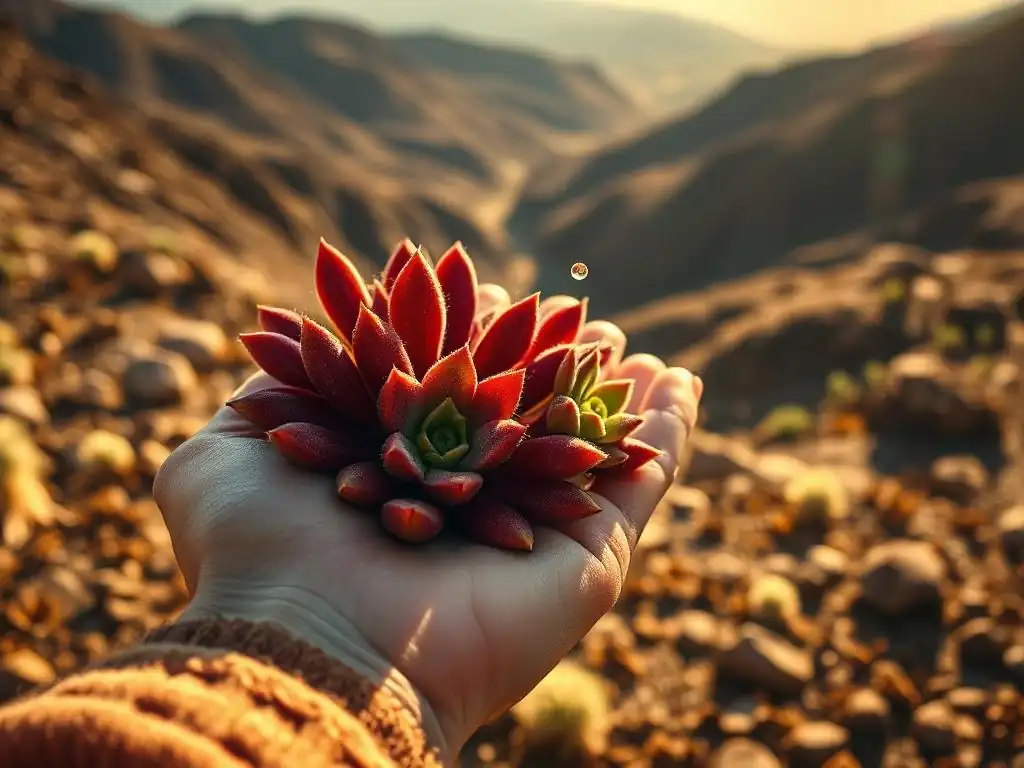
Welcome to SucculentEssentials.org, where the fascinating world of succulents unfolds before you! Are you captivated by their unique beauty and resilience? Then prepare to delve into a realm of expert care guides and inspiring design ideas.
But first, consider this: Can we truly appreciate the exquisite diversity of succulents without protecting their fragile habitats? Our latest article, "The Importance of Habitat Conservation for Rare Succulents: A Collector's Role," explores this crucial question and reveals how you can play a vital part in saving rare succulent habitats. Discover the secrets to cultivating these remarkable plants while contributing to their long-term survival – explore now!
- Understanding the Threats to Rare Succulent Habitats
- The Collector's Ethical Responsibility in Rare Succulent Conservation
- Practical Steps for Collectors to Save Rare Succulent Habitats
- The Long-Term Benefits of Habitat Conservation for Rare Succulents
- How Your Collection Can Contribute to Conservation Efforts: A Collector's Guide to Sustainable Practices
-
Frequently Asked Questions
- What is the biggest threat to rare succulent habitats?
- How can I, as a succulent collector, help save rare succulent habitats?
- Are all succulents endangered?
- What is the role of sustainable succulent cultivation in habitat conservation?
- How can I learn more about endangered succulent species and conservation initiatives?
- Final Reflection: The Enduring Legacy of Succulent Conservation
- Unveil Your Role in Succulent Conservation
Understanding the Threats to Rare Succulent Habitats
The captivating beauty and resilience of succulents have made them incredibly popular among plant enthusiasts, leading to a surge in collecting rare and endangered species. However, this growing interest presents a paradox: while we admire these unique plants, our actions can inadvertently contribute to their decline. This article explores the critical importance of habitat conservation for rare succulents and highlights the crucial role collectors play in safeguarding their future.
We will delve into the primary threats facing these delicate ecosystems, examining the impact of human activities and considering how responsible collecting practices can help us "Save rare succulent habitats" and ensure the survival of these fascinating plants for generations to come. Understanding these threats is the first step towards effective conservation efforts, allowing both collectors and enthusiasts to contribute meaningfully to the preservation of these invaluable botanical treasures.
Habitat Loss Due to Urbanization and Agriculture
The relentless expansion of urban areas and intensive agricultural practices are major drivers of habitat loss for many rare succulent species. As cities grow and farmland expands, natural habitats are fragmented and destroyed, leaving succulent populations isolated and vulnerable. This fragmentation limits gene flow, making them less resilient to environmental changes and diseases.
The conversion of natural landscapes into human-dominated environments often eliminates the specific soil conditions, microclimates, and symbiotic relationships that are crucial for the survival of these specialized plants. For example, the construction of a new housing development could eliminate a hillside where a unique species of Dudleya thrives, irrevocably impacting its population.
The encroachment of agriculture further exacerbates this issue, as monoculture farming often replaces diverse ecosystems with single-crop fields, eliminating the habitat needed by many rare succulent species. The scale of this habitat loss is alarming, with many succulent species facing critically endangered status due to this direct destruction of their natural homes.
Climate Change Impacts on Succulent Ecosystems
Climate change presents a multifaceted threat to succulent ecosystems. Rising temperatures, altered rainfall patterns, and increased frequency of extreme weather events like droughts and floods directly impact the survival of these drought-adapted plants. Many succulent species are highly specialized to specific climatic conditions, and even small changes can disrupt their delicate balance. For instance, prolonged droughts can lead to desiccation and death, while increased rainfall can cause root rot and fungal infections.
Changes in temperature can also affect flowering times and pollination patterns, impacting reproductive success and ultimately leading to population decline. The indirect effects of climate change, such as increased pest and disease prevalence, further exacerbate the vulnerability of these already stressed populations. Understanding the complex interplay between climate change and succulent ecology is essential for developing effective conservation strategies.
Unsustainable Harvesting Practices and Their Consequences
Unsustainable harvesting practices pose a significant threat to rare succulent populations. Over-collection for the horticultural trade, coupled with illegal harvesting for medicinal or other uses, can rapidly deplete wild populations, pushing species towards extinction. This is particularly problematic for slow-growing succulents with limited reproductive capacity. The removal of plants from their natural habitats disrupts ecological processes and can have cascading effects on the entire ecosystem.
For example, the removal of a keystone species can alter the composition of the plant community and impact other organisms that depend on it. Furthermore, unsustainable harvesting often leads to habitat degradation, as collectors may damage surrounding vegetation or soil in their search for desirable plants. The long-term consequences of these practices can be devastating, leading to irreversible biodiversity loss and ecosystem collapse. Responsible collecting practices, including propagation and cultivation of succulents from sustainably sourced materials, are crucial to mitigating this threat.
The Role of Invasive Species in Habitat Degradation
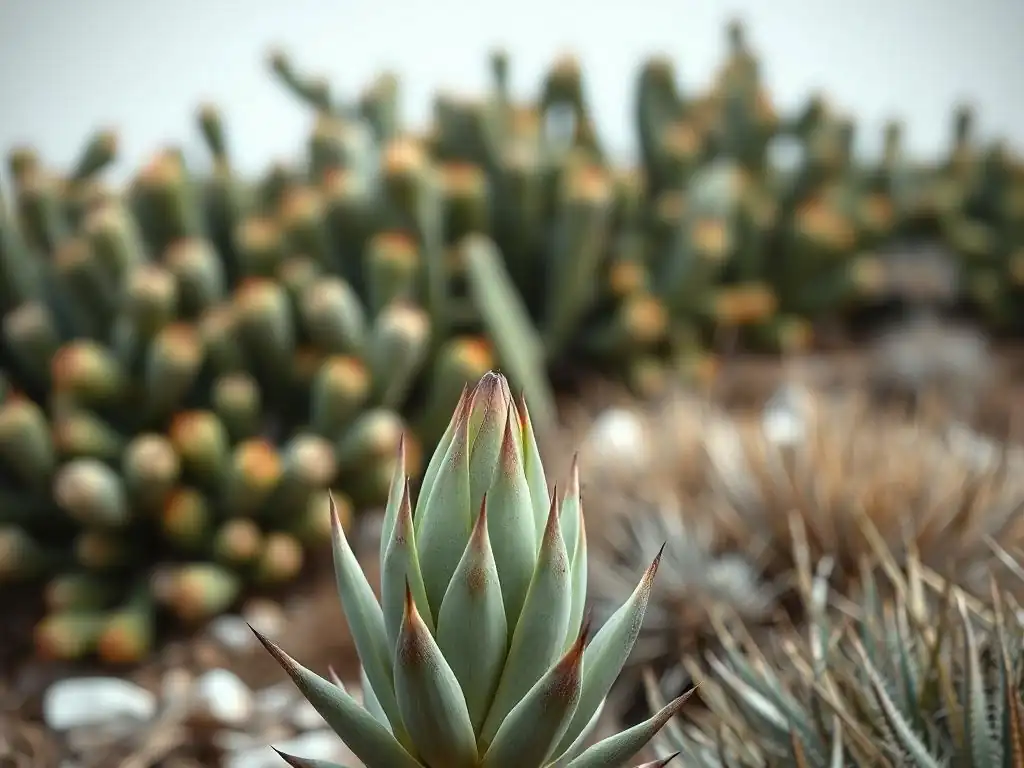
Invasive species pose a significant threat to the delicate balance of rare succulent habitats. These non-native plants, often introduced unintentionally through human activity (like contaminated soil or transported materials), can outcompete native succulents for resources like water, sunlight, and nutrients. Their aggressive growth patterns can quickly overwhelm established ecosystems, leading to a drastic reduction in the population of rare succulents and even their complete displacement. This competitive pressure isn't just about resource scarcity; invasive species can also alter soil chemistry, making it less suitable for native plants.
For example, the introduction of certain fast-growing grasses can drastically change soil drainage, impacting succulents that thrive in well-drained conditions. Furthermore, some invasive species can introduce diseases or pests that further weaken already vulnerable succulent populations, accelerating their decline. The impact is particularly severe in isolated habitats where endemic succulent species have limited genetic diversity and are therefore less resilient to external pressures.
Effective management of invasive species, through careful monitoring and targeted removal programs, is crucial for the conservation of rare succulent habitats. Ignoring this threat can lead to irreversible damage and the loss of unique succulent biodiversity. This is especially vital in arid and semi-arid regions, where ecosystems are already fragile and slow to recover from disturbances.
Climate Change and its Impact on Succulent Habitats
Climate change presents a multifaceted threat to the survival of rare succulent habitats. Rising temperatures, altered precipitation patterns, and increased frequency of extreme weather events (like droughts and floods) directly impact the delicate ecological balance these plants depend on. Many rare succulents are adapted to very specific climatic conditions, and even small shifts can have devastating consequences.
For instance, prolonged droughts can lead to desiccation and death, while intense rainfall can cause erosion and damage root systems. The changing climate also affects the timing of flowering and fruiting, disrupting crucial reproductive cycles and reducing the overall reproductive success of rare succulents. Changes in temperature can also alter the range and distribution of pests and diseases, increasing the vulnerability of already stressed populations.
Furthermore, rising sea levels pose a direct threat to coastal succulent habitats, leading to saltwater intrusion and habitat loss. Understanding the specific climate change vulnerabilities of each rare succulent species is crucial for developing effective conservation strategies, including habitat restoration and assisted migration techniques. Addressing climate change is a global challenge, but localized efforts focused on protecting and restoring vulnerable succulent habitats can make a tangible difference.
Human Activities and Habitat Destruction
Human activities are arguably the most significant direct threat to rare succulent habitats. Habitat destruction, driven by expanding urban areas, agriculture, mining, and infrastructure development, directly reduces the available land for these plants to thrive. The construction of roads, dams, and other infrastructure fragments habitats, isolating populations and reducing genetic diversity.
Unsustainable agricultural practices, such as overgrazing and deforestation, further degrade the soil and alter the ecosystem's water balance, making it unsuitable for many succulents. Furthermore, the illegal collection of rare succulents for the horticultural trade poses a significant threat, particularly to already small and isolated populations. This unsustainable harvesting can lead to local extinctions and severely impact the genetic diversity of the species.
Careful land-use planning, sustainable agricultural practices, and strict regulations against illegal collection are essential for mitigating the negative impacts of human activities on rare succulent habitats. Promoting responsible ecotourism can also help balance the need for economic development with the imperative of habitat conservation. Education and awareness campaigns play a vital role in changing human behavior and promoting sustainable practices that minimize the impact on these precious ecosystems.
The Collector's Ethical Responsibility in Rare Succulent Conservation
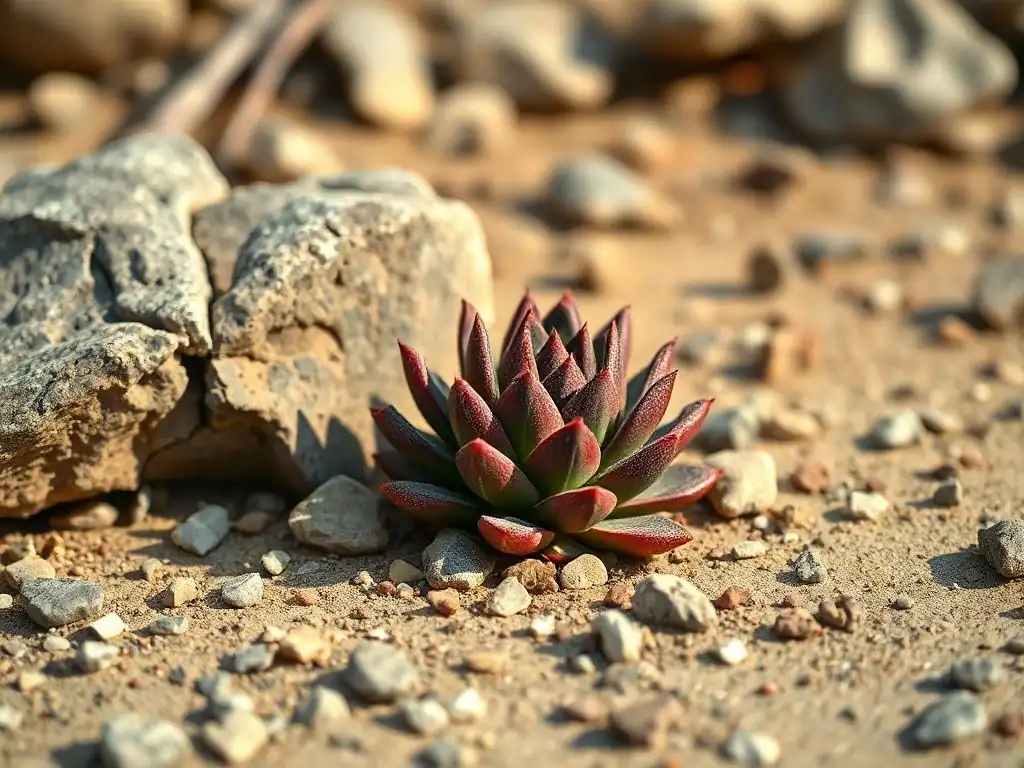
The allure of rare and endangered succulents is undeniable. Their unique forms, vibrant colors, and resilience in harsh environments captivate collectors worldwide. However, this passion must be tempered with a deep understanding of the ethical implications of collecting these precious plants. The unchecked pursuit of rare specimens can inadvertently contribute to their decline, jeopardizing the delicate balance of their natural habitats.
Therefore, a collector's role extends far beyond mere acquisition; it encompasses a significant responsibility towards conservation. Saving rare succulent habitats is not just an ideal; it's a necessity for the continued existence of these extraordinary plants. This section explores the crucial role collectors play in ensuring the survival of these unique species.
Supporting Sustainable Harvesting Initiatives
Sustainable harvesting is paramount to the long-term survival of rare succulent populations. This means prioritizing ethically sourced plants, obtained through methods that minimize environmental impact and ensure the sustainability of the wild populations. This contrasts sharply with practices that involve indiscriminate removal of plants from their natural habitats, often causing irreversible damage to the ecosystem. Collectors can actively support sustainable harvesting by:
- Choosing reputable nurseries and suppliers: Researching and selecting vendors committed to sustainable and ethical sourcing practices is crucial. Look for nurseries that propagate their succulents, reducing pressure on wild populations. Inquire about their sourcing methods and look for certifications or transparent traceability systems.
- Supporting conservation organizations: Many organizations work directly with local communities and governments to implement sustainable harvesting programs. Contributing financially or volunteering your time can significantly support these crucial efforts.
- Avoiding plants of questionable origin: Be wary of plants offered without clear provenance. If the origin or harvesting methods are unclear, it's best to avoid purchasing them, as this could inadvertently support unsustainable practices. Prioritize transparency and responsible sourcing above all else.
Advocating for Habitat Protection Policies
Protecting the natural habitats of rare succulents is critical for their long-term survival. These habitats often face threats from habitat destruction, climate change, and invasive species. Collectors can play a powerful role in advocating for stronger habitat protection policies. This can involve:
- Supporting legislation: Contacting elected officials to express support for legislation aimed at protecting succulent habitats is a direct way to make a difference. Joining conservation organizations that lobby for such legislation can amplify your voice.
- Raising awareness: Educating others about the importance of habitat conservation and the threats facing rare succulents can encourage wider support for protection initiatives. Sharing information and engaging in conversations about these issues can raise public awareness and encourage action.
- Participating in citizen science initiatives: Many programs involve monitoring and surveying succulent populations, providing valuable data for conservation efforts. Participating in these initiatives can contribute directly to conservation planning and decision-making. The data collected can be crucial for informing policy decisions and conservation strategies.
Educating Fellow Collectors on Responsible Practices
Sharing knowledge and promoting ethical collecting practices within the community is essential. This can involve:
- Participating in online forums and communities: Sharing information about sustainable sourcing, habitat protection, and responsible collecting practices with other enthusiasts can create a more informed and ethical collecting community.
- Organizing workshops and presentations: Educating fellow collectors through workshops and presentations can increase awareness of the importance of conservation and ethical collecting practices.
- Mentoring new collectors: Guiding new collectors towards responsible practices from the outset can help prevent unsustainable collecting habits from developing. This includes emphasizing the importance of researching the plants' origins and advocating for sustainable sourcing.
The conservation of rare succulents requires a collective effort. By actively participating in sustainable harvesting initiatives, advocating for habitat protection, and educating others, collectors can play a vital role in “saving rare succulent habitats” and ensuring the survival of these remarkable plants for generations to come. This commitment to ethical collecting practices is not just a responsibility; it's a privilege shared by all who appreciate the beauty and fragility of these unique species. 🌱
Contributing to Research and Conservation Efforts
Collectors of rare succulents hold a unique position, possessing specialized knowledge and often, access to plants that researchers may find difficult to obtain. Actively contributing to research and conservation efforts is not only ethically responsible but also crucial for the long-term survival of these species. This contribution can take many forms, from participating in citizen science projects to directly supporting botanical gardens and conservation organizations.
One significant way collectors can contribute is by meticulously documenting their collections. This involves maintaining detailed records of plant origins, propagation methods, and growth conditions. This data, when shared responsibly with researchers, can provide invaluable insights into a species' natural habitat preferences, growth rates, and responses to environmental changes.
Such data is crucial for informing effective conservation strategies and habitat restoration projects. For example, detailed records on the successful propagation of a critically endangered Dudleya species could inform strategies for reintroduction programs in its native habitat. The precise information on soil composition, light exposure, and watering schedules, meticulously tracked by a collector, would be of immense value to scientists working on the species' recovery.
Furthermore, collectors can directly support research by participating in citizen science initiatives. Many organizations are actively seeking the involvement of succulent enthusiasts to contribute data on plant sightings, population sizes, and habitat conditions. This participatory approach empowers collectors to directly contribute to the scientific understanding of rare succulent populations, providing crucial ground-level data that may be otherwise unavailable.
The collective observations from numerous collectors can paint a much clearer picture of a species' overall health and distribution than any single research team could achieve. This crowdsourced data is instrumental in identifying areas requiring immediate conservation attention, leading to more effective resource allocation.
Finally, financial support for conservation organizations dedicated to protecting succulent habitats is paramount. Many reputable organizations work tirelessly to preserve biodiversity, and even small donations can make a significant difference. Collectors can also contribute through volunteering time at botanical gardens, assisting with propagation programs, or participating in habitat restoration activities.
These actions not only directly help endangered species but also foster a community of passionate individuals working towards a common goal: the preservation of these unique and beautiful plants for future generations. This collective effort is essential for achieving sustainable conservation of rare succulent habitats and ensuring the survival of these extraordinary plants.
Practical Steps for Collectors to Save Rare Succulent Habitats
Collectors of rare succulents play a vital role in the preservation of these unique plants and their fragile habitats. While the allure of possessing a rare specimen is undeniable, responsible collecting necessitates a proactive approach to conservation. This section outlines practical steps collectors can take to contribute to the preservation of succulent biodiversity and help to Save rare succulent habitats. Ignoring the environmental impact of our hobby would be irresponsible; active participation is crucial for the future of these fascinating plants.
Choosing Ethically Sourced Succulents
The first and most impactful step towards responsible collecting is ensuring the ethical sourcing of succulents. Purchasing plants from reputable nurseries and growers who prioritize sustainable practices is paramount. Avoid purchasing plants from unknown sources or those suspected of engaging in unsustainable harvesting practices. Look for nurseries that:
- Clearly state their sourcing methods: Reputable suppliers will openly communicate how and where they acquire their succulents. This transparency is key to ensuring ethical practices.
- Promote sustainable propagation techniques: Nurseries utilizing propagation methods like cuttings or tissue culture contribute to conservation by reducing pressure on wild populations. Avoid nurseries that primarily rely on wild-collected plants.
- Support conservation efforts: Some nurseries actively contribute to conservation initiatives, further demonstrating their commitment to sustainability. This could include donations to conservation organizations or participation in habitat restoration projects.
The ethical sourcing of succulents isn't merely a matter of personal responsibility; it directly impacts the long-term survival of rare species. By choosing ethically sourced plants, we collectively reduce the demand that drives unsustainable harvesting, thus helping to Save rare succulent habitats. Remember to always ask questions and be discerning in your choices as a collector. A seemingly insignificant purchase can have a significant impact.
Participating in Conservation Breeding Programs
Conservation breeding programs play a crucial role in safeguarding rare and endangered succulent species. These programs aim to maintain genetic diversity and increase the population of threatened plants, reducing the pressure on wild populations. Collectors can actively participate in these efforts by:
- Joining conservation societies: Many organizations focus on the conservation of succulents and offer opportunities for collectors to participate in breeding programs. These societies often provide valuable information, resources, and networking opportunities.
- Contributing to seed banks: Seed banks serve as vital repositories for genetic material, safeguarding the genetic diversity of succulent species. Collectors can contribute by donating seeds from their ethically sourced plants.
- Participating in propagation projects: Some conservation programs involve collectors in propagation projects, allowing them to actively contribute to increasing the population of rare succulents. This hands-on participation provides a direct contribution to conservation efforts.
Participating in conservation breeding programs offers a tangible way for collectors to contribute to the preservation of rare succulents. It's a proactive approach that combines the passion for collecting with a deep commitment to conservation, ultimately helping to Save rare succulent habitats. The more involved we are, the greater the impact we can make.
Supporting Botanical Gardens and Conservation Organizations
Botanical gardens and conservation organizations are at the forefront of succulent conservation. They conduct crucial research, manage protected areas, and educate the public about the importance of preserving these unique plants. Collectors can support their efforts by:
- Donating to conservation organizations: Financial contributions, however small, can make a significant difference in supporting conservation projects. Many organizations welcome donations that directly fund habitat preservation and research initiatives.
- Volunteering time and skills: Many botanical gardens and conservation organizations welcome volunteers who can contribute their skills and time to various projects, from habitat restoration to educational outreach.
- Advocating for conservation policies: Collectors can play a crucial role in advocating for policies that protect succulent habitats and prevent unsustainable harvesting. This might involve contacting elected officials or supporting organizations working on relevant legislation.
Supporting these institutions is a critical aspect of responsible collecting. It provides essential funding and resources for conservation projects, ultimately helping to Save rare succulent habitats. By becoming active supporters, we contribute to a broader effort that ensures the survival of these remarkable plants for future generations. Remember, the future of rare succulents depends on collective action and informed choices.
Reducing Your Carbon Footprint to Combat Climate Change
Climate change is a significant threat to succulent habitats worldwide. Rising temperatures, altered precipitation patterns, and increased frequency of extreme weather events directly impact the delicate ecosystems where many rare succulents thrive. As succulent collectors, we have a responsibility to mitigate our contribution to this global crisis. Reducing our carbon footprint is not just an environmental imperative; it's a crucial step in saving rare succulent habitats.
One of the most impactful actions is minimizing our reliance on fossil fuels. This involves conscious choices in transportation, opting for public transport, cycling, walking, or carpooling whenever feasible. For longer distances, consider carbon-offsetting programs to compensate for unavoidable emissions. At home, energy conservation is key. Switching to energy-efficient appliances, using LED lighting, and reducing energy consumption through mindful habits can significantly lower our carbon footprint. Consider investing in renewable energy sources like solar panels if possible. These seemingly small changes, when adopted collectively, can make a substantial difference in reducing greenhouse gas emissions.
Furthermore, responsible consumption is crucial. This extends beyond just succulents. We need to be mindful of our overall consumption patterns, reducing waste, choosing sustainable products, and supporting businesses committed to environmental responsibility.
This includes being conscious about the packaging of purchased items, opting for recycled materials whenever possible, and actively participating in recycling programs. Reducing, reusing, and recycling are fundamental principles to minimize our environmental impact and contribute to a healthier planet for succulents and all living things. The seemingly small act of choosing reusable shopping bags over plastic ones, for example, represents a collective effort that contributes to reducing plastic pollution that often impacts delicate desert ecosystems.
Beyond individual actions, supporting organizations dedicated to climate change mitigation and habitat conservation is vital. Many charities and non-profits work tirelessly to protect endangered ecosystems and raise awareness about the importance of environmental stewardship. Donating to these organizations, even small amounts, can amplify their impact and contribute significantly to conservation efforts.
Moreover, participating in or organizing community clean-up events focused on preserving natural areas provides a tangible way to contribute to habitat preservation and raise awareness among the wider community about the importance of saving rare succulent habitats. Active involvement and community engagement are essential in the broader fight for climate action and succulent conservation.
The Long-Term Benefits of Habitat Conservation for Rare Succulents
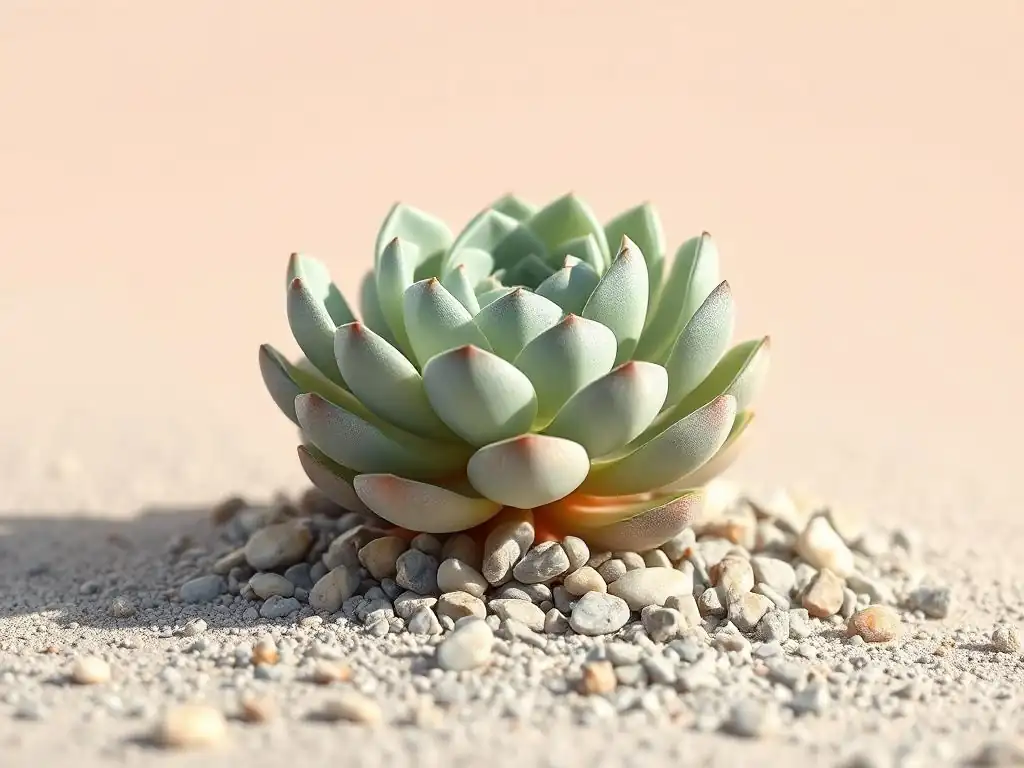
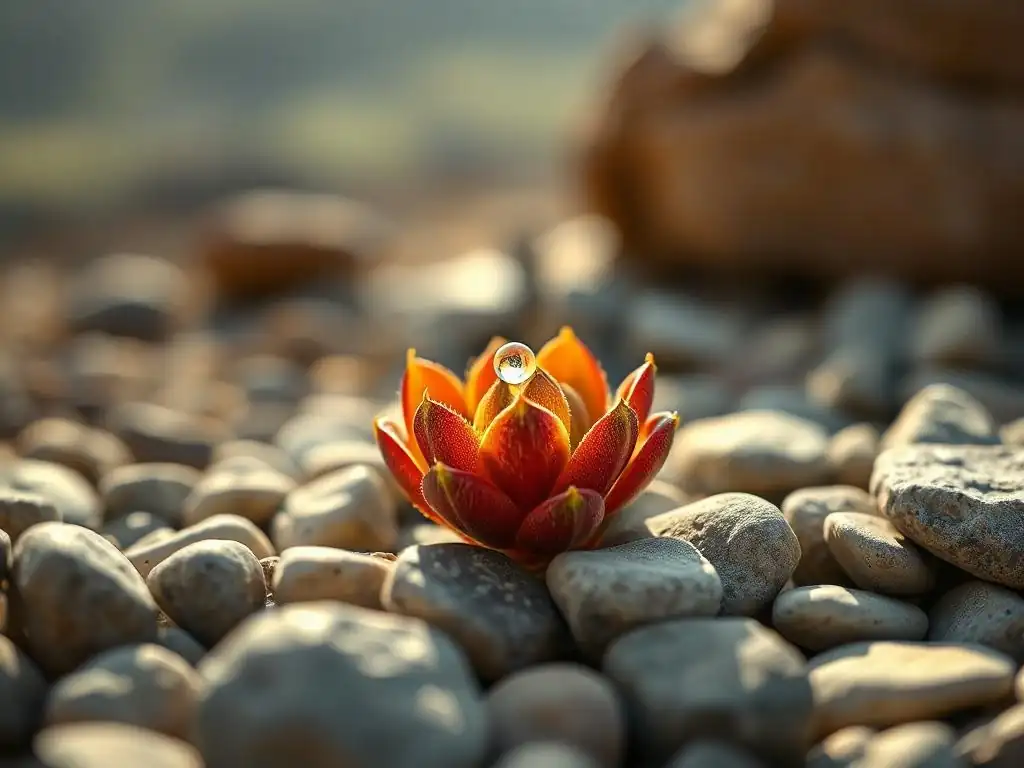
Habitat conservation offers numerous long-term benefits that extend far beyond the immediate preservation of rare succulents. It's a cornerstone of responsible collecting and a crucial aspect of ensuring the future of these fascinating plants. The benefits are multifaceted, impacting not only the plants themselves but also the wider ecological balance and even the future of succulent cultivation. Ignoring these long-term benefits risks jeopardizing the very collections we strive to build and cherish.
Ensuring the Survival of Rare and Endangered Species
The most immediate and obvious benefit of habitat conservation is the survival of rare and endangered succulent species. Many succulents face threats from habitat destruction due to urbanization, agriculture, and unsustainable harvesting. By protecting their natural habitats, we create safe havens where these plants can continue to thrive and reproduce naturally.
This is especially crucial for species with limited natural ranges or those facing severe population declines. For example, Dudleya greenei, a critically endangered succulent found only on a few islands off the coast of California, directly benefits from habitat protection efforts that actively combat invasive species and prevent further habitat degradation. Without these conservation efforts, the species would face imminent extinction.
The success of these conservation measures can be measured by tracking population numbers, seed production, and overall plant health within protected areas. Data on these key metrics are vital in assessing the effectiveness of conservation strategies and in guiding future actions to Save rare succulent habitats.
Maintaining Biodiversity in Succulent Ecosystems
Succulent ecosystems are complex and interconnected environments. The loss of even a single succulent species can have cascading effects on the entire ecosystem. These plants play vital roles in their habitats, providing food and shelter for various animals, contributing to soil stability, and influencing the overall water cycle. Conservation efforts that protect entire habitats ensure the maintenance of biodiversity, fostering a robust and resilient ecosystem capable of adapting to environmental changes.
The loss of a keystone species, for instance, can lead to a significant decline in overall biodiversity, making the ecosystem more vulnerable to disturbances. Protecting biodiversity is not just about saving individual plants; it's about safeguarding the intricate web of life that supports them and contributes to the overall health of the planet. This holistic approach is essential for long-term sustainability and the preservation of Save rare succulent habitats.
Protecting the Genetic Diversity of Succulent Collections
Protecting the genetic diversity of succulents is paramount for both in-situ and ex-situ conservation. In-situ conservation (conservation within the natural habitat) safeguards the full genetic pool of a species, allowing natural selection and adaptation to continue. Ex-situ conservation (conservation outside the natural habitat, such as in botanical gardens or private collections) complements this by providing a backup for species facing extreme threats.
However, ex-situ collections must strive to maintain genetic diversity to avoid inbreeding and loss of adaptability. Habitat conservation contributes directly to the genetic diversity of ex-situ collections by providing a source of seeds and cuttings from diverse populations. This genetic diversity is crucial for the long-term health and resilience of cultivated plants, providing the raw material for future breeding and conservation efforts.
Maintaining this diversity is crucial for adapting to future challenges and ensuring the continued survival of these plants, both in the wild and in cultivation. The preservation of Save rare succulent habitats directly supports the genetic richness of these valuable collections.
Safeguarding the Future of Succulent Appreciation
Conserving the natural habitats of rare succulents offers a profound and long-term benefit that extends far beyond the immediate preservation of these unique plants. It directly impacts the future of succulent appreciation and the hobby itself. By protecting these habitats, we ensure a continued supply of genetic diversity within succulent populations.
This diversity is crucial for the long-term health and resilience of these species, making them less vulnerable to diseases, pests, and climate change. Without diverse gene pools, succulents become more susceptible to extinction, diminishing the very plants that enthusiasts collect and cherish. The loss of a single, seemingly insignificant, genetic variant could have unforeseen consequences on the future viability of an entire species.
Furthermore, habitat conservation safeguards the potential for future discoveries. Many succulent species remain undiscovered, hidden within remote and unexplored areas. The destruction of these habitats eliminates the possibility of finding new and exciting succulents, limiting the scope of the hobby and hindering scientific research. Protecting these areas allows for continued exploration and the potential identification of new species, enriching our understanding of succulent biodiversity and providing new opportunities for cultivation and appreciation. Imagine the loss of potential – stunning new colors, unique shapes, and fascinating adaptive traits – all lost due to habitat destruction.
Finally, preserving natural habitats fosters a deeper appreciation for the ecological roles succulents play. These plants are not simply decorative objects; they are integral components of complex ecosystems, supporting various animal species and contributing to soil health. By conserving their habitats, we contribute to a larger conservation effort that safeguards biodiversity as a whole.
This holistic approach to conservation reinforces the ethical responsibilities of succulent collectors and enthusiasts, connecting our passion for these plants to a broader environmental consciousness. The beauty of succulents is inextricably linked to the health of the environments they call home; protecting one safeguards the other. This ensures the continued enjoyment and study of these fascinating plants for generations to come.
How Your Collection Can Contribute to Conservation Efforts: A Collector's Guide to Sustainable Practices
Collecting rare succulents can be a rewarding hobby, but it's crucial to remember that our passion shouldn't come at the expense of these plants' survival in the wild. By adopting sustainable practices, collectors can actively contribute to save rare succulent habitats and ensure the long-term preservation of these unique species. This isn't just about ethical collecting; it's about becoming a steward of these fascinating plants.
Documenting Your Collection for Research Purposes
Accurate documentation of your succulent collection is surprisingly valuable for conservation efforts. Researchers often need data on plant genetics, distribution, and cultivation techniques to inform conservation strategies. Consider meticulously recording the following information for each plant:
- Species Identification: Use accurate scientific names (genus and species). Include any subspecies or variety designations. Avoid common names, as they can be ambiguous.
- Provenance: Record the source of each plant as accurately as possible. If acquired from a reputable nursery, note their details. If propagated from cuttings, document the parent plant's details. Knowing the origin helps researchers understand plant distribution and genetic diversity.
- Growth Conditions: Keep detailed records of your growing conditions including; light exposure (hours of sunlight per day), temperature range, watering frequency, and type of potting mix. This information is crucial for understanding the plants' needs and for successful propagation and conservation efforts.
- Photographs: Take regular, high-quality photographs of each plant, documenting its growth stages and any unusual characteristics. These images can be invaluable for identification and research purposes.
- Propagation Records: If you propagate plants, maintain detailed records of the methods used (leaf cuttings, stem cuttings, offsets), the success rate, and the resulting plants' characteristics. This data is vital for understanding propagation techniques and for developing efficient conservation strategies.
By carefully recording this data and making it available to researchers (with appropriate privacy considerations), you are directly contributing to the scientific understanding of these species and aiding in their conservation. This data might even inform conservation programs focused on saving rare succulent habitats.
Your passion for rare succulents can inspire others to appreciate and protect these plants. Sharing your knowledge and experience through educational initiatives contributes significantly to conservation efforts.
- Mentoring Beginners: Guide new succulent enthusiasts on responsible collecting practices, emphasizing the importance of purchasing plants from reputable sources and avoiding the wild collection of endangered species.
- Educational Talks and Workshops: Offer presentations or workshops at local botanical gardens, plant societies, or community centers. Share your expertise on succulent cultivation and conservation, educating others about the threats these plants face.
- Online Engagement: Participate actively in online forums and communities dedicated to succulents. Correct misinformation and promote responsible collecting habits. Share your knowledge and experiences with others, fostering a community of informed and responsible succulent enthusiasts. This helps spread awareness and promotes the cause of saving rare succulent habitats.
- Collaborating with Conservation Organizations: Partner with local or international conservation organizations focused on plant preservation. Their expertise and resources can amplify your efforts, creating a broader impact on saving rare succulent habitats.
By actively engaging with others and sharing your knowledge, you become an ambassador for succulent conservation, inspiring others to join the cause.
Promoting Responsible Collecting Practices Within the Community
The succulent collecting community plays a vital role in ensuring the long-term survival of rare species. Promoting responsible practices within your community is an effective way to contribute to conservation efforts.
- Support Ethical Nurseries: Prioritize purchasing plants from reputable nurseries that propagate succulents responsibly and ethically, avoiding the exploitation of wild populations. This directly supports sustainable practices and helps save rare succulent habitats.
- Advocate Against Poaching: Speak out against the illegal collection and trade of rare succulents. Report any suspicious activity to the appropriate authorities. Your voice can help raise awareness and discourage harmful practices.
- Participate in Conservation Initiatives: Support organizations and initiatives focused on protecting succulent habitats. This could involve volunteering your time, donating to conservation projects, or participating in habitat restoration efforts. Every action counts in saving rare succulent habitats.
- Educate Fellow Collectors: Engage in open discussions with other collectors, sharing information on responsible collecting practices and the importance of conservation. Encourage others to adopt sustainable practices in their own collections.
By promoting responsible practices within the collecting community, you create a ripple effect, encouraging others to adopt sustainable habits and contributing to the preservation of these incredible plants and their habitats. This collective effort is essential for saving rare succulent habitats and ensuring the future of these unique species.
Supporting Organizations Dedicated to Succulent Conservation
Numerous organizations worldwide are dedicated to the preservation of succulent habitats and the conservation of rare and endangered species. These groups play a vital role in research, education, and on-the-ground conservation efforts. Supporting these organizations, even with small donations or volunteer work, significantly impacts their ability to protect these unique ecosystems and the plants within them. Many offer memberships that provide access to exclusive resources, educational materials, and opportunities to participate in conservation projects. This support is crucial, as funding for conservation initiatives is often limited.
One aspect often overlooked is the indirect contribution collectors make. By purchasing succulents from reputable nurseries that participate in conservation programs, or by supporting botanical gardens actively involved in propagation and reintroduction efforts, collectors indirectly fund conservation work. This sustainable purchasing practice helps ensure the long-term viability of these organizations and their crucial work in "saving rare succulent habitats". It's a subtle but important way to make a difference.
Furthermore, several organizations focus specifically on educating the public about the importance of succulent conservation. They often host workshops, webinars, and public lectures to raise awareness about the threats facing these plants and their habitats. These educational programs are essential for fostering a sense of responsibility and encouraging sustainable practices among both hobbyists and the general public.
By actively engaging with these educational resources and spreading awareness within your own network, you contribute significantly to the broader conservation movement. This collective effort is crucial for the long-term success of "saving rare succulent habitats". The more people understand the issues, the more likely they are to support conservation efforts.
Finally, some organizations focus on lobbying for stricter regulations to protect succulent habitats from threats like habitat destruction and illegal collection. Their advocacy is crucial in creating a legal framework that supports conservation efforts. By supporting these organizations, you are not only contributing financially but also empowering them to advocate for stronger legal protections for these precious plant communities. This political action is essential for the long-term survival of many rare succulent species and their fragile habitats, ultimately helping in the effort to "save rare succulent habitats".
Frequently Asked Questions
What is the biggest threat to rare succulent habitats?
Habitat loss due to human activities such as urbanization, agriculture, and mining is the primary threat. Climate change also plays a significant role, altering suitable growing conditions.
How can I, as a succulent collector, help save rare succulent habitats?
Support conservation organizations working to protect succulent habitats. Practice responsible collecting by avoiding wild harvesting and purchasing plants from reputable sources.
Are all succulents endangered?
No, not all succulents are endangered. However, many species are threatened, and their numbers are declining due to habitat loss and other factors. Conservation efforts are crucial to protect vulnerable species.
What is the role of sustainable succulent cultivation in habitat conservation?
Sustainable cultivation reduces the demand for wild-harvested plants, lessening pressure on natural habitats. Propagating succulents from cuttings instead of buying wild-collected specimens also helps.
How can I learn more about endangered succulent species and conservation initiatives?
Research conservation organizations focused on succulents and their habitats. Many organizations offer resources and opportunities to get involved in protection efforts.
Final Reflection: The Enduring Legacy of Succulent Conservation
The plight of rare succulents is not merely an ecological concern; it's a stark warning about the fragility of our planet's biodiversity. The interconnectedness of these seemingly delicate plants with their unique habitats highlights the urgent need for collective action to prevent further losses. Ignoring this crisis risks not only the extinction of these remarkable species but also the unraveling of entire ecosystems.
The passion of succulent collectors, often overlooked, holds a powerful key to their survival. These enthusiasts, driven by a deep appreciation for these plants' beauty and resilience, are uniquely positioned to advocate for conservation efforts. Their knowledge and dedication can be instrumental in raising awareness and supporting initiatives that protect these fragile habitats. The fate of the species is inextricably linked to the fate of its habitat.
This simple truth underscores the responsibility we all share in safeguarding these irreplaceable ecosystems.
Consider your own role in this unfolding narrative. Are you a collector, a gardener, or simply someone who appreciates the natural world? Regardless of your background, you possess the power to make a difference. Support organizations dedicated to habitat conservation, choose sustainably sourced plants, and educate others about the importance of preserving these unique environments. Let us collectively nurture the future of rare succulents, ensuring their vibrant presence for generations to come.
Unveil Your Role in Succulent Conservation
Thank you for learning about the crucial role we all play in protecting rare succulents. You've gained valuable insights into the challenges these fascinating plants face, and now it's time to turn knowledge into action!
Here's how you can make a difference:
- Join a local conservation group focused on native plant preservation. Direct involvement, such as volunteering with a local group, allows you to actively support on-the-ground efforts to protect succulent habitats.
- Share this article with fellow succulent enthusiasts. Let's spread awareness and inspire collective action within our community!
- Consider donating to a reputable organization dedicated to habitat restoration and protection. Even a small contribution can make a significant impact on conservation efforts.
What specific action will you take today to help safeguard these unique and beautiful plants?