
Rare Succulents in the Wild: A Look at Their Natural Habitats

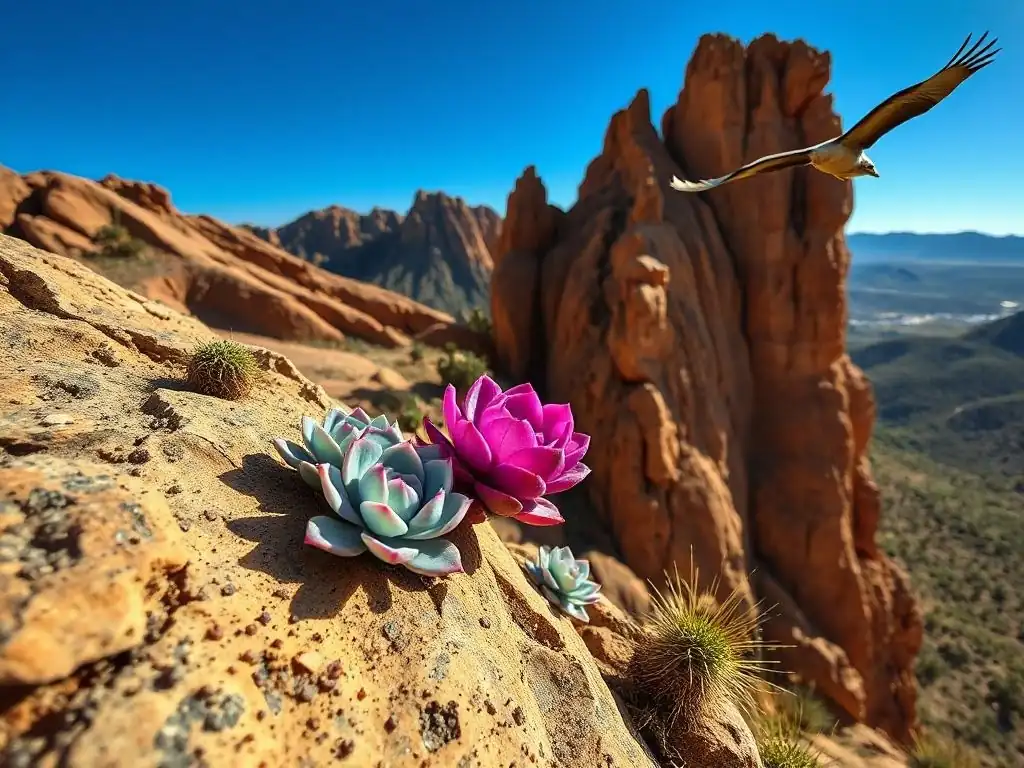
Dive into the mesmerizing world of succulents with SucculentEssentials.org! Are you ready to uncover the secrets behind the most elusive and rare succulent varieties? Our journey begins with a captivating exploration of rare succulent wild habitats, revealing the surprising environments where these resilient plants thrive. Prepare to be amazed by the diversity and beauty found in nature's hidden corners—discover the untold stories behind these extraordinary plants and unlock the knowledge to cultivate them with confidence. Let's embark on this adventure together!
- Understanding Rare Succulent Wild Habitats and Their Conservation
-
Exploring Specific Habitats of Rare Succulents
- Rare Succulents of the Namib Desert: Adaptions and Challenges
- Endemic Succulents of the Canary Islands: Unique Habitats and Species
- Mexican Rare Succulents: High-Altitude Habitats and Specialized Species
- South African Rare Succulents: Biodiversity Hotspots and Conservation Priorities
- Madagascar's Unique Succulent Flora: Island Endemism and Conservation Concerns
- Identifying and Protecting Rare Succulents in the Wild
- The Future of Rare Succulent Conservation
- Frequently Asked Questions
- Final Reflection: The Silent Struggle of Rare Succulents
- Unveil Your Inner Plant Explorer: Discover Rare Succulents
Understanding Rare Succulent Wild Habitats and Their Conservation
The captivating world of succulents extends far beyond the curated displays of nurseries and the carefully arranged pots on windowsills. Many succulent species thrive in harsh, often remote, environments, showcasing remarkable adaptations to survive extreme conditions. This article delves into the fascinating natural habitats of rare succulents, exploring the factors that contribute to their rarity, the threats they face, and the crucial role of conservation efforts in protecting these unique plants for future generations. Understanding these delicate ecosystems is paramount not only for appreciating the beauty of these plants but also for ensuring their survival in the face of increasing environmental pressures.
We will examine specific examples of rare succulents and their precarious habitats, highlighting the challenges and successes in their conservation. This exploration will provide a deeper understanding of the importance of responsible collecting and the vital need for preserving these irreplaceable treasures of the natural world. 🌎
Defining "Rare" in the Succulent World: Rarity Metrics and Criteria
Defining "rare" in the context of succulents requires a nuanced approach, considering various factors beyond simple population numbers. Rarity isn't solely about low numbers; it's a complex interplay of several metrics. For example, a succulent might be considered rare due to its:
- Limited geographic distribution: A species found only in a small, isolated area is inherently more vulnerable than one with a wider range. The smaller the area, the greater the risk from localized threats.
- Specific habitat requirements: Some succulents thrive only under very specific conditions – soil type, sunlight exposure, rainfall patterns – making them susceptible to even minor environmental changes.
- Low reproductive rates: Species with slow growth rates or low seed production naturally have smaller populations and struggle to recover from disturbances.
- Vulnerability to specific threats: Certain succulents might be particularly susceptible to specific threats like overgrazing, invasive species, or disease, further contributing to their rarity.
Quantifying rarity often involves using population viability analysis (PVA) models, which incorporate factors like population size, growth rate, and environmental threats to assess the long-term survival probability of a species. These models help researchers prioritize conservation efforts for the most vulnerable succulents. Unfortunately, comprehensive data on many rare succulents remains limited, making accurate assessment challenging. More research is needed to fully understand the rarity status of many species.
Threats to Rare Succulent Populations: Habitat Loss and Human Impact
The survival of rare succulents is increasingly threatened by a range of human activities and environmental changes. Among the most significant threats are:
- Habitat destruction: Development, agriculture, and mining directly destroy succulent habitats, fragmenting populations and reducing available resources. This is particularly damaging for species with limited geographic ranges.
- Over-collection: The popularity of succulents in horticulture has led to unsustainable harvesting from the wild, depleting populations and potentially driving some species towards extinction. This is exacerbated by the illegal trade in rare and endangered succulents.
- Climate change: Shifting climate patterns are altering rainfall patterns, temperatures, and the frequency of extreme weather events, stressing succulent populations and disrupting their delicate ecological balance. Many are adapted to very specific climates and cannot adjust quickly enough.
- Invasive species: The introduction of non-native plants and animals can outcompete native succulents for resources, leading to reduced growth and reproduction. These invaders can also introduce diseases.
- Pollution: Air and water pollution can negatively impact succulent health and growth, further weakening already vulnerable populations.
The Role of Conservation Efforts in Protecting Wild Succulents
Protecting rare succulents requires a multi-faceted approach involving various conservation strategies:
- Habitat protection and restoration: Establishing protected areas, restoring degraded habitats, and implementing sustainable land management practices are crucial for preserving the natural homes of rare succulents.
- Sustainable harvesting and trade regulations: Strict regulations and monitoring are needed to control the collection of succulents from the wild, ensuring that harvesting does not threaten their survival. Promoting sustainable propagation techniques is also key.
- Ex-situ conservation: Maintaining collections of rare succulents in botanical gardens and seed banks provides a safety net against extinction in the wild, offering a valuable resource for future reintroduction efforts.
- Community engagement and education: Raising public awareness about the importance of conserving rare succulents and their habitats is essential for fostering responsible behavior and supporting conservation initiatives. Education programs can empower local communities to participate in conservation efforts.
- Research and monitoring: Continued research is needed to better understand the ecology, genetics, and conservation needs of rare succulents. Regular monitoring of populations helps track their status and inform management decisions.
The conservation of rare succulents is a complex and ongoing challenge, requiring collaboration between scientists, conservationists, policymakers, and the public. By understanding the threats they face and implementing effective conservation strategies, we can help ensure that these remarkable plants continue to thrive in their natural habitats for generations to come.
Exploring Specific Habitats of Rare Succulents
This section delves into the unique and often harsh environments where rare succulents thrive. Understanding these habitats is crucial for appreciating the remarkable adaptations these plants have developed and for responsible collecting practices. The survival of these rare species is intrinsically linked to the preservation of their delicate ecosystems.
We will explore three distinct regions known for their unique populations of rare succulents, highlighting the challenges and adaptations these plants face in their natural environments. This information is vital for both the serious collector and the casual enthusiast who wants to better understand and appreciate these fascinating plants. The keyword "rare succulent wild habitats" is central to our exploration.
Rare Succulents of the Namib Desert: Adaptions and Challenges
The Namib Desert, one of the oldest deserts in the world, presents an extreme environment for plant life. Characterized by intense sunlight, scarce rainfall, and strong winds, it supports a surprisingly diverse, albeit sparse, succulent flora. Many rare succulent species have evolved remarkable adaptations to survive these harsh conditions. For example, Lithops species, also known as "living stones," mimic surrounding pebbles, providing camouflage from herbivores and reducing water loss through minimized surface area. Their ability to photosynthesize efficiently under intense light is another critical adaptation.
The challenges faced by these succulents include not only the lack of water but also the extreme temperature fluctuations between day and night. Many species have developed thick, fleshy leaves and stems to store water, and deep taproots to access groundwater. Furthermore, the intense sunlight necessitates specialized pigments that protect them from UV radiation.
The conservation of these rare Namibian succulents is particularly important, as habitat loss due to mining and human encroachment poses a significant threat. Understanding the specific needs of these plants is paramount for successful conservation efforts. These fragile ecosystems need protection to allow these unique "rare succulent wild habitats" to continue to thrive.
Endemic Succulents of the Canary Islands: Unique Habitats and Species
The Canary Islands, a volcanic archipelago off the coast of Africa, boasts a high level of endemism – a large number of plant species found nowhere else on Earth. This unique biodiversity is due to the islands' isolation and diverse microclimates. Many rare succulent species are found exclusively within these islands, occupying a range of habitats from coastal areas to high-altitude volcanic slopes. The Aeonium genus, for instance, displays remarkable diversity in the Canary Islands, with many species adapted to specific altitudes and soil types.
These endemic succulents face various challenges, including competition from invasive species, habitat destruction from human development, and climate change. The unique volcanic soils, often nutrient-poor and well-drained, require specialized adaptations for nutrient uptake and water retention. Many species have evolved succulent leaves and stems to store water, and shallow root systems to take advantage of infrequent rainfall. The conservation of these rare endemic succulents is crucial for maintaining the unique biodiversity of the Canary Islands. Protecting these "rare succulent wild habitats" ensures the preservation of these unique and irreplaceable plant communities.
Mexican Rare Succulents: High-Altitude Habitats and Specialized Species
Mexico's diverse geography, ranging from arid deserts to high-altitude mountains, provides a rich habitat for a wide array of succulents, many of which are rare and highly sought after by collectors. High-altitude habitats, characterized by cold temperatures, intense sunlight, and thin air, present unique challenges for succulent survival. Many species in these regions have developed adaptations to withstand frost and freezing temperatures, including specialized cell structures that prevent ice crystal formation.
The specialized species found in these high-altitude Mexican habitats often exhibit unique morphological features, such as dense hairs or waxy coatings, to reduce water loss and protect against harsh weather conditions. These "rare succulent wild habitats" are often threatened by habitat loss due to deforestation and agricultural expansion. The increasing demand for these rare succulents also poses a threat to wild populations.
Sustainable collecting practices and conservation efforts are vital for protecting these vulnerable species and their unique high-altitude environments. Understanding the specific needs and challenges faced by these plants is key to ensuring their long-term survival. Careful study of these rare plants and their habitats is essential for their ongoing protection.
South African Rare Succulents: Biodiversity Hotspots and Conservation Priorities
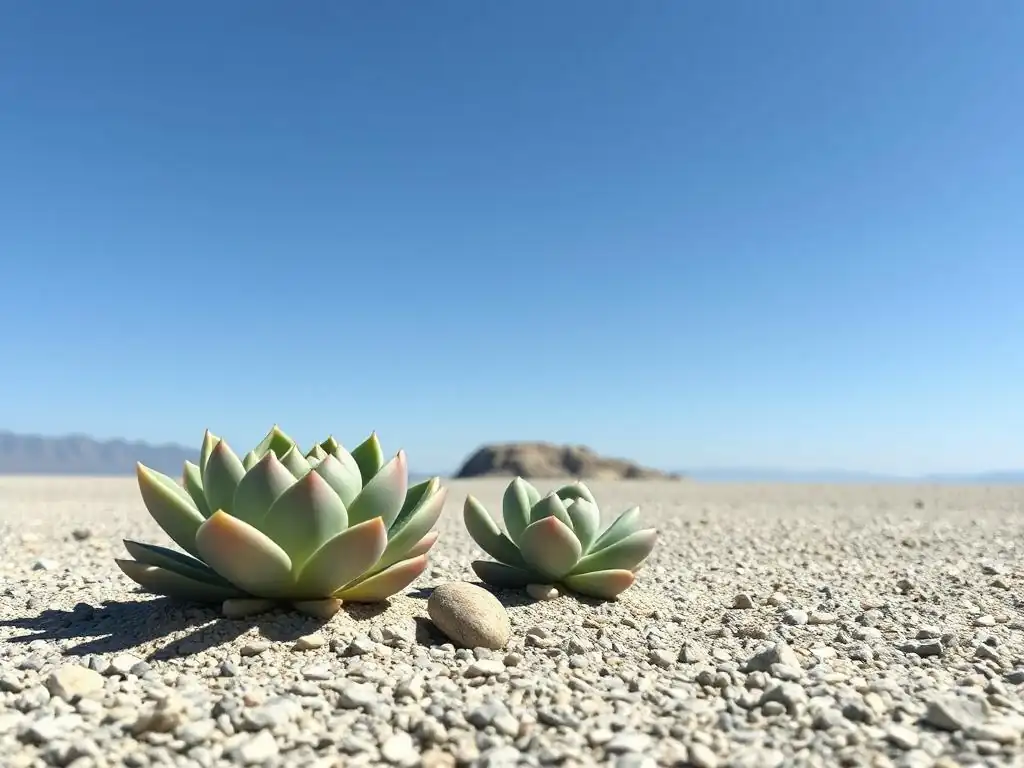
South Africa boasts an incredible diversity of succulent species, many of which are found nowhere else on Earth. The country's unique climate and varied topography, encompassing arid deserts, semi-deserts, and fynbos shrublands, create a mosaic of habitats perfectly suited to succulent evolution. These habitats, often concentrated in specific regions, are considered biodiversity hotspots—areas with exceptionally high numbers of endemic species (those found only in that particular area) and a high degree of threat.
The succulent Karoo, for instance, is a prime example, harboring a vast array of rare and threatened succulents, many of which are adapted to survive extreme drought conditions. These include various Conophytum, Lithops, and Cheiridopsis species, each with unique adaptations for water conservation and protection from herbivores.
The conservation of these rare South African succulents is paramount. Habitat loss due to agricultural expansion, mining activities, and urbanization poses a significant threat. Over-collection for the horticultural trade further exacerbates the problem, placing pressure on already vulnerable populations.
Effective conservation strategies involve establishing protected areas, implementing sustainable land management practices, and combatting illegal collection. Community-based conservation initiatives, engaging local communities in the protection and sustainable use of these resources, are also crucial for long-term success. The delicate balance between economic development and biodiversity conservation is a constant challenge, demanding innovative solutions and collaborative efforts.
Furthermore, research into the reproductive biology and genetic diversity of these rare succulents is vital for developing targeted conservation strategies and ensuring the long-term survival of these unique plants. Specific examples of conservation success stories, such as the establishment of specific reserves dedicated to the protection of particular Haworthia species, can serve as valuable models for future efforts.
Madagascar's Unique Succulent Flora: Island Endemism and Conservation Concerns
Madagascar, an island nation off the coast of Africa, is renowned for its exceptional biodiversity, including a remarkable array of endemic succulents. The island's isolation has led to the evolution of unique succulent species found nowhere else, showcasing remarkable adaptations to the island's diverse environments. These range from the dry deciduous forests in the west to the spiny forests in the south, each harboring a unique assemblage of succulent plants.
Many of Madagascar's succulent species belong to the Didiereaceae family, a group of bizarre and fascinating plants adapted to survive in harsh conditions. Their unique morphology, with spiny stems and succulent leaves, is a testament to their evolutionary journey. Other notable groups include various Aloe species, many of which are highly sought after by collectors, and unique Kalanchoe varieties.
The conservation status of Madagascar's succulent flora is precarious. Deforestation driven by slash-and-burn agriculture, logging, and expanding human settlements poses a considerable threat. The illegal collection of plants for the horticultural trade further intensifies the pressure on these vulnerable populations. The unique habitats of these succulents are often fragmented, making them particularly vulnerable to environmental changes and invasive species.
Conservation efforts in Madagascar require a multifaceted approach. This includes establishing protected areas, promoting sustainable land-use practices, and tackling illegal collection through stricter enforcement of laws. Community-based conservation programs that empower local communities to participate in the protection of their natural heritage are essential.
Furthermore, research focusing on the reproductive biology and ecological requirements of these rare succulents is vital for informing effective conservation strategies and ensuring the long-term survival of this unique flora. The challenge lies in balancing the needs of a growing population with the imperative to preserve Madagascar's extraordinary biodiversity for future generations. The ongoing struggle to protect specific Alluaudia species illustrates the urgent need for comprehensive and collaborative conservation actions.
Identifying and Protecting Rare Succulents in the Wild
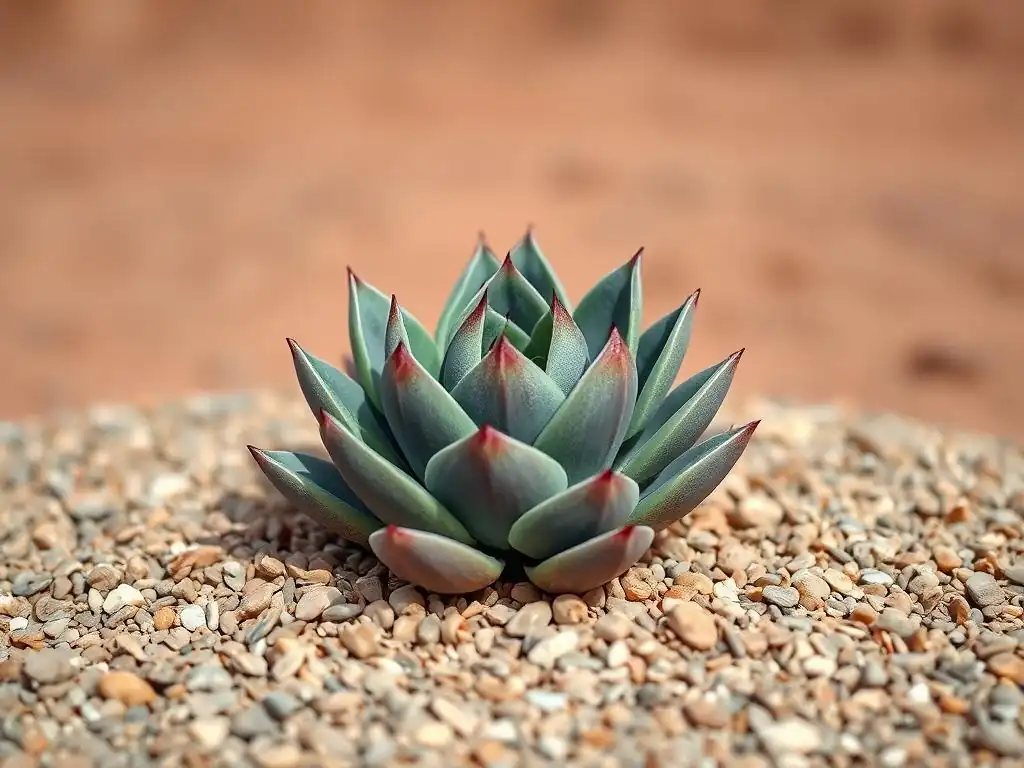
Identifying rare succulents in the wild requires a keen eye and a solid understanding of succulent taxonomy. Many rare species exhibit subtle differences from their more common relatives, making identification challenging even for experienced botanists. Precise identification often necessitates careful examination of leaf shape, size, texture, coloration (including subtle variations in bloom), and even microscopic features. Furthermore, geographical location plays a crucial role; a succulent species might exhibit variations depending on its specific microclimate and altitude.
Ethical Considerations for Observing Rare Succulents in Their Natural Habitats
Respect for the natural environment is paramount when observing rare succulents in their native habitats. The principle of "leave no trace" should be strictly adhered to. This means avoiding trampling vegetation, disturbing the soil, or removing any part of the plant, including leaves, flowers, or even seeds. Remember, even seemingly insignificant actions can have a cumulative impact on delicate ecosystems. Furthermore, it's crucial to avoid introducing any foreign materials or organisms into the habitat. This could include unintentionally spreading seeds from other plants or introducing pathogens.
The beauty of rare succulents lies in their natural environment. Our responsibility is to observe and appreciate them without causing harm.
- Dr. Anya Sharma, Conservation Botanist
Photography and Documentation of Rare Succulents: Best Practices
Documenting rare succulents through photography offers invaluable data for conservation efforts. However, responsible photography practices are crucial. Avoid using flash photography, as it can harm the plants. Opt for natural light whenever possible.
Furthermore, maintain a safe distance to avoid disturbing the plants or their surroundings. When photographing, consider the broader context—include elements of the habitat, such as soil type, associated plant species, and any signs of human impact. Detailed photographs of plant characteristics (close-ups of leaves, flowers, and stems) are essential for accurate identification and future research. Remember to always record the GPS coordinates of the location (with appropriate consideration for privacy and security).
| Feature | Best Practice | Rationale |
|---|---|---|
| Lighting | Natural light, avoid flash | Prevents plant damage and provides more accurate color representation. |
| Distance | Maintain a safe distance from the plant | Avoids disturbance to the plant and its environment. |
| Composition | Capture the plant within its habitat, showing surrounding vegetation and soil | Provides context for identification and understanding of the habitat. |
| Documentation | Record GPS coordinates (privately) and detailed notes | Essential for precise location tracking and data analysis. |
| Image Quality | High-resolution images focusing on key identifying features | Ensures accurate identification and future research. |
Reporting Threats and Illegal Collection of Rare Succulents
The illegal collection of rare succulents poses a significant threat to their survival. If you witness any signs of poaching or habitat destruction—such as disturbed soil, missing plants, or evidence of illegal harvesting—report it to the appropriate authorities immediately. This could involve contacting local conservation organizations, park rangers, or law enforcement agencies. Detailed information, including the location, species involved, and any evidence (such as tracks, tools, or discarded packaging), is crucial for effective investigation and prevention. Remember, your actions can play a vital role in protecting these precious plants and their fragile habitats.
Protecting rare succulents is a collective responsibility, requiring vigilant observation and prompt reporting of any illegal activities. Even seemingly small actions can collectively make a significant difference in conservation efforts. The preservation of these rare species relies on the vigilance and responsible actions of individuals like you. 🌱
The Future of Rare Succulent Conservation
The future of rare succulent conservation hinges on a multifaceted approach encompassing collaborative research, sustainable collecting practices, and robust public education initiatives. The escalating threats to these unique plants, from habitat destruction and climate change to over-collection, demand immediate and concerted action. Without a proactive and comprehensive strategy, many rare succulent species risk extinction within the coming decades.
Understanding the intricacies of their wild habitats is only the first step; safeguarding their future requires a profound shift in how we interact with and appreciate these remarkable plants. The urgency of the situation cannot be overstated; the loss of these species would represent an irreplaceable loss to biodiversity and the global ecosystem.
Collaboration and Research in Succulent Conservation
Effective conservation requires a collaborative effort among botanists, conservation organizations, governmental agencies, and private collectors. Sharing data on rare succulent populations, their geographical distribution, and the threats they face is crucial. This collaborative approach allows for a more comprehensive understanding of the challenges and the development of targeted conservation strategies. For instance, collaborative research projects can focus on:
- Mapping rare succulent populations: Utilizing GIS technology and field surveys to create detailed maps of where rare succulents grow, enabling targeted conservation efforts.
- Studying the genetic diversity of rare succulents: Understanding the genetic makeup of these plants is essential for developing effective breeding programs and managing genetic erosion.
- Investigating the impact of climate change on rare succulent habitats: Research is needed to understand how climate change is affecting these sensitive ecosystems and develop adaptation strategies.
- Developing propagation techniques for rare succulents: Successful propagation is critical for reintroduction programs and bolstering populations in the wild.
This collaborative research is not just about data collection; it's about fostering a network of experts and enthusiasts working together to protect these precious species. The success of any conservation program relies heavily on the collective knowledge and dedication of individuals and organizations working in concert.
The Importance of Sustainable Practices in Succulent Collecting
Sustainable collecting practices are paramount to the long-term survival of rare succulents. Unsustainable harvesting depletes wild populations and disrupts delicate ecosystems. Ethical collectors prioritize the health of the plant and its habitat above all else. Key principles of sustainable collecting include:
- Obtaining plants from reputable sources: Supporting nurseries and growers who propagate succulents sustainably, rather than collecting from the wild.
- Avoiding over-collection: Respecting the limits of wild populations and ensuring that collecting does not threaten their survival.
- Collecting only what is needed: Resisting the temptation to over-collect, even if legally permitted.
- Minimizing habitat disturbance: Collecting in a way that avoids damaging the surrounding environment.
- Supporting conservation efforts: Contributing financially or through volunteering to organizations dedicated to rare succulent conservation.
Sustainable collecting isn't merely a matter of legality; it's a moral imperative. It's about recognizing that we are custodians of these plants, and our actions have long-term consequences for their survival. The ethical collector understands that their actions have a direct impact on the future of these extraordinary plants.
Educating the Public About Rare Succulent Conservation
Public education is crucial for raising awareness about the importance of rare succulent conservation. Many people are unaware of the threats facing these plants, and without public support, conservation efforts will be significantly hampered. Educational initiatives can take many forms, including:
- Developing educational materials: Creating brochures, websites, and social media campaigns that raise awareness about rare succulents and the threats they face.
- Organizing workshops and presentations: Providing opportunities for people to learn more about rare succulents and how they can help conserve them.
- Partnering with schools and community organizations: Reaching out to younger generations and engaging local communities in conservation efforts.
- Promoting responsible succulent collecting: Educating the public about sustainable practices and the importance of ethical sourcing.
- Highlighting the beauty and uniqueness of rare succulents: Inspiring appreciation and a desire to protect these remarkable plants.
By fostering a deeper understanding and appreciation of rare succulents, we can cultivate a sense of responsibility and stewardship among the public. This increased awareness translates into greater support for conservation efforts and a more sustainable approach to collecting and enjoying these fascinating plants. Ultimately, the future of rare succulents in the wild depends on our collective commitment to their protection.
Frequently Asked Questions
What are some examples of rare succulent wild habitats?
Some rare succulent wild habitats include the arid regions of Madagascar, the rocky cliffs of the Canary Islands, and the high-altitude deserts of Mexico. These areas offer unique environmental conditions necessary for their survival.
How do environmental factors influence the rarity of succulents?
Environmental factors like limited rainfall, specific soil types, and extreme temperatures can restrict the growth of certain succulents, making them rare. Human activity, such as habitat destruction, further contributes to their rarity.
Are rare succulents always difficult to cultivate?
Not necessarily. While some rare succulents require specialized care, others can thrive with basic succulent care. The key is understanding the specific needs of the individual species.
What threats do rare succulents face in their natural habitats?
Habitat loss due to urbanization and agriculture, over-collection by plant enthusiasts, and climate change are major threats. Conservation efforts are crucial to protect these plants.
How can I contribute to the conservation of rare succulents?
Support conservation organizations working to protect succulent habitats, avoid purchasing plants illegally harvested from the wild, and practice responsible succulent cultivation. Educate others about the importance of conservation.
Final Reflection: The Silent Struggle of Rare Succulents
The breathtaking beauty of rare succulents masks a harsh reality: their wild habitats are disappearing at an alarming rate. The delicate balance of these unique ecosystems, meticulously detailed throughout this article, is increasingly threatened by human activity and climate change. Understanding these threats is the first step towards ensuring their survival.
The journey through these diverse and often precarious environments has profoundly impacted my understanding of the interconnectedness of life. Witnessing the resilience of these plants in the face of adversity has been both humbling and inspiring. The earth laughs in flowers.
– Ralph Waldo Emerson. This quote perfectly encapsulates the joy and fragility we must strive to protect. The ongoing loss of these habitats represents not only a loss of biodiversity but a loss of the very essence of natural beauty, a loss that impacts us all.
Now, consider the succulents you may have at home. Think about their origins, the delicate ecosystems they call home in the wild. What can you do to contribute to their conservation? Perhaps it's supporting ethical sourcing, advocating for responsible land management, or simply educating others about the importance of preserving these unique and irreplaceable habitats. Let the beauty of these rare succulents inspire you to become a steward of our planet's precious biodiversity.
Unveil Your Inner Plant Explorer: Discover Rare Succulents
Thanks for exploring the fascinating world of rare succulents with us! You've gained a unique appreciation for their delicate beauty and the challenging environments they thrive in. Ready to take the next step?
- Start your own collection: Research nurseries or online sellers specializing in unusual varieties. Begin with one or two plants, choosing species that suit your experience level and local climate.
- Share your knowledge: Discuss your favorite succulents with fellow plant enthusiasts online or in local gardening groups. Let's build a thriving community of succulent lovers!
- Propagate a cutting: Many rare succulents can be easily propagated from cuttings, allowing you to expand your collection and share your passion. It's a rewarding—and sometimes surprising—experience!
What rare succulent species are you most excited to learn more about and perhaps add to your collection?