
Succulents in Miniature: A Guide to Selecting Small Varieties for Landscapes

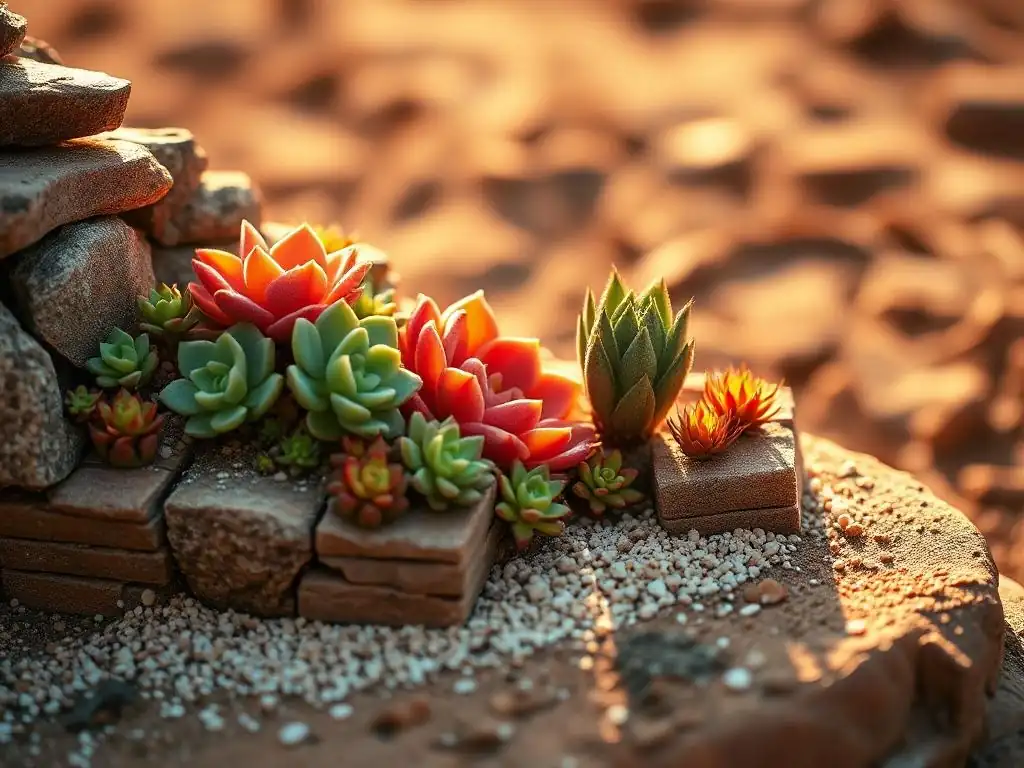
Welcome to SucculentEssentials.org, where the miniature world of succulents unfolds before you! Are you ready to unlock the secrets to creating breathtaking small succulent landscape varieties? Dive into a captivating journey of drought-tolerant beauty, discovering the perfect miniature plants to transform your space into a vibrant, low-maintenance oasis. Prepare to be amazed by the diversity and charm of these resilient plants – your adventure in succulent artistry begins now!
- Choosing the Right Small Succulents for Miniature Landscapes
-
Popular Small Succulent Varieties for Miniature Landscapes
- Sedum: Miniature Sedum Species for Small-Scale Designs
- Echeveria: Compact Echeveria Cultivars for Miniature Gardens
- Sempervivum (Hens and Chicks): Tiny Rosettes for Dense Groundcover
- Miniature Crassula: Small Jade Plants for Unique Textures
- Other Small Succulent Options for Diverse Miniature Landscapes
- Designing Your Miniature Succulent Landscape
- Tips for Thriving Miniature Succulent Landscapes
- Inspiration: Miniature Succulent Landscape Ideas
- Resources for Finding Small Succulent Varieties
- Frequently Asked Questions
- Final Reflection: Cultivating Miniature Worlds, Shaping Grand Visions
- Unleash Your Inner Landscape Architect: Design with Mini Succulents!
Choosing the Right Small Succulents for Miniature Landscapes
Creating a stunning miniature succulent landscape requires careful consideration of plant selection. This guide focuses on choosing small succulent varieties perfectly suited for compact spaces, ensuring a thriving and visually appealing miniature garden that requires minimal maintenance. We'll explore the growth habits of miniature succulents, highlight slow-growing varieties ideal for long-lasting displays, and suggest specific species that excel in these constrained environments.
By understanding the unique needs of these tiny plants, you can craft a miniature landscape that not only thrives but also showcases the beauty and diversity of the succulent world. This guide will help you select the perfect small succulent landscape varieties for your next project, ensuring a successful and visually captivating miniature garden.
Understanding Miniature Succulent Growth Habits
Miniature succulents, while sharing the drought-tolerance of their larger counterparts, exhibit unique growth patterns crucial to consider for landscape design. Understanding these habits is key to creating a balanced and harmonious miniature garden that avoids overcrowding and maintains its aesthetic appeal over time. Some miniature succulents are naturally compact, remaining small even with maturity, while others might require careful pruning or specific planting techniques to maintain their size within the confines of a miniature landscape.
For example, certain species might exhibit a creeping or trailing growth habit, making them ideal for cascading over rocks or spilling from containers. Others might grow more upright, creating a focal point or structure within the miniature garden. Observing the mature size and growth habit of a succulent before incorporating it into your design is crucial for preventing overcrowding and maintaining a balanced aesthetic. Careful planning and consideration of these growth patterns will lead to a more successful and aesthetically pleasing miniature succulent landscape. Remember to research the specific growth characteristics of each variety before making your selections.
Selecting Slow-Growing Succulents for Long-lasting Displays
Choosing slow-growing succulents is paramount for creating a long-lasting miniature landscape that doesn't require constant maintenance and repotting. Fast-growing varieties can quickly outgrow their allocated space, disrupting the carefully planned composition and requiring frequent intervention. Opting for slow-growing species ensures a more stable and aesthetically pleasing display over an extended period.
Several factors influence a succulent's growth rate, including genetics, environmental conditions (light, temperature, and watering), and the type of soil used. However, selecting inherently slow-growing varieties is a proactive step towards minimizing the need for frequent pruning or repotting. This not only saves time and effort but also helps preserve the integrity and visual appeal of your miniature landscape. Prioritizing slow-growing varieties will contribute significantly to the longevity and beauty of your miniature succulent garden. Research specific slow-growing varieties to find the perfect fit for your design.
Ideal Small Succulent Varieties for Compact Spaces
Numerous succulent varieties are perfectly suited for miniature landscapes due to their compact size and attractive features. These small succulents not only contribute to the overall aesthetic appeal but also offer diverse textures, colors, and shapes, allowing for creative and visually interesting compositions. Some examples of excellent choices include, but are not limited to, Sedum rubrotinctum (Jelly Bean Plant), Echeveria minima, and Graptopetalum paraguayense (Ghost Plant). These species are known for their slow growth and ability to thrive in confined spaces.
Consider the mature size and shape of each variety to ensure a balanced composition within your miniature landscape. Remember to account for the mature size of each plant to avoid overcrowding. Additionally, consider the color and texture of each succulent to create visual interest and contrast within the design. Careful selection and placement of these varieties will result in a miniature landscape that is both beautiful and functional. [Specific information pending] on additional suitable varieties and their specific needs. Remember to research the specific light and water requirements of each chosen species to ensure their health and longevity.
Popular Small Succulent Varieties for Miniature Landscapes
This section explores some of the most popular small succulent varieties ideal for creating stunning miniature landscapes. Choosing the right succulents is crucial for achieving a thriving and visually appealing miniature garden. Size, growth habit, and color are all key factors to consider when selecting plants for your small-scale designs. We'll delve into specific species and cultivars known for their compact nature and suitability for miniature gardens, helping you select the perfect plants for your "small succulent landscape varieties" project.
Sedum: Miniature Sedum Species for Small-Scale Designs
Sedum, also known as stonecrop, offers a wide range of miniature varieties perfect for miniature landscapes. Their diverse forms, from creeping groundcovers to upright, clumping plants, provide versatility in design. Many Sedum species boast attractive foliage, with colors ranging from deep greens and blues to reddish hues, adding visual interest to your miniature garden.
Several miniature Sedum species are particularly well-suited for small-scale designs:
- Sedum acre (Goldmoss Sedum): This tiny, creeping sedum forms a dense, golden-yellow mat, ideal for covering ground in miniature landscapes. Its low-growing habit and bright color make it a standout choice.
- Sedum hispanicum (Spanish Stonecrop): Known for its small, fleshy leaves and trailing habit, this species is perfect for cascading down rocks or spilling over the edges of containers in your miniature garden. It thrives in well-drained soil and full sun.
- Sedum reflexum (Blue Spruce Sedum): This upright sedum features blue-green, needle-like leaves, creating a textured contrast within your miniature landscape. Its compact growth habit keeps it nicely contained within small spaces.
Careful consideration of light and water requirements is essential for successful Sedum cultivation in miniature landscapes. Remember that these succulents thrive in well-drained soil and prefer full sun to partial shade. Overwatering can lead to root rot, so ensure proper drainage is implemented in your miniature garden design.
Echeveria: Compact Echeveria Cultivars for Miniature Gardens
Echeveria succulents, known for their rosette formations, also offer several compact cultivars suitable for miniature gardens. While some Echeveria varieties can grow quite large, careful selection of miniature cultivars can ensure they remain appropriately sized for your small-scale design.
Here are some compact Echeveria varieties that work well in miniature landscapes:
- Echeveria 'Perle von Nürnberg': This popular cultivar features beautiful, tightly packed rosettes of powdery blue-green leaves. Its compact size and attractive coloring make it a favorite for miniature gardens.
- Echeveria 'Minima': As its name suggests, this Echeveria is exceptionally small, making it perfect for tight spaces within a miniature landscape. Its rosettes are tightly packed and generally remain small, even with maturity.
- Echeveria 'Laui': While some Echeveria Laui can grow larger, careful selection and pruning can keep this species at a manageable size for your miniature garden. Its unique, powdery blue leaves add a touch of elegance.
When planting Echeveria in miniature landscapes, ensure that the soil is well-drained and the plants receive adequate sunlight. Echeveria are sensitive to overwatering, so water sparingly, allowing the soil to dry out completely between waterings. This will prevent root rot and maintain the health of your miniature succulent collection.
Sempervivum (Hens and Chicks): Tiny Rosettes for Dense Groundcover
Sempervivum, commonly known as Hens and Chicks, are exceptionally well-suited for miniature landscapes due to their small size and ability to form dense groundcover. Their rosettes of fleshy leaves come in a variety of colors and textures, providing aesthetic diversity to your miniature garden.
Several Sempervivum varieties are ideal for miniature landscapes:
- Sempervivum arachnoideum (Cobweb Houseleek): This species is characterized by its tiny rosettes and fine cobweb-like hairs covering the leaves, creating a unique visual texture. It spreads readily, forming a dense mat.
- Sempervivum tectorum (Common Houseleek): While some forms can become larger, many cultivars of Sempervivum tectorum remain compact enough for miniature gardens. They come in a range of colors, adding variety to your design.
- Sempervivum montanum: This mountain houseleek offers smaller rosettes compared to some other Sempervivum species, making it an excellent choice for miniature landscapes. Its compact growth and tolerance to dry conditions make it a low-maintenance addition.
Sempervivum are exceptionally hardy and drought-tolerant succulents, thriving in well-drained soil and full sun. Their ability to spread and self-propagate makes them ideal for creating a lush, dense groundcover in your miniature succulent landscape. Remember to provide adequate drainage to prevent root rot, a common issue for succulents in poorly drained environments. With proper care, these hardy succulents will thrive and contribute significantly to the beauty of your miniature creation.
Miniature Crassula: Small Jade Plants for Unique Textures
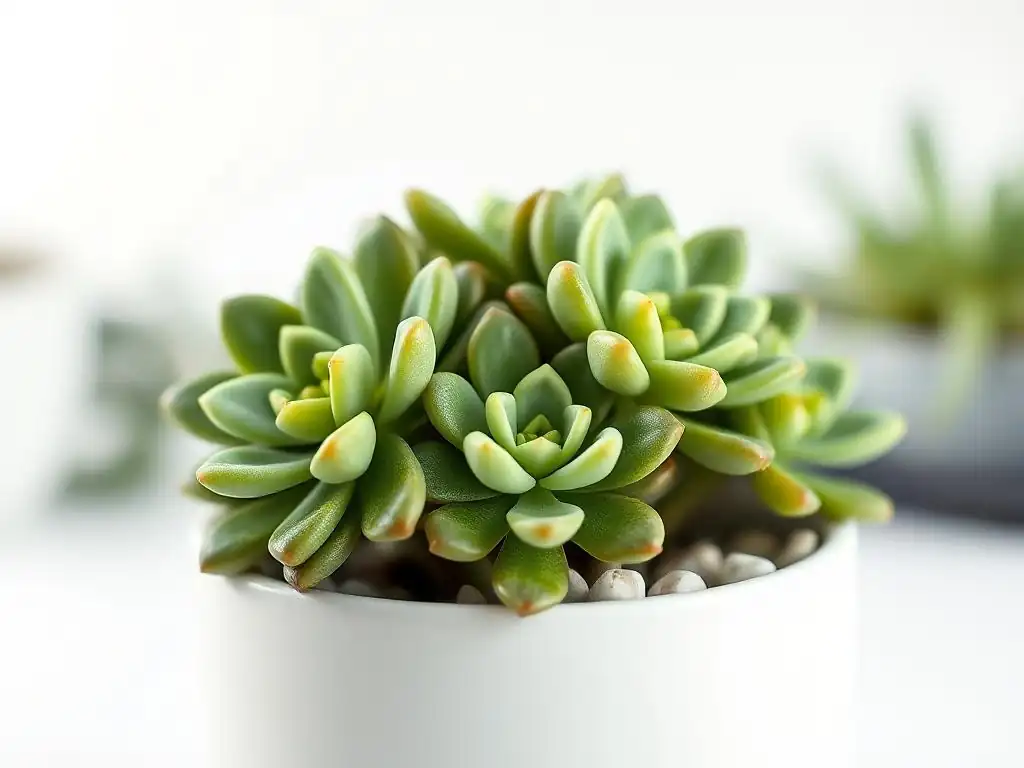
Miniature Crassula varieties offer a fantastic range of textures and colors perfect for adding visual interest to small succulent landscapes. These compact versions of the popular Jade plant ( Crassula ovata) retain the characteristic plump leaves but in a much smaller, more manageable size. Their slow growth habit makes them ideal for miniature gardens, as they won't quickly outgrow their designated space. Many miniature Crassula varieties boast unique leaf shapes and colors, ranging from the classic jade green to striking reddish hues, depending on sunlight exposure.
For example, Crassula ovata 'Minima' is a popular choice known for its tiny, rounded leaves and its ability to form dense, attractive clumps. Another excellent option is Crassula 'Buddha's Temple', which features upright, stacked leaves creating a unique architectural element in a miniature landscape. These plants are relatively low-maintenance, thriving in well-draining soil and bright, indirect sunlight.
Remember to water sparingly, allowing the soil to dry completely between waterings to prevent root rot, a common problem for succulents. The diverse textures and colors of miniature Crassulas allow for creative layering and textural contrast within your miniature succulent landscape. Consider incorporating different Crassula varieties with varying leaf shapes and colors to create a dynamic and visually appealing miniature garden.
Other Small Succulent Options for Diverse Miniature Landscapes
Beyond miniature Crassulas, a wealth of other small succulent varieties are perfectly suited for creating diverse miniature landscapes. Sedum varieties, particularly those labeled as "miniature" or "dwarf," are excellent choices. These offer a wide array of colors, textures, and growth habits. For instance, Sedum acre (Goldmoss Sedum) forms a low-growing mat of golden-yellow foliage, ideal for ground cover in a miniature setting.
Alternatively, Sedum reflexum (Angelina Sedum) displays striking blue-green foliage that turns a fiery orange-red in colder weather, adding a splash of vibrant color to your miniature garden. Another popular option is Echeveria species, many of which stay relatively small, offering rosette shapes in a variety of colors and textures. Smaller Echeveria varieties like Echeveria chihuahuaensis and Echeveria derenbergii remain compact and are well-suited for miniature landscapes. Remember to consider the mature size of any succulent before placing it in your miniature garden to avoid overcrowding.
When selecting succulents for a miniature landscape, it's crucial to consider not only their mature size but also their light and water requirements. Grouping succulents with similar needs will ensure their overall health and longevity within your miniature garden. Experimenting with different combinations of small succulents allows you to create unique and visually stunning miniature landscapes reflecting your personal style and preferences. Don't be afraid to combine different textures, colors, and growth habits to achieve a truly captivating miniature garden showcasing the beauty of “small succulent landscape varieties”.
Designing Your Miniature Succulent Landscape
This section dives into the specifics of crafting a thriving miniature succulent landscape, focusing on the careful selection of small varieties that will flourish in a confined space. We'll explore the crucial aspects of planning, container selection, and soil composition, all vital elements for creating a miniature succulent garden that thrives. Remember, even small spaces can support a stunning and diverse display of these resilient plants! The key is thoughtful planning and careful execution. This guide will help you master the art of miniature succulent landscaping and achieve a visually appealing and healthy garden.
Planning Your Miniature Garden's Layout and Design
Before you even think about planting, meticulous planning is crucial for a successful miniature succulent landscape. Consider the overall aesthetic you're aiming for. Do you envision a desert-like scene with stark contrasts, a lush, cascading arrangement, or something more whimsical and artistic? Sketching out your design beforehand is highly beneficial. This allows you to visualize the placement of each succulent variety, ensuring a balanced and visually appealing composition.
Think about height, texture, and color variations. Taller succulents can form a backdrop, while smaller, trailing varieties can cascade over the edges, creating depth and visual interest. Consider incorporating small rocks, pebbles, or even miniature figurines to enhance the aesthetic appeal and create a cohesive theme. Remember, less is often more in miniature gardening. Overcrowding can stifle growth and lead to disease.
Here's a sample layout plan to get you started:
| Plant Type | Placement | Quantity | Notes |
|---|---|---|---|
| Sedum rubrotinctum ('Jelly Bean') | Front, right | 3 | Low-growing, creates a colorful border |
| Echeveria 'Perle von Nürnberg' | Center, slightly elevated | 1 | Focal point, rosette form |
| Graptopetalum paraguayense ('Ghost Plant') | Back, left | 2 | Adds height and textural contrast |
| Small gravel | Throughout | As needed | Improves drainage and adds visual appeal |
Selecting the Right Container for Your Miniature Succulent Garden
The container you choose is just as important as the plants themselves. It needs to be appropriately sized for your chosen succulents and provide adequate drainage. While many beautiful containers are available, prioritize functionality. Choose a container with drainage holes to prevent root rot – a common problem in miniature succulent gardens. Terracotta pots are a popular choice due to their excellent porosity, allowing for proper air circulation. However, plastic, ceramic, or even repurposed containers can work, provided they have drainage.
Consider the size and shape of the container in relation to your overall design. A shallow, wide container is ideal for low-growing succulents, while a taller, narrower container can accommodate a more vertical arrangement. The material also influences the overall aesthetic. Terracotta pots lend a rustic charm, while glazed ceramic pots offer a more modern feel. Remember to consider the weight of the container, especially if it's going to be placed on a shelf or other elevated surface. A heavy container filled with soil and succulents can be unstable.
Creating a Well-Drained Soil Mix for Small Succulents
Using the right soil mix is paramount for the health and longevity of your miniature succulent garden. Succulents are adapted to dry conditions and are prone to root rot in overly moist soil. Therefore, creating a well-draining soil mix is crucial. Avoid using standard potting soil, as it retains too much moisture. Instead, opt for a specialized cactus and succulent potting mix, or create your own blend.
A good DIY mix typically includes:
- 50% Potting soil (well-draining type)
- 30% Coarse sand (to improve drainage)
- 20% Perlite or pumice (to further enhance aeration)
This blend ensures that excess water drains quickly, preventing the roots from sitting in soggy conditions. Always allow the soil to dry out completely between waterings. Overwatering is a common mistake that can lead to root rot and the demise of your miniature succulent landscape. Regularly checking the soil moisture using your finger is a good practice to prevent overwatering. Remember, a happy succulent is a well-drained succulent!
Planting Your Miniature Succulents: A Step-by-Step Guide
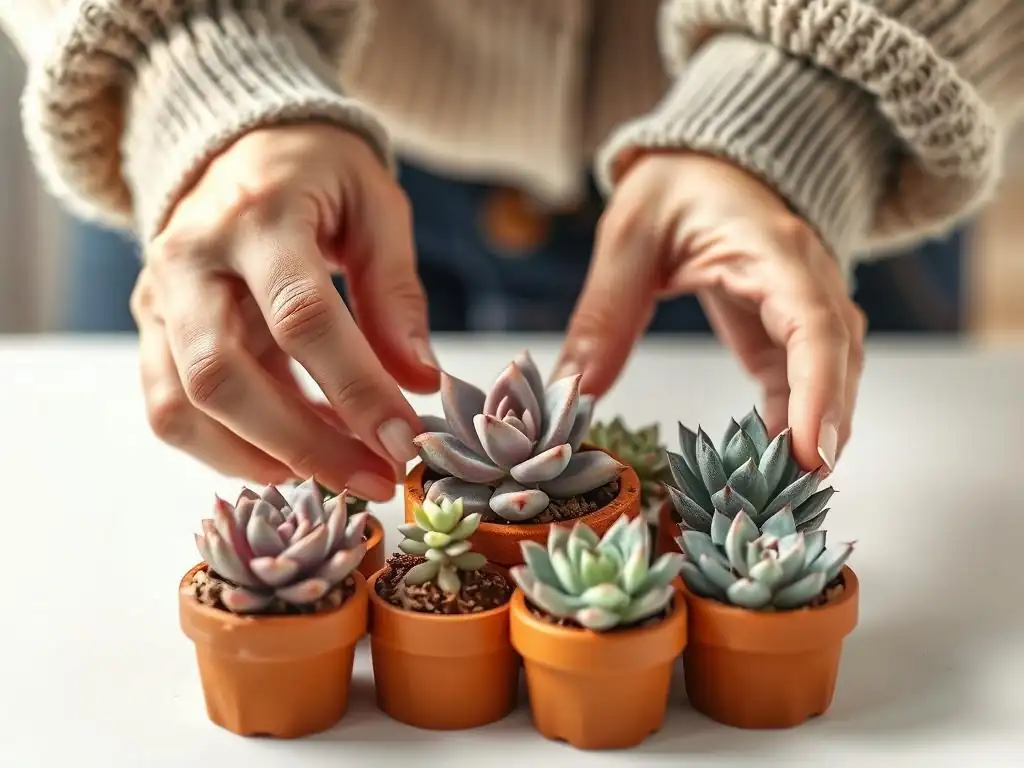
Planting your miniature succulents requires careful attention to detail. The success of your miniature landscape hinges on proper preparation and technique. Here's a step-by-step guide to ensure your tiny succulents thrive:
First, choose the right container. Consider the overall aesthetic of your landscape. A small terracotta pot, a repurposed teacup, or even a shallow dish can work wonderfully. Ensure your container has adequate drainage holes to prevent root rot – a common problem for succulents. Drainage is paramount for the health of your small succulent landscape varieties.
Next, prepare the soil. Succulents need well-draining soil that's not overly rich in organic matter. A specialized cactus and succulent potting mix is ideal. You can also amend regular potting soil with perlite or coarse sand to improve drainage. The soil should be loose enough to allow for good aeration around the roots.
Now, plant your succulents. Gently remove your chosen succulents from their original containers, carefully loosening any tightly bound roots. Space them appropriately, considering their mature size. Remember, these are small succulent landscape varieties, but they still need room to grow. Avoid overcrowding, which can lead to competition for resources and potential rot. Plant them at the same depth they were originally planted.
Finally, water sparingly. After planting, water lightly to settle the soil. Avoid overwatering, which is a significant cause of failure in miniature succulent landscapes. Let the soil dry out completely between waterings. Consistent, but infrequent, watering is key to success with small succulent landscape varieties in miniature landscapes. Monitor the soil moisture regularly, especially during the hotter months.
Maintaining Your Miniature Succulent Landscape: Watering and Care
Maintaining a thriving miniature succulent landscape requires consistent, mindful care. Proper watering is crucial, but other aspects of care contribute significantly to the long-term health and beauty of your miniature garden.
Watering: Overwatering is the most common mistake when caring for succulents, especially in miniature landscapes. Always allow the soil to dry completely before watering again. The frequency of watering depends on several factors, including the size of your container, the type of soil, the ambient temperature, and the season. During the summer months, you may need to water more frequently, while in winter, watering may be needed only once a month or even less.
Use a watering can with a fine rose to gently water the soil, avoiding wetting the leaves directly, which can lead to fungal diseases. Observe your plants closely; if they appear shriveled or limp, it's a sign they need water. However, avoid overwatering, as this is more damaging than underwatering for small succulent landscape varieties.
Light: Most succulents thrive in bright, indirect sunlight. A south-facing windowsill might be too intense, potentially scorching the delicate leaves of your small succulent landscape varieties. However, insufficient light can lead to leggy growth and an overall unhealthy appearance. Find a balance – a spot with several hours of bright, indirect light is ideal. Rotate your container regularly to ensure even light exposure for all your plants.
Temperature: Succulents are generally tolerant of a wide range of temperatures. However, extreme heat or cold can stress the plants. Protect your miniature landscape from harsh frost in winter and excessive heat in summer. Consider bringing your miniature landscape indoors if extreme weather conditions are anticipated. Remember, the microclimate within the container can be different than the ambient temperature, so observe your plants carefully for signs of stress.
Pest and Disease Control: Regularly inspect your succulents for signs of pests or diseases. Act promptly to address any issues to prevent them from spreading. Use a gentle insecticidal soap or neem oil to treat infestations. Ensure good air circulation around your plants to prevent fungal diseases. Maintaining a clean and well-drained environment is crucial for preventing problems. Early detection and treatment are key to keeping your small succulent landscape varieties healthy and beautiful.
Tips for Thriving Miniature Succulent Landscapes
Creating a thriving miniature succulent landscape requires careful consideration of several key factors. Success hinges on selecting the right plant varieties, understanding their specific needs, and providing optimal growing conditions within the confined space. This section focuses on practical tips to ensure your small succulent landscape flourishes. Remember, even though these are small varieties, they still need proper care to prevent stress and promote healthy growth. Choosing the right "small succulent landscape varieties" is only the first step.
Light Requirements for Small Succulents in Containers
Miniature succulents, despite their size, still need ample sunlight to thrive. Insufficient light leads to etiolation (leggy growth) and weakens the plants, making them susceptible to diseases. Most small succulent varieties require at least 6 hours of direct sunlight daily. However, the intensity of the light can vary depending on the specific species. For example, Sedum rubrotinctum (Jelly Bean plant) tolerates more intense sun than Echeveria varieties, which might benefit from some afternoon shade during the hottest part of the day in warmer climates.
Consider the location of your miniature landscape. A south-facing windowsill is ideal in many climates, but during summer months, you might need to provide some shade to prevent scorching. Alternatively, a bright, east- or west-facing location can also work well, offering a good balance of sunlight and protection from intense midday sun. If you're using artificial lighting, ensure it provides a sufficient intensity and duration to mimic natural sunlight.
Regularly monitor your succulents for signs of sun stress (e.g., browning or wilting) or insufficient light (e.g., stretching towards the light source). Adjust their position accordingly to maintain optimal light exposure. Remember that even small succulents need adequate light to flourish!
Watering Techniques for Miniature Succulent Gardens
Watering miniature succulent gardens requires a delicate balance. Overwatering is a common mistake that leads to root rot and plant death. Underwatering, on the other hand, can cause dehydration and stress. The key is to allow the soil to dry out completely between waterings. This drying period is crucial for preventing fungal growth and ensuring the plants' health.
The frequency of watering depends on several factors, including the type of soil, the size of the container, the ambient temperature, and the humidity levels. In general, less frequent watering is necessary during cooler months, while more frequent watering might be required during hot, dry periods. Always check the soil moisture before watering. You can do this by inserting your finger about an inch into the soil.
If the soil feels dry, it's time to water. Water thoroughly until water drains from the drainage holes, but avoid letting the plants sit in standing water. This prevents waterlogging and promotes healthy root systems. Proper watering techniques are paramount for the successful cultivation of "small succulent landscape varieties".
Consider using a well-draining potting mix specifically formulated for succulents and cacti. This type of mix typically contains perlite, pumice, or other inorganic materials that enhance drainage and aeration. Avoid using regular garden soil, as it retains too much moisture and can lead to root rot.
Fertilizing Small Succulents for Optimal Growth
While succulents are relatively low-maintenance plants, they still benefit from occasional fertilization, especially during their active growing season (spring and summer). However, it's crucial to use a balanced, diluted fertilizer specifically designed for succulents and cacti. Over-fertilizing can harm the plants, leading to salt buildup in the soil and potentially burning the roots.
A good rule of thumb is to fertilize your miniature succulents once a month during the growing season using a diluted solution of a balanced, water-soluble fertilizer at half the recommended strength. Avoid fertilizing during the dormant season (fall and winter) as the plants' growth slows down significantly and they don't require as much nutrients. Always follow the instructions on the fertilizer label carefully. Observe your plants closely for any signs of fertilizer burn, such as brown or yellowing leaves.
If you see these signs, immediately flush the soil with plenty of water to remove excess salts. Remember, less is often more when it comes to fertilizing your small succulent landscape. Balanced nutrition contributes to the overall health and vibrant appearance of your "small succulent landscape varieties".
Protecting Your Miniature Succulents from Pests and Diseases
Miniature succulent landscapes, while charming, are unfortunately not immune to pests and diseases. Early detection and preventative measures are key to maintaining the health of your tiny ecosystem. Common pests include mealybugs, aphids, and spider mites. Mealybugs, recognizable by their cottony white masses, often congregate at the base of leaves and stems, sucking sap and weakening the plants. Aphids, tiny soft-bodied insects, also feed on sap, causing leaf curling and stunted growth. Spider mites, on the other hand, are microscopic and create fine webbing on the plants, leading to yellowing and discoloration.
Regular inspection is crucial. Once a week, carefully examine each succulent for signs of infestation. Look closely at leaf undersides and crevices for any unusual activity. Early detection allows for less invasive control methods.
For example, a light spray of water can dislodge aphids, while rubbing alcohol (diluted with water) applied directly to mealybugs can effectively eliminate them. For more severe infestations, insecticidal soaps or neem oil are effective, but always follow the product instructions carefully and consider the potential impact on beneficial insects. Remember to always test any treatment on a small, inconspicuous area first to ensure it doesn't harm your plants. Rotating your succulents can also help prevent concentrated infestations.
Fungal diseases, such as root rot, are another common threat, particularly in overly moist environments. Proper drainage is vital to prevent this. Ensure your containers have drainage holes and avoid overwatering. If you notice signs of root rot (mushy, dark roots), remove the affected plant from the soil, trim away the damaged roots, and allow the roots to dry before replanting in fresh, well-draining soil.
Good air circulation also helps prevent fungal growth, so avoid overcrowding your miniature landscape. Using a well-draining potting mix specifically formulated for succulents further minimizes the risk of fungal diseases. Maintaining a healthy, balanced environment is the best defense against both pests and diseases in your miniature succulent garden.
Troubleshooting Common Problems in Miniature Succulent Landscapes
Even with diligent care, challenges can arise in miniature succulent landscapes. One common issue is wilting. While succulents are drought-tolerant, prolonged wilting could indicate underwatering, especially during hot weather. Check the soil moisture; if it's dry, water thoroughly until water drains from the drainage holes.
Avoid frequent, shallow watering, as this can lead to shallow root systems and increased susceptibility to drought stress. Conversely, overwatering is a significant problem, often leading to root rot. Symptoms include mushy leaves, yellowing, and a foul odor. If overwatering is suspected, reduce watering frequency, ensure proper drainage, and consider repotting in fresh, dry soil.
Another common problem is leggy growth. This occurs when succulents don't receive enough sunlight, causing them to stretch towards the light source. Ensure your miniature landscape receives at least six hours of sunlight daily. If insufficient sunlight is the issue, consider moving the landscape to a sunnier location or supplementing with grow lights. Similarly, etiolation (pale, elongated growth) is another symptom of insufficient light.
Finally, poor drainage can lead to a number of issues, including root rot and fungal diseases. Always use containers with drainage holes and a well-draining succulent potting mix. Avoid using garden soil, which retains too much moisture. Consider adding perlite or pumice to your potting mix to improve drainage and aeration. Regularly inspect your miniature landscape for any signs of these problems, and address them promptly to maintain a thriving and visually appealing miniature succulent garden. Remember, proactive monitoring and prompt intervention are key to cultivating a healthy and beautiful miniature succulent landscape.
Inspiration: Miniature Succulent Landscape Ideas
This section explores the boundless creative potential of small succulent varieties in miniature landscapes. Forget sprawling gardens; we're diving into the intricate beauty of miniature worlds crafted with these resilient plants. The charm lies in the detail – tiny textures, vibrant colors, and the surprising diversity achievable within a limited space. This allows for experimentation with different styles and approaches, from arid desert scenes to lush, mystical fairy gardens.
The key is selecting the right small succulent landscape varieties to achieve the desired aesthetic and ensure the overall health and longevity of your miniature creation. Consider the scale, the color palette, and the overall narrative you want to convey. Let's explore some specific examples.
Creating a Desert-Inspired Miniature Succulent Garden
A desert-inspired miniature garden captures the stark beauty of arid landscapes. Think sun-baked earth, sparse vegetation, and the resilience of life in harsh conditions. Key to this design is choosing succulents that evoke this feeling. Consider these small succulent landscape varieties:
- Sedum spp. (Stonecrop): Many sedum varieties offer miniature forms, creating a ground cover effect reminiscent of desert shrubs. Their varied textures and colors add visual interest. Sedum rubrotinctum (Jelly Bean Plant) with its plump, red-tipped leaves, is a perfect example.
- Echeveria spp. (Echeveria): While some echeverias grow large, many offer compact rosettes ideal for miniature landscapes. Look for varieties with muted colors, such as grays and greens, to create a realistic desert feel.
- Dudleya spp. (Dudleya): These succulents often have a powdery coating and rosettes that perfectly capture the essence of desert flora. They are relatively slow-growing, making them suitable for long-term miniature gardens.
To further enhance the desert theme, incorporate small pebbles, sand, and possibly a tiny, realistic-looking cactus. Avoid overly vibrant colors; instead, focus on the subtle nuances of earth tones and textures. Careful placement is key to creating a believable miniature desert ecosystem. Remember, less is often more in this style of miniature garden.
Designing a Miniature Fairy Garden with Small Succulents
Transform your miniature landscape into an enchanting fairy garden using the right small succulent landscape varieties. This style leans towards a softer, more whimsical aesthetic. The goal is to create a magical setting where tiny creatures might reside. Here's how to achieve this:
- Sedum morganianum (Burro's Tail): The cascading nature of this succulent creates a beautiful, flowing element, perfect for spilling over miniature rocks or walls, mimicking a miniature waterfall or stream.
- Sempervivum spp. (Hens and Chicks): These succulents form dense clusters, creating a lush, textured ground cover, ideal for creating a sense of abundance and life. Their rosette shape adds a touch of whimsy.
- Delosperma cooperi (Hardy Ice Plant): The vibrant purple flowers of this small succulent add a pop of color, creating a focal point within the fairy garden.
Incorporate miniature accessories such as tiny houses, fences, mushrooms, and figurines to complete the fairy tale setting. Consider using moss to add texture and a sense of dampness, contrasting with the dry succulents. The key is to balance the delicate beauty of the succulents with the playful charm of the fairy garden elements. Remember to choose colors and textures that complement each other to create a harmonious and enchanting miniature world.
Building a Miniature Rock Garden with Small Succulent Varieties
A miniature rock garden utilizes the natural beauty of rocks and stones as a backdrop for small succulents. This style emphasizes texture and form, creating a visually interesting and low-maintenance landscape. Selecting the right small succulent landscape varieties is critical to its success.
- Sedum reflexum (Blue Spruce Stonecrop): The bluish-green foliage and upright growth habit of this succulent complement the rugged texture of rocks.
- Sedum album (White Stonecrop): This ground-covering succulent adds a delicate touch, contrasting with the bolder textures of the rocks.
- Various miniature cacti: Small cacti add a touch of desert flair and visual interest. Choose varieties that are appropriately sized for your miniature garden.
The design process involves carefully selecting and arranging rocks of varying sizes and shapes. The succulents should be nestled amongst the rocks, creating a natural and harmonious blend. Consider using different types of gravel and stones to add visual interest and texture. The overall effect should be a miniature version of a larger rock garden, emphasizing the natural beauty of both rocks and succulents. Avoid overcrowding; allow the rocks and plants to breathe and showcase their individual beauty. This style prioritizes simplicity and natural elegance.
Using Small Succulents to Create Vertical Miniature Gardens
Vertical miniature gardens offer a unique way to showcase the beauty of small succulents while maximizing space. These designs, often incorporating repurposed items like old shelves, wall-mounted planters, or even picture frames, allow for stunning layered compositions. The key is to select succulents with varying heights and textures to create visual interest and depth. Think cascading strings of Sedum morganianum ("Burro's Tail") tumbling down from a higher shelf, contrasted with the upright, rosette forms of Echeveria varieties like Echeveria 'Perle von Nürnberg' known for their compact size and beautiful powdery coating.
The use of small, trailing succulents is crucial for successful vertical gardens. These plants naturally lend themselves to the cascading effect, creating a sense of movement and fluidity. Consider incorporating species like Sedum burrito, with its plump, cylindrical leaves, or Lampranthus species, which boast vibrant flowers and a trailing habit.
The selection process should also consider the mature size of the chosen succulents, ensuring they won't outgrow their allocated space within the vertical structure. Careful planning and precise placement are essential to avoid overcrowding, which can lead to poor air circulation and increased susceptibility to diseases. Regular pruning will help maintain the shape and size of the cascading plants, preventing them from becoming leggy or sprawling uncontrollably.
Choosing the right container or structure is as important as selecting the succulents themselves. The material should be appropriate for the environment; for outdoor installations, weather-resistant materials like terracotta or metal are preferable. For indoor vertical gardens, almost any container can be used, provided it has adequate drainage.
The size and shape of the container will influence the overall design and the number of succulents that can be accommodated. A tiered system allows for a more dramatic display, with plants of different heights and textures arranged at varying levels. Consider adding decorative elements like small stones, pebbles, or even miniature figurines to enhance the aesthetic appeal of the vertical garden and further emphasize its miniature scale.
Remember to always prioritize proper drainage to prevent root rot, a common problem in vertical gardens due to potential water retention. Regular watering, but allowing the soil to dry slightly between waterings, is crucial for the health and longevity of your miniature vertical succulent garden.
Resources for Finding Small Succulent Varieties
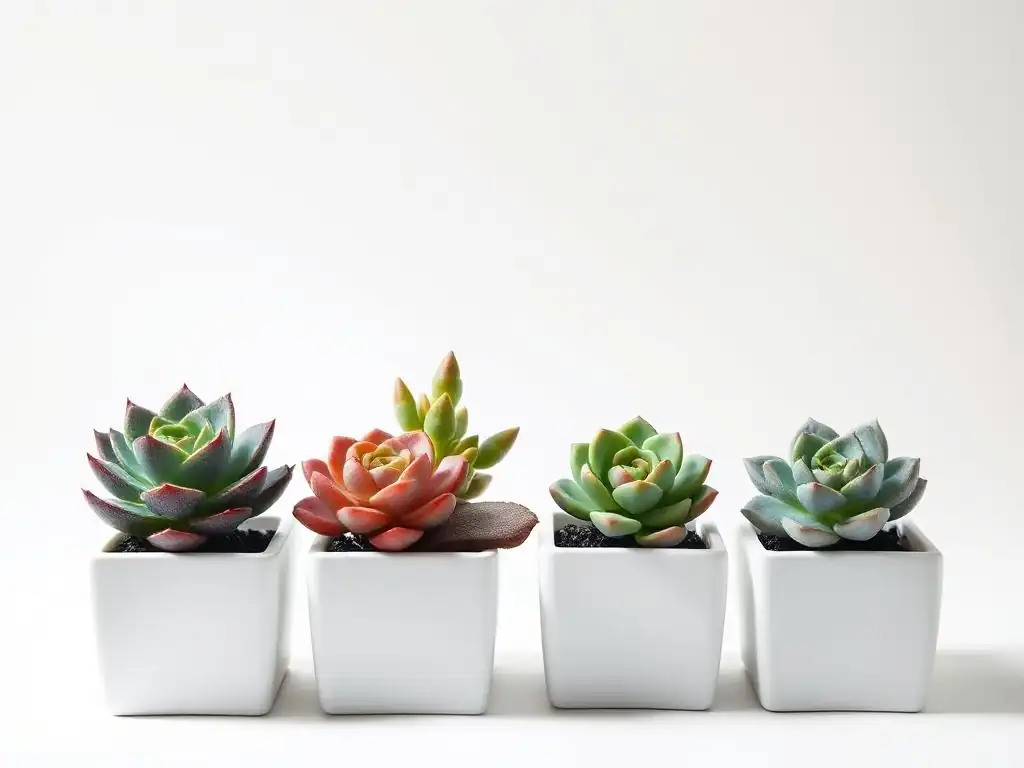
Finding the perfect small succulents for your miniature landscape requires access to a diverse selection of varieties. Knowing where to look is half the battle! This section outlines key resources for sourcing those tiny treasures that will bring your vision to life. Remember, choosing the right size and type of succulent is crucial for a thriving and aesthetically pleasing miniature garden.
Local Nurseries and Garden Centers: Sourcing Small Succulents
Your local nurseries and garden centers are often an overlooked goldmine for small succulent varieties. While larger chain stores may prioritize popular, readily available plants, smaller, independent nurseries frequently cultivate a wider range of species, including many miniature options. The benefit of shopping locally extends beyond variety; you gain access to expert advice tailored to your specific climate and growing conditions. Staff members can offer personalized recommendations, helping you select succulents that will thrive in your particular environment. This personalized service is invaluable, particularly for beginners venturing into miniature succulent landscapes.
For example, a local nursery might stock Sedum rubrotinctum (Jelly Bean plant), known for its tiny, plump leaves, or Echeveria minima, a charming miniature echeveria with rosette-like growth. These are just two examples; the specific varieties available will vary based on geographic location and the nursery's specialization. Don't hesitate to ask about less common varieties, as many nurseries are happy to share their knowledge and help you find unique plants for your project.
Consider visiting several nurseries in your area to compare selections and prices. You might be surprised by the hidden gems you discover! Remember to inquire about their propagation practices – sustainably sourced plants are always a better choice.
Online Retailers Specializing in Miniature Succulents
The internet opens up a world of possibilities for acquiring rare and unique small succulent varieties. Many online retailers specialize in succulents, offering a curated selection that may not be available locally. These online marketplaces often cater specifically to succulent enthusiasts, providing detailed descriptions, high-quality images, and even care instructions for each plant. However, it's crucial to exercise caution when choosing an online retailer. Look for established businesses with positive customer reviews and clear return policies. Be wary of overly cheap prices, which could indicate lower quality plants or poor shipping practices.
When browsing online, pay close attention to the plant descriptions. Look for details on mature size, sun exposure requirements, and water needs. These details are critical for ensuring the success of your miniature landscape. Many online retailers offer a search function that allows you to filter by size, which can significantly simplify the selection process. For example, you can search for "miniature succulents under 2 inches" to narrow down your options to the perfect size for your project. Remember to factor in shipping costs and potential shipping time, especially if you’re ordering from a distance.
Reputable Online Forums and Communities for Succulent Enthusiasts
Beyond commercial retailers, online forums and communities dedicated to succulent cultivation offer a wealth of information and even opportunities to acquire small varieties. These platforms often feature members who propagate and trade succulents, sometimes offering rare or hard-to-find miniature species. Engaging with these communities allows you to connect with other enthusiasts, learn from their experiences, and expand your knowledge of different succulent varieties. However, remember to verify the reputation of any seller before engaging in a transaction. Look for sellers with a history of positive feedback and detailed descriptions of their plants.
Participating in these online communities can be extremely valuable. You can ask questions, share your successes and challenges, and even find opportunities to trade or exchange cuttings with other members. This peer-to-peer interaction provides a supportive environment for learning and growing as a succulent enthusiast. Beyond sourcing plants, these forums are an excellent resource for gaining invaluable advice on plant care, propagation techniques, and creating successful miniature succulent landscapes. The shared knowledge and experience within these online communities can significantly enhance your gardening journey.
Frequently Asked Questions
What are some good small succulent landscape varieties?
Many succulents work well in miniature landscapes! Consider sedums, echeverias, and sempervivums for their diverse colors and compact growth habits. Look for varieties specifically labeled as "miniature" or "dwarf."
How do I choose succulents for a small space landscape?
Select succulents with slow growth rates to avoid overcrowding. Consider the mature size of each variety and the overall dimensions of your landscape to ensure a balanced and aesthetically pleasing arrangement.
What kind of soil is best for small succulent landscapes?
Use a well-draining cactus and succulent potting mix. Avoid using regular garden soil, as it retains too much moisture and can lead to root rot. Adding perlite or pumice improves drainage further.
How much sunlight do small succulent landscapes need?
Most small succulents thrive in at least six hours of sunlight per day. However, depending on the specific varieties, some may tolerate slightly less. Monitor your plants carefully for signs of sunburn or etiolation (leggy growth).
How often should I water my small succulent landscape?
Water thoroughly only when the soil is completely dry. Overwatering is a common problem. Allow the excess water to drain completely from the pot or container to prevent root rot. Watering frequency will depend on your climate and the size of your containers.
Final Reflection: Cultivating Miniature Worlds, Shaping Grand Visions
The meticulous art of miniature succulent landscaping isn't just a trend; it's a powerful testament to the beauty found in small spaces and the enduring appeal of nature's resilience. These tiny plants, with their diverse textures and vibrant colors, offer a unique opportunity to create breathtaking landscapes, no matter the scale. From balcony gardens to window boxes, the possibilities are as limitless as the varieties themselves.
The enduring charm of miniature succulent gardens lies in their ability to transform even the most mundane spaces into vibrant oases. They invite us to slow down, to appreciate the intricate details often overlooked in larger-scale designs. This mindful engagement with nature, this careful cultivation of something beautiful from something small, resonates deeply with our modern need for connection and tranquility. The smallest things often take the most room in our hearts.
This sentiment perfectly captures the disproportionate joy these miniature gardens bring.
Consider the impact of these tiny plants. You've learned about the diverse options available, the considerations for sunlight and soil, and the artistry involved in arranging these miniature marvels. Now, I invite you to take this knowledge and create your own miniature world. Choose your favorite varieties, select the perfect pot, and begin to cultivate your own personal sanctuary. Let the process be as rewarding as the final result, a testament to your creativity and a vibrant expression of your connection with the natural world.
Unleash Your Inner Landscape Architect: Design with Mini Succulents!
Thank you for exploring the fascinating world of miniature succulents! We hope you've discovered valuable information to help you select the perfect small varieties for your landscape designs. Now it's time to put your knowledge into practice.
Here's how you can begin:
- Craft Your Dream Miniature Garden: Start by sketching your ideal succulent landscape, considering sunlight, soil type, and the unique characteristics of the mini succulents you've learned about. Let your creativity flourish!
- Choose Your Plants: Visit your local nursery or an online retailer and select your plants. Experiment with different textures and colors to create a visually stunning miniature garden.
- Share Your Success! Post pictures of your miniature garden on social media using #MiniSucculentLandscapes and tag @SucculentEssentials. Let's build a thriving community of miniature succulent enthusiasts!
What exciting combinations of mini succulents will you create for your next project?