
Succulents: A Natural Solution for Arid Land Restoration Challenges

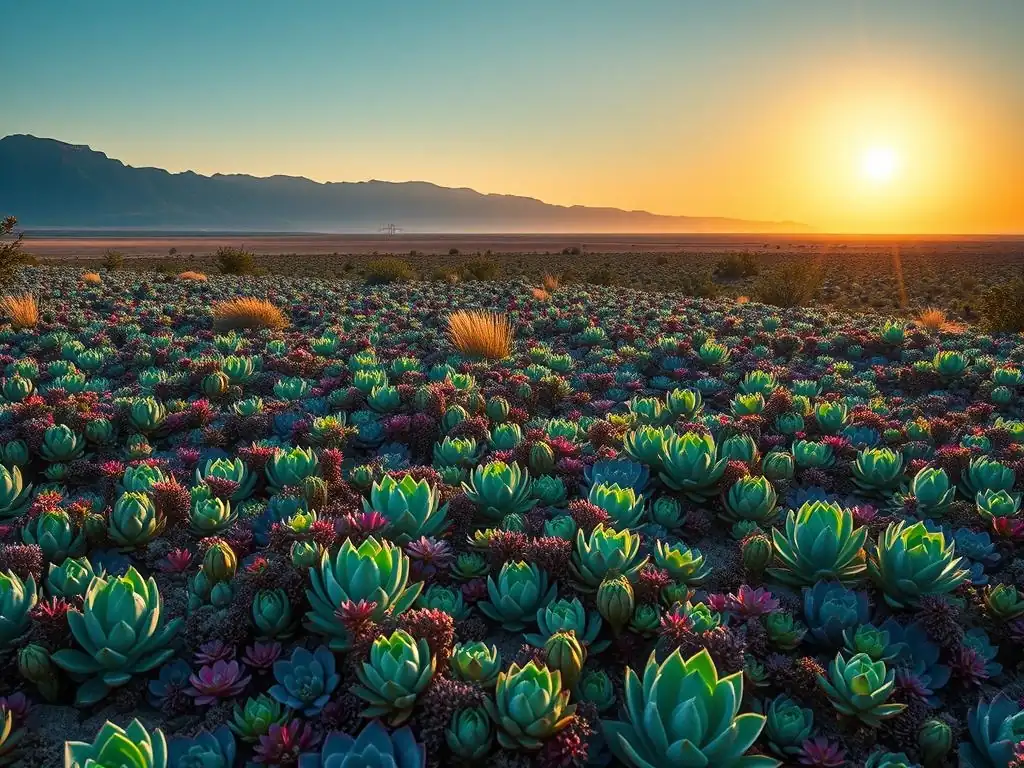
Welcome to SucculentEssentials.org, where the fascinating world of succulents unfolds before you! Discover a universe of drought-tolerant beauty, from vibrant varieties to ingenious propagation techniques. But did you know these captivating plants hold the key to a surprising solution? Dive into our article on "Succulent arid land restoration" and uncover how these resilient wonders are transforming landscapes and offering a natural path towards sustainable practices. Prepare to be amazed by the possibilities!
- Understanding Arid Land Restoration Challenges
- Succulents: A Resilient Solution for Arid Lands
- Implementing Succulent-Based Restoration Projects
- Case Studies: Successful Succulent Arid Land Restoration Projects
- The Future of Succulent Arid Land Restoration
-
Frequently Asked Questions
- What role do succulents play in arid land restoration?
- How do succulents contribute to soil stabilization?
- Are all succulents suitable for arid land restoration projects?
- What are the benefits of using succulents in arid land restoration beyond soil stabilization?
- Where can I find more information on using succulents for arid land restoration projects?
- Final Reflection: The Resilient Promise of Succulents
- Unleash Your Inner Desert Gardener: Start Restoring Our Arid Lands Today!
Understanding Arid Land Restoration Challenges
Arid and semi-arid lands, covering a significant portion of our planet, face immense ecological challenges. Desertification, land degradation, and water scarcity are interconnected threats that severely impact biodiversity, ecosystem services, and human livelihoods. Restoring these fragile environments requires innovative and sustainable solutions, and surprisingly, succulents offer a compelling answer.
This article explores the unique potential of succulents in arid land restoration, highlighting their remarkable drought tolerance and adaptability as key factors in combating desertification and promoting ecological recovery. We will examine the challenges facing traditional restoration methods and demonstrate how incorporating succulents can lead to more resilient and sustainable outcomes, contributing significantly to "Succulent arid land restoration" efforts. The journey towards a greener future in arid regions may well be paved with these resilient little plants.
The Impact of Desertification and Land Degradation
Desertification, the process by which fertile land becomes desert, is a major environmental concern globally. Driven by factors such as deforestation, overgrazing, unsustainable agricultural practices, and climate change, it leads to soil erosion, loss of biodiversity, and reduced agricultural productivity. Land degradation, a broader term encompassing desertification, also includes processes like salinization (salt accumulation in soil) and waterlogging. The consequences are far-reaching, impacting food security, water resources, and the overall well-being of communities reliant on these lands. The visual impact is stark: once-vibrant landscapes transformed into barren, unproductive wastelands. 🌵 The need for effective restoration strategies is therefore paramount.
Water Scarcity and its Role in Arid Environments
Water scarcity is a defining characteristic of arid and semi-arid regions. The limited availability of water significantly constrains traditional reforestation efforts, which often rely on extensive irrigation. Many plant species simply cannot survive the harsh conditions of drought and intense solar radiation. This water limitation presents a major hurdle to successful land restoration, making the selection of appropriate plant species crucial.
The inherent drought tolerance of succulents makes them uniquely suited to these water-stressed environments. Their specialized water storage mechanisms and low water requirements offer a significant advantage over many other plant species, representing a practical and sustainable solution. 💧
Limitations of Traditional Restoration Methods
Traditional methods of arid land restoration often face significant limitations. The reliance on water-intensive species, coupled with the challenges of establishing and maintaining plant cover in harsh conditions, often leads to low success rates and high costs. Furthermore, many introduced species may not be well-adapted to the local climate and soil conditions, potentially disrupting the delicate balance of the existing ecosystem. The introduction of non-native species can also lead to unforeseen ecological consequences.
Succulents, on the other hand, often thrive with minimal intervention, requiring less water and maintenance, thus offering a more cost-effective and environmentally sound approach. Their ability to establish themselves in challenging conditions makes them a powerful tool in the fight against desertification and land degradation. 🌱
Succulents: A Resilient Solution for Arid Lands
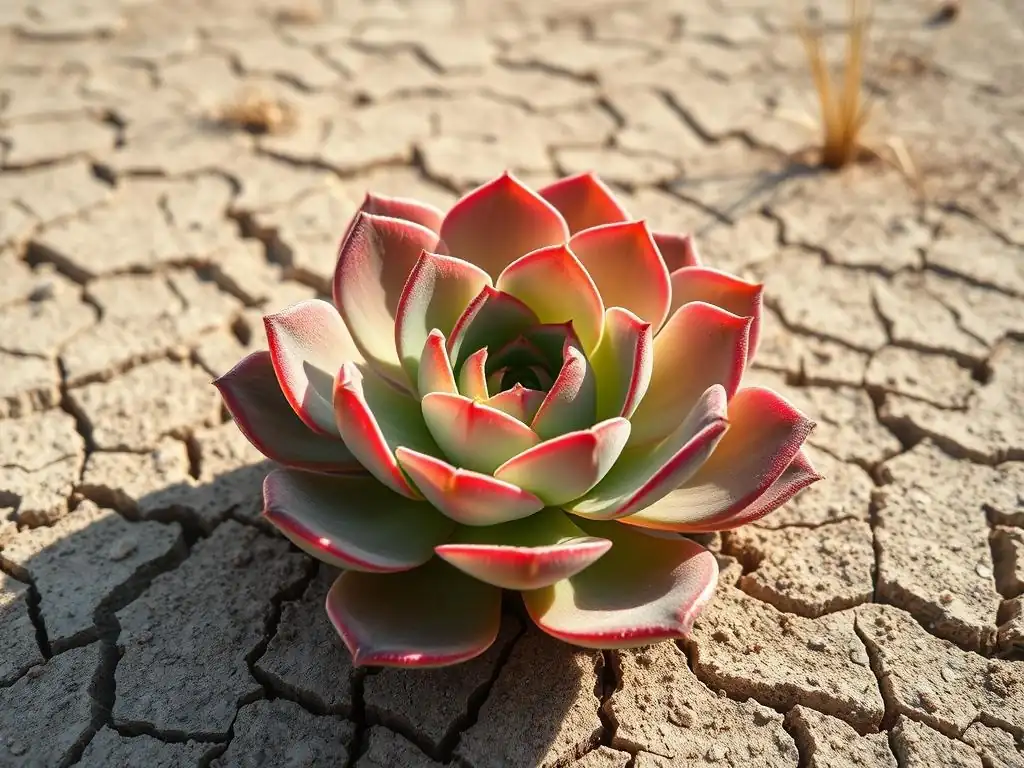
Succulents offer a compelling solution to the challenges of arid land restoration, leveraging their inherent adaptations to thrive in water-scarce environments. Their ability to withstand drought, stabilize soil, and support biodiversity makes them particularly valuable in reclamation projects aimed at restoring degraded ecosystems. This section delves into the specific mechanisms through which succulents contribute to successful arid land restoration initiatives. Understanding these mechanisms is crucial for implementing effective and sustainable restoration strategies. The use of succulents in arid land restoration is gaining traction as a sustainable and cost-effective approach, offering a promising avenue for environmental rehabilitation.
Drought Tolerance and Water Use Efficiency in Succulents
Succulents' remarkable drought tolerance stems from their specialized physiological adaptations. These plants employ various strategies to conserve water, including:
- Crassulacean Acid Metabolism (CAM): Unlike most plants that open their stomata (pores) during the day for gas exchange, CAM plants, including many succulents, open their stomata at night to minimize water loss through transpiration. This allows them to take in carbon dioxide at night and store it as malic acid, which is then used for photosynthesis during the day with stomata closed. This significantly reduces water loss.
- Water Storage Tissues: Succulents possess specialized tissues, such as parenchyma cells, that store large quantities of water. These tissues act as reservoirs, enabling the plants to withstand extended periods of drought. The size and structure of these tissues vary greatly depending on the succulent species. For instance, Aloe vera is known for its substantial water storage capacity compared to smaller succulents like Sedum.
- Reduced Leaf Surface Area: Many succulents have reduced or modified leaves, such as spines or thick, waxy leaves. This minimizes the surface area exposed to the sun, reducing water loss through transpiration. The reduction in leaf surface area is a key adaptation to arid and semi-arid conditions.
- Deep Root Systems: Some succulent species have developed extensive root systems that allow them to access water deep within the soil profile. This ability to tap into deeper water sources is critical for survival during prolonged droughts. The specific root architecture differs significantly among succulent species, with some exhibiting a more shallow, fibrous root system while others develop a taproot.
The water use efficiency of succulents is significantly higher than that of many other plant species. This means they can produce more biomass with less water, making them ideal for water-stressed environments. [Specific data on water use efficiency of different succulent species pending]. This characteristic is a key factor in their suitability for arid land restoration projects.
Soil Stabilization and Erosion Control Using Succulents
Erosion is a major challenge in arid and semi-arid regions, often exacerbated by land degradation and unsustainable land management practices. Succulents play a crucial role in soil stabilization and erosion control through several mechanisms:
- Extensive Root Systems: The dense and often deep root systems of many succulents bind the soil particles together, increasing soil cohesion and reducing the susceptibility to erosion by wind and water. The root systems act as a natural anchor, preventing soil from being dislodged.
- Ground Cover: The dense growth habit of many succulents provides excellent ground cover, protecting the soil surface from the impact of raindrops and wind. This protective layer reduces surface runoff and soil erosion. The coverage provided by succulents helps to maintain soil moisture and reduces soil temperature fluctuations.
- Improved Soil Structure: The decomposition of succulent matter contributes to the improvement of soil structure. The organic matter adds nutrients and improves water infiltration, enhancing soil health and reducing erosion susceptibility. This organic matter also helps to create a more stable and resilient soil profile.
The effectiveness of succulents in erosion control has been demonstrated in various studies. [Specific examples of successful projects using succulents for erosion control pending]. This makes them a valuable tool for restoring degraded lands prone to erosion. The use of succulents in conjunction with other soil stabilization techniques, such as terracing or contour farming, can further enhance their effectiveness.
Biodiversity Enhancement Through Succulent Planting
Introducing succulents into arid land restoration projects can contribute to biodiversity enhancement by:
- Providing Habitat: Succulents provide habitat and food sources for a variety of animals, including insects, birds, and reptiles. Their flowers attract pollinators, contributing to the overall health of the ecosystem. The diverse array of succulent species offers varied niches for different organisms.
- Supporting Pollinators: Many succulent species produce nectar-rich flowers that attract pollinators such as bees, butterflies, and hummingbirds. These pollinators are essential for the reproduction of many plant species, contributing to the overall biodiversity of the restored area. The timing of flowering in different succulent species can ensure continuous pollinator activity throughout the year.
- Creating Microhabitats: The structural complexity of succulent communities, with their varying heights and growth forms, creates microhabitats that support a wider range of species. These microhabitats provide shelter and refuge for various organisms. The presence of succulents can also influence the microclimate, creating favorable conditions for other plant and animal species.
The selection of a diverse range of succulent species is crucial for maximizing biodiversity benefits. [Specific recommendations for species selection based on location and ecological conditions pending]. Careful planning and implementation are necessary to ensure that the introduction of succulents contributes positively to the overall biodiversity of the restored ecosystem. Monitoring the biodiversity following succulent planting is essential to assess the effectiveness of this approach. 🌱
Implementing Succulent-Based Restoration Projects
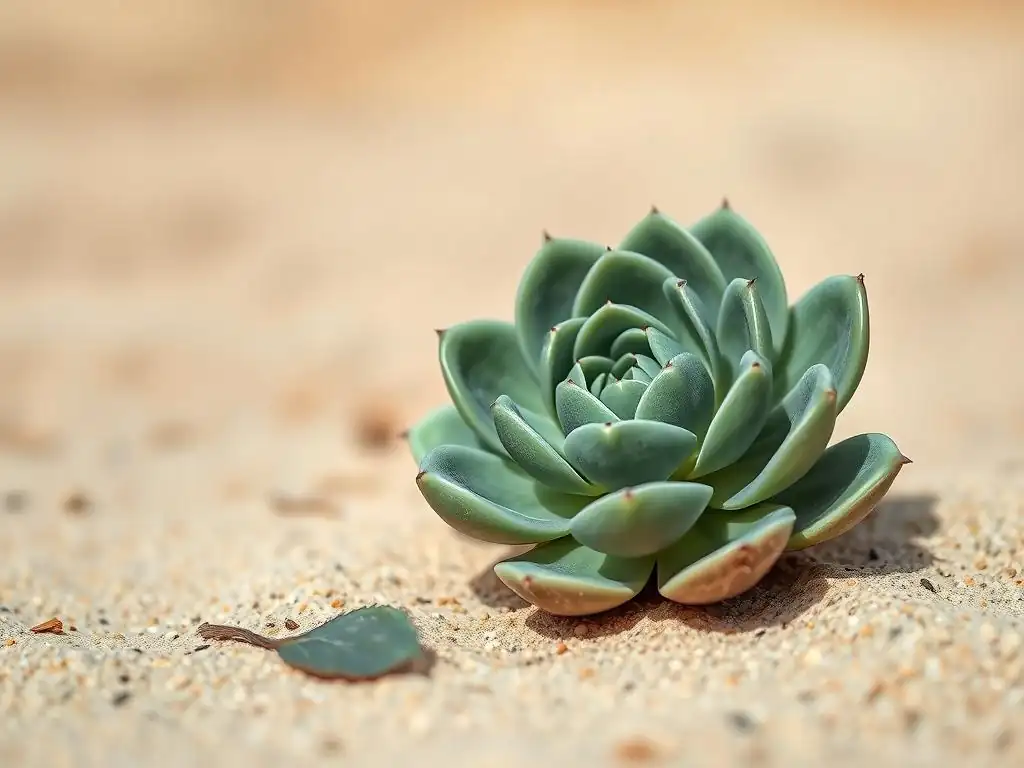
This section delves into the practical aspects of implementing succulent-based restoration projects in arid and semi-arid environments. Successfully establishing these drought-tolerant plants requires careful planning and execution, focusing on species selection, site preparation, and planting techniques. The goal is to create thriving, self-sustaining ecosystems that contribute to land rehabilitation and biodiversity enhancement. Ignoring these crucial steps can lead to project failure, highlighting the importance of a meticulous approach to succulent arid land restoration.
Selecting Appropriate Succulent Species for Arid Regions
Choosing the right succulent species is paramount for successful arid land restoration. The selection process must consider several key factors: climate, soil type, and the desired ecological outcome. Simply planting any succulent won't guarantee success; careful consideration is needed to ensure the chosen species thrive in the specific conditions of the restoration site.
Several factors influence species selection:
- Climate: Temperature extremes, rainfall patterns (including intensity and frequency), and sunlight exposure significantly impact succulent survival. Species native to similar climates are more likely to adapt successfully. For instance, Dudleya species are well-suited for coastal California's dry climate, while Agave species can tolerate more extreme temperatures.
- Soil Type: Soil drainage is crucial. Succulents are susceptible to root rot in poorly drained soils. Therefore, species selection should account for soil texture, pH, and nutrient content. Sand-based mixes are often preferred for their drainage properties.
- Ecological Goals: Restoration projects often aim to achieve specific ecological outcomes, such as erosion control, biodiversity enhancement, or habitat creation for specific fauna. Species selection should align with these goals. For example, Opuntia species, with their extensive root systems, are excellent for erosion control.
The process often involves consulting local botanical gardens, universities, or government agencies specializing in native plant restoration. They provide detailed information on suitable species and their specific requirements for succulent arid land restoration. A thorough understanding of the local flora and its interactions with the environment is essential for choosing the most effective species.
Site Preparation and Soil Improvement for Succulent Planting
Effective site preparation is crucial for the success of any succulent-based restoration project. It involves a multi-step process aimed at optimizing soil conditions and minimizing competition from invasive species. Neglecting this phase can significantly reduce survival rates and hinder the long-term success of the project.
The process typically includes:
- Weed Control: Removing existing vegetation, especially invasive species, is essential to reduce competition for resources. This can be achieved through mechanical methods (e.g., hand-pulling, tilling) or chemical control (herbicides), always using environmentally responsible practices.
- Soil Testing: Analyzing the soil's pH, nutrient content, and texture provides critical information for amending the soil to meet the needs of the chosen succulent species. Amendments might include organic matter (compost) to improve soil structure and water retention, or inorganic materials (sand) to enhance drainage.
- Soil Amendment: Based on the soil test results, appropriate amendments are incorporated to create a suitable growing medium. This step is especially important in compacted or nutrient-poor soils. The goal is to create a well-drained, nutrient-rich soil that promotes healthy root development and minimizes the risk of root rot.
Planting Strategies and Techniques for Optimal Growth and Survival
Successful planting techniques are crucial for maximizing the survival and establishment of succulents in arid land restoration projects. The approach should consider factors like spacing, planting depth, and watering strategies. Optimal planting ensures the project achieves its ecological goals efficiently.
Key planting considerations include:
- Spacing: Proper spacing between plants is essential to prevent overcrowding and competition for resources. Spacing depends on the mature size of the chosen species. Overcrowding can lead to reduced growth, increased susceptibility to disease, and ultimately, project failure.
- Planting Depth: Planting succulents too deeply can lead to root rot, while planting them too shallowly can result in instability. The crown (the point where the stem meets the roots) should be at or slightly above the soil surface.
- Watering: Initial watering is crucial for establishing the plants. However, overwatering can be detrimental. A deep, infrequent watering schedule is generally recommended, mimicking natural rainfall patterns. The frequency and amount of watering should be adjusted based on the climate and soil conditions. Techniques like drip irrigation can help to conserve water and ensure efficient delivery.
The success of succulent arid land restoration hinges on a comprehensive approach that carefully considers species selection, site preparation, and planting strategies. A meticulous and informed execution of these steps significantly increases the chances of creating thriving, self-sustaining ecosystems in arid landscapes.
Monitoring and Maintenance of Established Succulent Plantings
Monitoring the health and growth of established succulent plantings is crucial for the long-term success of any arid land restoration project. Regular observation allows for early detection of potential problems, enabling timely intervention and preventing setbacks. This involves more than just a casual glance; a structured monitoring program is essential. This program should include both visual inspections and potentially, data collection using tools like growth measuring tapes and photographic documentation.
Visual inspections should be conducted at least monthly, but more frequently during critical periods like immediately following planting, during extreme weather events (heat waves or unexpected rainfall), and during periods of rapid growth. Look for signs of stress such as wilting, discoloration, pest infestations (mealybugs, aphids, scale insects are common succulent pests), or disease. Note the overall density of the planting – are there gaps developing?
Are the succulents growing vigorously, or are they stunted? Detailed records should be kept, noting the date, location within the planting area, and specific observations. Photographs can be invaluable for tracking changes over time and for providing visual evidence of progress or problems.
Beyond visual inspections, data collection can provide a more quantitative assessment of project success. Measuring the height and diameter of representative plants can reveal growth rates and provide insights into the overall health of the planting. Similarly, photographic documentation can be used to track changes in plant cover and overall landscape aesthetics. This quantitative data, coupled with qualitative observations, provides a more comprehensive picture of the project's progress and allows for more informed management decisions.
Regular soil moisture monitoring can also be included, especially in the early stages of establishment, to ensure adequate water retention and prevent desiccation. The frequency of monitoring and the specific parameters measured should be tailored to the specific species of succulents used, the climate, and the project goals. For example, a project focused on erosion control might prioritize monitoring soil stability, while a project focused on biodiversity might emphasize the establishment of associated plant and insect communities. This detailed approach ensures that the project remains on track and adapts to changing conditions, ultimately maximizing the chances of successful arid land restoration.
Remember, consistent monitoring is an investment in the long-term sustainability of the project and the health of the restored ecosystem. Early detection of problems can prevent costly and time-consuming remediation efforts later. 📈
Case Studies: Successful Succulent Arid Land Restoration Projects
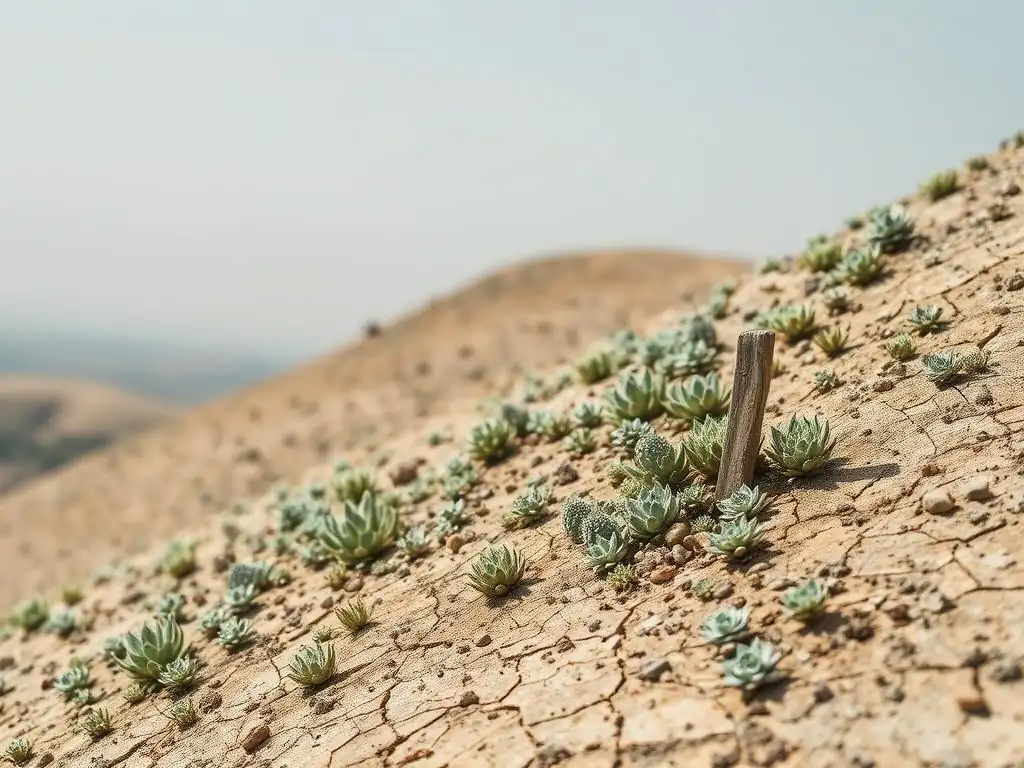
This section showcases successful arid land restoration projects that leverage the remarkable resilience and adaptability of succulents. These case studies highlight the practical application of succulent-based restoration techniques, demonstrating their effectiveness in diverse arid environments and offering valuable insights for future initiatives. The examples provided demonstrate how careful selection of native succulent species, coupled with appropriate soil management and water conservation strategies, can contribute significantly to successful land reclamation and ecosystem revitalization. Understanding these successes is crucial for expanding the application of succulent-based restoration in other arid regions facing desertification.
Case Study 1: The Arava Institute's work in the Negev Desert
The Arava Institute, located in the Negev Desert of Israel, has undertaken extensive research and practical application of succulent-based arid land restoration. Their work focuses on utilizing native succulent species, many of which are highly drought-tolerant and possess unique adaptations for water retention and nutrient uptake. The institute's approach involves a multi-faceted strategy:
- Species Selection: Careful selection of native succulent species best suited to the specific microclimates and soil conditions within the Negev Desert is paramount. This ensures optimal growth and survival rates, maximizing the restoration effort's success. Species such as Sedum and Aloe varieties have shown remarkable resilience.
- Soil Improvement: The institute implements soil improvement techniques to enhance water retention and nutrient availability. This often involves the addition of organic matter and the use of cover crops to improve soil structure and fertility.
- Water Management: Water conservation is crucial in arid environments. The Arava Institute employs efficient irrigation techniques, often utilizing drip irrigation systems to minimize water waste and optimize water delivery to the newly planted succulents.
- Monitoring and Evaluation: Rigorous monitoring and evaluation are integral to the project's success. Data on plant survival rates, soil conditions, and overall ecosystem health are collected and analyzed to adapt and refine restoration strategies.
The Arava Institute's long-term commitment to research and practical application has demonstrated the significant potential of succulent-based restoration in transforming degraded arid lands into thriving ecosystems. Their success provides a valuable model for other arid land restoration projects globally.
Case Study 2: Restoration efforts in the Sonoran Desert using native succulents
The Sonoran Desert, known for its biodiversity and unique succulent flora, has seen significant land degradation due to various factors, including overgrazing and unsustainable land use practices. Restoration efforts in this region increasingly incorporate native succulents to address these challenges. These projects focus on:
- Community Involvement: Successful restoration often involves engaging local communities and incorporating traditional ecological knowledge. This fosters a sense of ownership and ensures the long-term sustainability of the project.
- Erosion Control: Succulents play a vital role in erosion control, stabilizing the soil and preventing further land degradation. Their extensive root systems help bind the soil, reducing the impact of wind and water erosion.
- Biodiversity Enhancement: Introducing a diverse range of native succulent species promotes biodiversity, creating a more resilient and ecologically balanced ecosystem. This supports the return of other plant and animal species.
- Sustainable Tourism: Successful restoration projects can also contribute to sustainable tourism, providing economic opportunities for local communities while promoting environmental awareness.
Specific data on plant survival rates and ecosystem recovery within these projects are [specific information pending], but anecdotal evidence suggests positive outcomes in terms of soil stabilization, increased biodiversity, and improved ecosystem function.
Case Study 3: Arid land restoration project using succulents in the Atacama Desert
The Atacama Desert, one of the driest places on Earth, presents unique challenges for land restoration. However, the remarkable resilience of certain hyper-arid succulents offers hope for restoring degraded areas. Projects in this extreme environment often focus on:
- Extreme Drought Tolerance: The selection of succulents with exceptional drought tolerance is crucial. Species adapted to the harsh conditions of the Atacama possess remarkable physiological adaptations that allow them to survive prolonged periods without water.
- Microhabitat Creation: Creating microhabitats that provide slightly more favorable conditions, such as increased shade or improved soil moisture retention, can enhance the survival and growth of these resilient plants.
- Long-term Monitoring: Given the extreme conditions, long-term monitoring is essential to assess the success of restoration efforts and to adapt strategies as needed. Data on plant growth, survival, and reproduction are crucial for evaluating the long-term viability of the project.
While the Atacama Desert presents significant challenges, ongoing research and innovative restoration techniques utilizing the unique adaptations of its native succulents are demonstrating the potential for even the most extreme arid environments to undergo successful restoration. Detailed data on specific projects and their outcomes are [specific information pending], highlighting the need for further research and documentation in this challenging yet promising field of succulent arid land restoration.
The Future of Succulent Arid Land Restoration
The future of succulent-based arid land restoration hinges on several key factors: continued research into optimal species selection and planting techniques, expansion of collaborative efforts for large-scale projects, and a greater understanding of the economic and social benefits these projects can deliver. Successful implementation will require a multi-faceted approach, combining scientific advancements with community engagement and sustainable economic models. This section delves into the crucial elements shaping the future of this promising field.
Ongoing Research and Development in Succulent-Based Restoration
Significant advancements are needed to fully realize the potential of succulents in arid land restoration. Current research focuses on several critical areas:
- Species Selection and Adaptation: Identifying succulent species best suited to specific arid climates and soil types is paramount. Researchers are evaluating the drought tolerance, growth rates, and adaptability of various succulent varieties under different environmental conditions. This includes genetic analysis to identify traits associated with superior survival and resilience in challenging environments. For example, studies are underway to determine the optimal mix of Sedum, Echeveria, and Dudleya species for specific soil compositions and elevation levels.
- Improved Planting Techniques: Optimizing planting techniques to maximize survival rates and minimize resource consumption is crucial. This includes investigating different planting densities, soil amendments, and watering strategies to enhance establishment and long-term success. Experiments compare the effectiveness of direct seeding versus transplanting, exploring the impact on seedling survival and overall project cost-effectiveness.
- Monitoring and Evaluation: Robust monitoring and evaluation protocols are essential to track the effectiveness of restoration efforts. Researchers are developing standardized methods for assessing vegetation cover, biodiversity, soil health, and water infiltration rates. Long-term monitoring data will be crucial in refining restoration techniques and demonstrating the long-term ecological benefits of using succulents. This includes the development of advanced remote sensing techniques to monitor large-scale restoration projects efficiently.
Collaboration and Partnerships for Large-Scale Restoration Efforts
Large-scale succulent-based restoration projects require significant collaboration among researchers, government agencies, non-profit organizations, and local communities. Successful implementation depends on:
- Interdisciplinary Collaboration: Effective restoration necessitates the integration of ecological expertise, hydrological modeling, socio-economic analysis, and community engagement strategies. This multidisciplinary approach ensures the projects address both ecological and societal needs.
- Public-Private Partnerships: Securing funding for large-scale projects often requires partnerships between public and private sectors. This could involve collaborations with environmental organizations, corporations with sustainability initiatives, and government agencies focused on land management.
- Community Engagement: Local communities play a vital role in the success of restoration projects. Effective community engagement strategies are crucial to ensure project sustainability, promote local ownership, and address potential conflicts over land use. This includes providing training and employment opportunities related to succulent cultivation and restoration.
Succulent-based restoration offers significant economic and social benefits beyond ecological restoration:
- Economic Opportunities: Restoration projects can create employment opportunities in rural communities through activities such as succulent propagation, planting, and maintenance. This can contribute to local economic development and alleviate poverty. Additionally, the potential for ecotourism centered around restored areas can generate further income streams.
- Improved Livelihoods: Successful restoration can improve livelihoods by enhancing water availability, increasing agricultural productivity (through improved soil health), and providing sustainable sources of income.
- Social Cohesion: Community involvement in restoration projects can foster social cohesion and strengthen community bonds. Shared participation in environmental stewardship can build trust and create a sense of collective responsibility for environmental protection. The success of these projects also contributes to community pride and a stronger sense of place.
The successful implementation of succulent-based arid land restoration requires a holistic approach that integrates scientific research, collaborative partnerships, and community engagement. By addressing these key areas, we can unlock the immense potential of succulents in restoring degraded arid lands and creating sustainable futures for communities worldwide.
Frequently Asked Questions
What role do succulents play in arid land restoration?
Succulents are ideal for arid land restoration because of their high drought tolerance. Their deep root systems help prevent soil erosion, and they require minimal water, making them sustainable for these challenging environments.
How do succulents contribute to soil stabilization?
Their extensive root systems bind the soil together, preventing erosion from wind and water. This stabilizes the land, creating a foundation for other plants to grow.
Are all succulents suitable for arid land restoration projects?
While many are, the best choices are native succulents adapted to the specific climate and soil conditions of the area. Using non-native species could disrupt the ecosystem.
What are the benefits of using succulents in arid land restoration beyond soil stabilization?
Beyond soil stabilization, succulents can improve soil health, attract pollinators, and provide habitat for wildlife. They also offer a visually appealing, sustainable solution.
Where can I find more information on using succulents for arid land restoration projects?
Consult resources like the USDA Natural Resources Conservation Service, local universities, and environmental organizations for guidance on species selection and project implementation specific to your region.
Final Reflection: The Resilient Promise of Succulents
The arid lands of our planet face unprecedented challenges, and the search for sustainable solutions is more urgent than ever. The resilience of succulents, their remarkable ability to thrive in harsh conditions, offers a powerful and often overlooked pathway towards restoring these vital ecosystems. Their potential to combat desertification, improve soil health, and support biodiversity is not merely theoretical; it's a tangible opportunity waiting to be fully realized.
The journey of exploring the role of succulents in arid land restoration has been deeply enriching, revealing not only the scientific marvels of these plants but also the profound interconnectedness of ecological systems. Their quiet strength, their ability to persist where others fail, serves as a potent metaphor for the perseverance needed to address environmental challenges. The earth laughs in flowers.
– Ralph Waldo Emerson. This quote beautifully captures the transformative power of nature, and the potential of succulents to bring laughter – in the form of thriving ecosystems – back to arid landscapes.
Consider the potential within your own sphere of influence. Perhaps you can advocate for the use of succulents in landscaping projects, support research initiatives focused on their application in restoration efforts, or simply cultivate a few of these remarkable plants yourself. Let the resilience of the succulent inspire your own commitment to environmental stewardship. By embracing the lessons learned from these unassuming plants, we can contribute to a future where arid lands flourish once more, a future where resilience and sustainability go hand in hand.
Unleash Your Inner Desert Gardener: Start Restoring Our Arid Lands Today!
Thank you for exploring the fascinating world of succulents and their vital role in arid land restoration! You've learned about their resilience and ability to revitalize parched landscapes. Now, let's put that knowledge into action.
- Start Small, Dream Big: Begin your own small restoration project! Plant a few drought-tolerant succulents in a pot or a small area of your garden. It's a simple yet impactful step.
- Share Your Passion: Tell your friends and family about the amazing benefits of using succulents for arid land restoration. Inspire others to join the effort!
- Embrace Native Plants: Research the native succulent species in your region and consider incorporating them into your garden. This will support local biodiversity and create a more sustainable ecosystem.
Let us know in the comments which succulents you've chosen to champion in your arid land restoration journey!