
The Therapeutic Benefits of Caring for Rare Succulents

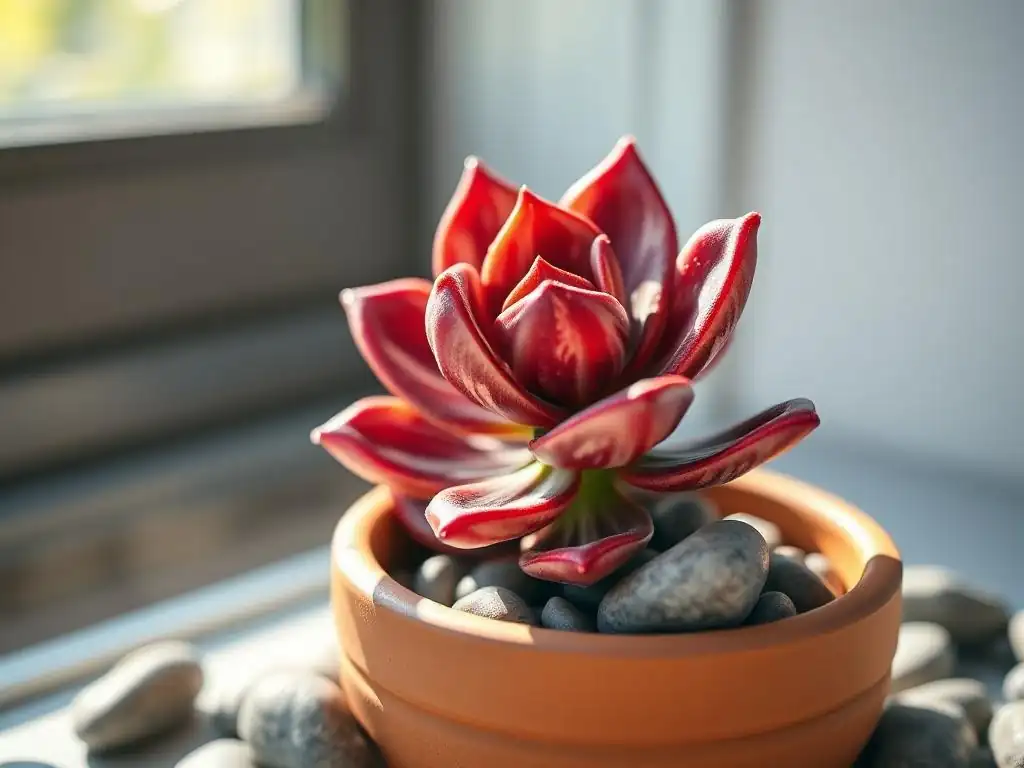
Welcome to SucculentEssentials.org, where the fascinating world of succulents unfolds before you. Dive into a captivating realm of drought-resistant beauty and discover the unexpected tranquility found in cultivating these unique plants. But did you know that caring for rare succulents offers more than just aesthetic pleasure? Prepare to be amazed as we uncover the rare succulent therapeutic benefits – a hidden secret waiting to be explored within the pages of our comprehensive guide. Uncover the surprising ways these miniature marvels can enhance your well-being; your journey to succulent serenity begins now!
- Understanding the Unique Appeal of Rare Succulents
-
Therapeutic Aspects of Rare Succulent Care: Stress Reduction and Mindfulness
- Mindful Watering and the Slow Pace of Succulent Growth
- The Sensory Experience: Texture, Color, and Form in Rare Succulents
- Cultivating Patience and Perseverance: Lessons from Rare Plant Care
- Reducing Stress Through Hands-on Care: A Natural Remedy
- The Mindful Practice of Propagation: Cultivating Patience and Focus
- Connecting with Nature's Resilience: A Source of Inspiration and Hope
- Rare Succulent Care as a Creative Outlet: Designing and Arranging
- The Importance of Ethical Collecting and Conservation of Rare Succulents
- Building a Thriving Collection: Tips for Success with Rare Succulents
- The Holistic Benefits: Combining Passion with Wellbeing Through Rare Succulent Cultivation
-
Frequently Asked Questions
- What are the therapeutic benefits of caring for succulents?
- Are rare succulents more beneficial than common ones?
- How can I incorporate succulent care into my self-care routine?
- What specific rare succulents offer unique therapeutic benefits?
- Where can I find rare succulents for my therapeutic gardening?
- Final Reflection: Cultivating Calm: The Enduring Power of Rare Succulents
- Unveil Your Inner Gardener: Nurture & Thrive
Understanding the Unique Appeal of Rare Succulents
The captivating world of succulents extends far beyond the common echeveria or jade plant. For many enthusiasts, the true allure lies in the pursuit and cultivation of rare and endangered succulent species. This article delves into the therapeutic benefits derived from nurturing these unique plants, exploring the emotional rewards and mindful practices involved in their care.
We'll examine how the dedication required to cultivate rare succulents fosters a sense of accomplishment, patience, and connection with nature, ultimately contributing to improved mental and emotional well-being. The increasing popularity of rare succulent collecting isn't just about aesthetics; it's about the profound personal journey it represents.
This journey, filled with challenges and triumphs, offers a unique form of therapy, connecting collectors to a world of beauty, patience, and self-discovery. We will explore the specific ways in which tending to these delicate plants can positively impact our mental and emotional health, highlighting the unique therapeutic benefits of caring for rare succulents.
The Allure of Rarity and the Collector's Mindset
The inherent scarcity of rare succulents plays a significant role in their appeal. The thrill of the hunt, the meticulous research required to identify and acquire a particular species, and the satisfaction of adding a rare specimen to one's collection all contribute to a deeply fulfilling experience. This process mirrors the focused attention and dedication often associated with mindfulness practices.
The collector's mindset becomes one of careful observation, patience, and persistent learning. It's a journey of continuous discovery, requiring research into the specific needs and care requirements of each individual plant. This process itself is therapeutic, demanding focus and attention to detail, thus promoting mental clarity and reducing stress.
The rarity of the plant amplifies the sense of accomplishment and pride associated with successful cultivation. Think of the feeling of nurturing a tiny cutting into a thriving, rare specimen – a testament to dedication and expertise. This accomplishment provides a powerful sense of self-efficacy and boosts self-esteem.
Emotional Connection and the Joy of Discovery in Rare Succulent Cultivation
Cultivating rare succulents fosters a deep emotional connection with the natural world. The intimate care required—from precise watering techniques to providing ideal sunlight and temperature—encourages a mindful approach to plant care. This attentive process allows for a meditative experience, promoting relaxation and reducing stress. The joy of discovery is another key element.
Witnessing the subtle changes in a plant's growth, observing its unique characteristics, and learning about its origin and habitat all contribute to a sense of wonder and awe. This process of learning and observation is inherently therapeutic, fostering a sense of peace and connection with the natural world. For example, successfully propagating a rare Haworthia species from a single leaf can evoke a profound sense of accomplishment and satisfaction, reinforcing positive emotions and building self-confidence. The unique beauty and diversity of rare succulents offer endless opportunities for appreciation and wonder, enriching one's life in profound ways.
Building a Specialized Collection: Focus and Patience in Rare Succulent Care
Building a specialized collection of rare succulents demands patience, perseverance, and a commitment to continuous learning. The challenges encountered—be it dealing with pests, diseases, or the specific needs of a particular species—require problem-solving skills and a willingness to adapt. This process, however, is incredibly rewarding.
Successfully overcoming these challenges strengthens resilience and builds confidence in one's abilities. The focused attention required for meticulous care diverts the mind from daily stressors, promoting relaxation and a sense of calm. Furthermore, the long-term commitment involved in nurturing a collection fosters a sense of responsibility and purpose, contributing to overall well-being.
For instance, meticulously documenting the growth and care of each plant in a detailed journal can be a very therapeutic activity, encouraging self-reflection and mindful attention to detail. The journey itself, with its successes and setbacks, cultivates patience, perseverance, and a deeper appreciation for the beauty and resilience of nature. The resulting collection becomes a living testament to the dedication and care invested, providing a constant source of satisfaction and pride.
Therapeutic Aspects of Rare Succulent Care: Stress Reduction and Mindfulness
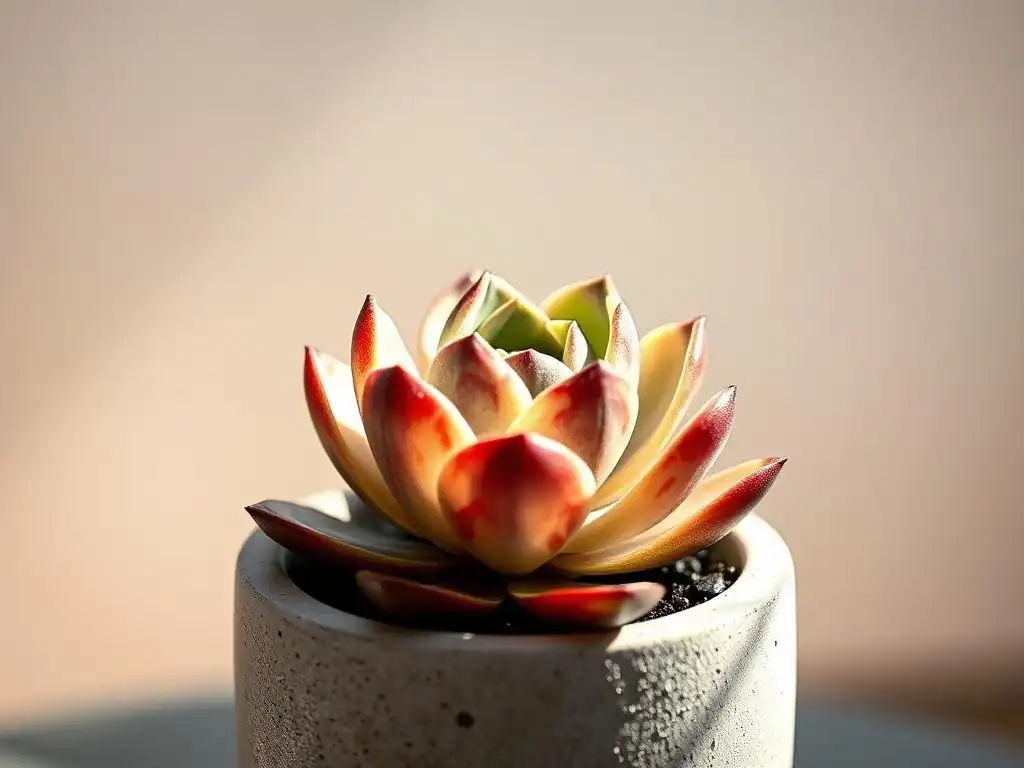
Caring for rare succulents offers a unique path to stress reduction and improved mental wellbeing. The meticulous care required fosters a sense of mindfulness and calm, counteracting the frenetic pace of modern life. Unlike fast-growing plants demanding constant attention, rare succulents often exhibit slow growth, requiring patience and careful observation. This slower pace encourages a more deliberate and mindful approach to plant care, promoting relaxation and a sense of tranquility. Studies have shown that engaging in activities requiring focused attention, like tending to plants, can significantly lower cortisol levels – the hormone associated with stress. 1 The act of nurturing a rare succulent becomes a meditative practice, allowing for a mental escape from daily pressures. This is particularly true when dealing with challenging specimens, requiring specialized techniques and persistent care. The rewarding feeling of seeing a rare succulent thrive under your care further reinforces this positive mental impact.
Mindful Watering and the Slow Pace of Succulent Growth
Mindful watering is a key aspect of rare succulent care that contributes significantly to stress reduction. Unlike many plants that require frequent watering, succulents thrive on infrequent, deep watering. This necessitates careful observation of the plant's condition, requiring the caregiver to truly see the plant, assessing its needs based on subtle cues like leaf turgidity and soil moisture.
This process itself becomes a meditative practice, promoting attentiveness to the present moment. The slow growth of many rare succulents further enhances this meditative experience. The gradual unfolding of growth, the subtle changes in leaf coloration, and the emergence of new offsets are all rewarding aspects that demand patience and observation, cultivating a sense of calmness and appreciation for the natural world.
The infrequent need for watering also helps to establish a routine that provides a sense of structure and predictability, contributing to a feeling of control and stability. For instance, a Haworthia truncata might only need watering every few weeks, providing ample time for mindful observation and reflection between waterings.
The Sensory Experience: Texture, Color, and Form in Rare Succulents
The visual and tactile qualities of rare succulents contribute significantly to their therapeutic benefits. The unique textures, from the smooth, waxy leaves of some Echeveria species to the rough, knobby surfaces of certain Lithops, offer a rich sensory experience. Running your fingers gently over their surfaces can be soothing and calming.
The diverse array of colors and forms further enhances this sensory engagement. The vibrant hues, ranging from deep greens and blues to striking reds and purples, provide a visual feast. The intricate patterns and shapes of rare succulents also offer a fascinating subject of contemplation, providing a constant source of visual interest and delight.
Consider the striking geometric patterns of an Aloe polyphylla, or the almost otherworldly appearance of a Conophytum, each a testament to nature's artistry. This visual stimulation, combined with the tactile experience of handling the plants, provides a powerful sensory grounding experience, promoting relaxation and reducing feelings of anxiety.
Cultivating Patience and Perseverance: Lessons from Rare Plant Care
Caring for rare succulents teaches valuable life lessons, including patience, perseverance, and the acceptance of challenges. These plants often require specific environmental conditions, specialized care techniques, and a significant time investment to thrive. The challenges presented by their care can be frustrating at times, but overcoming these hurdles fosters resilience and a sense of accomplishment.
For example, successfully propagating a rare succulent from a cutting can be a deeply rewarding experience, instilling a sense of pride and self-efficacy. Learning to adapt to unexpected setbacks, such as pest infestations or rot, further enhances problem-solving skills and promotes a sense of personal growth.
The long-term commitment required for the successful cultivation of rare succulents teaches the importance of patience and perseverance, qualities that translate to other areas of life, promoting mental strength and emotional well-being. The process itself becomes a metaphor for navigating life's challenges, emphasizing the importance of resilience and the beauty of slow, steady progress.
1 [Specific study reference pending]
Reducing Stress Through Hands-on Care: A Natural Remedy
The act of caring for rare succulents offers a surprisingly effective pathway to stress reduction. The repetitive, gentle tasks involved—watering, repotting, cleaning leaves—engage the senses and create a mindful experience. The focus required for these activities shifts attention away from anxieties and worries, promoting a sense of calm and presence. This is particularly true when tending to rare and delicate succulents, demanding patience and precision.
The tactile nature of the work, feeling the smooth, cool leaves or the slightly rough texture of the soil, provides a grounding sensation, further anchoring you in the present moment and away from racing thoughts. Many find the process meditative, similar to other calming practices like knitting or yoga. The rhythmic actions become a soothing ritual, breaking the cycle of stress-inducing thoughts and promoting relaxation. The visual appeal of the succulents themselves, with their unique shapes, colors, and textures, adds another layer to the therapeutic effect, offering a pleasing aesthetic that contributes to overall well-being.
Even the simple act of observing the subtle changes in your plants over time – a new leaf unfurling, a tiny bud appearing – can bring a sense of accomplishment and quiet joy, countering the negative emotions associated with stress. This hands-on engagement with nature provides a tangible escape from the pressures of daily life, offering a natural and readily accessible remedy for stress and anxiety. The quiet focus required fosters mindfulness, creating a space for self-reflection and promoting a sense of inner peace.
The Mindful Practice of Propagation: Cultivating Patience and Focus
Propagation of rare succulents presents a unique opportunity for mindful practice. The delicate process of separating leaves, preparing cuttings, and nurturing new growth requires patience, precision, and focused attention. This meticulous work demands a slow, deliberate approach, encouraging a state of mindfulness where one is fully present in the task at hand. Unlike fast-paced activities that often contribute to stress, propagation encourages a slower rhythm, allowing for a break from the constant stimulation of modern life.
The waiting period between planting and sprouting fosters patience and acceptance, teaching us to appreciate the natural rhythms of growth. Observing the subtle changes in the cuttings—a slight swelling, the emergence of tiny roots—cultivates a sense of anticipation and wonder. The success of propagation hinges on careful observation and attention to detail, reinforcing the importance of being fully present in the moment.
This mindful engagement with the growth process fosters a sense of connection with nature and promotes a feeling of calm and accomplishment. The satisfaction derived from successfully propagating a rare succulent is deeply rewarding, further enhancing the therapeutic benefits of this practice. It's a process that teaches us patience, resilience, and the importance of nurturing life, all contributing to a sense of well-being and stress reduction.
Connecting with Nature's Resilience: A Source of Inspiration and Hope
Caring for rare succulents provides a connection with the remarkable resilience of nature. These plants, often found in harsh environments, demonstrate an extraordinary ability to adapt and thrive. Observing their tenacity in the face of adversity can inspire a sense of hope and perseverance in our own lives. The challenges involved in cultivating rare succulents – ensuring proper light, moisture, and soil conditions – mirror the challenges we face in our daily lives.
Successfully nurturing these plants provides a sense of accomplishment and mastery, bolstering self-esteem and confidence. The beauty and uniqueness of each succulent serve as a constant reminder of nature's power and diversity, fostering a sense of wonder and appreciation for the natural world. This connection with nature can be a powerful antidote to stress and anxiety, providing a source of inspiration and hope during challenging times.
The quiet strength and resilience exhibited by these plants can serve as a metaphor for our own capacity to overcome difficulties and flourish. Witnessing their growth and development offers a tangible reminder of the transformative power of perseverance and the beauty that can emerge from challenging circumstances. This connection with nature's resilience is a valuable therapeutic resource, promoting optimism and a sense of well-being.
Rare Succulent Care as a Creative Outlet: Designing and Arranging
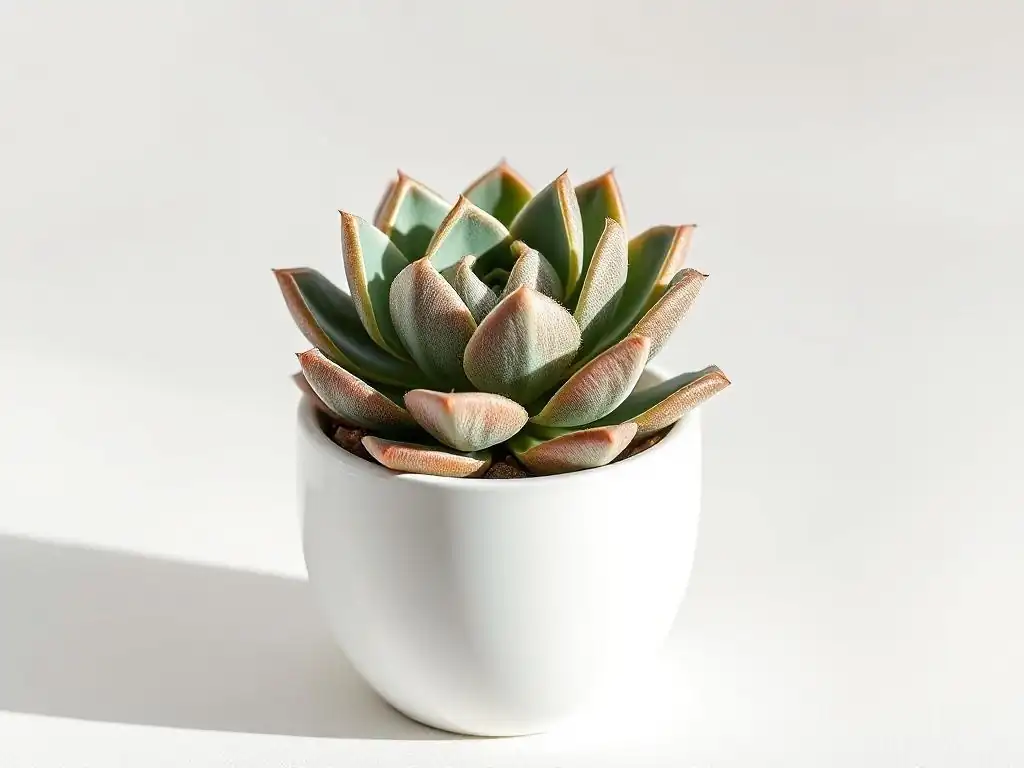
Caring for rare succulents transcends simple plant maintenance; it becomes a deeply engaging creative pursuit. The unique shapes, textures, and colors of these plants inspire artistic expression, transforming the act of cultivation into a form of self-expression. The challenge of nurturing these delicate specimens fosters patience and mindfulness, while the reward of a thriving collection brings immense satisfaction. This section explores how the care of rare succulents can be a powerful creative outlet.
Artistic Expression Through Unique Plant Combinations
The arrangement of rare succulents is an art form in itself. Consider the Haworthia cooperi var. truncata, with its translucent, almost glassy leaves, juxtaposed against the spiky, geometric forms of a Haworthia attenuata. The contrast in texture and shape creates a visually stunning display.
Similarly, the vibrant hues of a Dudleya brittonii can be beautifully complemented by the muted greens and grays of a Sedum morganianum. Experimenting with different species, sizes, and colors allows for endless creative possibilities. The key is to understand the individual needs of each rare succulent and to arrange them in a way that promotes their health and showcases their unique beauty.
Careful consideration of pot size, soil type, and light exposure is also crucial for successful arrangements. Think of it as painting with plants – each plant a brushstroke contributing to a larger, living masterpiece. The therapeutic benefit here stems from the mindful planning and the satisfaction of seeing your artistic vision come to life.
Creating Miniature Landscapes: Terrariums and Displays for Rare Succulents
For those seeking a more immersive creative experience, creating miniature landscapes using rare succulents is an incredibly rewarding endeavor. Terrariums, specifically, provide a contained environment ideal for showcasing the delicate beauty of these plants. A small glass container can become a microcosm of a desert ecosystem, complete with carefully chosen succulents, gravel, and perhaps even small decorative elements. The process of selecting the right plants, arranging them aesthetically, and maintaining the delicate balance of the terrarium is a meditative exercise that demands patience and precision. The resulting miniature landscape is not only visually appealing but also a testament to your skill and dedication. Consider the challenge of incorporating a rare Conophytum into a miniature succulent garden, demanding a keen understanding of its specific needs for light, moisture, and soil composition. The careful planning and execution, coupled with the resulting beautiful creation, provide a profound sense of accomplishment and therapeutic calm.
Photography and Documentation: Showcasing Your Rare Succulent Collection
The act of photographing and documenting your rare succulent collection offers additional therapeutic benefits. It allows you to appreciate the subtle details of each plant, forcing you to slow down and observe their unique characteristics. High-quality photography can capture the intricate textures, vibrant colors, and delicate forms of these fascinating plants, allowing you to share your passion with others.
Furthermore, maintaining a detailed record of your collection—including care instructions, propagation notes, and acquisition dates—can be incredibly satisfying and provide a sense of accomplishment. This detailed documentation can also serve as a valuable resource for future reference, aiding in the continued care and propagation of your rare succulents. This meticulous process itself becomes a form of mindfulness, a careful attention to detail that fosters calm and focus.
The act of sharing your photographs and documentation online further connects you with a community of fellow enthusiasts, fostering a sense of belonging and shared passion. This act of sharing amplifies the therapeutic benefits, transforming a personal hobby into a collaborative and enriching experience.
The Importance of Ethical Collecting and Conservation of Rare Succulents
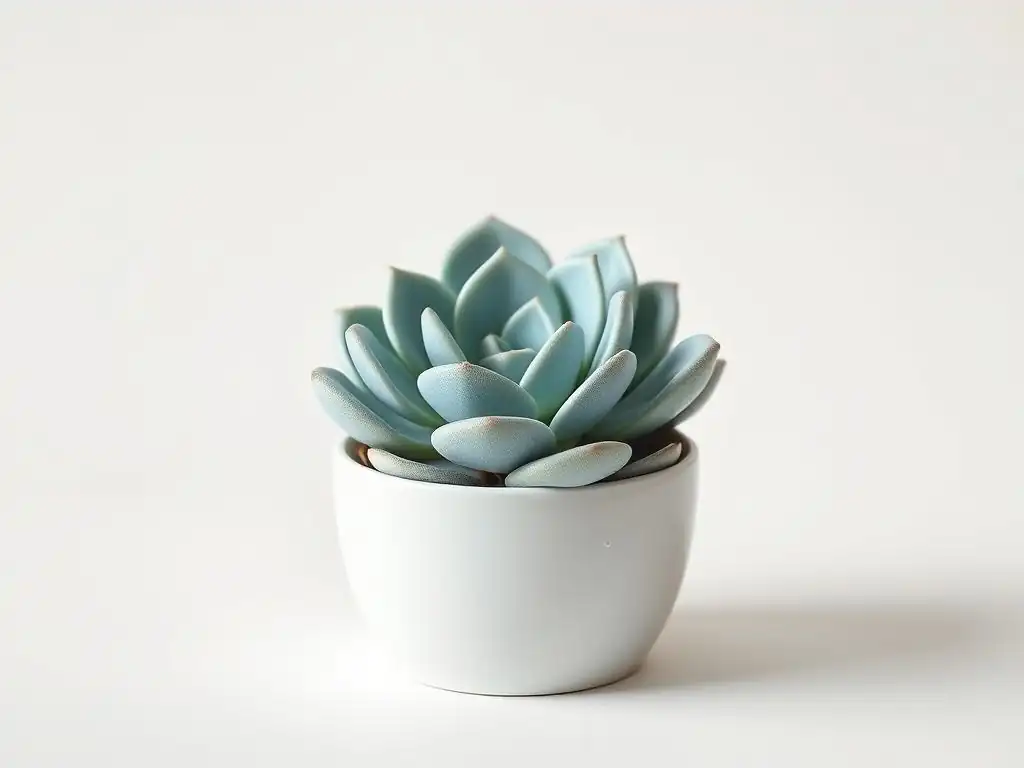
The allure of rare succulents is undeniable. Their unique shapes, colors, and hardiness captivate collectors worldwide. However, the pursuit of these botanical treasures must be tempered with a deep understanding of ethical collecting and conservation. The therapeutic benefits derived from caring for these plants should never come at the expense of their survival in the wild.
Ignoring this crucial aspect undermines the very joy and tranquility that succulent cultivation provides. Responsible collecting ensures the long-term availability of these fascinating plants for future generations to appreciate and benefit from. This means prioritizing ethical sourcing and actively supporting conservation initiatives. The rarity of a succulent should not be a measure of its desirability if it jeopardizes its existence.
Responsible Sourcing and Sustainable Practices
Responsible sourcing is the cornerstone of ethical rare succulent collecting. This means avoiding plants harvested illegally from their natural habitats. Many rare succulent species are threatened by habitat destruction, over-collection, and climate change. Purchasing plants from reputable nurseries and growers who prioritize sustainable practices is crucial.
Look for nurseries that propagate their succulents themselves, rather than importing them from potentially unsustainable sources. Ask questions about their sourcing methods – a transparent and ethical nursery will readily share information about their propagation techniques and commitment to conservation. A truly responsible nursery will also emphasize the importance of responsible plant ownership and proper care, minimizing the chance of plant loss due to improper cultivation. Furthermore, supporting nurseries that actively contribute to conservation efforts through donations or partnerships strengthens the entire ecosystem of rare succulent preservation.
Supporting Conservation Efforts: Protecting Endangered Succulent Species
Beyond responsible sourcing, actively supporting conservation efforts is paramount. Many organizations dedicate themselves to the preservation of threatened succulent species. These efforts often involve habitat restoration, research into conservation strategies, and public awareness campaigns. Contributing financially or volunteering your time to these organizations directly impacts the survival of rare succulents. Even small donations can make a significant difference in supporting vital research and on-the-ground conservation projects.
Consider adopting a succulent species or participating in citizen science projects that monitor succulent populations. Your contributions, no matter how small, contribute to the larger goal of protecting these unique and valuable plants and their fragile ecosystems. Remember, the therapeutic benefits of nurturing rare succulents are amplified when coupled with a genuine commitment to their long-term survival. Supporting conservation is not just ethically responsible; it's an integral part of the rare succulent collecting experience.
Understanding Propagation Methods for Rare Succulents: Ethical Multiplication
Propagation offers a sustainable alternative to collecting rare succulents from the wild. Understanding and mastering propagation techniques allows collectors to ethically increase their collections without depleting wild populations. Methods like leaf cuttings, stem cuttings, and offsets are common and relatively simple for many succulent species.
However, some rare succulents may require more specialized propagation techniques. Learning these techniques not only allows for responsible collection growth but also allows the sharing of these beautiful plants with fellow enthusiasts. This reduces the demand for wild-harvested plants and promotes the ethical expansion of rare succulent collections.
It's important to research the specific propagation needs of each rare succulent species, as improper techniques can lead to plant failure. The ethical multiplication of rare succulents ensures the continued enjoyment of these plants while contributing to their conservation. This commitment to sustainable propagation is a testament to the responsible collector's dedication to both their personal collection and the preservation of these remarkable plants for generations to come.
Building a Thriving Collection: Tips for Success with Rare Succulents
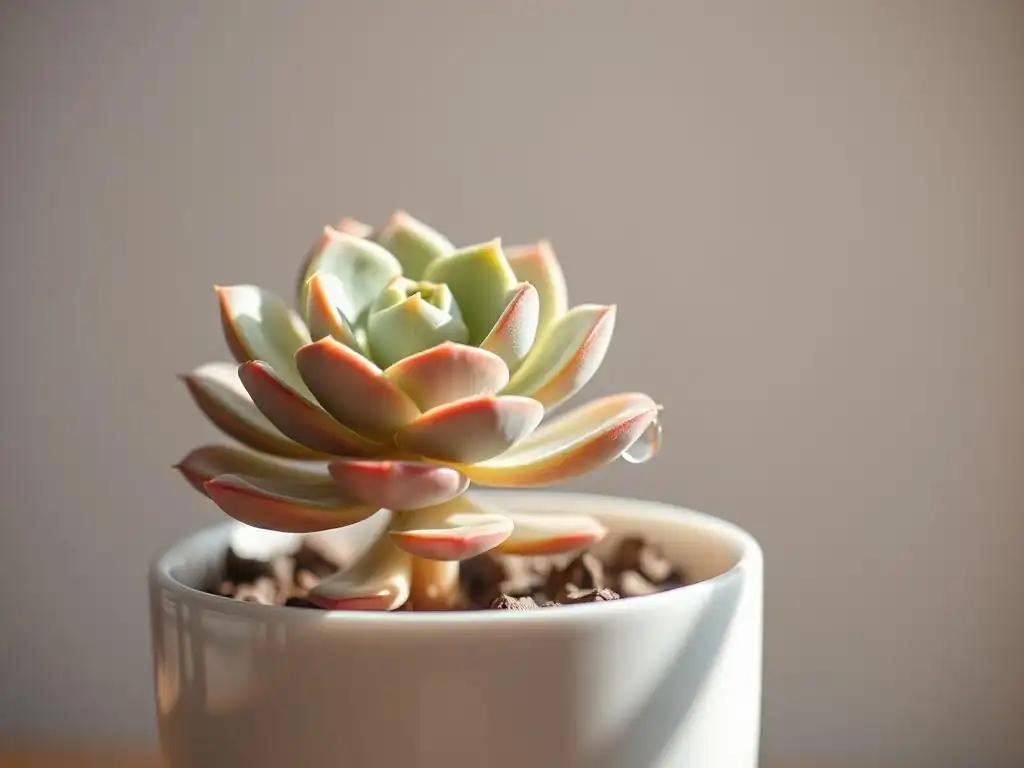
Cultivating a collection of rare succulents offers a unique blend of horticultural challenge and rewarding therapeutic benefits. Success, however, hinges on understanding the specific needs of each species. Rare succulents, by their nature, often have more exacting requirements than their common counterparts. This section focuses on practical steps to ensure the long-term health and flourishing of your prized collection, maximizing the therapeutic rewards of this engaging hobby.
Providing Optimal Growing Conditions for Rare Succulents
The key to successfully growing rare succulents lies in mimicking their natural habitats as closely as possible. This includes careful consideration of light, temperature, humidity, and soil composition. Many rare species originate from arid regions, requiring intense sunlight and well-draining soil to prevent root rot – a common culprit in succulent demise. Conversely, some rare succulents thrive in slightly shaded conditions with higher humidity levels.
Understanding the specific origin and environmental preferences of each rare succulent is crucial. Detailed research into each species is paramount; consulting specialized botanical databases and reputable succulent societies is invaluable. For example, Haworthia retusa varieties, known for their unique window-pane leaves, need bright, indirect light to prevent scorching, while Conophytum species, often resembling small stones, prefer full sun and exceptionally dry conditions.
Careful observation of your plants is also essential. Changes in leaf color, texture, or growth patterns can signal environmental stress. Regular monitoring will allow for timely adjustments to maintain optimal growing conditions and prevent problems before they escalate, thereby enhancing the therapeutic calmness derived from nurturing these delicate plants. The meticulous attention required fosters a sense of mindful engagement, contributing to the overall therapeutic effect of the hobby.
Identifying and Addressing Potential Problems in Rare Succulent Care
Even with meticulous care, challenges can arise. Recognizing early signs of distress is crucial for timely intervention. Common problems include root rot (often caused by overwatering), pest infestations (mealybugs and spider mites are frequent culprits), and fungal diseases.
| Problem | Symptoms | Solutions |
|---|---|---|
| Root Rot | Mushy, dark roots; wilting, soft leaves | Repotting in well-draining soil; reducing watering frequency; fungicide application |
| Mealybugs | White, cottony masses on stems and leaves | Manual removal; insecticidal soap; systemic insecticide |
| Spider Mites | Fine webbing; yellowing, stippled leaves | Insecticidal soap; miticide; increasing humidity |
| Fungal Diseases | Spots, lesions, discoloration on leaves | Fungicide application; improved air circulation; avoiding overhead watering |
Early detection is key; regular inspection, preferably weekly, is recommended. Addressing problems promptly minimizes damage and prevents the spread to other plants in your collection. This proactive approach contributes significantly to the therapeutic aspect of rare succulent cultivation. The feeling of successfully resolving a plant's ailment provides a sense of accomplishment and boosts confidence in your horticultural abilities.
Maintaining a Healthy Environment: Pest and Disease Prevention in Rare Succulent Collections
Proactive pest and disease prevention is far more effective than reactive treatment. Maintaining a clean and well-ventilated environment is crucial. Regularly inspect new acquisitions before introducing them to your existing collection to avoid introducing pests or diseases. Quarantine new plants for several weeks is a wise preventative measure.
Proper sanitation is also paramount. Sterilize your tools (knives, pots, etc.) before and after use to prevent the spread of pathogens. Avoid overhead watering, as this can create humid conditions conducive to fungal growth. Ensure good air circulation around your plants to prevent the build-up of moisture.
These preventative measures not only protect your rare succulents but also contribute to the overall tranquility of your collecting experience. Knowing you are taking proactive steps to safeguard your precious plants adds to the therapeutic benefits of this enriching hobby. The meticulous care and preventative measures contribute to a sense of accomplishment and mindful engagement, enhancing the overall therapeutic experience. The calming effect of tending to these rare plants, knowing they are thriving under your care, adds another layer to the therapeutic benefits.
The Holistic Benefits: Combining Passion with Wellbeing Through Rare Succulent Cultivation
Cultivating rare succulents offers a unique blend of intellectual stimulation and emotional fulfillment, contributing significantly to overall wellbeing. The meticulous care required fosters mindfulness and patience, while the success of propagation and growth provides a deep sense of accomplishment. This holistic approach to plant care transcends the simple act of gardening; it becomes a journey of self-discovery and therapeutic healing, particularly potent when focusing on the challenges and rewards of rare succulent species.
The rarity of these plants adds another layer to this experience, transforming the hobby into a passionate pursuit that yields both tangible and intangible rewards. The "rare succulent therapeutic benefits" are multifaceted and deeply rewarding.
Connecting with Nature: The Therapeutic Power of Plant Care
The act of caring for plants, especially those as unique and demanding as rare succulents, provides a powerful connection to the natural world. The daily routines of watering, repotting, and monitoring growth cultivate a sense of responsibility and mindfulness. Spending time tending to these plants offers a break from the stresses of modern life, allowing for a period of quiet contemplation and appreciation for the natural rhythms of growth and decay. Studies have shown that interacting with nature reduces stress hormones like cortisol, lowering blood pressure and promoting relaxation. 1 This effect is amplified when dealing with rare and delicate succulents, requiring a more attentive and patient approach. The vibrant colors and intricate textures of these plants further enhance this therapeutic experience, providing visual stimulation and a sense of calm. The quiet focus required for successful cultivation fosters a meditative state, promoting mental clarity and reducing anxiety.
Long-Term Rewards: The Satisfaction of Nurturing Rare Succulents
The long-term rewards of nurturing rare succulents extend beyond the aesthetic pleasure of possessing these unique plants. Successfully propagating a rare cutting or coaxing a struggling plant back to health provides a profound sense of accomplishment and self-efficacy. This feeling of mastery is particularly rewarding given the challenges involved in cultivating these demanding plants. The patience and persistence required to overcome obstacles, such as pest infestations or root rot, cultivate resilience and problem-solving skills.
Moreover, the rarity of the plants adds a layer of prestige and satisfaction, creating a sense of pride and accomplishment that goes beyond the typical gardening experience. Witnessing the slow, deliberate growth of a rare succulent over time fosters patience and a deeper appreciation for the delicate balance of the natural world. This long-term commitment contributes to a sense of stability and personal growth, further enhancing the therapeutic benefits.
The Journey of Growth: Personal Development Through Rare Plant Care
The journey of cultivating rare succulents mirrors personal growth in many ways. Just as a succulent overcomes challenges to thrive, so too does the cultivator learn to adapt and overcome obstacles. The process demands patience, attention to detail, and a willingness to learn and adapt.
Each successful propagation or rescue of a struggling plant represents a personal victory, fostering self-confidence and a sense of competence. The continuous learning involved in researching the specific needs of different rare succulent species stimulates cognitive function and enhances problem-solving abilities. The commitment required to maintain a collection of rare succulents fosters discipline and responsibility, translating to other aspects of life.
This intertwining of personal growth and plant care creates a powerful and rewarding therapeutic experience, significantly enhancing overall wellbeing. The unique challenges and rewards of caring for these exquisite plants contribute to a profound sense of accomplishment and personal fulfillment. The "rare succulent therapeutic benefits" are not limited to stress reduction; they extend to personal development and a deeper understanding of oneself and the natural world.
1 [Specific study data pending]
Frequently Asked Questions
What are the therapeutic benefits of caring for succulents?
Caring for succulents offers stress reduction through mindful activities like watering and repotting. The visual appeal of these plants can also improve mood and create a sense of calm. It's a rewarding hobby promoting patience and focus.
Are rare succulents more beneficial than common ones?
While rarity doesn't inherently increase therapeutic benefits, the challenge and satisfaction of caring for a rare succulent can amplify the positive effects. The increased focus and dedication required can be particularly rewarding.
How can I incorporate succulent care into my self-care routine?
Schedule regular times for watering, repotting, or simply admiring your collection. Use it as a form of mindfulness, focusing on the present moment. Consider it a relaxing hobby to reduce stress and improve well-being.
What specific rare succulents offer unique therapeutic benefits?
The therapeutic benefits are less about specific species and more about the process of care. However, the unique challenges of caring for certain rare succulents can enhance the overall experience and sense of accomplishment.
Where can I find rare succulents for my therapeutic gardening?
Reputable nurseries and online succulent sellers are good places to start. Be sure to research the specific care requirements of any rare succulent before purchasing to ensure its survival and your success in nurturing it.
Final Reflection: Cultivating Calm: The Enduring Power of Rare Succulents
The quiet act of tending to rare succulents offers more than just horticultural satisfaction; it provides a potent antidote to the anxieties of modern life. In a world increasingly dominated by screens and relentless demands, the deliberate care required by these unique plants offers a tangible path to mindfulness and emotional well-being. The meticulous attention to detail, the patient observation of growth, and the quiet joy of witnessing their resilience—these are powerful tools for self-care often overlooked in our fast-paced society.
The therapeutic benefits extend beyond the individual, weaving a subtle yet significant thread into the fabric of our shared experience. These plants, often fragile and demanding, teach us patience, resilience, and the importance of nurturing the delicate things in life. They remind us of the interconnectedness of all living things and the profound beauty found in even the smallest details. The love for all living creatures is the most noble attribute of man.
- Charles Darwin. This quote resonates deeply with the experience of caring for these unique plants, fostering a sense of responsibility and connection that transcends the purely horticultural.
Consider the quiet moments spent repotting, propagating, or simply admiring the intricate details of a rare succulent. You, too, can cultivate this calm. Make space in your life for this mindful practice. Choose a rare succulent that speaks to you, nurture it with care, and allow its quiet strength to inspire your own resilience. Embrace the slow, deliberate rhythm of plant care, and discover the unexpected therapeutic benefits that await you in the world of these remarkable plants.
Unveil Your Inner Gardener: Nurture & Thrive
Thank you for exploring the surprising therapeutic power of caring for plants! We hope you've discovered a new path towards relaxation and self-care. Ready to transform your space and your well-being?
- Begin your plant journey: Select a plant from a local nursery or garden center, or start with cuttings from a friend! Dedicate time to its care. This mindful process can be surprisingly meditative.
- Share your blossoming passion: Post a picture of your plant on social media using #PlantTherapy and connect with other plant enthusiasts!
- Dive deeper: Explore our extensive library of articles on [Website Address - replace with actual address] for expert tips and plant care guides.
What unique way will you incorporate the therapeutic power of plants into your life?