
The Succulent's Ancient Lineage: Tracing the Roots of Evolution

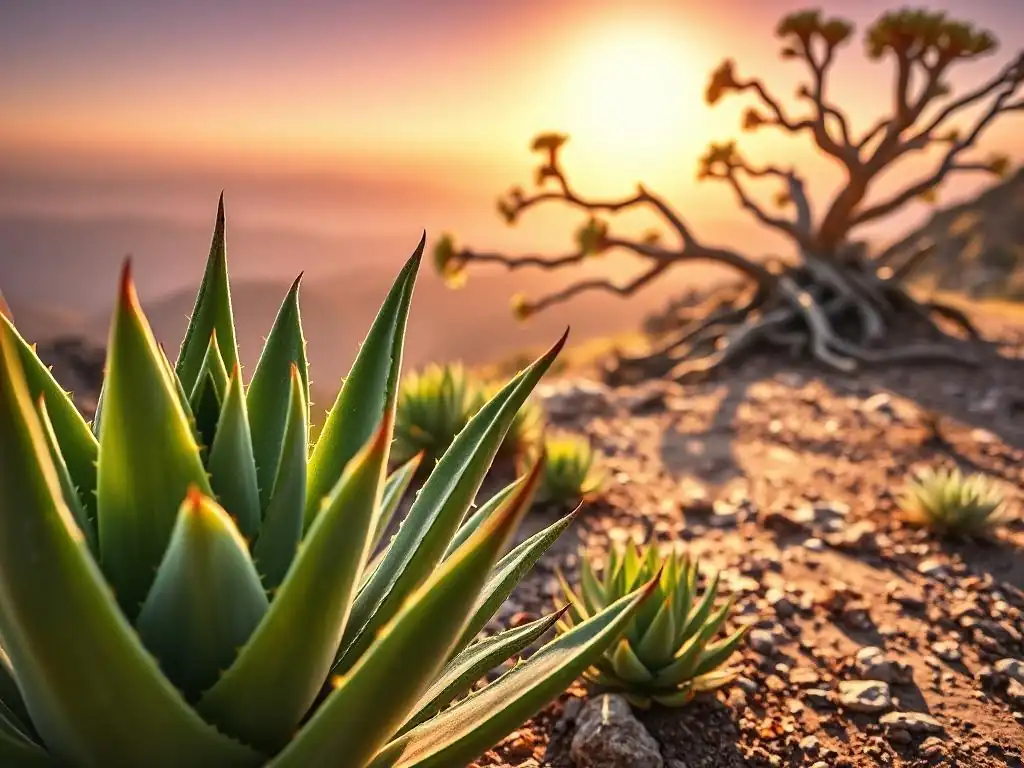
Welcome to SucculentEssentials.org, where the fascinating world of succulents unfolds before you! Prepare to be captivated by the resilience and beauty of these extraordinary plants. But did you know the story behind their remarkable survival extends far beyond their striking aesthetics? Dive into our exploration of Succulent plant evolutionary history, uncovering the ancient secrets that shaped these desert dwellers into the diverse and captivating species we cherish today. Journey with us through time to discover the intriguing lineage of these botanical marvels.
- Understanding Succulent Plant Evolutionary History: A Deep Dive
- Key Evolutionary Milestones in Succulent Plant History
- Analyzing the Genetic Relationships of Succulents: Phylogenetic Studies
- The Impact of Human Activity on Succulent Evolution: Conservation and the Future
- Frequently Asked Questions
- Final Reflection: A Flourishing Legacy: Understanding Succulent Evolution
- Uncover Your Inner Botanist: Explore Succulent Evolution!
Understanding Succulent Plant Evolutionary History: A Deep Dive
Succulents, with their striking diversity of forms and remarkable resilience, represent a captivating chapter in the history of plant life. This article delves into the fascinating evolutionary journey of succulents, exploring their ancient origins, key adaptations that enabled their survival in harsh environments, and the significant role of climate change in shaping their remarkable diversification. Understanding the Succulent plant evolutionary history provides a deeper appreciation for these captivating plants and informs best practices for their cultivation and conservation.
We will trace the lineage of these drought-resistant wonders, from their early adaptations to the remarkable diversity we see today, highlighting the key evolutionary milestones that have shaped their unique characteristics. Prepare to be amazed by the resilience and ingenuity of these botanical marvels! 🌵
The Ancient Origins of Succulents: Early Adaptations to Arid Climates
The evolutionary story of succulents begins millions of years ago, in regions characterized by aridity and intense sunlight. Early succulents, unlike their modern counterparts, likely possessed less specialized water storage mechanisms. The initial adaptations were likely subtle, perhaps involving thicker leaves or a slightly modified root system to better access scarce water resources.
These early pioneers faced intense selective pressures, favoring individuals with even minor improvements in water retention and drought tolerance. Fossil evidence, while scarce for early succulents, suggests a gradual evolution towards the specialized water storage tissues (parenchyma) that define modern succulents. The development of CAM photosynthesis – a metabolic pathway that minimizes water loss during carbon dioxide uptake – was a crucial evolutionary leap, allowing succulents to thrive in extremely dry conditions.
This process, which involves opening stomata (pores) at night to absorb CO2 and storing it for use during the day, significantly reduced water loss through transpiration. The precise timeline of these early adaptations remains a subject of ongoing research, but it's clear that the journey was a long and challenging one, marked by incremental improvements in water-use efficiency.
Tracing the Evolutionary Path: Key Adaptations and Diversification
The success of succulents is largely attributed to their remarkable adaptations to arid and semi-arid environments. These adaptations are not limited to water storage; they also include modifications to their leaves, stems, and roots. Many succulents have evolved thick, fleshy leaves or stems to store water, while others have developed specialized root systems that efficiently absorb water from infrequent rainfall.
Some species have even evolved spines or thorns, providing protection from herbivores in environments where resources are limited. This diversification led to the incredible array of succulent forms we see today, from the rosette-shaped Echeveria to the columnar Cereus. The evolutionary path wasn't linear; it involved periods of rapid diversification driven by environmental changes and geographic isolation.
For example, the development of different leaf shapes and sizes likely reflects adaptations to varying levels of sunlight intensity and water availability. The evolution of CAM photosynthesis, as discussed earlier, played a pivotal role in allowing succulents to colonize even the most arid regions of the planet.
The Role of Climate Change in Succulent Evolution: Responding to Environmental Pressures
Climate change has profoundly influenced the evolutionary trajectory of succulents throughout their history. Periods of prolonged drought have favored individuals with enhanced water storage capabilities and drought tolerance. Conversely, periods of increased rainfall may have favored succulents with adaptations that promote rapid growth and reproduction.
The fluctuating climate conditions of the past have acted as a powerful selective force, shaping the genetic diversity and geographic distribution of succulents. Understanding the impact of past climate change on succulent evolution provides valuable insights into how these plants might respond to future climate change. The ability of succulents to adapt to changing environmental conditions is remarkable, but the rate of current climate change poses a significant challenge to their survival.
Some succulent species may be particularly vulnerable to the effects of climate change, such as increased temperatures and altered rainfall patterns. Conservation efforts that consider these vulnerabilities are crucial to ensuring the long-term survival of these fascinating plants.
Key Evolutionary Milestones in Succulent Plant History
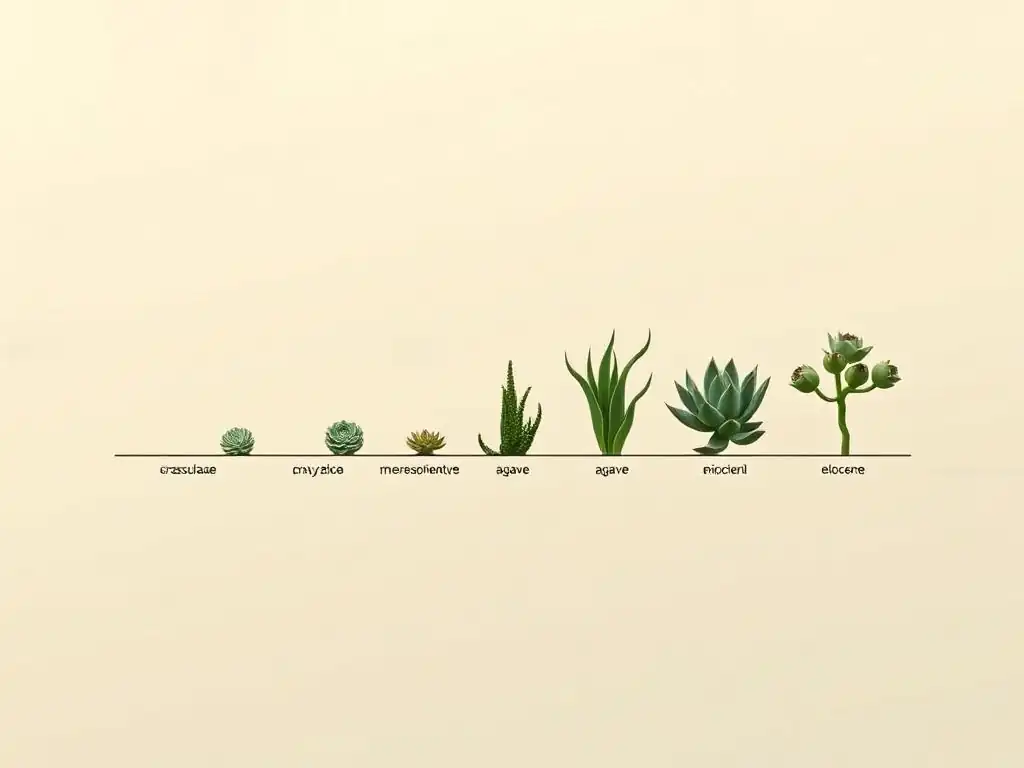
The evolutionary journey of succulent plants is a captivating tale spanning millions of years, marked by remarkable adaptations to arid and semi-arid environments. Understanding this history illuminates the incredible diversity we see today. The term "succulent," referring to plants with thickened, fleshy tissues for water storage, isn't a taxonomic classification itself; rather, it describes a convergent evolutionary strategy adopted by various unrelated plant families. This convergence, driven by similar environmental pressures, is a testament to the power of natural selection.
We can trace key milestones in this evolutionary saga, revealing the ingenious solutions succulents have developed to thrive in harsh conditions. These milestones highlight the remarkable resilience and adaptability inherent in these fascinating plants. The study of succulent plant evolutionary history provides crucial insights into plant adaptation and biodiversity.
The Emergence of CAM Photosynthesis: A Crucial Adaptation for Survival
Crassulacean Acid Metabolism (CAM) photosynthesis is a defining characteristic of many succulents, and its evolution was pivotal in their success. Unlike C3 and C4 photosynthesis, CAM allows plants to open their stomata (pores) at night to absorb carbon dioxide (CO2) and store it as malic acid. This minimizes water loss during the hotter, drier daytime hours when photosynthesis occurs.
The evolution of CAM is believed to have occurred independently multiple times in different succulent lineages, demonstrating its adaptive advantage in water-stressed environments. The efficiency of CAM is not uniform across all succulents; some species exhibit a full CAM pathway, while others show intermediate or partial CAM. This variation reflects the ongoing evolutionary refinement of this crucial adaptation.
Research continues to unravel the genetic mechanisms underlying CAM evolution, promising a deeper understanding of this remarkable physiological innovation. Understanding the nuances of CAM photosynthesis is crucial for appreciating the remarkable adaptations that have allowed succulents to flourish in diverse arid landscapes.
Evolutionary Radiations: Exploring the Diversity of Succulent Families
The term "succulent" encompasses a wide array of unrelated plant families, each with its unique evolutionary trajectory. This phenomenon, known as convergent evolution, underscores the power of natural selection in shaping similar adaptations in response to similar environmental pressures. For example, the succulent habit evolved independently in families like the Crassulaceae (stonecrops), Cactaceae (cacti), Euphorbiaceae (spurges), and Agavaceae (agaves). Each family exhibits a distinct array of morphological and physiological characteristics, reflecting their individual evolutionary histories and adaptations.
| Family | Common Examples | Notable Adaptations | Geographic Distribution |
|---|---|---|---|
| Crassulaceae | Sedum, Echeveria, Kalanchoe | Diverse leaf shapes and arrangements, often rosettes | Worldwide, mostly temperate zones |
| Cactaceae | Various cacti species | Spines, reduced leaves, specialized stems for water storage | Americas, primarily arid regions |
| Euphorbiaceae | Euphorbia species | Spines, milky sap, diverse growth forms | Worldwide, many in arid regions |
| Agavaceae | Agave, Yucca | Succulent leaves, often with sharp margins | Americas, primarily arid regions |
Studying these diverse families reveals the intricacies of succulent evolution, showcasing the different pathways that lead to similar outcomes. The diversity within each family further highlights the ongoing evolutionary processes shaping these plants, resulting in the remarkable variety of forms and adaptations we observe today. The ongoing investigation into the genetic underpinnings of these radiations promises to further illuminate the evolutionary history of succulents.
The Geographic Distribution of Succulents: Patterns and Influences
The geographic distribution of succulents closely reflects their evolutionary history and the environmental pressures that have shaped their adaptations. Many succulent species are concentrated in arid and semi-arid regions around the world, particularly in the Americas, Africa, and Madagascar. These regions, characterized by low rainfall and intense sunlight, have driven the evolution of water-storage mechanisms and other adaptations. However, succulents are not exclusively confined to these regions; some species have adapted to diverse habitats, including coastal areas, mountainous regions, and even temperate climates.
The distribution patterns also reveal biogeographic relationships, indicating past continental connections and dispersal events. For instance, the presence of similar succulent lineages on different continents suggests ancient connections or long-distance dispersal mechanisms. Understanding these distribution patterns and their underlying causes is crucial for comprehending the evolutionary history and conservation needs of these remarkable plants. Further research into the biogeography of succulents will undoubtedly shed more light on their past and inform future conservation efforts. The study of succulent plant evolutionary history offers a compelling narrative of adaptation, diversity, and resilience in the face of environmental challenges.
Analyzing the Genetic Relationships of Succulents: Phylogenetic Studies
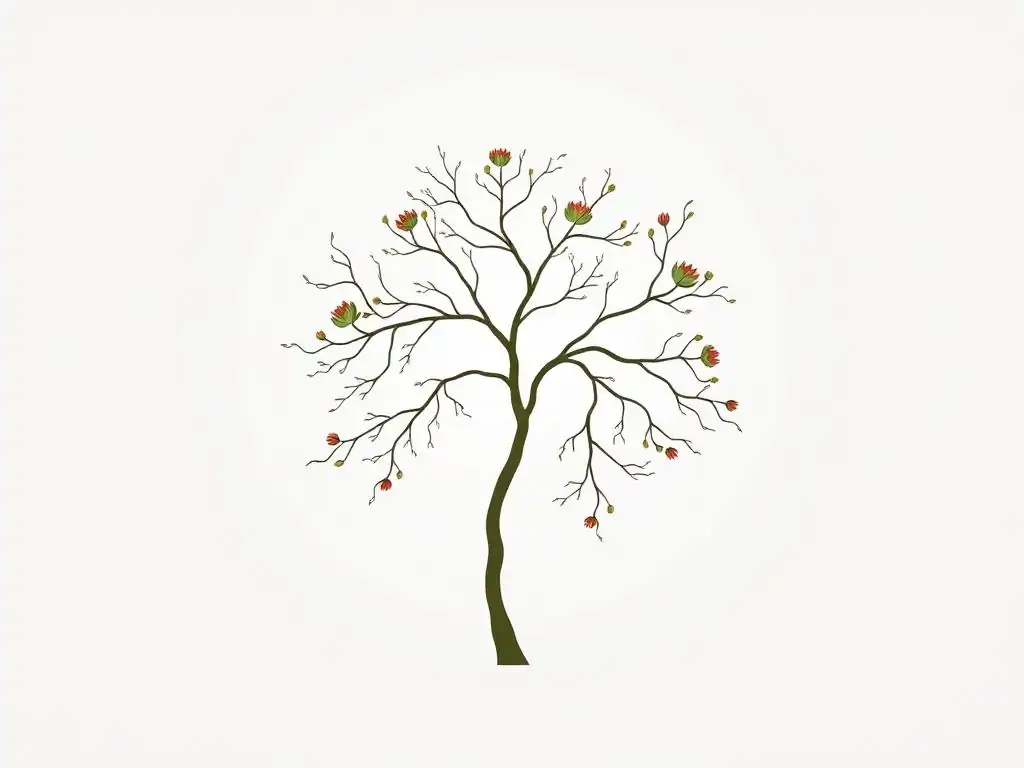
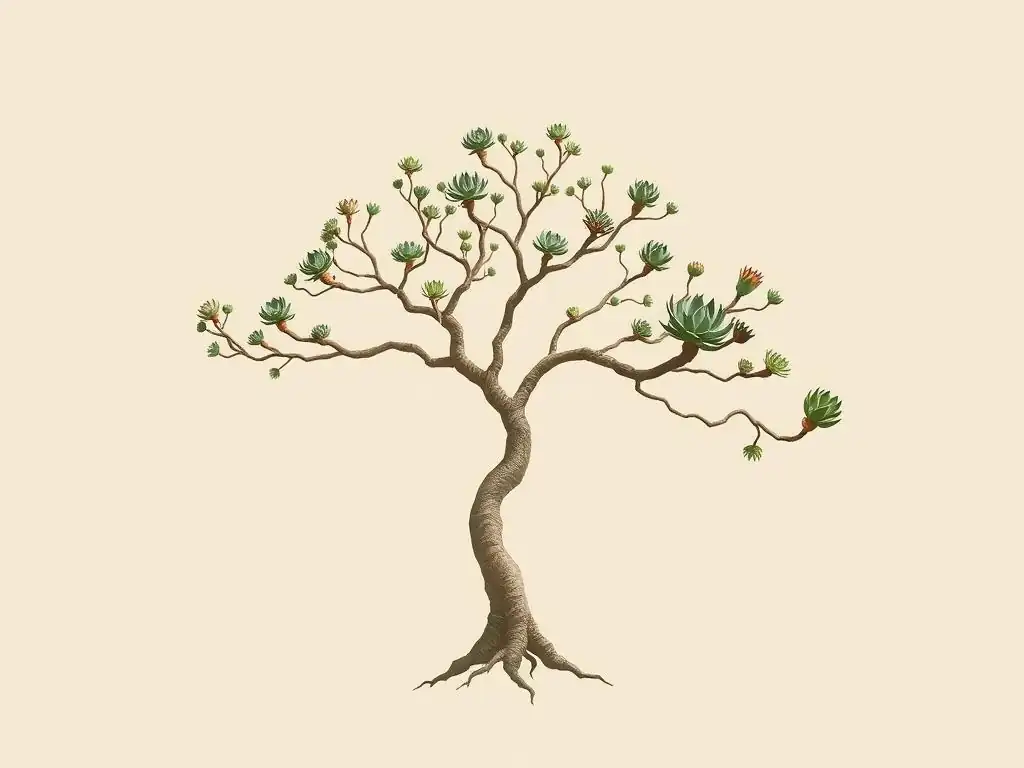
The study of succulent plant evolutionary history significantly benefits from phylogenetic analyses. These studies utilize genetic data to reconstruct the evolutionary relationships between different succulent species and genera. By comparing DNA sequences from various succulent plants, scientists can create phylogenetic trees, which visually represent the evolutionary branching patterns. This allows us to understand how different succulent lineages diverged over time and identify close relatives that may not be immediately apparent based on their physical appearances alone.
This is crucial because convergent evolution—where unrelated species develop similar traits due to similar environmental pressures—is common in succulents. Genetic analysis helps to disentangle these convergent traits from truly shared ancestry. For instance, the thick, fleshy leaves found in many succulent families are a prime example of convergent evolution, arising independently in various lineages.
Modern Genetic Techniques and Succulent Evolution: Unraveling Evolutionary Relationships
Modern molecular techniques have revolutionized our understanding of succulent plant evolutionary history. Next-Generation Sequencing (NGS) technologies allow for the rapid and cost-effective sequencing of entire genomes or specific genes of interest. This high-throughput approach provides a wealth of genetic data, enabling researchers to construct highly resolved phylogenetic trees with greater accuracy.
For example, the use of chloroplast DNA (cpDNA) sequences, which are relatively conserved and maternally inherited, has proven particularly valuable in resolving relationships among closely related succulent species. Furthermore, advancements in bioinformatics have made it possible to analyze massive datasets and develop sophisticated models to account for factors such as incomplete lineage sorting and horizontal gene transfer, which can complicate phylogenetic inference. These sophisticated analyses are crucial for accurately mapping the branching points in the succulent family tree and determining the timing of key evolutionary events.
Comparing Genetic Data with Morphological Characteristics: A Comprehensive Approach
While genetic data provides a powerful tool for understanding succulent plant evolutionary history, integrating it with morphological data is crucial for a comprehensive understanding. Morphological characteristics, such as leaf shape, stem structure, and flower morphology, have traditionally been used to classify succulents. However, the limitations of relying solely on morphology are evident in the case of convergent evolution.
By combining genetic data with morphological observations, researchers can identify traits that are truly homologous (inherited from a common ancestor) and those that have arisen through convergent evolution. This integrated approach allows for a more robust and accurate reconstruction of succulent evolutionary relationships.
For instance, comparing genetic similarity with the presence or absence of specific leaf adaptations like CAM photosynthesis can help determine whether these traits evolved independently in different lineages or were inherited from a common ancestor. This integrated approach leads to a more nuanced understanding of the evolutionary pressures that shaped the diversity of succulent forms.
Future Directions in Succulent Evolutionary Research: Unanswered Questions
Despite significant advancements, many questions remain regarding succulent plant evolutionary history. Further research is needed to fully resolve the phylogenetic relationships within certain succulent groups, especially those with rapid radiations or complex hybridization histories. The application of cutting-edge genomic techniques, such as phylogenomics (using whole genome data for phylogenetic inference), promises to shed light on these unresolved relationships.
Additionally, incorporating paleobotanical data—fossil evidence of ancient succulents—can help to calibrate molecular clocks and estimate the timing of key evolutionary events more accurately. Understanding the evolutionary history of succulent adaptations, such as CAM photosynthesis and water storage mechanisms, remains a key area of focus. By integrating diverse datasets and employing sophisticated analytical methods, future research will continue to refine our understanding of the fascinating evolutionary journey of these remarkable plants.
This will not only enhance our knowledge of succulent plant evolutionary history but also inform conservation efforts for these increasingly threatened species. 🌵
The Impact of Human Activity on Succulent Evolution: Conservation and the Future
Human activity has profoundly impacted the evolutionary trajectory of succulent plants, often in detrimental ways. While succulents possess remarkable adaptations for survival in harsh environments, the rapid pace of human-induced changes presents unprecedented challenges to their long-term existence. Understanding these impacts is crucial for implementing effective conservation strategies and ensuring the survival of these fascinating plants for future generations. The keyword phrase "succulent plant evolutionary history" is directly linked to the consequences of human actions, as our influence significantly alters the natural selection pressures that have shaped these plants for millennia.
Threats to Succulent Biodiversity: Habitat Loss and Over-Collection
Habitat loss, primarily driven by urbanization, agriculture, and infrastructure development, is a major threat to succulent biodiversity. The conversion of natural landscapes into human-dominated areas directly destroys succulent habitats, fragmenting populations and reducing genetic diversity. This fragmentation isolates populations, making them more vulnerable to disease and genetic bottlenecks, hindering their ability to adapt to changing conditions. Furthermore, over-collection of succulent species for horticultural and commercial purposes poses a significant risk, particularly to rare and slow-growing species.
Unsustainable harvesting practices deplete wild populations, threatening their long-term survival. For instance, certain Haworthia species in South Africa have experienced dramatic population declines due to intense collecting pressure. The demand for rare and unusual succulents fuels a lucrative black market, further exacerbating the problem. Data on the exact number of succulent species threatened by over-collection is limited, highlighting the need for improved monitoring and research.
Conservation Efforts: Protecting Succulent Species for Future Generations
Numerous conservation efforts are underway to protect succulent species and their habitats. These initiatives range from establishing protected areas and botanical gardens to implementing sustainable harvesting practices and promoting public awareness. Protected areas serve as vital refuges for succulent populations, safeguarding them from habitat destruction and over-collection. Botanical gardens play a crucial role in ex-situ conservation, preserving genetic diversity through seed banks and cultivating threatened species.
Furthermore, research efforts are focused on understanding the ecological needs of succulents and developing effective conservation strategies tailored to specific species and habitats. Community-based conservation programs empower local communities to participate in the protection of succulent resources, promoting sustainable livelihoods and ensuring long-term conservation success. However, funding limitations and a lack of resources often hinder the effectiveness of these efforts. Increased investment in conservation research and on-the-ground initiatives is crucial for ensuring the long-term survival of succulent plant diversity.
The Role of Sustainable Practices in Succulent Cultivation: Responsible Gardening
Sustainable cultivation practices are essential for mitigating the negative impacts of succulent horticulture on wild populations. Responsible gardeners can contribute significantly to conservation efforts by choosing sustainably sourced plants, avoiding the purchase of wild-collected specimens, and propagating succulents from cuttings or seeds rather than relying solely on purchasing plants from nurseries. Propagating succulents is relatively straightforward, allowing enthusiasts to expand their collections without contributing to the depletion of wild populations.
Furthermore, responsible gardeners can educate others about the importance of sustainable practices, promoting awareness and responsible consumption. Supporting nurseries and businesses committed to sustainable sourcing and ethical practices is another critical step. Choosing succulents that are readily available and not considered threatened ensures that your hobby doesn't contribute to the decline of wild populations.
By adopting these sustainable practices, succulent enthusiasts can enjoy their hobby while contributing to the conservation of these remarkable plants. The future of succulent plant evolutionary history depends, in part, on the collective actions of responsible gardeners.
Frequently Asked Questions
What is the evolutionary history of succulents?
Succulents evolved independently in various parts of the world, primarily as an adaptation to arid and semi-arid climates. Their water-storing capabilities are key to their survival in these harsh environments. This adaptation arose through convergent evolution, meaning different plant families developed similar traits independently.
How long have succulents existed?
The evolutionary history of succulents spans millions of years, with some lineages dating back to the Cretaceous period. The exact timing varies depending on the specific succulent family, but many have ancient origins. Fossil evidence provides clues, though complete records are challenging to reconstruct.
Which plant families are considered succulents?
Many plant families contain succulent species, including the Crassulaceae (Stonecrops), Cactaceae (Cacti), Agavaceae (Agaves), and Aizoaceae (Ice Plants). These families show diverse adaptations for water storage despite their independent evolutionary paths. It is important to note that not all members of these families are succulents.
How did succulents adapt to dry climates?
Succulents developed a variety of adaptations including thick, fleshy leaves or stems to store water, reduced leaf surfaces to minimize water loss through transpiration, and specialized root systems for efficient water absorption. These adaptations allowed them to thrive in water-scarce environments.
Where can I learn more about succulent evolution?
You can explore further by searching for information on phylogenetic studies of succulent plants. Scientific journals and botanical databases are excellent resources for in-depth information on the evolutionary relationships and genetic diversity within succulent families. Many university websites also offer valuable information.
Final Reflection: A Flourishing Legacy: Understanding Succulent Evolution
The remarkable resilience and diversity of succulents, showcased throughout this exploration of their evolutionary history, are not merely botanical curiosities; they are potent symbols of adaptation and survival in the face of environmental pressures. Their story, spanning millennia, offers invaluable insights into the power of natural selection and the intricate dance between organism and environment, a dance that continues to shape our world today.
The journey through succulent evolution reveals a profound interconnectedness between seemingly disparate elements of our planet. From the arid landscapes where they thrive to the genetic blueprints that dictate their form, each detail underscores the beauty and complexity of life's unfolding narrative. The history of any particular species is always a history of adaptation.
This quote, though not specifically about succulents, perfectly encapsulates the core message of their evolutionary journey, highlighting the constant interplay between organism and environment that has shaped these remarkable plants.
Consider the succulent's enduring legacy. Its ability to flourish in harsh conditions serves as a powerful metaphor for our own capacity for resilience. You too possess an inner strength, an ability to adapt and thrive, even in the face of adversity. Reflect on the challenges you face, and consider how the principles of adaptation and resilience, so clearly demonstrated by succulents, might inform your own journey. Embrace the lessons of these ancient survivors, and let their story inspire you to cultivate your own strength and resilience, blossoming in your own unique environment.
Uncover Your Inner Botanist: Explore Succulent Evolution!
Thank you for joining us on this fascinating journey through the ancient world of succulents! We hope you've gained a deeper appreciation for their remarkable evolutionary history. Now it's time to put your knowledge into practice!
- Start your own succulent propagation project: Propagating a cutting from one of your existing plants is easier than you think! Observe its growth and marvel at the continuation of this ancient lineage.
- Share your succulent stories: Tell us about your favorite succulents and their unique characteristics on our social media channels. Let's build a thriving community of succulent enthusiasts!
- Explore further with our recommended reading list (available on the website's resources page).
What aspect of succulent biology are you most excited to learn more about now?