
Arranging Succulents in DIY Planters: Tips for Creating Beautiful Displays

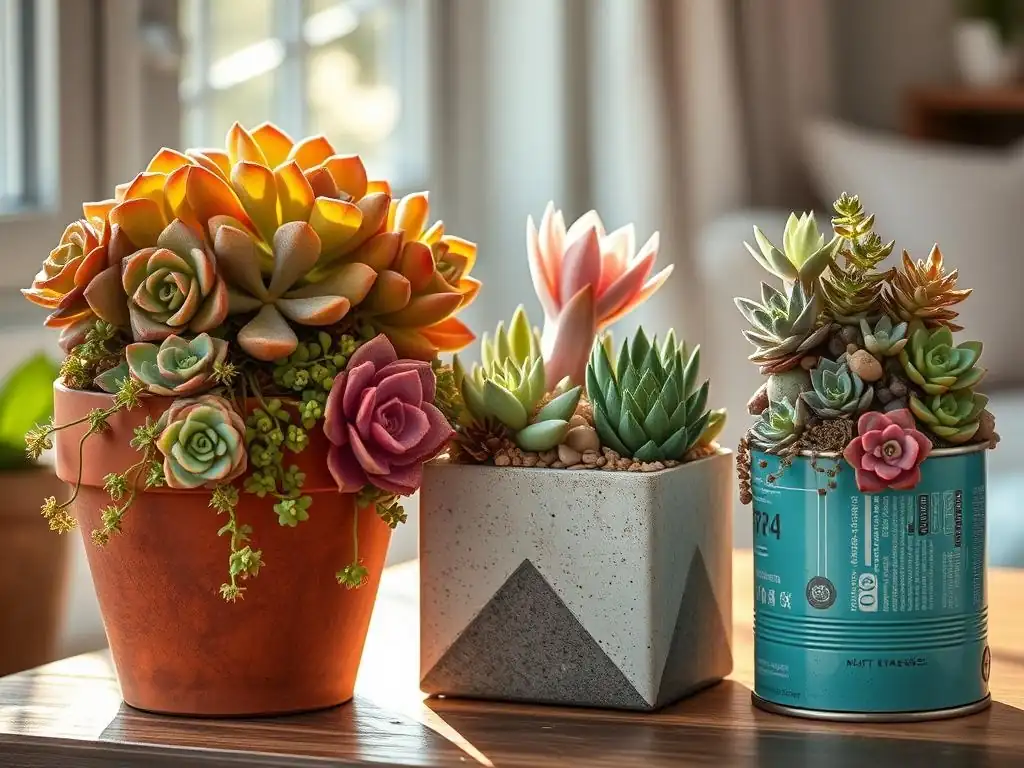
Welcome to SucculentEssentials.org, where the fascinating world of succulents unfolds! Are you ready to unlock the secrets to crafting breathtaking DIY succulent planter arrangements? We'll guide you through innovative techniques and inspiring designs, transforming ordinary planters into miniature succulent landscapes. Dive in and discover the endless possibilities—your next masterpiece awaits!
- Choosing the Right DIY Succulent Planter
- Designing Your DIY Succulent Planter Arrangement
- Step-by-Step Guide to Planting Your Succulents
- Maintaining Your DIY Succulent Planter Arrangement
- Creative Ideas for DIY Succulent Planter Arrangements
- Resources for DIY Succulent Planters
-
Frequently Asked Questions
- What are the best types of succulents for DIY planter arrangements?
- How do I choose the right planter for my succulent arrangement?
- What kind of soil is best for succulent arrangements?
- How often should I water my DIY succulent planter arrangement?
- What are some creative ideas for DIY succulent planter arrangements?
- Final Reflection: Cultivating Creativity, One Succulent at a Time
- Unleash Your Inner Gardener: Craft Stunning Succulent Displays!
Choosing the Right DIY Succulent Planter
Creating stunning DIY succulent planter arrangements is a rewarding experience, blending creativity with the satisfying care of these resilient plants. This guide delves into the art of arranging succulents in DIY planters, covering everything from selecting the perfect container to ensuring proper drainage for thriving plants. We'll explore various planter materials, ideal succulent pairings, and crucial considerations for long-lasting, beautiful displays.
Mastering these techniques will transform your home or garden into a vibrant succulent oasis, showcasing your horticultural skills and adding a touch of natural artistry to your space. Let's embark on this journey of DIY succulent artistry, learning how to cultivate flourishing arrangements that will bring joy for years to come.
This comprehensive guide will help you confidently create breathtaking DIY succulent planter arrangements, perfect for beginners and experienced succulent enthusiasts alike. We'll cover a wide range of topics, ensuring you have the knowledge and confidence to tackle any DIY succulent project.
Selecting Planters for Echeveria, Sedum, and Sempervivum
Choosing the right planter is paramount for successful succulent arrangements. Different succulents have varying needs, and understanding these needs will guide your selection. For example, Echeveria, known for their rosette shapes and vibrant colors, thrive in shallow, well-draining containers. Their delicate roots don't appreciate being overcrowded, so select a planter size proportionate to the mature size of the echeveria.
Similarly, Sedum, with their diverse forms and textures, benefit from containers that allow for good air circulation, preventing rot. Consider planters with ample drainage holes and perhaps a slightly larger size to accommodate their spreading growth habit. Finally, Sempervivum, also known as hen and chicks, are incredibly adaptable, tolerating a wider range of container types. However, even for these hardy succulents, good drainage remains crucial.
Remember to consider the mature size of your chosen succulents; overcrowding can lead to competition for resources and ultimately, unhealthy plants. A well-planned arrangement considers both the aesthetic appeal and the individual needs of each succulent species. Using a variety of sizes and shapes within the planter adds visual interest and can help prevent overcrowding.
Material Considerations: Terracotta, Ceramic, Wood, and Metal
The material of your DIY succulent planter significantly impacts the health and longevity of your arrangement. Terracotta pots are a popular choice due to their excellent porosity, allowing for optimal airflow and preventing soil from becoming waterlogged. However, terracotta pots dry out quickly, requiring more frequent watering. Ceramic planters offer a more modern aesthetic and retain moisture longer, making them suitable for succulents that prefer slightly moister conditions.
Wooden planters, particularly those made from treated lumber, provide a rustic charm but require careful consideration of drainage. Ensure ample drainage holes to prevent water retention and subsequent root rot. Metal planters, while visually striking, can get extremely hot under direct sunlight, potentially harming the succulents.
Choose a metal planter with a protective coating or consider placing it in a shadier location. The best material ultimately depends on your aesthetic preferences and the specific needs of your chosen succulents and your local climate. Consider the pros and cons of each material before making your selection.
Drainage: Essential for Succulent Health in DIY Planters
Proper drainage is arguably the most critical aspect of creating successful DIY succulent planter arrangements. Succulents are prone to root rot if their roots remain consistently wet. Therefore, every DIY planter must have adequate drainage holes.
If your chosen planter lacks drainage holes, you'll need to drill some yourself, ensuring they are sufficiently large to allow for efficient water flow. Additionally, consider adding a layer of gravel or broken pottery shards to the bottom of the planter before adding the succulent potting mix. This layer improves drainage and prevents the potting mix from clogging the drainage holes.
Don't underestimate the importance of this step; it's the key to preventing root rot and ensuring the long-term health of your succulents. Remember, a well-drained planter is the foundation of a thriving succulent arrangement. Regularly check the soil moisture level to avoid overwatering, and adjust your watering frequency based on the planter material and environmental conditions.
Size and Shape: Matching Planter to Succulent Arrangement
Choosing the right size and shape of your DIY succulent planter is crucial for a successful and aesthetically pleasing arrangement. The dimensions of your planter should complement the succulents you've selected, allowing for proper growth and preventing overcrowding. A planter that's too small will restrict root development and lead to stunted growth, while a planter that's too large might make your succulents look lost and insignificant.
Consider the mature size of your chosen succulents. Research the specific varieties you're using to understand their ultimate size and spread. For example, a small echeveria will look perfectly at home in a 4-inch diameter pot, but a larger agave would quickly outgrow it. Always leave sufficient space between the succulents to accommodate their growth, preventing them from competing for resources.
The shape of your planter also plays a vital role. Round planters offer a soft, organic feel and are suitable for a variety of succulent arrangements. Square or rectangular planters provide a more modern and structured look, perfect for creating geometric patterns with your plants. Consider the overall style you're aiming for and choose a shape that complements your vision. Tall, slender planters are ideal for showcasing trailing succulents, while shallow, wide containers are better suited for low-growing varieties.
Don't underestimate the impact of the planter's material. Terracotta pots offer excellent drainage but can dry out quickly, requiring more frequent watering. Ceramic or plastic planters retain moisture longer, which can be beneficial in drier climates but might increase the risk of overwatering if not properly managed. The material of the planter also impacts the overall aesthetic; terracotta gives a rustic feel, while glazed ceramic offers a more polished look. Remember that the material's weight and durability should also be considered, especially for larger planters. Choosing a lightweight material might be preferable for elevated planters or hanging arrangements.
Designing Your DIY Succulent Planter Arrangement
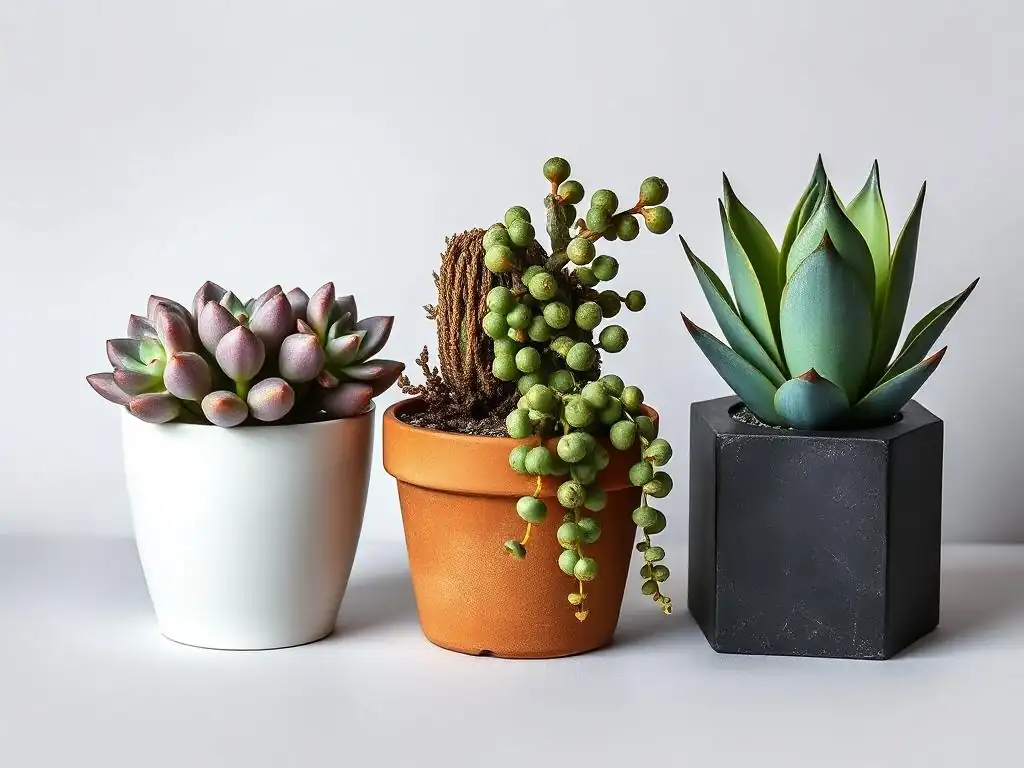
This section focuses on the initial conceptualization and planning stages of your DIY succulent planter arrangement. We'll delve into the crucial considerations that will transform your vision into a stunning reality. Mastering these initial steps ensures a successful and visually appealing final product, maximizing the impact of your "DIY succulent planter arrangements".
Planning the Arrangement: Considering Height, Width, and Color Palette
Before you even touch a succulent, careful planning is key to a successful arrangement. Think of your planter as a three-dimensional canvas. Consider the dimensions – both the height and width of your chosen container – to determine the scale and scope of your design. A shallow, wide bowl will lend itself to a sprawling, low-lying arrangement, while a tall, slender pot is perfect for a cascading display of varying heights.
Choosing a color palette is equally important. Succulents boast a remarkable range of colors, from deep greens and blues to vibrant reds, purples, and yellows. Consider the overall aesthetic you're aiming for. Do you prefer a monochromatic scheme, emphasizing subtle variations in shades of green? Or do you envision a more vibrant, contrasting arrangement with pops of color? Think about the colors of your planter itself; does it complement or contrast with your chosen succulent hues?
Here's a helpful table to illustrate different color palettes and their potential impact:
| Color Palette | Description | Example Succulents | Overall Feel |
|---|---|---|---|
| Monochromatic Greens | Utilizing various shades of green for a calming, natural look. | Sedum morganianum, Echeveria elegans, Haworthia | Serene, Natural |
| Warm Tones (Reds & Oranges) | Incorporating warm colors for a vibrant, energetic feel. | Sedum rubrotinctum, Graptopetalum paraguayense | Energetic, Vibrant |
| Cool Tones (Blues & Purples) | Using cool colors for a sophisticated, calming effect. | Echeveria 'Perle von Nürnberg', certain Sempervivums | Calm, Sophisticated |
| Complementary Colors | Combining colors opposite each other on the color wheel (e.g., purple and yellow). | Echeveria 'Purple Pearl', Sedum adolphii | Striking, Dramatic |
Remember, the possibilities are endless! Experiment with different combinations to find what resonates with your personal style and the overall ambiance you want to create.
Selecting Succulents for Your DIY Planter: Variety in Foliage and Flower
The success of your DIY succulent planter arrangements hinges on selecting the right succulents. Variety is key! Don't just choose succulents based on their visual appeal; consider their growth habits and mature sizes to ensure a balanced and harmonious arrangement.
Think about texture and form. Combine succulents with different leaf shapes, sizes, and textures. Include some rosettes, trailing varieties, and upright forms for visual interest. Consider incorporating succulents with different flowering times to ensure continuous blooms throughout the year. Remember to research the specific light and water requirements of each succulent before including it in your arrangement. Mismatched needs can lead to the demise of certain plants.
For example, a good mix might include:
- A central rosette of Echeveria, providing a strong focal point.
- Trailing Sedum morganianum spilling over the edges.
- Upright Dudleya adding height and architectural interest.
- Smaller, clumping succulents to fill in gaps and create texture.
Careful selection ensures a thriving and aesthetically pleasing display.
Creating a Balanced Composition: Principles of Visual Harmony
Achieving visual harmony in your DIY succulent planter arrangements relies on understanding basic design principles. Think of your planter as a miniature landscape; you need to create a sense of balance, proportion, and visual weight.
- Balance: Aim for either symmetrical or asymmetrical balance. Symmetrical balance creates a formal, structured look, while asymmetrical balance offers a more dynamic and informal feel. Asymmetrical balance requires careful consideration of visual weight; a larger, darker succulent can balance several smaller, lighter ones.
- Proportion: The size and scale of the succulents relative to the planter and each other is crucial. Avoid overcrowding; give each succulent enough space to grow and thrive.
- Visual Weight: Consider the color, size, and shape of each succulent. Darker and larger succulents carry more visual weight than lighter and smaller ones. Use visual weight to create focal points and guide the viewer's eye through the arrangement.
- Focal Point: Every arrangement needs a focal point – a visually dominant element that draws the eye. This could be a large, striking succulent, a unique planter shape, or a cluster of particularly vibrant colors.
By carefully considering these principles, you'll create a DIY succulent planter arrangement that is not only beautiful but also exhibits a sense of balance and harmony. This attention to detail elevates your "DIY succulent planter arrangements" from a simple collection of plants to a true work of art.
Using Filler Plants and Decorative Elements in Your DIY Succulent Planter
Creating a truly captivating DIY succulent planter arrangement goes beyond simply placing succulents together. Strategic use of filler plants and decorative elements elevates your design from good to extraordinary. Think of it like composing a painting; succulents are your bold strokes, while fillers and decorations add depth, texture, and visual interest.
One excellent technique is using smaller, trailing succulents as fillers. These can cascade over the edges of your planter, softening the overall look and creating a sense of movement. Consider Sedum morganianum (Burro's Tail) or Sedum burrito (Burro's Tail variety) for their long, cascading stems. Their vibrant green or silvery-blue foliage provides a beautiful contrast to the more upright succulents. Remember to choose fillers that have similar water and sunlight requirements as your main succulents to maintain their health.
Beyond trailing succulents, consider incorporating other small, non-succulent plants that complement the overall aesthetic. Tiny ferns, for example, introduce a different texture and a touch of lushness, while low-growing herbs like rosemary or thyme can add an aromatic dimension. However, be mindful of their water needs, as they may differ from those of succulents. Always research the specific requirements of any non-succulent filler plants before incorporating them into your arrangement. Overwatering is a common problem in mixed plantings, so ensure proper drainage is in place.
Decorative elements add the finishing touch. Small stones, pebbles, or decorative sand can be used to fill in gaps and create visual texture. Their color can complement or contrast with the succulents, adding another layer to your design. For instance, white river rocks can create a clean, modern look, while colorful glass beads can introduce a vibrant, playful touch.
Remember to choose elements that are not only aesthetically pleasing but also safe for your plants. Avoid using anything that might leach harmful chemicals into the soil. Natural materials are generally the safest option, but always check for any potential toxicity before incorporating them into your DIY succulent planter arrangement. A little planning and attention to detail can transform a simple arrangement into a stunning miniature garden. Experiment with different combinations to discover your unique style and create truly memorable DIY succulent planter arrangements.
Step-by-Step Guide to Planting Your Succulents
This section provides a detailed, step-by-step guide to planting succulents in your DIY planters, ensuring optimal growth and a visually stunning arrangement. We'll cover everything from preparing your planter to the final watering, focusing on techniques that maximize the health and beauty of your succulent collection. Remember, the key to successful DIY succulent planter arrangements is careful planning and execution.
Preparing Your DIY Planter: Cleaning and Adding a Gravel Drainage Layer
Before you even think about planting, proper preparation of your DIY planter is crucial for the long-term health of your succulents. Succulents are susceptible to root rot if their roots sit in consistently wet soil. Therefore, establishing excellent drainage is paramount.
First, thoroughly clean your chosen planter. If it's a repurposed container, wash it with warm soapy water to remove any lingering dirt, debris, or potential pests. Rinse thoroughly and allow it to dry completely. This prevents the introduction of diseases or unwanted organisms into your succulent's environment.
Next, add a layer of gravel or small stones to the bottom of the planter. This drainage layer is essential for preventing waterlogging. Aim for a layer approximately 1-2 inches deep, depending on the size and depth of your planter.
This gravel layer allows excess water to drain away from the roots, significantly reducing the risk of root rot, a common problem for succulents in improperly prepared containers. Consider using decorative gravel to add an aesthetic touch to your DIY succulent planter arrangements. For larger planters, you might even consider layering coarser gravel at the bottom and finer gravel closer to the soil line.
Planting Your Succulents: Techniques for Optimal Growth and Spacing
With your planter prepared, it's time to carefully plant your succulents. The success of your DIY succulent planter arrangements hinges on proper spacing and planting techniques. Overcrowding can lead to competition for resources and increased susceptibility to disease.
Begin by selecting a well-draining succulent potting mix. Avoid using regular garden soil, as it retains too much moisture. A specialized cactus and succulent mix is ideal. Gently remove your succulents from their original containers, taking care not to damage their delicate roots. If the roots are root-bound, carefully loosen them before planting.
Space your succulents strategically within the planter. Consider the mature size of each succulent to ensure they have enough room to grow without overcrowding. Larger succulents should be placed towards the back or center, with smaller varieties in the front. Vary heights and textures for a visually appealing arrangement. Experiment with different shapes and colors to create a dynamic display. Remember, a little planning goes a long way in creating stunning DIY succulent planter arrangements. Think about creating visual layers and focal points within your design.
Adding Soil and Water: The Right Mix for Succulent Thrive
The final steps involve adding soil and water, completing your DIY succulent planter arrangements. The key here is to use a sparing hand with both.
Carefully fill the spaces around your planted succulents with the succulent potting mix, ensuring that the base of each plant is firmly nestled in the soil. Avoid burying the succulents too deeply, as this can lead to rot. The soil should be level with the top of the root ball.
After planting, water your succulents gently but thoroughly. Allow excess water to drain completely from the drainage holes. Avoid overwatering, which is a common mistake that can lead to root rot. Wait until the soil is completely dry before watering again. The frequency of watering will depend on factors such as the size of the planter, the type of succulent, and the ambient temperature and humidity.
Observe your succulents closely for signs of underwatering or overwatering. Wilting leaves may indicate underwatering, while mushy or rotting leaves are a sign of overwatering. Proper watering is crucial for the long-term success of your DIY succulent planter arrangements. Remember that less is often more when it comes to watering succulents.
Finishing Touches: Adding Decorative Pebbles and Cactus Soil
Adding a layer of decorative pebbles and using the right soil type are crucial steps in creating a thriving and visually appealing DIY succulent planter arrangement. These finishing touches not only enhance the aesthetic appeal but also contribute to the long-term health of your succulents.
First, let's discuss the benefits of adding decorative pebbles. A layer of pebbles, typically placed on top of the soil, serves several important purposes. Aesthetically, they provide a clean, polished look, contrasting beautifully with the vibrant colors of the succulents. Functionally, they help to improve drainage. Succulents are susceptible to root rot if their roots sit in consistently wet soil, and the pebbles help prevent excess water from accumulating at the soil's surface.
Furthermore, pebbles suppress weed growth, preventing unwanted competition for resources. You can choose from a wide variety of colors, sizes, and textures of pebbles to complement your chosen succulents and planter style. Consider using smooth, river rocks for a natural look, or opt for colorful glass pebbles for a more modern aesthetic. Remember to select pebbles that are relatively inert and won't leach harmful chemicals into the soil.
Next, let's address the importance of using appropriate soil. Standard potting soil retains too much moisture for succulents, leading to root rot. Instead, you should use a well-draining cactus and succulent potting mix. These specialized mixes typically contain perlite, pumice, or coarse sand, which increase aeration and drainage.
These ingredients help to prevent the soil from becoming waterlogged, a critical factor in keeping your succulents healthy and preventing fungal diseases. When planting, gently loosen the roots of your succulents before placing them in the prepared soil. Avoid packing the soil too tightly around the base of the plants, as this can hinder drainage and air circulation. Using the right soil is an essential element in creating a successful DIY succulent planter arrangement that will thrive for years to come.
Consider adding a thin layer of horticultural charcoal to the soil mix as an added measure to improve drainage and prevent fungal growth. This is a small detail, but it can significantly impact the long-term health of your succulents. The charcoal also contributes to the overall aesthetic, adding a subtle dark contrast to the lighter colored soil and pebbles.
Maintaining Your DIY Succulent Planter Arrangement
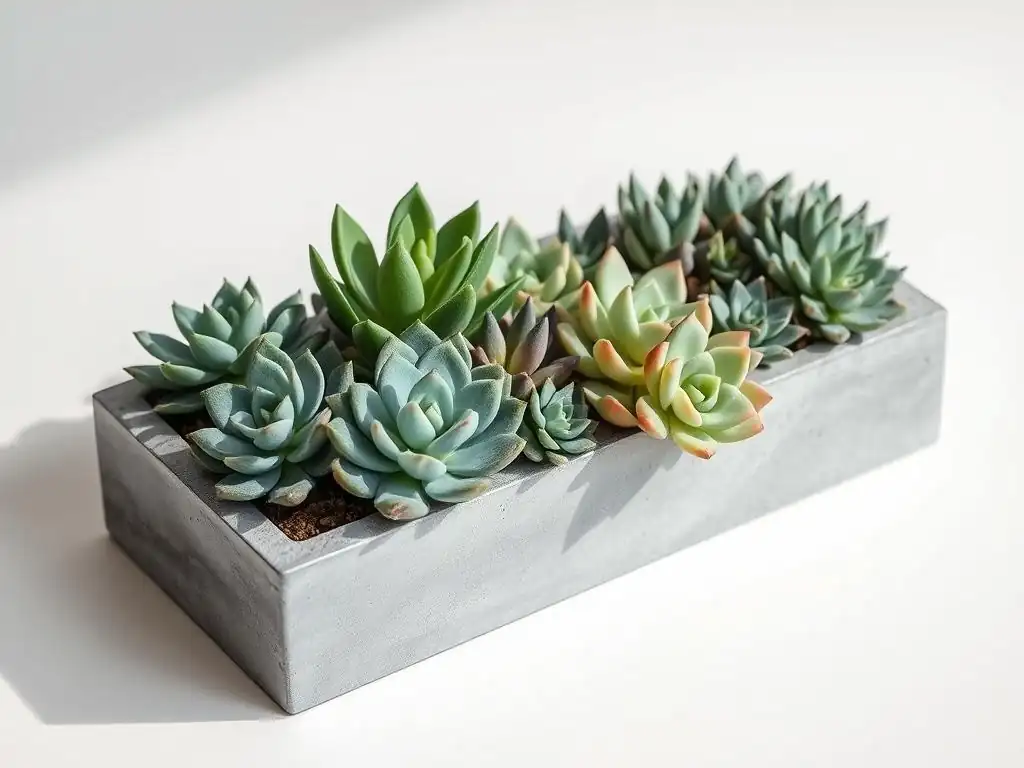
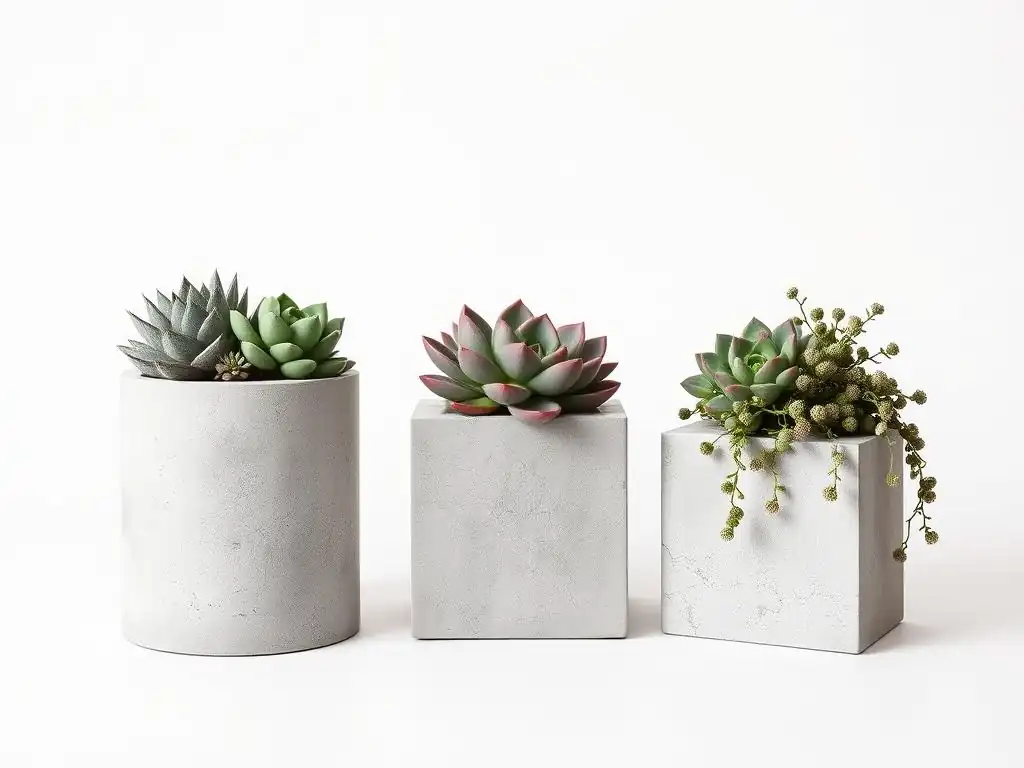
Creating stunning DIY succulent planter arrangements is only half the battle; maintaining their vibrant health and beauty requires ongoing care. This section focuses on the essential aspects of succulent care post-arrangement, ensuring your creations thrive for years to come. Proper watering, sunlight exposure, and fertilization are key to preventing common problems and maximizing the lifespan of your DIY succulent planter arrangements. Let's delve into the specifics.
Watering Your Succulents: Avoiding Overwatering and Root Rot
Overwatering is a common culprit in succulent demise. Unlike many other plants, succulents store water in their leaves and stems, making them highly susceptible to root rot from excessive moisture. The key is to let the soil dry out completely between waterings. This drying period can vary depending on factors like pot size, soil type, and ambient temperature. A good rule of thumb is to water thoroughly only when the top inch or two of soil feels completely dry.
Instead of adhering to a strict watering schedule, monitor the soil moisture. You can do this by inserting your finger into the soil; if it feels dry, it's time to water. Avoid frequent, shallow watering, as this encourages shallow root growth, making the plants more vulnerable to drought stress and root rot. During the winter months, when succulents are largely dormant, reduce watering frequency significantly. Signs of overwatering include mushy leaves, yellowing, and a foul odor emanating from the soil. If you notice these signs, reduce watering immediately and ensure your planter has adequate drainage.
Here's a handy table summarizing watering guidelines:
| Season | Watering Frequency | Soil Moisture Check |
|---|---|---|
| Spring/Summer | Every 7-10 days | Top 2 inches dry |
| Fall/Winter | Every 2-4 weeks | Top 3-4 inches dry |
Remember, it's always better to underwater than overwater your succulents. A slightly dry environment is far preferable to soggy, rotting roots. Proper watering is crucial for the long-term success of your DIY succulent planter arrangements.
Providing Sunlight: Optimal Light Exposure for Succulent Growth
Sunlight is essential for succulent health and vibrant coloration. Most succulents thrive in at least six hours of direct sunlight per day. However, the specific light requirements can vary depending on the succulent species. Some varieties prefer partial shade, while others tolerate intense sun. Observe your succulent varieties carefully and adjust their placement accordingly.
When arranging your DIY succulent planters, consider the location's sunlight exposure. A south-facing window is ideal for many succulents, providing ample sunlight. However, during the hottest parts of the day, even south-facing windows can cause scorching. If you notice signs of sunburn (brown or bleached patches on leaves), move your planter to a slightly shadier location or provide some afternoon shade.
Insufficient sunlight, on the other hand, can lead to etiolation – a condition where the succulents become leggy and pale due to stretching towards the light source. If your succulents are looking leggy, gradually increase their sun exposure. Remember, gradual changes are key to avoid shocking the plants. Rotate your DIY succulent planter arrangements regularly to ensure even sunlight exposure to all sides. This simple step helps prevent uneven growth and maintains a balanced, aesthetically pleasing arrangement.
Fertilizing Your Succulents: Balanced Fertilizer for Healthy Growth
While succulents are drought-tolerant, they still require nutrients for healthy growth. However, over-fertilizing can be just as detrimental as under-fertilizing. Use a balanced, water-soluble fertilizer specifically formulated for cacti and succulents. Dilute the fertilizer to half the recommended strength to avoid salt buildup in the soil, which can damage the roots.
Fertilize your succulents sparingly, typically once or twice during the growing season (spring and summer). Avoid fertilizing during the dormant period (fall and winter), as the plants are not actively growing and will not utilize the nutrients effectively. Over-fertilization can lead to root burn and damage the overall health of your plants. If you notice salt buildup on the soil surface (a white crust), flush the soil with plain water to remove excess salts.
Remember that healthy soil is fundamental. Well-draining soil is crucial for succulent health. Amending your potting mix with perlite or pumice can improve drainage and aeration, further enhancing your DIY succulent planter arrangement's longevity and beauty. Regular monitoring and adjustments, tailored to your specific environment and succulents, will contribute to the long-term success of your beautiful creations.
Troubleshooting Common Problems: Pest Control and Disease Prevention
Maintaining the health and vibrancy of your DIY succulent planter arrangement requires vigilance against common pests and diseases. Succulents, while generally hardy, are not immune to problems. Early detection and prompt action are crucial for preventing widespread damage and saving your beautiful creations.
One of the most common issues is mealybugs, tiny insects that appear as white, cottony masses on the plants. They suck the sap from the succulents, causing stunted growth and yellowing leaves. Regularly inspect your plants, paying close attention to the crevices between leaves and stems. If you spot mealybugs, you can manually remove them with a cotton swab dipped in rubbing alcohol. For larger infestations, insecticidal soap is an effective, environmentally friendly solution. Remember to always follow the product instructions carefully. Prevention is key; maintaining good air circulation around your succulents can help deter mealybug infestations.
Another prevalent pest is aphids, small, soft-bodied insects that cluster on stems and leaves, often causing leaf curling and discoloration. Similar to mealybugs, aphids can be removed manually or treated with insecticidal soap. Strong water spray can also dislodge them, though this might require repeated applications. Introducing beneficial insects, such as ladybugs, to your garden can provide natural pest control. These predatory insects feed on aphids and other pests, helping to maintain a healthy balance in your succulent ecosystem.
Regarding diseases, root rot is a significant threat, particularly in poorly draining soil. Overwatering is the primary culprit, leading to soggy soil that suffocates the roots. Choosing a well-draining potting mix specifically formulated for succulents is vital. Ensure your DIY planters have adequate drainage holes to prevent waterlogging. If root rot is suspected (indicated by mushy, dark roots and wilting plants), carefully remove the affected succulent from the planter. Trim away the rotten roots, allow the roots to dry slightly, and repot the succulent in fresh, dry soil.
Finally, fungal infections can sometimes affect succulents, often appearing as spots or lesions on the leaves. Good air circulation and avoiding overhead watering can help prevent fungal problems. If a fungal infection develops, removing the affected leaves and treating the plant with a fungicide may be necessary. Always choose a fungicide specifically designed for succulents and follow the application instructions precisely.
Remember that prevention through proper care and hygiene is always the best approach to maintaining healthy and thriving succulent arrangements. Regular inspection and prompt action will ensure your DIY succulent planter arrangements remain beautiful and vibrant for years to come. 🌱
Creative Ideas for DIY Succulent Planter Arrangements
This section explores inventive and aesthetically pleasing ways to arrange succulents in DIY planters, focusing on maximizing visual appeal and plant health. We'll delve into specific examples, considering factors like plant size, sunlight requirements, and drainage. Remember, successful DIY succulent planter arrangements hinge on careful planning and execution. Choosing the right plants and containers is paramount to creating a thriving and beautiful display.
Miniature Succulent Gardens in Teacups and Small Containers
Miniature succulent gardens offer a charming way to showcase these resilient plants. Teacups, small bowls, and even repurposed shot glasses become delightful containers for tiny succulents. The key to success lies in selecting appropriately sized succulents. Opt for slow-growing varieties like Sedum rubrotinctum ('Jelly Bean') or Echeveria cultivars, which won't quickly outgrow their miniature homes.
Proper drainage is crucial in these small containers. Ensure each container has drainage holes to prevent root rot. If your chosen container lacks drainage, add a layer of gravel or small pebbles at the bottom before adding potting mix. This layer improves drainage and aeration.
Here's a sample arrangement:
| Container Type | Succulent Variety(ies) | Drainage Considerations | Lighting Requirements |
|---|---|---|---|
| Vintage Teacup | Sedum rubrotinctum, Echeveria perle von nurnberg | Add gravel layer at bottom | Bright, indirect light |
| Small Ceramic Bowl | Sempervivum tectorum, Graptopetalum paraguayense | Ensure drainage holes exist | Full sun to partial shade |
| Repurposed Shot Glass | Sedum morganianum ('Burro's Tail') | Use a well-draining potting mix | Bright, indirect light |
Remember to water sparingly, allowing the soil to dry completely between waterings. Overwatering is a common cause of failure in miniature succulent gardens. Observe your plants closely for signs of overwatering (e.g., mushy leaves) or underwatering (e.g., shriveled leaves).
Vertical Succulent Gardens: Wall-Mounted and Hanging Planters
Vertical succulent gardens are a space-saving and visually stunning way to incorporate these plants into your home décor. Wall-mounted planters and hanging baskets offer a modern aesthetic and are perfect for showcasing a variety of succulent shapes and textures. The design possibilities are endless!
For wall-mounted planters, consider using a shallow, wide container with ample drainage holes. You can create a layered effect by using different heights of succulents, placing taller varieties at the back and shorter ones in the front. This creates depth and visual interest. For hanging baskets, choose a basket with good drainage and line it with coco liner to retain moisture while allowing excess water to drain.
When constructing vertical succulent gardens, careful consideration of sunlight is paramount. Choose a location that receives sufficient bright, indirect light. Direct sunlight can scorch the leaves, especially in hanging baskets where the plants might receive more intense rays. Regularly inspect the plants for any signs of stress and adjust their position as needed. The beauty of a vertical succulent garden lies not just in the arrangement itself, but also in the ongoing care and attention that keeps it thriving.
Succulent Arrangements in Unique Containers: Repurposed Items
Repurposing everyday items adds a unique touch to your DIY succulent planter arrangements. Think outside the box! Old teapots, vintage watering cans, and even discarded boots can be transformed into charming planters. The creative possibilities are vast, limited only by your imagination.
Before using any repurposed item, ensure it has adequate drainage. You might need to drill drainage holes or add a layer of gravel to the bottom. Consider the size and shape of the container when selecting succulents. Larger containers can accommodate more plants and a greater variety of sizes and textures. Smaller containers are best suited for smaller, slow-growing succulents.
Here are some ideas for repurposed containers:
- Old teapots: Ideal for cascading succulents like Sedum morganianum.
- Vintage watering cans: Perfect for a mix of trailing and upright succulents.
- Wooden crates: Create a rustic, tiered succulent garden.
- Discarded boots: Add a whimsical touch to your outdoor space.
Remember to choose succulents that complement the style and character of your repurposed container. A rustic wooden crate might pair well with drought-tolerant varieties that have a natural, rugged look. A vintage teapot, on the other hand, might be better suited to more delicate, smaller succulents. The key is to achieve a cohesive and visually appealing arrangement that showcases both the beauty of the succulents and the unique charm of the repurposed container. Careful planning and attention to detail will ensure your DIY succulent planter arrangements are a success.
Combining Succulents with Other Drought-Tolerant Plants
Combining succulents with other drought-tolerant plants opens up a world of creative possibilities for your DIY succulent planter arrangements. This approach not only adds visual interest and textural variety but also promotes a healthier microclimate within the planter. The key is to select companion plants with similar water requirements and sun exposure preferences.
For instance, consider incorporating herbs like rosemary or thyme. These aromatic plants not only complement the succulents aesthetically but also add a fragrant dimension to your arrangement. Their low water needs align perfectly with the succulents, minimizing the risk of overwatering. Remember to choose smaller, compact varieties of herbs to avoid overwhelming the succulents. A good rule of thumb is to select herbs that will grow to a similar size as your chosen succulents, creating a balanced and harmonious display.
Another excellent option is to include small, hardy grasses. These add a delicate, airy quality that contrasts beautifully with the often robust forms of succulents. Fescue grasses, for example, come in various colors and textures, offering a diverse palette to work with. Their fine blades create a visually appealing backdrop for succulents, highlighting their unique shapes and colors. Again, careful consideration of the mature size of the grass is crucial to prevent it from overshadowing the succulents.
Beyond herbs and grasses, consider incorporating small cacti. These desert dwellers thrive under similar conditions as succulents, making them ideal companions. However, be mindful of the spines on some cacti species; choose varieties with less prominent spines or none at all to avoid accidental pricks during planting or maintenance. Mixing different shapes and sizes of cacti and succulents can create a dynamic and visually captivating arrangement. For example, a tall, slender cactus could be positioned to contrast against a cluster of low-growing succulents.
Finally, remember that proper drainage is paramount when combining succulents with other drought-tolerant plants. Ensure your DIY planter has adequate drainage holes to prevent waterlogging, which can be detrimental to all plants involved. Using a well-draining potting mix specifically formulated for succulents and cacti is also essential for success. With careful planning and selection, your DIY succulent planter arrangements will thrive and become a delightful testament to your gardening skills. The combination of textures and colors creates depth and interest, allowing for unique and personal expressions of your creative flair in your DIY succulent planter arrangements.
Resources for DIY Succulent Planters
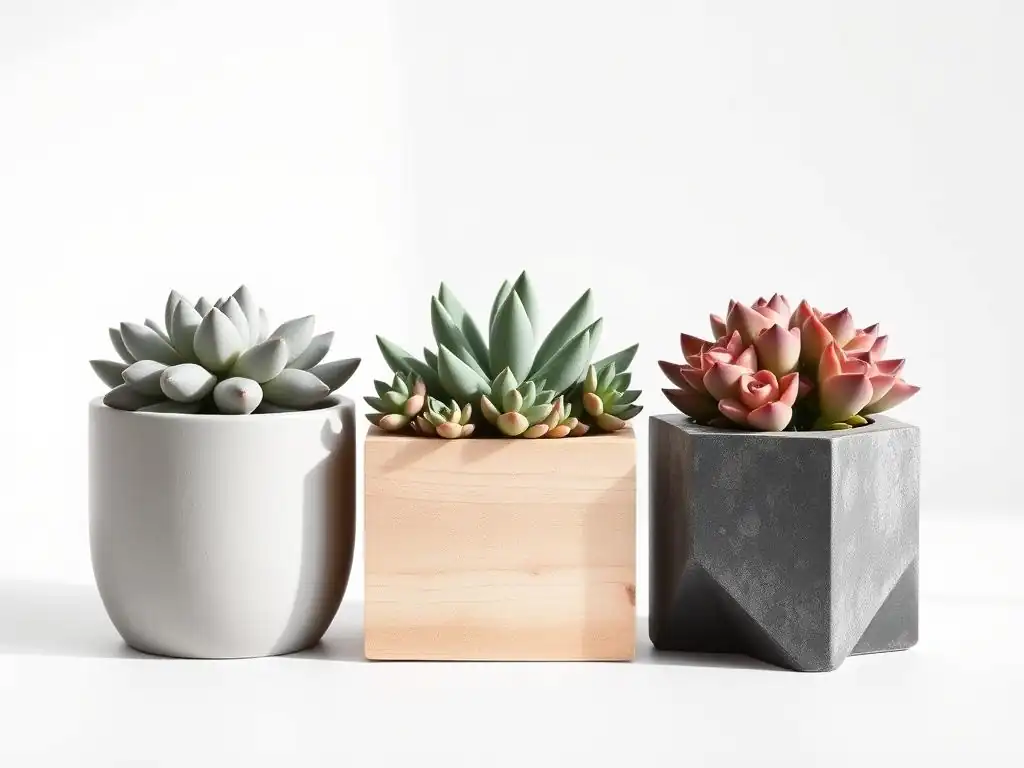
This section provides essential resources to help you embark on your DIY succulent planter arrangement journey. We'll cover where to source high-quality planters and succulents, as well as point you towards helpful tutorials and guides for specific projects. Remember, the success of your DIY succulent planter arrangements hinges on choosing the right materials and following sound techniques.
Recommended Suppliers for Planters and Succulents
Finding the right planters and succulents is crucial for creating stunning DIY arrangements. Here's a breakdown of where to look for quality materials:
Planters: Consider the style and size of planter you envision for your succulent arrangement. Do you want a rustic terracotta pot, a modern ceramic planter, or perhaps a repurposed container? Your choice will influence the overall aesthetic of your project. Look for suppliers that offer a variety of materials, sizes, and styles to match your vision. Ensure the planters have adequate drainage holes to prevent root rot – a common issue with succulents.
- Specialty Garden Centers: These often carry unique and high-quality planters, along with expert advice on choosing the right ones for succulents. They are a great resource for finding unusual shapes and sizes.
- Online Retailers: Many online retailers specialize in planters, offering a vast selection and often competitive pricing. However, carefully check customer reviews before purchasing to ensure quality.
- Craft Stores: Craft stores can be a surprising source of inspiration, offering a range of repurposable containers like teacups, vintage tins, and even glass jars that can be transformed into unique succulent planters.
- Thrift Stores and Flea Markets: These are excellent places to find one-of-a-kind, vintage planters at affordable prices. Just remember to check for cracks or damage before purchasing.
Succulents: The health and variety of your succulents directly impact the visual appeal of your arrangement. Choose reputable suppliers to ensure your plants are disease-free and thriving.
- Local Nurseries and Garden Centers: These offer a wide selection of healthy succulents, and the staff can often provide valuable advice on plant care and selection.
- Online Succulent Retailers: Many online nurseries specialize in succulents, offering a vast selection of varieties, often including rare and unusual specimens. Again, carefully review customer feedback before ordering.
- Succulent Propagation: If you're already a succulent enthusiast, you may already have a collection you can propagate, offering a cost-effective way to expand your supply for DIY projects.
Links to Tutorials and Guides on Specific DIY Succulent Projects (Information Pending)
This section will eventually include links to detailed tutorials and guides for specific DIY succulent projects. These will cover everything from creating simple arrangements in small pots to more complex designs featuring various container types and succulent varieties. We are currently compiling a comprehensive list of reliable resources to ensure we provide you with the most accurate and helpful information. Check back soon for updates! We plan to include examples of:
- Creating a miniature succulent garden in a teacup.
- Building a vertical succulent wall using repurposed pallets.
- Designing a succulent terrarium in a glass globe.
- Arranging succulents in a hanging basket.
- Making a unique succulent arrangement in a vintage tin.
We understand the importance of providing you with the best resources for your DIY succulent planter arrangements. We are committed to continually updating this section with new and relevant information to support your creative endeavors. Stay tuned for more detailed guides and tutorials soon! 🌱
Frequently Asked Questions
What are the best types of succulents for DIY planter arrangements?
Many succulents work well! Echeverias, Sedums, and Sempervivums are popular choices due to their varied colors and textures. Consider the mature size of each succulent to ensure a balanced arrangement.
How do I choose the right planter for my succulent arrangement?
Select a planter with adequate drainage to prevent root rot. The size should be proportional to your succulents; don't overcrowd the pot. Consider the style and material to complement your succulents and décor.
What kind of soil is best for succulent arrangements?
Use a well-draining cactus and succulent potting mix. Avoid regular garden soil, as it retains too much moisture. You can also add perlite or pumice to improve drainage further.
How often should I water my DIY succulent planter arrangement?
Water thoroughly only when the soil is completely dry. Overwatering is a common problem. The frequency will depend on factors like pot size, sunlight exposure, and the environment.
What are some creative ideas for DIY succulent planter arrangements?
Get creative! Use unique containers, such as teacups, vintage tins, or even repurposed shoes. Experiment with different heights and textures of succulents, and consider adding decorative elements like pebbles or moss.
Final Reflection: Cultivating Creativity, One Succulent at a Time
The art of arranging succulents in DIY planters isn't just a hobby; it's a vibrant expression of creativity that connects us to nature's enduring beauty. In a world increasingly dominated by digital landscapes, the tactile experience of working with soil, plants, and unique containers offers a grounding counterpoint, a tangible reminder of the simple joys found in crafting something beautiful with our own hands. This act of creation fosters a sense of accomplishment and allows us to personalize our living spaces in meaningful ways.
The enduring appeal of succulent arrangements lies not only in their aesthetic charm but also in their resilience and adaptability. They mirror our own capacity to thrive in diverse environments, reminding us of the strength found in embracing simplicity and finding beauty in unexpected places. The love for all living creatures is the most noble attribute of man.
– Charles Darwin. This quote speaks to the deeper connection we forge with nature when we actively participate in its cultivation, a connection that extends beyond the simple act of arranging plants.
Now, consider your own space. What small corner of your home or garden could benefit from a burst of vibrant color and texture? What unique container – a repurposed teacup, a vintage watering can, or a quirky ceramic pot – is waiting to be transformed into a miniature succulent paradise? Take the time to explore your creativity, to experiment with different arrangements, and to discover the joy of nurturing life, one succulent at a time. The beauty you create will not only enhance your surroundings but also nourish your soul.
Unleash Your Inner Gardener: Craft Stunning Succulent Displays!
Thanks for joining us on this succulent journey! We hope you've gained valuable tips and inspiration for creating breathtaking displays. Ready to transform your space with your own unique succulent arrangements?
- Design your dream succulent arrangement: Gather your pots, soil, and favorite succulents, and put your newfound knowledge into practice! Let your creativity flourish. Experiment with different sizes and textures to create a visually stunning display.
- Share your masterpiece: Show off your stunning creations on social media using #SucculentEssentials – we'd love to see your unique designs!
- Get creative with your containers: Don't limit yourself to terracotta pots! Repurposed tins, vintage teacups, and even old boots can make charming and unique planters. The possibilities are endless!
What unusual containers will you use to create your next succulent masterpiece?