
Making Succulent Keychains: A Practical Craft for Children

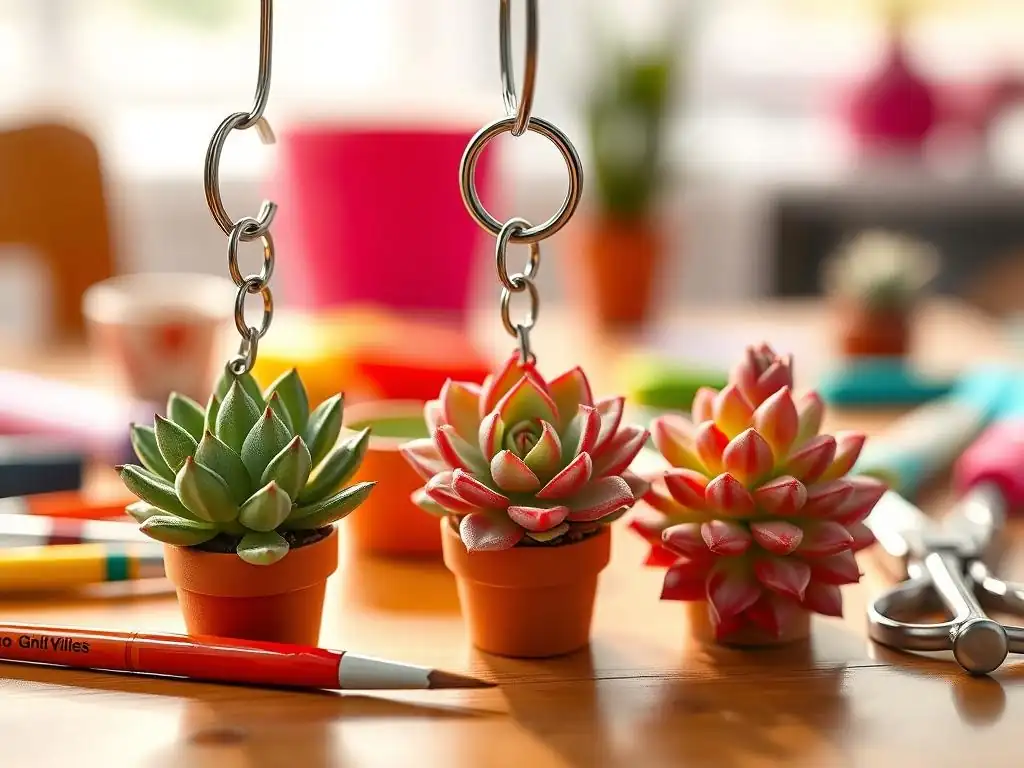
Welcome to SucculentEssentials.org, where the fascinating world of succulents unfolds! Are you ready to unlock the secrets to cultivating these resilient plants? We'll guide you through everything from basic care to advanced propagation techniques. But first, prepare to be amazed by the adorable and surprisingly simple project featured in our latest article: DIY succulent keychains for kids. Discover how easy it is to transform these miniature marvels into charming, personalized keepsakes – a perfect craft for a fun afternoon with your little ones. Dive in and unleash your inner succulent enthusiast!
- Getting Started: Gathering Supplies for Your DIY Succulent Keychain Kids Project
- Step-by-Step Guide: Creating Your Adorable DIY Succulent Keychain
- Tips and Tricks for a Successful DIY Succulent Keychain Kids Project
- Displaying and Caring for Your Finished DIY Succulent Keychains
- Expanding on the Craft: More DIY Succulent Projects for Kids
-
Frequently Asked Questions
- What materials do I need to make a succulent keychain with kids?
- Are there any safety precautions I should take when making succulent keychains with children?
- How long does it take for the resin to dry completely?
- What kind of succulents are best for making keychains?
- Can I use real succulents in the keychain or should I use artificial ones?
- Final Reflection: Cultivating Creativity: The Enduring Power of Simple Crafts
- Unleash Your Inner Artist: Craft Your Own Succulent Keychain!
Getting Started: Gathering Supplies for Your DIY Succulent Keychain Kids Project
Creating adorable and unique succulent keychains is a fantastically fun and educational activity for children! This project combines the joy of crafting with the fascinating world of succulents, offering a hands-on experience that teaches patience, care, and appreciation for nature. This guide will walk you through each step, ensuring a safe and successful crafting experience for both you and your young crafters.
We'll cover everything from selecting the perfect miniature succulents to assembling the final keychain, making this a truly memorable DIY adventure. The finished product is not only a charming accessory but also a testament to your child's creativity and burgeoning green thumb. This project is perfect for rainy days, school holidays, or any time you're looking for a creative and engaging activity that blends learning with fun.
Remember to always supervise children during the crafting process, emphasizing safety and careful handling of materials. Let's get started on this exciting journey into the miniature world of succulent keychains!
Essential Materials: Miniature Succulents, Keychain Rings, and Glue
Before you begin, gather all the necessary materials. This will streamline the crafting process and ensure a smooth, enjoyable experience for your child. Here's a checklist of essentials:
- Miniature Succulents: These are the stars of the show! Choose small, healthy succulents that are sturdy enough to handle the crafting process. Avoid succulents that are overly fragile or have overly delicate leaves. Etsy and local nurseries often carry these.
- Keychain Rings: Select durable keychain rings in a size appropriate for your chosen succulents. Metal rings are generally more robust than plastic ones. Consider the weight of the succulent when choosing the ring size to ensure it can comfortably support the plant.
- Strong Craft Glue: Opt for a glue that's specifically designed for crafting and is safe for children. Look for non-toxic options and always follow the manufacturer's instructions carefully. Hot glue guns should only be used by adults.
- Optional Decorative Elements: To add a personal touch, consider incorporating additional decorative elements such as small beads, ribbons, or charms. These can be glued onto the keychain to create a more personalized and visually appealing final product.
- Protective Gloves (Optional): Although not always necessary, gloves can offer an extra layer of protection for both you and your child, keeping hands clean and preventing any potential irritation from the succulents or glue.
Remember to check all materials for potential hazards before allowing children to handle them.
Choosing the Right Miniature Succulents for Your Keychain
Selecting the appropriate miniature succulents is crucial for the success of your keychain project. Consider these factors:
- Size and Shape: Choose succulents that are small enough to fit comfortably on the keychain ring without being too cramped or overcrowded. Look for succulents with a sturdy form to prevent them from easily breaking or falling off.
- Health and Condition: Ensure the succulents are healthy and free from any signs of disease or pests. Look for plump, vibrant leaves that indicate a healthy plant. Avoid succulents that appear wilted, discolored, or damaged.
- Variety and Color: Explore different types of miniature succulents to add visual interest to your keychains. Experiment with various colors and textures to create unique and eye-catching designs. Consider the overall aesthetic and ensure the succulents complement each other.
- Durability: Some succulents are more delicate than others. Choose hardy varieties that are less prone to damage during handling and transportation. Research different succulent types to discover those best suited for this project.
Careful selection will ensure your keychain's longevity and beauty.
Preparing Your Workspace: Safety First for Young Crafters
Creating a safe and organized workspace is paramount when crafting with children. This will minimize the risk of accidents and ensure a positive crafting experience. Follow these steps:
- Choose a well-lit area: Ensure adequate lighting to prevent eye strain and improve visibility during the crafting process. A well-lit space will also help children to see the details of their work more clearly.
- Protect your work surface: Cover your work surface with a protective layer, such as newspaper or a plastic tablecloth, to prevent accidental spills or damage to the table. This also makes cleanup easier.
- Gather all materials within easy reach: Arrange all necessary materials in an organized manner to prevent children from reaching for items that could be potentially hazardous. This promotes efficiency and safety.
- Supervise children closely: Always supervise children during the crafting process, paying close attention to their handling of the glue and other potentially hazardous materials. Provide guidance and assistance as needed.
- Emphasize careful handling: Teach children how to handle the miniature succulents and other delicate materials carefully to prevent breakage or damage. Explain the importance of gentle handling and patience.
- Clean up thoroughly: After completing the project, ensure all materials are properly cleaned up and disposed of responsibly. This helps maintain a safe and organized environment. Involve children in the cleanup process to instill good habits.
By carefully following these steps, you can ensure a fun, safe, and successful DIY succulent keychain experience for your children! 🎉
Step-by-Step Guide: Creating Your Adorable DIY Succulent Keychain
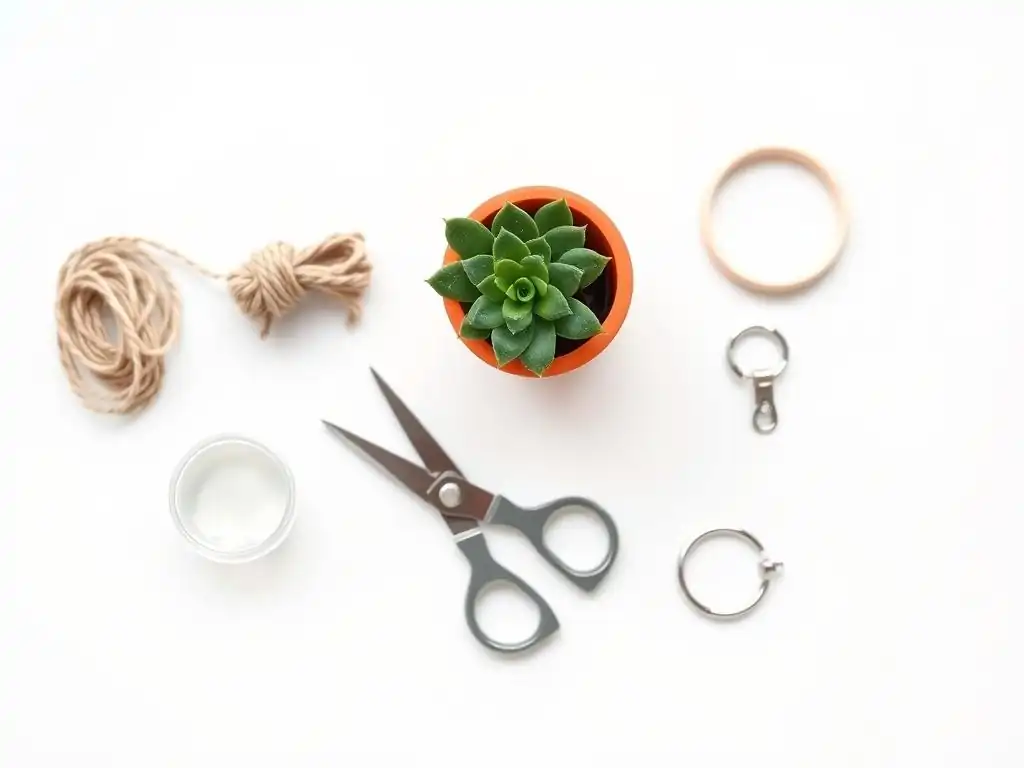
This section provides a detailed, step-by-step guide for creating charming succulent keychains, perfect for children's crafting projects. We'll cover preparing the miniature succulents, securely attaching them, and adding optional decorative flourishes to personalize your creations. Remember adult supervision is recommended throughout the process, especially when handling small objects and crafting materials. This DIY succulent keychain kids project is a fun and engaging activity that teaches patience and creativity.
Step 1: Preparing the Miniature Succulents for Adhesion
Before embarking on your DIY succulent keychain project, careful preparation of the miniature succulents is crucial for a successful and long-lasting outcome. We'll focus on ensuring the succulents are clean, dry, and optimally suited for adhesion to the keychain ring. This step is vital to prevent premature detachment and maintain the longevity of your charming keychain.
First, gently clean each miniature succulent using a soft brush to remove any loose soil or debris. This ensures a clean surface for optimal adhesion. Avoid using water, as dampness can hinder the bonding process. Next, allow the succulents to air dry completely. This is essential to prevent mold growth and ensure a strong bond with the adhesive.
A completely dry succulent will adhere much better than a damp one. Finally, consider carefully selecting succulents with sturdy leaves and stems. Avoid those that are brittle or easily damaged, as they are less suitable for crafting. Selecting robust succulents will guarantee the longevity of your keychain. Remember, the goal is to create a durable and aesthetically pleasing DIY succulent keychain kids will cherish.
Step 2: Attaching the Succulents to the Keychain Ring
This step involves the careful and secure attachment of the prepared miniature succulents to the keychain ring. We'll explore different adhesive options and techniques to ensure a strong and lasting bond, resulting in a durable and adorable keychain. Remember safety precautions are paramount when handling adhesives.
Begin by selecting a strong adhesive suitable for both the succulents and the keychain ring material. Hot glue is a popular choice for its rapid drying time and strong bond, but adult supervision is crucial due to its high temperature. Alternatively, consider using a strong craft glue designed for various materials.
Apply a small amount of adhesive to the base of each miniature succulent, ensuring even coverage. Then, carefully press the succulent onto the keychain ring, holding it firmly in place for several seconds to allow the adhesive to set. Repeat this process for each succulent, ensuring they are evenly spaced and aesthetically pleasing.
For added security, especially with lighter succulents, consider using a small amount of additional adhesive around the base of the succulent after initial placement. This will provide an extra layer of security and prevent accidental detachment. Remember, patience and precision are key to achieving a well-crafted and long-lasting DIY succulent keychain.
Step 3: Adding Decorative Elements (Optional)
To enhance the aesthetic appeal of your DIY succulent keychain, consider incorporating optional decorative elements. This step allows for personalization and creative expression, transforming a simple keychain into a unique and charming accessory. A variety of materials can be used to add a personal touch, enhancing both the visual appeal and the overall charm of the keychain.
Some popular options include small beads, tiny ribbons, or even miniature charms. These can be attached using additional craft glue or small craft wire, depending on the material. Remember to carefully consider the size and weight of added elements to avoid unbalancing the keychain. A well-balanced keychain will be more durable and less prone to damage.
Another option is to add a small protective coating, such as a clear sealant spray, to enhance the durability and longevity of the keychain. This is particularly useful for protecting the succulents from moisture and ensuring the longevity of your beautiful craft. The goal is to create a fun, personalized, and long-lasting DIY succulent keychain kids will proudly display. Let your creativity shine!
Step 4: Letting the Glue Dry Completely
Patience is key in this step! After carefully applying the glue, resist the urge to immediately handle your keychain. The glue needs ample time to cure and create a strong bond between the succulent leaf and the resin. Rushing this process could lead to the leaf falling off, ruining all your hard work. We recommend waiting at least 24 hours, preferably 48 hours, for the glue to fully dry.
The best way to ensure complete drying is to place your keychain in a safe, dry place, away from direct sunlight or excessive heat. These conditions can affect the curing process and potentially weaken the adhesive. Think of it as giving your little succulent keychain a peaceful slumber before it's ready to debut! You'll be rewarded with a much more durable and long-lasting keychain if you allow for this crucial drying time. Remember, a little patience now will save you frustration later.
Check the glue regularly to ensure it is completely dry and clear before proceeding to the next step. A slightly tacky residue indicates it's not yet ready. Avoid touching the glued area during the drying period. A perfectly cured glue ensures a beautiful and lasting DIY succulent keychain.
Tips and Tricks for a Successful DIY Succulent Keychain Kids Project
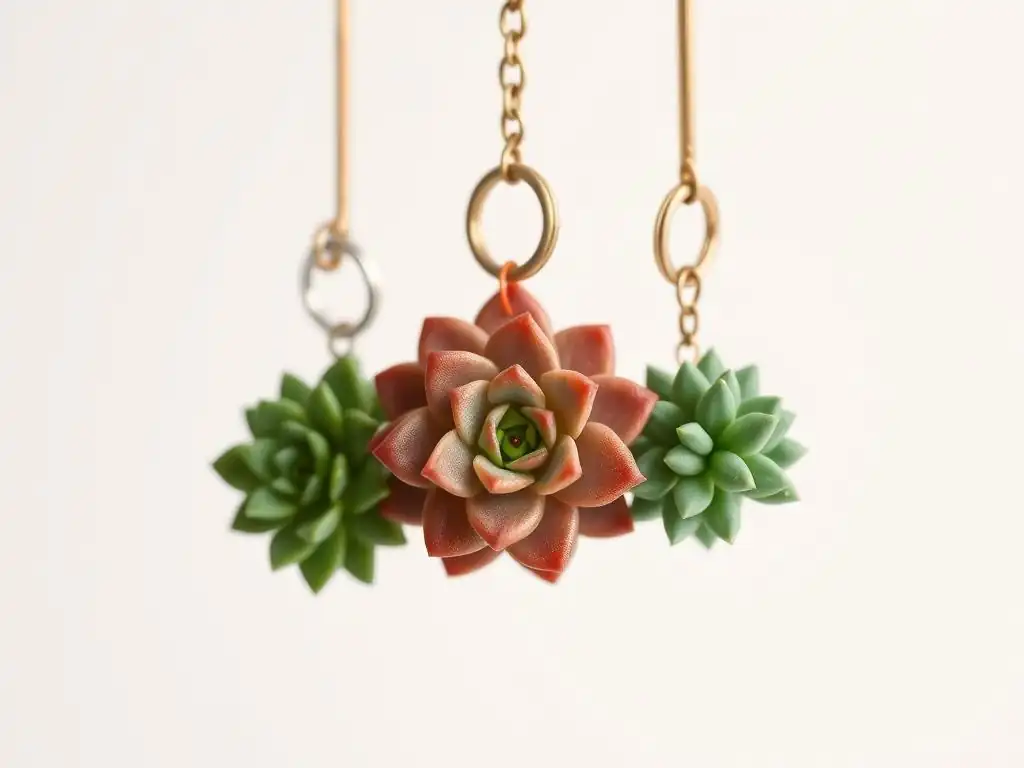
This section offers expert advice to ensure your child's succulent keychain project is a resounding success. We'll cover everything from material selection to overcoming common challenges, making this a fun and rewarding experience for both you and your child. Remember, patience and careful execution are key to creating a durable and aesthetically pleasing keychain. This DIY succulent keychain kids project is perfect for fostering creativity and fine motor skills!
Ensuring Strong Adhesion: Glue Selection and Application Techniques
Choosing the right glue is paramount for a long-lasting succulent keychain. Avoid using water-based glues, as these can weaken over time and potentially damage the succulent pieces. Instead, opt for a strong adhesive specifically designed for crafting projects and capable of bonding various materials, including resin and small plant parts. Hot glue guns, while offering a quick bond, require adult supervision due to the high temperature.
Applying the glue correctly is just as crucial. Use a small amount of glue to avoid excess that could seep out and create a messy finish. Apply the glue evenly to the surface of the keychain base, ensuring complete coverage of the area where the succulent will be placed. Gently press the succulent piece onto the glued surface, holding it firmly for several seconds to ensure a secure bond. Allow ample drying time before handling to prevent accidental detachment. Proper glue selection and application are fundamental to the longevity of your DIY succulent keychain.
Creative Ideas: Personalizing Your Child's Succulent Keychain
The beauty of this project lies in its adaptability. Encourage your child's creativity by providing a variety of options for personalizing their keychain. Beyond simply gluing succulents, consider these ideas:
- Adding embellishments: Small beads, glitter, or miniature charms can add a touch of sparkle and personality.
- Using different succulent types: Experiment with various succulent varieties to create unique textures and colors. Small, tightly packed succulents work best.
- Incorporating other elements: Small dried flowers, tiny pebbles, or even miniature figurines can complement the succulents.
- Themed keychains: Design keychains around specific themes, such as a desert landscape or a miniature garden.
- Color coordination: Choose succulents and embellishments that complement each other in terms of color and texture.
Consider creating a "succulent bar" with various options for your child to choose from. This fosters independence and allows them to express their unique style. Remember, the goal is to create a fun and engaging experience, encouraging your child's creativity and self-expression in this DIY succulent keychain kids project.
Troubleshooting Common Problems: Dealing with Loose Succulents or Glue Messes
Even with careful planning, some issues might arise. Here’s how to tackle common problems:
- Loose Succulents: If a succulent comes loose, don't panic! Simply apply a small amount of additional glue to the back of the loose succulent and re-attach it to the keychain base. Hold it firmly for several minutes to ensure a strong bond.
- Glue Messes: Excess glue can be easily cleaned with a damp cloth or cotton swab. Act quickly before the glue dries completely. For stubborn glue, carefully use a craft knife to remove excess glue, ensuring you don't damage the keychain base or the succulents.
- Broken Succulents: Handle succulents with care. If a succulent breaks, use the smaller pieces as embellishments or start again with a new one.
Remember, this is a learning process. Don't be afraid to experiment and embrace imperfections. The most important aspect is the fun and bonding experience you share with your child while creating these unique and personalized DIY succulent keychains. The process itself is as valuable as the final product.
Displaying and Caring for Your Finished DIY Succulent Keychains
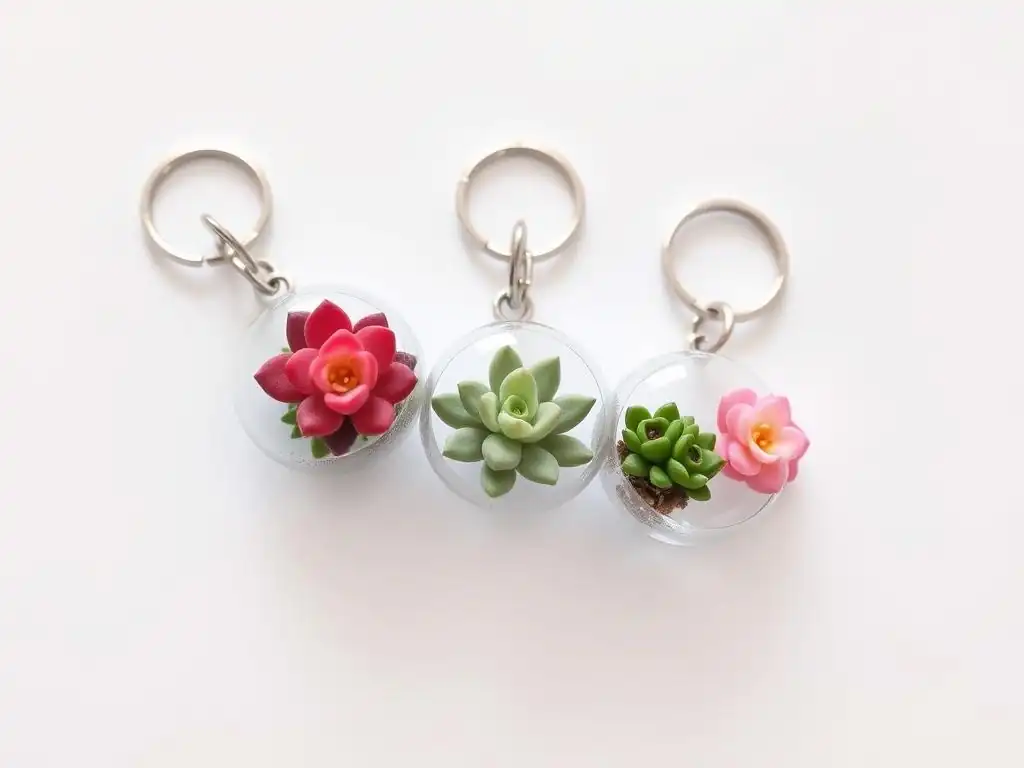
Creating adorable succulent keychains is a fun and rewarding DIY project for kids, but the fun doesn't stop once the crafting is complete! Proper display and care will ensure your little masterpieces last for a long time, bringing joy to their owners. This section will guide you through protecting your creations and showcasing them creatively. Remember, even small succulents need a little TLC!
Protecting Your Keychain from Damage
The delicate nature of even faux succulents used in these keychains requires careful handling to prevent damage. Here's how to ensure longevity:
- Avoid Extreme Temperatures: Direct sunlight or extreme heat can cause the resin or paint to fade or crack, especially in hot climates. Keep your keychains away from direct sunlight and car dashboards. Similarly, extreme cold can also cause damage.
- Gentle Cleaning: If your keychain gets dirty, gently wipe it with a soft, damp cloth. Avoid harsh chemicals or abrasive cleaners, as these can damage the finish. For particularly stubborn dirt, a mild soap solution can be used, but rinse thoroughly and allow to air dry completely.
- Proper Storage: When not in use, store your keychains in a cool, dry place away from dust and moisture. A small, airtight container or jewelry box is ideal.
- Handle with Care: Remind children to handle their keychains gently to avoid dropping or banging them against hard surfaces. This is especially important for keychains with smaller, more delicate components.
- Regular Inspection: Periodically check your keychains for any signs of damage, such as cracks, loose components, or fading. Addressing minor issues promptly can prevent more significant problems.
Creative Keychain Display Ideas
Once you've crafted your beautiful succulent keychains, you'll want to showcase them proudly! Here are some fun and creative display ideas, perfect for adding a personal touch to any space:
- Keychain Holders: Dedicated keychain holders, available in various styles and materials, can add a touch of elegance and keep your keychains organized and tangle-free. Choose holders that complement your keychain's style and color scheme.
- Miniature Succulent Gardens: Create a charming miniature succulent garden using small pots and pebbles, placing your keychains amongst the tiny plants for a cohesive display. This adds a playful, miniature landscape to any room.
- Personalized Keychains: Consider adding a personal touch to your display by adding a small personalized tag or charm to each keychain. This can include the child's name, the date the keychain was made, or a special message.
- Seasonal Displays: Incorporate your keychains into seasonal displays. For example, during the holidays, you could add them to a festive garland or tree. This adds a unique and personalized touch to seasonal decor.
- Gift Giving: These keychains make wonderful gifts! They are fun, unique and show off the child's creativity. Present them in a small gift bag or box to make them even more special. Consider packaging several together in a themed gift basket for a more substantial presentation.
This careful attention to both care and display will ensure your DIY succulent keychains remain treasured keepsakes for years to come, showcasing not just the beauty of succulents, but also the creativity and craftsmanship of your young artisans. 🪴
Expanding on the Craft: More DIY Succulent Projects for Kids
This section explores additional succulent-based craft projects suitable for children, expanding on the keychain idea and introducing new possibilities for creative expression and learning. These projects build upon the fundamental skills learned while making succulent keychains, encouraging further exploration of the fascinating world of succulents. We'll delve into projects of varying complexity, ensuring there's something engaging for different age groups and skill levels. Remember to always supervise children during these activities and prioritize safety. The joy of creating and learning about succulents together is invaluable!
DIY Succulent Magnets: Another Fun Craft Idea
Creating succulent magnets is a fantastic follow-up to making keychains. This project retains the charm of miniature succulents but offers a different application. Instead of using jump rings, children can glue small, flat-backed cabochons or even carefully dried and painted succulent leaves onto small, strong magnets. This allows for a broader range of creative expression, as children can use various colors, patterns, and even add small embellishments like glitter or tiny beads.
The process is relatively simple:
- Gather materials: Small, strong magnets (available at craft stores), succulent leaves (dried and pressed or artificial), glue suitable for crafts and magnets (check for non-toxicity! ), and optional embellishments.
- Prepare the leaves: If using real leaves, ensure they are thoroughly dried and pressed to prevent mold and maintain their shape. Artificial leaves offer a simpler, less time-consuming alternative.
- Assemble the magnets: Carefully apply glue to the back of the chosen succulent leaf or cabochon and firmly attach it to the magnet. Allow ample drying time to ensure a secure bond.
- Add embellishments (optional): Let your creativity flow! Add glitter, tiny beads, or even miniature painted details to enhance the magnets’ visual appeal.
This project introduces children to the concept of repurposing and upcycling materials, potentially using leftover materials from the keychain project. It's also a great opportunity to discuss the properties of magnets and their uses in everyday life. The finished magnets can be used to decorate refrigerators, lockers, or any magnetic surface, providing a personalized touch and a constant reminder of their creative achievement. The process itself is straightforward, fostering a sense of accomplishment and encouraging further creative exploration. Remember to emphasize careful handling of small parts and the importance of clean workspace.
Miniature Succulent Terrariums: A More Advanced Project
For older children with more developed fine motor skills and patience, creating miniature succulent terrariums presents a more complex and rewarding challenge. This project combines artistic expression with a deeper understanding of succulent care and environmental considerations. The focus shifts from simple decoration to creating a miniature ecosystem.
This project requires more careful planning and execution:
- Choosing the container: Select small, clear glass containers, such as small jars or bowls. Ensure they have adequate drainage to prevent root rot. The size of the container will dictate the number and type of succulents used.
- Preparing the substrate: Use a well-draining succulent potting mix. Avoid using garden soil, as it retains too much moisture. A mix of cactus potting soil and perlite is ideal.
- Planting the succulents: Select small, slow-growing succulents that are suitable for container gardening. Use tweezers or small spoons to carefully plant the succulents, ensuring their roots are properly covered with the substrate.
- Creating the miniature landscape (optional): Add small decorative elements, such as pebbles, miniature figurines, or even small pieces of driftwood to enhance the aesthetic appeal of the terrarium.
- Watering and maintenance: Proper watering is crucial for the success of the terrarium. Water sparingly, only when the soil is completely dry. Avoid overwatering, as this can lead to root rot and plant death.
This project offers a valuable learning opportunity, introducing children to the fundamental principles of plant care, environmental sustainability, and the delicate balance of a miniature ecosystem. The added challenge of creating a visually appealing miniature landscape encourages creativity and attention to detail. The completed terrariums can serve as beautiful decorations and a source of pride for the young creators. Remember to emphasize the importance of careful observation and responsible plant care. The success of this project depends on understanding the needs of the succulents and providing them with the appropriate environment.
Frequently Asked Questions
What materials do I need to make a succulent keychain with kids?
You'll need small succulents, clear resin, keychain rings, silicone molds, and gloves. Remember to prioritize child-safe materials and tools.
Are there any safety precautions I should take when making succulent keychains with children?
Yes, supervise children closely throughout the process, especially when handling resin. Ensure they wear gloves to avoid skin irritation and work in a well-ventilated area.
How long does it take for the resin to dry completely?
The drying time depends on the type of resin and the thickness of your keychain. It typically takes 24-48 hours, but it's best to let them cure for 72 hours for optimal durability.
What kind of succulents are best for making keychains?
Small, hardy succulents like Sedum or Echeveria work best. Avoid succulents that are too fragile or require a lot of moisture.
Can I use real succulents in the keychain or should I use artificial ones?
While artificial succulents are easier and safer for kids, you can use small, healthy real succulents. However, be aware they may not survive for long in the resin.
Final Reflection: Cultivating Creativity: The Enduring Power of Simple Crafts
The simple act of crafting a succulent keychain isn't just a fun activity for children; it's a powerful tool for fostering creativity, patience, and a connection with the natural world in an increasingly digital age. In a time dominated by screens and instant gratification, providing children with opportunities for hands-on creation is more vital than ever. These small, tangible creations offer a sense of accomplishment and pride that extends far beyond the finished product.
The enduring appeal of crafting lies in its ability to bridge generations and cultures. The quiet focus required to complete a project, the satisfaction of seeing a vision take shape, and the pride in sharing the finished keychain with loved ones—these are timeless experiences. The best things in life are not things.
This simple quote speaks volumes about the true value of crafting, emphasizing the importance of the process and the connections it fosters over material possessions. This project, while seemingly small, offers a glimpse into a larger conversation about the importance of mindful creation and the lasting impact it can have on a child's development.
Now, consider the possibilities. What other small, creative projects could you undertake with the children in your life? Perhaps a painted rock garden, a collection of pressed flowers, or even a simple bird feeder. Embrace the opportunity to nurture creativity, patience, and a love for the natural world. Let the simple act of making become a powerful tool for growth and connection. The world needs more creators, and the journey begins with a single, carefully crafted succulent keychain.
Unleash Your Inner Artist: Craft Your Own Succulent Keychain!
Thanks for joining us on this crafting adventure! We hope you've enjoyed making adorable succulent keychains with your children. Now it's time to build on your new skills!
- Create a miniature succulent garden: Use what you've learned to make more keychains – perhaps themed sets for friends and family! Experiment with different colors and types of succulents for unique results.
- Share your creations: Show off your amazing keychains on social media using #SucculentEssentialsKidsCrafts. Let's inspire others to get crafty!
- Challenge a friend: Have a friendly competition to see who can create the most unique and adorable succulent keychain. It's a fun way to share this craft.
Ready to transform everyday objects into miniature works of art? What will you create next?