
The Best Succulent Care Tips From the Most Trusted Influencers

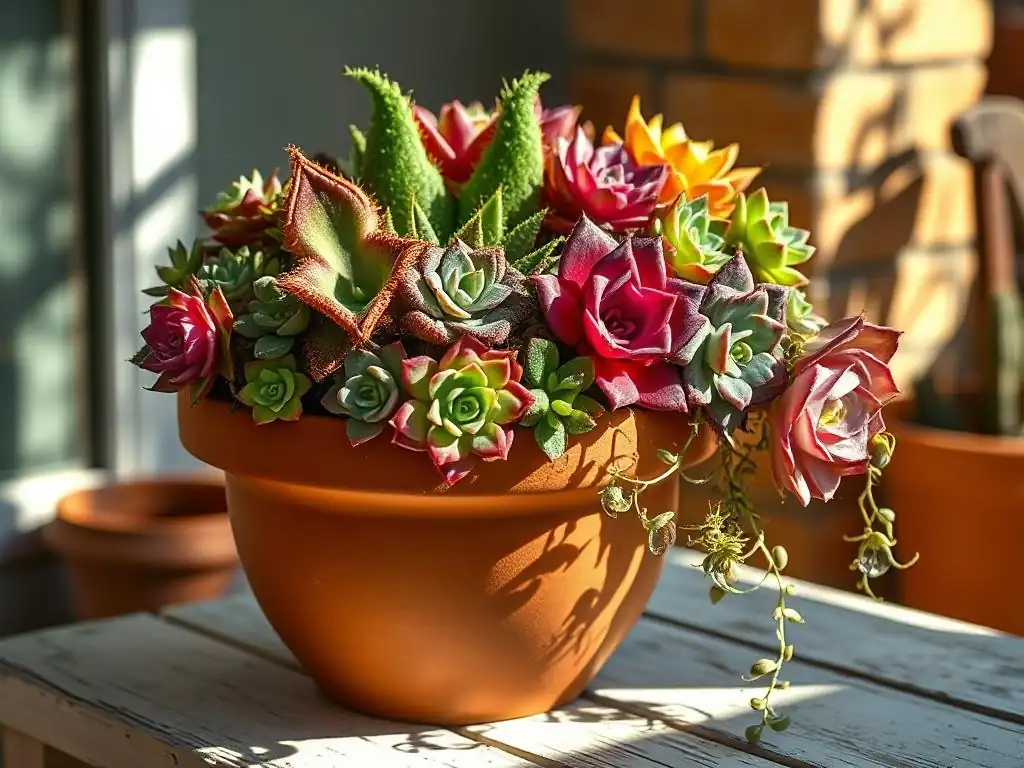
Welcome to SucculentEssentials.org, where the fascinating world of succulents unfolds before you! Are you ready to unlock the secrets to thriving succulents? Discover the best succulent care tips from leading experts, and learn how to transform your space with these resilient beauties. Dive into our curated collection of guides and inspiration to cultivate your own miniature desert paradise – you might be surprised by what you can achieve!
- Top Succulent Care Tips from Leading Influencers
- Advanced Succulent Care Advice from Expert Influencers
- Choosing the Right Succulents for Your Environment and Lifestyle
- Resources and Further Learning: Connecting with the Succulent Community
- Frequently Asked Questions
- Final Reflection: Cultivating Resilience, One Succulent at a Time
- Unleash Your Inner Plant Parent: Nurture Thriving Succulents!
Top Succulent Care Tips from Leading Influencers
Succulents, with their diverse shapes, colors, and remarkable resilience, have captivated plant enthusiasts worldwide. This article delves into the best succulent care tips gleaned from the most trusted influencers in the succulent community. We'll explore essential practices for watering, sunlight exposure, and soil selection, all crucial elements for cultivating healthy and thriving succulents. These tips, gathered from experienced growers and shared by leading voices in the succulent world, will empower you to nurture your collection and enjoy the beauty of these fascinating plants for years to come.
Whether you're a seasoned succulent collector or a curious beginner, understanding these fundamental aspects of succulent care will significantly improve your success rate and enhance your overall succulent-growing experience. Mastering these techniques will transform your succulent journey from a challenging hobby to a rewarding and aesthetically pleasing pastime. Let's dive into the expert advice that will help you achieve succulent success!
Watering Techniques: Avoiding Overwatering and Underwatering
One of the most common mistakes novice succulent growers make is improper watering. Succulents, being adapted to arid climates, store water in their leaves and stems. Overwatering leads to root rot, a fatal condition that quickly decimates the plant. Conversely, underwatering results in shriveled leaves and stunted growth. Leading succulent influencers emphasize the importance of "watering deeply, but infrequently." This means allowing the soil to dry out completely between waterings. The frequency depends on several factors, including the type of succulent, pot size, season, and environmental conditions.
During the growing season (spring and summer), you might water every 1-2 weeks, while during dormancy (fall and winter), watering may be needed only once a month or even less. Always check the soil moisture before watering; stick your finger a couple of inches into the soil—if it's dry, it's time to water. Avoid getting water on the leaves, as this can lead to fungal diseases. Proper drainage is also critical; ensure your pots have drainage holes to prevent waterlogging.
Remember, it's always better to underwater than overwater your succulents. Consistent observation and adapting to your specific environment are key to mastering this crucial aspect of succulent care. Many influencers recommend using a well-draining soil mix and even suggest bottom-watering techniques for better control over moisture levels.
Sunlight Exposure for Optimal Succulent Growth
Sunlight is crucial for succulent growth and overall health. Most succulents thrive in bright, indirect sunlight. Direct sunlight, especially during the hottest parts of the day, can scorch their leaves, leading to sunburn and discoloration. Influencers often recommend placing succulents near a south-facing window (in the Northern Hemisphere) or a north-facing window (in the Southern Hemisphere), but always filtered through a sheer curtain or similar barrier. The intensity and duration of sunlight needed vary depending on the specific succulent species; some prefer more shade than others.
Observe your succulents carefully; signs of sunburn include brown or bleached spots on the leaves. If you notice these signs, move the plant to a slightly shadier location. Conversely, if your succulents appear etiolated (leggy and stretched), they're likely not getting enough light and should be moved to a brighter spot.
During the winter months, when sunlight is less intense, you may need to supplement with grow lights to ensure your succulents receive adequate illumination. Paying close attention to your succulents' response to sunlight is key to helping them thrive and exhibit their vibrant colors and full potential. Understanding the specific light needs of each variety, as advised by leading succulent experts, is fundamental for achieving optimal growth and aesthetics.
Soil Selection: The Perfect Mix for Thriving Succulents
The right soil is paramount for healthy succulent growth. Unlike many other plants, succulents don't tolerate soggy, waterlogged soil. They require a well-draining potting mix that allows excess water to escape easily. Many influencers recommend creating a custom succulent potting mix by blending regular potting soil with perlite, coarse sand, and pumice. This mixture improves drainage and aeration, preventing root rot and ensuring the roots receive enough oxygen.
Avoid using garden soil, as it tends to retain too much moisture. A well-draining soil mix is the foundation for healthy root development, which in turn leads to robust and vibrant succulent growth. The optimal balance of ingredients can vary slightly depending on your climate and the specific types of succulents you’re cultivating, but the principle of excellent drainage remains constant.
Many experts also recommend adding a small amount of organic matter, such as coco coir, to retain some moisture without compromising drainage. Choosing the right soil is a fundamental step in providing your succulents with the ideal environment for thriving. Experimenting with different ratios of ingredients, as suggested by experienced succulent growers, will help you fine-tune the perfect blend for your collection.
Potting and Repotting: Choosing the Right Containers
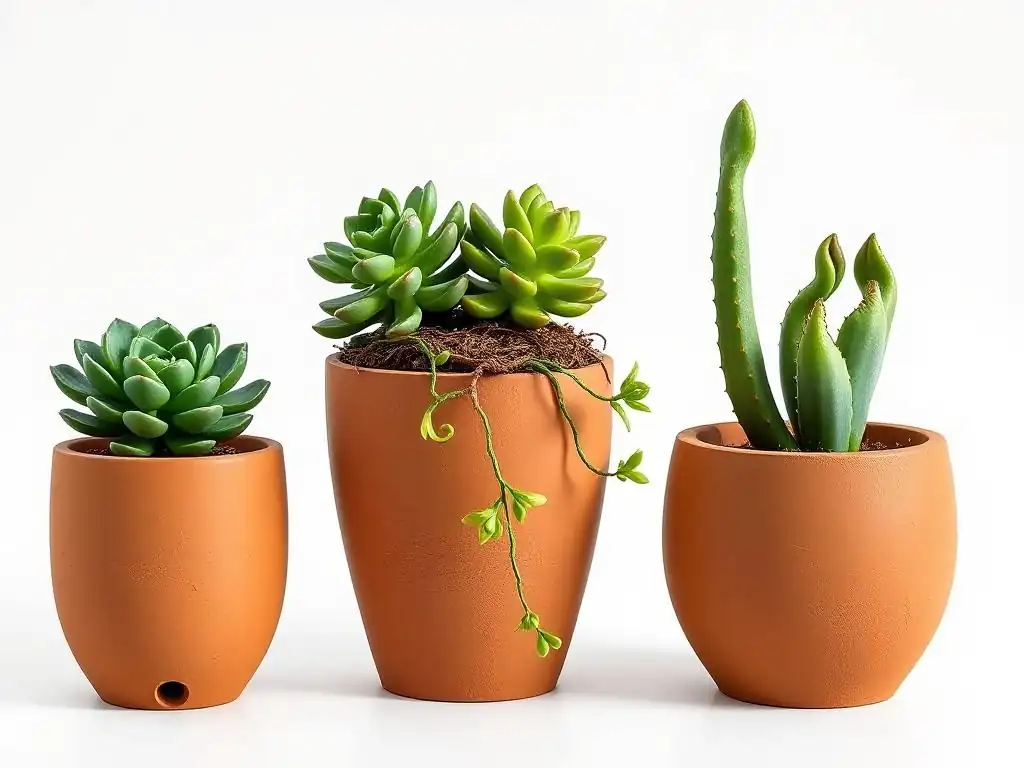
Selecting the appropriate pot is crucial for succulent health and thriving. Many influencers emphasize the importance of well-draining pots, as succulents are prone to root rot in overly moist soil. Terracotta pots are a popular choice because they are porous, allowing excess water to evaporate. However, they also dry out more quickly, requiring more frequent watering. Plastic pots retain moisture longer, which can be beneficial in drier climates or for less experienced succulent owners. The size of the pot is equally important; it should be proportionate to the size of the succulent.
A pot that's too large can lead to overwatering, while a pot that's too small can restrict root growth. Many experts recommend choosing pots with drainage holes to prevent waterlogging. Furthermore, the material of the pot can influence the temperature of the soil, with darker-colored pots absorbing more heat than lighter-colored ones. This is a factor to consider, especially during hotter months. Some influencers even suggest using decorative cache pots over the drainage pots to enhance the aesthetic appeal without compromising drainage.
Remember, the "best" pot is the one that best suits the specific needs of your succulent and your environment. Consider your climate, the type of succulent, and your watering habits when making your selection. Experimentation is key! You might find that certain pot types work better for specific succulents in your collection. Ultimately, proper drainage is paramount for the long-term health of your succulents.
Fertilizing Succulents: Essential Nutrients and Feeding Schedules
Succulents are remarkably low-maintenance plants, but they still benefit from occasional fertilization. However, over-fertilizing can be detrimental, leading to leggy growth and other problems. Many leading succulent influencers advocate for a balanced, diluted fertilizer, specifically formulated for cacti and succulents. A common recommendation is to use a fertilizer with a lower nitrogen content, as high nitrogen can encourage lush, soft growth, making the succulents more susceptible to pests and diseases. The frequency of fertilization also varies depending on the growing season.
Most experts advise fertilizing during the active growing season (spring and summer) and withholding fertilizer during the dormant period (fall and winter). A typical schedule might involve fertilizing every 2-4 weeks during the growing season, using a diluted solution of the recommended fertilizer. Always follow the instructions on the fertilizer packaging, as over-fertilization can be harmful. Some influencers even suggest using organic fertilizers, such as compost tea, to provide essential nutrients to the soil. However, it's crucial to ensure the compost is well-draining to avoid water retention.
Observing your succulents is key; if you notice excessive growth or discoloration, it might be a sign of over-fertilization, and you should adjust your feeding schedule accordingly. Remember, less is often more when it comes to fertilizing succulents. A carefully balanced approach will ensure your succulents receive the nutrients they need without causing harm. Pay attention to the specific needs of each succulent variety, as some might require slightly different fertilization regimens.
Advanced Succulent Care Advice from Expert Influencers
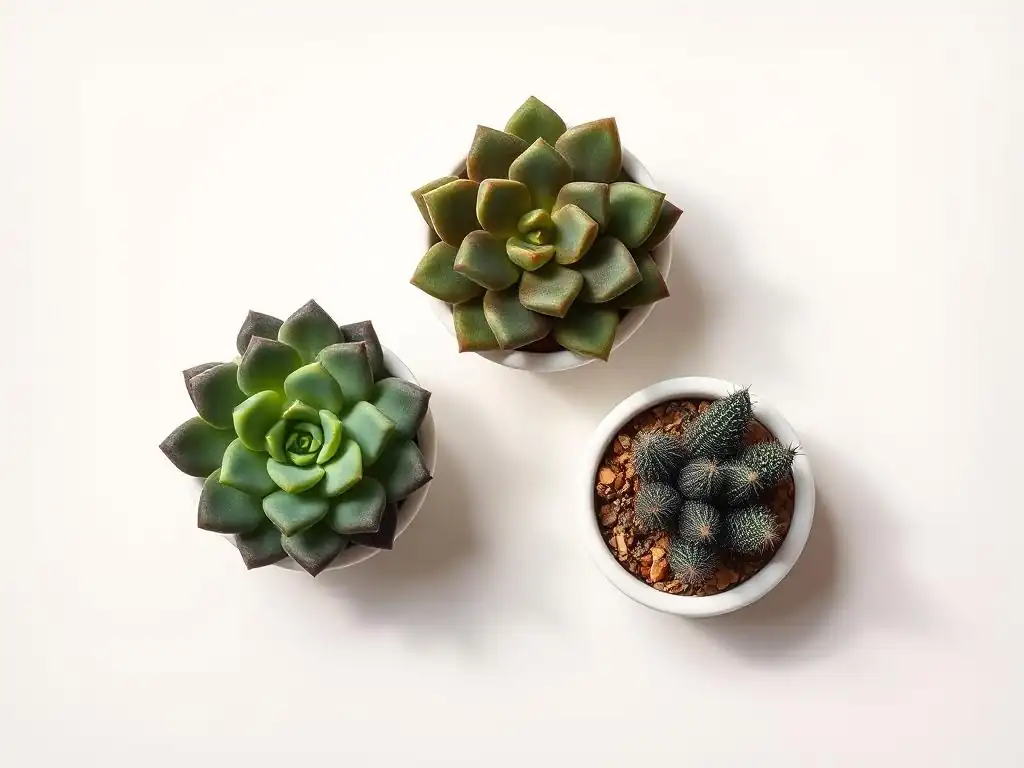
This section delves into the advanced succulent care techniques shared by leading influencers in the succulent community. We'll move beyond the basics, exploring nuanced approaches to pest control, propagation, and arrangement design that will elevate your succulent cultivation to the next level. Mastering these techniques will allow you to achieve optimal plant health and create truly breathtaking displays. Remember, even with the best succulent care tips, consistent observation and adaptation are key to success.
Pest and Disease Prevention: Identifying and Treating Common Problems
Preventing pest and disease infestations is crucial for maintaining healthy succulents. Early detection is key, so regular inspections are paramount. Common pests include mealybugs, aphids, and spider mites. Mealybugs, recognizable by their cottony white masses, can be treated with insecticidal soap or rubbing alcohol applied directly to the affected areas. Aphids, small, soft-bodied insects, often cluster on new growth and can be controlled similarly. Spider mites, tiny arachnids, create fine webbing and can be tackled with miticides or neem oil. Remember to always follow product instructions carefully.
Disease, often stemming from overwatering or poor drainage, can manifest as root rot or fungal infections. Root rot, characterized by mushy, discolored roots, often requires repotting in well-draining soil and careful watering practices. Fungal infections may present as spots or discoloration on leaves; fungicides may be necessary, but improving air circulation can often prevent future occurrences.
Here's a helpful table summarizing common problems and their solutions:
| Problem | Symptoms | Solution | Prevention |
|---|---|---|---|
| Mealybugs | Cottony white masses on stems and leaves | Insecticidal soap, rubbing alcohol | Regular inspection, good air circulation |
| Aphids | Small, soft-bodied insects, often clustered | Insecticidal soap, neem oil | Regular inspection, sticky traps |
| Spider Mites | Fine webbing, yellowing leaves | Miticides, neem oil | Good air circulation, avoid overcrowding |
| Root Rot | Mushy, discolored roots | Repotting in well-draining soil, less water | Proper drainage, avoid overwatering |
| Fungal Infections | Spots, discoloration on leaves | Fungicides, improve air circulation | Good air circulation, avoid overwatering |
Remember to always isolate affected plants to prevent the spread of pests and diseases. Prevention is always better than cure, so maintaining optimal growing conditions is essential for robust plant health. Consistent vigilance and prompt action are your best allies in the fight against succulent pests and diseases.
Propagation Methods: Successfully Growing New Succulents
Propagation is a rewarding aspect of succulent care, allowing you to expand your collection and share your passion. Several methods exist, each with its own advantages and challenges. Leaf propagation is a popular choice, involving carefully detaching healthy leaves and allowing them to callus before planting in well-draining soil. Patience is key; root development can take several weeks. Stem cuttings, taken from healthy stems, are another effective method. Similar to leaf propagation, allowing the cut end to callus before planting is crucial to prevent rot.
Another method, often favored for larger succulents, is division. This involves carefully separating the plant's offsets or pups from the mother plant, ensuring each division has a healthy root system. Replanting these divisions in fresh soil allows for the creation of multiple new plants. Finally, some succulents can be propagated from seeds; however, this method is generally more time-consuming and requires more specific conditions.
Choosing the best method depends on the succulent species and your personal preference. However, regardless of the chosen method, providing the right conditions – well-draining soil, appropriate light, and consistent (but not excessive) watering – is crucial for successful propagation. Experimentation and observation will help you determine the most effective approach for your specific succulent varieties.
Creating Stunning Succulent Arrangements: Design Tips and Ideas
Designing captivating succulent arrangements requires careful consideration of several factors. Plant selection is paramount; choose succulents with varying textures, colors, and growth habits to create visual interest. Consider the overall shape and size of the container, ensuring it provides adequate drainage. Taller succulents can serve as focal points, while smaller varieties can fill in gaps and create layers.
Proper planting techniques are crucial. Use well-draining soil specifically formulated for succulents. Space plants appropriately to allow for growth and avoid overcrowding. Water thoroughly after planting, then allow the soil to dry completely before watering again. Placement is also important; ensure the arrangement receives adequate sunlight, but avoid direct, intense sunlight that could scorch the leaves.
Here are some design ideas to inspire your creativity:
- Terrariums: Create miniature landscapes in glass containers.
- Vertical Gardens: Utilize wall space to create stunning vertical displays.
- Dish Gardens: Arrange succulents in shallow dishes for a low-maintenance option.
- Hanging Baskets: Showcase trailing succulents in hanging baskets for a unique touch.
Remember to consider the aesthetic elements – color combinations, texture contrasts, and overall balance – to create truly stunning succulent arrangements that showcase the beauty and diversity of these fascinating plants. Experiment with different styles and techniques to find your own unique approach to succulent arrangement design.
Overwintering Succulents: Protecting Your Plants During Cold Months
Overwintering succulents successfully requires understanding their specific needs and adapting your care routine to the shorter days and colder temperatures of the winter months. Many succulents are surprisingly hardy, but neglecting their unique requirements during this period can lead to stress, disease, and even plant death. The key is to mimic their natural environment as closely as possible, reducing watering and protecting them from frost.
One crucial aspect is reducing watering frequency. During winter, succulents' metabolic rates slow dramatically, meaning they require significantly less water. Overwatering is a common mistake during winter, leading to root rot, a fatal condition for many succulents. Instead of following a regular watering schedule, check the soil moisture carefully before watering. Only water when the soil is completely dry, usually much less frequently than during the growing season. The soil should be well-draining to prevent waterlogging.
Next, protection from frost and freezing temperatures is paramount. While some succulents tolerate light frost, prolonged exposure to freezing temperatures can cause irreversible damage. Depending on your climate and the hardiness of your succulents, you may need to bring your plants indoors, into a greenhouse, or at least provide them with some protection from the elements. This could involve covering them with frost cloth, moving them to a sheltered location, or bringing them inside to a bright, cool location. Avoid placing them near heating vents, which can dry them out excessively.
Furthermore, light is still crucial, even during winter. While the days are shorter, succulents still need ample sunlight to photosynthesize, albeit at a slower rate. If you bring your plants indoors, ensure they receive as much natural light as possible. A south-facing window is ideal, but supplementary grow lights might be necessary in particularly dark conditions. Monitor your plants closely for signs of etiolation (leggy growth due to insufficient light), adjusting their position or adding supplemental lighting as needed. Rotating your plants regularly ensures even light exposure.
Finally, monitor for pests and diseases. Winter can weaken succulents, making them more susceptible to infestations. Regularly inspect your plants for signs of pests such as mealybugs or aphids, and treat any infestations promptly. Good air circulation helps prevent fungal diseases. Maintaining a clean and well-ventilated environment is crucial for their health throughout the winter months. Remember, proactive care is key to ensuring your succulents thrive even during the coldest months. By paying attention to these details, you can successfully overwinter your succulent collection and enjoy their beauty year-round.
Choosing the Right Succulents for Your Environment and Lifestyle
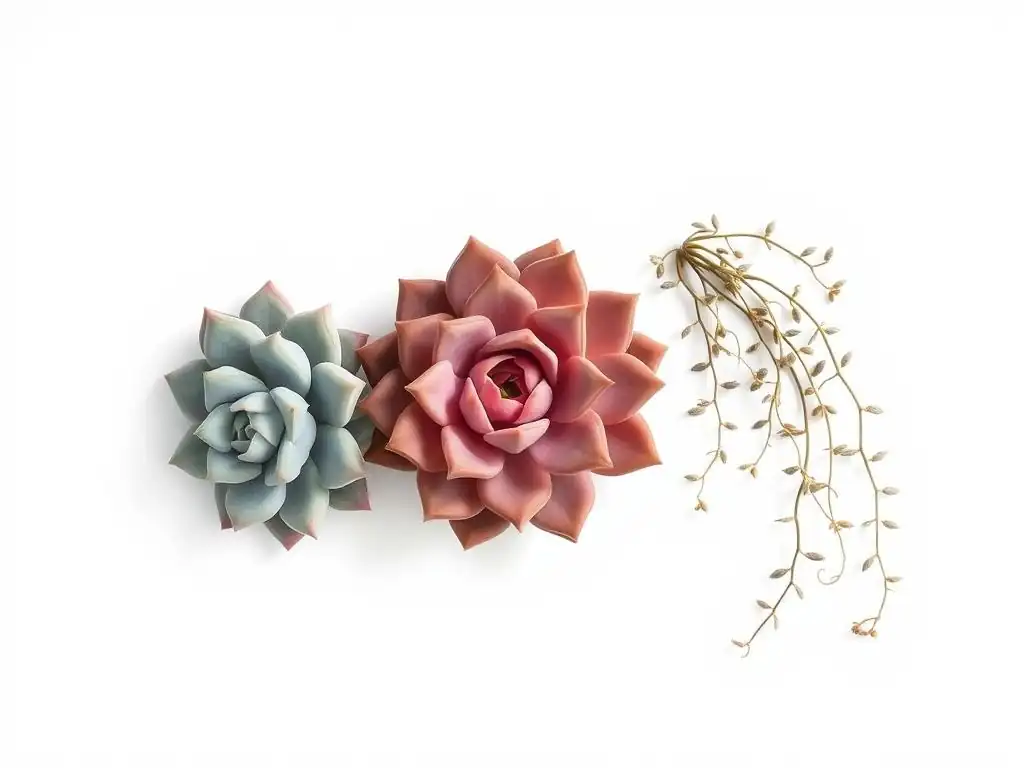
Selecting the perfect succulents hinges on understanding your environment and lifestyle. Not all succulents thrive in the same conditions, and choosing wisely prevents frustration and plant loss. This section explores how to match succulents to your specific circumstances, ensuring healthy growth and vibrant displays. Mastering this selection process is key to achieving the best succulent care.
Succulent Varieties for Beginners: Easy-to-Care-For Options
For those new to succulent cultivation, starting with easy-to-care-for varieties is crucial. These forgiving plants offer a gentle introduction to the world of succulents, building confidence and paving the way for more challenging species later. Some excellent beginner options include:
- Echeveria: Known for their rosette shapes and wide color variations, Echeverias are remarkably tolerant of slight neglect. They are relatively drought-tolerant and prefer bright, indirect light.
- Sedum: A diverse genus offering a range of textures, colors, and growth habits. Many Sedum varieties are extremely hardy and can withstand a wider range of conditions than other succulents.
- Haworthia: These compact succulents are perfect for small spaces and often feature interesting textures and patterns on their leaves. They are relatively low-maintenance and tolerate less sunlight than some other types.
Remember, even easy-to-care-for succulents benefit from proper watering and well-draining soil. Avoid overwatering, a common mistake among beginners, which can lead to root rot. Consistent, yet infrequent watering is key. Regular inspection for pests is also recommended. With minimal effort, these succulents can reward you with years of beauty.
Low-Maintenance Succulents for Busy Individuals
Life gets hectic, but that shouldn't mean sacrificing your succulent hobby. Several low-maintenance succulents are ideal for busy individuals who may not have ample time for daily tending. These resilient plants can tolerate some neglect and still thrive. Examples include:
- Sempervivum (Hens and Chicks): These incredibly hardy succulents are practically indestructible. They tolerate drought, temperature fluctuations, and even some frost. Their ability to propagate easily through offsets makes them perfect for effortless expansion of your collection.
- Dudleya: These succulents often have thick, fleshy leaves and can endure periods of dryness. They are well-suited for those who might occasionally forget to water.
- Aloe Vera: While known for its medicinal properties, Aloe Vera is also a low-maintenance succulent that thrives on neglect and bright, indirect sunlight.
These selections require minimal intervention, making them perfect for busy lifestyles. A monthly deep watering, coupled with occasional fertilization during the growing season, is usually sufficient to maintain their health and vibrancy. Even with infrequent attention, these succulents will reward you with their striking appearance. This is a great strategy for those seeking the best succulent care tips for a busy schedule.
Unique and Rare Succulents: A Collector's Guide
For the serious succulent enthusiast, the hunt for rare and unique varieties adds another layer of enjoyment. These plants often demand more specialized care, but the reward of owning a rare specimen is immense. Consider these factors when collecting unique succulents:
- Specific Light Requirements: Many rare succulents have very specific light needs, often requiring more intense sunlight or filtered shade. Understanding these needs is crucial for success.
- Soil Composition: The precise soil mixture is often critical for rare succulents. Using a specialized blend tailored to the specific plant can significantly impact its growth and health.
- Watering Frequency: Some rare succulents are extremely sensitive to overwatering, necessitating careful monitoring of soil moisture.
| Succulent Type | Difficulty Level | Light Requirements | Watering Frequency |
|---|---|---|---|
| Haworthiopsis attenuata | Intermediate | Bright, indirect light | Infrequent |
| Conophytum | Advanced | Full sun | Very infrequent |
| Lithops | Advanced | Full sun | Very infrequent |
Cultivating rare succulents requires patience, attention to detail, and a willingness to adapt your care practices to the specific needs of each plant. While challenging, the satisfaction of successfully growing these unique specimens is unparalleled. This dedication reflects a true passion for achieving the best succulent care.
Resources and Further Learning: Connecting with the Succulent Community
This section provides valuable resources to deepen your knowledge and connect with fellow succulent enthusiasts. Learning about succulent care is a journey, and engaging with the community can significantly enhance your experience. From online influencers to local clubs, there's a wealth of information and support available to help you thrive in your succulent journey. Mastering the art of succulent care involves continuous learning, and these resources will be your steadfast companions.
Top Succulent Influencer Accounts to Follow
Staying updated on the latest succulent care techniques and trends is crucial. Many talented influencers generously share their expertise online. Following these accounts provides access to diverse perspectives, innovative ideas, and a supportive community. Remember to engage with these influencers by asking questions and sharing your own experiences! This fosters a collaborative learning environment. Here are a few examples of accounts known for their reliable and informative content on succulent care:
- Instagram: Many Instagram accounts dedicated to succulents offer stunning visuals alongside practical advice. Look for accounts with high-quality images and videos demonstrating various care techniques, propagation methods, and creative arrangement ideas. Search for hashtags like #succulentcare, #succulentsofinstagram, and #succulentpropagation to find a wealth of accounts. Pay attention to the consistency of their posts and the engagement levels in the comments section. A high level of interaction suggests a thriving and helpful community.
- YouTube: YouTube channels provide a platform for visual learners. Look for channels that offer detailed tutorials on repotting, watering, and troubleshooting common succulent problems. High-quality videos with clear instructions and engaging presentation are key indicators of a reliable resource. Search for terms like "succulent care tutorial," "succulent propagation guide," and "succulent arrangement ideas."
- TikTok: While known for short-form videos, TikTok can be a surprisingly valuable resource for succulent care. Many creators use the platform to share quick tips, time-lapses of growth, and creative succulent-related crafts. Look for accounts that emphasize practical advice and clear demonstrations.
Remember to critically evaluate the information you find online. Not all sources are created equal. Prioritize accounts that cite their sources, offer evidence-based advice, and engage constructively with their audience.
Recommended Books and Websites for Succulent Enthusiasts
Beyond social media, numerous books and websites offer in-depth information on succulent care. These resources provide a more structured and comprehensive approach to learning, often covering a wider range of topics than individual posts. Consider these resources as valuable additions to your learning journey:
- Books: Look for books by recognized experts in the field of horticulture or succulent cultivation. These books often contain detailed information on various succulent species, their specific care requirements, and troubleshooting common problems. Check reviews to gauge the quality and usefulness of each book.
- Websites: Several websites are dedicated to succulents, offering articles, guides, and forums for discussions. Look for websites with regularly updated content, detailed information, and a strong community aspect. Reliable websites often cite their sources and provide evidence-based information. Be mindful of the age of the information; older content might not reflect the latest research or best practices.
These resources provide a more structured approach compared to the often-fleeting nature of social media. They offer a deeper dive into specific aspects of succulent care, often with detailed explanations and visual aids.
Local Succulent Societies and Clubs
Connecting with a local succulent society or club offers invaluable opportunities for hands-on learning, networking with experienced enthusiasts, and access to specialized resources. These groups often organize workshops, plant swaps, and field trips, providing a rich learning environment. The personal interaction and shared passion within these groups can be incredibly rewarding.
- Finding Local Groups: Search online for "succulent society [your city/region]" or "cactus and succulent club [your city/region]". Many groups have websites or social media pages where you can find meeting details and contact information.
- Benefits of Joining: Membership often provides access to expert advice, plant exchanges, and opportunities to expand your succulent collection responsibly. These groups are great places to ask questions, learn from others' experiences, and build connections within the succulent community.
Participating in these local communities can significantly enhance your learning experience, transforming it from a solitary pursuit into a shared passion. This fosters a supportive environment where you can learn, share, and grow your love for succulents.
Frequently Asked Questions
What is the most important aspect of succulent care?
The most crucial aspect is proper watering. Avoid overwatering, which leads to root rot. Allow the soil to dry out completely between waterings.
How much sunlight do succulents need?
Most succulents thrive in bright, indirect sunlight. A few hours of direct morning sun is beneficial, but avoid harsh afternoon sun, which can scorch their leaves.
What type of soil is best for succulents?
Use a well-draining soil mix specifically formulated for cacti and succulents. This prevents waterlogging and ensures proper aeration for the roots.
How often should I fertilize my succulents?
Fertilize your succulents sparingly, only during their growing season (spring and summer). Use a balanced, diluted liquid fertilizer.
How do I propagate succulents?
Succulents are easily propagated through leaf cuttings or stem cuttings. Simply allow the cuttings to callous over before planting them in well-draining soil.
Final Reflection: Cultivating Resilience, One Succulent at a Time
The art of succulent care, as explored through the wisdom of leading influencers, transcends mere plant maintenance; it's a potent metaphor for navigating life's challenges. These seemingly resilient plants, thriving in harsh conditions, offer valuable lessons in adaptability and perseverance, qualities increasingly vital in our fast-paced world. Their quiet strength mirrors our own capacity to endure and flourish, even amidst adversity.
The enduring appeal of succulents lies not only in their aesthetic beauty but also in the sense of accomplishment and calm they bring. Their unassuming nature belies a deep resilience, a quality that resonates deeply with many. As one influencer aptly stated, Succulents teach us patience, the importance of finding the right balance, and the beauty of slow, steady growth.
This sentiment speaks to a broader cultural shift towards mindful living and a deeper appreciation for the simple joys found in nurturing life, no matter how small. The trend reflects a growing desire for connection with nature and a yearning for tangible, manageable forms of self-care.
Now, consider your own life. What aspects of your personal landscape require the same careful attention and nurturing that we've explored in the context of succulent care? What challenges can you approach with the same patience and resilience demonstrated by these remarkable plants? I invite you to embrace the lessons learned here, to cultivate your own inner strength, and to find beauty and purpose in the journey of growth, just as you would nurture a thriving succulent collection. Let the quiet strength of these little plants inspire you to bloom where you are planted.
Unleash Your Inner Plant Parent: Nurture Thriving Succulents!
Thank you for joining us on this succulent journey! We hope you've gained valuable insights and feel more confident in your gardening abilities. Now it's time to put your new knowledge into practice.
- Craft your perfect succulent arrangement: Use what you’ve learned to design a stunning display, showcasing your favorite varieties and colors. This is your chance to express your creativity!
- Share your succulent success: Show off your thriving plants on social media using #SucculentEssentials and inspire others!
- Explore further: Discover more about the fascinating world of succulents by exploring our other articles on SucculentEssentials.org—we promise more amazing tips!
Ready to transform your space into a miniature succulent paradise? What unique arrangement will you create first?