
Succulents as Teachers: Lessons from the Plant Kingdom

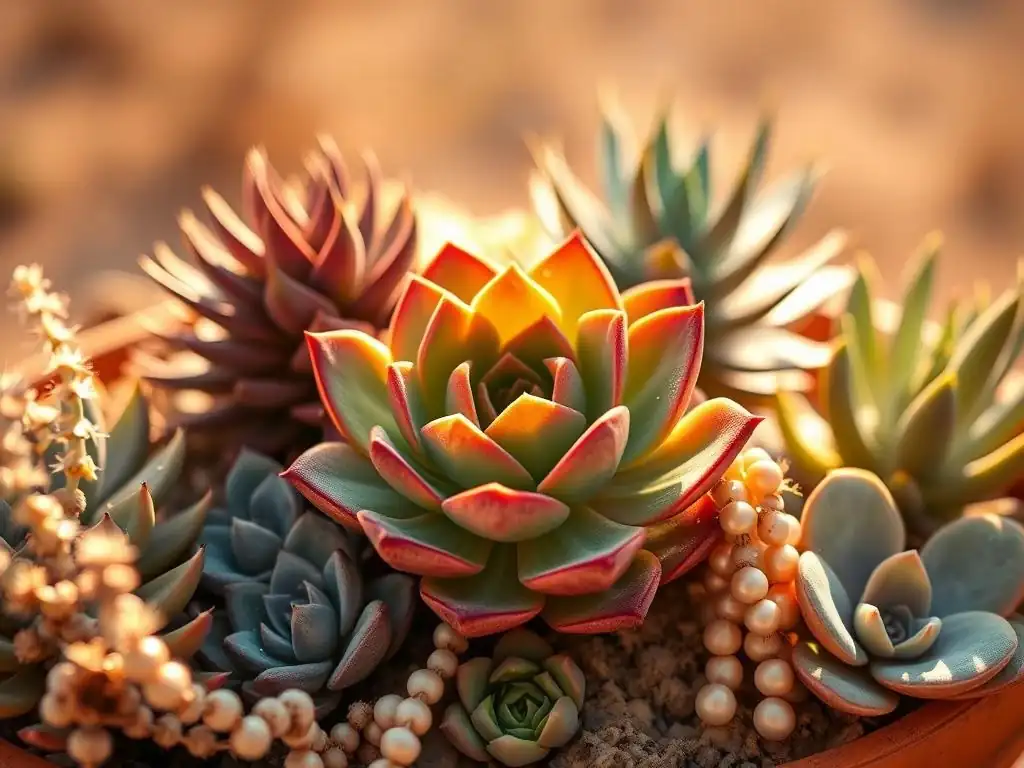
Welcome to SucculentEssentials.org, where the fascinating world of succulents unfolds before you! Prepare to be captivated by the resilience and beauty of these remarkable plants. But there's more than meets the eye; discover how these seemingly simple beings offer profound Succulent plant life lessons—uncovering surprising insights into nature's wisdom and inspiring a deeper connection with the plant kingdom. Dive in and unlock the secrets to thriving succulent care, stunning arrangements, and a whole lot more!
- Succulent Plant Life Lessons: Resilience and Adaptation
- The Wisdom of Water Conservation: Learning from Succulent Hydration Strategies
- Succulent Plant Life Lessons: The Art of Minimalism
- The Symbolic Meaning of Succulents: Cultural Interpretations and Folklore
- Integrating Succulent Plant Life Lessons into Daily Life
- Frequently Asked Questions
- Final Reflection: The Enduring Wisdom of Succulents
- Unleash Your Inner Gardener: Cultivate Your Succulent Journey
Succulent Plant Life Lessons: Resilience and Adaptation
Succulents, with their striking beauty and remarkable resilience, offer far more than just aesthetic appeal. These fascinating plants, encompassing a vast array of species from the Crassulaceae family and beyond, serve as potent symbols of adaptation and perseverance, providing valuable life lessons applicable far beyond the horticultural realm. This article delves into the unique characteristics of several succulent species, highlighting the profound wisdom embedded within their survival strategies.
We'll explore how their ability to thrive in harsh conditions, adapt to changing environments, and patiently cultivate growth translates into powerful metaphors for navigating life's challenges. Understanding the "succulent plant life lessons" reveals a deeper appreciation for these remarkable organisms and inspires us to embrace similar qualities in our own lives.
The journey from tiny cutting to thriving plant mirrors our own personal growth, teaching us about patience, resourcefulness, and the beauty of slow, steady progress. Let's embark on this exploration of succulent wisdom, discovering how these seemingly simple plants hold the key to unlocking profound life lessons.
Thriving in Arid Conditions: Understanding Drought Tolerance in Sedum morganianum
The Sedum morganianum, also known as Burro's Tail, is a prime example of succulent resilience. Its long, trailing stems, adorned with plump, teardrop-shaped leaves, are a testament to its remarkable ability to conserve water. This succulent's success in arid environments stems from several key adaptations. Firstly, its leaves are thick and fleshy, acting as water storage reservoirs.
This adaptation allows the plant to endure prolonged periods of drought without wilting. Secondly, the Sedum morganianum possesses a specialized type of photosynthesis called CAM (Crassulacean Acid Metabolism). Unlike most plants that open their stomata (tiny pores on leaves) during the day for gas exchange, Sedum morganianum opens its stomata at night, minimizing water loss through transpiration. This ingenious mechanism allows the plant to efficiently capture carbon dioxide while conserving precious water.
Finally, the plant's shallow root system quickly absorbs any available moisture after infrequent rainfall, maximizing its water uptake. Observing the Sedum morganianum's triumph in harsh conditions teaches us the importance of resourcefulness and the power of adapting to limited resources. Just like the plant cleverly conserves water, we too can learn to make the most of what we have, prioritizing efficiency and mindful resource management.
Adapting to Change: Echeveria’s Response to Temperature Fluctuations
Echeveria succulents, with their rosette-shaped leaves and diverse colors, showcase remarkable adaptability to fluctuating temperatures. While many succulents thrive in consistently warm climates, Echeveria species demonstrate a surprising resilience to temperature variations. They can tolerate both mild frosts and intense heat, though extreme conditions can cause stress. This adaptability is partly due to their ability to adjust their metabolic processes based on temperature changes.
During periods of extreme heat, Echeveria plants may slow down their growth to conserve energy and water. Conversely, in milder conditions, they exhibit faster growth rates. Furthermore, the thick, waxy coating (cuticle) on their leaves provides protection against both intense sunlight and frost.
The Echeveria's ability to thrive across a range of temperatures underscores the importance of flexibility and adaptability in the face of changing circumstances. Just as the Echeveria adjusts its strategies to survive temperature fluctuations, we, too, can learn to be flexible and adjust our approach to life's varying challenges. Embracing change and adapting to new situations are crucial for navigating the complexities of life successfully.
The Power of Patience: Slow Growth and Long-Term Rewards in Aloe vera Cultivation
The Aloe vera plant, renowned for its medicinal properties, exemplifies the power of patience and the rewards of long-term commitment. Unlike fast-growing plants, Aloe vera exhibits a slower growth rate, requiring time and consistent care to reach maturity. However, this slow but steady growth pattern is precisely what makes the Aloe vera plant so resilient and ultimately rewarding.
The plant's slow development allows it to build a strong root system and accumulate essential nutrients, making it more resistant to disease and stress. Furthermore, the time investment required for cultivation fosters a deeper connection between the grower and the plant, promoting a sense of appreciation for the natural world and the process of growth itself. The Aloe vera's journey from a small sapling to a mature plant, capable of yielding its healing gel, serves as a powerful reminder that patience and perseverance are key to achieving long-term goals.
The rewards of consistent effort and dedication may not be immediate, but the eventual outcome is often far more fulfilling and meaningful. Just like tending to an Aloe vera plant, nurturing our own goals requires patience, consistent effort, and a belief in the eventual payoff.
The Wisdom of Water Conservation: Learning from Succulent Hydration Strategies
Succulents, with their remarkable ability to thrive in arid and semi-arid environments, offer profound lessons in water conservation. Their survival strategies, honed over millennia of adaptation, provide valuable insights applicable far beyond the horticultural realm. The "Succulent plant life lessons" we can glean are surprisingly relevant to our own efforts towards sustainable living and resource management. This section will explore specific examples, highlighting the ingenious mechanisms these plants employ to maximize water uptake and minimize water loss. Understanding these adaptations can inspire innovative solutions for efficient water use in various contexts.
Efficient Water Uptake: Root Systems and Water Absorption Techniques in Lithops
Lithops, also known as "living stones," exemplify the principle of efficient water uptake. Their unique morphology, perfectly camouflaged to resemble pebbles, is complemented by a specialized root system. Unlike many plants with extensive, shallow root systems, Lithops possess a taproot that penetrates deep into the soil, accessing groundwater sources unavailable to surface-dwelling plants. This adaptation allows them to survive prolonged periods of drought.
Furthermore, their root hairs are particularly efficient at absorbing even minimal amounts of moisture from the soil. This efficient absorption is crucial for their survival in harsh, water-scarce environments. The following table summarizes the key differences between Lithops root systems and those of other succulents:
| Feature | Lithops | Other Succulents (e.g., Echeveria) |
|---|---|---|
| Root Type | Deep taproot | Often shallow, fibrous root systems |
| Root Hair Density | High | Variable, generally lower than Lithops |
| Water Absorption | Highly efficient, even in dry conditions | Less efficient in extreme drought |
The design of the Lithops root system serves as a model for improving water harvesting techniques in agriculture. Research into their root anatomy and physiology could lead to the development of drought-resistant crops better suited to arid regions.
Water Storage Mechanisms: Understanding Succulent Morphology in Agave americana
The Agave americana, a majestic succulent with thick, fleshy leaves, showcases impressive water storage capabilities. Its leaves are not merely aesthetically pleasing; they are highly specialized water reservoirs. The leaves' structure, composed of parenchyma cells with large vacuoles, allows for significant water accumulation. These vacuoles act like tiny bladders, storing water for extended periods. The thick, waxy cuticle covering the leaves further minimizes water loss through transpiration. This combination of efficient water storage and reduced water loss is key to the Agave americana's resilience in harsh conditions. 🌿
Furthermore, the Agave americana's morphology reflects a broader principle of succulent design: maximizing surface area for photosynthesis while minimizing surface area for transpiration. The leaves' orientation and shape are optimized to capture sunlight efficiently while reducing the exposure of their surfaces to the drying effects of sun and wind. These features are critical for long-term survival in arid climates. The succulent's ability to store water for months, even years, in its leaves demonstrates a powerful survival mechanism.
Sustainable Practices: Applying Succulent Water Wisdom to Household Irrigation
The remarkable adaptability of succulents offers valuable lessons in water conservation for households. By observing their strategies, we can optimize our own irrigation practices and reduce our water footprint. The key principles to emulate include:
- Deep watering, less frequently: Instead of frequent, shallow watering, mimic the Lithops' deep taproot by providing infrequent but thorough watering that reaches the plant's roots. This encourages deeper root growth and improves drought tolerance.
- Water-wise landscaping: Choosing drought-tolerant plants, including succulents, for landscaping significantly reduces the need for irrigation. This approach not only conserves water but also reduces the need for fertilizers and pesticides, contributing to a more sustainable environment.
- Soil selection: Using well-draining soil, like cactus potting mix, prevents waterlogging and promotes healthy root development, mirroring the conditions that succulents thrive in. This reduces the risk of root rot and optimizes water absorption.
By adopting these strategies, inspired by the ingenious water management of succulents, we can contribute towards a more sustainable and water-conscious lifestyle. The "Succulent plant life lessons" extend beyond the garden, offering valuable insights for responsible resource management in our homes and beyond. 💧
Succulent Plant Life Lessons: The Art of Minimalism
This section explores how succulents, particularly their cultivation and aesthetic qualities, embody the principles of minimalism. We'll examine specific succulent species to illustrate the lessons they offer on embracing simplicity and finding beauty in restraint. Understanding these "succulent plant life lessons" can translate into a more mindful and fulfilling approach to both plant care and life itself. The core concept of "succulent plant life lessons" focuses on the parallels between succulent survival strategies and valuable life lessons.
Minimalist Aesthetics: The Beauty of Simplicity in Haworthia Design
The Haworthia genus, with its striking rosette formations and intricate leaf textures, exemplifies minimalist aesthetics in the plant world. These succulents often feature subdued color palettes, relying on subtle variations in shades of green, grey, and brown to create visual interest. Their compact growth habit further contributes to their minimalist appeal. Unlike sprawling plants that demand significant space, Haworthia plants remain relatively small, fitting seamlessly into even the most compact living spaces. This inherent compactness is a core element of their minimalist charm, demanding less space and resources.
Consider the Haworthia attenuata, with its distinctive white tubercles covering its leaves. The simplicity of this design, far from being boring, is captivating. Each tubercle is a tiny detail contributing to the overall textured surface, creating a miniature landscape on each leaf. This showcases how less can indeed be more; the plant's beauty lies in its understated elegance and the intricate details of its simplicity. The lesson here is to appreciate the beauty found in subtle details and restrained design, avoiding an excess of ornamentation.
Contentment with Less: Learning from Succulents' Resourcefulness in Conophytum
Conophytum succulents, often called "button succulents," are masters of resourcefulness. Their small, compact bodies and ability to thrive in harsh conditions teach us the value of contentment with less. These plants, native to arid regions, have adapted to survive with minimal water and nutrients. Their slow growth and infrequent watering requirements demonstrate a powerful lesson in patience and appreciating the slow unfolding of life's processes. This aligns directly with the concept of "succulent plant life lessons" by highlighting the importance of resourcefulness and adaptation.
The Conophytum species demonstrates a remarkable ability to store water within their leaves, allowing them to endure long periods of drought. This resilience teaches us to make the most of what we have and to be resourceful in the face of scarcity. Their ability to thrive in seemingly inhospitable environments underscores the idea that happiness and fulfillment aren't dependent on an abundance of resources but rather on our ability to adapt and appreciate what is available. This resilience is a key aspect of the "succulent plant life lessons" we can learn.
Embracing Imperfection: The Natural Beauty of Imperfect Growth in Crassula ovata
The Crassula ovata, or Jade plant, is a popular succulent known for its resilience and longevity. However, even this hardy plant can develop imperfections over time – scars from past injuries, uneven growth patterns, or slightly misshapen leaves. These imperfections, far from detracting from their beauty, often add character and tell a story of the plant's journey. This mirrors a key aspect of the "succulent plant life lessons" theme.
Instead of striving for unrealistic perfection, the Crassula ovata teaches us to embrace the natural imperfections of life. Its scars are a testament to its resilience and ability to overcome challenges. Similarly, the uneven growth patterns highlight the uniqueness of each individual plant, just like the uniqueness of each human being. The lesson here is to accept our own imperfections and appreciate the beauty of individuality and the stories our lives tell through the marks of time and experience. The natural beauty of an imperfect Crassula ovata is a powerful symbol of this valuable life lesson. 🌱
The Symbolic Meaning of Succulents: Cultural Interpretations and Folklore
Succulents, with their diverse forms and remarkable resilience, hold a significant place in various cultures worldwide. Their ability to thrive in harsh conditions has imbued them with symbolic meaning, often representing strength, perseverance, and even immortality. Understanding these cultural interpretations enriches our appreciation of succulents, extending beyond their aesthetic appeal to encompass their deeper cultural significance.
This section will explore how different societies have woven succulents into their folklore, traditions, and symbolic language, offering a glimpse into the rich tapestry of succulent plant life lessons. The study of these cultural interpretations provides a unique lens through which to understand the enduring relationship between humans and the natural world, highlighting the profound impact plants have on our lives.
Succulents in Different Cultures: Symbolic Representations in Mexican and Japanese Cultures
The symbolic meaning of succulents varies significantly across different cultures. In Mexico, certain succulent species are deeply intertwined with local traditions and beliefs. For example, [Specific Mexican succulent and its associated meaning pending], reflecting the region's rich history and connection with the natural environment.
The use of succulents in traditional Mexican medicine further underscores their cultural importance. Conversely, in Japan, succulents often symbolize resilience and adaptation, mirroring the country's own history of overcoming adversity. The meticulous art of bonsai, while not exclusively featuring succulents, often incorporates similar principles of patience, careful cultivation, and appreciation for the slow, natural growth process, reflecting a philosophical approach that resonates with succulent care.
The miniature landscapes created in Japanese gardens often feature drought-tolerant plants, highlighting an appreciation for aesthetics that mirrors the beauty and unique characteristics of succulents. The careful selection and placement of each plant underscores the significance of balance and harmony, much like the careful attention required for successful succulent cultivation.
Succulents as Symbols of Resilience: Sedum as a Symbol of Perseverance
The genus Sedum, encompassing a vast array of succulents, frequently symbolizes perseverance and resilience due to its ability to thrive in diverse and often challenging environments. These plants, often found clinging to rocky outcrops or surviving in arid conditions, embody the spirit of enduring hardship. Their capacity to withstand drought and extreme temperatures makes them potent symbols of strength and the ability to overcome adversity.
The Sedum morganianum (Burro's Tail), for example, with its cascading stems and delicate leaves, visually represents this tenacious spirit. Its ability to propagate easily from cuttings further reinforces the idea of enduring growth and renewal, representing the cyclical nature of life and the ability to regenerate after setbacks.
The symbolism of Sedum extends beyond its physical attributes; it serves as a reminder of our own capacity for resilience in the face of life's challenges. This plant, therefore, offers a powerful and visually striking succulent plant life lesson.
Succulent Folklore and Mythology: Legends and Stories Associated with Aloe vera
Aloe vera, while not strictly a succulent in the strictest botanical sense, is often included in discussions of succulents due to its similar growth habits and cultural significance. Its rich history is interwoven with folklore and mythology, particularly in ancient civilizations. Ancient Egyptians revered Aloe vera for its medicinal properties and considered it a symbol of immortality, associating it with their gods and using it in various rituals.
Similarly, in many cultures, Aloe vera is deeply associated with healing and purification, representing the power of nature to restore balance and well-being. These legends and stories, passed down through generations, highlight the enduring relationship between humans and plants, showcasing the profound impact of Aloe vera, and by extension other succulents, on our cultural landscape.
These historical and cultural narratives surrounding Aloe vera provide a captivating example of succulent plant life lessons, demonstrating the enduring power of nature and its influence on human societies. The plant's long-standing presence in medicinal traditions and cultural beliefs speaks volumes about its value and symbolic significance.
Integrating Succulent Plant Life Lessons into Daily Life
Succulents, with their remarkable resilience and understated beauty, offer more than just aesthetic appeal. They serve as potent symbols, embodying valuable life lessons that can enrich our daily experiences. By observing their growth cycles and care requirements, we can glean profound insights into cultivating mindfulness, embracing adaptability, and appreciating the simple joys in life.
This section explores how the seemingly simple act of caring for succulents can translate into significant personal growth and a deeper connection with the natural world. The very essence of succulent plant life lessons lies in their quiet strength and unwavering ability to thrive even under challenging circumstances.
Mindfulness and Patience: Cultivating a Slower Pace of Life through Succulent Care
The meticulous care required for succulents—from precise watering schedules to ensuring optimal sunlight exposure—naturally fosters mindfulness. Each interaction becomes an opportunity to slow down, observe, and appreciate the subtle nuances of the plant's growth. Unlike fast-growing plants demanding constant attention, succulents encourage a more deliberate, patient approach. This mindful engagement extends beyond the physical act of tending to the plants. It cultivates a sense of presence and calm, allowing us to appreciate the slow unfolding of life's processes.
For example, the seemingly simple act of inspecting a succulent for signs of overwatering or underwatering demands careful observation and a quiet attentiveness. The subtle changes in leaf color, texture, and turgor pressure become indicators of the plant's overall health, requiring patience and careful adjustments to its care regimen. This practice of patient observation translates directly into our daily lives, encouraging us to approach challenges with a measured response rather than impulsive reactions.
It's about recognizing the small details and appreciating the gradual progress, rather than demanding immediate results. The slow, steady growth of a succulent mirrors the gradual unfolding of personal growth and the achievement of long-term goals.
Succulents are masters of adaptation. They thrive in arid environments, enduring periods of drought and intense sunlight with remarkable resilience. Their ability to store water in their leaves and stems serves as a powerful metaphor for our capacity to overcome life's challenges. Just as succulents conserve resources and adapt to harsh conditions, we too can learn to navigate difficult times by developing strategies for resilience and resourcefulness.
Consider the Echeveria genus, known for its ability to withstand extreme temperature fluctuations and limited water availability. These succulents demonstrate the importance of flexibility and resourcefulness. When faced with adversity, they don't simply wither; they adapt, conserving energy and utilizing available resources efficiently.
This adaptability can inspire us to develop similar strategies in our own lives. When confronted with setbacks, we can learn to conserve our energy, prioritize our resources, and adjust our approach to overcome obstacles, much like the resourceful succulent. This resilience, observed in the succulent plant life lessons, is a powerful reminder of our own inner strength and capacity for growth even in the face of adversity.
Appreciating Simplicity: Finding Joy in the Everyday through Succulent Observation
The beauty of succulents lies in their unassuming simplicity. Their elegant forms and vibrant colors provide a quiet visual pleasure, reminding us to find joy in the everyday. The intricate details of their leaves, the subtle variations in color, and the satisfying texture of their surfaces offer a rich sensory experience that can ground us in the present moment. This appreciation for simplicity extends beyond the visual; it encourages a mindful awareness of the small joys and quiet moments that often go unnoticed in our fast-paced lives.
Observing the subtle changes in a succulent's growth—a new leaf unfolding, a flower bud emerging—can bring a sense of peace and contentment. This simple act of appreciation cultivates gratitude for the natural world and the beauty that surrounds us, even in the most unexpected places.
The succulent plant life lessons emphasize that profound joy can be found not in grand gestures or extravagant displays, but in the quiet appreciation of the simple, everyday wonders of life. This mindful observation fosters a deeper sense of connection with nature and a greater appreciation for the beauty that surrounds us, enriching our daily lives with a sense of calm and contentment.
Frequently Asked Questions
What life lessons can succulents teach us about resilience?
Succulents teach us about adaptability and persistence. Their ability to thrive in harsh conditions highlights the importance of finding strength in adversity and adjusting to changing circumstances. This mirrors the importance of flexibility in our own lives.
How do succulents demonstrate the importance of patience?
Succulents grow slowly, requiring patience and consistent care to flourish. This teaches us the value of delayed gratification and appreciating the process of growth, rather than solely focusing on immediate results. Slow and steady wins the race.
What can succulents teach us about resourcefulness?
Succulents are masters of conservation, storing water in their leaves and stems to survive dry periods. This exemplifies the importance of resource management and making the most of what we have, much like mindful living.
How do succulents exemplify the beauty of simplicity?
Despite their often simple forms, succulents possess a striking beauty. They teach us to appreciate unassuming elegance and find joy in the understated. Less can definitely be more.
Can caring for succulents teach us about responsibility?
Caring for succulents teaches responsibility and commitment. Providing the right environment and care shows the importance of nurturing something and seeing it through to its full potential. This translates to many aspects of life.
Final Reflection: The Enduring Wisdom of Succulents
The resilience and adaptability of succulents mirror our own capacity to thrive in challenging circumstances; their silent strength offers a powerful lesson for navigating the complexities of modern life. We've explored the surprising parallels between the survival strategies of these remarkable plants and the human experience, uncovering insights into perseverance, resourcefulness, and the beauty of embracing limitations. This isn't just a botanical exploration; it's a journey into the heart of self-discovery.
The quiet wisdom embedded within the succulent's existence continues to resonate deeply, reminding us of the importance of finding beauty in simplicity and strength in vulnerability. Their ability to flourish in arid landscapes, to store water and energy for lean times, speaks to a profound inner strength that we can all cultivate. The best and most beautiful things in the world cannot be seen or even touched - they must be felt with the heart.
- Helen Keller. This quote perfectly encapsulates the intangible lessons succulents offer, lessons that transcend the physical realm and touch the very core of our being.
Consider the succulent's lessons as you navigate your own journey. Embrace the periods of drought as opportunities for growth, learning to conserve your energy and resources. Find beauty in the unexpected, appreciating the unique qualities that make you, and your life, special. Let the resilience of the succulent inspire you to cultivate your own inner strength, to adapt and thrive, no matter the challenges you face. You, too, possess an incredible capacity for resilience; discover it, nurture it, and watch yourself bloom.
Unleash Your Inner Gardener: Cultivate Your Succulent Journey
Thank you for exploring the fascinating world of succulents with us! We hope you've gained valuable insights into their resilience and the surprising life lessons they offer. Now it's time to put your knowledge into practice.
- Start your own succulent collection: Begin with a small, easy-to-care-for variety like an Echeveria or a Sedum, and watch it thrive. This is the first step towards a rewarding and beautiful hobby!
- Share your succulent story: Tell us about your experiences—what you've learned and any challenges you've overcome. Join our community and connect with fellow succulent enthusiasts. We'd love to hear about your successes and any lessons you've learned along the way!
- Expand your succulent collection: Explore different species and learn about their unique needs. Consider propagating your existing plants to organically expand your collection.
Ready to embark on your succulent journey? What will your first succulent be?