
The Succulent Story: Understanding the Importance of Ethical Sourcing

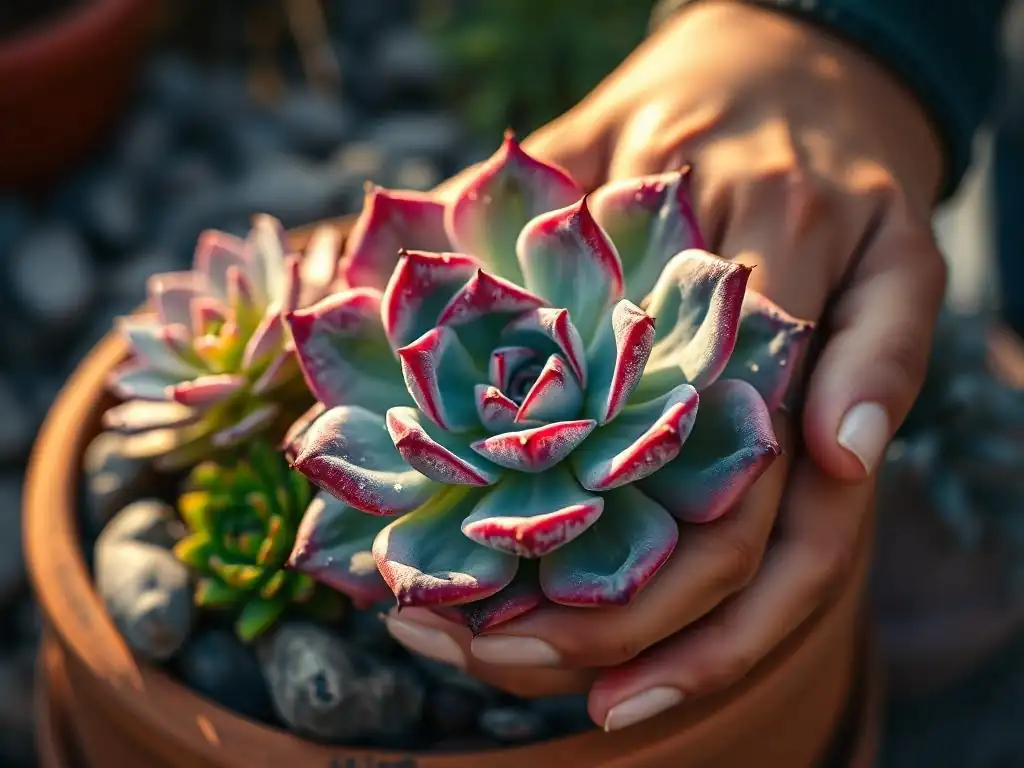
Welcome to SucculentEssentials.org, where the fascinating world of succulents unfolds! Are you passionate about these resilient plants, but concerned about their origins? Then you've come to the right place. Dive into our Ethically Source Succulents guide and discover how to cultivate your collection responsibly, ensuring the sustainability of these incredible plants for generations to come. Uncover the secrets to building a thriving, ethically-sourced succulent garden – your journey starts now!
- Ethically Source Succulents Guide: Why it Matters
- Identifying Ethically Sourced Succulents: A Buyer's Guide
- Supporting Ethical Succulent Cultivation: Practical Steps
- The Future of Ethical Succulent Sourcing: A Collaborative Approach
- Frequently Asked Questions
- Final Reflection: The Blooming Future of Ethical Succulent Ownership
- Unleash Your Inner Plant Parent: Grow Your Ethical Succulent Collection
Ethically Source Succulents Guide: Why it Matters
The vibrant world of succulents, with their diverse shapes, colors, and resilience, captivates plant enthusiasts worldwide. However, the increasing popularity of these fascinating plants has unfortunately led to unsustainable harvesting practices, threatening the survival of many species and damaging delicate ecosystems. This guide explores the crucial importance of ethically sourcing succulents, detailing the consequences of unethical practices and offering insights into responsible succulent ownership.
Understanding the ethical implications of your succulent purchases is not merely a matter of personal responsibility; it's a vital step in ensuring the long-term health and preservation of these remarkable plants for future generations to enjoy. We'll delve into the impact of unethical harvesting, the conservation efforts needed to protect endangered species, and the environmental consequences of unsustainable practices, empowering you to make informed choices that support a sustainable succulent hobby.
The Impact of Unethical Succulent Harvesting
Unethical succulent harvesting poses a significant threat to succulent populations in the wild. Often, this involves the illegal removal of plants from their natural habitats, frequently in protected areas or fragile ecosystems. This practice disrupts the delicate balance of these environments, impacting not only the targeted succulent species but also the entire surrounding ecosystem. The consequences can be devastating:
- Population Decline: Over-harvesting leads to a dramatic reduction in the number of plants, making the species vulnerable to extinction.
- Habitat Destruction: The process of removing succulents often involves damaging the surrounding soil and vegetation, further degrading the habitat.
- Genetic Diversity Loss: Removing specific plants can reduce the genetic diversity within a population, making them less resilient to diseases and environmental changes.
- Economic Instability in Local Communities: Sustainable harvesting practices often benefit local communities, providing income and preserving traditional knowledge. Unethical harvesting undermines these benefits.
The scale of this problem is often underestimated. Many popular succulent species are facing significant pressure due to their high demand in the horticultural trade. For example, certain Haworthia species in South Africa are experiencing alarming population declines due to unsustainable collection. This highlights the urgent need for responsible sourcing and conservation efforts.
Protecting Endangered Succulent Species: A Conservation Perspective
Conserving endangered succulent species requires a multi-pronged approach involving collaboration between researchers, conservation organizations, growers, and consumers. Several key strategies are essential:
- Habitat Protection and Restoration: Establishing protected areas and restoring degraded habitats are crucial for safeguarding succulent populations.
- Sustainable Harvesting Practices: Implementing carefully managed harvesting programs that prioritize the long-term health of the population is critical. This may involve techniques like seed collection or propagation from cuttings, minimizing the impact on wild populations.
- Captive Breeding and Propagation: Cultivating succulents in nurseries helps reduce the pressure on wild populations and provides a sustainable source of plants for the horticultural trade.
- Education and Awareness: Raising public awareness about the importance of ethical sourcing and the threats facing succulents is essential to drive consumer demand for sustainably produced plants.
- Legislation and Enforcement: Stricter regulations and enforcement against illegal harvesting are necessary to protect vulnerable species.
The Environmental Consequences of Unsustainable Practices
The environmental impact of unethical succulent harvesting extends far beyond the immediate loss of plant life. Unsustainable practices contribute to:
- Soil Erosion: Removing plants from their natural habitats can leave the soil vulnerable to erosion, leading to habitat degradation and loss of biodiversity.
- Water Scarcity: Many succulents grow in arid and semi-arid regions, where water resources are already limited. Over-harvesting can further exacerbate water scarcity issues.
- Disruption of Pollination and Seed Dispersal: The removal of plants can disrupt natural pollination and seed dispersal processes, impacting the long-term survival of the species.
- Loss of Biodiversity: Succulents play an important role in their ecosystems, supporting other plant and animal life. Their loss contributes to a broader decline in biodiversity.
The ethical sourcing of succulents is not just a trend; it's a necessity. By understanding the impact of our choices and supporting sustainable practices, we can help protect these fascinating plants and the ecosystems they inhabit, ensuring their beauty and resilience for generations to come. 🌵
Identifying Ethically Sourced Succulents: A Buyer's Guide
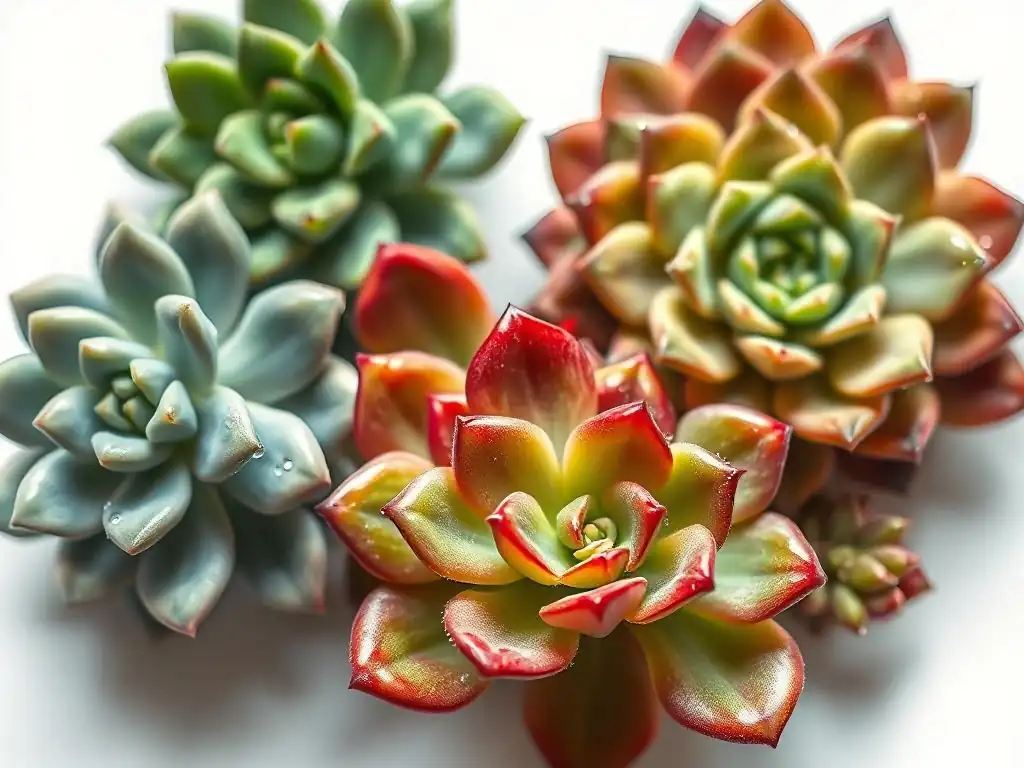
This section provides a practical guide to help you, the discerning succulent enthusiast, ethically source your next plant addition. Understanding ethical sourcing is crucial for the long-term health of succulent populations and the preservation of biodiversity. By making informed purchasing decisions, you contribute directly to sustainable practices and help combat the illegal harvesting and unsustainable trade of these fascinating plants. This guide offers clear steps to identify ethically sourced succulents, ensuring your collection grows responsibly.
Recognizing Sustainable Succulent Growers and Retailers
Identifying reputable growers and retailers is the first step in ethically sourcing succulents. Look beyond attractive prices and focus on the supplier's commitment to sustainable practices. Ethical businesses prioritize responsible cultivation and propagation methods, minimizing environmental impact and ensuring plant welfare.
Several key indicators can help you distinguish between sustainable and unsustainable suppliers:
- Transparency: Reputable growers and retailers are open about their sourcing practices. They readily share information about their cultivation methods, propagation techniques, and the origin of their plants. Look for detailed descriptions of their growing processes on their website or in their physical stores. Avoid suppliers who are vague or unwilling to discuss their sourcing.
- Certifications: While not universally available for succulents, some organizations are developing certifications for sustainable plant production. Look for any relevant certifications that indicate adherence to ethical and environmental standards. These certifications are often hard-earned and demonstrate a commitment to sustainable practices.
- Community Involvement: Ethical businesses often actively participate in conservation efforts or support organizations dedicated to protecting succulent habitats. Look for evidence of their involvement in local conservation initiatives or partnerships with botanical gardens. This demonstrates a broader commitment beyond mere profit.
- Emphasis on Propagation: Sustainable suppliers prioritize propagation methods over wild harvesting. They actively cultivate and propagate succulents, reducing pressure on natural populations. A focus on propagation, whether from cuttings, leaf propagation, or seeds, is a strong indicator of ethical sourcing.
The presence of these factors significantly increases the likelihood that you're purchasing ethically sourced succulents. Remember, due diligence is key. Don't hesitate to ask questions and investigate further if something seems amiss.
Verifying Ethical Sourcing Practices: Questions to Ask
Direct communication is crucial in verifying ethical sourcing. Don't hesitate to contact growers and retailers directly with questions about their practices. Asking the right questions can help you make informed decisions and support businesses committed to sustainability. Here are some key questions to ask:
- "Where are your succulents sourced from?" This question helps determine if they are propagated domestically or imported from potentially unsustainable sources. Look for detailed answers, not vague generalizations.
- "What propagation methods do you use?" This reveals their commitment to sustainable practices. Look for methods like cuttings, leaf propagation, or tissue culture, which avoid wild harvesting.
- "Do you have any certifications related to sustainable or ethical plant sourcing?" This directly addresses their commitment to established standards.
- "Do you support any conservation efforts or organizations?" This shows their engagement in protecting succulent habitats.
- "Can you provide documentation or traceability information for your plants?" While not always possible, this demonstrates transparency.
By asking these questions, you actively participate in promoting ethical practices within the succulent industry. Remember, a responsible seller will readily answer your questions and provide transparent information.
Examining Plant Health and Origin: Visual Clues
While not foolproof, certain visual clues can suggest the ethical sourcing of a succulent. These indicators, however, should be considered in conjunction with the information obtained from the supplier, not as standalone verification methods.
- Healthy Appearance: Ethically sourced succulents typically exhibit robust health. They should be free from pests, diseases, and signs of stress. Wilted, damaged, or unusually small plants might indicate unsustainable harvesting or poor growing conditions.
- Appropriate Size: Extremely large or mature succulents might raise concerns. Unless the grower can clearly demonstrate responsible cultivation over many years, unusually large specimens might indicate wild harvesting.
- Natural Appearance: Avoid succulents that have been artificially altered or manipulated in ways that compromise their natural growth patterns. Unnatural colors, excessive pruning, or unusual shapes might be red flags.
Remember, visual cues are just one aspect of ethical sourcing. Always combine visual inspection with thorough questioning of the supplier to ensure you're making a responsible purchase. Supporting ethical sourcing practices protects succulent biodiversity and contributes to a healthier and more sustainable future for these fascinating plants. By following this guide, you can confidently build your succulent collection while contributing to conservation efforts.
Supporting Ethical Succulent Cultivation: Practical Steps
Ethical succulent sourcing isn't just a trend; it's a crucial step in ensuring the long-term survival of these fascinating plants and preserving biodiversity. By making conscious choices, we can collectively contribute to a more sustainable future for succulents. This section provides practical steps to help you ethically source and cultivate your succulent collection. Understanding the implications of your purchasing decisions is paramount in building a responsible succulent hobby.
Choosing Responsible Suppliers: A Directory of Ethical Businesses
Finding ethical succulent suppliers requires diligence, but the rewards are significant. Look for businesses that prioritize sustainable practices, transparent sourcing, and fair labor standards. Avoid suppliers who offer suspiciously low prices or cannot provide clear information about the origin of their succulents. A reputable supplier will gladly share details about their cultivation methods and commitment to environmental responsibility.
A truly ethical business will:
- Clearly state the origin of their plants: Knowing where your succulents come from helps ensure they weren't harvested illegally or unsustainably.
- Employ sustainable cultivation practices: This includes responsible water usage, minimizing pesticide use, and avoiding practices that harm the environment.
- Support fair labor practices: Ensure workers are treated ethically and fairly compensated.
- Provide detailed plant information: Accurate identification and care instructions demonstrate a commitment to responsible plant handling.
- Contribute to conservation efforts: Many ethical businesses donate a portion of their profits to conservation organizations or participate in habitat restoration projects.
Unfortunately, a comprehensive directory of explicitly "ethical" businesses is currently unavailable. [Specific information pending – research into creating such a directory or linking to existing resources is needed]. However, by using the criteria listed above, you can effectively assess the ethical standing of potential suppliers. Remember to research individual businesses thoroughly before making a purchase.
Propagating Your Own Succulents: A Sustainable Alternative
One of the most effective ways to ethically source succulents is to propagate your own! Propagation not only reduces demand on wild populations and commercial suppliers but also allows you to expand your collection sustainably. Several propagation methods are readily available for succulents, including leaf cuttings, stem cuttings, and offsets. This method significantly minimizes the environmental impact associated with succulent cultivation and provides a rewarding experience for the hobbyist.
Here's a simplified overview of the process:
| Propagation Method | Description | Success Rate | Ease of Propagation |
|---|---|---|---|
| Leaf Cuttings | Removing a healthy leaf and allowing it to root. | Medium | Easy |
| Stem Cuttings | Removing a section of stem with leaves and allowing it to root. | High | Medium |
| Offsets | Separating "pups" or baby plants that grow from the mother plant. | Very High | Easy |
Remember, proper sanitation and care are crucial for successful propagation. Using sterile tools and providing the right conditions—adequate light, well-draining soil, and appropriate watering—will significantly increase your chances of success. The joy of nurturing a new plant from a tiny cutting is unmatched!
Engaging in Conservation Efforts: Supporting Organizations and Initiatives
Beyond individual actions, supporting organizations dedicated to succulent conservation is vital. These groups conduct critical research, implement habitat restoration programs, and advocate for policies that protect succulent populations. Contributing to their efforts, even in small ways, significantly impacts conservation outcomes. Consider donating to reputable organizations or volunteering your time to participate in their initiatives. Even spreading awareness about the importance of ethical sourcing among fellow succulent enthusiasts plays a crucial role.
[Specific information pending – a list of reputable succulent conservation organizations and initiatives needs to be included here]. By actively supporting these organizations, you become a part of a larger movement dedicated to preserving the beauty and biodiversity of the succulent world for generations to come. Your contributions directly translate into tangible conservation efforts, helping to protect these remarkable plants for years to come. 🌱
The Future of Ethical Succulent Sourcing: A Collaborative Approach
Ethical succulent sourcing isn't just a trend; it's a necessity for the long-term health of these fascinating plants and the ecosystems they inhabit. The future of ethically sourced succulents hinges on a collaborative approach, bringing together various stakeholders in a shared commitment to sustainability. This requires a fundamental shift in how we cultivate, sell, and purchase succulents. Ignoring this collaborative aspect risks jeopardizing the availability of many beloved succulent species.
Collaboration Between Growers, Retailers, and Consumers
Effective ethical sourcing demands a unified effort. Growers must prioritize sustainable cultivation methods, minimizing environmental impact and avoiding overharvesting from the wild. This includes employing propagation techniques that reduce pressure on natural populations and focusing on responsible water usage, especially crucial in arid and semi-arid regions where many succulents thrive. Retailers play a vital role by verifying the ethical origins of their stock, demanding transparency from their suppliers, and educating their customers about the importance of ethical choices. Ultimately, consumers hold significant power.
By choosing to purchase succulents from reputable sources that prioritize ethical sourcing, they directly incentivize sustainable practices and discourage unsustainable ones. This creates a powerful feedback loop that rewards responsible behavior. For example, a retailer choosing to exclusively source succulents from growers certified by a recognized sustainability organization directly communicates their commitment to ethical practices. This transparency builds trust with environmentally conscious consumers.
Educating the Public about Sustainable Succulent Practices
Raising public awareness is paramount to the success of ethical succulent sourcing. Many consumers are unaware of the environmental consequences of purchasing succulents from unsustainable sources. Educational campaigns, workshops, and online resources can significantly impact buying habits. These initiatives should highlight the threats to succulent biodiversity, such as habitat destruction and over-collection, and emphasize the importance of supporting growers who prioritize sustainable practices.
Clear labeling and certification schemes can help consumers make informed decisions. For example, a simple label indicating "Ethically Sourced" alongside a recognized certification logo can quickly communicate a grower's commitment to responsible practices. Furthermore, the information should extend beyond simply identifying ethical sources; it should also educate consumers on proper succulent care, reducing the likelihood of plants dying and needing replacement, thus lessening the demand.
Long-Term Sustainability: Preserving Succulent Biodiversity
The ultimate goal of ethical succulent sourcing is to ensure the long-term survival of succulent species. This requires a multifaceted approach encompassing habitat preservation, conservation breeding programs, and ongoing research into sustainable cultivation techniques. Protecting natural succulent habitats is crucial, as many species are threatened by habitat loss due to urbanization, agriculture, and unsustainable land management practices. Conservation breeding programs play a key role in safeguarding endangered species by maintaining genetically diverse populations outside of their natural habitats.
Continuous research into innovative and sustainable cultivation methods is also critical, helping growers optimize resource use and minimize their environmental footprint. For instance, research into drought-tolerant potting mixes and efficient irrigation systems can significantly reduce water consumption, a crucial factor in regions with water scarcity. This holistic approach ensures that the enjoyment of succulents doesn't come at the expense of their future. 🌱
Frequently Asked Questions
What does "ethically sourced" mean when it comes to succulents?
Ethically sourced succulents means they were harvested sustainably, without harming the environment or endangering wild populations. This often involves responsible propagation techniques and avoiding plants taken illegally from their natural habitats.
Why is ethical sourcing of succulents important?
Ethical sourcing protects biodiversity and prevents the overexploitation of succulent species. It also ensures the long-term survival of these plants in their natural environments and supports sustainable practices.
How can I tell if a succulent is ethically sourced?
Look for reputable sellers who can provide clear information about their sourcing practices. Check for certification or transparency regarding propagation methods and origin. Avoid suspiciously cheap succulents.
What are some unethical succulent sourcing practices?
Unethical practices include poaching succulents from the wild, unsustainable harvesting, and lack of transparency about the origin of plants. These practices damage ecosystems and threaten plant populations.
Where can I find ethically sourced succulents?
Seek out reputable nurseries, online retailers, and local succulent societies known for their commitment to sustainable practices. Look for those who propagate their own plants or source from known ethical growers.
Final Reflection: The Blooming Future of Ethical Succulent Ownership
The surging popularity of succulents has unfortunately outpaced the ethical considerations surrounding their cultivation and trade. This means that the vibrant, miniature worlds we create in our homes often come at a cost to the environment and the communities where these plants originate. Understanding this cost is crucial to ensuring the long-term survival of these beautiful plants and the ecosystems they inhabit.
The impact of unethical succulent sourcing extends far beyond the individual plant; it affects entire landscapes, traditional practices, and the livelihoods of those who depend on sustainable harvesting. The earth provides enough to satisfy every man's needs but not every man's greed.
- Mahatma Gandhi. This quote perfectly encapsulates the challenge we face: balancing our desire for these captivating plants with the responsibility of ensuring their future. My own journey researching this topic has profoundly shifted my perspective on consumerism and the interconnectedness of our choices.
Now, consider your own succulent collection. Where did your plants originate? Do you know the story behind their journey to your home? I urge you to take a moment to reflect on this. By choosing ethically sourced succulents, you're not just adding a beautiful plant to your space; you're actively participating in a movement towards sustainable and responsible consumption. Let's cultivate a future where the beauty of succulents thrives alongside the well-being of our planet and its people.
Unleash Your Inner Plant Parent: Grow Your Ethical Succulent Collection
Thanks for exploring the world of ethical succulent sourcing! You've learned how important responsible choices are for the environment and the well-being of your plants. Now let's put this knowledge into practice.
- Choose ethical retailers: Start your next succulent purchase by researching nurseries and online sellers committed to sustainable practices and fair labor. This simple step makes a significant difference.
- Spread the word: Share your knowledge about ethical sourcing with friends and family. Inspire them to join you in creating a more sustainable plant community.
- Propagate your succulents: Discover the satisfaction of propagating your own succulents. It's a rewarding way to expand your collection responsibly and sustainably.
Ready to create a thriving and ethical succulent haven? What's your next step toward responsible plant ownership?