
Garlic and Chili: The Unexpected Duo for Organic Pest Control

Welcome to SucculentEssentials.org, where the thriving world of succulents awaits! Are you ready to unlock the secrets to keeping your precious plants healthy and pest-free, naturally? Discover the surprising power of garlic and chili in our latest article on organic succulent pest control, and learn how to create a thriving succulent haven without harmful chemicals. Dive in and uncover the unexpected duo that will revolutionize your succulent care!
- Understanding Organic Succulent Pest Control Methods
- Garlic's Role in Organic Succulent Pest Control
- Chili Peppers: A Powerful Ally in Organic Succulent Pest Control
- Creating Your Garlic and Chili Pest Control Spray for Succulents
- Applying the Garlic and Chili Spray Effectively
- Maintaining Organic Pest Control for Succulents
-
Frequently Asked Questions
- What are the benefits of using garlic and chili for succulent pest control?
- How do I make a garlic and chili spray for my succulents?
- How often should I apply the garlic and chili spray?
- Are there any precautions I should take when using this spray?
- What other organic methods can I use to control pests on my succulents?
- Final Reflection: The Humble Power of Nature's Arsenal
- Unleash Nature's Pest Patrol: Grow a Healthier Garden Today!
Understanding Organic Succulent Pest Control Methods
Succulents, with their striking beauty and low-maintenance reputation, are beloved by plant enthusiasts worldwide. However, even these drought-tolerant darlings are susceptible to pests, and the use of harsh chemical pesticides can harm not only the insects but also your precious plants and potentially even yourself. This article delves into the world of organic succulent pest control, exploring natural and effective methods to keep your succulents healthy and thriving without resorting to harmful chemicals.
We'll specifically examine the surprising effectiveness of a garlic and chili pepper concoction as a powerful, yet gentle, deterrent against common succulent pests. This approach aligns perfectly with sustainable gardening practices, ensuring the well-being of your plants and the environment. We'll cover why organic methods are preferred, how to identify common threats, and the numerous benefits of choosing a natural approach to pest management.
Why Choose Organic Pest Control for Succulents?
Choosing organic pest control for your succulents offers a multitude of advantages. Firstly, it prioritizes the health of your plants. Harsh chemical pesticides can damage the delicate leaves and roots of succulents, leading to unsightly blemishes, stunted growth, and even plant death. Secondly, organic methods are safer for you and your family, eliminating the risk of exposure to potentially harmful chemicals. Thirdly, organic pest control protects beneficial insects and pollinators that play a vital role in your garden's ecosystem.
Finally, it's environmentally friendly, reducing the impact of harmful chemicals on the soil, water, and air. By embracing organic practices, you contribute to a healthier garden and a healthier planet. The long-term benefits far outweigh the initial effort involved in creating and implementing natural pest control solutions. Many people find the satisfaction of nurturing their plants with natural methods to be a rewarding aspect of plant care.
Identifying Common Succulent Pests
Several pests can threaten the health of your succulents. Recognizing these pests early is crucial for effective treatment. Some of the most common culprits include:
- Mealybugs: These small, white, cottony insects often cluster in leaf axils and crevices. They suck plant sap, leading to stunted growth and yellowing leaves.
- Aphids: Tiny, soft-bodied insects, typically green or black, that also feed on plant sap. Large infestations can cause leaf curling and wilting.
- Scale insects: These immobile insects appear as small, hard bumps on stems and leaves. They are difficult to remove but can be controlled with consistent treatment.
- Spider mites: Microscopic pests that create fine webbing on leaves. They suck plant sap, causing stippling and discoloration.
- Snails and slugs: These larger pests can cause significant damage by chewing on leaves and stems, leaving behind characteristic slime trails.
Proper identification allows you to tailor your organic pest control strategy for maximum effectiveness. Regular inspection of your succulents is key to early detection and prevention of widespread infestations. A magnifying glass can be helpful in identifying smaller pests like spider mites.
The Benefits of Natural Pest Control Solutions
Natural pest control solutions, such as the garlic and chili spray we'll discuss later, offer a safe and effective alternative to harsh chemicals. These solutions are biodegradable, minimizing environmental impact. They also encourage beneficial insects and organisms that prey on pests, fostering a balanced garden ecosystem. Furthermore, many natural pest control solutions are readily available, affordable, and easy to prepare at home.
This empowers you to take control of your plant's health and well-being without relying on commercially produced pesticides. The use of natural solutions also often results in healthier, more vigorous plants, promoting overall plant health and resilience. This holistic approach fosters a symbiotic relationship between your plants and the environment.
Garlic's Role in Organic Succulent Pest Control
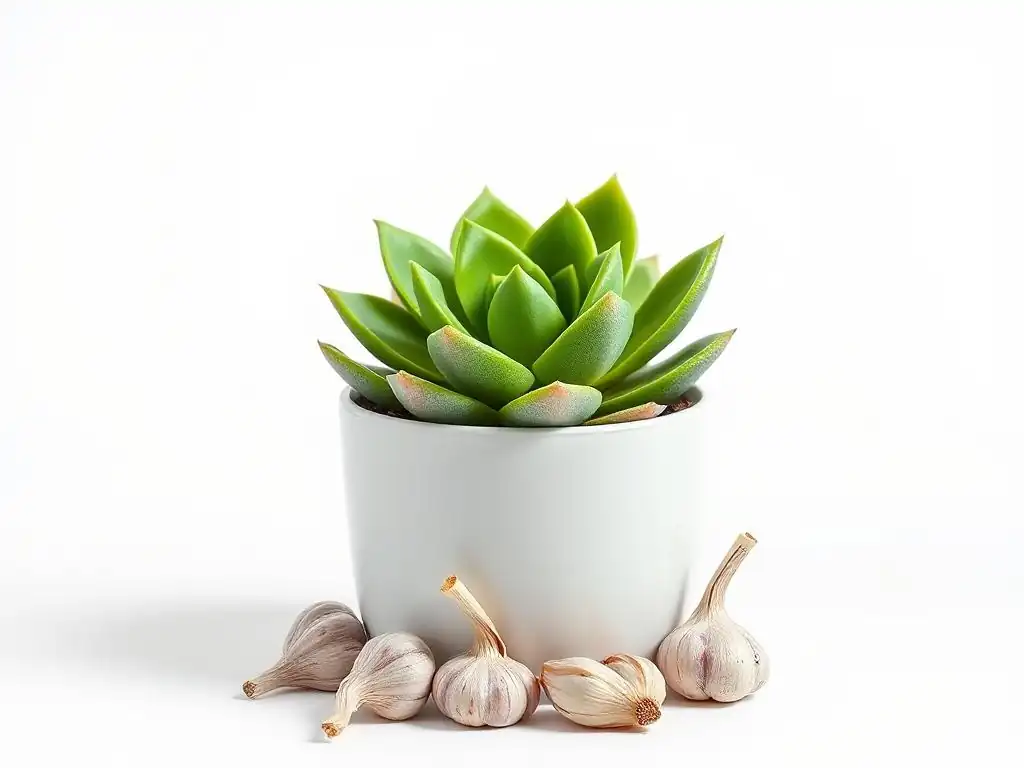
Garlic, Allium sativum, is more than just a culinary delight; it's a potent weapon in the arsenal of organic succulent pest control. Its pungent aroma, stemming from compounds like allicin, acts as a natural repellent against a wide range of common succulent pests. These pests, including mealybugs, aphids, and spider mites, are deterred by the strong odor, preventing them from infesting your precious plants.
The effectiveness of garlic isn't solely based on its smell; studies have shown that allicin also possesses insecticidal properties, capable of directly harming or killing some insects upon contact. This dual action – repelling and killing – makes garlic a highly effective and sustainable solution for maintaining healthy succulents.
Unlike harsh chemical pesticides, garlic poses minimal risk to beneficial insects and pollinators, making it an environmentally friendly choice for organic succulent pest control. The efficacy varies depending on the pest and the concentration of the garlic spray, but overall, garlic offers a significantly safer and more sustainable alternative to synthetic pesticides.
Garlic as a Natural Repellent
The pungent aroma of garlic acts as a powerful deterrent to many common succulent pests. Mealybugs, those cottony white insects that often infest the base of succulent stems, are particularly sensitive to the smell of garlic. Similarly, aphids, small sap-sucking insects that cluster on succulent leaves, are also repelled by the strong odor.
Spider mites, tiny arachnids that can cause significant damage to succulents, are less directly affected by the smell but the spray can disrupt their feeding and reproductive cycles. The active compounds in garlic, particularly allicin, are responsible for this repellent effect. Allicin is released when garlic cloves are crushed or processed, intensifying the aroma and increasing its effectiveness as a deterrent.
Even the simple act of placing crushed garlic cloves near vulnerable succulents can provide a degree of protection. This makes garlic a readily accessible and inexpensive option for organic succulent pest control, requiring minimal preparation and application. The effectiveness of garlic as a repellent can be enhanced by combining it with other natural pest control agents, such as neem oil or chili peppers, creating a synergistic effect.
Preparing Garlic-Based Sprays for Succulents
Creating a garlic spray for your succulents is a straightforward process. The key is to achieve a strong enough concentration to repel pests without harming the plants. A common recipe involves blending several cloves of garlic with water. For example, you could blend 4-5 large cloves of garlic with 1 liter of water.
Let the mixture steep for at least 24 hours to allow the allicin to fully infuse the water. After steeping, strain the mixture through a fine-mesh sieve or cheesecloth to remove the garlic pulp, leaving only the garlic-infused water. Some gardeners add a small amount of liquid soap (a few drops of mild dish soap) to the mixture as a surfactant, helping the spray adhere better to the plant's leaves. However, always test this on a small area of the plant first to check for any adverse reactions.
It's crucial to avoid using harsh soaps or detergents, as these can damage your succulents. Remember to label your spray bottle clearly, indicating the contents and the date of preparation. Proper storage in a cool, dark place can extend the shelf life of your homemade garlic spray. Always shake the bottle well before each application to ensure even distribution of the garlic solution.
Applying Garlic Spray: Tips and Precautions
Applying the garlic spray requires careful consideration to maximize its effectiveness and protect your succulents. Avoid spraying during direct sunlight, as this can scorch the leaves. Early morning or late evening is ideal, when the sun's intensity is lower. Apply the spray evenly to all parts of the plant, paying particular attention to the undersides of the leaves where pests often hide. Ensure the spray reaches the base of the stems as well.
Avoid over-spraying, as excessive moisture can create conditions favorable for fungal diseases. A light mist is generally sufficient. It’s important to test the spray on a small, inconspicuous area of a succulent before applying it to the entire plant. This test will help determine if the garlic spray causes any adverse reactions.
Some succulents might be more sensitive than others. Regular application, typically every 7-10 days or as needed, is essential for effective pest control. Monitor your succulents closely after applying the spray to observe its effectiveness and identify any potential issues. Remember, consistent and careful application is key to successfully utilizing this organic method of succulent pest control.
Chili Peppers: A Powerful Ally in Organic Succulent Pest Control
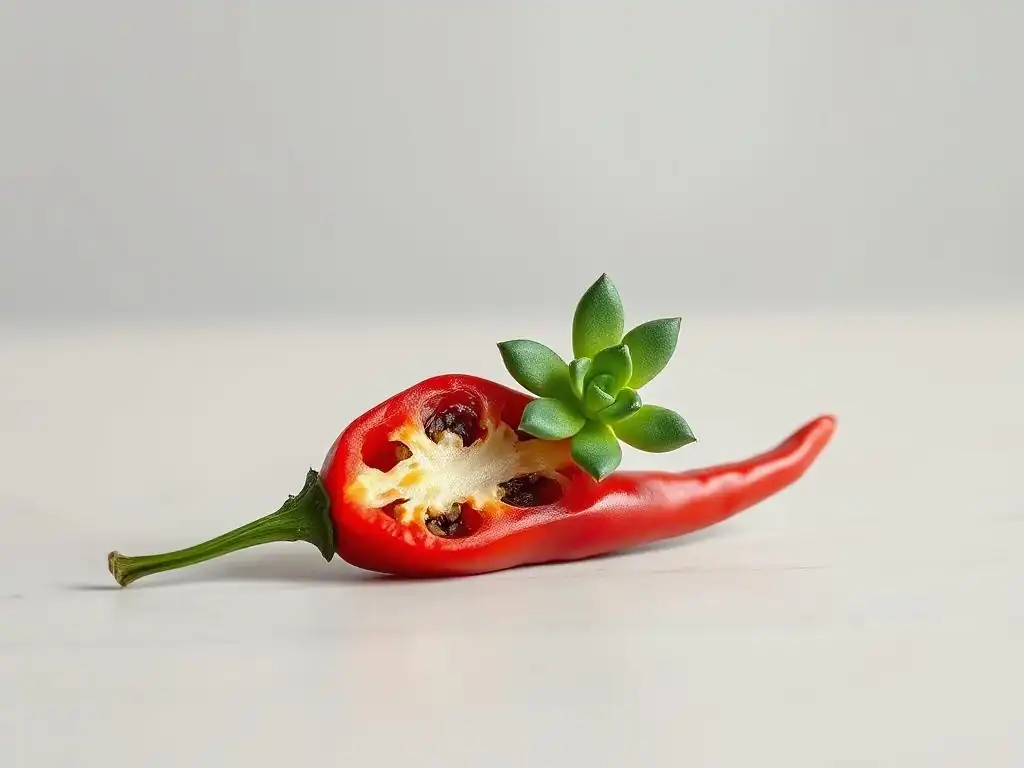
Chili peppers, a staple in many cuisines, offer a surprisingly effective and completely organic method for controlling pests in your succulent collection. Their potent ingredient, capsaicin, acts as a natural deterrent, making them a valuable asset in your arsenal of organic succulent pest control strategies. This section delves into the specifics of utilizing chili peppers, showcasing their effectiveness and safety for your plants. Remember, always prioritize the health of your succulents while employing any pest control method.
Capsaicin's Role in Deterring Pests
The secret weapon within chili peppers is capsaicin, a chemical compound responsible for their characteristic heat. This compound isn't just irritating to our taste buds; it's also highly effective at repelling many common succulent pests. Capsaicin disrupts the pests' sensory systems, causing discomfort and deterring them from feeding on your precious plants. Studies have shown that capsaicin is particularly effective against aphids, mealybugs, and spider mites – three of the most prevalent succulent pests.
The level of effectiveness varies depending on the type of chili pepper used; hotter peppers generally contain higher concentrations of capsaicin. For example, using a habanero pepper will yield a more potent spray than using a milder bell pepper. The intensity of the spray should be adjusted based on the severity of the infestation and the type of succulent. Always test a small area first to ensure the spray doesn't damage your plants.
Making Chili Pepper Spray for Succulents
Creating a chili pepper spray for your succulents is a simple process. Here’s a detailed recipe:
- Gather your ingredients: You'll need 1-2 fresh chili peppers (depending on the heat and size), 1 liter of water, and a fine-mesh strainer or cheesecloth. Wear gloves during this process, as capsaicin can irritate your skin.
- Prepare the chili peppers: Finely chop the chili peppers. The smaller the pieces, the more readily the capsaicin will release into the water.
- Steep the peppers: Place the chopped chili peppers in the water and bring to a boil. Simmer for at least 30 minutes, allowing the capsaicin to infuse into the water. The longer you simmer, the stronger the spray will be.
- Strain the mixture: Carefully remove the chili peppers using a fine-mesh strainer or cheesecloth. Discard the solids.
- Cool and apply: Allow the chili pepper spray to cool completely before using. Apply to affected areas of your succulents, ensuring thorough coverage. Avoid spraying during direct sunlight to prevent scorching.
Combining Chili and Garlic for Enhanced Efficacy
The power of chili pepper spray can be significantly amplified when combined with another natural pest repellent: garlic. Garlic, like chili peppers, contains compounds that are unpleasant to many insects. Combining these two ingredients creates a synergistic effect, resulting in a more potent and effective organic succulent pest control solution. The garlic adds another layer of defense, further deterring pests and potentially increasing the duration of protection.
To enhance your chili pepper spray, simply add 2-3 cloves of minced garlic to the simmering mixture along with the chili peppers. The potent aroma of garlic will complement the capsaicin, creating a truly formidable barrier against pests. Remember to always test a small, inconspicuous area of your succulent before applying the mixture to the entire plant.
This will help you to avoid any unintended damage and ensure the safety of your plants. Through careful observation and consistent application, you can effectively manage pests organically and maintain the health and vibrancy of your succulent collection. 🪴
Creating Your Garlic and Chili Pest Control Spray for Succulents
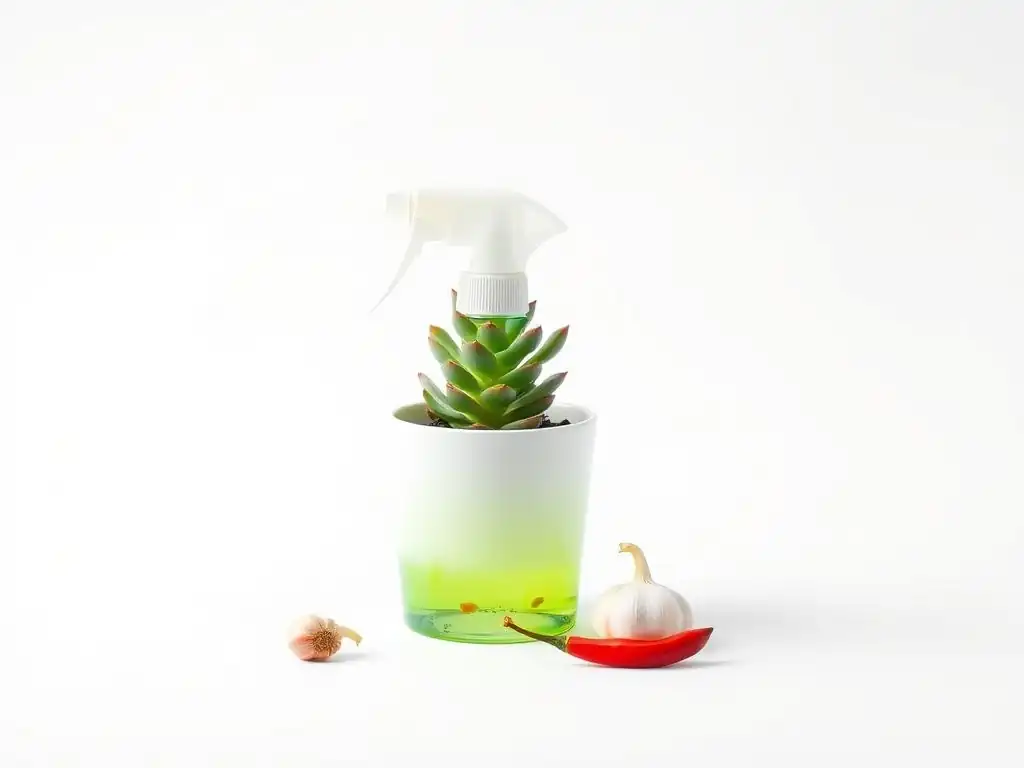
This section details the creation of a potent, all-natural pest control spray specifically formulated for your beloved succulents. This homemade solution leverages the natural pest-repelling properties of garlic and chili peppers to offer a safe and effective alternative to harsh chemical pesticides. Remember, consistent application is key to successful organic succulent pest control. This method is environmentally friendly and avoids harming beneficial insects. We'll guide you through the process step-by-step, ensuring you create a highly effective and safe spray for your plants.
Recipe for a Powerful Organic Succulent Pest Control Spray
This recipe provides enough spray for a small to medium-sized succulent collection. Adjust quantities proportionally for larger collections. The key is to achieve a strong enough concentration to deter pests without harming your plants.
| Ingredient | Quantity | Notes |
|---|---|---|
| Garlic Cloves | 4-5 medium cloves | Use fresh garlic for optimal potency. |
| Chili Peppers (hot) | 1-2 small peppers | Adjust the quantity based on desired spiciness and pest severity. Wear gloves! |
| Water | 1 liter (approx. 4 cups) | Use filtered or distilled water for best results. |
| Liquid Castile Soap | 1 tablespoon | A gentle soap, helps the spray adhere to plant leaves. |
Instructions:
- Blend: Finely chop the garlic and chili peppers. Use a blender to create a smooth paste. Remember to wear gloves to avoid skin irritation from the chili peppers.
- Steep: Add the paste to the water and let it steep for at least 24 hours. This allows the active ingredients to infuse into the water. The longer the steep time, the stronger the spray.
- Strain: Strain the mixture through a fine-mesh sieve or cheesecloth to remove solids. Discard the solids.
- Mix: Add the liquid castile soap and stir well to combine.
- Bottle: Pour the mixture into a spray bottle. Label clearly.
This spray is effective against common succulent pests like mealybugs, aphids, and spider mites. However, always test a small area of a plant before applying it liberally. Early detection and consistent application are essential for effective organic succulent pest control.
Sourcing Ingredients
Sourcing high-quality ingredients is crucial for a successful and potent organic pest control spray. Opt for organically grown garlic and chili peppers whenever possible, minimizing exposure to any synthetic chemicals. This approach aligns perfectly with the principles of organic gardening and helps ensure the safety of your plants and the environment.
- Garlic: Choose firm, plump garlic cloves with no signs of damage or mold. Locally sourced, organic garlic is ideal.
- Chili Peppers: Select fresh, ripe chili peppers. The spicier the pepper, the more effective the spray is likely to be. However, use caution and wear gloves when handling chili peppers.
- Liquid Castile Soap: This is readily available in most grocery stores and online retailers. Look for unscented varieties to avoid interfering with the natural scent of the garlic and chili spray. Ensure it's a plant-safe soap.
- Water: Using filtered or distilled water ensures that no unwanted chemicals or minerals are introduced into your spray.
Remember that the quality of your ingredients directly impacts the effectiveness of your organic pest control solution for succulents.
Essential Equipment for Making the Spray
Having the right equipment simplifies the process and ensures a safe and effective outcome. Here's a list of essential items you will need:
- Blender: A high-powered blender is recommended for creating a smooth paste from the garlic and chili peppers.
- Fine-Mesh Sieve or Cheesecloth: This is crucial for straining out the solids after steeping.
- Spray Bottle: Choose a spray bottle with a good nozzle for even application. A pump-style spray bottle is ideal.
- Measuring Cups and Spoons: Accurate measurements ensure the correct concentration of ingredients.
- Gloves: Essential for protecting your hands from the chili peppers' irritation.
- Labeling Supplies: Clearly label your spray bottle to avoid confusion. Include the date of preparation.
By assembling these simple tools, you’ll be well-equipped to create your own effective and safe organic succulent pest control spray. Remember to always prioritize safety and follow the instructions carefully.
Applying the Garlic and Chili Spray Effectively
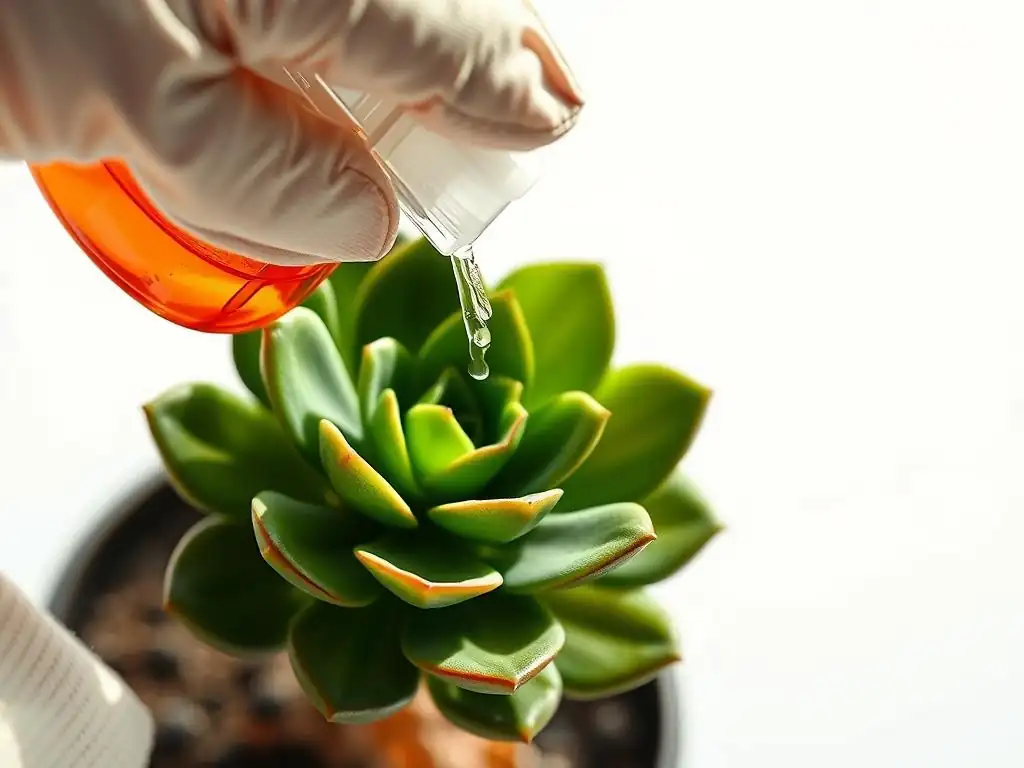
This section details the effective application of your homemade garlic and chili spray for organic succulent pest control. Remember, consistency is key for optimal results. Regular application, coupled with proper technique, will maximize the spray's effectiveness in deterring and eliminating pests. We'll explore the optimal timing, targeted application strategies, and essential safety precautions to ensure both plant health and your own safety.
When to Apply the Spray
The timing of your garlic and chili spray application is crucial for effective organic succulent pest control. Ideally, you should apply the spray preventatively before a pest infestation occurs. This proactive approach helps create a protective barrier against common succulent pests like mealybugs, aphids, and spider mites. Regular applications, even in the absence of visible pests, can significantly reduce the risk of infestation.
Consider applying the spray:
- Early spring: As temperatures rise and pests become more active.
- After rainfall: Rain can wash away the spray, requiring reapplication.
- Following propagation: Newly propagated succulents are particularly vulnerable.
- Whenever you observe signs of pest activity: Early detection is vital for preventing widespread infestation.
A schedule of weekly or bi-weekly applications during peak pest seasons (spring and summer) is generally recommended. However, adjust the frequency based on the specific needs of your succulents and environmental conditions. Observe your plants closely; if you notice a resurgence of pests, increase the application frequency temporarily. Remember to always test a small area first to ensure the spray doesn't harm your specific succulent varieties.
Targeted Application
While a comprehensive approach is often best, targeted application can be highly effective for organic succulent pest control, especially when dealing with localized infestations. This technique minimizes the amount of spray used, reduces potential environmental impact, and avoids unnecessary exposure to the spray for yourself and your plants.
Here's how to perform targeted application:
- Identify affected areas: Carefully inspect your succulents for signs of pests. Focus on areas with visible infestations.
- Direct spray: Use a fine mist setting on your spray bottle. Directly target the affected areas, ensuring thorough coverage of the pests and their hiding places. Avoid over-spraying healthy parts of the plant.
- Repeat application: For severe infestations, repeat the targeted application every few days until the pest problem is resolved. Monitor the affected areas closely for any signs of recurrence.
- Avoid over-spraying: Excessive application can damage your plants. Aim for a light mist rather than a heavy drenching.
Using a small, hand-held sprayer allows for precise application, particularly beneficial when working with delicate or smaller succulents. Remember that consistent, targeted application is more effective than infrequent, widespread spraying.
Safety Precautions
While garlic and chili spray is a natural and generally safe method for organic succulent pest control, certain precautions should be taken to ensure both your safety and the health of your plants:
- Protective gear: Always wear gloves and eye protection when preparing and applying the spray. The chili peppers can irritate skin and eyes.
- Ventilation: Work in a well-ventilated area to avoid inhaling the spray.
- Storage: Store the spray in a cool, dark place away from children and pets. Clearly label the container.
- Testing: Before applying to the entire plant, test the spray on a small, inconspicuous area to check for any adverse reactions. Some sensitive succulents might react negatively.
- Disposal: Dispose of leftover spray responsibly, according to local guidelines.
Remember, organic succulent pest control requires patience and diligence. While this garlic and chili spray is a powerful tool, consistency and careful observation are crucial for its success. By following these guidelines, you can effectively protect your succulents while embracing sustainable and eco-friendly practices.
Maintaining Organic Pest Control for Succulents
This section delves into the practical application of organic pest control, specifically focusing on maintaining a pest-free environment for your succulent collection. Effective organic succulent pest control requires a multi-pronged approach, combining preventative measures with proactive treatment strategies. Remember, consistent vigilance is key to long-term success.
Regular Inspection for Early Pest Detection
Early detection is crucial in organic succulent pest control. Regular inspections, ideally once a week, allow you to identify infestations before they become widespread and difficult to manage. Focus your attention on the undersides of leaves, crevices between leaves, and the soil surface. Look for telltale signs such as:
- Tiny insects: Mealybugs, aphids, spider mites, and scale insects are common culprits. Use a magnifying glass if necessary for better visibility.
- Webbing: Spider mites create fine webbing, often visible on leaves and stems.
- Sooty mold: This black, fuzzy growth often indicates the presence of honeydew-secreting insects like aphids.
- Leaf discoloration: Yellowing, browning, or wilting leaves can be symptoms of pest damage.
- Holes or tunnels in leaves: These indicate chewing insects.
A systematic approach is essential. Start by visually inspecting each plant individually, carefully examining every leaf and stem. Pay close attention to newly acquired succulents, as they may introduce pests into your existing collection. Document your findings, noting the type of pest and the affected plants. This detailed record will help you track the effectiveness of your pest control measures. Early identification allows for targeted treatment, minimizing the spread of infestation and reducing the overall impact on your succulents. Remember, a proactive approach to organic succulent pest control is far more effective than reactive measures.
Preventing Pest Infestations
Proactive measures are as important as reactive treatments in organic succulent pest control. By creating an environment less hospitable to pests, you significantly reduce the likelihood of infestations. Key preventative strategies include:
- Quarantine new succulents: Isolate newly acquired plants for at least two weeks to observe for any signs of pests before introducing them to your main collection. This prevents the accidental introduction of pests.
- Maintain good air circulation: Proper spacing between succulents promotes airflow, reducing humidity which can encourage pest growth. Avoid overcrowding your plants.
- Cleanliness: Regularly remove dead leaves and debris from your succulent collection. This eliminates potential breeding grounds for pests and diseases.
- Proper watering: Avoid overwatering, which can create damp conditions favorable for pest development. Always allow the soil to dry out completely between waterings.
- Healthy plants: Strong, healthy succulents are more resistant to pest infestations. Ensure your plants receive adequate sunlight and nutrients through appropriate fertilization.
Combining Garlic and Chili Spray with Other Organic Methods
While a garlic and chili spray is a valuable tool in your organic succulent pest control arsenal, it's most effective when combined with other methods. A holistic approach is crucial for comprehensive protection. Consider integrating the following strategies:
- Neem oil: A natural insecticide with proven effectiveness against various succulent pests. Apply according to the product instructions.
- Insecticidal soap: Another effective organic option, insecticidal soap disrupts the cell membranes of soft-bodied insects. Always test on a small area first to ensure it doesn't damage your succulents.
- Diatomaceous earth: This naturally occurring substance acts as a desiccant, dehydrating and killing insects. Apply carefully, avoiding inhalation.
- Beneficial insects: Introducing beneficial insects like ladybugs or lacewings can help control pest populations naturally. However, ensure these beneficial insects are appropriate for your specific pest problem and local environment.
Remember, consistency is vital. Regular application of your chosen organic pest control methods, combined with diligent monitoring, will provide the best protection for your succulents and maintain their health and vibrancy. By combining the power of natural remedies like the garlic and chili spray with other organic approaches, you can create a thriving and pest-free environment for your beloved succulents.
Frequently Asked Questions
What are the benefits of using garlic and chili for succulent pest control?
Garlic and chili offer a natural and effective way to deter common succulent pests like mealybugs and aphids. Their strong scents act as a repellent, preventing infestations. They are also safe for your plants and the environment.
How do I make a garlic and chili spray for my succulents?
Simply blend crushed garlic cloves and sliced chili peppers with water. Strain the mixture and dilute it with more water before applying it to your succulents as a gentle foliar spray.
How often should I apply the garlic and chili spray?
Apply the spray every 7-10 days, or more frequently if you notice a significant pest problem. Always test on a small area first to check for any adverse reactions.
Are there any precautions I should take when using this spray?
Avoid spraying on extremely hot days or in direct sunlight. Wear gloves when handling garlic and chili to avoid skin irritation. Store the spray in a cool, dark place.
What other organic methods can I use to control pests on my succulents?
Besides garlic and chili spray, you can try neem oil, diatomaceous earth, or introducing beneficial insects like ladybugs to your garden to help control pest populations naturally.
Final Reflection: The Humble Power of Nature's Arsenal
The fight for healthy, thriving succulents is far from over, but the surprising effectiveness of garlic and chili offers a potent, accessible weapon in our arsenal against pests. This simple, organic solution challenges the reliance on harsh chemicals, offering a sustainable and environmentally friendly approach to protecting our beloved plants. The future of succulent cultivation, and indeed all organic gardening, hinges on embracing such innovative, natural methods.
The impact of this simple duo extends beyond the individual plant; it speaks to a larger movement towards sustainable living and a renewed appreciation for nature's inherent pest-control mechanisms. We've often overlooked the power of readily available natural resources, opting instead for synthetic solutions with potentially harmful consequences. Nature provides everything we need; we just need to learn how to use it.
This quote encapsulates the core message of this article – a call to rediscover the wisdom of our natural world. The ongoing shift towards organic practices is a testament to this growing awareness, and the use of garlic and chili represents a small but significant step in that direction.
Consider the possibilities: Imagine a world where every gardener, from seasoned professional to enthusiastic beginner, utilizes the power of nature to protect their plants. You can be a part of this shift. Start small, experiment with garlic and chili sprays on your succulents, and observe the results. Share your experiences, inspire others, and contribute to a future where healthy, thriving gardens are the norm, not the exception. Let's cultivate a world where organic pest control is not just a trend, but a sustainable way of life.
Unleash Nature's Pest Patrol: Grow a Healthier Garden Today!
Thanks for exploring the surprising power of garlic and chili in organic pest control! You've learned how easy it is to create a natural defense for your plants. Now it's time to put that knowledge into action.
- Craft your own potent pest repellent: Experiment with different combinations of garlic and chili to find the most effective blend for your garden. You'll be amazed at the results!
- Share your successes (or challenges!) with other gardening enthusiasts in the comments below. Let's build a community dedicated to natural pest control!
- Explore other natural pest deterrents on our website for a truly holistic approach to gardening. Discover even more secrets to a thriving, pesticide-free garden.
Ready to transform your garden into a thriving, pest-free paradise? What's your first step towards embracing natural pest control?