
The Ethical Equation: Balancing Demand with Succulent Conservation

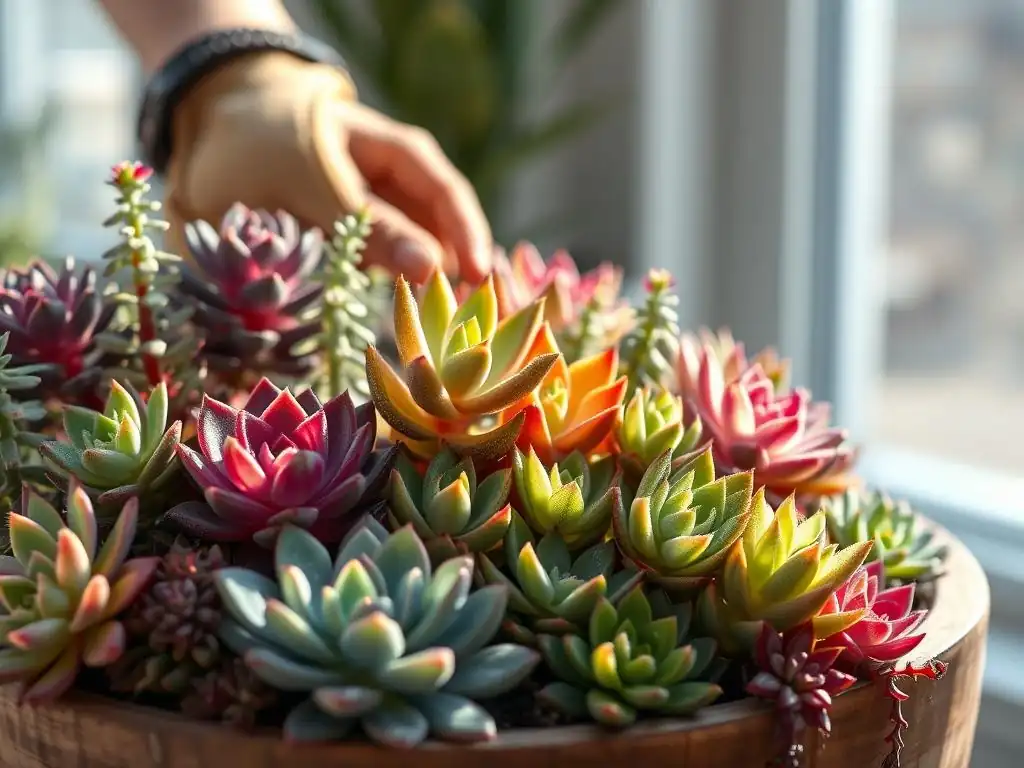
Welcome to SucculentEssentials.org, your gateway to the captivating world of succulents! Are you passionate about these resilient beauties but concerned about their ethical sourcing? Then you've come to the right place. Discover the secrets to cultivating a thriving collection while upholding responsible practices with our in-depth ethical succulent sourcing guide, a crucial read for every succulent enthusiast, especially those interested in Specialized Succulent Collections and Rare Species. Uncover the truth behind sustainable succulent cultivation and embark on a journey of ethical plant parenthood. Let's grow together, responsibly.
- Understanding the Growing Demand for Succulents
- Ethical Succulent Sourcing Guide: Key Considerations
- Ethical Considerations in Succulent Propagation
- The Role of Consumers in Ethical Succulent Sourcing
- Conservation Efforts and Ethical Sourcing Best Practices
- The Future of Ethical Succulent Sourcing
- Frequently Asked Questions
- Final Reflection: Cultivating a Conscious Collection
- Unleash Your Inner Succulent Steward
Understanding the Growing Demand for Succulents
The captivating beauty and low-maintenance nature of succulents have ignited a global craze, transforming them from niche collector's items to ubiquitous houseplants and garden accents. This surge in popularity, while undeniably exciting for succulent enthusiasts, presents a critical ethical dilemma: how do we balance the burgeoning demand with the need to conserve these fascinating plants and their often fragile ecosystems? This article serves as your comprehensive ethical succulent sourcing guide, exploring the challenges posed by increased demand and offering practical strategies for responsible succulent ownership and propagation.
We'll delve into the impact of this popularity on wild succulent populations, examine the sustainability challenges, and ultimately, equip you with the knowledge to make informed choices that support ethical and sustainable succulent cultivation. Choosing succulents responsibly isn't just about having a beautiful plant; it's about contributing to the long-term health of these unique species and their natural habitats.
The Rise in Succulent Popularity: A Global Phenomenon
The rise of succulents in popularity is a multifaceted phenomenon. Social media platforms like Instagram and Pinterest have played a significant role, showcasing stunning succulent arrangements and inspiring countless individuals to embrace these drought-tolerant plants. The aesthetic appeal of succulents, with their diverse shapes, colors, and textures, has captivated a broad audience, transcending age, location, and gardening experience.
Furthermore, their relatively low maintenance requirements make them accessible to even novice plant lovers, further fueling their widespread adoption. This increased visibility and accessibility have, however, led to a dramatic increase in demand, placing unprecedented pressure on both cultivated and wild succulent populations. The ease of sharing propagation techniques online, while beneficial for enthusiasts, has also contributed to the rapid expansion of succulent cultivation, raising questions about the sustainability of this growth.
Increased Demand and its Impact on Wild Populations
The escalating demand for succulents, particularly rare and sought-after varieties, has unfortunately led to unsustainable harvesting practices in their natural habitats. Poaching and over-collection from the wild threaten the survival of numerous succulent species, especially those found in regions with limited regulatory protection. Many of these plants grow slowly and have limited natural regeneration capabilities, making them particularly vulnerable to exploitation.
This indiscriminate harvesting not only depletes wild populations but also disrupts delicate ecosystems, affecting other plant and animal life that depend on these succulents. The impact is particularly severe in areas experiencing habitat loss due to factors such as urbanization and climate change, further compounding the conservation challenges. The ethical sourcing of succulents is therefore crucial to mitigating these negative consequences.
The Sustainability Challenge: Meeting Demand Responsibly
Meeting the growing demand for succulents ethically requires a multi-pronged approach. Prioritizing ethically sourced plants from reputable nurseries and propagators who employ sustainable cultivation practices is paramount. Supporting nurseries that propagate succulents from cuttings or seeds, rather than relying on wild-harvested plants, helps reduce the pressure on natural populations. Furthermore, learning to propagate succulents yourself is a rewarding and sustainable way to expand your collection without contributing to over-harvesting.
This involves understanding the propagation methods specific to different succulent species and providing the appropriate conditions for successful growth. Finally, educating yourself and others about ethical succulent sourcing is crucial in fostering a culture of responsible plant ownership and conservation. By making informed choices, we can ensure that our enjoyment of these beautiful plants doesn't come at the expense of their long-term survival.
Ethical Succulent Sourcing Guide: Key Considerations
This section delves into the crucial aspects of ethical succulent sourcing, providing a practical guide for enthusiasts seeking to build their collections responsibly. Understanding the ethical implications of succulent acquisition is paramount to ensuring the long-term health of these fascinating plants and their diverse ecosystems. This guide focuses on actionable steps you can take to make informed purchasing decisions that support conservation efforts. Choosing to prioritize ethical sourcing directly contributes to the preservation of succulent biodiversity and the sustainability of the succulent hobby.
Sourcing Succulents from Reputable Growers and Nurseries
Selecting your succulents from reputable sources is the cornerstone of ethical sourcing. This means moving beyond impulse purchases from unknown vendors and instead focusing on established businesses with a proven track record of sustainable practices. Look for nurseries and growers who prioritize propagation over wild harvesting. Many reputable suppliers actively cultivate their stock, reducing the pressure on wild populations. A commitment to propagation ensures a consistent supply of plants without depleting natural resources.
Consider the scale of the operation. Smaller, local nurseries often have a stronger commitment to sustainable practices and ethical sourcing than large-scale commercial operations. They may be more transparent about their sourcing methods and have a deeper understanding of the plants they sell. Building relationships with local growers can also provide access to unique varieties and specialized expertise.
Remember to ask questions! Don't hesitate to contact the nursery or grower directly to inquire about their sourcing practices. Ask about their propagation methods, whether they source plants from the wild, and what steps they take to ensure the health and sustainability of their stock. A responsible grower will be happy to answer these questions openly and transparently.
Identifying Sustainable and Ethical Succulent Suppliers
Identifying sustainable and ethical succulent suppliers requires careful observation and research. While certifications can be helpful, they are not always readily available for smaller businesses. Look for growers who emphasize sustainable practices in their marketing materials and online presence. This could include statements about their propagation methods, their commitment to responsible water usage, and their avoidance of pesticides and herbicides.
Pay attention to the overall presentation of the succulents. Healthy, well-cared-for plants are a strong indicator of responsible growing practices. Avoid suppliers who sell plants that appear stressed, unhealthy, or show signs of improper handling. The appearance of the plants often reflects the care and attention they received throughout their cultivation.
Online reviews and testimonials can provide valuable insights into a supplier's reputation and ethical practices. Look for feedback from other customers regarding their experiences with the supplier's customer service, product quality, and transparency about sourcing. Positive reviews and a strong online presence can indicate a reliable and ethical supplier.
Verifying Sustainable Practices: Certification and Transparency
While not all succulent growers will possess formal certifications, the presence of such certifications can offer a level of assurance regarding sustainable practices. Look for certifications related to sustainable agriculture, ethical sourcing, or responsible plant propagation. These certifications often involve rigorous audits and inspections, ensuring compliance with specific standards.
However, the absence of certification does not automatically disqualify a supplier. Transparency is just as crucial. A supplier who openly communicates their sourcing methods, propagation techniques, and commitment to environmental responsibility demonstrates a dedication to ethical practices. Ask for information about their supply chain and the origin of their succulents. A willingness to share this information is a positive sign.
Remember, ethical succulent sourcing is a continuous process of learning and improvement. By actively researching suppliers, asking questions, and supporting those who prioritize sustainability, you contribute to the preservation of these fascinating plants and their habitats. Your choices as a consumer directly influence the industry and encourage responsible practices within the succulent community. The beauty of these plants should not come at the cost of their survival.
Avoiding Plants Harvested from the Wild: Protecting Endangered Species
The ethical sourcing of succulents begins with a firm commitment to avoiding plants harvested from the wild. Many succulent species, particularly those with unique characteristics or limited ranges, are vulnerable to over-harvesting. This practice not only depletes wild populations, potentially driving some species towards extinction, but also disrupts delicate ecosystems. The removal of large numbers of plants can upset the natural balance, impacting other plant and animal life that depend on these succulents for survival.
For example, the removal of Dudleya species from their native Californian habitats has significantly impacted local biodiversity. These plants play a crucial role in stabilizing soil and providing habitat for insects and small animals. Their disappearance creates a domino effect, threatening the overall health of the ecosystem.
Wild-harvested succulents often lack the necessary documentation to ensure their origin and sustainability. This lack of traceability makes it nearly impossible to verify if the plant was legally collected and if the harvesting practices adhered to conservation regulations. Purchasing plants from untraceable sources inadvertently supports unsustainable practices and contributes to the decline of wild succulent populations. Responsible consumers should always demand transparency regarding the origin of their succulents.
Furthermore, wild-harvested succulents are often more susceptible to diseases and pests due to the stress of their removal and the inherent lack of controlled growing conditions. These plants may carry pathogens that can spread to other succulents in your collection or the surrounding environment. This poses a risk not only to your personal collection but also to the overall health of cultivated succulents.
Propagating succulents from ethically sourced, cultivated plants minimizes this risk, safeguarding the health of your plants and the wider succulent community. Choosing sustainably grown succulents is a vital step in ethical succulent ownership. It's a small action with a large impact on the future of these fascinating plants.
Ethical Considerations in Succulent Propagation
Ethical succulent sourcing isn't just about where you buy your plants; it extends to how you propagate them. Responsible propagation practices are crucial for minimizing the environmental impact and ensuring the long-term survival of succulent species, especially rare and endangered varieties. This section delves into the ethical dimensions of succulent propagation, providing a framework for mindful growth and distribution. Understanding these considerations is key to becoming a truly ethical succulent enthusiast and contributing to a sustainable future for these fascinating plants.
Propagation Techniques for Responsible Succulent Growth
Several propagation methods exist, each carrying different implications for ethical succulent cultivation. Leaf cuttings, for instance, are a popular and relatively simple method. However, over-harvesting leaves from wild plants can severely damage or even kill the parent plant, undermining conservation efforts. Therefore, ethical leaf propagation relies heavily on using leaves from already cultivated plants, or obtaining permission from landowners before collecting from wild populations.
Stem cuttings present a similar ethical dilemma. While efficient, indiscriminately taking stem cuttings from wild succulents is unsustainable. Responsible stem cutting propagation requires sourcing material from your own plants or obtaining cuttings from reputable nurseries known for their ethical sourcing practices.
Seed propagation offers a more sustainable approach, particularly for common succulent species. However, sourcing seeds ethically is paramount. Avoid purchasing seeds from sources that may be harvesting from endangered populations in the wild. Opt for seeds from reputable nurseries or seed banks that prioritize conservation and sustainable practices. The ethical seed sourcing guide emphasizes responsible collection and propagation.
| Propagation Method | Ethical Considerations | Advantages | Disadvantages |
|---|---|---|---|
| Leaf Cuttings | Source leaves from your own plants or ethically sourced nurseries; avoid wild harvesting. | Simple, relatively fast, high success rate. | Can damage or kill parent plant if over-harvested. |
| Stem Cuttings | Same as leaf cuttings; ensure sustainable practices. | Efficient for many species; produces many plants. | Similar to leaf cuttings. |
| Seed Propagation | Source seeds from reputable nurseries or seed banks; avoid wild harvesting. | Sustainable; genetically diverse offspring. | Slower growth; may require specialized conditions. |
Minimizing Environmental Impact During Propagation
Minimizing the environmental footprint of your propagation efforts is essential for ethical succulent growing. This involves considering several key factors:
- Water usage: Succulents are drought-tolerant, but propagation still requires careful watering. Avoid overwatering to prevent fungal diseases and water waste. Employ water-efficient irrigation methods like drip irrigation or bottom watering.
- Pesticide use: Avoid using harmful pesticides. Opt for organic pest control methods, such as introducing beneficial insects or using insecticidal soap. These methods are less harmful to the environment and your health.
- Waste reduction: Recycle or compost any propagation materials, such as plastic pots or growing medium. Choose biodegradable pots whenever possible.
- Energy consumption: Consider using energy-efficient grow lights if you propagate indoors. This reduces your carbon footprint and helps maintain optimal growing conditions.
Implementing these strategies reduces the overall environmental impact of your propagation activities, aligning your practices with ethical and sustainable principles. The responsible use of resources is a cornerstone of ethical succulent cultivation.
Sharing propagated succulents can be a powerful way to contribute to conservation efforts. However, ethical considerations remain crucial:
- Avoid introducing invasive species: Before sharing, ensure the succulents you propagate are not invasive in the recipient's region. Introducing non-native species can disrupt local ecosystems.
- Inform recipients: Educate recipients on proper succulent care and the importance of responsible propagation. This ensures that the plants you share continue to thrive and don't become a burden on the environment.
- Support conservation organizations: Consider donating some of your propagated succulents to botanical gardens, conservation organizations, or educational institutions. This helps increase the availability of these plants for research, education, and conservation programs.
By sharing your propagated succulents responsibly, you can actively contribute to the preservation and appreciation of these remarkable plants. This collaborative approach is key to creating a sustainable future for succulent enthusiasts and the plants themselves. Ethical sharing practices are vital for the long-term success of succulent conservation initiatives.
The Role of Consumers in Ethical Succulent Sourcing
Consumers play a pivotal role in shaping the ethical landscape of the succulent trade. By making conscious choices and demanding transparency, we can collectively drive positive change and ensure the long-term survival of these fascinating plants. The demand for succulents, especially rare and unique varieties, has unfortunately led to unsustainable harvesting practices in some regions. Understanding this dynamic is the first step towards responsible consumption. This section will explore how individual consumers can contribute to ethical succulent sourcing, fostering a more sustainable future for these captivating plants.
Making Informed Purchasing Decisions: Choosing Ethically Sourced Plants
Choosing ethically sourced succulents requires diligence and awareness. Unfortunately, there isn't a universally recognized certification for "ethical succulents," making it crucial to be a discerning buyer. Look for reputable sellers who are transparent about their sourcing practices. Ask questions! Inquire about the origin of the plants, the propagation methods used (tissue culture is generally more sustainable than wild harvesting), and the seller's commitment to environmental responsibility. Avoid suspiciously cheap succulents, as this often indicates unsustainable harvesting practices.
Consider the following checklist when purchasing succulents:
| Criteria | Ethical Sourcing Indicator | Unethical Sourcing Indicator |
|---|---|---|
| Source Transparency | Seller openly discusses plant origin, propagation methods, and environmental impact. | Seller is vague or unwilling to answer questions about sourcing. |
| Pricing | Prices reflect fair compensation for growers and sustainable practices. | Unusually low prices may suggest unsustainable harvesting. |
| Plant Health | Plants appear healthy, vigorous, and free from pests or diseases. | Plants look stressed, weak, or show signs of improper handling. |
| Packaging and Shipping | Sustainable packaging materials are used; shipping minimizes plant stress. | Excessive or non-recyclable packaging; rough handling during transit. |
| Seller Reputation | Positive reviews and a commitment to ethical practices are evident. | Negative reviews or lack of transparency regarding business practices. |
Remember, supporting ethical businesses directly contributes to the conservation of succulent species. Choosing wisely is a powerful tool for positive change.
Supporting Sustainable Succulent Businesses: Promoting Ethical Practices
Beyond individual purchasing decisions, actively supporting businesses committed to ethical succulent sourcing is crucial. This involves seeking out nurseries and online retailers that prioritize sustainable practices, such as:
- Tissue culture propagation: This method minimizes the impact on wild populations and ensures consistent plant quality.
- Responsible harvesting: If wild harvesting occurs, it should be done sustainably, with permits and in accordance with conservation regulations.
- Conservation efforts: Support businesses that actively contribute to succulent conservation projects or partner with conservation organizations.
- Transparency and traceability: Businesses should be open about their sourcing and supply chains.
By actively choosing to support these businesses, we are sending a clear message to the market: ethical and sustainable practices are valued and will be rewarded. This positive feedback loop encourages more businesses to adopt responsible practices. Look for businesses that actively communicate their commitment to ethical sourcing on their websites or through social media. Leaving positive reviews for businesses that demonstrate ethical practices also helps spread awareness and encourage others to do the same.
Educating Others About Ethical Succulent Sourcing: Spreading Awareness
The final piece of the ethical succulent sourcing puzzle involves education and awareness. Sharing your knowledge with fellow succulent enthusiasts can significantly impact the industry. By discussing ethical sourcing practices with friends, family, and online communities, you help to create a more informed and responsible consumer base.
Consider these avenues for spreading awareness:
- Social media: Share informative posts and articles about ethical succulent sourcing on platforms like Instagram, Facebook, and Pinterest. Use relevant hashtags like #ethicalsourcing, #succulentconservation, and #ethicalsucculents.
- Workshops and talks: Organize or participate in workshops and talks to educate others about responsible succulent ownership.
- Community gardens: Partner with community gardens or local plant societies to offer educational sessions on ethical succulent sourcing and propagation.
- Online forums: Participate in online forums and discussions, sharing your knowledge and correcting misinformation about ethical sourcing practices.
By actively promoting ethical succulent sourcing, we can create a ripple effect, influencing more people to make responsible choices and contributing to a more sustainable future for these beloved plants. Remember, even small actions can have a significant collective impact. 🌱
Conservation Efforts and Ethical Sourcing Best Practices
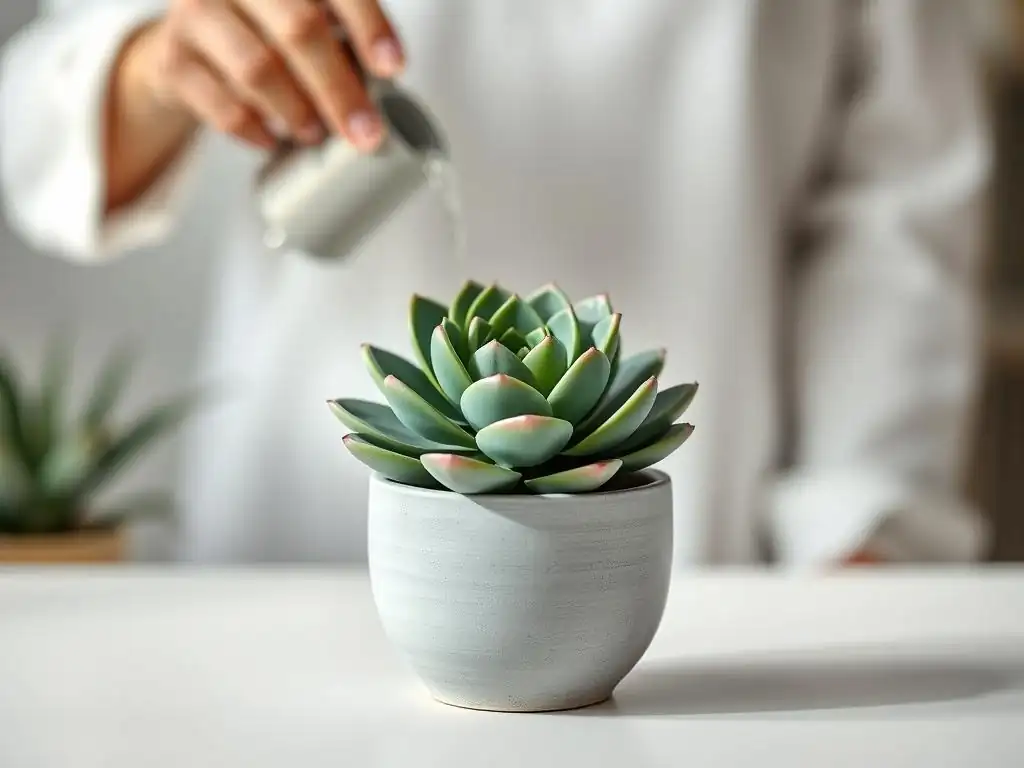
This section delves into the practical steps succulent enthusiasts can take to ensure their hobby contributes positively to succulent conservation. Ethical succulent sourcing is paramount, and these actions offer a tangible path towards responsible plant ownership. By actively participating in conservation, we can help secure the future of these fascinating plants. This ethical succulent sourcing guide provides actionable steps for every level of succulent enthusiast.
Participating in Conservation Programs and Initiatives
Many organizations dedicate themselves to the preservation of succulent species and their habitats. Active participation in these programs is crucial for bolstering conservation efforts. These initiatives often involve fieldwork, data collection, and habitat restoration. For example, some programs focus on the reintroduction of endangered succulents into their natural environments, a process requiring careful planning and monitoring. Others concentrate on protecting existing habitats from human encroachment and environmental degradation.
Several avenues for involvement exist, ranging from volunteering time to donating funds. Some organizations offer opportunities for citizen scientists to participate in population surveys and monitor the health of succulent populations. This data is invaluable for researchers and conservationists, providing insights into population trends and informing conservation strategies. Even small contributions can have a significant cumulative impact. Consider your skills and available time when selecting a program.
Do you have a talent for data entry? Are you physically able to participate in fieldwork? Matching your abilities with the needs of a specific program maximizes your contribution's effectiveness. Choosing programs dedicated to in situ conservation, which focuses on protecting succulents in their natural habitats, is especially impactful.
Contributing to Research and Monitoring of Succulent Populations
Beyond participating in established programs, individual contributions to research and monitoring are invaluable. This doesn't necessarily require advanced scientific training. Many research projects welcome assistance with data collection, such as recording observations of succulent populations in specific areas. This citizen science approach provides valuable data on population sizes, distribution patterns, and threats faced by different species. Detailed records of flowering times, seed production, and signs of disease can be incredibly useful. Accurate and consistent data is essential for understanding population dynamics and informing conservation strategies.
Furthermore, contributing to research can involve supporting researchers financially. Many researchers rely on grants and donations to fund their work. Even small donations can make a significant difference. Consider contributing to universities or research institutions specializing in succulent ecology and conservation. Your support can directly impact the ability of researchers to conduct crucial studies on succulent populations and habitat management. Remember, even seemingly minor observations can reveal significant insights into the health and resilience of succulent populations. Documenting these observations meticulously and sharing them with relevant researchers can prove invaluable.
Advocating for Sustainable Practices in the Succulent Industry
Ethical succulent sourcing extends beyond individual actions to encompass advocacy for sustainable practices within the succulent industry. This involves supporting nurseries and growers committed to ethical and sustainable practices. This means favoring growers who propagate succulents responsibly, avoiding over-harvesting from the wild, and employing environmentally friendly cultivation methods. Look for nurseries that clearly outline their sourcing practices and commitment to conservation. Avoid those that offer plants originating from unsustainable sources.
Advocacy also involves raising awareness among fellow succulent enthusiasts. Sharing information about ethical sourcing and responsible plant ownership is crucial. Educating others about the importance of sustainable practices helps create a larger community committed to conservation. This can involve engaging in online forums, participating in succulent-related events, and simply having conversations with others about the importance of sustainable plant acquisition.
By promoting ethical practices, we collectively contribute to a more sustainable future for succulents. Remember that choosing ethically sourced succulents is not just a personal choice; it's a crucial step in safeguarding the future of these remarkable plants for generations to come. 🌱
The Future of Ethical Succulent Sourcing
Long-Term Sustainability Strategies for the Succulent Industry
The future of ethical succulent sourcing hinges on the adoption of robust, long-term sustainability strategies across the entire industry. This requires a multifaceted approach, moving beyond simple certifications and encompassing practices that prioritize both the health of succulent populations and the livelihoods of those involved in their cultivation and trade. One crucial aspect is the shift towards sustainable harvesting techniques.
This includes implementing quotas based on thorough population assessments, prioritizing non-destructive harvesting methods, and focusing on propagation from cuttings or seeds to reduce pressure on wild populations. Furthermore, the industry needs to invest heavily in research to better understand the specific needs and vulnerabilities of different succulent species, informing best practices for cultivation and conservation. We need to move away from a model focused solely on rapid growth and profit maximization towards one that values responsible and sustainable growth.
This could involve incentivizing sustainable practices through fair trade initiatives and supporting growers who adhere to strict ethical standards. Data collection and transparent reporting on sourcing practices are also essential to build trust and accountability within the industry. For example, implementing a standardized tracking system for succulents from propagation to sale would allow for better monitoring and regulation.
Collaboration and Partnerships for Conservation Success
Effective conservation efforts require a collaborative approach, bringing together diverse stakeholders across the succulent industry and beyond. This includes fostering strong partnerships between growers, retailers, conservation organizations, and government agencies. Such collaborations can facilitate the sharing of best practices, the development of standardized ethical guidelines, and the implementation of effective monitoring programs.
For instance, a collaborative effort might involve establishing a network of protected areas dedicated to the cultivation and conservation of rare or endangered succulent species. These protected areas could serve as seed banks, ensuring the long-term survival of these plants and providing a source of stock for ethical propagation. Moreover, collaborative research initiatives can help identify vulnerable species and develop tailored conservation strategies.
This could involve the development of advanced propagation techniques, the identification of suitable habitats for reintroduction programs, and the study of the impact of climate change on succulent populations. Successful collaboration necessitates open communication, a shared commitment to ethical sourcing, and a willingness to adapt strategies based on ongoing research and monitoring. The power of collective action is undeniable in protecting succulent biodiversity.
The Importance of Ongoing Education and Awareness Campaigns
Raising public awareness about ethical succulent sourcing is critical to fostering a demand for sustainably produced plants. This requires a comprehensive education campaign targeting various audiences, from casual plant enthusiasts to professional landscapers. Educational initiatives should highlight the importance of succulent conservation, the environmental impact of unsustainable harvesting practices, and the benefits of choosing ethically sourced plants. This can be accomplished through a variety of channels, including workshops, online resources, educational materials, and collaborations with botanical gardens and other educational institutions.
Furthermore, emphasizing the beauty and uniqueness of ethically sourced succulents can encourage consumers to make informed purchasing decisions. Transparency in labeling and marketing is also key; consumers need clear and accessible information about the origin and cultivation methods of the plants they are buying. For example, a certification system indicating adherence to ethical sourcing standards could help consumers easily identify responsible retailers.
Ongoing monitoring and evaluation of the effectiveness of these campaigns are vital to ensure they remain relevant and impactful. The long-term success of ethical succulent sourcing depends on a well-informed and engaged public that actively supports sustainable practices. The more we educate, the more likely we are to achieve a future where succulent conservation and the succulent industry can thrive in harmony.
Frequently Asked Questions
What does "ethical succulent sourcing" mean?
Ethical succulent sourcing means choosing succulents from responsible suppliers who prioritize sustainable practices, avoiding those that contribute to overharvesting or habitat destruction. This ensures the long-term health of succulent populations and ecosystems.
How can I tell if a succulent supplier is ethical?
Look for suppliers who are transparent about their sourcing methods, perhaps mentioning propagation from cuttings or sustainable harvesting techniques. Avoid those who sell wild-collected succulents without clear provenance.
Are all succulents at big box stores unethical?
Not necessarily. Some large retailers are increasingly partnering with ethical suppliers, but it's crucial to ask questions about their sourcing to ensure they align with your values. Look for information on their website or contact customer service.
Why is ethical succulent sourcing important?
Ethical sourcing is vital for conserving succulent species and their habitats. Overharvesting can lead to population decline and even extinction of rare varieties, harming biodiversity.
What can I do to promote ethical succulent practices?
Support ethical growers and nurseries by purchasing from them directly. Additionally, propagate your own succulents from cuttings to reduce demand on wild populations and share your knowledge with others.
Final Reflection: Cultivating a Conscious Collection
The ethical sourcing of succulents is not merely a trend; it's a crucial step in preserving biodiversity and ensuring the sustainable enjoyment of these captivating plants. The demand for succulents has exploded, creating a complex web of supply and demand that, if left unchecked, could decimate wild populations and compromise the very ecosystems these plants call home. Understanding this delicate balance is paramount to the future of succulent cultivation.
The journey of researching and writing this article has profoundly impacted my own approach to plant ownership. I've become far more mindful of where my plants originate and the potential environmental consequences of unchecked consumption. The impact extends beyond the individual plant, influencing our relationship with the natural world as a whole. We do not inherit the earth from our ancestors; we borrow it from our children.
– Native American Proverb. This quote underscores the responsibility we bear to protect these resources for future generations, ensuring that the beauty of succulents can be appreciated for years to come.
Now, consider your own succulent collection. Where did your plants come from? Do you know the story behind their journey from seed or cutting to your home? I urge you to take a moment to reflect on your purchasing habits and consider the ethical implications. By making conscious choices, supporting ethical growers, and advocating for sustainable practices, you can become a part of the solution, ensuring that the vibrant world of succulents thrives for generations to come. Let's cultivate a future where our passion for these plants doesn't come at the expense of their survival.
Unleash Your Inner Succulent Steward
Thank you for joining us on this journey into the ethical world of succulent collecting! We hope you've gained a deeper understanding of responsible succulent ownership and the importance of conservation. Now, let's put that knowledge into practice.
Here's how you can make a difference:
- Join our Succulent Stewardship Circle: Connect with fellow succulent enthusiasts, share your expertise, and participate in conservation projects. We'll be hosting workshops and community events throughout the year.
- Source succulents ethically: Before your next purchase, research the nursery or seller to ensure they prioritize sustainable practices and ethical sourcing. Consider supporting businesses committed to responsible cultivation and conservation efforts.
- Share this article: Spread the word about responsible succulent ownership and inspire others to become ethical succulent stewards!
What steps will you take to cultivate a more sustainable succulent collection? Let's discuss in the comments below!