
The Essential Guide to Fertilizing Succulents in Hanging Baskets

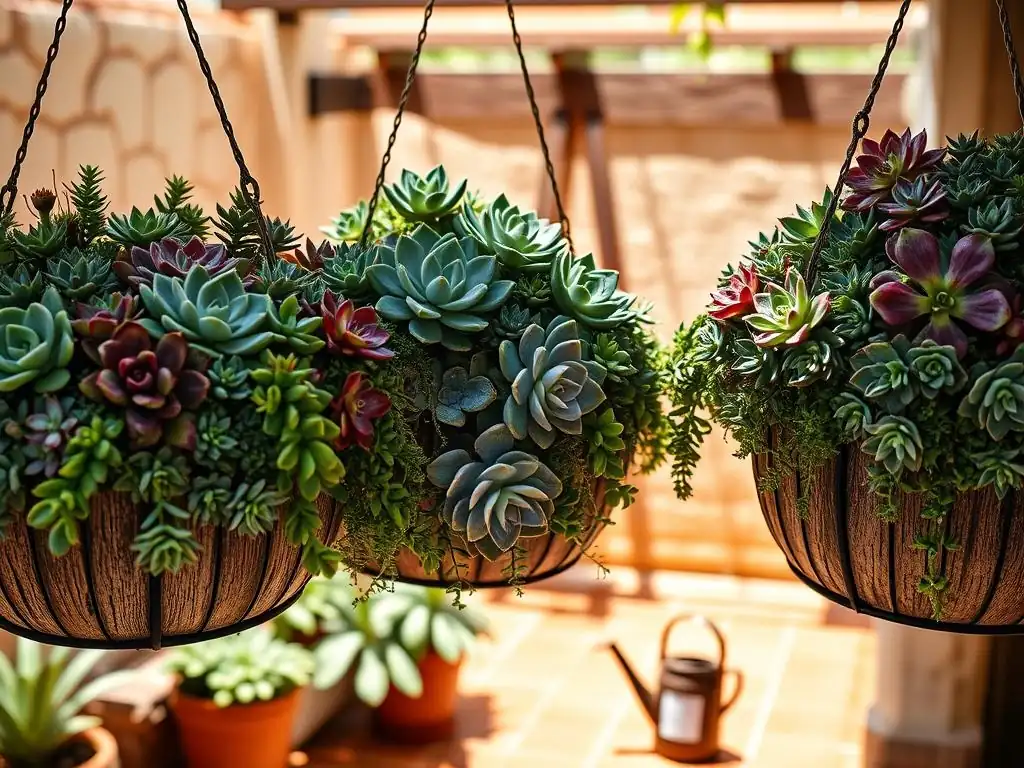
Welcome to SucculentEssentials.org, your gateway to the captivating world of succulents! Are you ready to unlock the secrets to thriving, vibrant plants? We'll guide you through every step, from choosing the perfect succulent to mastering the art of creating stunning displays. But first, let's tackle a crucial element often overlooked: discover the essential techniques for fertilizing hanging basket succulents—and watch your collection flourish like never before. Dive in and let's get growing!
- Understanding Succulent Fertilizer Needs in Hanging Baskets
- How to Fertilize Hanging Basket Succulents Effectively
- Avoiding Common Mistakes When Fertilizing Hanging Basket Succulents
- Maintaining Healthy Hanging Basket Succulents Through Proper Fertilization
- FAQ: Fertilizing Hanging Basket Succulents
-
Frequently Asked Questions
- How often should I fertilize my hanging basket succulents?
- What type of fertilizer is best for hanging basket succulents?
- How do I apply fertilizer to succulents in hanging baskets?
- My hanging basket succulents look leggy. Is this related to fertilization?
- What are the signs of fertilizer burn in hanging basket succulents?
- Final Reflection: Nurturing Life, One Hanging Basket at a Time
- Unleash Your Hanging Succulent's Full Potential!
Understanding Succulent Fertilizer Needs in Hanging Baskets
Succulents, with their striking shapes and vibrant colors, are increasingly popular choices for hanging baskets, adding a touch of desert elegance to any space. However, providing optimal care for these drought-tolerant plants in hanging containers requires a nuanced understanding of their fertilization needs. Unlike their soil-bound counterparts, succulents in hanging baskets have a more limited root system and rely heavily on the nutrients provided through fertilization.
This essential guide will delve into the specifics of fertilizing hanging basket succulents, ensuring your plants thrive and remain healthy and visually stunning. We'll explore nutrient requirements, signs of deficiency, and how to choose the right fertilizer to keep your hanging succulent displays flourishing.
Mastering the art of fertilizing hanging basket succulents will transform your plant care routine, leading to healthier, more vibrant plants that will reward you with their beauty for years to come. This comprehensive guide will equip you with the knowledge to successfully fertilize hanging basket succulents, addressing common challenges and ensuring your plants receive the precise nutrition they need to thrive.
Nutrient Requirements for Hanging Basket Succulents
Hanging basket succulents, while adapted to low-water conditions, still require essential nutrients for healthy growth and vibrant coloration. Their limited root system in the confined space of a hanging basket means that nutrient depletion can occur more rapidly than in larger, in-ground plantings. Key nutrients include:
- Nitrogen (N): Crucial for leaf growth and overall plant vigor. Too much nitrogen can lead to leggy growth and reduced flowering.
- Phosphorus (P): Essential for root development, flowering, and overall plant health. Phosphorus deficiency can result in stunted growth and poor flowering.
- Potassium (K): Supports overall plant health, disease resistance, and drought tolerance. Potassium deficiency can manifest as weak stems and leaf discoloration.
- Micronutrients: While needed in smaller amounts, micronutrients like iron, manganese, and zinc are vital for various metabolic processes. Deficiencies can lead to chlorosis (yellowing of leaves) and other growth abnormalities.
The specific nutrient needs will vary depending on the succulent species and the growth stage. Young, actively growing succulents will generally require a higher nutrient concentration than mature plants. Regular monitoring and observation are key to ensuring your hanging basket succulents receive the appropriate balance of nutrients. Remember, it's crucial to avoid over-fertilizing, as this can lead to salt buildup in the soil and damage the delicate root system.
Identifying Signs of Nutrient Deficiency in Hanging Succulents
Recognizing signs of nutrient deficiency in your hanging succulents is crucial for timely intervention and preventing further damage. These deficiencies often manifest in subtle yet noticeable ways:
- Yellowing leaves (Chlorosis): Often indicates a deficiency in nitrogen, iron, or other micronutrients. The yellowing may be uniform across the leaves or concentrated in specific areas.
- Stunted growth: Slow or inhibited growth can signal a lack of essential nutrients, particularly phosphorus. This can be especially noticeable in young succulents.
- Weak stems: Fragile or weak stems can be a sign of potassium deficiency, making the plants more susceptible to damage.
- Pale or dull coloration: Lackluster color in the leaves can indicate a general nutrient imbalance, suggesting a need for a balanced fertilizer.
- Leaf discoloration: Unusual spots or blotches on the leaves may indicate specific micronutrient deficiencies.
Careful observation of your plants' appearance, combined with an understanding of nutrient deficiencies, will allow you to address issues promptly and prevent serious setbacks. Regularly inspect your hanging succulents for any signs of distress, and don't hesitate to adjust your fertilization regimen as needed.
Choosing the Right Fertilizer for Hanging Basket Succulents
Selecting the appropriate fertilizer is paramount for the health and longevity of your hanging basket succulents. Avoid using fertilizers formulated for high-nitrogen-demanding plants, as this can lead to excessive growth and weakened stems. Instead, opt for a balanced, slow-release fertilizer specifically designed for cacti and succulents. A balanced fertilizer with a NPK ratio of approximately 1-1-1 or a slightly higher phosphorus content is generally recommended.
Remember that less is often more when fertilizing succulents. It's better to under-fertilize than to over-fertilize. Always follow the instructions on the fertilizer packaging carefully, and dilute the solution to a weaker concentration than recommended. Consider using a water-soluble fertilizer for easier application and better control over nutrient delivery.
Regular, but diluted, applications are far more beneficial than infrequent, heavy applications. The choice of fertilizer will also depend on the type of potting mix used, with some mixes offering a slow release of nutrients that will reduce the need for frequent fertilization. Always monitor your plants' response to fertilization and adjust accordingly.
How to Fertilize Hanging Basket Succulents Effectively
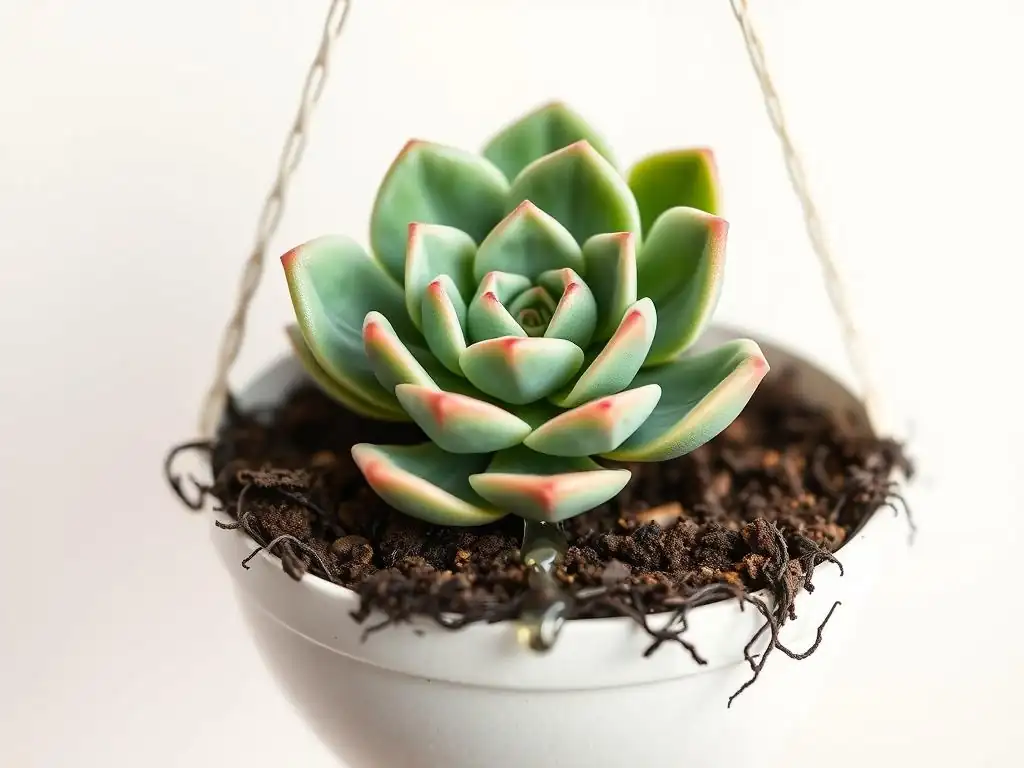
This section delves into the specifics of fertilizing succulents thriving in the unique environment of hanging baskets. Remember, while succulents are drought-tolerant, they still require nutrients for optimal growth and vibrant displays. Over-fertilizing is a common mistake, leading to root burn and even plant death.
The key is to use a balanced approach, providing just the right amount of nutrients at the appropriate times. We'll explore both liquid and granular fertilizer application methods tailored to hanging basket succulents, emphasizing techniques that minimize risk and maximize results. Successfully fertilizing hanging basket succulents enhances their beauty and longevity, making your vertical garden a stunning focal point.
Preparing Your Hanging Basket Succulents for Fertilization
Before you even think about applying fertilizer, proper preparation is crucial for healthy growth and avoids potential problems. First, inspect your hanging basket succulents for signs of stress or disease. Yellowing leaves, leggy growth, or unusual spots could indicate underlying issues that need addressing before fertilization. Addressing these problems first prevents fertilizer from exacerbating the situation.
Next, gently water your succulents thoroughly a day or two before fertilizing. This ensures the soil is adequately moist, allowing the roots to absorb the nutrients more effectively and preventing fertilizer burn. Avoid fertilizing dry soil, as this can concentrate the fertilizer salts and damage the delicate root systems. Remember, a healthy root system is fundamental for nutrient uptake.
Finally, remove any dead or decaying leaves or stems. This prevents the build-up of pathogens and allows for better air circulation around the roots, further enhancing nutrient absorption. A clean and healthy environment allows your succulents to benefit fully from the fertilizer. Think of it as preparing the soil for a healthy harvest! 🌱
Applying Liquid Fertilizer to Hanging Basket Succulents
Liquid fertilizers offer a convenient and readily available option for feeding your hanging basket succulents. The key is to dilute the fertilizer to a much weaker concentration than what's recommended on the label. Succulents are sensitive to salt build-up, so using a diluted solution minimizes the risk of root burn. A good rule of thumb is to dilute the recommended concentration by half, or even more, especially during the dormant season.
For example, if the label suggests using 1 teaspoon of fertilizer per gallon of water, try using only ½ teaspoon or even ¼ teaspoon, particularly for smaller plants or those recently repotted. Always follow the instructions on your specific fertilizer packaging, but err on the side of caution with succulents.
Apply the diluted liquid fertilizer directly to the soil, ensuring that it reaches the roots. Avoid getting the fertilizer on the leaves, as this can cause burning. Water thoroughly after applying the fertilizer to help distribute the nutrients evenly and prevent salt build-up on the soil surface. Regular, but diluted, applications are preferable to infrequent heavy feedings. 💧
Applying Granular Fertilizer to Hanging Basket Succulents
Granular fertilizers offer a slower-release option for feeding your hanging basket succulents. This method is ideal for providing a sustained supply of nutrients over a longer period. However, it's equally important to use a balanced, slow-release formula specifically designed for succulents and to use it sparingly. Over-fertilizing with granular fertilizers can have the same damaging effects as with liquid fertilizers.
When using granular fertilizers, sprinkle a small amount around the base of the plants, avoiding direct contact with the stems or leaves. Gently work the granules into the top layer of the soil. Water thoroughly after application to dissolve the granules and help the nutrients reach the roots. It's better to under-fertilize than over-fertilize with granular fertilizers, as the nutrients are released gradually over time. Observe your plants closely; if you notice signs of over-fertilization (such as leaf discoloration or stunted growth), immediately stop fertilizing and flush the soil with plenty of water. 🌿
Frequency of Fertilizing Hanging Basket Succulents
The frequency of fertilizing your hanging basket succulents depends heavily on several factors: the time of year, the type of succulent, the health of the plant, and the type of fertilizer used. Over-fertilizing is a common mistake that can lead to root burn and even kill your succulents. Under-fertilizing, on the other hand, results in stunted growth and a less vibrant display. Finding the right balance is key to thriving hanging baskets.
During the active growing season, typically spring and summer, your succulents will benefit from more frequent feeding. Aim for fertilizing every 2-4 weeks. However, it's crucial to use a diluted solution – never apply fertilizer at full strength. Always follow the instructions on the fertilizer packaging carefully. Using less fertilizer more frequently is generally safer than using a stronger concentration less often. This approach allows the plant to absorb nutrients gradually, minimizing the risk of damage.
In the dormant period (typically fall and winter), succulents go into a state of slowed growth. They require significantly less fertilizer during this time. You can reduce the frequency to once a month or even cease fertilizing altogether. Observe your plants closely; if they appear healthy and vigorous, you may not need to fertilize at all during the dormant months. Remember, less is often more when it comes to winter fertilizing.
Over-fertilizing during dormancy can stress the plant and make it more susceptible to disease and pests. Monitoring the plants' appearance is your best guide. If they look healthy and aren't showing signs of nutrient deficiency, you can safely reduce or eliminate feeding during this period. This approach ensures your succulents receive the appropriate nutrients without overwhelming their systems.
Avoiding Common Mistakes When Fertilizing Hanging Basket Succulents
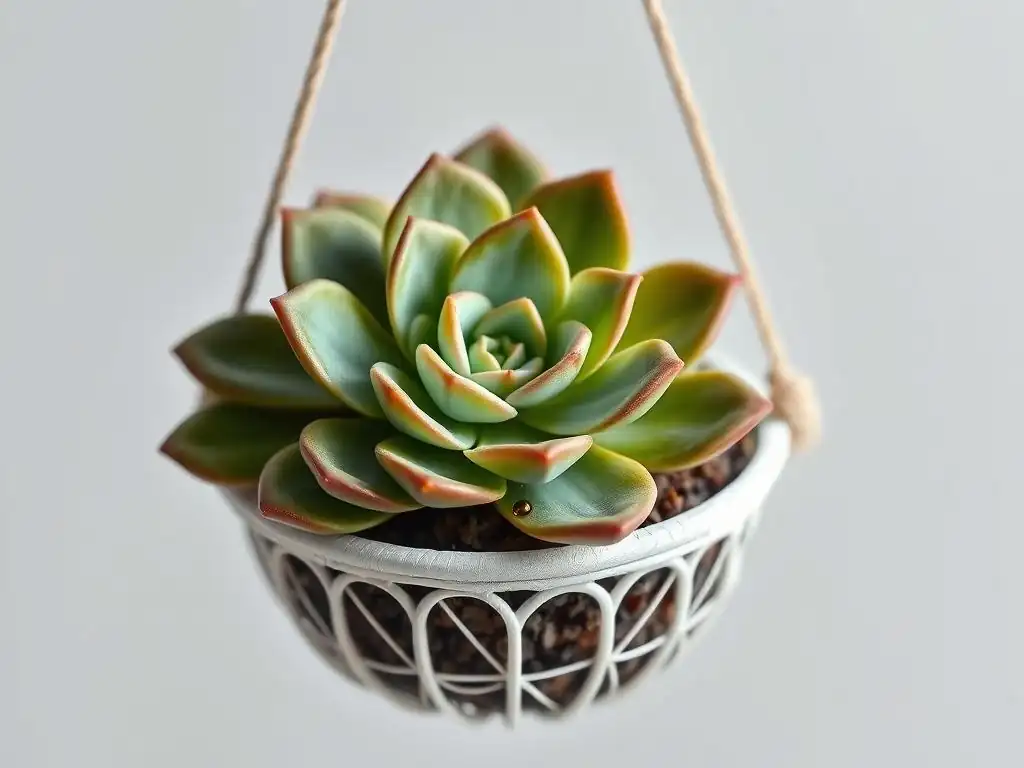
Successfully fertilizing hanging basket succulents requires a delicate balance. Too much, and you risk burning their roots; too little, and they'll become weak and unhealthy. This section focuses on avoiding common pitfalls to ensure your succulents thrive in their aerial homes. Proper fertilization is crucial for vibrant growth and abundant blooms, particularly in hanging baskets where root space is often limited. Mastering this aspect of succulent care will significantly improve the health and appearance of your hanging displays. Remember, even though succulents are drought-tolerant, they still need nutrients to flourish.
Over-fertilizing Hanging Basket Succulents: Signs and Solutions
Over-fertilizing is a common mistake, especially with beginners. The symptoms are often subtle at first, but can quickly escalate to serious damage. Salt buildup from excess fertilizer can be particularly problematic in hanging baskets due to the limited soil volume.
Here's how to spot over-fertilization:
- Leaf discoloration: Look for browning, yellowing, or even blackening of the leaves, especially at the tips or edges. This indicates salt burn from excessive fertilizer salts accumulating in the soil.
- Stunted growth: Ironically, over-fertilized succulents may appear stunted rather than thriving. The roots may be damaged, hindering nutrient uptake.
- Root rot: Excess fertilizer can alter the soil's pH and water retention, creating conditions conducive to root rot. This is often fatal.
- Leaf drop: Succulents may start dropping leaves in an attempt to reduce their nutrient intake.
Solutions:
- Flush the soil: Gently and thoroughly flush the soil with plenty of water to leach out excess salts. This should be done several times, allowing the water to drain completely each time.
- Repotting: In severe cases, repotting the succulents into fresh, well-draining potting mix is necessary. Ensure the new mix is specifically formulated for succulents and cacti.
- Reduce fertilizer frequency: In the future, reduce the frequency and concentration of your fertilizer applications. Follow the instructions on your chosen fertilizer carefully, and consider using a diluted solution. Remember, less is often more with succulents.
Under-fertilizing Hanging Basket Succulents: Signs and Solutions
While over-fertilizing is common, under-fertilizing can also hinder growth. Succulents deprived of essential nutrients will exhibit a range of symptoms. The lack of vibrant color and slow growth are key indicators.
Signs of under-fertilization include:
- Pale or dull leaf color: Succulents will lack the vibrant hues characteristic of healthy plants. They may appear washed out or lack their usual intensity.
- Slow or stunted growth: Under-fertilized succulents will grow slowly and may not produce as many new leaves or offsets.
- Weak stems: The stems may appear weak and spindly, unable to support the weight of the plant.
- Reduced flowering: Succulents may produce fewer flowers or no flowers at all if they're nutrient deficient.
Solutions:
- Increase fertilizer frequency or concentration: Gradually increase the frequency of fertilization, following the recommended guidelines on the fertilizer packaging. Alternatively, slightly increase the concentration of the fertilizer solution, but always err on the side of caution.
- Use a balanced succulent fertilizer: Ensure you are using a fertilizer formulated for succulents and cacti, providing a balanced nutrient profile. Avoid using general-purpose fertilizers, which may have an inappropriate nutrient ratio for these plants.
- Improve soil quality: Consider amending the soil with organic matter to improve its nutrient content and water retention. However, maintain excellent drainage to prevent root rot.
Choosing the Right Time of Year to Fertilize Hanging Basket Succulents
The best time to fertilize your hanging basket succulents is during their active growing season. This typically corresponds to spring and summer, when temperatures are warmer and daylight hours are longer. During the dormant period (fall and winter), succulents require significantly less fertilization, if any. Over-fertilizing during dormancy can cause stress and even damage the plants.
Here’s a more detailed breakdown:
- Spring and Summer (Active Growth): Fertilize every 2-4 weeks, using a diluted solution of a balanced succulent fertilizer. Follow the instructions on the packaging carefully. Regular watering is crucial during this period to help the nutrients reach the roots.
- Fall and Winter (Dormancy): Reduce or completely cease fertilization during the dormant season. Succulents are less active during this time and don't require as much nourishment. Over-fertilizing during dormancy can lead to root damage and increase the risk of disease.
Remember to always observe your succulents closely. Adjust your fertilization schedule based on their individual needs and the prevailing environmental conditions. With careful attention and proper technique, you can ensure your hanging basket succulents thrive and add beauty to your space year-round. 🪴
Maintaining Healthy Hanging Basket Succulents Through Proper Fertilization
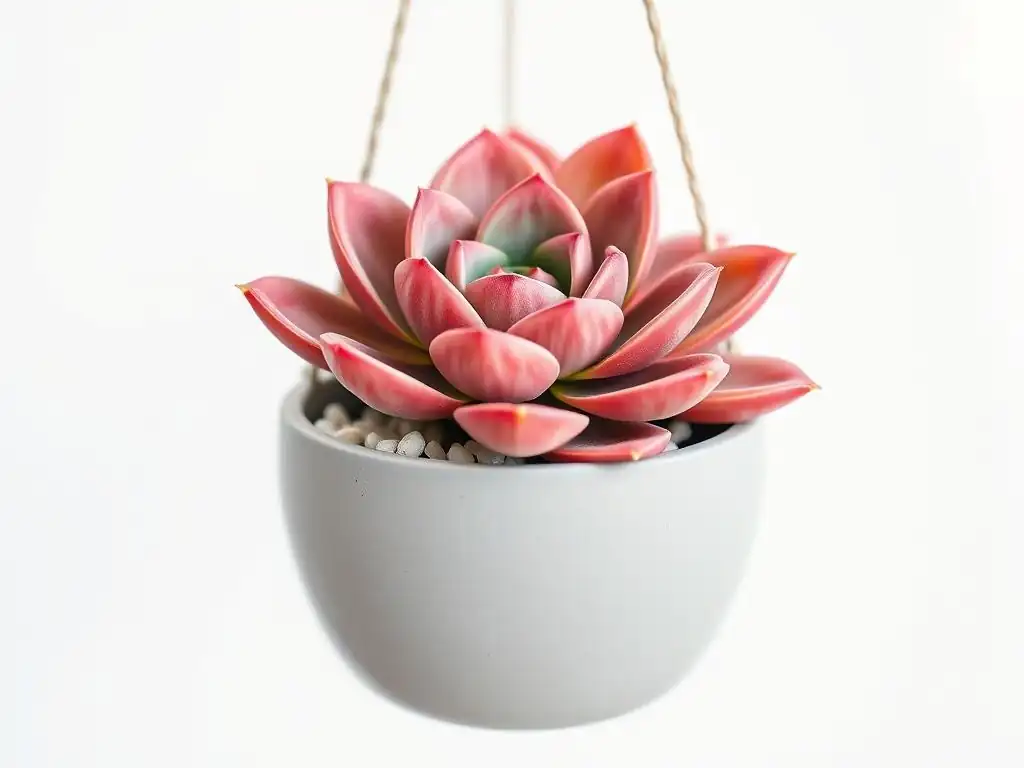
Maintaining the vibrancy and health of succulents in hanging baskets requires a nuanced approach to fertilization. Unlike their ground-dwelling counterparts, hanging basket succulents have a more limited root system and rely heavily on the nutrients provided in their potting mix. Over-fertilizing can easily lead to root burn and salt buildup, while under-fertilizing results in stunted growth and weak, unattractive plants.
The key is finding the right balance, and that balance depends on several factors, including the type of succulent, the season, and the quality of the potting mix. This section delves into the specifics of achieving this crucial balance for optimal growth. We'll explore the best fertilization schedules, suitable fertilizer types, and practical tips to ensure your hanging basket succulents thrive.
Long-Term Nutrient Management for Hanging Basket Succulents
Successful long-term succulent care in hanging baskets hinges on a consistent and well-planned fertilization strategy. Avoid the temptation to over-fertilize; less is often more with succulents. A balanced, slow-release fertilizer is ideal. These fertilizers gradually release nutrients over time, reducing the risk of burning the delicate roots. Aim for a fertilizer with a lower nitrogen (N) content compared to phosphorus (P) and potassium (K). A common recommendation is an NPK ratio of 1-1-1 or even 1-2-1, as succulents are more sensitive to excess nitrogen.
Consider a feeding schedule tailored to the growing season. During the active growing season (typically spring and summer), fertilize your hanging basket succulents every 4-6 weeks using a diluted solution of a balanced liquid succulent fertilizer or a slow-release granular option. Reduce the frequency to once every 8-12 weeks during the dormant season (fall and winter).
Always follow the instructions on your chosen fertilizer package carefully, paying close attention to the recommended dilution rates. Remember to water thoroughly before and after fertilizing to prevent salt buildup. Regularly inspect your plants for signs of over-fertilization, such as leaf burn or discoloration.
The Role of Soil Quality in Hanging Basket Succulent Fertilization
The quality of your potting mix plays a crucial role in the effectiveness of your fertilization efforts. Well-draining soil is paramount for succulents. Using a commercial cactus and succulent potting mix is recommended, as these mixes are formulated with added perlite or pumice to improve drainage and aeration. These materials are essential for preventing root rot, a common problem in hanging basket succulents due to potential water retention.
Poor soil quality can negate the benefits of even the best fertilizer. Compacted soil or soil that retains too much moisture will hinder nutrient absorption, even if you're using the right fertilizer. Adding organic matter, such as coarse sand or perlite, to improve drainage and aeration can significantly enhance nutrient uptake. This ensures your succulents can effectively utilize the nutrients you provide, leading to healthier and more vibrant plants. Regularly checking the soil moisture level is also essential; avoid overwatering, as this can lead to nutrient leaching and root problems.
Even with careful planning, problems can arise. Recognizing the signs of improper fertilization is key to correcting the issue before it causes irreversible damage. Here are some common problems and their solutions:
| Problem | Cause | Solution |
|---|---|---|
| Leaf burn (brown, crispy tips) | Over-fertilization, salt buildup | Flush the soil with plenty of water to remove excess salts. Reduce fertilizer frequency and concentration. |
| Stunted growth | Under-fertilization, poor soil quality | Increase fertilizer frequency (during the growing season) or switch to a higher-quality potting mix. |
| Yellowing leaves | Nutrient deficiencies, overwatering | Adjust fertilizer application, ensuring proper drainage and avoiding overwatering. A soil test might help identify specific deficiencies. |
| Root rot | Overwatering, poor drainage | Improve drainage by repotting in a well-draining mix. Allow the soil to dry completely between waterings. Remove any affected roots. |
Remember, consistent monitoring and adjustments are crucial for successful long-term succulent care. By understanding the intricate relationship between fertilization, soil quality, and the health of your hanging basket succulents, you can achieve stunning displays of these unique and captivating plants. 🪴
FAQ: Fertilizing Hanging Basket Succulents
This section addresses frequently asked questions about fertilizing succulents thriving in the unique environment of hanging baskets. Proper fertilization is crucial for the vibrant growth and health of your hanging succulent displays, ensuring they remain lush and visually appealing. Let's dive into the specifics.
What type of fertilizer is best for succulents in hanging baskets?
Choosing the right fertilizer is paramount for the success of your hanging basket succulents. Avoid fertilizers high in nitrogen, as this can lead to leggy growth and make your succulents susceptible to diseases. Instead, opt for a balanced, water-soluble fertilizer specifically formulated for cacti and succulents. Look for a fertilizer with a lower nitrogen (N) number compared to phosphorus (P) and potassium (K) – a common recommendation is an NPK ratio of 1-1-1 or even a 1-2-1 blend.
This balanced approach provides the necessary nutrients without encouraging excessive foliage growth at the expense of overall plant health. Many commercial brands offer such blends, often explicitly labeled for cacti and succulents. Remember to always dilute the fertilizer to half or even a quarter of the strength recommended on the label, as succulents are generally sensitive to over-fertilization.
A crucial aspect often overlooked is the importance of slow-release fertilizers for hanging baskets. These fertilizers gradually release nutrients over an extended period, reducing the frequency of applications and minimizing the risk of nutrient burn. This is particularly beneficial for hanging baskets, where watering can sometimes be less consistent. However, even with slow-release options, monitoring your plants' health and adjusting your fertilization schedule accordingly remains essential.
How often should I fertilize my succulents in hanging baskets?
The frequency of fertilization depends on several factors, including the type of succulent, the growing season, and the type of fertilizer used. As a general guideline, fertilizing your hanging basket succulents once a month during the active growing season (typically spring and summer) is usually sufficient. Reduce fertilization frequency to every 6-8 weeks during the fall and completely cease fertilization during winter dormancy. Over-fertilizing is far more detrimental than under-fertilizing for succulents, so err on the side of caution.
Remember that over-fertilization can lead to root burn and even plant death. It's better to under-fertilize slightly than to risk harming your precious plants. Observe your succulents closely; if they appear healthy and are growing steadily, you're likely on the right track. If growth slows down considerably, a light fertilization might be beneficial, but always start with a diluted solution and monitor the plants for any adverse reactions. The specific needs of each succulent species will vary, so some research on the individual requirements of your plants is always beneficial.
What are the signs of over-fertilization in hanging basket succulents?
Over-fertilization manifests in several ways, and early detection is key to preventing serious damage. Keep a watchful eye out for these common symptoms:
- Leaf discoloration: Leaves may develop brown or yellow patches, especially at the tips or edges. This is often a clear indication of salt build-up from excessive fertilizer.
- Leggy growth: Instead of compact and healthy growth, the succulents may become tall and spindly, with increased space between leaves.
- Root rot: Over-fertilization can cause root damage, leading to root rot, a serious and often fatal condition. Symptoms include wilting, even with adequate watering, and a mushy appearance of the roots if you inspect them carefully.
- Slow or stunted growth: Paradoxically, over-fertilization can also hinder growth. The plant might appear stressed and fail to thrive despite receiving adequate nutrients. This is often due to the toxic effects of excessive fertilizer salts.
- Leaf drop: Sudden or excessive leaf drop can be a sign of stress caused by over-fertilization.
If you notice any of these symptoms, immediately flush the soil with plenty of water to leach out excess salts. Reduce or discontinue fertilization until your succulents recover. Remember, prevention is always better than cure. Careful observation and a cautious approach to fertilizing will keep your hanging basket succulents healthy and beautiful. 🌱
What should I do if my succulents in hanging baskets show signs of nutrient deficiency?
Nutrient deficiencies in hanging basket succulents often manifest as stunted growth, pale or yellowing leaves, and sometimes even leaf drop. Identifying the specific deficiency can be tricky, as different nutrients present with different symptoms. For example, a nitrogen deficiency might lead to pale green or yellow leaves, while a phosphorus deficiency could result in stunted growth and dark green, sometimes purplish, foliage. A potassium deficiency, on the other hand, can cause leaf edges to brown and die back.
The first step is careful observation. Take a close look at your succulents; note the color of the leaves, their size and shape compared to healthy plants, and whether any leaf discoloration is concentrated in specific areas. Take photos for future reference, as this can be helpful in diagnosing the problem. Consider the age and type of succulent; some varieties are naturally more prone to nutrient deficiencies than others.
Once you've identified potential symptoms, you can begin to address the deficiency. The most common approach is to apply a balanced, water-soluble succulent fertilizer diluted to half strength. Avoid over-fertilizing, as this can be just as damaging as under-fertilizing. Remember that succulents are adapted to low-nutrient environments, and excessive fertilization can lead to root burn and other problems. Apply the fertilizer sparingly, following the instructions on the product label carefully. Water thoroughly after fertilizing to help the nutrients reach the roots.
It's also crucial to consider other potential causes of poor growth. Insufficient sunlight, improper watering, or pests and diseases can all mimic nutrient deficiency symptoms. Rule out these factors before concluding that fertilization is the solution. If symptoms persist after applying fertilizer, consider consulting with a local gardening expert or contacting a plant specialist for further diagnosis and guidance. They may be able to identify the specific nutrient deficiency and recommend a more targeted approach. Remember, prevention is key; regular, light fertilization throughout the growing season can help you avoid serious nutrient deficiencies altogether.
Frequently Asked Questions
How often should I fertilize my hanging basket succulents?
You should fertilize your hanging basket succulents once a month during the growing season (spring and summer). Reduce or stop fertilizing during the dormant period (fall and winter).
What type of fertilizer is best for hanging basket succulents?
A balanced, water-soluble fertilizer diluted to half strength is ideal. Avoid fertilizers high in nitrogen, which can encourage leggy growth.
How do I apply fertilizer to succulents in hanging baskets?
Apply the diluted fertilizer directly to the soil, ensuring it reaches the roots. Water thoroughly afterwards to prevent fertilizer burn.
Leggy growth can be a sign of over-fertilization or insufficient sunlight. Reduce fertilization and ensure your succulents receive adequate light.
What are the signs of fertilizer burn in hanging basket succulents?
Signs of fertilizer burn include brown, shriveled leaves, and stunted growth. Flush the soil with plenty of water to dilute the fertilizer.
Final Reflection: Nurturing Life, One Hanging Basket at a Time
The art of cultivating thriving succulents in hanging baskets isn't merely about aesthetics; it's a testament to the power of understanding and responding to the delicate needs of living things. Proper fertilization, as explored throughout this guide, is the key to unlocking their vibrant potential and ensuring their longevity, a vital aspect often overlooked by even seasoned gardeners. This seemingly small act of nurturing translates to a larger conversation about mindful care and sustainable practices.
The journey of learning to fertilize my own succulents has been a profound one. It's taught me patience, observation, and the immense satisfaction of witnessing growth. The glory of gardening: hands in the dirt, head in the sun, heart with nature. To nurture a garden is to feed not just the body, but the soul.
This quote perfectly encapsulates the deeper connection we forge with nature through the simple act of tending to our plants, a connection that extends beyond the beauty of a flourishing hanging basket. It's about understanding the intricate balance of life and contributing to its flourishing.
Now, consider your own hanging baskets, or perhaps the plants you nurture in any capacity. What lessons can you glean from this guide? I encourage you to take this knowledge and apply it not just to your succulents, but to all aspects of your life where nurturing and mindful attention are required. Observe, adapt, and enjoy the rewarding journey of growth, both in your plants and in yourself. Let the vibrant life of your hanging succulents inspire you to cultivate a richer, more fulfilling existence.
Unleash Your Hanging Succulent's Full Potential!
Thank you for learning about fertilizing your hanging succulents! You now have the knowledge to help them thrive. Ready to put it into action?
- Craft the perfect fertilizer blend: Experiment with different organic options to discover what works best for your succulents. Keep a small notebook to record your successes and challenges, tracking your progress over time.
- Share your knowledge: Let your fellow succulent enthusiasts know about your fertilizer discoveries – share your successes and tips on social media!
- Embrace the journey of growth: Maintain detailed records of your fertilizing routine and carefully observe the results. This is crucial for understanding your plants' individual needs.
What unique approach will you take to nurture your hanging succulents?