
The Real Price of a Succulent: Considering the Ethical Implications

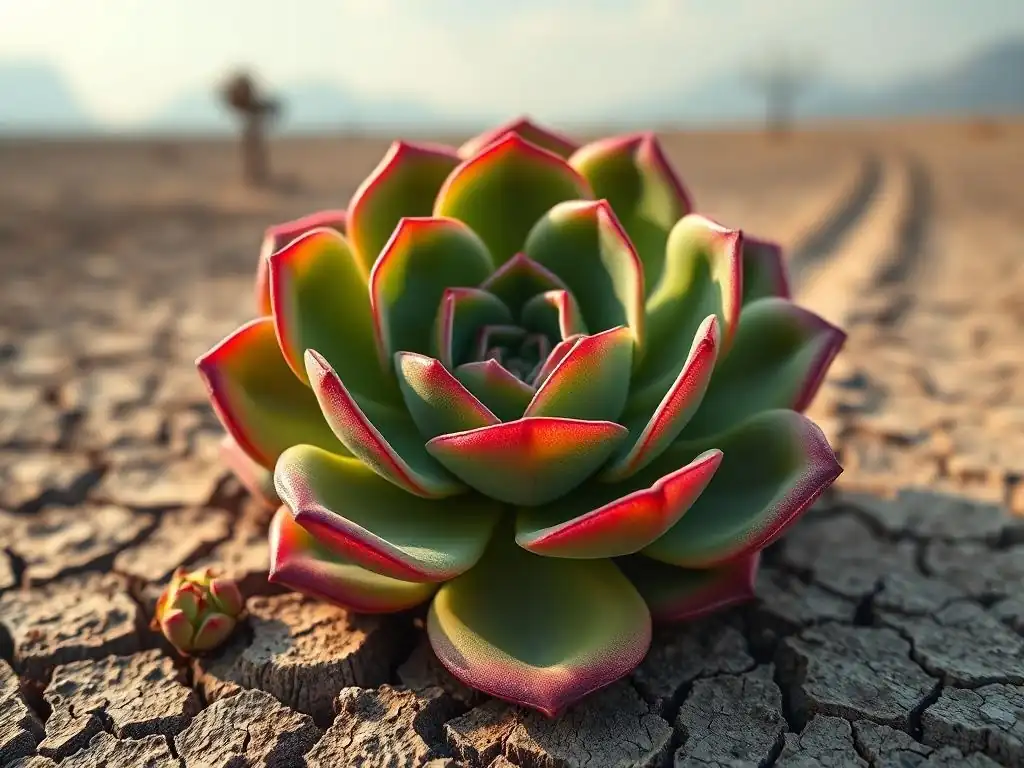
Welcome to SucculentEssentials.org, where the beauty of succulents meets the responsibility of ethical cultivation! Are you captivated by the unique allure of rare succulents, but concerned about the true cost behind their acquisition? Then you've come to the right place. Our in-depth article, "The Real Price of a Succulent: Considering the Ethical Implications," delves into the crucial topic of ethical succulent sourcing cost, revealing surprising insights into sustainable practices and responsible collecting. Prepare to discover a world beyond mere aesthetics, where passion for these fascinating plants intertwines with a commitment to their preservation. Let's explore together!
- Understanding the Ethical Succulent Sourcing Cost
- Ethical Succulent Sourcing: A Deeper Dive
- The Impact of Your Choices: Ethical Consumption of Succulents
- The Long-Term Value of Ethical Succulent Sourcing
- Frequently Asked Questions
- Final Reflection: The Blooming Ethics of Succulent Ownership
- Uncover Your Sustainable Succulent Journey
Understanding the Ethical Succulent Sourcing Cost
The vibrant world of succulents, with their diverse shapes, colors, and resilience, has captivated plant enthusiasts worldwide. However, the seemingly low price tag on many succulents often masks a complex reality. This article delves into the ethical implications of succulent sourcing, exploring the hidden costs associated with cheap succulents and highlighting the importance of investing in ethically produced plants.
Understanding the true "price" of a succulent goes beyond the monetary value; it encompasses environmental sustainability, fair labor practices, and the long-term health of the succulent industry. Choosing ethically sourced succulents isn't just a matter of personal values; it's a crucial step in protecting both the environment and the people who cultivate these fascinating plants.
We will examine the environmental impact of unsustainable practices, expose exploitative labor conditions often present in mass succulent production, and ultimately illustrate how supporting sustainable succulent farming contributes to a more responsible and thriving industry. This exploration of "Ethical succulent sourcing cost" will empower you to make informed choices that align with your values and contribute to a healthier planet.
The allure of inexpensive succulents can be tempting, but the low price often comes at a significant environmental cost. Many mass-produced succulents are grown using unsustainable practices that deplete natural resources and harm ecosystems. These practices often include:
- Overharvesting from the wild: The demand for certain rare or unique succulent species has led to unsustainable harvesting from their natural habitats, threatening their survival and disrupting delicate ecosystems. This practice is particularly harmful in areas with already fragile environments.
- Excessive pesticide and fertilizer use: Large-scale succulent farms may rely heavily on chemical pesticides and fertilizers to maximize yields, contaminating soil and water sources and harming beneficial insects and other wildlife. The long-term effects on soil health and biodiversity can be devastating.
- Water depletion in arid regions: Succulents are often grown in arid and semi-arid regions where water resources are already scarce. Unsustainable irrigation practices can exacerbate water stress in these vulnerable areas, impacting local communities and ecosystems.
The environmental consequences of these practices are far-reaching and significantly outweigh the short-term savings on the purchase price of the plant. Choosing sustainably grown succulents helps mitigate these harmful effects and protects the planet's biodiversity.
Exploitative Labor Practices in Succulent Production: A Dark Side
Unfortunately, the low cost of some succulents can also be linked to exploitative labor practices. In many regions, succulent cultivation involves workers who face unfair wages, unsafe working conditions, and long hours without adequate compensation or benefits. These practices are often hidden from consumers, making it difficult to trace the origin and production methods of many succulents.
Consider the following potential scenarios:
- Low wages and poor working conditions: Workers, often in developing countries, may be paid extremely low wages and forced to work in harsh conditions with limited access to safety equipment or healthcare.
- Child labor: In some cases, children may be involved in the harvesting or cultivation of succulents, depriving them of education and exposing them to hazardous working conditions.
- Lack of worker protections: Workers may lack basic legal protections, leaving them vulnerable to exploitation and abuse.
Supporting ethical succulent sourcing means actively seeking out producers who prioritize fair labor practices and ensure their workers receive fair wages, safe working conditions, and appropriate benefits. This commitment to ethical sourcing not only benefits the workers but also contributes to a more just and equitable global supply chain.
Sustainable Succulent Farming: Investing in Ethical Practices
Choosing ethically sourced succulents involves making conscious decisions that support sustainable farming practices and fair labor standards. This requires a willingness to pay a slightly higher price, but the long-term benefits far outweigh the increased cost. Here are some key aspects of sustainable succulent farming:
- Responsible propagation: Instead of relying on wild harvesting, sustainable farms focus on propagation techniques that allow for the responsible expansion of succulent populations without harming natural habitats.
- Organic farming methods: Organic farming methods minimize the use of harmful chemicals, protecting the environment and the health of workers.
- Fair wages and safe working conditions: Ethically run farms prioritize fair wages, safe working conditions, and employee well-being.
- Water conservation: Sustainable farms implement water-efficient irrigation techniques to minimize water usage in arid regions.
By choosing succulents from producers committed to these practices, consumers directly support a more sustainable and ethical succulent industry. The slightly higher price reflects the true cost of responsible production, a cost that includes environmental protection, fair labor practices, and long-term sustainability. Investing in ethical succulent sourcing is an investment in a healthier planet and a fairer world. 🌱
Ethical Succulent Sourcing: A Deeper Dive
This section delves into the specifics of ethical succulent sourcing, moving beyond general principles to provide practical guidance for discerning buyers. Understanding the true cost of a succulent involves more than just the price tag; it encompasses the environmental and social impact of its cultivation and distribution. Choosing ethically sourced succulents directly supports conservation efforts and promotes sustainable practices within the succulent industry.
Identifying Ethically Sourced Succulents: Key Indicators
Identifying ethically sourced succulents requires a keen eye and a willingness to ask questions. While certifications are still developing within the succulent industry, several key indicators can help you make informed decisions. Look for businesses that:
- Emphasize sustainable propagation techniques: Ethically sourced succulents are often propagated from cuttings or leaves, minimizing the need for wild harvesting. Avoid vendors who primarily sell plants taken directly from the wild.
- Provide detailed information on their sourcing: Reputable businesses are transparent about their supply chain, openly sharing information about where their plants originate and how they are cultivated. This might include details about their nurseries, growing methods, and any conservation partnerships.
- Support conservation initiatives: Many ethical succulent businesses contribute to organizations dedicated to protecting succulent habitats and preventing over-harvesting. Look for evidence of such collaborations.
- Offer a wide variety of commonly available succulents: A focus on readily available, easily propagated species signals a business less likely to rely on unsustainable practices. While rare succulents can be ethically sourced, they often require more scrutiny.
- Clearly label their plants: Accurate labeling ensures you know exactly what you're buying, avoiding misidentification and the potential for purchasing endangered species.
The absence of these indicators doesn't automatically mean a succulent is unethically sourced, but it does warrant further investigation. Always ask questions directly to the vendor to clarify their practices and sourcing. Remember, responsible purchasing is a collaborative effort, and open communication is key.
Supporting Sustainable Succulent Businesses: Where to Buy Responsibly
Finding ethical succulent suppliers requires research, but the rewards are significant. Prioritize businesses that actively promote sustainable practices. This might involve supporting local nurseries known for their commitment to responsible propagation or seeking out online retailers with transparent sourcing policies.
Consider these factors when choosing a supplier:
| Factor | Description | Ethical Indicator |
|---|---|---|
| Propagation Methods | Do they primarily propagate from cuttings, leaf propagation, or seeds? | Ethically sourced succulents are often propagated from cuttings or leaves, reducing pressure on wild populations. |
| Sourcing Transparency | Do they openly share information about the origin and cultivation of their plants? | Transparency regarding the supply chain is crucial for ethical sourcing. |
| Environmental Practices | Do they use sustainable growing practices, such as water conservation and minimal pesticide use? | Sustainable practices minimize the environmental impact of succulent cultivation. |
| Conservation Involvement | Do they support conservation organizations or participate in habitat restoration projects? | Supporting conservation efforts demonstrates a commitment to ethical sourcing. |
| Pricing & Availability | Are their prices reasonable, and do they focus on readily available species? | Unreasonably low prices might signal unsustainable practices. Prioritize businesses that offer commonly available succulents. |
By actively seeking out and supporting these businesses, you become a vital part of a movement towards responsible succulent consumption. Your choices directly impact the future of succulent conservation.
The Importance of Transparency in the Succulent Supply Chain
Transparency is the cornerstone of ethical succulent sourcing. A lack of transparency often masks unsustainable practices, including wild harvesting and the trade of endangered species. Demanding transparency from suppliers empowers consumers to make informed choices and encourages businesses to adopt more responsible practices.
The ethical succulent sourcing cost includes the cost of transparency—the cost of ensuring that the plant's journey from its origin to your home is documented and verifiable. This might involve increased traceability measures, enhanced record-keeping, and potentially slightly higher prices to compensate for sustainable practices.
However, this increased cost is an investment in the long-term health of the succulent industry and the preservation of these unique plants for future generations. By demanding transparency, we collectively contribute to a more sustainable and ethical future for succulent enthusiasts worldwide. The ethical succulent sourcing cost is, ultimately, an investment in the future of these beautiful plants. 🌱
The Impact of Your Choices: Ethical Consumption of Succulents
The seemingly simple act of purchasing a succulent carries significant ethical weight. The "Ethical succulent sourcing cost" isn't just about the monetary price tag; it encompasses the environmental and social consequences associated with its cultivation and trade. Understanding these implications is crucial for responsible succulent ownership.
Many succulents, particularly rare or highly sought-after varieties, are harvested from their natural habitats unsustainably, threatening their survival and the delicate ecosystems they inhabit. This irresponsible harvesting often involves habitat destruction, leading to biodiversity loss and potentially endangering other plant and animal species within those ecosystems. Furthermore, the labor practices involved in the collection and trade of succulents can sometimes be exploitative, particularly in regions with weak labor laws.
Therefore, the ethical succulent sourcing cost also includes a consideration of fair wages and safe working conditions for those involved in the supply chain. Choosing ethically sourced succulents directly impacts these factors, supporting sustainable practices and responsible businesses.
Reducing Demand for Unethically Sourced Plants: Making a Difference
One of the most effective ways to reduce the demand for unethically sourced succulents is to actively choose plants from reputable sources. Look for nurseries and retailers committed to sustainable practices, such as those that propagate their plants themselves or source them from ethical collectors who prioritize conservation. This often involves a slightly higher initial cost, but the long-term benefits far outweigh the price difference.
By supporting these businesses, we send a clear message to the market that consumers are willing to pay a premium for ethically sourced succulents, incentivizing more sustainable practices within the industry. A good indicator of ethical sourcing is transparency regarding the origin of the plants and the methods used in their cultivation. Look for nurseries that openly share information about their practices.
Avoid purchasing succulents from unknown sources or those with unclear origins, as these plants are more likely to have been harvested unsustainably. Remember, every purchase is a vote; your choices directly influence the future of succulent conservation.
Propagating Your Own Succulents: A Sustainable Alternative
A powerful way to minimize your impact on wild succulent populations and reduce your reliance on commercial sources is by propagating your own plants. This is a rewarding hobby that allows you to expand your collection sustainably and learn more about the lifecycle of your succulents. Many succulents are surprisingly easy to propagate from cuttings or leaves.
Simple techniques like leaf propagation, where a healthy leaf is placed on a well-draining medium, can yield new plants with minimal effort. This significantly reduces the demand on wild populations and eliminates the risk of purchasing unethically sourced plants. Moreover, propagating your own succulents allows you to share your passion with others by gifting or exchanging propagated plants, further spreading the practice of sustainable succulent cultivation.
This not only reduces the overall demand for commercially sourced plants but also empowers others to participate in responsible plant ownership. Consider it an investment in the future of succulent conservation.
Educating Others on Ethical Succulent Sourcing: Spreading Awareness
The ethical succulent sourcing cost is a concept that needs wider dissemination. Educating others about the importance of responsible succulent ownership is crucial for long-term conservation efforts. Share your knowledge with fellow succulent enthusiasts, friends, and family. Discuss the challenges faced by wild succulent populations due to unsustainable harvesting practices. Highlight the importance of choosing ethically sourced plants and the benefits of propagation.
You can participate in online forums and social media groups dedicated to succulents, sharing information and resources on ethical sourcing and sustainable practices. Consider organizing workshops or presentations on succulent propagation and ethical consumption within your community, further expanding the reach of your message. Every conversation you have, every article you share, contributes to a growing awareness of the ethical implications of succulent ownership and encourages more responsible choices within the succulent community. The collective impact of informed consumers is a powerful force for change.
The Long-Term Value of Ethical Succulent Sourcing
Ethical succulent sourcing isn't just a feel-good practice; it's a crucial investment in the long-term health and sustainability of the succulent hobby. While the initial cost of ethically sourced succulents might be higher than those from questionable origins, the long-term benefits far outweigh the price difference. This higher cost reflects the true value of the plant, encompassing fair wages for growers, sustainable harvesting practices, and conservation efforts. Ignoring these factors leads to a short-sighted approach that ultimately undermines the very foundation of the succulent community.
Protecting Biodiversity: The Role of Ethical Consumption
Overharvesting of succulents from their natural habitats poses a significant threat to biodiversity. Many succulent species are endemic, meaning they only exist in a very specific geographic location. Unethical harvesting practices, often driven by high demand and low prices, can decimate local populations, pushing these unique plants towards extinction. Choosing ethically sourced succulents directly combats this problem.
By supporting growers who prioritize sustainable harvesting methods and responsible propagation, we actively contribute to the preservation of these valuable genetic resources. Consider this: a single, ethically sourced Haworthia cooperi var. truncata might cost more upfront, but its purchase supports the preservation of its entire species, ensuring future generations can enjoy its unique beauty. This represents a far greater value than a fleeting, unsustainable bargain.
Preserving Natural Habitats: The Connection Between Succulents and Ecosystems
Succulents are not isolated entities; they play a vital role within their complex ecosystems. Their presence contributes to soil stability, water retention, and provides habitat for various insects and animals. Unsustainable harvesting practices disrupt these delicate balances, leading to ecosystem degradation and impacting the entire web of life within the affected area. Ethical succulent sourcing, on the other hand, promotes the preservation of these habitats.
Sustainable growers often implement conservation measures, such as habitat restoration projects and responsible land management practices. The higher price tag of an ethically sourced plant, therefore, reflects not just the plant itself, but also the preservation of the intricate environment it calls home. Think of the cost as an investment in the future of these delicate ecosystems; a cost that's far more valuable than the price of a single plant.
The Future of Ethical Succulent Cultivation: A Call to Action
The future of ethical succulent cultivation hinges on collective action. Consumers must actively seek out reputable growers and retailers who prioritize ethical sourcing and sustainable practices. This requires careful research and a willingness to pay a fair price, recognizing the true cost of ethical production. Furthermore, supporting research initiatives focused on succulent conservation and propagation techniques is crucial.
The development of sustainable cultivation methods, coupled with responsible consumer choices, will be key to ensuring the long-term survival of these fascinating plants. Consider the long-term cost of inaction: the potential loss of irreplaceable biodiversity and the erosion of the very foundation of our succulent hobby. By embracing ethical sourcing now, we safeguard the future of succulents for generations to come. Let's make informed choices that prioritize sustainability and ensure the Ethical succulent sourcing cost is seen as an investment, not an expense.
Frequently Asked Questions
What is ethical succulent sourcing?
Ethical succulent sourcing means purchasing succulents from reputable sellers who prioritize sustainable harvesting practices, fair labor standards, and environmental protection. This avoids contributing to the overharvesting of wild succulents and ensures the well-being of both people and plants.
How much more expensive are ethically sourced succulents?
Ethically sourced succulents might cost slightly more than those from less scrupulous sources. However, the added cost reflects the higher standards of production and ethical considerations. It's an investment in the long-term health of the plant and the environment.
Where can I find ethically sourced succulents?
Look for local nurseries and reputable online retailers that transparently detail their sourcing practices. Check for certifications or statements about sustainable harvesting and fair labor. Ask questions about the origin of the plants.
What are the environmental impacts of unethical succulent sourcing?
Unethical sourcing can lead to habitat destruction and the endangerment of succulent species. Overharvesting from the wild depletes natural populations and disrupts ecosystems. Choosing ethical sources helps protect biodiversity.
How can I support ethical succulent sourcing?
By choosing to buy from ethical sellers, you directly support sustainable practices. You can also educate yourself and others about the importance of responsible succulent sourcing, and advocate for stricter regulations on the trade of wild-harvested succulents.
Final Reflection: The Blooming Ethics of Succulent Ownership
The ethical sourcing of succulents is not merely a niche concern; it's a crucial element in preserving biodiversity and ensuring fair labor practices within a rapidly expanding global market. The seemingly innocent act of purchasing a succulent carries with it a complex web of environmental and social consequences that demand our attention. Ignoring these implications contributes to unsustainable practices and undermines the very beauty we seek to possess.
The impact of our consumer choices extends far beyond our windowsills. The demand for specific succulent varieties, often fueled by social media trends, can drive unsustainable harvesting practices in their native habitats, leading to habitat destruction and the endangerment of species. The earth provides enough to satisfy every man's needs but not every man's greed.
- Mahatma Gandhi. This quote powerfully illustrates the tension between our desire for these beautiful plants and the responsibility we bear to ensure their continued existence. We must actively challenge the unsustainable practices that threaten the delicate balance of these ecosystems.
Consider the journey of your next succulent. Where did it originate? Were fair wages paid to those who cultivated and harvested it? What environmental impact did its production have? By asking these questions, and actively seeking out ethically sourced succulents, you become a conscious consumer, contributing to a more sustainable and equitable future for these fascinating plants and the people who cultivate them. Let the beauty of your succulent collection be a testament not only to your aesthetic appreciation but also to your commitment to ethical and responsible consumption.
Uncover Your Sustainable Succulent Journey
Thank you for exploring the ethical considerations of succulent ownership. We hope you now better understand responsible plant sourcing. Let's put that knowledge into action!
- Prioritize ethical purchases: Choose nurseries and sellers committed to sustainable practices and fair labor. Look for certifications or transparent sourcing information. This is the first step toward building an ethical succulent collection.
- Share this article: Help spread awareness about responsible succulent ownership. Let's work together to create a more ethical and sustainable plant world!
- Explore propagation: Propagating your own succulents is a fantastic way to expand your collection responsibly, avoiding unsustainable harvesting practices.
Ready to cultivate a more conscious and beautiful succulent collection? What's one small step you'll take to ensure the ethical sourcing of your plants?