
The Most Effective Succulent Propagation Techniques: Taught by Top Growers

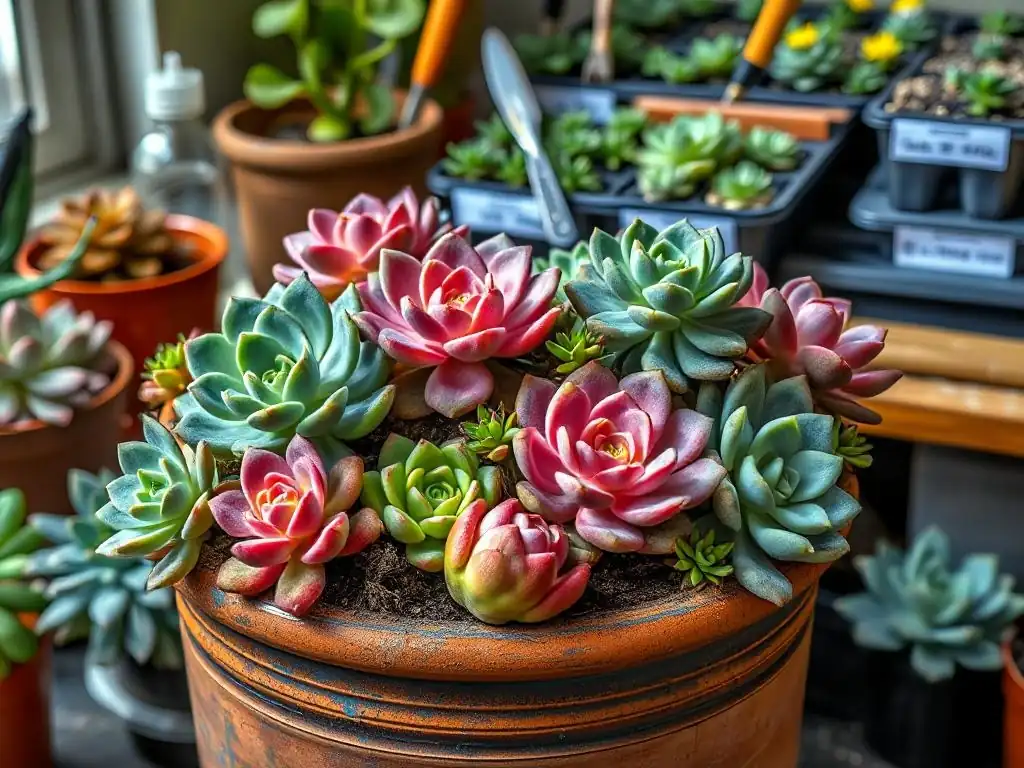
Welcome to SucculentEssentials.org, where the fascinating world of succulents unfolds before you! Are you ready to unlock the secrets to thriving succulent gardens? We delve into the art and science of succulent care, from identifying rare varieties to mastering the most effective propagation techniques. Discover the best succulent propagation methods, proven by top growers, and transform your space into a miniature desert oasis. Prepare to be amazed by the diversity and resilience of these captivating plants – your journey begins now!
- Mastering the Art of Succulent Propagation: An Introduction
- Best Succulent Propagation Methods: Leaf Cuttings
- Best Succulent Propagation Methods: Stem Cuttings
- Best Succulent Propagation Methods: Offsets and Pups
- Best Succulent Propagation Methods: Seed Propagation
- Best Succulent Propagation Methods: Advanced Techniques
- Expert Tips for Successful Succulent Propagation from Top Growers
- Choosing the Right Propagation Method for Your Succulents
- Maintaining Healthy Propagated Succulents: Long-Term Care
- Frequently Asked Questions
- Final Reflection: Cultivating Growth, Nurturing Life
- Unleash Your Inner Green Thumb: Grow Your Succulent Family!
Mastering the Art of Succulent Propagation: An Introduction
The captivating world of succulents offers endless possibilities for plant enthusiasts, from cultivating vibrant collections to creating stunning displays. But what if you could expand your succulent empire without breaking the bank or relying solely on purchasing new plants? This is where succulent propagation comes in – a rewarding and surprisingly simple process that allows you to multiply your favorite succulents and share the joy with fellow plant lovers.
This article delves into the best succulent propagation methods, drawing expertise from leading succulent growers and influencers, equipping you with the knowledge to successfully propagate a diverse range of succulent species. We'll explore various techniques, highlight their advantages and disadvantages, and provide actionable steps to ensure your propagation journey is a resounding success. Learning these techniques not only expands your collection but also deepens your understanding and appreciation for these fascinating plants.
Whether you're a seasoned succulent collector or a curious beginner, mastering propagation will unlock a new level of engagement with these drought-tolerant beauties. Get ready to embark on a journey of growth—literally!
Why Propagate Succulents? Benefits and Advantages
Propagating succulents offers a multitude of benefits, making it a highly attractive practice for both beginners and experienced growers. Beyond the obvious joy of expanding your collection at minimal cost, propagation provides several key advantages:
- Cost Savings: Purchasing succulents can quickly become expensive. Propagation allows you to significantly reduce these costs, creating many plants from just one mother plant.
- Collection Expansion: Easily increase the diversity and size of your succulent collection without needing to buy new plants constantly. This is especially valuable for rare or hard-to-find varieties.
- Sharing the Love: Propagating succulents provides opportunities to share your passion with friends, family, or fellow plant enthusiasts by gifting them newly propagated plants.
- Learning Experience: The process of propagation itself is a rewarding learning experience, deepening your understanding of succulent biology and growth cycles. You'll gain valuable insights into plant health and care.
- Preservation of Varieties: If you have a particularly prized succulent, propagation ensures its continued existence and prevents the loss of a beloved plant.
- Experimentation and Innovation: Propagation allows for experimentation with different techniques and environments, leading to a deeper understanding of what works best for various succulent species.
This cost-effective method transforms a single succulent into numerous thriving plants, offering a sustainable and enjoyable way to cultivate your green passion. The benefits extend beyond just acquiring more plants; it's a journey of learning, sharing, and celebrating the resilience and beauty of succulents.
Choosing the Right Succulents for Propagation: Species and Varieties
Not all succulents propagate with equal ease. Some species are particularly well-suited to certain methods, while others may require more specialized approaches. Understanding the characteristics of different succulent species is crucial for successful propagation. For instance, Echeveria succulents often propagate well from leaf cuttings, while Sedum varieties might thrive better through stem cuttings or division.
Choosing the right succulents for propagation involves considering several factors:
- Health of the Mother Plant: Select healthy, mature succulents that are free from pests, diseases, and signs of stress. A vigorous mother plant will produce healthier propagations.
- Species and Variety: Research the propagation methods best suited to the specific species and variety of succulent you're working with. Some are easier to propagate than others.
- Time of Year: The optimal time for propagation often coincides with the succulent's active growing season. This typically falls during spring or summer months.
- Availability of Resources: Consider the resources you have available, such as suitable propagation medium, humidity control, and sufficient lighting.
Understanding these factors will significantly increase your chances of success. Remember, patience and observation are key to mastering the art of succulent propagation. The satisfaction of nurturing a tiny cutting into a thriving plant is a testament to the rewarding nature of this horticultural endeavor. With careful selection and the right techniques, propagating succulents can become a truly enjoyable and fulfilling experience.
Best Succulent Propagation Methods: Leaf Cuttings
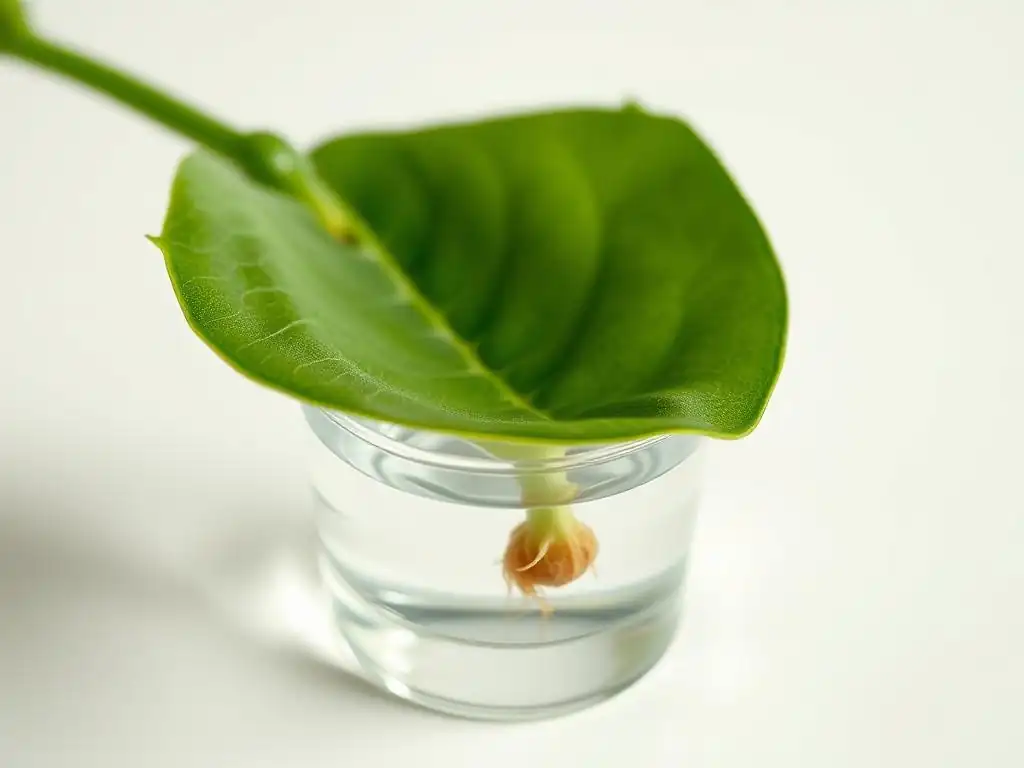
Leaf cuttings represent one of the most popular and accessible methods for succulent propagation, even for beginners. This technique leverages the inherent ability of many succulent species to regenerate from a single leaf. Mastering this method unlocks the potential to expand your succulent collection significantly, all while minimizing costs. This section details the process, highlighting key steps for optimal success and addressing common challenges. We'll explore what makes this one of the best succulent propagation methods.
Preparing the Leaf Cuttings: Tools and Techniques
Before embarking on leaf propagation, careful preparation is crucial. Gathering the right tools and understanding the proper techniques will significantly increase your chances of success. The process is straightforward but requires attention to detail.
First, select healthy, mature leaves from your mother plant. Avoid leaves that show signs of damage, disease, or stress (yellowing, browning, or soft spots). Use clean, sharp tools—a clean, sharp knife or pair of scissors are ideal—to cleanly sever the leaf from the stem. A twisting motion can also be effective for some species. Avoid crushing or damaging the leaf during removal.
After detaching the leaves, it's essential to allow the cut ends to callus over. This crucial step prevents rot, a common problem during propagation. Allow the leaves to sit in a dry, shaded area for a few days (usually 2-7 days, depending on the succulent species and environmental conditions). This allows a protective layer to form over the cut surface, reducing the risk of fungal or bacterial infection. You'll notice a slightly hardened, dry area forming on the cut end – this is the callus.
The callusing period is vital. Don't rush this step! Premature planting can lead to rotting before the leaf can establish roots. Observe the leaves carefully; once the callus is visibly formed, you're ready for the next stage. Proper callusing is arguably the most important factor contributing to the success rate of this best succulent propagation method.
Planting and Caring for Leaf Cuttings: Ensuring Success
Once the leaves have callused, you can proceed with planting. While some growers use specialized succulent potting mixes, a well-draining soil mix is essential. You can create your own blend by combining equal parts of cactus potting mix, perlite, and coarse sand. This ensures proper aeration and prevents waterlogging, a common cause of root rot.
Gently place the calloused leaves on the surface of the prepared soil, ensuring they are not buried deeply. Slight contact with the soil is sufficient; the leaves will root from the cut end. Avoid covering the leaves entirely, as this can lead to rot.
Watering is a critical aspect of this process. Avoid overwatering; allow the soil to dry completely between waterings. Lightly misting the leaves can help maintain humidity, particularly in dry environments. Overwatering is a frequent mistake that can quickly lead to failure. It's better to underwater slightly than to overwater. Consistency is key: regular, light watering is more effective than infrequent, heavy watering.
Place the cuttings in a location with bright, indirect light. Direct sunlight can scorch the delicate leaves. Optimal temperatures range from 65-75°F (18-24°C). Patience is key; root development and the emergence of new growth can take several weeks or even months, depending on the species and environmental conditions.
Troubleshooting Common Issues with Leaf Cutting Propagation
Even with careful preparation and planting, challenges can arise. Understanding common issues and their solutions is vital for successful leaf propagation. Here are some common problems and solutions:
| Problem | Cause | Solution |
|---|---|---|
| Rotting Leaves | Overwatering, poor drainage, lack of callus | Allow soil to dry completely; improve drainage; ensure proper callusing. |
| No Root Development | Insufficient light, improper callusing | Increase light exposure; ensure proper callus formation before planting. |
| Slow Growth | Low temperatures, insufficient nutrients | Increase temperatures; use a nutrient-rich, well-draining potting mix. |
| Pests | Infestation of mealybugs, aphids | Treat with insecticidal soap or neem oil. |
Remember, propagation is a learning process. Don't be discouraged by initial setbacks. Experiment with different techniques and conditions to find what works best for you and your specific succulent varieties. By following these steps and addressing potential problems promptly, you'll be well on your way to successfully propagating your succulents using this best succulent propagation method. With practice, you'll become proficient in this rewarding aspect of succulent care.
Best Succulent Propagation Methods: Stem Cuttings
This section delves into the details of propagating succulents using stem cuttings, a popular and highly effective method among succulent enthusiasts. We'll explore the best practices for selecting, preparing, rooting, and transplanting these cuttings, ensuring a high success rate. Mastering stem cuttings unlocks the potential to expand your succulent collection exponentially and share your passion with others. This method is frequently cited as one of the best succulent propagation methods by experienced growers.
Selecting and Preparing Stem Cuttings: A Step-by-Step Guide
Choosing the right stem cutting is crucial for successful propagation. Select a healthy, mature stem from a thriving mother plant. Avoid stems that show signs of disease, pests, or damage. The ideal stem should be firm, plump, and free from blemishes. Aim for a length of 3-6 inches, depending on the succulent species. Larger cuttings may take longer to root. Smaller cuttings may be more prone to failure.
Here's a step-by-step guide:
- Sterilize your tools: Use isopropyl alcohol (70%) to clean your knife or shears. This prevents the introduction of bacteria or fungi that could harm the cutting.
- Make the cut: Use a sharp, clean knife or shears to make a clean, angled cut just below a node (the point where leaves sprout from the stem). A clean cut promotes better root development.
- Allow the cutting to callous: This crucial step helps prevent rot. Leave the cutting in a dry, shaded area for 2-7 days, allowing the cut end to form a callus. The callusing time varies depending on the succulent species and environmental conditions.
- Remove lower leaves: Gently remove the lower leaves from the bottom inch or two of the cutting. This prevents the leaves from rotting in the soil and encourages root development at the base of the cutting.
Rooting Stem Cuttings: Optimal Conditions and Techniques
After callusing, it's time to root your succulent cuttings. Several methods exist, each offering unique advantages.
- Rooting in water: Place the calloused cutting in a small glass of water, ensuring only the bottom inch is submerged. Change the water every 2-3 days to prevent bacterial growth. Roots will typically appear within 2-4 weeks.
- Rooting in soil: This method is preferred by many growers, as it bypasses the water stage and directly establishes the cutting in its preferred growing medium. Use a well-draining succulent potting mix. Insert the cutting into the soil, ensuring good contact. Avoid overwatering.
- Rooting hormone: While not strictly necessary, rooting hormone can significantly improve rooting success, especially in challenging species. Follow the product instructions carefully.
Optimal conditions for rooting include:
- Bright, indirect light: Avoid direct sunlight, which can scorch the delicate cuttings.
- Warm temperatures: Temperatures between 70-75°F (21-24°C) are ideal.
- Humidity: Maintaining slightly higher humidity can help. You can achieve this by covering the cuttings with a clear plastic bag or dome, but ensure adequate ventilation to prevent fungal growth.
Transplanting Rooted Cuttings: Potting Mix and Container Selection
Once the cuttings have developed a robust root system (typically several weeks after rooting begins), it's time to transplant them into individual pots.
Choosing the right potting mix and container is vital for the long-term health of your new succulents. A well-draining potting mix is paramount. A common blend includes:
- 50% succulent and cactus potting mix
- 25% perlite or pumice
- 25% coarse sand
Avoid using garden soil, as it retains too much moisture and can lead to root rot.
Select small pots with drainage holes. Terracotta pots are excellent choices as they allow for better airflow and prevent waterlogging. Overly large pots can lead to overwatering issues. After transplanting, water sparingly and allow the soil to dry out completely between waterings. This helps prevent root rot and ensures the cuttings establish themselves successfully. Regularly monitoring your newly transplanted succulents and adjusting watering based on their needs is key to continued success in best succulent propagation methods. Remember consistent care is fundamental to the long-term health and thriving of your propagated succulents.
Best Succulent Propagation Methods: Offsets and Pups
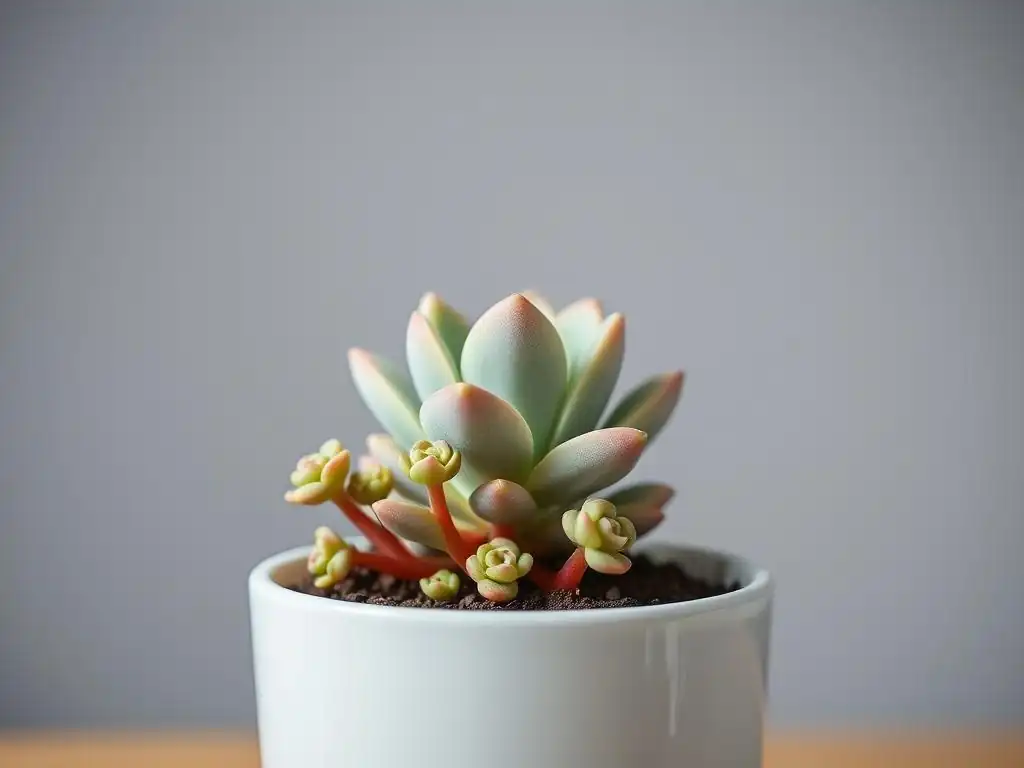
Offsets and pups represent one of the easiest and most rewarding methods for propagating succulents. This method, favored by many succulent enthusiasts and considered among the best succulent propagation methods, leverages the plant's natural ability to produce new growth from its base. This section delves into the specifics of using offsets and pups for successful propagation, covering everything from careful separation to nurturing young plants.
Identifying and Separating Offsets and Pups: Gentle Handling Techniques
Identifying offsets and pups is the first crucial step. Offsets are small, independent plants that grow from the base of the mother plant, often appearing as miniature versions of the parent. Pups are essentially the same – small clones that develop from the base or even along stems. They are usually easily detachable by hand once they've reached a reasonable size.
Before attempting separation, ensure your tools are clean and sharp. Using a sterilized knife or sharp pair of scissors minimizes the risk of introducing diseases. Gently loosen the soil around the offset or pup to expose the base. You should see a small point of connection to the mother plant.
The key is gentle handling. Roughly pulling can damage both the offset/pup and the parent succulent. Instead, use a gentle rocking motion to carefully separate the new plant. If resistance is encountered, use your clean tool to carefully sever the connection at the base. Avoid pulling or tearing, which can cause significant damage and potentially lead to rot.
Once separated, allow the offsets or pups to callus over for a day or two. This allows the cut end to dry and form a protective layer, reducing the risk of fungal infections and promoting successful rooting. Proper callusing is a critical element in achieving high propagation success rates when using the best succulent propagation methods.
Planting and Caring for Offsets and Pups: Ensuring Healthy Growth
After callusing, plant the offsets or pups in a well-draining succulent potting mix. Avoid overwatering, as this is a common cause of rot in newly propagated succulents. A gritty mix, comprised of primarily inorganic components such as perlite and pumice, ensures excellent drainage and aeration, which are paramount for healthy root development.
The ideal pot size for newly propagated offsets and pups is small – about 2-3 inches in diameter. This prevents the soil from retaining too much moisture. Place the offsets or pups slightly below the soil surface, ensuring the base is in contact with the growing medium.
Watering should be infrequent, only when the soil is completely dry. Overwatering is the enemy, leading to root rot and the demise of your precious new plants. Monitor your succulents closely for signs of stress, such as wilting or discoloration. Adjust your watering schedule accordingly.
Providing adequate bright, indirect light is crucial for healthy growth. Avoid direct sunlight, especially during the hottest part of the day, which can scorch delicate leaves. With proper care and attention, your propagated succulents will thrive and reward you with healthy growth. This makes offset and pup propagation one of the most reliable among the best succulent propagation methods.
Propagating Rare and Unusual Succulents via Offsets
While many succulent varieties readily produce offsets, some rare and unusual species might be less prolific. Patience is key when propagating rare succulents via offsets. These plants may take longer to produce offsets compared to their more common counterparts. Careful observation and gentle handling remain crucial.
Monitoring the mother plant for any signs of offset development is vital. These might be tiny, barely visible at first. Regularly check the base of the plant, and along stems if applicable, for any indications of new growth.
The same principles of gentle separation, callusing, and planting apply to rare succulents. However, you might need to exercise extra caution due to their often delicate nature. Using a sterilized, very sharp tool is especially important to minimize the risk of injury. The best succulent propagation methods often require a delicate touch, especially when dealing with rare and valuable plants. Remember, successful propagation is a testament to patience and careful observation. The reward of cultivating a rare succulent from an offset is exceptionally satisfying.
Best Succulent Propagation Methods: Seed Propagation
Seed propagation, while potentially more time-consuming than other methods, offers a unique opportunity to cultivate a diverse collection of succulents and experience the entire life cycle of these fascinating plants. It's a rewarding journey for patient growers seeking a wide variety of new plants. This method is particularly beneficial for hybridizing and obtaining rare varieties, although it requires more patience than other methods like leaf cuttings or offsets. Mastering seed propagation unlocks a deeper understanding of succulent growth and development. The "best succulent propagation methods" often include a successful seed propagation strategy.
Collecting and Sowing Succulent Seeds: Timing and Techniques
Collecting succulent seeds requires careful timing and technique. The optimal time is typically after the plant has flowered and the seed pods have matured and begun to dry. This varies depending on the species, but generally occurs in late summer or fall for many common succulents. Look for seed pods that have turned brown and slightly brittle. Gently open the pods to reveal the seeds. Avoid collecting seeds from plants that show signs of disease or stress.
To ensure successful germination, it's crucial to sow the seeds promptly after collecting them. Fresh seeds have the highest germination rates. Use a well-draining seed-starting mix, such as a cactus and succulent potting mix blended with perlite for enhanced drainage. Avoid using garden soil, as it tends to retain too much moisture, which can lead to fungal growth and seed rot. Many succulent enthusiasts recommend a mix of 50% perlite and 50% seed-starting mix.
Sow the seeds thinly and evenly onto the surface of the moist seed-starting mix. Don't bury them deeply, as they need light to germinate. Gently press them into the surface. Lightly mist the surface with water to prevent disturbing the seeds. Cover the container with clear plastic wrap or a humidity dome to maintain a high humidity level, crucial for successful germination.
Germinating Succulent Seeds: Creating the Ideal Environment
Creating the ideal germination environment is key to successful seed propagation. Succulent seeds require warmth and bright, indirect light. Avoid direct sunlight, which can scorch the delicate seedlings. A temperature range of 70-75°F (21-24°C) is generally ideal for most succulent species. Consistent warmth is more important than fluctuating temperatures.
Maintaining consistent moisture is also critical. The seed-starting mix should be kept moist but not waterlogged. Check the moisture level regularly and mist as needed. Overwatering is a common cause of seed rot. Good air circulation is also important to prevent fungal diseases. Gently ventilate the container by briefly removing the plastic wrap or dome once or twice a day.
The germination time varies depending on the species, ranging from a few weeks to several months. Patience is key! Once germination begins, gradually reduce the humidity by increasing ventilation. This helps to harden off the seedlings and prepare them for their transition to individual pots.
Growing Seedlings: Care and Maintenance
Once the seedlings have developed a few true leaves (not the cotyledons, or seed leaves), it's time to start the process of transplanting them into individual pots. Use small pots with drainage holes filled with a well-draining succulent potting mix. Handle the seedlings gently to avoid damaging their roots.
Continue to provide bright, indirect light and water sparingly, allowing the soil to dry out completely between waterings. Avoid overwatering, which can lead to root rot. As the seedlings grow, you can gradually increase the amount of sunlight they receive. Fertilize them lightly with a balanced, water-soluble fertilizer diluted to half strength every few weeks during the growing season.
Remember to always prioritize proper drainage to prevent root rot, a common issue during the seedling stage. Regular monitoring and careful attention to detail are crucial for nurturing these delicate plants to maturity. With patience and the right techniques, you’ll soon be enjoying a vibrant collection of succulents grown from seed – a testament to your dedication and skill in mastering the best succulent propagation methods.
Best Succulent Propagation Methods: Advanced Techniques
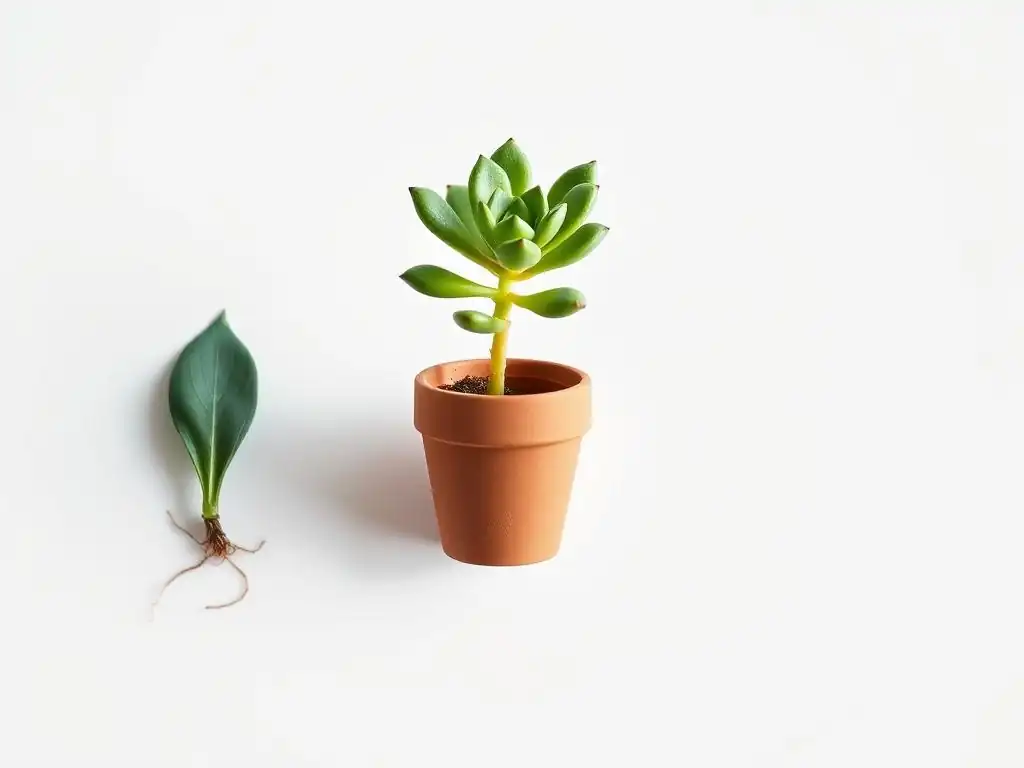
This section delves into more advanced succulent propagation methods favored by expert growers. While leaf cuttings and offsets are readily accessible techniques for beginners, mastering these advanced methods unlocks a wider array of possibilities, allowing for the creation of unique hybrids and the propagation of challenging succulents. These techniques require a bit more patience and precision, but the results are well worth the effort. The best succulent propagation methods often depend on the specific succulent species, so understanding your plant is key.
Air Layering Succulents: A Detailed Guide
Air layering, also known as air propagation, is a fascinating method that allows you to root a stem while it's still attached to the mother plant. This is particularly useful for succulents with thick stems that don't readily root from cuttings. The process encourages the development of roots directly on the stem, ensuring a higher success rate compared to traditional methods. Let's break down the steps:
- Selecting the Stem: Choose a healthy, mature stem that's about pencil-thick. Avoid stems that are too young or too old, as they may not root effectively. Look for a section free of diseases or damage.
- Preparing the Stem: Gently scrape a 1-2 inch section of the stem's bark, removing a ring of outer tissue. This exposes the cambium layer, which is crucial for root development. Be careful not to damage the inner wood.
- Applying Rooting Hormone (Optional): Applying a rooting hormone powder to the scraped area can significantly improve the chances of success. This boosts the plant's natural rooting process.
- Wrapping the Stem: Wrap the scraped area with damp sphagnum moss, ensuring it's tightly packed but not constricting the stem. Secure the moss with plastic wrap or a plastic bag, creating a humid environment.
- Monitoring and Maintenance: Keep the moss consistently moist but not soggy. Regularly check for signs of root development, which might take several weeks or even months, depending on the succulent species and environmental conditions.
- Severing and Planting: Once roots have developed (you'll likely see them emerging from the moss), carefully sever the stem below the rooted area. Plant the newly rooted section in a well-draining succulent potting mix.
Grafting Succulents: Techniques for Combining Varieties
Grafting allows you to combine two different succulent varieties, resulting in unique and visually striking plants. This is a more complex technique, requiring sterile conditions and precision, but it opens up exciting possibilities for succulent enthusiasts. The process involves joining the stem (scion) of one succulent to the rootstock of another.
Here's a simplified overview:
- Choosing the Scion and Rootstock: Select a healthy scion cutting from the desired succulent variety. The rootstock should be a robust, fast-growing succulent that's compatible with the scion. Research compatible pairings before attempting this technique.
- Preparing the Scion and Rootstock: Carefully cut both the scion and rootstock using a sharp, sterile blade. Create clean, flat surfaces for optimal contact.
- Joining the Scion and Rootstock: Align the cut surfaces of the scion and rootstock, ensuring maximum contact. Secure them tightly using grafting tape or rubber bands.
- Maintaining Humidity and Stability: Place the grafted succulent in a humid environment to promote healing and prevent drying out. Avoid excessive sunlight and keep the soil evenly moist but not waterlogged.
- Monitoring and Post-Grafting Care: Regularly check for signs of successful grafting. Successful grafts will typically show signs of new growth within a few weeks. Remove the grafting tape or bands once the graft has healed.
Remember, success with grafting and air layering demands patience, precision, and a keen understanding of your chosen succulent species. While challenging, these techniques provide rewarding results for the dedicated succulent grower, unlocking exciting possibilities for propagation and plant customization. The best succulent propagation methods are often the ones that best suit the individual plant and grower's skill level.
Expert Tips for Successful Succulent Propagation from Top Growers
This section delves into the best succulent propagation methods, gleaned directly from the experiences of leading succulent growers. These aren't just theoretical approaches; these are techniques proven to yield high success rates, even for challenging succulents. We'll explore various methods, emphasizing the nuances that separate good propagation from truly exceptional results. Mastering these techniques will elevate your succulent cultivation game to a whole new level, allowing you to expand your collection efficiently and effectively. Remember, consistent success in succulent propagation is a blend of understanding the plant's needs and employing the right techniques.
Expert Tip 1 from Grower A: Mastering Leaf Propagation for Echeverias
Grower A, renowned for her stunning Echeveria collections, champions leaf propagation as the most reliable method for these popular succulents. She stresses the importance of selecting healthy, mature leaves—avoiding those that are damaged, overly young, or exhibiting signs of disease.
"The key to success with Echeveria leaf propagation," she explains, "lies in patience and precision. Don't rush the process. Allow the callus to form properly before planting. This prevents rot, a common issue for beginners." She recommends allowing the leaves to dry for a few days after detaching them from the mother plant, forming a protective callus over the cut end. Then, they should be placed on slightly moist, well-draining soil, ensuring minimal contact with the soil to prevent rot.
She also highlights the importance of consistent, but not excessive, humidity. "Too much moisture leads to rot; too little hinders root development," she notes. A humidity dome or a propagation tray with a plastic cover can help maintain optimal moisture levels. She suggests checking the leaves regularly and lightly misting them if the soil appears too dry. Grower A's success rate with this method is consistently above 90%, a testament to her meticulous approach.
Expert Tip 2 from Grower B: The Art of Stem Cutting Propagation for Sedums
Grower B, a master of Sedum propagation, focuses on stem cuttings, emphasizing the importance of selecting robust, healthy stems. She advises against taking cuttings from flowering stems, as these are often weaker and less likely to root successfully.
"When taking stem cuttings," she explains, "use a sharp, clean knife or pruning shears to make a clean cut. This minimizes damage to the stem and reduces the risk of infection. I typically take cuttings that are 4-6 inches long, ensuring that each cutting has several leaf nodes." After removing the lower leaves to prevent rotting, she allows the cuttings to dry for a day or two, similar to Grower A's leaf propagation technique. Then, she plants them in a well-draining mix, ensuring that the lower nodes are buried slightly.
"Proper soil is crucial," she notes. "A gritty, well-draining mix is essential to prevent root rot. I use a blend of perlite, pumice, and cactus potting mix. Avoid overwatering, as this is a common mistake that leads to failure." Grower B's meticulous approach results in a remarkably high success rate, often exceeding 85%.
Expert Tip 3 from Grower C: Optimizing the Best Succulent Propagation Methods for Different Species
Grower C, known for her diverse succulent collection, emphasizes that the best succulent propagation methods vary depending on the specific species. She advocates for a nuanced approach, tailoring the technique to the individual needs of each plant.
| Succulent Type | Best Propagation Method | Key Considerations | Success Rate (approx.) |
|---|---|---|---|
| Echeveria | Leaf cuttings | Allow callus formation, avoid overwatering | 90% |
| Sedum | Stem cuttings | Use sharp tools, well-draining soil | 85% |
| Haworthia | Offsets | Separate carefully, avoid damaging roots | 75% |
| Kalanchoe | Leaf cuttings/offsets | High success rate with both methods | 95% |
"While leaf propagation works well for many succulents," she explains, "it's not always the best approach. Some succulents, like Haworthias, propagate more readily through offsets. Others, such as Kalanchoes, may thrive with both leaf cuttings and offsets." She stresses the importance of researching the specific propagation needs of each succulent species before attempting any propagation.
Understanding the plant's natural growth habits will significantly increase your chances of success. Her holistic approach, combining knowledge of different species with careful attention to detail, consistently yields impressive results across her diverse collection. This adaptability is key to mastering the art of succulent propagation.
Choosing the Right Propagation Method for Your Succulents
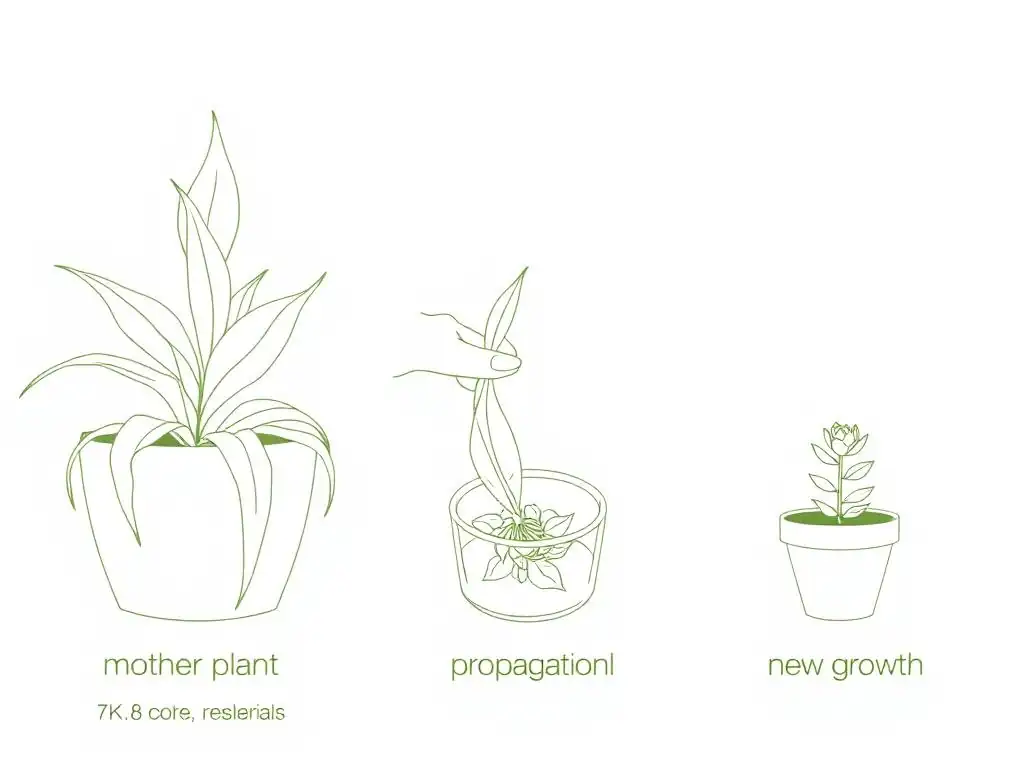
Selecting the optimal propagation method hinges on several factors, significantly impacting your success rate. Understanding your succulent's specific needs is paramount. Not all succulents propagate equally well through every method; some thrive with leaf cuttings, while others prefer stem cuttings or offsets. Even the time of year plays a crucial role; certain methods yield better results during specific seasons. Let's delve into the key considerations for choosing the best succulent propagation methods for your collection.
Matching Techniques to Species: A Comprehensive Guide
The diversity within the succulent family necessitates a tailored approach to propagation. What works wonders for an Echeveria might fail miserably with a Sedum. Understanding the inherent characteristics of your succulent species is key to successful propagation.
For instance, Echeverias, known for their rosette shape and thick leaves, readily propagate through leaf cuttings. Their leaves contain sufficient stored energy to initiate root development. Simply placing a detached leaf on slightly moist soil, ensuring minimal contact with the soil, often suffices. Conversely, Sedums, often with trailing stems, are better suited to stem cuttings. Their stems readily root, producing new plants from nodes along the stem.
The table below summarizes suitable propagation methods for some popular succulent genera:
| Succulent Genus | Best Propagation Methods | Notes |
|---|---|---|
| Echeveria | Leaf Cuttings, Offsets | Leaves readily root; offsets easily separate |
| Sedum | Stem Cuttings, Offsets | Stems root easily; offsets develop readily |
| Haworthia | Leaf Cuttings, Offsets | Similar to Echeveria, but slower |
| Crassula | Stem Cuttings, Leaf Cuttings | Both methods generally effective |
| Kalanchoe | Leaf Cuttings, Offsets, Seed Propagation | Very prolific, multiple methods work well |
Remember, even within a genus, species can vary. For example, some Echeveria species may root more easily from stem cuttings than leaf cuttings. Always research the specific needs of your succulent before choosing a propagation method. Observing mature plants for the presence of offsets, or naturally occurring propagation methods, can be a helpful indicator of the most effective technique.
Environmental Factors Influencing Propagation Success
Beyond the specific succulent species, environmental factors significantly influence propagation success. These factors include:
- Temperature: Most succulents prefer warmer temperatures for propagation, ideally between 65-80°F (18-27°C). Avoid extreme temperatures, as they can stress the plant and hinder root development. This is especially crucial during the initial rooting phase. Fluctuations in temperature can also impact the success of propagation.
- Humidity: While succulents are drought-tolerant, moderate humidity can benefit the propagation process, particularly during the initial rooting phase. Excessive humidity, however, can lead to fungal diseases. Finding a balance is crucial. Consider using a humidity dome for leaf cuttings or stem cuttings, but ensure adequate ventilation to prevent rot.
- Light: Bright, indirect light is generally ideal for propagating succulents. Direct sunlight can scorch delicate cuttings, while insufficient light can lead to weak, leggy growth. Observe your cuttings closely; if they appear etiolated (stretching toward the light), adjust the light intensity.
Optimal propagation requires careful consideration of these environmental factors. Monitoring and adjusting these factors as needed is essential to maximize the chances of success when using the best succulent propagation methods.
This detailed approach provides a comprehensive guide on choosing the right propagation method, emphasizing the importance of species-specific needs and environmental factors. Remember to always research the specific requirements of your succulents for optimal results. Using the best succulent propagation methods increases your chances of creating thriving new plants, expanding your collection, and sharing your passion with other succulent enthusiasts.
Maintaining Healthy Propagated Succulents: Long-Term Care
Successfully propagating succulents is only half the battle. The real test lies in nurturing those tiny cuttings into thriving, mature plants. This section focuses on the crucial long-term care needed to ensure the survival and flourishing of your propagated succulents, solidifying your mastery of the best succulent propagation methods. We'll explore the essential elements of watering, lighting, and fertilization, while also addressing common problems and their solutions.
Watering, Lighting, and Fertilizing Your New Plants
The delicate balance of water, light, and nutrients is paramount for the continued health of your propagated succulents. Overwatering is a common pitfall, especially for beginners. Remember, these plants are naturally drought-tolerant. Instead of a regular watering schedule, focus on the feel of the soil.
Wait until the soil is completely dry to the touch, several centimeters below the surface, before watering thoroughly. Allow excess water to drain completely to prevent root rot – a significant threat to newly propagated succulents. The frequency of watering will depend heavily on factors like pot size, soil type, temperature, and humidity. Smaller pots dry out faster than larger ones, and well-draining soil is crucial.
Lighting is another critical factor. Most succulents thrive in bright, indirect sunlight. Direct, intense sunlight can scorch delicate leaves, particularly on newly rooted cuttings. Observe your plants closely; slight discoloration or wilting may indicate a need for adjustment in light exposure. A south-facing window, often ideal, might require some afternoon shading during the hottest months. East or west-facing windows can also provide excellent light, depending on your climate.
Fertilizing your propagated succulents is essential for robust growth but should be done sparingly. Over-fertilizing can lead to salt buildup in the soil, harming the roots. Use a balanced, water-soluble succulent fertilizer diluted to half strength. Apply it once a month during the active growing season (spring and summer) and completely cease fertilization during the dormant period (autumn and winter). This approach aligns with the principles of many expert growers, ensuring optimal nutrient uptake without causing harm.
| Factor | Best Practice | Potential Problem | Solution |
|---|---|---|---|
| Watering | Allow soil to dry completely between waterings; water thoroughly when needed. | Overwatering, leading to root rot | Improve drainage, adjust watering frequency, use well-draining soil. |
| Lighting | Bright, indirect sunlight; avoid direct intense sunlight. | Sunburn, etiolation (leggy growth) | Adjust placement, provide shade during peak sun hours. |
| Fertilizing | Diluted, balanced succulent fertilizer once a month (spring/summer only). | Salt buildup, fertilizer burn | Dilute fertilizer, reduce frequency, flush soil with water. |
Preventing and Treating Common Problems in Propagated Succulents
Even with the best care, propagated succulents can sometimes encounter issues. Early identification and prompt treatment are vital. Common problems include root rot, pest infestations, and fungal diseases.
Root rot, caused by excessive moisture, manifests as mushy, dark-colored stems and roots. If detected early, removing the affected parts and repotting in dry, well-draining soil might save the plant. Severe cases usually result in the plant's demise. Prevention is key, emphasizing proper watering techniques and well-draining soil.
Pest infestations, such as mealybugs, aphids, and spider mites, can weaken and even kill your succulents. Regular inspection is crucial. Minor infestations can often be treated with insecticidal soap or neem oil. For severe infestations, you might need stronger pesticides, always following label instructions carefully. Always isolate infested plants to prevent spreading.
Fungal diseases can also affect succulents, especially in humid conditions. Signs include brown or black spots on leaves, stem rot, and powdery mildew. Improving air circulation and ensuring proper drainage are crucial preventative measures. In cases of fungal infection, removing affected parts and applying a fungicide might be necessary, but prevention through good cultural practices is always preferred.
Remember, a healthy succulent is much less susceptible to these problems. Consistent monitoring and proactive care are your best tools in the quest for successful succulent propagation and long-term health. Following these guidelines will significantly improve your chances of successfully propagating and nurturing your succulents, making you a true expert in the best succulent propagation methods.
Frequently Asked Questions
What are the best methods for propagating succulents?
Several methods work well! Leaf cuttings are easiest for many varieties, while stem cuttings are ideal for others. Offset propagation is also simple, involving separating baby succulents from the mother plant.
How do I propagate succulents from leaf cuttings?
Allow the leaf cutting to callous over for a few days. Then, place it on well-draining soil, ensuring minimal contact with the soil. Keep it in bright, indirect light and gently mist occasionally.
What is the best time of year to propagate succulents?
The best time is typically during the growing season, which usually falls between spring and summer. Warmer temperatures and increased sunlight promote faster root development.
How long does it take for succulent cuttings to root?
Rooting times vary depending on the succulent species and the propagation method. It can take anywhere from a few weeks to several months to see new growth. Patience is key!
What are some common mistakes to avoid when propagating succulents?
Avoid overwatering, which can lead to rot. Also, ensure your cuttings receive sufficient bright, indirect light. Using sterile tools minimizes the risk of infection.
Final Reflection: Cultivating Growth, Nurturing Life
The art of succulent propagation, once a niche hobby, is experiencing a vibrant resurgence, reflecting a growing global desire for connection with nature and sustainable practices. This renewed interest underscores the enduring appeal of these resilient plants and the satisfaction derived from nurturing life from a tiny cutting. The techniques detailed in this article, honed by leading experts, offer a pathway to participate in this rewarding endeavor.
The journey of propagating succulents is more than just the creation of new plants; it's a testament to the power of patience, observation, and the inherent resilience of life itself. The best things in life are worth waiting for,
a sentiment perfectly encapsulates the rewarding process of watching a tiny leaf or cutting transform into a thriving succulent. This process mirrors the growth we experience in our own lives, requiring nurturing, attention, and a willingness to learn from both successes and setbacks. The beauty of these plants, their ability to thrive in seemingly harsh conditions, serves as a constant reminder of our own inner strength and capacity for adaptation.
Consider the lessons learned within these pages. Experiment with the techniques outlined, embrace the learning process, and discover the joy of cultivating your own succulent collection. You are not merely propagating plants; you are cultivating a deeper connection with the natural world, fostering patience, and nurturing a sense of accomplishment that extends far beyond the confines of your garden. Let the resilience of the succulent inspire your own journey of growth and renewal.
Unleash Your Inner Green Thumb: Grow Your Succulent Family!
Congratulations on taking the first step into the fascinating world of succulent propagation! You've learned the secrets to cultivating thriving succulents—now it's time to put your knowledge into practice.
- Start propagating your succulents today! Choose your preferred method from the article and begin; you'll be amazed at how simple it is.
- Share your propagation successes (and even your setbacks!) with our community on social media using #SucculentEssentials. Let's inspire one another!
- Explore other articles on SucculentEssentials.org to further expand your succulent care knowledge.
What exciting succulent varieties will you propagate next?