
The Secrets to Success with the Highly SoughtAfter Turbinicarpus Pseudomacrochele

Welcome to SucculentEssentials.org, where the fascinating world of succulents unfolds! Are you ready to unlock the secrets to cultivating thriving, vibrant plants? Then prepare to be captivated by the unique challenges and rewards of caring for the highly sought-after Turbinicarpus Pseudomacrochele. Dive into our comprehensive care guide and discover the techniques that will transform your collection. Let's embark on this exciting journey together!
- Understanding Turbinicarpus pseudomacrochele: A Comprehensive Care Guide
- Optimal Growing Conditions for Turbinicarpus pseudomacrochele
- Watering and Fertilizing Your Turbinicarpus pseudomacrochele
- Propagation Methods for Turbinicarpus pseudomacrochele
- Common Problems and Pest Control for Turbinicarpus pseudomacrochele
- Repotting and Maintaining Your Turbinicarpus pseudomacrochele
- Advanced Techniques for Cultivating Turbinicarpus pseudomacrochele
-
Frequently Asked Questions
- What are the basic needs of a Turbinicarpus pseudomacrochele?
- How often should I water my Turbinicarpus pseudomacrochele?
- What type of soil is best for Turbinicarpus pseudomacrochele?
- How do I propagate Turbinicarpus pseudomacrochele?
- What are the common problems encountered when growing Turbinicarpus pseudomacrochele?
- Final Reflection: Cultivating Success, One Cactus at a Time
- Unleash Your Inner Cactus Connoisseur!
Understanding Turbinicarpus pseudomacrochele: A Comprehensive Care Guide
The captivating world of succulents extends far beyond the common echeverias and sempervivums. For the discerning collector, the allure of rare and challenging species offers a unique and rewarding experience. This guide delves into the intricacies of cultivating Turbinicarpus pseudomacrochele, a highly sought-after succulent known for its distinctive beauty and demanding care requirements.
We'll explore its unique characteristics, discuss crucial aspects of its cultivation, and provide practical tips to help you successfully nurture this fascinating plant, ultimately increasing your chances of success with this often-challenging species. This comprehensive Turbinicarpus pseudomacrochele care guide will equip you with the knowledge needed to thrive in the world of rare succulent cultivation. Prepare to unlock the secrets to successfully cultivating this coveted plant and add a true gem to your collection!
Identifying Key Characteristics of Turbinicarpus pseudomacrochele
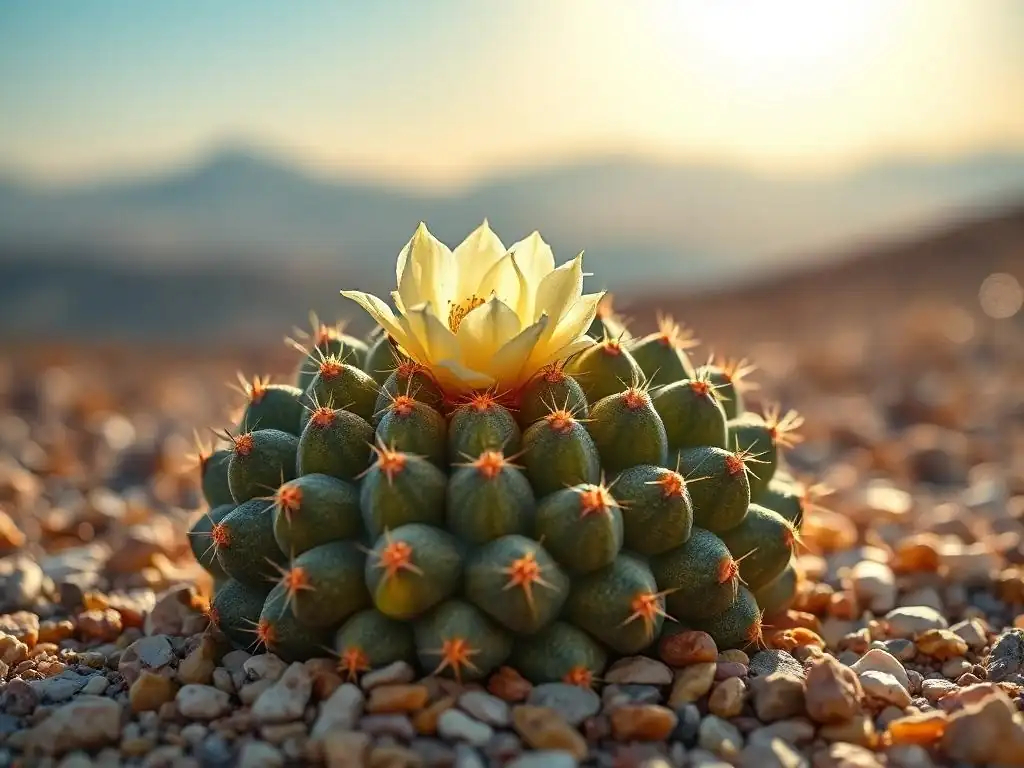
Turbinicarpus pseudomacrochele, a member of the Cactaceae family, boasts several distinguishing features that set it apart. Its small, globose body, typically reaching only a few centimeters in diameter, is a key identifier. The epidermis, or skin, is usually a grayish-green to brownish-green, often exhibiting a slightly tuberculate surface. The areoles, small cushion-like structures from which spines emerge, are closely spaced and densely covered with short, bristly spines.
These spines are usually white to yellowish-brown, adding to the plant's unique texture. The flowers, a delightful contrast to the plant's subdued coloring, are typically a vibrant pink or purplish-pink, emerging from the apex of the plant. These characteristics, when considered together, provide a reliable means of identification for this captivating cactus. Careful observation of these features is crucial for accurate identification and proper care.
One notable characteristic often overlooked is the root system. Turbinicarpus pseudomacrochele possesses a relatively robust taproot, which plays a vital role in water storage and nutrient uptake. Understanding the nature of this root system is crucial for selecting appropriate potting mixes and containers, preventing root rot, and ensuring optimal growth. Remember, a healthy root system is fundamental to the overall health and vitality of the plant.
Distinguishing Turbinicarpus pseudomacrochele from Similar Species
Several Turbinicarpus species share similarities with Turbinicarpus pseudomacrochele, making accurate identification crucial for proper care. Careful observation of subtle differences in spine coloration, density, and overall plant morphology is key to distinguishing it from close relatives. For example, Turbinicarpus valdezianus exhibits longer, more prominent spines, while Turbinicarpus schmiedickeanus often displays a more pronounced tuberculation.
A detailed comparison of these characteristics, using reliable reference materials and potentially consulting with experienced succulent enthusiasts or botanists, is recommended to ensure accurate identification. Misidentification can lead to improper cultivation techniques, potentially hindering growth and even leading to the demise of the plant. Accurate identification is, therefore, a critical first step in successful cultivation.
The following table summarizes key distinguishing features:
| Feature | Turbinicarpus pseudomacrochele | Turbinicarpus valdezianus | Turbinicarpus schmiedickeanus |
|---|---|---|---|
| Spine Length | Short, bristly | Longer, more prominent | Varied, some longer |
| Spine Color | White to yellowish-brown | Often darker, reddish-brown | Often darker, reddish-brown |
| Tuberculation | Slightly tuberculate | Less pronounced | More pronounced |
| Flower Color | Pink or purplish-pink | Pink to magenta | White to pink |
Remember, precise identification is paramount for providing the correct care and ensuring the long-term health and beauty of your Turbinicarpus pseudomacrochele. Take your time, observe carefully, and don't hesitate to seek expert advice if needed. 🌵
Optimal Growing Conditions for Turbinicarpus pseudomacrochele
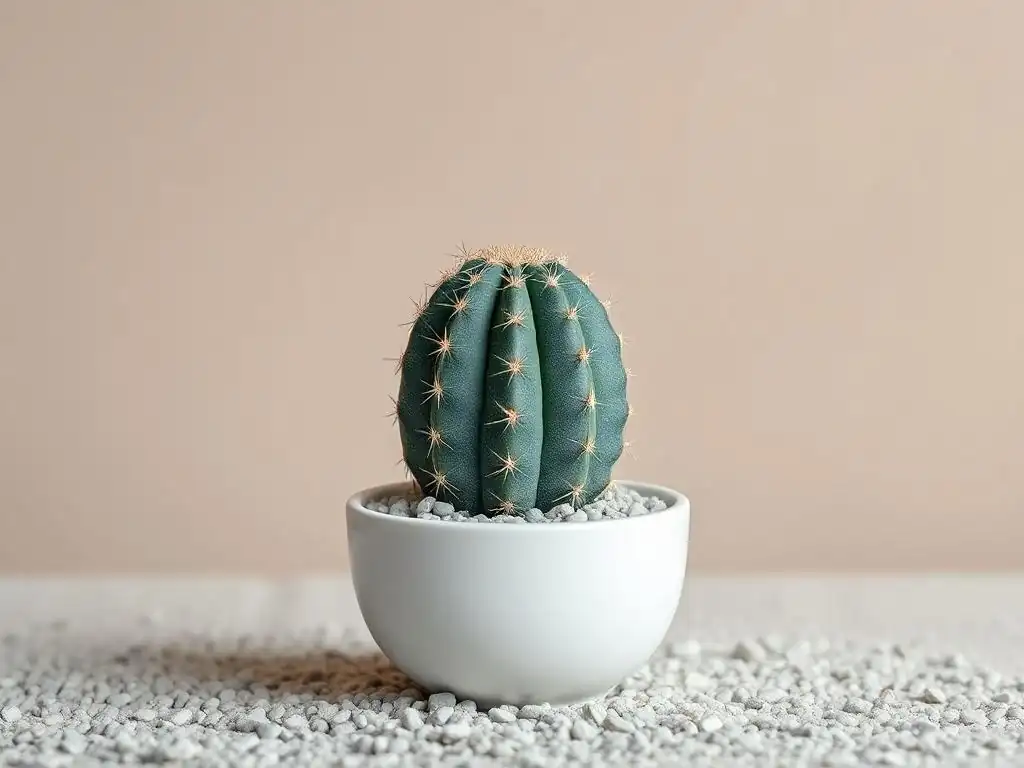
This section delves into the specific environmental factors crucial for successfully cultivating Turbinicarpus pseudomacrochele, a highly sought-after succulent known for its challenges in cultivation. Understanding and replicating its native habitat is key to its thriving. Failure to meet these precise needs often results in stunted growth, poor flowering, or even plant death. This detailed Turbinicarpus pseudomacrochele care guide will equip you with the knowledge to overcome these hurdles.
Light Requirements for Thriving Turbinicarpus pseudomacrochele
Turbinicarpus pseudomacrochele demands bright, indirect sunlight. Direct, intense sunlight, especially during the hottest parts of the day, can scorch its delicate skin, leading to unsightly blemishes and potentially compromising its health. The ideal situation involves placing your plant in a location that receives ample sunlight, but is shielded from the harshest rays. Think of a spot with dappled shade during the peak sun hours. Insufficient light, on the other hand, will result in etiolation – a condition where the plant stretches towards the light source, becoming leggy and weak.
To monitor light levels, observe the plant's coloration. A healthy Turbinicarpus pseudomacrochele will exhibit a vibrant, greyish-green hue. If the plant appears pale or yellowing, it likely needs more light. Conversely, if it shows signs of browning or sunburn, reduce the intensity or duration of sunlight exposure. Consider using a light meter to quantify the light levels in your chosen location for more precise control.
Temperature Preferences and Tolerance for Turbinicarpus pseudomacrochele
This species thrives in warm temperatures during its growing season (spring and summer), ideally between 70-85°F (21-29°C). However, it's crucial to remember that Turbinicarpus pseudomacrochele originates from arid regions, experiencing significant temperature fluctuations between day and night. Therefore, mimicking this diurnal temperature variation is beneficial. Allowing the soil to dry out completely between waterings helps regulate temperature fluctuations at the root level.
During winter dormancy, temperatures should be considerably cooler, ideally around 50-60°F (10-15°C). Protecting the plant from frost is absolutely essential, as freezing temperatures will invariably lead to damage or death. Providing a cool, dry environment during winter is crucial for successful overwintering and subsequent spring growth. Consistent monitoring of temperatures is vital throughout the year to ensure the plant remains within its optimal range.
Soil Composition for Successful Turbinicarpus pseudomacrochele Cultivation
The soil mix for Turbinicarpus pseudomacrochele must be exceptionally well-draining to prevent root rot, a common problem for this species. The plant's roots are highly susceptible to excess moisture, leading to fungal infections. A suitable soil blend might include a mix of:
- 50% inorganic material (pumice, perlite, or coarse sand)
- 30% cactus and succulent potting mix
- 20% well-rotted compost (optional, for added nutrients)
The key is to create a porous substrate that allows for excellent aeration and rapid drainage. Avoid using heavy clay soils, which retain too much water and can suffocate the roots. The addition of inorganic materials ensures the soil remains airy and prevents compaction. Regular inspection of the soil's drainage capabilities is recommended, especially after watering, to guarantee the roots remain healthy. Remember, a well-draining soil is paramount for the long-term health and success of your Turbinicarpus pseudomacrochele.
Watering and Fertilizing Your Turbinicarpus pseudomacrochele
This section delves into the crucial aspects of watering and fertilizing your Turbinicarpus pseudomacrochele, a succulent known for its challenging cultivation requirements. Mastering these techniques is key to successfully growing this highly sought-after species. Proper hydration and nutrition are paramount to its health and longevity, preventing common issues like root rot and stunted growth. Remember, consistency and observation are key to success with this demanding plant.
Watering Techniques for Turbinicarpus pseudomacrochele: Avoiding Overwatering
Overwatering is the single biggest threat to the Turbinicarpus pseudomacrochele. Unlike many other succulents, this species is particularly susceptible to root rot due to its relatively shallow root system and preference for well-draining soil. Therefore, a less-is-more approach to watering is essential.
Here's a detailed breakdown of effective watering strategies:
- Infrequent, Deep Watering: Instead of frequent, light waterings, aim for infrequent but thorough soakings. Allow the soil to completely dry out between waterings. This usually means waiting several weeks, depending on the season and environmental conditions. A finger test is helpful; insert your finger about an inch into the soil. If it's dry, it's time to water.
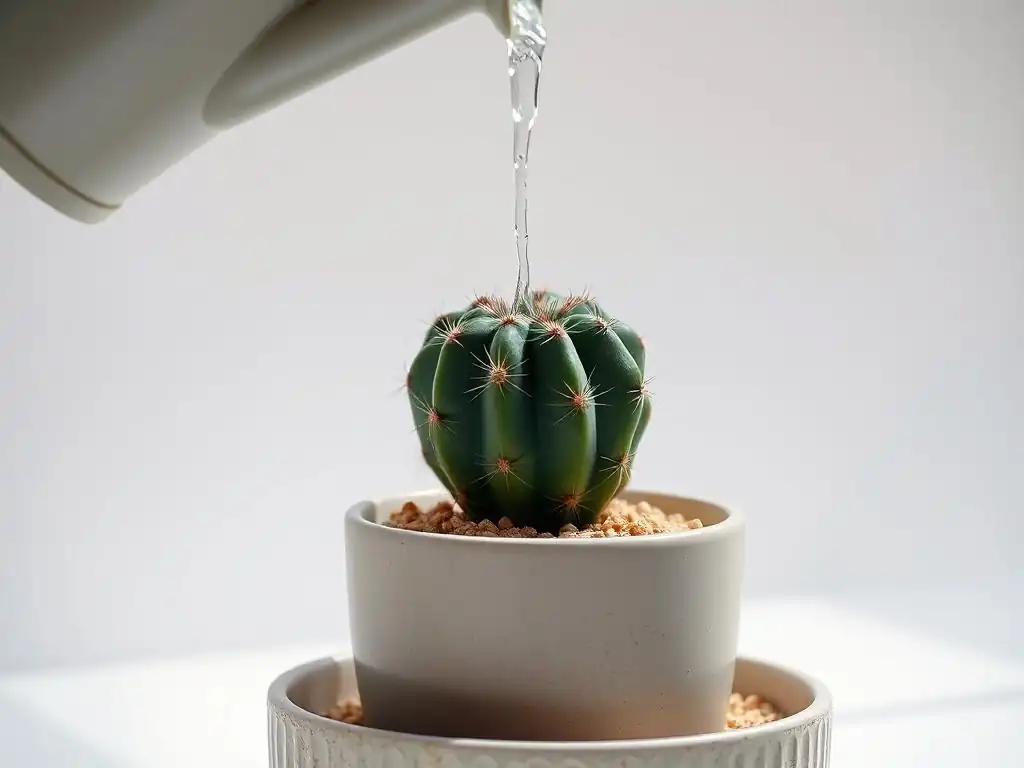
- Bottom Watering: Bottom watering is highly recommended for Turbinicarpus pseudomacrochele. Place the pot in a tray of water and allow the soil to absorb moisture from the bottom up. This method prevents water from accumulating on the crown of the plant, reducing the risk of rot.
- Seasonal Adjustments: Watering frequency needs to be adjusted based on the season. During the growing season (spring and summer), water slightly more frequently, but still allow the soil to dry out significantly between waterings. During dormancy (fall and winter), reduce watering to a minimum – perhaps only once a month or even less, depending on environmental humidity.
- Signs of Overwatering: Be vigilant for signs of overwatering, such as soft, mushy stems, yellowing leaves, and a foul odor emanating from the soil. If you notice these symptoms, immediately remove the plant from its pot, inspect the roots, and remove any affected areas. Repot the plant into fresh, well-draining soil.
Essential Nutrients and Fertilizer Recommendations for Turbinicarpus pseudomacrochele
While Turbinicarpus pseudomacrochele doesn't require heavy fertilization, providing it with the right nutrients at the right time can significantly contribute to its overall health and vigor. Over-fertilizing, however, can be just as detrimental as underwatering.
Here's what you need to know about fertilizing your Turbinicarpus pseudomacrochele:
- Type of Fertilizer: Use a well-balanced, water-soluble cactus and succulent fertilizer. Look for a formula with a lower nitrogen content (e.g., a 10-10-10 or a 5-10-5 formulation). High nitrogen can promote excessive vegetative growth at the expense of root development and overall plant health.
- Frequency of Fertilization: Fertilize your Turbinicarpus pseudomacrochele only during its active growing season (spring and summer). Apply a diluted solution of fertilizer every 4-6 weeks. Never fertilize during dormancy (fall and winter).
- Dilution is Key: Always dilute the fertilizer to half or even a quarter of the recommended strength on the product label. It's far better to under-fertilize than to over-fertilize.
- Observational Approach: Pay close attention to your plant's growth. If it appears healthy and vigorous, you may not need to fertilize at all. If growth seems sluggish, then a diluted application can provide a gentle boost. Remember, the goal is to support healthy growth, not to force it.
By carefully following these watering and fertilizing guidelines, you’ll significantly increase your chances of successfully cultivating this challenging but rewarding succulent, the Turbinicarpus pseudomacrochele. Remember, patience and observation are key to its successful cultivation. 🌵
Propagation Methods for Turbinicarpus pseudomacrochele
Successfully propagating Turbinicarpus pseudomacrochele, a highly sought-after succulent, requires patience and precision. While challenging, mastering these techniques unlocks the potential to expand your collection of these unique plants. This section details the two primary methods: seed propagation and propagation via offsets. Remember, optimal conditions are crucial for success with this species, known for its sensitivity to environmental changes.
Seed Propagation of Turbinicarpus pseudomacrochele: A Detailed Guide
Seed propagation offers the chance to cultivate numerous Turbinicarpus pseudomacrochele plants simultaneously, increasing your chances of success and generating genetic diversity within your collection. However, it’s a more time-consuming method compared to offset propagation.
Germination success hinges on several factors:
- Fresh Seeds: Using seeds harvested within the last year significantly increases the chances of germination. Older seeds have a drastically reduced viability rate. Look for plump, firm seeds; discard any shriveled or discolored ones.
- Substrate Selection: A well-draining, sterile seed-starting mix is essential. A blend of fine pumice, perlite, and a small amount of well-rotted compost provides ideal drainage and aeration. Avoid using garden soil, as it can harbor pathogens detrimental to seedlings.
- Sowing Technique: Sow seeds thinly and evenly onto the surface of the prepared substrate. Gently press the seeds into the mix, but avoid burying them deeply. Light is crucial for germination in Turbinicarpus pseudomacrochele.
- Watering: Maintain consistent moisture, but avoid overwatering. Use a fine mist spray to dampen the substrate, keeping it slightly moist but not soggy. Overwatering can lead to damping-off, a fungal disease fatal to seedlings.
- Temperature and Light: Maintain a warm temperature (around 70-75°F or 21-24°C) and provide bright, indirect light. Direct sunlight can scorch the delicate seedlings.
- Patience: Germination can take several weeks, even months, depending on seed freshness and environmental conditions. Be patient and monitor the substrate moisture regularly. The emergence of tiny seedlings is a rewarding milestone.
Offsets Propagation of Turbinicarpus pseudomacrochele: Techniques and Tips
Vegetative propagation through offsets, also known as pups, is a faster and generally more reliable method for propagating Turbinicarpus pseudomacrochele. This method involves separating small plantlets that grow at the base of the mother plant.
Successful offset propagation depends on:
- Identifying Mature Offsets: Select offsets that are at least one-third the size of the mother plant and have developed their own root systems or show signs of root development. Smaller offsets are more likely to fail.
- Separation Technique: Gently separate the offset from the mother plant using a clean, sharp knife or a pair of sterilized scissors. Ensure a clean cut to minimize the risk of infection. Allow the separated offset to callous over for a few days before planting.
- Planting Medium: Use a well-draining succulent potting mix similar to that used for seed propagation. Ensure the potting mix is slightly moist before planting the offset.
- Planting Depth: Plant the offset at the same depth it was previously growing. Burying it too deeply can lead to rot.
- Post-Planting Care: Water sparingly after planting, allowing the soil to dry out completely between waterings. Avoid overwatering, which can lead to root rot. Provide bright, indirect light.
- Monitoring for Success: Regularly check for signs of growth. New growth indicates successful propagation. If the offset shows signs of wilting or rotting, adjust your watering schedule and environmental conditions accordingly.
Remember, consistent monitoring and careful attention to detail are key to successfully propagating Turbinicarpus pseudomacrochele, regardless of the chosen method. Patience and a keen eye for detail will reward you with thriving new plants. 🌱
Common Problems and Pest Control for Turbinicarpus pseudomacrochele
The Turbinicarpus pseudomacrochele, while a prized addition to any succulent collection, presents unique challenges to even experienced cultivators. Understanding its specific vulnerabilities is crucial for successful cultivation. This section delves into common problems and effective pest control strategies, ensuring your Turbinicarpus pseudomacrochele thrives. Proper Turbinicarpus pseudomacrochele care is paramount to avoiding many of these issues.
Identifying and Treating Diseases Affecting Turbinicarpus pseudomacrochele
Root rot is a significant threat to Turbinicarpus pseudomacrochele. Overwatering, poorly draining soil, and inadequate ventilation are primary culprits. Symptoms include soft, mushy roots, and a discolored, decaying base of the plant. Early detection is key. If you suspect root rot, carefully remove the plant from its pot, gently clean away the soil, and inspect the roots.
Any blackened or mushy roots should be carefully trimmed using sterilized tools. Repot the plant in well-draining cactus and succulent potting mix, ensuring adequate airflow around the roots. Reduce watering frequency significantly until new growth appears. Improving drainage is crucial; consider adding perlite or pumice to the soil mix to enhance aeration.
Another potential issue is fungal infections, often manifested as dark spots or lesions on the plant's body. These can stem from high humidity or unsanitary growing conditions. Good air circulation is vital in preventing fungal diseases. In cases of minor infection, removing affected parts with sterile tools and applying a fungicide can be effective. Severe infections may necessitate discarding the plant to prevent spreading to other succulents. Preventing these fungal issues requires meticulous hygiene, including sterilizing tools and ensuring proper ventilation.
Pest Management Strategies for Turbinicarpus pseudomacrochele
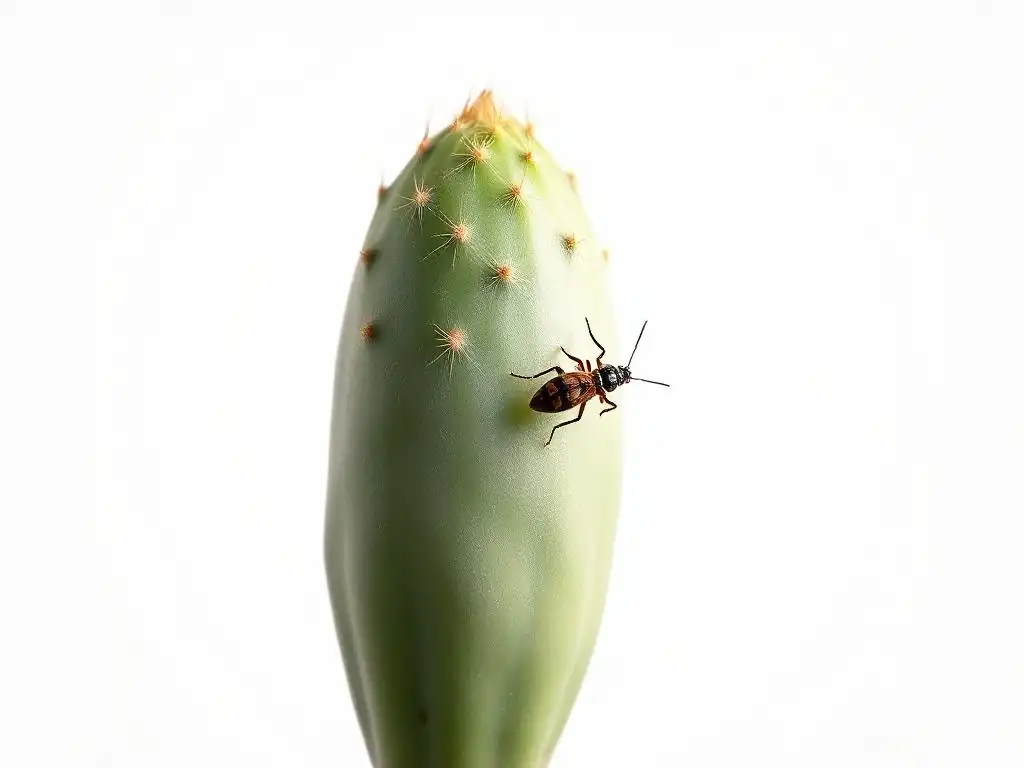
Mealybugs are a common pest affecting Turbinicarpus pseudomacrochele. These tiny insects cluster in crevices and feed on plant sap, leading to stunted growth and plant weakening. Regular inspection is crucial for early detection. Manual removal with a cotton swab dipped in rubbing alcohol is effective for small infestations. For larger infestations, insecticidal soap or neem oil can be applied, following the product instructions carefully. Always test any treatment on a small, inconspicuous area of the plant first to check for adverse reactions.
Additionally, scale insects can also be problematic. These insects attach themselves to the plant's surface, often appearing as small bumps. They, too, suck plant sap and can cause significant damage. Similar treatment strategies as with mealybugs are applicable, including manual removal and the use of insecticidal soap or neem oil.
Consistent monitoring and prompt action are vital in preventing severe infestations. Prevention is key; maintaining a clean and well-ventilated environment significantly reduces the risk of pest attacks. Regularly inspecting your Turbinicarpus pseudomacrochele for any signs of pests or diseases will ensure its continued health and beauty. Remember, a healthy plant is better equipped to resist pests and diseases.
Repotting and Maintaining Your Turbinicarpus pseudomacrochele
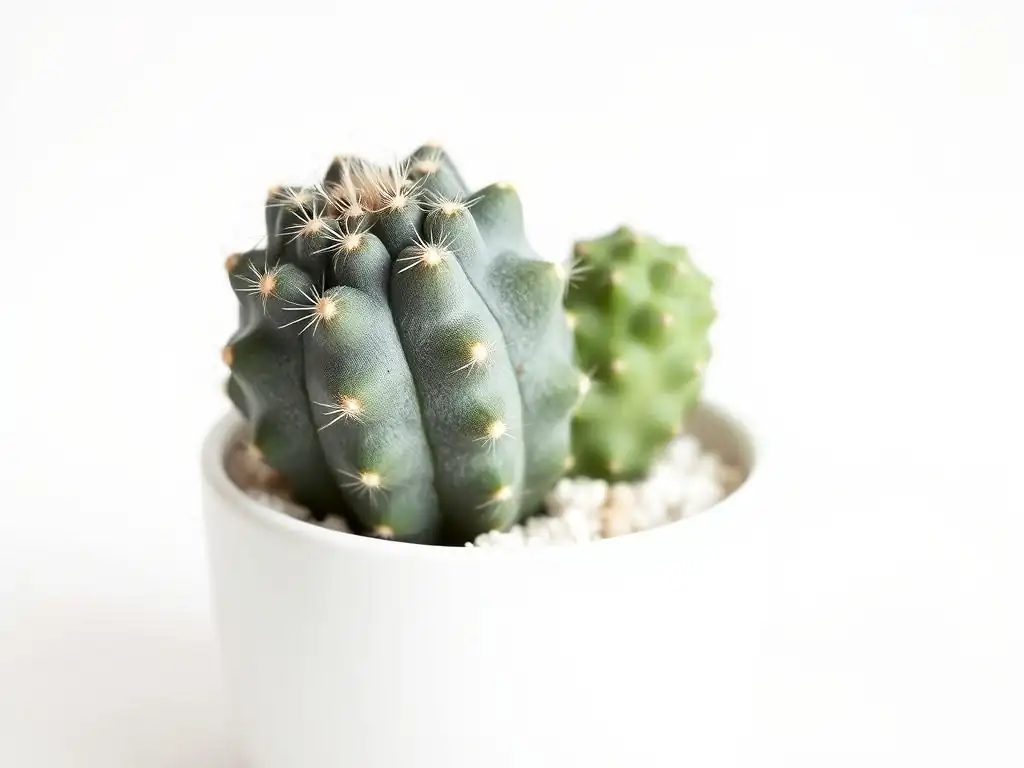
This section delves into the crucial aspects of repotting and long-term care for your Turbinicarpus pseudomacrochele, a highly sought-after succulent known for its unique beauty and challenging cultivation. Proper handling during repotting and consistent maintenance are key to ensuring its thriving growth and longevity. Remember, understanding the specific needs of this species is paramount for success with Turbinicarpus pseudomacrochele care.
Repotting Techniques for Healthy Turbinicarpus pseudomacrochele Growth
Repotting your Turbinicarpus pseudomacrochele is a delicate process requiring precision and care. Avoid disturbing the roots more than absolutely necessary, as this species is sensitive to root damage. The ideal time for repotting is during the spring or early summer, when the plant is actively growing.
Here’s a step-by-step guide:
- Preparation: Carefully select a well-draining pot, slightly larger than the previous one. A terracotta pot is generally preferred due to its breathability. Prepare a well-draining potting mix specifically formulated for cacti and succulents. A good mix typically contains a high proportion of inorganic materials like pumice, perlite, and coarse sand.
- Removal: Gently remove the plant from its current pot. If the roots are tightly bound, carefully loosen them with a small tool, avoiding any harsh pulling or breakage. Inspect the roots for any signs of rot or damage. If any are found, carefully trim them with sterilized scissors.
- Planting: Place a layer of drainage material (e.g., gravel, broken pottery) at the bottom of the new pot. Add a portion of the succulent potting mix, and carefully position the Turbinicarpus pseudomacrochele in the center. Gently backfill with the remaining potting mix, ensuring the root crown remains slightly above the soil level.
- Watering: After repotting, withhold watering for approximately one week to allow any potential wounds to heal and to prevent root rot. Subsequently, resume watering sparingly, allowing the soil to dry completely between waterings.
Long-Term Care and Maintenance of Turbinicarpus pseudomacrochele
Long-term care of Turbinicarpus pseudomacrochele involves maintaining the right balance of sunlight, watering, and temperature. Neglect in any of these areas can lead to stress, disease, or even death.
- Sunlight: This succulent thrives in bright, indirect sunlight. Avoid direct, intense sunlight, especially during the hottest part of the day, as this can scorch the plant. A south-facing window with some shade during the peak sun hours is often ideal. During winter months, supplemental lighting might be necessary to ensure adequate light levels.
- Watering: Overwatering is a common cause of failure with Turbinicarpus pseudomacrochele. Water thoroughly only when the soil is completely dry, allowing the excess water to drain completely. Reduce watering frequency during the winter months when the plant is dormant. The frequency of watering will depend on your environment, the pot size, and the type of potting mix used. Always check the soil moisture before watering.
- Temperature: Turbinicarpus pseudomacrochele prefers moderate temperatures, ideally between 65-80°F (18-27°C). Protect the plant from extreme temperature fluctuations and frost.
- Fertilization: Fertilize sparingly, only during the active growing season (spring and summer). Use a balanced, water-soluble fertilizer diluted to half strength. Avoid fertilizing during the dormant period.
Additional Tips for Success
Remember to always use sterilized tools when handling your *Turbinicarpus pseudomacrochele* to prevent the spread of diseases. Regularly inspect your plant for any signs of pests or diseases. Early detection and treatment are crucial for maintaining the health of your succulent. Proper air circulation is also important to prevent fungal diseases. Consider using a fan to improve air circulation around your plants, especially in humid environments.
By diligently following these repotting techniques and long-term care guidelines, you significantly increase your chances of successfully cultivating and enjoying the unique beauty of your Turbinicarpus pseudomacrochele. Remember, patience and observation are key to mastering the art of Turbinicarpus pseudomacrochele care. With consistent attention and the right techniques, this challenging but rewarding succulent will flourish under your care. 🌵
Advanced Techniques for Cultivating Turbinicarpus pseudomacrochele
This section delves into advanced cultivation techniques for the Turbinicarpus pseudomacrochele, a highly sought-after succulent known for its challenging cultivation requirements. Mastering these techniques will significantly increase your chances of success with this demanding species, moving beyond basic care and into the realm of expert cultivation. We'll explore strategies to optimize growth, flowering, and overall plant health, transforming your Turbinicarpus pseudomacrochele from a survival story into a thriving centerpiece of your collection. Remember, patience and meticulous attention to detail are key to success with this particular succulent.
Achieving Exceptional Blooms in Turbinicarpus pseudomacrochele
The exquisite blooms of Turbinicarpus pseudomacrochele are a testament to successful cultivation. Achieving abundant and vibrant flowering requires a nuanced understanding of the plant's needs. Firstly, photoperiod is crucial. These succulents require a specific amount of daylight to initiate flowering. While precise data on the exact photoperiod requirements for Turbinicarpus pseudomacrochele is still under research [specific information pending], it's generally accepted that a well-defined period of longer days followed by shorter days is essential. Experimentation with light exposure during different seasons is recommended.
Secondly, soil composition plays a critical role. A well-draining, mineral-rich soil mix is paramount. Avoid overly organic soils, which can retain too much moisture and lead to root rot – a common downfall for this species. A blend of inorganic materials like pumice, perlite, and coarse sand, with a small percentage of well-rotted compost, creates the ideal substrate.
Finally, nutrient management is vital. Over-fertilization can be detrimental. Use a balanced, diluted succulent fertilizer sparingly, only during the active growing season (typically spring and summer). Avoid fertilizing during dormancy (fall and winter). Over-fertilizing can lead to soft, etiolated growth, diminishing the chances of blooming. Remember, less is often more when it comes to nourishing these delicate plants.
Creating the Perfect Microclimate for Turbinicarpus pseudomacrochele
Successfully cultivating Turbinicarpus pseudomacrochele often hinges on creating an optimal microclimate that mimics its natural habitat. This involves careful attention to temperature, humidity, and air circulation.
The temperature requirements are specific. These plants thrive in warm conditions during their growing season, with temperatures ranging from 70°F to 85°F (21°C to 29°C). However, they require a cooler, drier period of dormancy in winter, with temperatures ideally between 45°F and 55°F (7°C to 13°C). Fluctuations in temperature between day and night are also beneficial, mimicking the natural diurnal temperature variations in their native environment.
Humidity levels should be kept low to moderate. High humidity can lead to fungal diseases and rot. Good air circulation is crucial to prevent this. Avoid placing the plants in overly humid environments or areas with poor ventilation.
To summarize, creating the ideal microclimate involves a combination of temperature control, low humidity, and adequate air circulation. Monitoring these factors closely is crucial for the long-term health and successful cultivation of your Turbinicarpus pseudomacrochele. Consider using a small fan for improved air circulation, particularly during periods of high humidity. Careful observation and adjustments based on your specific environment will prove invaluable.
Frequently Asked Questions
What are the basic needs of a Turbinicarpus pseudomacrochele?
The Turbinicarpus pseudomacrochele thrives in bright, indirect sunlight. It needs well-draining soil and infrequent watering, allowing the soil to dry completely between waterings. Avoid overwatering, a common cause of rot.
How often should I water my Turbinicarpus pseudomacrochele?
Water only when the soil is completely dry, usually every 2-4 weeks depending on the season and environment. Less is more with this species; underwatering is preferable to overwatering. During winter, water even less frequently or not at all.
What type of soil is best for Turbinicarpus pseudomacrochele?
Use a well-draining cactus and succulent potting mix. You can improve drainage further by adding perlite or pumice. This prevents the roots from sitting in soggy soil, which can lead to root rot.
How do I propagate Turbinicarpus pseudomacrochele?
Propagation is best achieved through seeds. Seedlings require consistent warmth and bright light for optimal growth. Offsets are rare and generally not a reliable propagation method for this species.
What are the common problems encountered when growing Turbinicarpus pseudomacrochele?
The most common issue is root rot due to overwatering. Pests such as mealybugs can also be problematic. Ensure good air circulation and monitor your plant regularly for any signs of disease or infestation.
Final Reflection: Cultivating Success, One Cactus at a Time
The meticulous care required for the Turbinicarpus pseudomacrochele mirrors the dedication needed to achieve any significant goal. Mastering the art of cultivating this rare and beautiful cactus isn't just about following a set of instructions; it's about understanding the delicate balance between nurture and patience, a balance applicable to far more than just plant life.
The journey of nurturing this specific cactus, with its unique needs and sensitivities, has profoundly impacted my understanding of the interconnectedness of all living things. It's a humbling experience to witness the resilience and beauty that emerges from careful observation and consistent effort. The glory of gardening: hands in the dirt, head in the sun, heart with nature. To nurture a garden is to feed not just the body, but the soul.
This quote resonates deeply, as the process of cultivating the Turbinicarpus pseudomacrochele has become a meditative practice, fostering a deeper connection with the natural world and myself.
Now, consider your own "desert bloom." What seemingly insurmountable challenge, what cherished dream, requires the same dedication, the same understanding of subtle nuances, as cultivating this exquisite cactus? Take the lessons learned here – the importance of precise watering, the need for well-draining soil, the patience required for slow but steady growth – and apply them to your own aspirations. Embrace the challenges, celebrate the small victories, and nurture your own potential to flourish.
Unleash Your Inner Cactus Connoisseur!
Thank you for exploring the fascinating world of Turbinicarpus pseudomacrochele! We hope you've gained valuable insights into cultivating this highly sought-after succulent. Ready to put your new knowledge into practice?
- Begin propagating your own Turbinicarpus pseudomacrochele! This is the best way to truly understand its unique needs and watch your collection flourish.
- Share your successes (and challenges!) with our community in the comments below. Let's learn from each other!
- Experiment with different soil mixes and watering techniques; each plant has unique requirements.
What growing conditions will you try to best nurture your Turbinicarpus pseudomacrochele?