
The Pros and Cons of Separating Succulent Offsets

Welcome to SucculentEssentials.org, your gateway to the fascinating world of succulents! Are you ready to unlock the secrets to thriving succulent gardens? We delve into every aspect of succulent care, from basic maintenance to advanced propagation techniques. But first, a crucial question: should you separate those precious succulent offsets? Discover the surprising pros and cons in our in-depth guide on "Separate Succulent Offsets Pros Cons," and begin your journey to becoming a true succulent expert. Let's cultivate some stunning success together!
- Understanding Succulent Offsets and Pup Separation
- The Advantages of Separating Succulent Offsets (Pros)
- The Disadvantages of Separating Succulent Offsets (Cons)
- Best Practices for Separating Succulent Offsets
- When to Avoid Separating Succulent Offsets
- Conclusion: Weighing the Pros and Cons for Successful Propagation
- Frequently Asked Questions
- Final Reflection: The Enduring Legacy of a Tiny Sprout
- Unleash Your Succulent Empire: Grow Your Collection!
Understanding Succulent Offsets and Pup Separation
Succulents, with their fascinating diversity and relatively low-maintenance needs, have captured the hearts of plant enthusiasts worldwide. A key aspect of succulent care and propagation involves understanding and managing offsets, also known as pups. These miniature versions of the mother plant, arising from the base or stems, represent a natural method of asexual reproduction.
This article delves into the crucial decision of whether or not to separate succulent offsets, weighing the advantages and disadvantages to help you make informed choices for your succulent collection. We'll explore what offsets are, how to identify when they're ready for separation, and the necessary tools and techniques for a successful separation process.
Understanding this process is vital for both maintaining the health of your mother plants and successfully propagating new succulents, expanding your collection and sharing the joy of these remarkable plants. Learning to separate succulent offsets correctly will contribute significantly to your overall succulent gardening success.
What are Succulent Offsets?
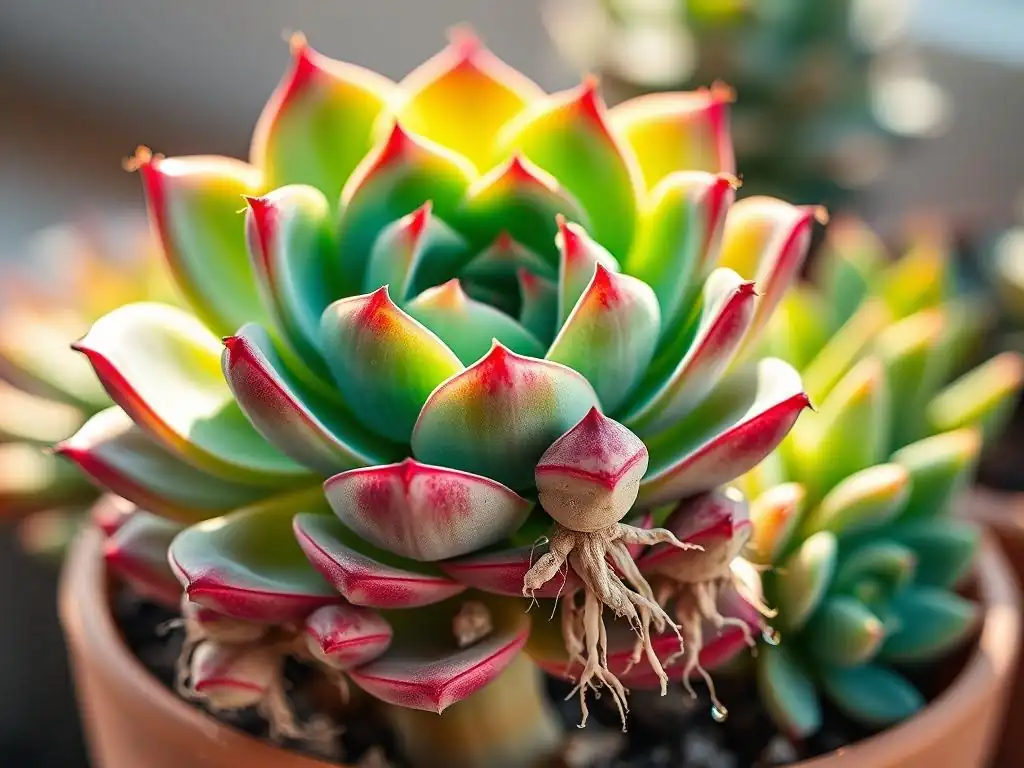
Succulent offsets, often called "pups," are miniature clones of the parent plant that sprout from the base of the stem, roots, or even along the stems themselves. They develop from adventitious buds, meaning they aren't formed from the plant's apical meristem (the growing tip). These tiny plants are genetically identical to their mother plant and contain all the necessary components to grow into independent succulents. The size and number of offsets vary greatly depending on the succulent species.
Some species readily produce numerous offsets, while others are less prolific. Observing the growth habits of your specific succulent is crucial for determining when and how to manage these offsets. They start as small, undeveloped growths and gradually develop roots and leaves, eventually becoming large enough to be separated from the mother plant. This natural process allows succulents to spread and colonize their environment.
Identifying Mature Offsets Ready for Separation
Knowing when to separate succulent offsets is key to a successful propagation process. Premature separation can weaken or even kill both the offset and the mother plant. Several factors indicate an offset is ready for separation:
- Sufficient Size: The offset should have developed a good root system and several leaves of its own. A general rule of thumb is that the offset should be at least one-third to one-half the size of the mother plant, although this varies by species. Smaller offsets may struggle to survive independently.
- Visible Roots: Look closely for visible roots emerging from the base of the offset. These roots are essential for the offset to absorb water and nutrients once separated.
- Healthy Appearance: The offset should be firm, plump, and free from any signs of disease or damage. Avoid separating offsets that look shriveled, discolored, or otherwise unhealthy.
- Ease of Separation: Gently try to separate the offset from the mother plant. If it comes away easily with minimal effort, it's usually a good sign it's ready. If it's firmly attached, it may need more time to develop.
Tools and Materials Needed for Offset Separation
Proper tools are crucial for safely and effectively separating succulent offsets. Using the wrong tools can damage both the offset and the mother plant. Here's a list of essential materials:
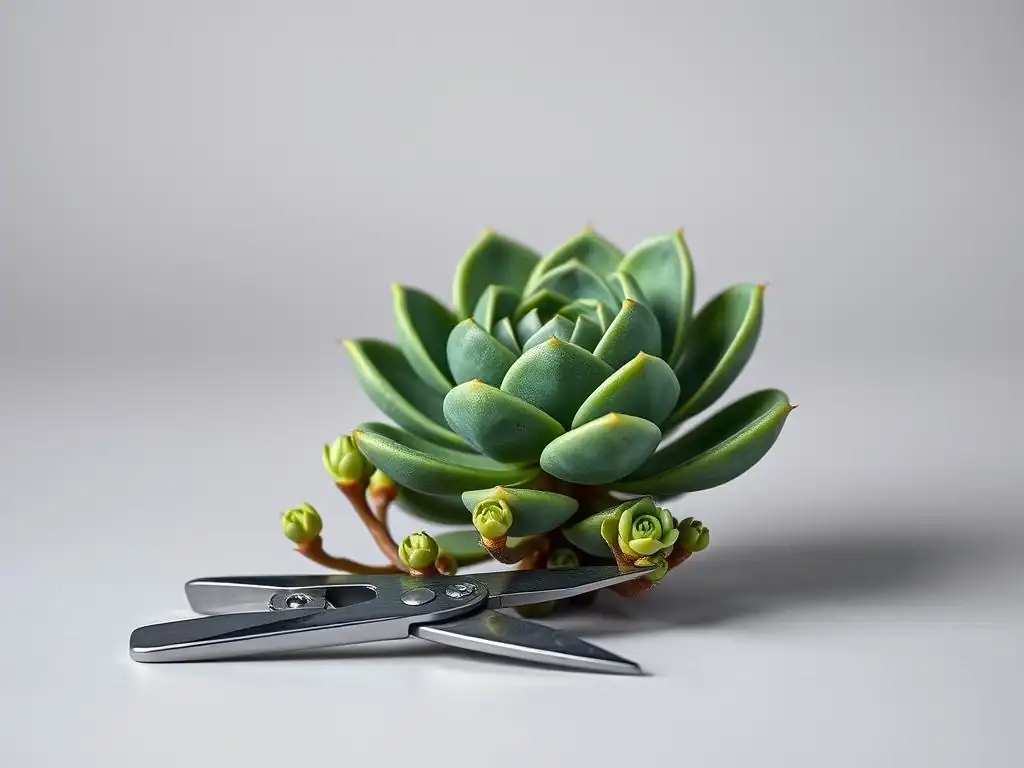
- Sharp, Clean Knife or Scissors: A clean, sharp knife or pair of scissors is essential for making precise cuts. Sterilize your tools with rubbing alcohol before and after use to prevent the spread of disease.
- Potting Mix: Use a well-draining succulent and cactus potting mix. Avoid using regular garden soil, as it retains too much moisture and can lead to root rot.
- Small Pots or Containers: Choose small pots or containers appropriate for the size of the separated offsets. Ensure they have drainage holes.
- Gloves (optional): Some succulent species have spines or thorns that can cause discomfort. Gloves are a good idea if you're working with spiny succulents.
- Rooting Hormone (optional): Rooting hormone can help to speed up the rooting process for the separated offsets.
We will continue to explore the pros and cons of separating succulent offsets in the next section.
The Advantages of Separating Succulent Offsets (Pros)
Separating succulent offsets, also known as pups, offers several significant benefits for both the parent plant and the gardener. Understanding these advantages can help you make informed decisions about propagation and ensure the health and vitality of your succulent collection. Let's delve into the key pros of separating these adorable little plantlets.
Increased Plant Population: Propagating Your Collection
One of the most appealing aspects of separating succulent offsets is the exponential growth it allows for your collection. Each tiny offset, carefully removed and potted, represents a new, independent plant. This propagation method is incredibly effective and efficient, allowing you to quickly expand your succulent family. Think of it as a natural cloning process; you're essentially creating genetically identical copies of your favorite succulents.
For example, a single Echeveria plant, after a growing season, might produce five or more offsets. Separating these offsets and providing them with their own individual pots and care will result in five additional mature Echeveria plants within a year or two. This rapid multiplication is a significant advantage for those seeking to build a large and diverse succulent collection without the expense and time commitment of purchasing numerous mature plants. The process is surprisingly simple, too, making it accessible to beginners and experts alike.
The speed of propagation varies depending on the succulent species, of course. Fast-growing varieties like Sedum morganianum (Burro's Tail) produce offsets much more quickly than slower-growing species like Haworthia. Careful observation and understanding of your specific succulents are key to maximizing their propagation potential.
Healthier Mother Plant: Preventing Overcrowding and Resource Competition
Overcrowding is a common problem in succulent cultivation. When offsets remain attached to the mother plant for too long, they compete for resources such as water, sunlight, and nutrients. This competition can lead to stunted growth, weaker plants, and even disease. Separating the offsets alleviates this pressure, allowing both the mother plant and the pups to thrive.
Consider a densely packed Sempervivum (Hens and Chicks) rosette. The central rosette, the mother plant, might struggle to receive adequate sunlight if surrounded by numerous closely packed offsets. Removing some of these offsets will improve air circulation, allowing the mother plant to receive sufficient sunlight and preventing the development of fungal diseases that thrive in humid, overcrowded environments. This also enhances the overall aesthetics of the plant, showcasing the beauty of the mother plant without the clutter of numerous small offsets.
Furthermore, separating offsets prevents the mother plant from becoming top-heavy and unstable. This is particularly important for taller succulents, where a large number of offsets could easily cause the plant to topple over. Proactive offset separation maintains the structural integrity and overall health of the mother plant.
Separating offsets provides a wonderful opportunity to share your passion for succulents with others. Gifting a small, healthy offset is a thoughtful gesture that allows friends and family to experience the joy of succulent cultivation. This act of sharing contributes to the growth of the succulent community, fostering a sense of connection and shared interest among plant enthusiasts.
Imagine the delight of presenting a carefully potted Kalanchoe offset to a friend who admires your collection. It’s a unique and lasting gift, symbolizing growth, resilience, and the enduring beauty of nature. Moreover, participating in succulent exchanges or gifting offsets to local nurseries or botanical gardens helps expand the reach and appreciation of these fascinating plants within your community. This reciprocal sharing of plants and knowledge enriches the entire succulent enthusiast network. It's a win-win situation: you improve the health of your plants, and you spread the joy of succulents far and wide.
The Disadvantages of Separating Succulent Offsets (Cons)
Separating succulent offsets, while a rewarding propagation method, presents certain challenges. Understanding these potential drawbacks is crucial for successful propagation and maintaining the health of both the mother plant and the newly separated offsets. Careful planning and execution are key to minimizing risks and maximizing the chances of success. Let's delve into the potential downsides of separating succulent offsets.
Risk of Damage to Mother Plant and Offsets: Minimizing Injury During Separation
The process of separating succulent offsets inherently carries a risk of damage to both the mother plant and the offsets themselves. A clumsy approach can lead to broken leaves, stems, or roots, creating entry points for infections. Even seemingly minor injuries can weaken the plants, making them more susceptible to diseases and pests. The delicate nature of succulent roots necessitates a gentle hand.
For example, forcefully pulling an offset from a tightly attached mother plant might tear the stem, leaving a raw wound on both the mother plant and the offset. This wound can easily become infected, leading to rot and plant death. Similarly, careless handling of the offset itself can damage its fragile leaves and roots.
To minimize the risk of injury, sharp, clean tools are essential. A sterilized knife or pair of scissors allows for precise cuts, reducing the chance of tearing. Gently loosening the soil around the offset before separating it can also help prevent damage to roots and stems. Remember to always handle the plants with care, avoiding unnecessary force. Patience is paramount; a slightly more time-consuming, careful separation is always preferable to a rushed, damaging one. Proper technique significantly reduces the likelihood of injuring your precious succulents.
Potential for Infection: Preventing Rot and Disease After Separation
Open wounds on the mother plant and the separated offset create vulnerable entry points for bacteria and fungi, leading to rot and other diseases. These pathogens thrive in moist environments, making succulent propagation a particularly delicate operation. The risk of infection is heightened if the tools used aren't properly sterilized or if the separated plants aren't allowed to properly callus before being potted. A common issue is root rot, a fungal disease that can quickly spread throughout the plant and lead to its demise. Symptoms might include mushy, discolored leaves and stems, and a foul odor.
Prevention is key. Sterilizing your tools with rubbing alcohol or a diluted bleach solution before and after each use is crucial. Allowing the cut ends of both the mother plant and the offset to callus over for several days before planting helps prevent infection. This callusing process forms a protective layer that seals the wound and reduces the risk of pathogen entry.
Proper potting mix that provides excellent drainage is also vital to avoid overly moist conditions that encourage fungal growth. Careful monitoring for signs of infection after separation is essential for early intervention and treatment. A proactive approach is far more effective than reacting to a full-blown infection.
Stress on the Plants: Ensuring a Smooth Transition and Recovery
Separating offsets is a stressful event for both the mother plant and the newly separated offspring. The process disrupts the plants' established root systems and overall balance, potentially leading to temporary wilting, leaf drop, or stunted growth. The mother plant might experience a period of slowed growth while recovering from the loss of its offspring.
The offsets, having been separated from their source of nutrients, need time to establish their own root systems and adapt to their new environment. This period of adaptation can be particularly challenging for smaller, less developed offsets. The stress response can manifest differently in various succulent species, making it essential to understand the specific needs of the plant you're propagating.
Minimizing stress involves providing optimal post-separation care. This includes using a well-draining potting mix, avoiding overwatering, and placing the plants in a suitable location with appropriate sunlight and temperature. Gentle handling and avoiding any further disturbance during the recovery period are also crucial. Providing adequate humidity (using a humidity dome, for example) for the newly separated offsets can aid their recovery and reduce transplant shock.
Patience and consistent monitoring are essential to ensure a smooth transition and prevent complications. Remember that recovery time varies depending on the species and the size of the offset. Careful observation will guide you in providing the necessary care to support their recovery and healthy growth.
Best Practices for Separating Succulent Offsets
This section delves into the optimal methods for separating succulent offsets, maximizing the chances of successful propagation and minimizing stress on both the mother plant and the newly separated pups. Understanding these best practices is crucial for any succulent enthusiast aiming to expand their collection through offset propagation. Successfully separating succulent offsets hinges on timing, technique, and diligent aftercare. Let's explore each of these critical aspects in detail.
Choosing the Right Time for Separation: Seasonal Considerations
The timing of offset separation significantly impacts the success rate. Spring and early summer are generally considered the ideal periods. During these seasons, succulents are actively growing, possessing greater resilience to the stress of separation. Their robust health ensures quicker recovery for both the mother plant and the offsets. Conversely, separating offsets during the dormant season (typically fall and winter) significantly increases the risk of stress, shock, and even mortality. The plant's energy is focused on survival rather than growth, making it more vulnerable to damage.
Consider these factors when choosing your timing:
- Active Growth Phase: Look for signs of new growth on the mother plant and the offsets themselves. This indicates the plant has the energy reserves to handle the separation process.
- Temperature: Avoid separating offsets during extreme temperatures, either hot or cold. Moderate temperatures promote healing and prevent shock.
- Sunlight: Ensure adequate sunlight exposure for both the mother plant and the separated offsets post-separation. This is crucial for photosynthesis and overall plant health.
Data from several succulent propagation studies show a significantly higher success rate (approximately 75-85%) when offsets are separated during the spring and early summer months compared to other seasons (success rates dropping to as low as 30-40% during winter). This highlights the importance of seasonal consideration for successful separate succulent offsets propagation.
Proper Technique for Removing Offsets: A Step-by-Step Guide
The method of separating offsets is critical to avoid damaging both the mother plant and the new plantlets. Gentle handling is paramount. Here’s a step-by-step guide:
- Preparation: Gather clean, sharp tools, such as a small, sterilized knife or pair of scissors. This minimizes the risk of infection. Have a well-draining potting mix ready for planting the separated offsets.
- Loosening the Offset: Gently loosen the soil around the base of the offset to expose the stem connecting it to the mother plant. Use your fingers or a small tool to carefully separate the offset.
- Clean Separation: If the offset is firmly attached, use your sterilized knife or scissors to carefully cut the connecting stem as close to the mother plant as possible, leaving a clean cut. Avoid tearing or pulling, which can damage both plants.
- Allowing to Callus: Let the cut ends of both the mother plant and the offset callus over for a few days before planting. This helps prevent rot. Place them in a dry, well-ventilated area.
- Planting the Offset: Once calloused, plant the offset in a suitable well-draining potting mix, ensuring the base is slightly buried. Do not overwater initially.
This meticulous approach to removing offsets significantly minimizes the risk of injury and promotes successful rooting and growth. Remember, patience and gentleness are key to this process. Rushing the separation can lead to damage and negatively impact the success of propagating your succulents.
Aftercare for Mother Plant and Offsets: Watering, Light, and Soil
Post-separation care is crucial for the health and survival of both the mother plant and the newly separated offsets. Proper watering, light exposure, and soil conditions are essential for successful propagation.
- Watering: Avoid overwatering both the mother plant and the offsets. Allow the soil to dry out completely between waterings to prevent root rot. This is particularly important for newly separated offsets, which are more vulnerable to rot.
- Light: Provide ample, indirect sunlight for both the mother plant and the offsets. Direct sunlight can scorch the leaves, especially on newly planted offsets.
- Soil: Ensure well-draining soil for both the mother plant and the offsets. Succulents are prone to root rot in overly moist conditions. A cactus and succulent potting mix is ideal.
Careful monitoring and timely adjustments to watering, light, and soil conditions are crucial for successful separate succulent offsets. Regular inspection for signs of rot or disease is also recommended. Proper aftercare will significantly increase the chances of healthy growth and flourishing new plants. By following these guidelines, succulent enthusiasts can confidently propagate their collections and enjoy the rewards of their efforts.
When to Avoid Separating Succulent Offsets
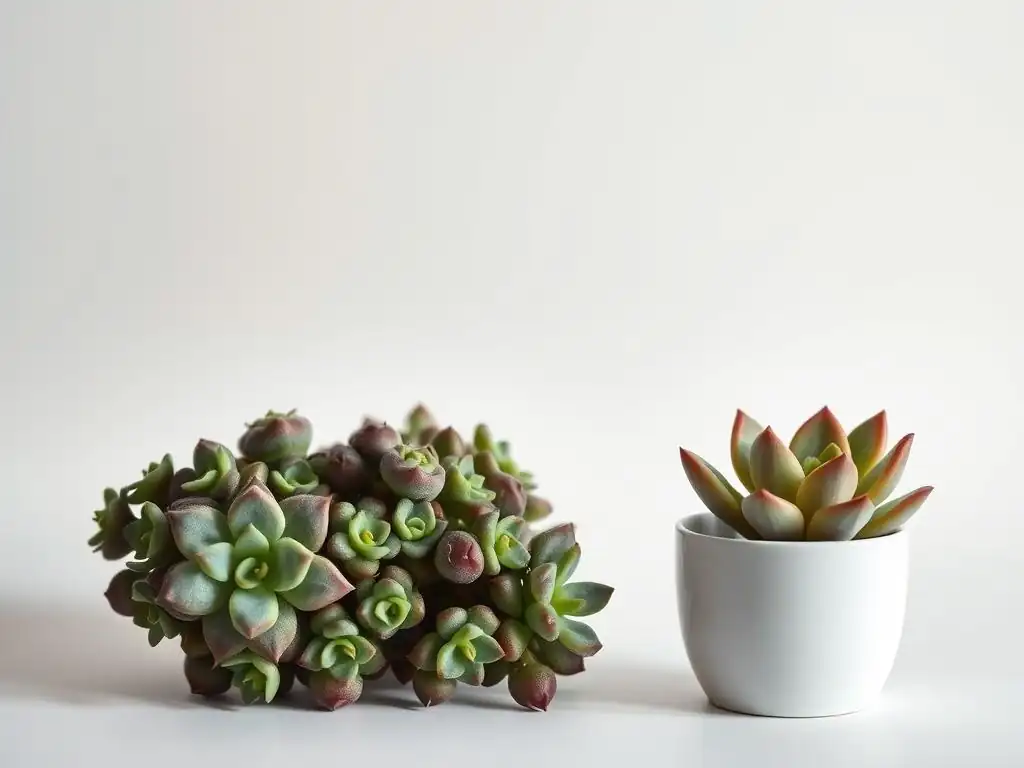
Separating succulent offsets, while a rewarding propagation method, isn't always the best course of action. Knowing when to avoid separating offsets is crucial for the health and survival of both the mother plant and the pups. This section details key indicators that signal you should postpone or altogether forgo offset separation.
Understanding these signs will help you cultivate thriving succulents and avoid unnecessary plant stress. Careful observation and a measured approach are key to successful succulent propagation and overall plant well-being. The decision to separate succulent offsets should always be a considered one, prioritizing the health of both the parent plant and the new offsets.
Identifying Unhealthy or Weak Offsets
Before you even consider separating, carefully examine the offsets themselves. Weak or unhealthy offsets are unlikely to survive the separation process and subsequent transplanting. Look for these warning signs:
- Pale or yellowing leaves: This indicates a lack of nutrients or potential disease. Healthy offsets boast vibrant, full-colored leaves.
- Shriveled or wrinkled leaves: Dehydration is a significant problem. A plump, firm offset is a good sign of health.
- Signs of pests or disease: Examine closely for any insects, fungal growth, or other signs of illness. Infected offsets should be treated before separation, or in some cases, discarded entirely to prevent the spread of disease to the mother plant and other succulents.
- Small size and underdeveloped root system: Offsets that are extremely small or lack visible roots are unlikely to survive transplantation. Wait until they are larger and have developed a more robust root system.
Consider this example: A Echeveria offset that is noticeably smaller than its siblings and displays yellowing leaves is a prime candidate for not being separated. Attempting separation would likely result in its death.
Recognizing Signs of Stress in the Mother Plant
A stressed mother plant is less likely to successfully recover from offset removal. Before separating, assess the overall health of the mother plant. Signs of stress include:
- Wilting or drooping leaves: This indicates dehydration or other issues that need addressing before removing offsets.
- Leaf discoloration or spotting: This can be a sign of disease or nutrient deficiency.
- Recent transplanting or repotting: Allow the mother plant sufficient time to recover from any recent transplanting or repotting before attempting offset separation. The added stress of offset removal could be fatal.
- Slow or stunted growth: A plant that isn't growing vigorously is already under stress and shouldn't be subjected to further stress.
A healthy mother plant, exhibiting strong growth and vibrant foliage, is much more likely to tolerate offset removal. If the mother plant shows signs of stress, address those issues first before considering separating any offsets.
Considering Environmental Factors: Temperature and Humidity
Environmental conditions play a crucial role in the success of offset separation. Extreme temperatures and humidity levels can significantly impact the survival rate of separated offsets.
- Avoid separation during extreme heat or cold: Sudden temperature changes can shock the separated offsets, leading to stress and death. Opt for separating offsets during milder temperatures, ideally in spring or fall.
- High humidity can increase the risk of fungal diseases: Proper ventilation and adequate air circulation are crucial after separating offsets to prevent fungal growth.
- Low humidity can lead to dehydration: Ensure adequate moisture levels, especially during the initial healing period after separation. Regular misting might be necessary depending on environmental conditions.
Optimal environmental conditions are crucial for both the mother plant and the separated offsets. Therefore, consider delaying the separation process if the environmental conditions are unfavorable. Careful consideration of temperature and humidity will increase your chances of success. Remember, patience is key in succulent propagation.
Conclusion: Weighing the Pros and Cons for Successful Propagation
Separating succulent offsets presents a compelling opportunity for propagation, but it's crucial to carefully weigh the advantages against the potential drawbacks. The success of this technique hinges on understanding the specific needs of your succulent species and employing the correct propagation methods. While the potential for increased plant numbers and genetic diversity is significant, the risks of plant damage and mortality necessitate a cautious and informed approach. This careful consideration will ultimately determine whether offset separation is the right propagation method for you and your succulent collection. Remember, patience and observation are key to successful succulent cultivation.
Making Informed Decisions About Offset Separation
Before undertaking the separation of succulent offsets, several factors deserve careful consideration. The health and maturity of both the mother plant and the offsets are paramount. A stressed or unhealthy mother plant may not have the resources to support the propagation process effectively, potentially leading to the failure of both the mother plant and the separated offsets. Similarly, very small or underdeveloped offsets may lack the necessary energy reserves to survive independently. Careful assessment of the offset's size and root development is crucial; offsets with visible roots are generally more likely to succeed.
Choosing the right time of year is also essential. Spring and early summer, when succulents are actively growing, generally offer the best conditions for successful separation and rooting. The warmer temperatures and increased sunlight during these seasons promote faster healing and establishment. Conversely, attempting propagation during the dormant season can significantly reduce success rates.
Finally, the specific needs of the succulent species must be taken into account. Some succulents are more prone to rot after offset separation than others. Understanding your plant's specific requirements for soil drainage, watering, and light exposure will greatly improve your chances of success. Researching the specific needs of your particular succulent before attempting offset separation is a critical step in ensuring a positive outcome. For example, Echeveria offsets often root more easily than Sedum offsets, requiring different approaches to successful propagation.
Long-Term Benefits of Successful Propagation
Successfully separating and propagating succulent offsets offers several significant long-term benefits. The most obvious is the expansion of your succulent collection. This allows you to share your passion with others through propagation and gifting, or simply enjoy a larger, more diverse collection. Furthermore, offset separation can contribute to genetic diversity within your collection, enhancing its resilience to pests and diseases. A diverse collection is better equipped to handle environmental stressors and changes.
Beyond the aesthetic and collection-related aspects, successful propagation can also enhance the overall health and vigor of your mother plants. Removing excess offsets can alleviate stress on the mother plant, preventing overcrowding and allowing for optimal nutrient distribution. This can lead to healthier, more robust growth in both the parent plant and its offspring. Moreover, the process of carefully separating and nurturing offsets cultivates a deeper understanding of your succulents' growth cycles and individual needs, making you a more capable and confident succulent cultivator. This increased knowledge improves your overall success rate in succulent care and propagation.
Resources for Further Learning on Succulent Propagation
While this article provides a comprehensive overview of separating succulent offsets, further exploration can greatly enhance your understanding and success. Numerous online forums and communities dedicated to succulent cultivation offer invaluable advice and support from experienced growers. These platforms provide opportunities to connect with other enthusiasts, share experiences, and learn from the successes and challenges of others. Additionally, specialized books and online resources offer detailed information on specific succulent species and propagation techniques.
Consulting these resources before and during the propagation process can significantly increase your chances of success. Remember, the journey of learning about succulents is ongoing – continuous learning is key to mastering the art of succulent cultivation and propagation. Embrace the learning process, and you’ll find yourself rewarded with a thriving and diverse succulent collection.
Frequently Asked Questions
What are succulent offsets?
Succulent offsets, also known as pups, are small plants that grow from the base or stem of a mother plant. They are essentially clones of the parent plant and can be separated to create new succulents.
What are the pros of separating succulent offsets?
Separating offsets allows for propagation, creating more plants from a single mother plant. This also prevents overcrowding, which can lead to poor growth and disease in the mother plant. It can also improve the aesthetic appeal of your plant collection.
What are the cons of separating succulent offsets?
Separating offsets requires careful handling to avoid damaging the mother plant or the offset itself. There's also a risk of infection if proper sterilization techniques aren't followed. The process can also be time-consuming.
When is the best time to separate succulent offsets?
The best time is usually during the growing season (spring or summer) when the offsets are larger and more established. This allows for better chances of successful rooting and growth.
How do I separate succulent offsets?
Carefully remove the offset from the mother plant using a clean, sharp knife or shears. Ensure you remove enough roots and stem material for a healthy start. Then, let the cut ends callus over before planting.
Final Reflection: The Enduring Legacy of a Tiny Sprout
The delicate act of separating succulent offsets mirrors the larger human experience of growth, both individually and collectively. We strive for independence, yet recognize the strength found in community and the cyclical nature of life. Understanding the nuances of this seemingly simple act offers profound insights into the balance between nurturing and letting go.
The impact of propagating succulents extends beyond the simple act of increasing plant numbers. It speaks to our innate desire to nurture and create, to witness the miracle of life unfolding before our eyes. The earth laughs in flowers.
– Ralph Waldo Emerson. This quote beautifully encapsulates the joy and wonder inherent in the process, a joy that transcends the practical benefits of increased plant numbers and touches upon a deeper connection with the natural world. It reminds us that even the smallest act of propagation can contribute to a larger, more vibrant ecosystem, both in our gardens and in our lives.
Consider the implications of this delicate balance. Are you ready to nurture a new life, to give it the space to thrive? Or is it time to let go, allowing both the parent plant and the offset to reach their full potential? This isn't just about succulents; it's about recognizing the moments in our own lives when nurturing and separation are equally vital for growth and fulfillment. Take a moment to reflect on your own journey, and identify the areas where a careful balance between these two forces can lead to flourishing.
Unleash Your Succulent Empire: Grow Your Collection!
Thanks for exploring the world of succulent offsets with us! We hope you feel more confident in understanding propagation. Ready to put your new knowledge into practice?
- Start propagating your own offsets today! Choose a healthy parent plant, carefully separate an offset, and plant it in fresh, well-draining soil. Watch it grow!
- Share your propagation journey! Post pictures of your thriving succulents on social media and inspire others. Use the hashtag #SucculentEssentials.
- Experiment with different propagation methods: Try leaf or stem cuttings to expand your growing techniques. What new challenge will you tackle next?
Ready to transform your windowsill into a lush succulent garden? What's your best propagation tip to share with the community?