Propagation and Reproduction Techniques for Succulents
Welcome to SucculentEssentials.org, your trusted resource for mastering the art of succulent propagation. This category is dedicated to helping you multiply your collection, whether you’re a beginner or a seasoned grower. From simple leaf pulls to advanced grafting, we provide step-by-step insights, timing tips, and care strategies that ensure healthy roots and thriving plants. Explore our subcategories below to find the perfect method for your succulent goals.
🌱 Stem Cuttings and Division
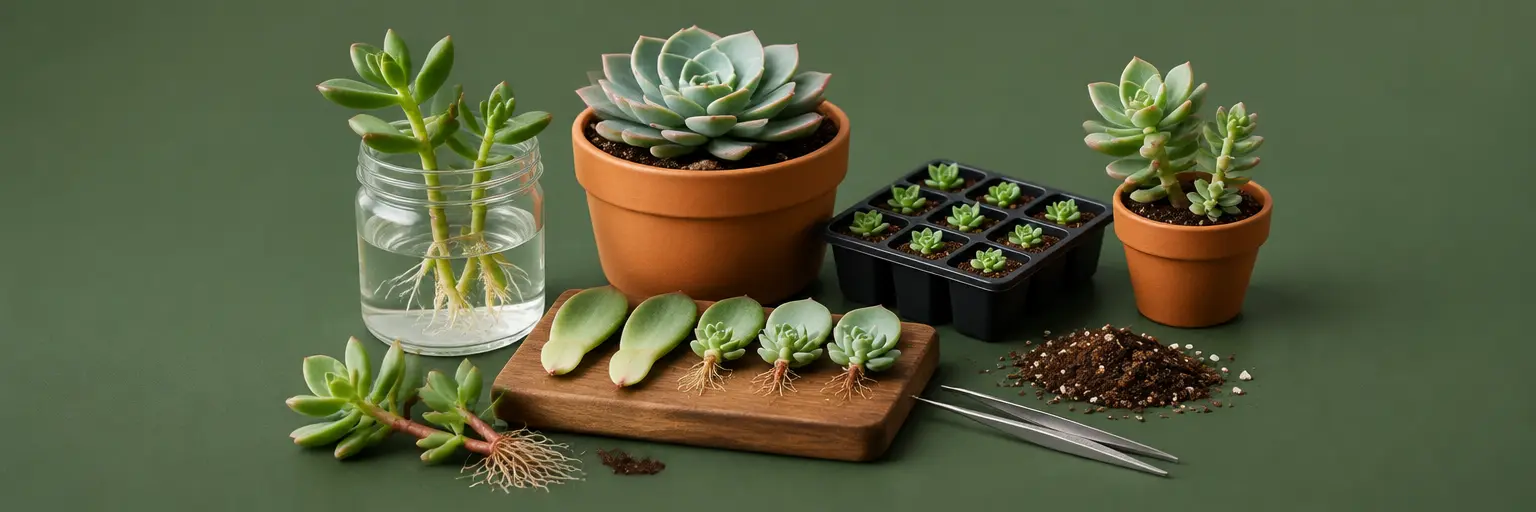
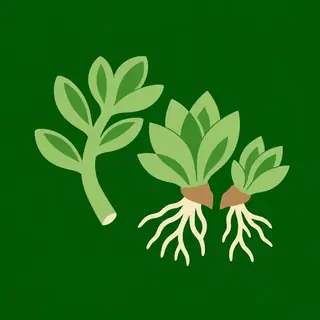
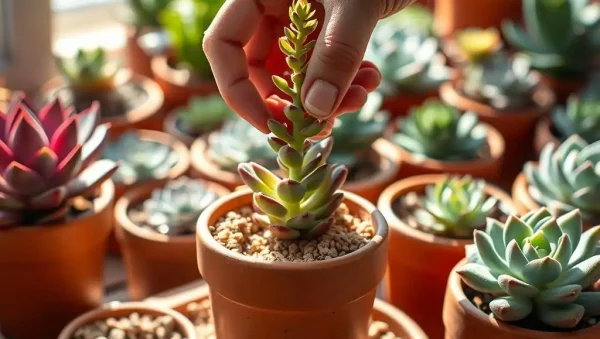
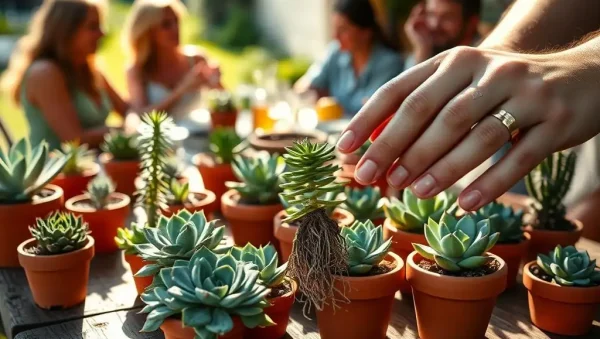
Stem cuttings are a reliable way to propagate many succulents, especially those with elongated or branching growth habits. This subcategory explains how to take clean cuts, allow callusing, and root cuttings in well-draining soil. Division is ideal for clumping species like aloe or haworthia, where you separate the root ball into smaller sections. Expect practical guides on tool sterilization, optimal cutting lengths, and aftercare to prevent rot. By mastering these techniques, you’ll quickly expand your collection with genetically identical plants.
💰 Commercial Propagation Insights
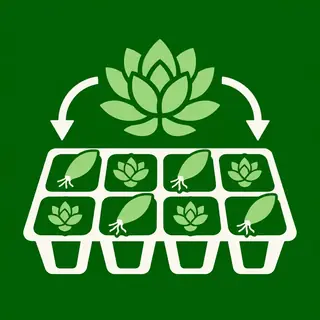
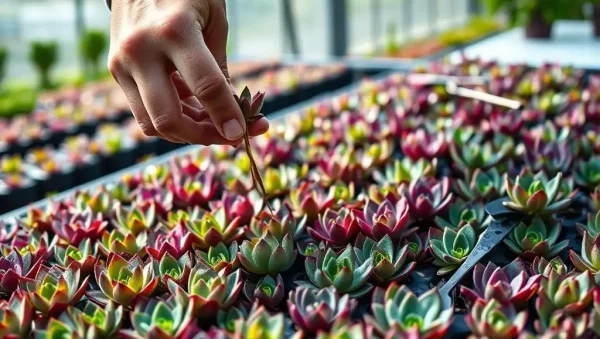
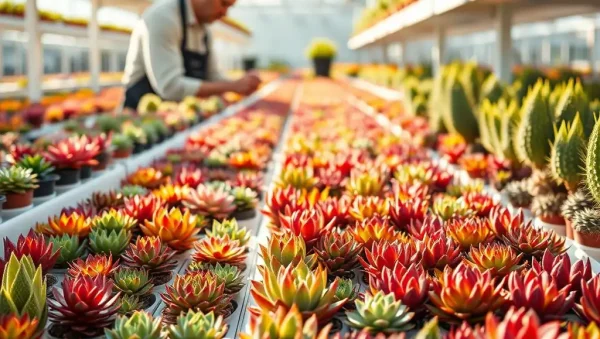
For those looking to scale up, this subcategory dives into professional methods used by nurseries and growers. Learn about high-volume leaf propagation, controlled greenhouse environments, and the economics of timing and labor. We cover bulk soil mixes, irrigation automation, and pest management at scale. Expect data-driven advice on yield optimization and cost-saving strategies. Whether you’re starting a small business or supplying local markets, these insights help you propagate succulents efficiently and profitably while maintaining plant health and consistency.
🌾 Seed Propagation and Germination
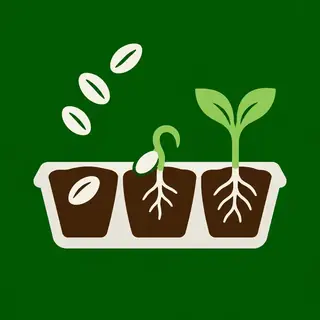
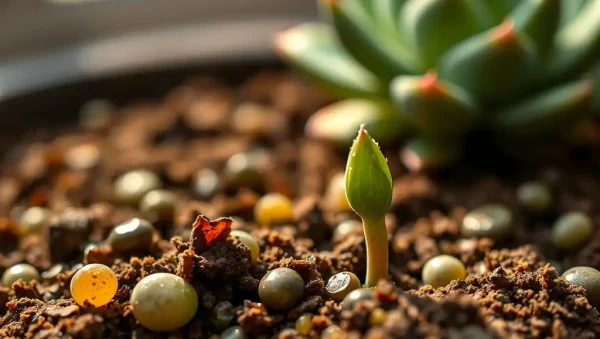
Growing succulents from seed offers incredible diversity, especially for rare or hybrid varieties. This section walks you through the entire process, from sourcing quality seeds to sowing in sterile media. Germination requires specific humidity, light, and temperature conditions—we detail how to create a mini greenhouse effect using plastic covers or bags. Expect troubleshooting tips for common issues like damping-off and slow growth. While slower than vegetative methods, seed propagation is rewarding for creating unique plants and preserving endangered species.
🌿 Offsets and Pup Separation
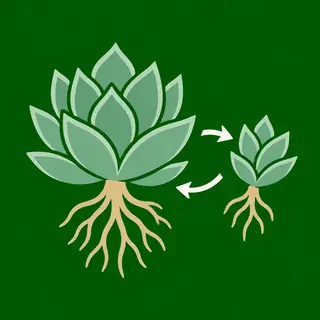
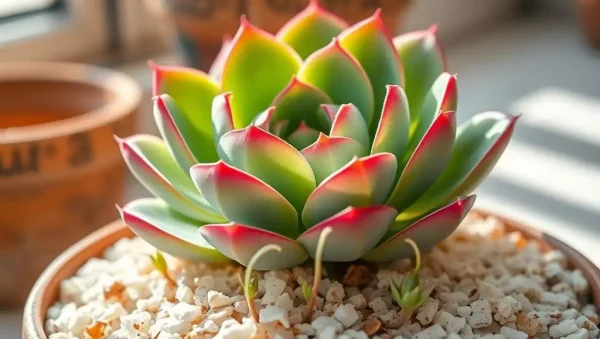
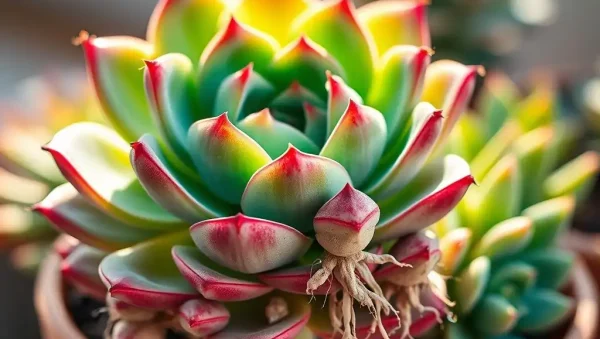
Many succulents, like agave, sempervivum, and echeveria, produce offsets (also called pups) around their base. This subcategory teaches you how to identify mature offsets ready for separation, ensuring they have their own root systems. Gentle removal and proper drying are key to success. We provide step-by-step instructions on planting pups in appropriate containers and adjusting watering schedules. Expect visual guides and common mistakes to avoid, such as removing offsets too early. This is one of the simplest propagation methods, perfect for beginners and quick garden expansion.
⏰ Propagation Timing and Care
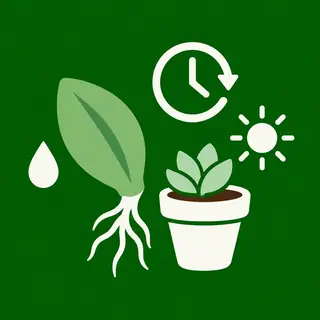
Success in propagation often hinges on when you act and how you care for young plants. This subcategory covers seasonal timing—most succulents root best in spring or early summer when growth is active. We explain how to prepare cuttings or offsets for planting, including callusing periods and the right soil moisture levels. Expect advice on light exposure, watering frequency, and fertilization during the vulnerable first weeks. Proper care reduces shock and boosts survival rates, ensuring your new plants establish strong roots and grow vigorously.
🔬 Grafting and Hybridization Projects
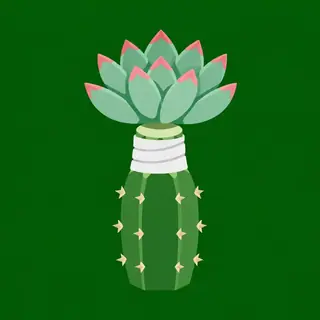
For advanced enthusiasts, grafting allows you to combine the hardiness of one rootstock with the unique appearance of another. Hybridization involves crossing different species to create novel cultivars. This subcategory offers technical tutorials on making clean grafts using cactus or succulent rootstocks, plus hand-pollination techniques for harvesting viable seeds. Expect tips on sterilizing tools, aligning vascular tissues, and stabilizing grafts with rubber bands. While challenging, these projects open up endless creative possibilities, letting you design succulents with unusual colors, shapes, or growth patterns.
🍃 Leaf Propagation Methods
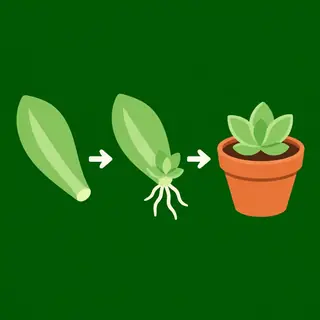
Leaf propagation is the most famous succulent technique—taking a single leaf to grow an entirely new plant. This subcategory details the process, from gently twisting off a healthy leaf to letting it callus over for a few days. Placement on dry soil, indirect light, and misting require precision. Expect troubleshooting guides for common failures like leaf rot or no root formation. We also cover species that propagate best from leaves, such as jade plants and kalanchoe. With patience, you’ll watch tiny rosettes emerge and develop into independent plants.
Frequently Asked Questions
What is the fastest succulent propagation method?
Stem cuttings and offsets are generally fastest, as they already contain mature tissue and often root within 2–4 weeks. Leaf propagation takes longer, typically 4–6 weeks for roots and baby plants, while seeds can take months. Choose based on your plant type and patience level.
How long should succulent cuttings dry before planting?
Allow cuttings and leaves to callus for 2–5 days in a dry, shaded area. Thicker stems may need up to 7 days. The cut end should feel dry and slightly indented. This prevents rot by sealing the wound and reducing moisture uptake before roots form.
Can I propagate succulents in water?
Yes, but it’s riskier. Some growers successfully root cuttings in water, but the transition to soil can shock roots. For beginners, direct soil rooting is safer. If using water, change it weekly and transplant once roots are about an inch long.
Why are my leaf propagations turning mushy?
Mushy leaves are usually caused by overwatering or high humidity. Ensure you let the leaf callus fully, use well-draining soil, and mist sparingly—only when the soil is completely dry. Also, avoid direct sunlight, which can scorch the leaf before roots form.
Do all succulents produce offsets?
No. Offsets are typical of agave, aloe, sempervivum, and some echeveria, but other species, like many cacti, produce stems or not at all. Research your specific succulent to know its natural propagation method, whether leaf, stem, offset, or seed.