Collectible and Exclusive Succulent Experiences
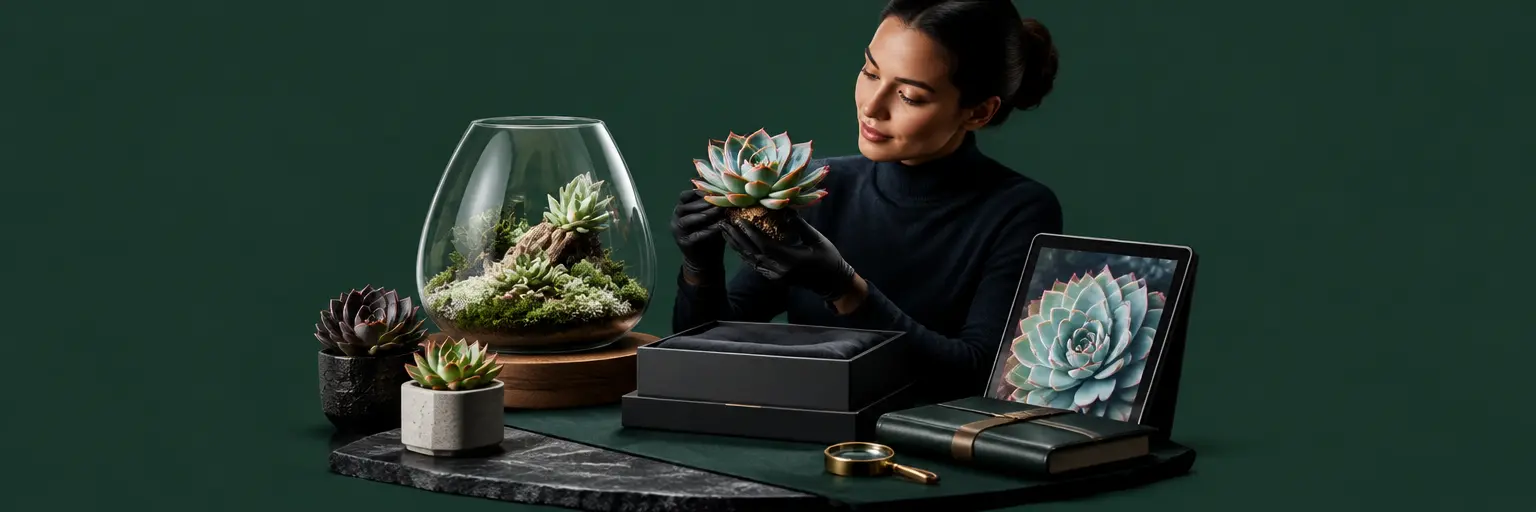
Welcome to the pinnacle of succulent passion—where scarcity meets artistry. At SucculentEssentials.org, our Collectible and Exclusive Succulent Experiences category unveils the extraordinary world of rare specimens, heritage collections, and private botanical happenings. Whether you are a seasoned collector hunting for a variegated Ariocarpus or a curious traveler seeking iconic desert gardens, this hub connects you with once-in-a-lifetime events, prestigious institutions, and cultural rituals that elevate succulents from houseplants to living treasures. Discover auction houses, behind-the-scenes tours, and global traditions that redefine what “collecting” truly means.
🌵 Rare Succulent Auctions and Trade Shows
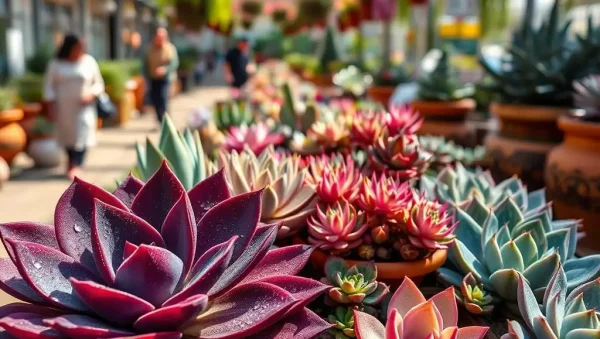
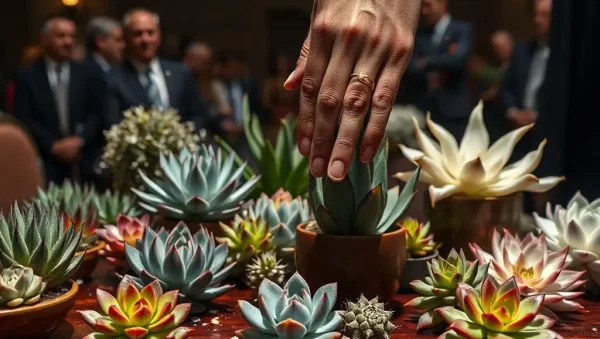
Dive into high-stakes bidding and vibrant marketplaces where rare succulents change hands. Expect live and online auctions featuring specimens with unique genetics, cristate forms, or decades-old caudiciforms. Trade shows bring together boutique nurseries, international breeders, and devoted hobbyists showcasing awards-worthy plants like Pseudolithos or Haworthia truncata hybrids. Here, you will learn provenance verification, price benchmarking, and post-auction care—essential for building a legally sourced, ethically acquired collection that retains value.
🏛️ Iconic Public Gardens Showcasing Exclusive Species
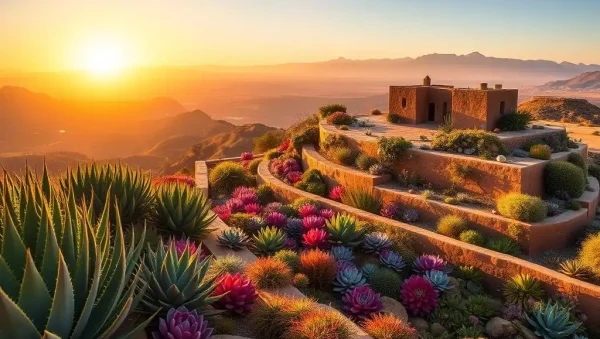
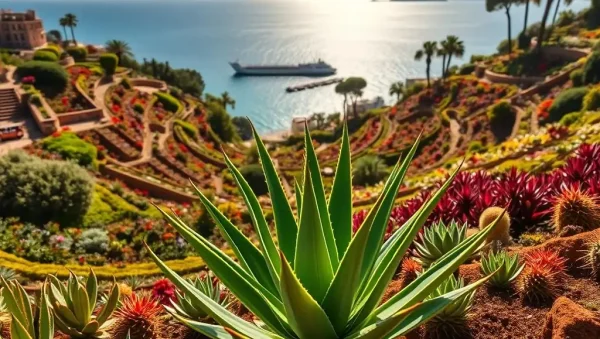
Explore world-renowned botanical sanctuaries such as the Huntington Desert Garden, Kirstenbosch, or the Jardin Exotique in Monaco. These institutions curate living libraries of endemic and endangered succulents, often with climate-controlled glasshouses and xerophytic landscapes that replicate desert biomes. Visitors gain rare access to specimen-label databases, guided spotlight talks, and seasonal blooms that occur just weeks per year. Perfect for photographers and researchers, these gardens also offer conservation workshops on micropropagation and seed banking, blending education with pure aesthetic wonder.
🔑 VIP Greenhouse Tours and Private Events
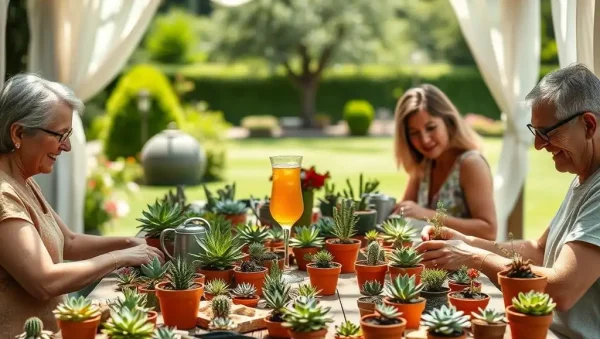
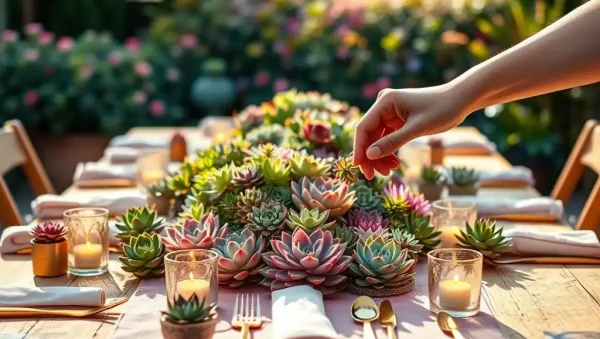
Go beyond the velvet rope with exclusive tours of private conservatories, celebrity collections, and high-end nursery breeding facilities. These bespoke experiences often include hands-on grafting demonstrations, tasting rare edible succulents (like Salicornia), and twilight soirees among rare Adromischus. Curated for small groups, VIP events prize intimacy—expect direct dialogue with head horticulturists, access to ungerminated seed stock, and priority purchasing rights on newly hybridized cultivars. Ideal for serious collectors seeking networking opportunities and legacy additions to their greenhouses.
🌍 Cultural Heritage and Succulent Traditions Around the World
Uncover the deep roots of succulents in human ritual and survival. From Aztec use of Agave for sustenance and fiber to KoreanDoljabi ceremonies incorporating lucky Crassula, cultures worldwide revere these plants. Expect stories on Japanese Kokedama succulent balls, Mexican Nochebuena displays, and South African Spekboom carbon-offset traditions. This subcategory connects anthropology with botany, offering insights into foraging customs, sacred landscape designs, and the revival of indigenous grafting methods that are now influencing modern sustainable gardening.
Frequently Asked Questions
How do I verify the authenticity of a rare succulent from an auction?
Always request a provenance certificate and a clear photo of the mother plant. Cross-reference the species with the CITES database to ensure legal trade. Reputable auction houses provide DNA or morphological verification for ultra-rare specimens. If buying online, use escrow services and join collector forums to check the seller’s history.
What is the average cost of a VIP greenhouse tour?
Prices vary wildly, from $75 for a two-hour group tour at a small nursery to $1,500+ for full-day private experiences at prestigious estates. Costs usually cover expert guidance, refreshments, and sometimes a cutting or seedling. Compare via membership discounts—many botanical societies offer subsidized access to partner facilities.
Can I bring a plant home from a trade show across international borders?
It depends on phytosanitary laws. Most countries require a phytosanitary certificate from the host nation and a CITES permit for endangered species. Certain soil-based plants are banned entirely. Always check your customs authority’s plant import dashboard, and consider bare-rooted, seed-based purchases to reduce risk.
What makes a succulent “collectible” versus just rare?
Collectibility combines rarity with cultivar stability, aesthetic appeal, and documented origin. A one-off seedling mutation may be rare but unstable; a registered cultivar like ‘Moonstone’ with predictable variegation is collectible. Historical provenance, award history, and age also inflate status—a 50-year-old Dioscorea is far more desirable than a young cutting.
Are there ethical concerns with buying heritage succulents?
Yes—poaching from wild habitats remains a crisis. Always prefer nursery-propagated or lab-grown specimens with clear labels confirming non-wild origin. Support institutions that reinvest in habitat restoration. If a deal seems impossibly cheap for a known rare species, it is likely illegally sourced, so report and avoid it.