Royal Botanic Garden, Sydney: A Haven for Exclusive Succulent Varieties
😊 Discover the unparalleled beauty of Sydney succulent garden varieties at the Royal Botanic Garden, Sydney. This haven showcases exclusive collections, inspiring…
Read article
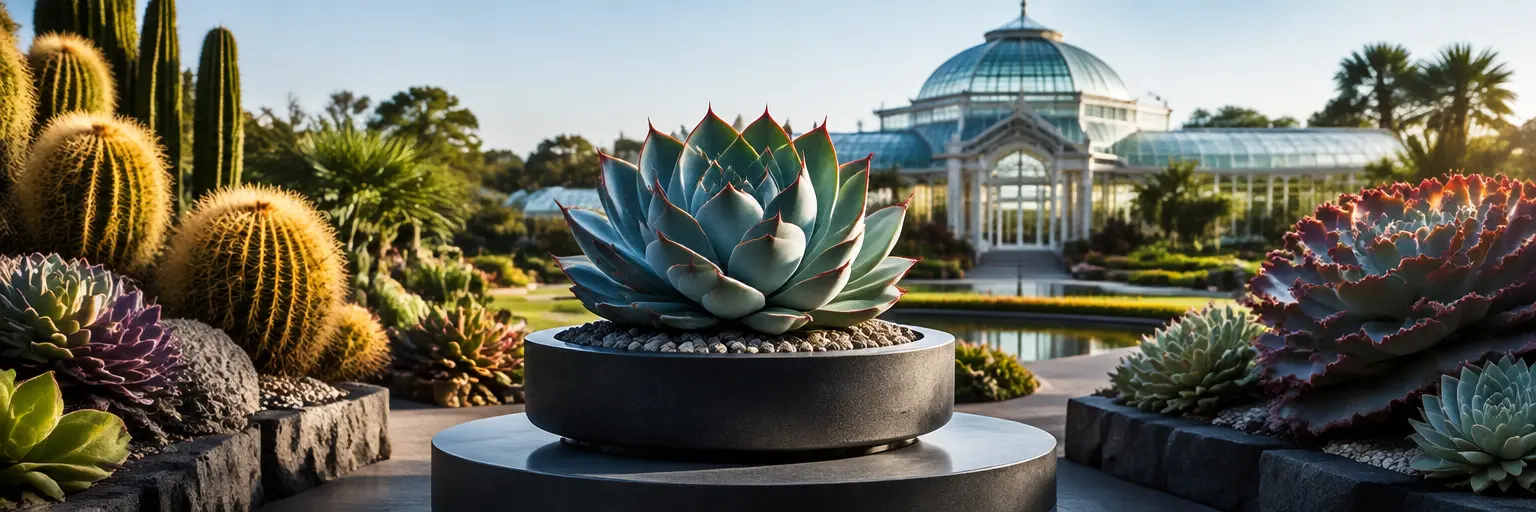
Discover the breathtaking allure of iconic public gardens where exclusive succulent species thrive in curated displays, offering a rare glimpse into nature’s most sculptural wonders. These living museums showcase extraordinary collections—from towering century plants to jewel-toned living stones—that you won’t find in typical nurseries. Wander through desert-inspired landscapes and climate-controlled conservatories, each designed to highlight the unique adaptations and stunning diversity of drought-resistant flora. Whether you’re a seasoned collector or a curious enthusiast, these gardens provide unforgettable inspiration for your own succulent journey, revealing rare varieties, expert cultivation techniques, and the artistry behind world-class horticulture. Plan your visit to witness these botanical treasures and deepen your appreciation for succulents in their most spectacular forms.
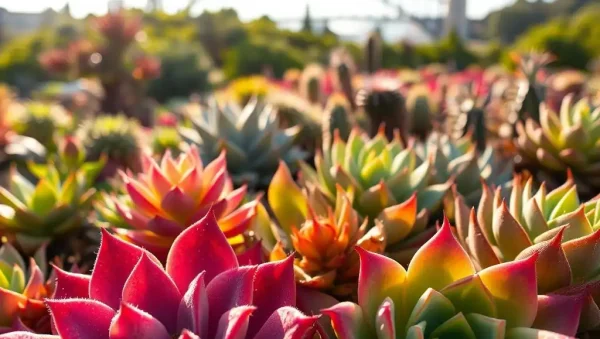
😊 Discover the unparalleled beauty of Sydney succulent garden varieties at the Royal Botanic Garden, Sydney. This haven showcases exclusive collections, inspiring…
Read article
😊 Discover the breathtaking Jardin Exotique de Monaco, a succulent paradise! This Monaco succulent garden visit offers unparalleled beauty and diversity, inspiring…
Read articleFor succulent enthusiasts, few destinations rival the allure of iconic public gardens where rare, exclusive species thrive under expert care. These living museums offer a unique opportunity to observe unusual specimens up close, learn about their natural habitats, and even gather inspiration for your own collection. Whether you’re a seasoned collector or a curious beginner, exploring these curated gardens can deepen your appreciation for the astonishing diversity of succulents—from towering cacti to jewel-toned lithops.
When you visit institutions like the Huntington Library’s Desert Garden in California or the Kirstenbosch National Botanical Garden in South Africa, you step into a meticulously designed landscape that mimics native arid environments. These gardens feature thousands of species, many of which are endangered or extinct in the wild, safeguarded for conservation. Expect to encounter massive saguaros, golden barrel cacti, and elusive Dudleya species that you won’t find in typical nurseries.
The value of these gardens extends beyond visual splendor. They serve as living gene banks, where botanists study propagation techniques to preserve biodiversity. By walking their paths, you support vital research and gain access to detailed interpretive signage that explains each plant’s origin, growth habits, and unique adaptations. Many gardens also offer behind-the-scenes tours or allow visitors to purchase rare seeds through their conservation programs, making each visit both educational and potentially collectible.
Some exclusive succulents cannot survive outdoors in winter, so iconic gardens dedicate entire glasshouses or climate-controlled pavilions to showcase them. The Royal Botanic Gardens at Kew, for instance, has a stunning Princess of Wales Conservatory where you’ll find living stones, giant Euphorbia, and bizarre Pachypodium from Madagascar. These exhibits recreate the precise humidity, light, and temperature of each plant’s native habitat, allowing visitors to see healthy, mature specimens that are almost impossible to cultivate at home.
Inside these exhibits, you’ll discover expertly staged vignettes that mimic rocky outcrops or desert dunes, highlighting how succulents use camouflage, spines, or thick cuticles to survive. Curators often rotate displays to feature blooming events or rare collections on loan from private collectors. Visiting a climate-controlled exhibit is your best chance to see “exclusive species” that are too delicate, slow-growing, or legally protected for commercial trade. It’s a once-in-a-lifetime opportunity to photograph and study these botanical treasures in perfect condition.
Many iconic public gardens host dedicated cactus and succulent sections, often accompanied by docent-led tours that reveal insider stories about the plants’ history and folklore. Examples include the Desert Botanical Garden in Phoenix, Arizona, and the Jardin Exotique in Monaco. On these tours, you’ll learn about pollination strategies, the role of succulents in indigenous cultures, and the subtle differences between similar-looking species. Guides frequently point out “exclusive” hybrids developed in the garden’s own nursery—plants you cannot find anywhere else in the world.
Guided tours also provide practical insights for your personal collection, such as which rare species are surprisingly easy to grow in pots or greenhouse conditions. You can ask about soil mixes, watering schedules, and pest control tailored to specific genera like Agave, Echeveria, or Crassula. Some gardens even offer private twilight tours with flashlights to observe night-blooming cacti, adding an unexpected and magical dimension to your botanical education. This hands-on experience transforms passive viewing into an active learning adventure.
Timing your visit to coincide with seasonal bloom events can reveal succulents at their most spectacular. For example, the Huntington’s Desert Garden hosts a spring cactus bloom where hundreds of species erupt in neon colors, while the Succulent Society in London holds annual shows featuring exclusive cultivars and contest-winning specimens. These events often include special exhibits of “species novelties”—newly discovered or artificially hybridized plants that are shown to the public for the first time. Attending such exhibitions gives you a rare glimpse of what’s on the horizon in succulent horticulture.
Beyond visual beauty, these seasonal events are hubs for networking with breeders, conservationists, and fellow enthusiasts. You can attend lectures on micropropagation, participate in plant sales where rare cuttings are auctioned, or join workshops on grafting techniques for difficult species. For any serious collector, these events are invaluable for sourcing exclusive plants legally and ethically. Even if you’re only browsing, the sheer diversity of colors, shapes, and textures on display will expand your understanding of what succulents can be—and possibly inspire your next acquisition.
Several iconic public gardens actively involve visitors in conservation projects tied to exclusive species. For instance, the Santa Barbara Botanic Garden and Rancho Santa Ana Botanic Garden rely on volunteers to help with seed collection, habitat restoration, and monitoring of rare local succulents like Dudleya or Opuntia. By participating, you not only contribute to preserving biodiversity but also gain hands-on experience identifying wild succulents and understanding their ecological needs—knowledge that directly benefits your own cultivation practices.
Citizen science programs often provide specialized training and certification, which looks excellent on resumes for budding botanists or horticulturists. You’ll learn how to document plant populations, use GPS mapping tools, and handle delicate specimens without damage. Many gardens also host “adopt-a-plant” initiatives where you can financially support the care of a rare succulent and receive updates on its health. This deeper engagement transforms your visit into an ongoing partnership, ensuring that iconic public gardens remain thriving sanctuaries for exclusive species for generations to come.
Most iconic public gardens permit photography for personal use, including smartphone cameras and non-flash DSLRs. Some may restrict tripods or commercial shoots to protect plants and visitor experience. Always check the garden’s photography policy on their website or at the entrance, and never touch or climb on plants for a better angle.
Many gardens have affiliated nurseries or host periodic plant sales where propagated specimens—including exclusive species—are sold to the public. However, some rare species are protected by law and cannot be sold. It’s best to join the garden’s membership list to receive announcements about upcoming sales and seedling availability.
Entry fees vary widely; some public gardens are free with suggested donations, while others charge $10–$30 per adult. Fees often support conservation and maintenance. Many gardens offer discounted rates for students, seniors, or members, and some have free admission days monthly. Check the official website for current pricing.
Spring (March–May) is generally ideal for most cactus and succulent blooms, especially in desert climates. However, some species bloom in summer or fall, depending on the region. Check the garden’s bloom calendar online or call their horticulture hotline to plan your visit around peak flowering times.
Yes, many garden horticulturists are happy to help identify unknown succulents if you bring a small, pest-free sample or clear photos. Avoid bringing live plants into exhibit areas to prevent introducing pests. Instead, visit the garden’s visitor center or ask at the front desk for a consultation appointment.