Rare Succulent Auctions and Trade Shows: Where Collectors Find Uncommon Treasures
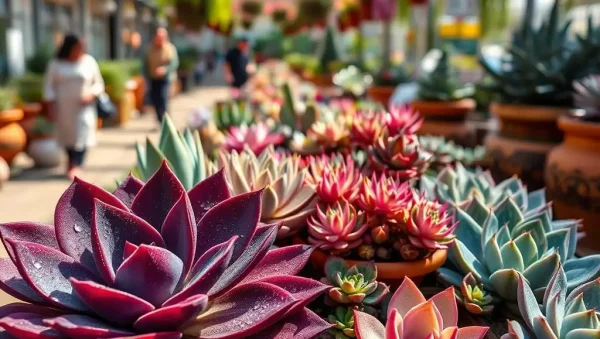
For succulent enthusiasts, the journey beyond common nurseries leads to the thrilling world of rare succulent auctions and trade shows. These events are the epicenter of exclusive plant hunting, offering access to grail-worthy specimens like variegated Haworthias, crested Echeverias, and endangered Conophytums. At SucculentEssentials.org, we guide you through this high-stakes arena where botanical passion meets competitive bidding and curated vendor booths. Whether you’re a seasoned collector or a curious newcomer, these gatherings provide unparalleled opportunities to acquire unique genetics, network with expert growers, and witness the pinnacle of succulent cultivation.
🌵 Navigating High-End Auction Platforms for Rare Succulents
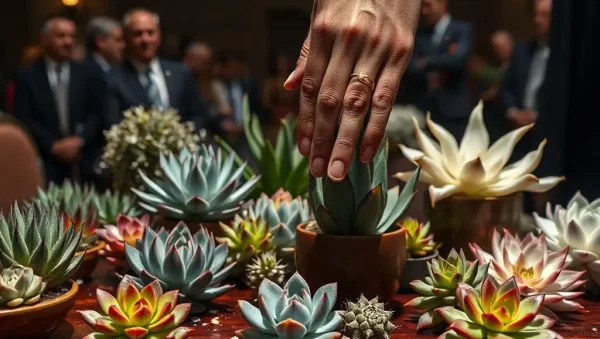
Online auctions have revolutionized how rare succulents change hands. Platforms like Cactus Auctions International or specialized Facebook groups host live bidding wars for plants that rarely appear in retail. Expect to see monstrose forms, albino mutants, and species with CITES restrictions—each requiring careful scrutiny of provenance and health. Before bidding, research the plant’s inflated market value, check seller ratings, and request clear photos showing root structure and any damage. Auctions often require fast decisions, so prepare a maximum budget to avoid impulse overpaying.
Winning a bid is only half the journey. Promptly arrange shipping that includes insulation for temperature-sensitive plants, especially during winter. Many auction winners overlook quarantine protocols—always isolate new arrivals for two weeks to prevent pest spread. Document unboxing with video evidence to resolve disputes. Our guides teach you to evaluate auction listings critically, recognize red flags like stock photos, and understand payment escrow services. This knowledge turns you from a casual bidder into a strategic collector who acquires rare genetics without remorse.
🌍 Must-Attend International Trade Shows for Succulent Collectors
Trade shows are the analog counterpart to digital auctions, offering tactile inspection before purchase. Premier events include the California Cactus & Succulent Show, the IOS Congress in Europe, and Japan’s Hanamidori Festival. These venues feature dozens of specialist nurseries displaying award-winning specimens, seedlings, and mother plants. Unlike auctions, you can negotiate prices, request offsets, and verify soil health directly. Trade shows also host educational talks on hybridizing, grafting, and pest management—making them invaluable learning hubs.
For international travelers, check quarantine regulations for importing plants across borders. Many shows offer phytosanitary certificates on-site, but pre-arranging permits avoids last-minute confiscation. Strategy matters: arrive early to snag limited one-of-a-kind plants, but inspect late-day inventory for marked-down deals. Bring a precise want list to resist impulse purchases, yet remain flexible for unexpected discoveries. Trade shows are also prime networking spots to join local succulent societies, giving you ongoing access to member-only plant swaps and rare seed exchanges throughout the year.
💎 Building a Collection Strategy: Budgeting and Bidding Tactics
Collecting rare succulents requires more than passion—it demands a structured financial plan. Prices range from $30 for common rare hybrids to over $1,000 for tissue-cultured variegated Ariocarpus. Create a tiered budget: allocate 50% for “must-have” auction targets, 30% for trade-show bargains, and 20% for speculative seedlings. Use tracking spreadsheets to log purchase dates, prices, and growth progress, helping you identify which species appreciate and which underperform. Avoid emotional bidding wars; set an absolute ceiling and stick to it, as auction adrenaline can lead to regretful overspending.
Seasoned collectors diversify across growth forms, climates, and rarity levels to mitigate losses. Focus on plants with stable demand, like variegated Agave or rare Lithops, rather than fleeting trends. Leverage group-buying with friends to split costs for expensive lots, or seek “starter rare” species like Haworthia truncata that cost under $50 but still impress. Remember that shipping, insurance, and pots add 15-25% to base prices—factor these into your budget. A disciplined approach ensures your collection grows sustainably without sacrificing your savings or living space.
🔍 Verifying Authenticity and Health of High-Value Specimens
The thrill of rare plant acquisition comes with risks—mislabeled species and untreatable infections are common pitfalls. At auctions and shows, always ask for the plant’s scientific name, clone number, and cultivation history. Cross-reference with reputable databases like Llifle or the IUCN Red List to confirm rarity claims. Inspect for mealybugs, root rot, or leaf scarring; use a jeweler’s loupe to check for spider mites. Request pot removal if allowed, verifying that roots are firm and white, not mushy or black. Reputable sellers offer guarantees—avoid those who refuse returns for misidentified plants.
For ultra-rare specimens imported from overseas, ask for DNA barcoding certificates or provenance documentation. Many fakes originate from habitat-collected seeds mislabeled as nursery-raised. Learn to recognize natural growth patterns versus artificially induced mutations like crested forms caused by chemicals. After purchase, quarantine new plants for three weeks, treating prophylactically with neem oil. Document every plant with clear photos and purchase receipts—this proves ownership for insurance and future sales. These verification steps protect your investment and uphold ethical collecting standards within the community.
📅 Upcoming Event Calendars and Digital Communities
To stay ahead, bookmark searchable calendars like SucculentEvents.com or your local club’s Facebook page. Major shows recur annually; smaller sales happen monthly. Create alerts for keywords like “rare succulent auction” or “cespitose cacti trade.” Join Discord servers and Reddit’s r/rareplants to hear real-time auction tips and trade-show reviews from seasoned members. Many shows now offer virtual attendance with live video beds, enabling remote bidding for international buyers—a boon for those unable to travel. Digital communities also share seed release alerts from specialty growers, giving you first pick before public listings.
Beyond commercial events, look for botanical garden fundraisers and university research sales, which often offer wild-type species not found commercially. Subscription services like Rare Plant Fairy occasionally bundle auction tickets with plants. Bookmark the calendar pages of major nurseries, as they frequently host in-house open-house days with exclusive stock. Combining traditional calendars with digital alerts ensures you never miss a bidding opportunity or a chance to meet fellow collectors face-to-face. Engaging with these communities transforms you from a solitary hunter into a member of a passionate, informed network.
Frequently Asked Questions
What is the best way to start collecting rare succulents without overspending?
Start by setting a strict monthly budget of $20-50. Attend local trade shows where smaller sellers offer “beginner rare” plants like variegated jade or Haworthia cooperi under $30. Join a succulent society to access member sales with lower prices. Practice bidding on low-stakes auctions first. Also, grow rare seedlings from seed, which costs $5-15 per packet—this builds your collection patiently while teaching you cultivation skills.
Are auction prices for rare succulents always higher than retail?
Not necessarily. Auctions occasionally feature bargain prices for common rarities, especially when bidding is thin. However, highly sought-after genetics like variegated Ariocarpus often exceed retail due to bidding wars. Compare past auction results on platforms like CactiGuide or eBay’s sold listings. If the auction price surpasses retail by 20% or more, wait for trade shows or direct nursery listings. Never bid without a baseline price in mind.
How do I ship a rare succulent bought from an auction safely?
Request loose soil with bare roots wrapped in damp paper, not soaked media. Use insulation like polystyrene lined boxes for cold weather, or gel packs for heat. Choose overnight express shipping only for high-value plants. Clearly label “live plants” and “fragile.” Ask the seller to include a heat pack in winter and a desiccant in summer. Upon arrival, open immediately, let the plant acclimate for 24 hours, then pot in dry medium.
Can I bring rare succulents back from international trade shows?
Yes, but only with proper permits. Import requires a phytosanitary certificate from the seller’s country and a valid import permit from your own agricultural authority. Many species are CITES-listed, needing additional export permits. Check your home country’s plant quarantine website a month before travel. Declare all plants at customs. Failure to comply results in confiscation and fines. Some countries, like Australia, have strict bans on live soil—use bare-root imports instead.
What are the signs of a reputable rare succulent auction house?
Reputable auction houses list detailed descriptions including scientific name, clone history, and clear photos from different angles. They have verified seller ratings and transparent bidding increments. Their terms cover refunds for misidentified or dead-on-arrival plants. They offer secure payment via escrow or credit card. Avoid sellers who only accept wire transfers or crypto. Check their activity across multiple platforms—consistent positive feedback over years is a strong trust signal.