Cultural Heritage and Succulent Traditions Around the World
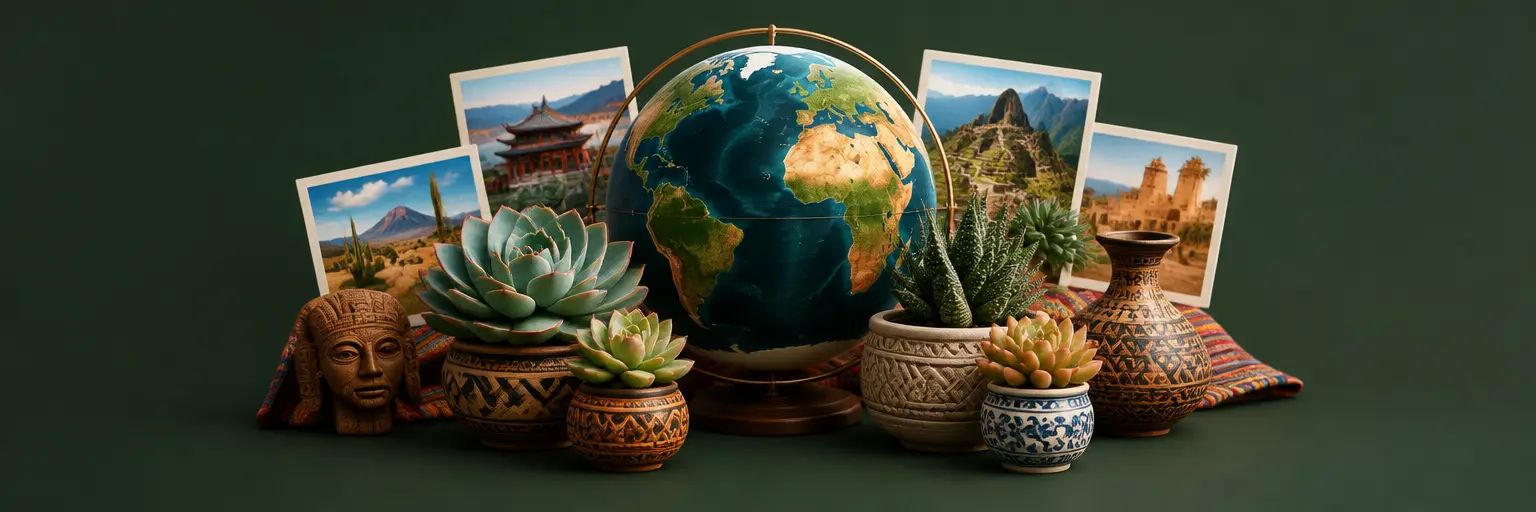
Succulents are more than just trendy houseplants—they are living symbols of resilience, deeply woven into the cultural fabric of societies across the globe. From ancient Aztec rituals to Japanese bonsai artistry, these drought-resistant plants have shaped traditions, medicine, and art for centuries. This subcategory explores the fascinating intersection of botany and heritage, revealing how different cultures cultivate, celebrate, and preserve succulents in unique, meaningful ways. Whether you are a collector seeking rare specimens or a history enthusiast, you will uncover the stories behind these extraordinary plants.
🌵 Sacred Succulents in Ancient Civilizations
Discover how indigenous cultures revered succulents as divine gifts. The Aztecs used the prickly pear (nopal) not only for food but in religious ceremonies, while the San people of Southern Africa considered certain euphorbias as spiritual protectors. These plants were often planted around temples and homes to ward off evil spirits, their ability to survive harsh climates seen as a sign of supernatural endurance. Understanding these origins enriches your appreciation of the living treasures in your own collection.
Archaeological evidence shows that agave, a succulent, was cultivated by Mesoamerican peoples for over 9,000 years, used for fiber, food, and fermented beverages like pulque. In ancient Egypt, aloe vera was buried with pharaohs as a symbol of immortality, its gel used in mummification rituals. These traditions demonstrate that succulents were never merely decorative—they were integral to survival and spirituality. Modern collectors often seek heritage varieties that retain these ancient genetic lineages, connecting modern households to millennia-old practices.
🎌 Japanese Succulent Bonsai and Wabi-Sabi
Japan has transformed succulent cultivation into a meditative art form, blending the principles of bonsai with the aesthetic philosophy of wabi-sabi—finding beauty in imperfection and transience. Unlike Western displays that favor symmetry, Japanese succulent arrangements often mimic natural landscapes, using rocks, moss, and staggered heights to evoke mountains and valleys. This approach emphasizes patience and harmony, teaching practitioners to observe subtle changes in growth and color as an expression of nature’s quiet power.
In traditional Japanese culture, succulents like Sedum and Sempervivum are paired with aged ceramic pots, each crack and patina celebrated as part of the plant’s journey. The practice is passed down through generations, with specific schools offering certification in succulent bonsai mastery. For collectors, owning a Japanese-style arrangement is more than acquiring a plant—it is possessing a piece of living art that requires ongoing, deliberate care. This tradition emphasizes that succulents thrive not despite neglect but through intentional, respectful stewardship.
🏺 African Succulent Heritage and Conservation
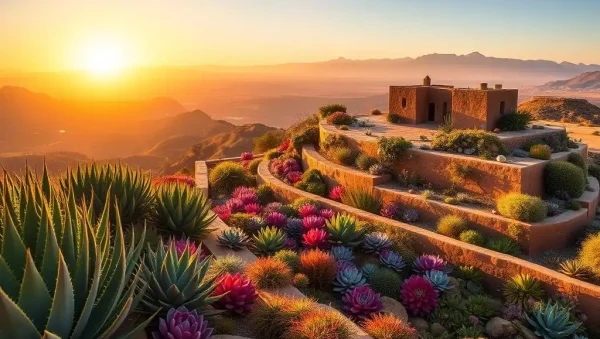
Southern Africa is the world’s epicenter of succulent biodiversity, home to over 1,700 species unique to the region. Indigenous communities have relied on these plants for centuries for water storage, traditional medicine, and livestock feed. The Karoo region of South Africa hosts ancient lithops (living stones) and aloes that have evolved to mimic their rocky surroundings, a survival strategy that has captivated botanists and collectors alike. This heritage is under threat from illegal poaching, making ethical sourcing crucial for modern enthusiasts.
Local conservation programs now partner with communities to cultivate succulents sustainably, turning traditional knowledge into economic opportunity. For example, the Quiver Tree (Aloe dichotoma) is protected by the San people, who use its hollowed branches for arrow quivers—a practice that inspired its name. By purchasing from certified ethical growers, collectors contribute to preserving these living traditions. Understanding African succulent heritage transforms your collection into a global conservation effort, honoring the original stewards of these remarkable plants.
🌮 Succulent Cuisine and Medicinal Traditions
Beyond aesthetics, succulents have nourished humanity for millennia. The nopal cactus is a staple in Mexican cuisine, grilled, pickled, or blended into smoothies, while its mucilaginous juice is used for treating digestive issues. Similarly, Aloe vera has been called the “plant of immortality” for its wound-healing and anti-inflammatory properties, documented in ancient Greek, Egyptian, and Chinese texts. These culinary and medicinal uses have passed from grandmothers to granddaughters, forming a living library of herbal wisdom.
In the Canary Islands, the tabaiba (Euphorbia) was used by indigenous Guanche people for everything from fish poison to skin treatments. Today, chefs worldwide are rediscovering succulent ingredients, creating gourmet dishes that celebrate their tart, citrusy notes. For the modern practitioner, learning these traditions offers a practical, sustainable way to incorporate succulents into daily wellness routines. However, always research each species’ toxicity—while some succulents are edible, others are poisonous, and historical knowledge is the key to safe use.
🗿 Succulent Symbolism in Global Folklore
Succulents appear prominently in myths and folklore as symbols of endurance, protection, and renewal. In Greek mythology, the cactus was a gift from the gods to protect heroes on long journeys. In Mexican folklore, the agave is believed to be the embodiment of Mayahuel, the goddess of fertility, and its heart (piña) is sacrificed to produce mezcal, reflecting themes of death and rebirth. These stories are not merely tales—they shape how entire cultures interact with and value succulents today.
In Mediterranean regions, the tree of life is often depicted as a succulent-like plant, symbolizing eternal life and abundance. Similarly, in Chinese feng shui, jade plants (Crassula ovata) are placed near entrances to attract wealth and positive energy. Understanding these symbols enriches your personal connection to your succulent collection, turning each pot into a conversational artifact. Whether you gift a jade plant for prosperity or display a nopal for ancestral honor, you participate in a global tapestry of meaning that transcends mere horticulture.
Frequently Asked Questions
Are all succulents edible or safe for medicinal use?
No, only a few species like prickly pear, aloe vera, and agave are safe for consumption when properly prepared. Many succulents, including euphorbias and certain kalanchoes, contain toxic sap that can cause skin irritation or poisoning. Always cross-reference historical usage with modern botanical guides and consult a professional before ingesting any succulent.
How can I ethically source heritage succulents?
Look for nurseries certified by Botanical Gardens Conservation International or local authoritative bodies. Avoid wild-collected specimens, especially from South Africa and Madagascar, where illegal poaching is rampant. Ask for provenance documentation and support communities that cultivate succulents sustainably, ensuring your purchase preserves cultural traditions rather than depleting them.
What is the best way to care for a Japanese succulent bonsai?
These arrangements require bright indirect light, well-draining soil with coarse sand, and infrequent watering—typically once every two weeks, allowing the soil to dry completely. Prune roots and branches annually to maintain shape, and repot every two years in fresh substrate. Mimic the wabi-sabi philosophy by embracing natural asymmetry rather than forcing uniformity.
Can I grow succulents indoors if I live in a cold climate?
Yes, many succulents thrive indoors with sufficient light (south-facing window or grow lights) and proper drainage. Choose cold-hardy species like Sempervivum and Sedum that tolerate lower temperatures. Keep them away from drafty windows during winter and reduce watering frequency to prevent root rot.
How do I start my own cultural succulent collection?
Begin by researching heritage varieties native to your ancestry or regions you admire, such as nopales from Mexico, aloe from Africa, or echeveria from Central America. Join online forums and visit botanical gardens with ethnographic collections. Document the stories behind each plant and share them with other enthusiasts—your collection becomes a living museum of global traditions.