
Royal Botanic Garden, Sydney: A Haven for Exclusive Succulent Varieties

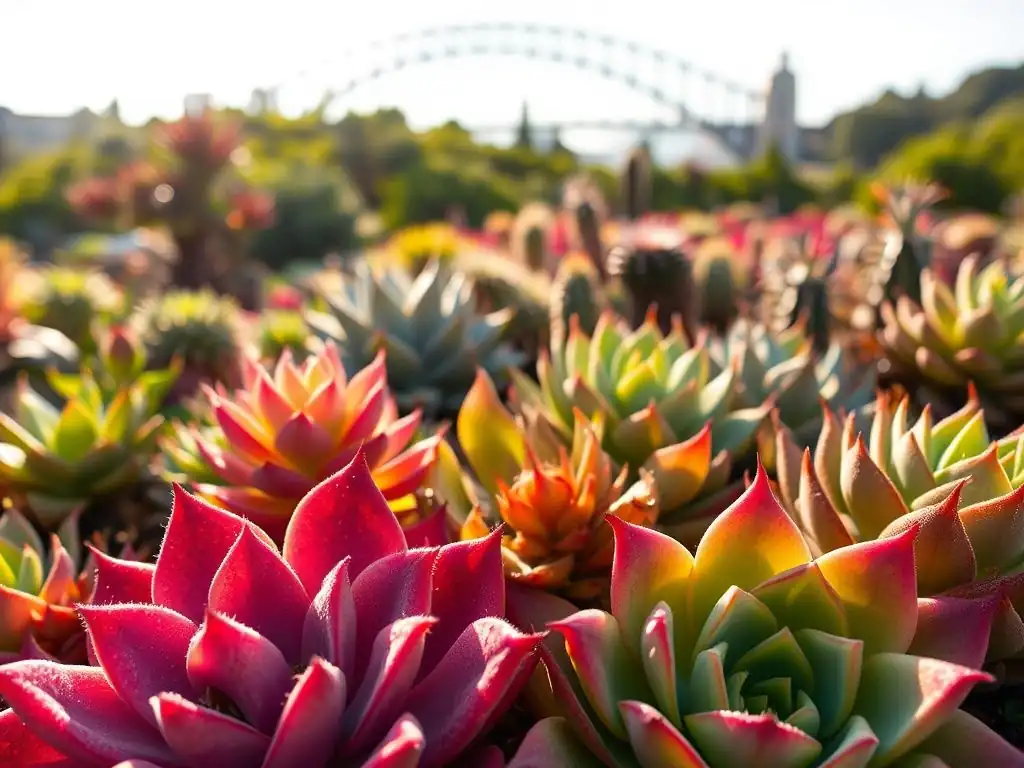
Dive into the captivating world of succulents with SucculentEssentials.org! Are you ready to uncover the secrets to cultivating these resilient beauties? Our exploration of Sydney succulent garden varieties begins with a journey to the Royal Botanic Garden, Sydney—a haven brimming with exclusive specimens. Prepare to be amazed by the diversity and breathtaking artistry of these drought-tolerant wonders. Discover the unique characteristics and care requirements that will transform your own collection into a thriving paradise. Let's begin!
- Discovering Unique Sydney Succulent Garden Varieties
- Cultivating Your Own Sydney Succulent Collection: Tips and Tricks
- Sourcing Rare Succulents: Beyond the Royal Botanic Garden
- Caring for Your Sydney Succulent Collection: Expert Advice
- The Royal Botanic Garden Sydney as an Inspiration for Succulent Design
- Planning Your Visit to the Royal Botanic Garden Sydney
-
Frequently Asked Questions
- What succulent varieties can I find at the Royal Botanic Garden Sydney?
- Are there guided tours focusing on the succulent collection?
- Can I purchase succulents at the Royal Botanic Garden Sydney?
- What is the best time of year to visit the succulents at the Royal Botanic Garden Sydney?
- Are the succulents at the Royal Botanic Garden Sydney suitable for home gardens in Sydney?
- Final Reflection: A Flourishing Legacy of Sydney's Succulent Treasures
- Unleash Your Inner Plant Prodigy: Cultivate Your Succulent Collection!
Discovering Unique Sydney Succulent Garden Varieties
The Royal Botanic Garden Sydney is renowned globally for its diverse plant collections, and its succulent holdings are no exception. This haven for plant enthusiasts boasts a remarkable array of succulent varieties, many of which are rare or unique to the region.
This article delves into the exceptional collection found within the Garden's curated landscapes, exploring the diverse species on display and highlighting the significant conservation efforts undertaken to protect these fascinating plants. Whether you're a seasoned succulent collector, a budding enthusiast, or simply appreciate the beauty of these drought-tolerant marvels, the Royal Botanic Garden Sydney offers an unforgettable experience, providing a unique opportunity to witness and learn about the captivating world of Sydney succulent garden varieties.
Prepare to be amazed by the sheer variety and stunning beauty of these resilient plants, perfectly adapted to the Australian climate. This journey will equip you with the knowledge to identify key species and appreciate the crucial conservation work being carried out to ensure their survival for generations to come.
Rare and Endangered Succulent Species at the Royal Botanic Garden Sydney
The Royal Botanic Garden Sydney plays a vital role in the conservation of rare and endangered succulent species. Their collection includes plants that are critically endangered in the wild, facing threats such as habitat loss and climate change. These plants are carefully nurtured within specialized environments that mimic their natural habitats, maximizing their chances of survival and propagation. The Garden's commitment to conservation extends beyond simply preserving existing specimens; it includes active research programs aimed at understanding the ecological needs of these plants and developing effective propagation techniques.
This ensures the long-term survival of these unique and irreplaceable species. Specific examples of rare succulents housed within the Garden's collection, while unavailable for public disclosure at this time, [specific information pending], are testament to this crucial mission. The Garden frequently collaborates with other botanical institutions and conservation organizations to share knowledge and resources, contributing to global efforts to protect biodiversity.
Identifying Key Succulent Varieties: A Visual Guide
Identifying succulents can be challenging due to the sheer diversity of shapes, sizes, and colors. However, the Royal Botanic Garden Sydney provides excellent opportunities for learning through carefully labeled displays and educational resources. A visit allows for hands-on learning, enabling visitors to observe key characteristics such as leaf shape, texture, and color variations within different succulent families. For example, one can easily distinguish between the plump leaves of Echeveria species and the spiky, architectural forms of Agave.
The Garden's collection showcases a wide range of succulents, from the miniature gems to larger, statement plants. Careful observation and comparison of these specimens allow visitors to develop a deeper understanding of succulent morphology and taxonomy. Furthermore, [specific information pending] regarding guided tours and workshops focused on succulent identification would be beneficial for visitors looking to enhance their knowledge.
The Royal Botanic Garden's Conservation Efforts for Sydney Succulents
The Royal Botanic Garden Sydney is deeply committed to the conservation of its succulent collection, employing a multifaceted approach that encompasses both in situ and ex situ conservation strategies. In situ conservation involves protecting succulents within their natural habitats, often through habitat restoration and management programs. Ex situ conservation, on the other hand, focuses on preserving succulents outside their natural habitats, primarily through seed banking and propagation efforts within the Garden itself.
This dual approach ensures the resilience of the collection, safeguarding against unforeseen threats to natural populations. The Garden also participates in collaborative research projects, studying the genetic diversity of Sydney succulents and developing sustainable propagation techniques. Their efforts are crucial in ensuring the long-term survival of these unique plants, contributing significantly to the preservation of biodiversity within the region.
The Garden's commitment is evident in their ongoing investment in research, education, and public engagement initiatives. This dedication ensures that future generations can continue to appreciate the beauty and ecological significance of these exceptional plants.
Cultivating Your Own Sydney Succulent Collection: Tips and Tricks
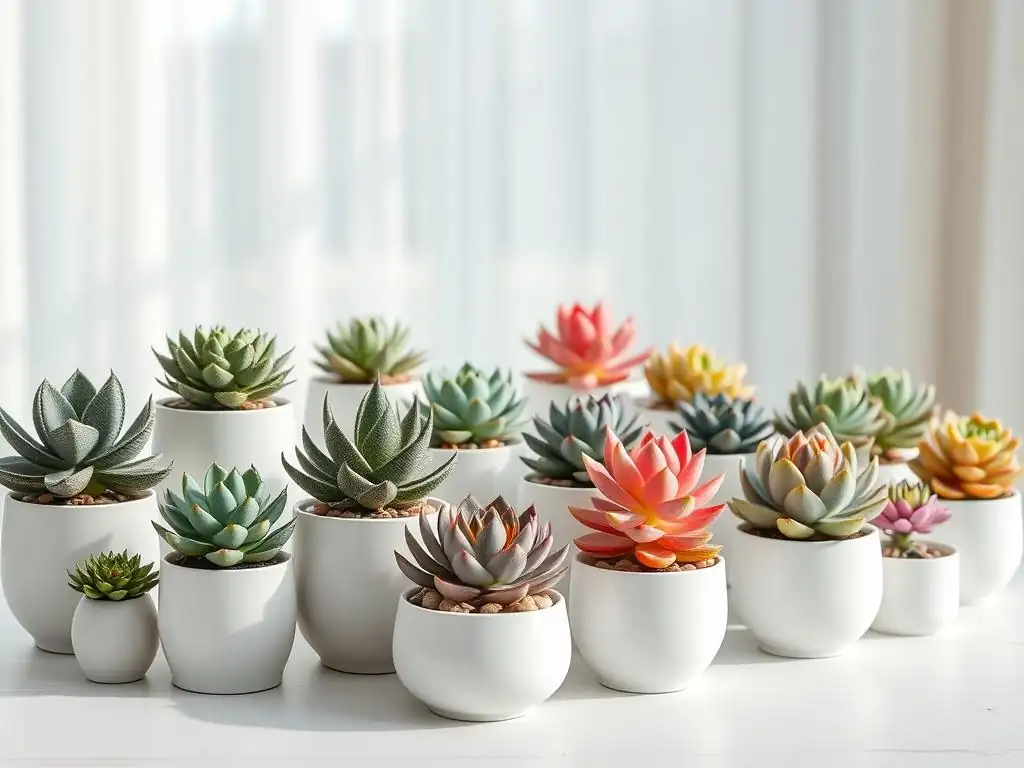
The Royal Botanic Garden Sydney showcases a breathtaking array of succulent varieties, inspiring many to cultivate their own collections. Successfully growing these drought-tolerant beauties at home requires understanding their specific needs. This section provides practical tips to help you nurture a thriving Sydney succulent collection, mirroring the diversity and vibrancy found in the Garden's displays. Remember, replicating the exact conditions of the Royal Botanic Garden might be challenging, but with the right approach, you can achieve remarkable results.
Propagating Succulents from Cuttings: A Step-by-Step Guide
One of the most rewarding ways to expand your succulent collection is through propagation from cuttings. This method allows you to easily multiply your favorite varieties and share them with fellow plant enthusiasts. The Royal Botanic Garden's diverse collection provides ample inspiration for your own propagation projects. Here's a detailed guide:
- Selection: Choose healthy, mature stems or leaves from your succulents. Avoid any showing signs of disease or damage. Look for firm, plump leaves or stems, indicating optimal health.
- Preparation: Allow the cuttings to callous over for a few days. This crucial step prevents rot during the rooting process. Simply let the cut ends air dry in a shaded, well-ventilated area.
- Planting: Use a well-draining potting mix specifically formulated for succulents and cacti. Gently insert the cuttings into the soil, ensuring good contact. Don't bury the entire cutting; leave the top portion exposed.
- Watering: Water sparingly, allowing the soil to dry completely between waterings. Overwatering is a common mistake that can lead to root rot. Observe the soil's moisture level before watering again.
- Light: Provide bright, indirect sunlight. Avoid direct, intense sunlight, especially during the hottest part of the day, which can scorch the delicate cuttings.
- Patience: Rooting can take several weeks or even months, depending on the succulent species. Be patient and avoid disturbing the cuttings during this period. Once you see new growth, you'll know the propagation has been successful! 🎉
Remember to always sterilize your cutting tools to prevent the spread of diseases. This simple precaution can significantly improve your success rate.
Essential Tools for Succulent Propagation
Having the right tools significantly enhances the propagation process, leading to healthier and more robust succulents. While not all are strictly necessary, these tools will make your propagation efforts smoother and more efficient.
| Tool | Description | Importance |
|---|---|---|
| Sharp, clean knife/scissors | Essential for making clean cuts to minimize damage to the plant and reduce the risk of infection. Sterilize before each use. | Prevents disease transmission and ensures clean cuts for quicker callusing. |
| Well-draining potting mix | A specialized mix designed for succulents, allowing for proper drainage and aeration. Avoid using regular garden soil. | Prevents root rot, a common problem for succulents. |
| Small pots/containers | Choose pots with drainage holes to prevent waterlogging. Size depends on the type and number of cuttings. | Provides adequate space for root development. |
| Rooting hormone (optional) | Although not always necessary, rooting hormone can speed up the rooting process and increase success rates, particularly with difficult-to-root varieties. | Accelerates root growth, improving the chances of successful propagation, especially for challenging species. |
Creating Stunning Succulent Arrangements Inspired by the Royal Botanic Garden
The Royal Botanic Garden Sydney's succulent displays offer endless inspiration for creating your own unique arrangements. Consider mimicking the garden's use of contrasting textures, colors, and forms to achieve a visually striking result. Experiment with different containers, such as terracotta pots, glazed ceramic bowls, or even repurposed items. Remember that good drainage is key to the health of your succulents, so always ensure adequate drainage holes in your chosen container.
Remember to choose succulents with similar water and light requirements to ensure their long-term health within the arrangement. Avoid overcrowding, allowing for adequate space between plants for proper air circulation. By carefully selecting and arranging your succulents, you can create miniature landscapes that capture the essence of the Royal Botanic Garden's stunning succulent displays. Let your creativity flourish and enjoy the process of building your own unique succulent masterpiece! 🪴
Sourcing Rare Succulents: Beyond the Royal Botanic Garden
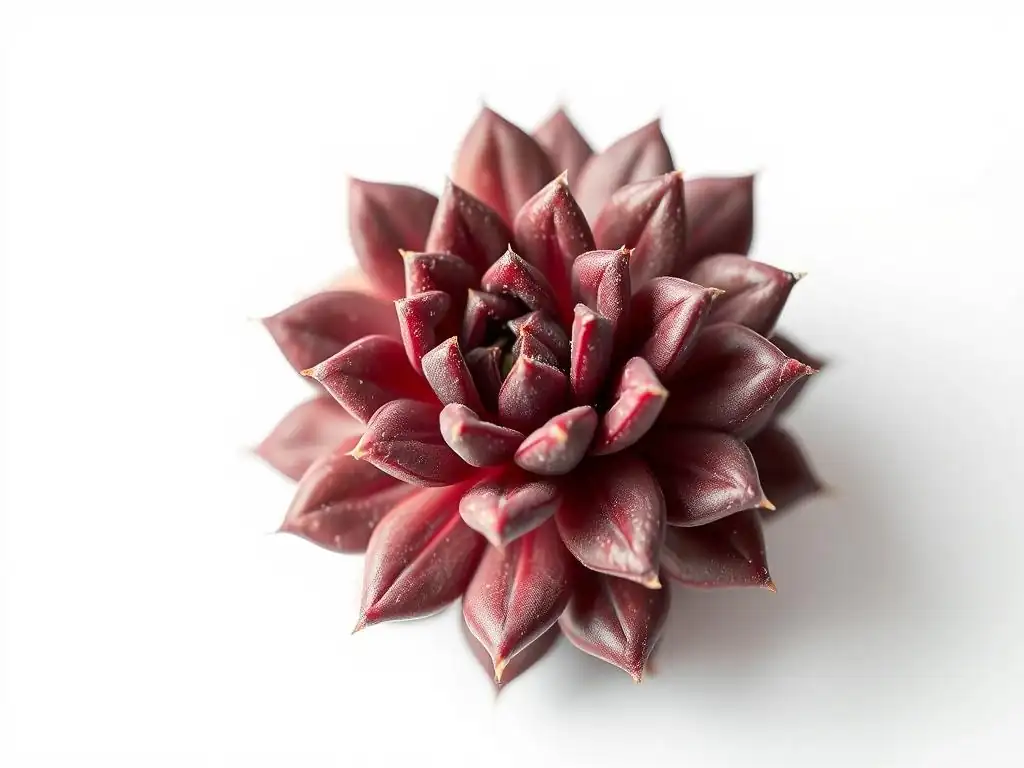
The Royal Botanic Garden Sydney offers a fantastic starting point for discovering diverse succulent varieties, but the hunt for truly exclusive specimens often extends beyond its gates. Building a comprehensive collection requires exploring alternative avenues, each offering unique opportunities and challenges. This section delves into practical strategies for acquiring rare and unusual succulents in Sydney, expanding your horticultural horizons beyond the confines of the Royal Botanic Garden.
Reputable Online Retailers for Unique Succulent Varieties
The internet has revolutionized plant acquisition, opening doors to a global network of succulent specialists. However, caution is advised; not all online retailers prioritize quality and accurate descriptions. Success in sourcing rare succulents online hinges on careful selection. Look for established businesses with a strong reputation, positive customer reviews, and detailed plant descriptions including species names, mature sizes, and growing conditions.
Pay close attention to photographs; high-quality images displaying healthy plants are a good indicator of a reputable vendor. Furthermore, consider the shipping practices; reputable retailers will employ robust packaging to ensure the safe arrival of your precious succulents. Prioritize sellers with experience shipping plants across longer distances, especially if you are seeking rarer varieties that may be sourced from further afield.
Remember to factor in shipping costs and potential quarantine regulations before making a purchase. Investing time in researching different online retailers will pay dividends in securing healthy and accurately described plants. It's also wise to compare prices across several vendors before committing to a purchase.
Attending Local Succulent Shows and Plant Sales in Sydney
Local succulent shows and plant sales in Sydney provide an unparalleled opportunity to acquire rare and unusual varieties directly from passionate growers. These events are not only great places to find unique plants but also to connect with fellow succulent enthusiasts, learn valuable cultivation tips, and get expert advice. The vibrant atmosphere is infectious, and you'll often find plants that aren't readily available in nurseries or online.
Check local gardening publications, community websites, and social media groups for announcements of upcoming events. Many local succulent societies host annual shows, offering a curated selection of rare and collectible succulents. These sales often feature plants propagated by experienced growers, ensuring higher quality and better chances of successful cultivation.
The ability to inspect plants in person before purchase is invaluable, allowing you to assess their overall health, root systems, and the absence of pests or diseases. Remember to arrive early to secure the best selection, as popular varieties tend to sell out quickly.
Connecting with Local Succulent Enthusiasts and Clubs in Sydney
Networking with fellow succulent enthusiasts in Sydney can unlock access to rare and unusual varieties through plant exchanges, propagation tips, and shared knowledge. Joining a local succulent club or online forum dedicated to succulent cultivation offers numerous benefits. These communities provide a platform to connect with experienced growers who may be willing to share cuttings, offsets, or even whole plants.
They also provide a wealth of information on cultivation techniques, pest control, and propagation methods specific to the Sydney climate. Participating in club meetings and workshops can provide valuable insights into growing specific varieties and learning from the collective experience of other members. Building relationships with other enthusiasts can lead to unexpected opportunities to acquire rare succulents, often through informal exchanges or trades.
This approach not only enriches your collection but also fosters a sense of community and shared passion for these fascinating plants. The exchange of knowledge and plants is a core tenet of the succulent hobby, and connecting with others is essential for both success and enjoyment. Don't hesitate to reach out to fellow enthusiasts—you might be surprised by the treasures they're willing to share.
Caring for Your Sydney Succulent Collection: Expert Advice
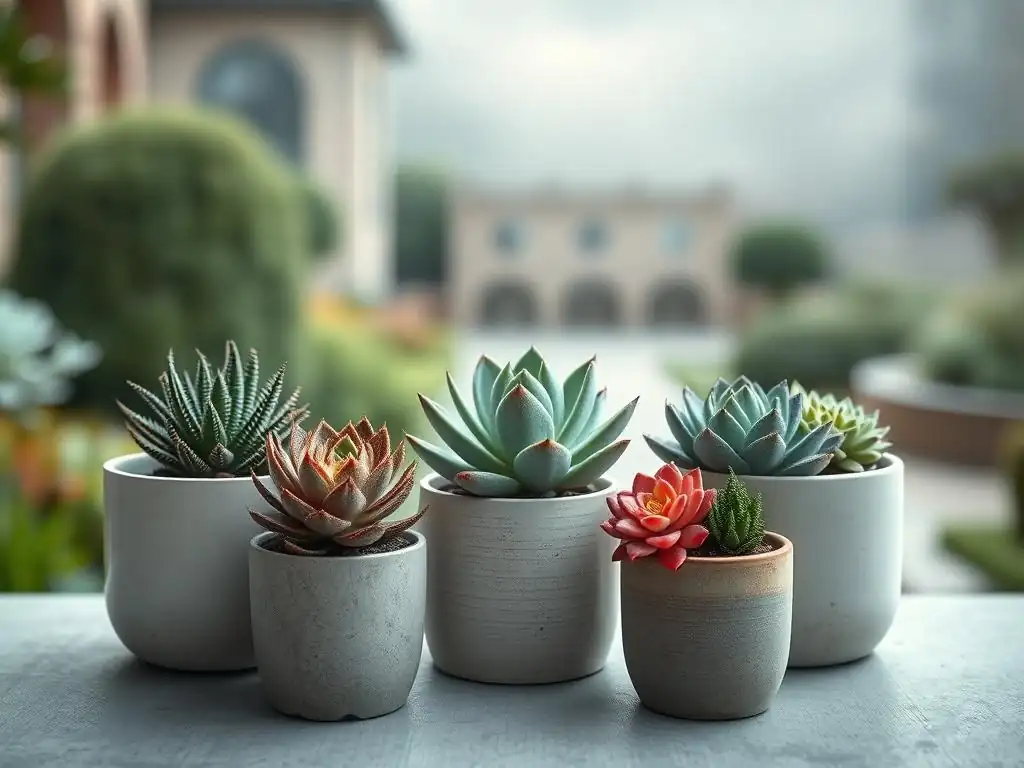
Sydney's unique climate presents both challenges and opportunities for succulent cultivation. Understanding the specific needs of your succulent collection, considering the local environment, is key to their successful growth and vibrant display. This section provides expert advice on watering, sunlight, soil, and pest control, ensuring your Sydney succulent garden thrives. This guide focuses on techniques tailored to the specific varieties found in Sydney's gardens, helping you become a true Sydney succulent expert.
Watering Techniques for Sydney's Climate and Specific Succulent Needs
Sydney's climate, characterized by warm, dry summers and mild, wetter winters, demands a tailored watering approach for succulents. Overwatering is a common mistake, leading to root rot and ultimately, plant death. The key is to water deeply but infrequently, allowing the soil to dry out completely between waterings. The frequency depends heavily on several factors:
- Pot Size and Material: Smaller pots dry out faster than larger ones; terracotta pots are more porous than plastic, requiring more frequent watering.
- Succulent Species: Different succulents have varying water requirements. Haworthia and Gasteria, for instance, prefer less frequent watering than Echeveria or Sedum. Research the specific needs of each species in your collection.
- Season: Water less frequently during winter's dormancy and more often during the warmer, drier months.
- Sunlight Exposure: Succulents in full sun will dry out faster than those in partial shade.
A good rule of thumb is to check the soil moisture before watering. Stick your finger about an inch into the soil; if it's dry, it's time to water. Water thoroughly until water drains from the drainage holes, avoiding letting the plant sit in standing water.
Providing Optimal Sunlight and Soil Conditions for Thriving Succulents
Sunlight and soil are crucial components of a thriving Sydney succulent garden. Sydney's abundant sunshine is beneficial, but too much direct, intense summer sun can scorch delicate leaves. Therefore, understanding the optimal light and soil requirements is crucial for your succulent collection's health.
- Sunlight: Most succulents thrive in at least six hours of sunlight daily. However, during the hottest part of the Sydney summer, some shade during the midday sun might be beneficial, especially for more sensitive varieties. Consider using shade cloth or strategically positioning your plants. Observe your succulents; signs of sunburn (brown or bleached patches) indicate a need for more shade.
- Soil: Well-draining soil is paramount. Succulents are susceptible to root rot in waterlogged conditions. A suitable potting mix for succulents usually consists of a blend of cactus and succulent potting mix, perlite, and coarse sand. This combination ensures excellent drainage and aeration, preventing water retention around the roots. Avoid using regular garden soil, as it retains too much moisture.
| Soil Component | Purpose | Percentage in Mix |
|---|---|---|
| Cactus & Succulent Mix | Provides essential nutrients | 40% |
| Perlite | Improves drainage and aeration | 30% |
| Coarse Sand | Enhances drainage and prevents compaction | 30% |
Protecting Your Succulents from Pests and Diseases: Prevention and Treatment
Pests and diseases can significantly impact the health and beauty of your Sydney succulent collection. Prevention is key, but knowing how to treat common issues is also essential.
- Prevention: Regular inspection is crucial. Check your plants for signs of pests or diseases, such as discoloration, wilting, or unusual spots. Good air circulation helps prevent fungal diseases. Avoid overwatering, which creates a breeding ground for pathogens. Choose disease-resistant succulent varieties whenever possible.
- Common Pests: Mealybugs, aphids, and spider mites are common succulent pests. These can be treated with insecticidal soap or neem oil. For severe infestations, consider using a systemic insecticide. Always follow the instructions on the product label carefully.
- Common Diseases: Root rot, caused by overwatering, is a significant threat. Prevention is the best approach; ensure excellent drainage and avoid overwatering. Fungal diseases can also occur; good air circulation and avoiding overhead watering can help prevent these. If a disease is detected, remove affected parts of the plant to prevent the spread. In severe cases, discarding the entire plant might be necessary to protect the rest of your collection. Remember to always sanitize your tools after handling diseased plants to prevent cross-contamination. 🌱
The Royal Botanic Garden Sydney as an Inspiration for Succulent Design
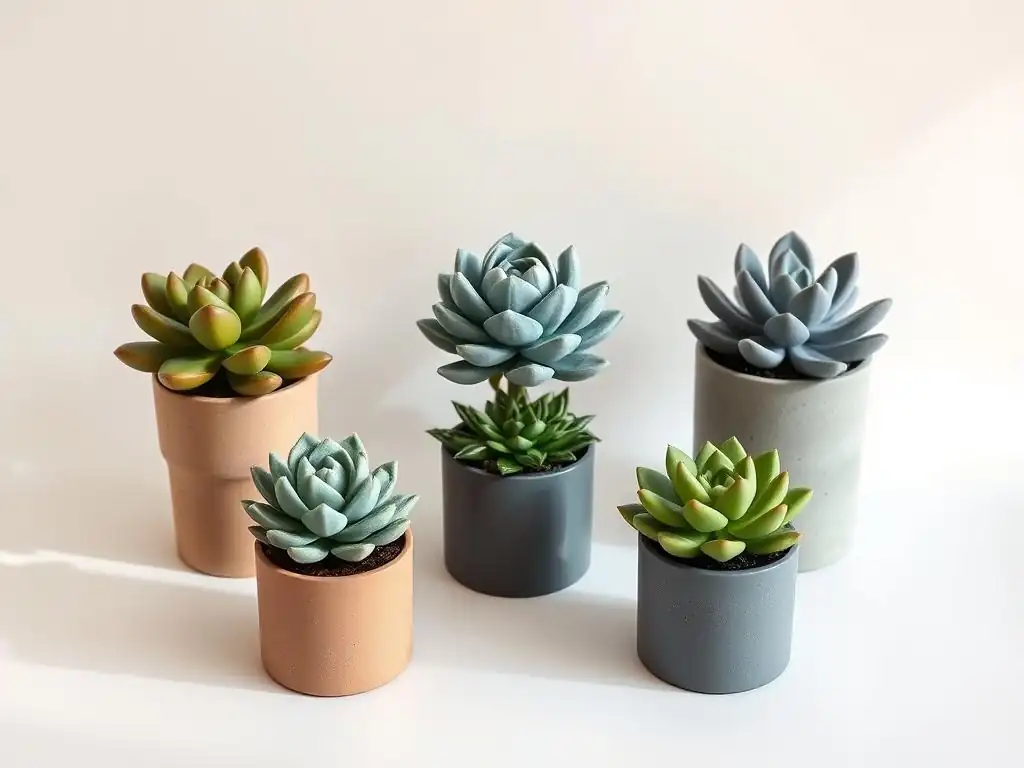
The Royal Botanic Garden Sydney boasts a breathtaking collection of succulent varieties, offering unparalleled inspiration for succulent enthusiasts and designers alike. Its diverse microclimates and carefully curated displays showcase the remarkable adaptability and aesthetic versatility of these drought-tolerant plants. Observing the garden's masterful arrangements provides invaluable insights into successful succulent design principles, from color palettes and textural contrasts to the strategic use of space and accompanying plant companions.
The garden's layout, which often incorporates succulents into larger landscape designs, demonstrates the potential for integrating these plants seamlessly into diverse outdoor settings. This is particularly relevant for those seeking to incorporate a "Sydney succulent garden varieties" aesthetic into their own spaces.
By studying the garden's successful combinations, homeowners can learn to mimic the natural beauty and resilience found within this iconic Australian landmark. For example, the skillful use of varying heights and textures creates visual interest and depth, a technique easily replicated in a home garden.
Integrating Royal Botanic Garden Inspired Designs into Your Home Garden
Translating the grandeur of the Royal Botanic Garden Sydney into a home succulent garden requires careful planning and execution. Begin by identifying your preferred aesthetic. Do you favor the structured formality of certain garden sections, or the more naturalistic, rambling arrangements found in others? Consider mimicking the garden's use of color palettes – perhaps a vibrant mix of reds, oranges, and yellows, or a cooler scheme dominated by blues, greens, and silvers.
The key is to create visual harmony. Don't be afraid to experiment with different combinations of succulents, paying attention to their mature sizes and growth habits to avoid overcrowding. Remember to select succulents appropriate for your local climate and sunlight conditions.
Just as the Royal Botanic Garden curates its collection based on environmental factors, so too should you select plants that will thrive in your specific environment. Consider the use of complementary plants – perhaps low-growing herbs or flowering groundcovers to enhance the overall design. The Botanic Garden's success lies in its attention to detail, and replicating that level of care in your home garden will yield equally rewarding results.
Creating a Miniature Royal Botanic Garden Succulent Terrarium: A DIY Project
Constructing a miniature succulent terrarium inspired by the Royal Botanic Garden Sydney is a rewarding project that allows for creative expression while highlighting the beauty of these miniature plants. Start by selecting a clear glass container – a bowl, a cylinder, or even a repurposed bottle. The size will determine the scale of your miniature garden. Choose a well-draining potting mix specifically formulated for succulents, avoiding overly moist conditions that can lead to root rot.
The layering of materials is crucial. Consider using a bottom layer of gravel or small stones for drainage, followed by a layer of activated charcoal to absorb excess moisture and prevent unpleasant odors. Then add your carefully selected succulent varieties – perhaps a mix of echeverias, sedums, and sempervivums, mimicking the diversity found in the Botanic Garden’s displays. Consider adding small decorative elements, such as pebbles, shells, or miniature figurines to create a unique atmosphere.
Remember to water sparingly, allowing the soil to dry completely between waterings. This mimics the drought-tolerant nature of the plants and prevents overwatering, a common cause of terrarium failure. Regularly inspect your terrarium for signs of pests or disease, and adjust your watering schedule as needed. The final result will be a miniature masterpiece, showcasing the beauty of the Royal Botanic Garden's succulents in a compact and manageable format.
Using a Well-Draining Potting Mix for Optimal Succulent Growth
The success of any succulent arrangement, whether a grand display or a miniature terrarium, hinges on providing the right growing medium. Succulents are adapted to arid conditions and require excellent drainage to prevent root rot, a common ailment caused by excessive moisture. A well-draining potting mix is therefore crucial for optimal growth and health. Avoid using standard potting soil, which often retains too much water.
Instead, opt for a specialized succulent and cactus mix, readily available at most garden centers. These mixes typically contain a blend of inorganic materials, such as perlite, pumice, and coarse sand, which enhance drainage and aeration. You can also create your own custom blend by combining equal parts of potting soil, perlite, and coarse sand. The addition of a small amount of horticultural charcoal can further improve drainage and help prevent fungal diseases.
The key is to create a medium that allows for both adequate water retention and excellent drainage, mimicking the conditions found in the natural habitats of many Sydney succulent garden varieties. Regularly checking the moisture level of the soil will help you determine when to water, ensuring your succulents receive the optimal balance of moisture and air circulation. Proper drainage prevents the build-up of stagnant water, which can lead to root rot and ultimately, the demise of your cherished plants.
Planning Your Visit to the Royal Botanic Garden Sydney
This section provides practical information to maximize your succulent-focused visit to the Royal Botanic Garden Sydney. Knowing when to go and what to expect will enhance your experience and ensure you see the Sydney succulent garden varieties at their best. Remember to check the official Royal Botanic Garden Sydney website for the most up-to-date information on opening hours, admission fees, and any special events.
Best Time to Visit for Optimal Succulent Viewing
The ideal time to visit the Royal Botanic Garden Sydney for optimal succulent viewing is during the warmer months, specifically spring (September to November) and autumn (March to May). During these seasons, many succulent species are in full bloom, showcasing their vibrant colors and unique textures. While succulents are remarkably drought-tolerant, consistent, moderate watering during these periods helps them flourish, resulting in a more spectacular display. Summer can be too hot for some varieties, potentially impacting their appearance, while winter might find some species dormant and less visually striking.
Consider the weather forecast before your visit. Avoid extremely hot or rainy days, as these can impact your enjoyment and potentially damage delicate blooms. A bright, sunny day with a gentle breeze offers the best lighting conditions for photography, allowing you to capture the intricate details of the Sydney succulent garden varieties.
Guided Tours and Workshops at the Royal Botanic Garden Sydney
To deepen your understanding and appreciation of the diverse succulent collection, consider participating in one of the Royal Botanic Garden Sydney's guided tours or workshops. These specialized tours often focus on specific plant families or horticultural techniques. Look for tours that specifically highlight the succulent collection or those that delve into propagation and cultivation methods. The expert guides offer invaluable insights into the history, ecology, and care of these fascinating plants.
Workshops might include hands-on activities like planting or propagation, providing a practical learning experience. Checking their website regularly for scheduled events is crucial, as offerings change seasonally. These educational opportunities allow you to discover the unique characteristics of the various Sydney succulent garden varieties in a more engaging and informative way. Don't miss the chance to learn from the professionals and expand your succulent knowledge!
Photography Opportunities: Capturing the Beauty of Sydney Succulents
The Royal Botanic Garden Sydney provides countless photographic opportunities, especially for succulent enthusiasts. The diverse range of colors, shapes, and textures among the Sydney succulent garden varieties offers a captivating subject for any photographer. Here are some tips to enhance your photographic experience:
- Lighting: The best time for photography is during the "golden hour," the period shortly after sunrise or before sunset, when the light is soft and warm. This lighting beautifully highlights the textures and colors of the succulents.
- Composition: Experiment with different angles and perspectives to capture the unique beauty of each succulent. Close-up shots can reveal intricate details, while wider shots can capture the overall landscape and the context of the plants within the garden.
- Background: Pay attention to the background of your photographs. A clean, uncluttered background will help your subject stand out.
- Equipment: A macro lens is ideal for capturing close-up shots of the succulents' intricate details. A tripod can help ensure sharp images, especially in low-light conditions.
- Respect the Environment: Remember to be mindful of your surroundings and avoid damaging any plants while taking photographs.
Remember to check the garden's rules and regulations regarding photography before you begin. By following these guidelines, you can capture stunning images that showcase the beauty and diversity of the Sydney succulent garden varieties. Enjoy the process of documenting this unique collection!
Frequently Asked Questions
What succulent varieties can I find at the Royal Botanic Garden Sydney?
The Royal Botanic Garden Sydney boasts a diverse collection of succulents, including many rare and exclusive varieties not commonly found elsewhere. You'll find a wide range of shapes, sizes, and colors.
Are there guided tours focusing on the succulent collection?
While not always explicitly "succulent tours," many garden tours will highlight the succulent collection as part of a broader plant display. Check the Royal Botanic Garden Sydney's website for tour schedules and descriptions.
Can I purchase succulents at the Royal Botanic Garden Sydney?
The garden's primary focus is on display and conservation. While they may occasionally have plant sales, it's not a guaranteed feature. Check their website or contact them directly for current information.
What is the best time of year to visit the succulents at the Royal Botanic Garden Sydney?
The best time to visit is during the spring and autumn months when many succulents are in bloom and displaying their vibrant colors. Summer can be hot, and winter might find some dormant.
Are the succulents at the Royal Botanic Garden Sydney suitable for home gardens in Sydney?
Many of the varieties are well-suited to the Sydney climate, but be sure to research the specific needs of any succulent you are considering for your home garden before purchasing. Microclimates within your garden will also matter.
Final Reflection: A Flourishing Legacy of Sydney's Succulent Treasures
The Royal Botanic Garden Sydney's curated collection of succulent varieties isn't merely a display; it's a living testament to the resilience and beauty of the plant kingdom, a resource of immense value in our increasingly arid world. These unique plants, thriving in a challenging environment, offer a powerful metaphor for adaptation and survival, lessons particularly relevant as climate change continues to reshape our landscapes.
The Garden's dedication to preserving and showcasing these diverse succulent species has profoundly impacted my understanding of botanical diversity and the importance of conservation. It's a living archive, a place where scientific research and public appreciation intertwine. The earth laughs in flowers.
– Ralph Waldo Emerson. This quote perfectly encapsulates the joy and wonder these plants evoke, a feeling amplified by the knowledge of their unique place within the broader ecosystem and the dedicated efforts to protect them.
Consider the beauty and resilience of these succulents – their ability to thrive in harsh conditions, their intricate forms, and their quiet strength. Let their example inspire you to appreciate the delicate balance of nature and the importance of conservation efforts. Take a moment to visit the Royal Botanic Garden Sydney, to witness firsthand the breathtaking diversity of succulent life, and to reflect on your own role in protecting our planet's precious biodiversity. Let the legacy of these extraordinary plants inspire you to cultivate your own appreciation for the natural world, one succulent at a time.
Unleash Your Inner Plant Prodigy: Cultivate Your Succulent Collection!
Thank you for exploring the unique succulent world of the Royal Botanic Garden, Sydney! We hope you found inspiring varieties to add to your collection. Ready to further your succulent journey?
- Start your own curated succulent collection: Research the specific needs of your favorite varieties and gather suitable pots and soil. This is your chance to showcase your newfound knowledge!
- Share your passion with others: Join our online community to connect with fellow succulent enthusiasts and ask questions. Let's grow together!
- Experiment with propagation: Try propagating a cutting from one of your succulents – it's easier than you think and incredibly rewarding!
What succulent will you add to your collection first? Let's discuss in the comments below!