Outdoor Landscaping and Xeriscaping
Transform your outdoor space into a stunning, water-wise haven with SucculentEssentials.org. This category explores how succulents thrive in arid landscapes, offering practical advice on irrigation, design, and sustainable practices. From small residential yards to large commercial projects, discover the beauty and efficiency of xeriscaping—perfect for eco-conscious gardeners and succulent lovers alike.
🌵 Succulent-Friendly Irrigation Systems
Efficient watering is the backbone of any xeriscape. Here, you’ll learn about drip irrigation, soaker hoses, and smart controllers tailored to succulent root zones. We explain how to avoid overwatering—the #1 killer of succulents—and how to use rainwater harvesting or greywater systems. Expect step-by-step setup guides, emitter placement tips, and seasonal scheduling advice to keep your plants hydrated without waste.
Key takeaway: A well-designed irrigation system reduces water usage by up to 70% while ensuring your succulents stay plump and healthy. We also cover troubleshooting common issues like clogged emitters and pressure fluctuations, plus how to integrate moisture sensors for automated precision. Whether you’re a beginner or pro, these systems will save time, money, and precious resources.
🏜️ Xeriscaping Techniques for Arid Regions
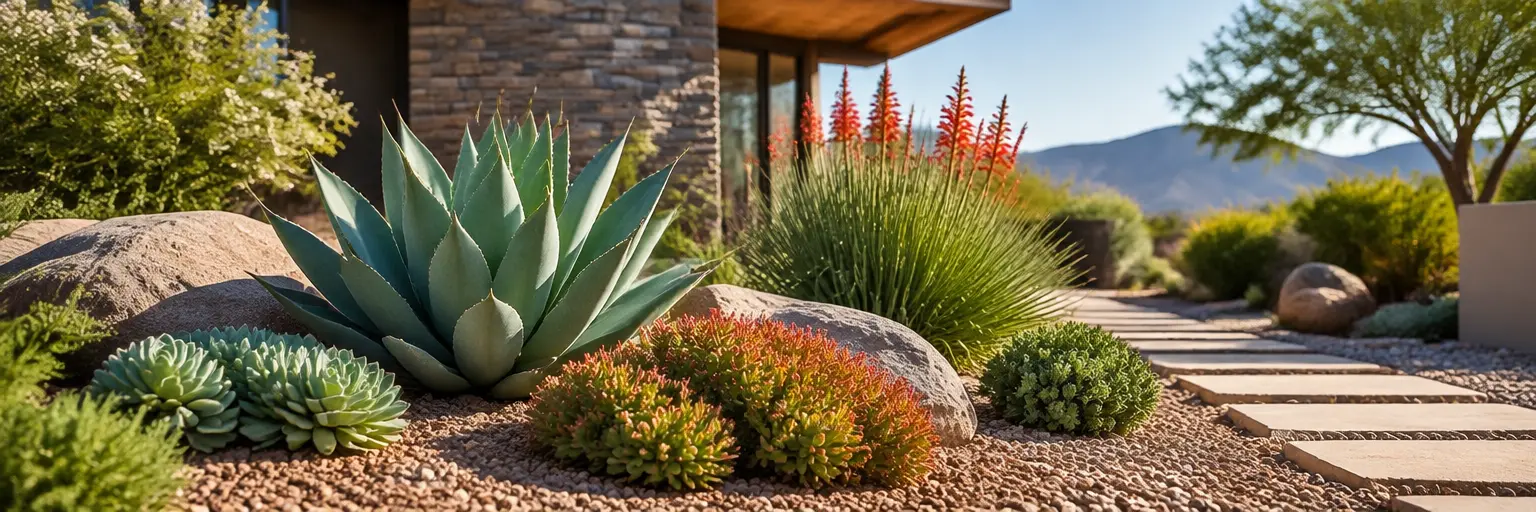
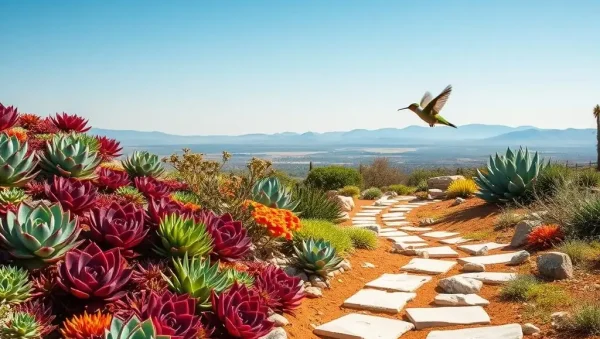
This section dives deep into the seven core principles of xeriscaping, from soil amendment with coarse sand or perlite to grouping plants by water needs. You’ll learn how to use gravel mulches, contouring, and windbreaks to minimize evaporation and maximize runoff capture. Ideal for desert climates, these techniques create resilient landscapes that thrive on minimal rainfall.
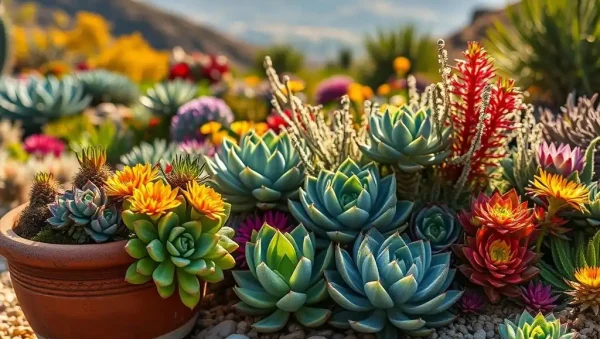
Pro tip: Start with a site analysis—sun exposure, soil drainage, and slope—before planting. We showcase real-world examples of successful arid gardens, including how to incorporate native succulents like agave, sedum, and echeveria. You’ll also find tips on zoning plants into hydrozones, reducing turf areas, and using organic mulch alternatives that won’t retain excess moisture.
📐 Design Principles for Low-Maintenance Landscapes
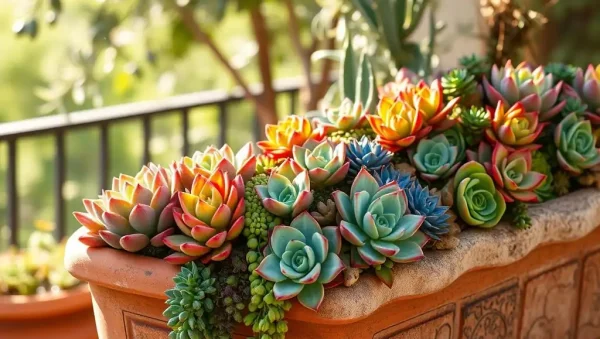
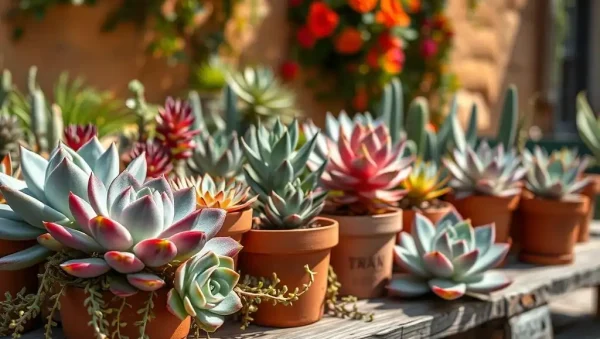
Discover how to craft a visually striking yet easy-care garden using repetition, texture, and color. We cover design frameworks such as the “thriller, filler, spiller” method for container beds, plus how to layer succulents by height and bloom time for year-round interest. Learn to minimize edges and use curves to simplify mowing and weeding.
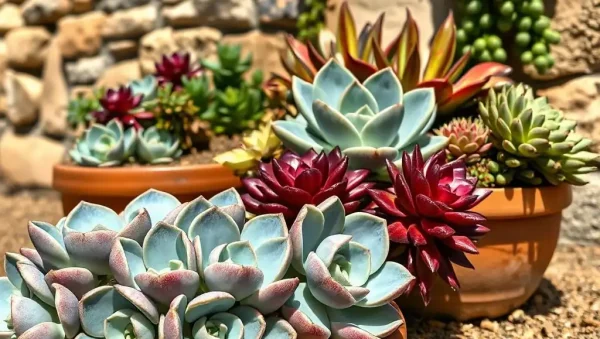
Design insight: Low-maintenance doesn’t mean boring—mix rosette forms, trailing varieties, and upright accents. We explain how to create focal points with large specimen plants, use contrasting foliage (blue-gray vs. burgundy), and integrate natural stone or recycled materials for cohesion. The goal is a self-sustaining ecosystem that requires only occasional pruning and leaf cleanup.
🪨 Hardscaping Elements and Decor Integration
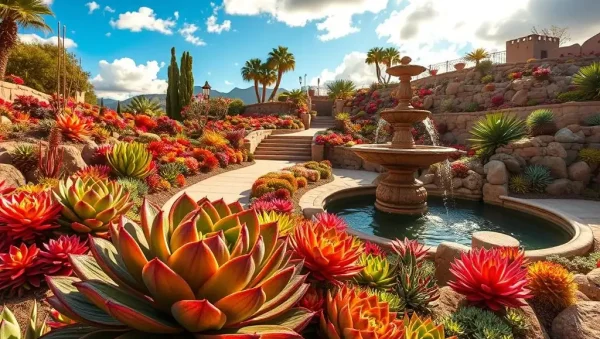
Hardscape features—paths, patios, retaining walls—provide structure and contrast to soft succulent plantings. This subcategory highlights permeable pavers, decomposed granite, and recycled concrete that complement arid aesthetics. Learn how to place boulders, driftwood, or metal art to enhance visual interest while improving drainage and microclimates.
Style tips: Use geometric patterns for a modern look or organic curves for a natural feel. We discuss how to integrate lighting (solar stakes, up-lights) to highlight sculptural succulents at night, plus how to build raised beds with breathable materials like terra cotta or stacked stone. Hardscaping also reduces soil erosion and creates accessible pathways for easy maintenance.
🏢 Large-Scale Commercial Installations
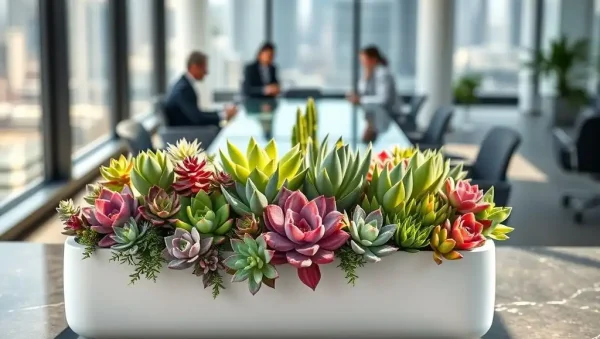
From corporate campuses to hotel resorts, this section covers planning and executing xeriscapes at scale. Expect guidance on soil testing, bulk plant sourcing, and irrigation zoning for vast areas. We share case studies of successful commercial projects, including cost-benefit analyses that demonstrate long-term savings on water and labor.
Efficiency matters: Large installations require robust planning—drainage studies, wind patterns, and maintenance contracts. We break down how to use groundcovers like sedum mats or delosperma for instant coverage, plus how to coordinate with landscapers for phased planting. You’ll also learn about LEED credits and sustainability certifications that add property value.
🌳 Public Gardens and Parks Showcasing Succulents
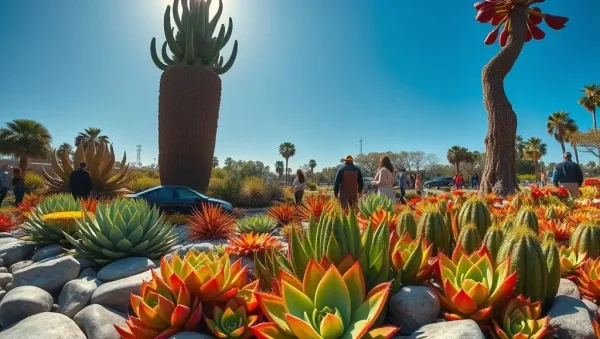
Public spaces offer inspiration and education for succulent enthusiasts. Here, we tour renowned botanical gardens and city parks that feature innovative xeriscapes, highlighting design choices, plant selection, and interpretive signage. Use these examples as blueprints for your own community projects or backyard makeovers.
Learn by example: See how public gardens handle high foot traffic while preserving delicate species, using raised beds, protective barriers, and durable groundcovers. We also discuss volunteer programs and grant funding for non-profit landscapes. Whether you’re planning a small park or a civic center, these proven designs will guide your decisions.
🌿 Sustainable Lawn Replacement with Succulents
Say goodbye to thirsty turf and hello to a drought-tolerant succulent lawn. This subcategory provides a complete transition guide—from killing existing grass (solarization, sheet mulching) to planting low-growing varieties like sedum, sempervivum, or dymondia. We cover foot traffic tolerance, weed suppression, and seasonal color changes.
Eco-benefits: Replacing lawn cuts water use by 60-80%, eliminates mowing emissions, and supports pollinators. We offer before-and-after photos, cost comparisons, and maintenance calendars. You’ll also learn how to handle slope drainage and edge transitions, ensuring your new “living carpet” stays lush for years.
Frequently Asked Questions
What is the best irrigation system for succulents in xeriscaping?
Drip irrigation is ideal—it delivers water directly to roots, minimizing evaporation and fungal issues. Use 1/4-inch tubing with adjustable emitters, placing them near each plant’s base. Water deeply but infrequently (every 10-14 days in summer), and avoid overhead sprinklers that wet leaves and promote rot.
Can succulents survive in full sun with no shade in arid regions?
Yes, many succulents—agave, aloe, and sedum—thrive in full sun. However, extreme heat above 100°F may cause sunburn. Provide afternoon shade with a 30% shade cloth or plant near taller shrubs. Acclimate young plants gradually over 2 weeks to prevent shock.
How do I prevent weeds in a succulent xeriscape without chemicals?
Lay a thick layer of inorganic mulch (gravel, pebbles, or crushed rock) at least 2-3 inches deep. Use landscape fabric beneath, but leave openings for succulents. Hand-pull weeds after rain, and apply corn gluten meal as a pre-emergent in spring. Avoid organic mulches like wood chips, which retain too much moisture.
What are the best low-growing succulents for lawn replacement?
Sedum varieties (e.g., sedum acre, sedum spurium) tolerate light foot traffic and spread quickly. Also try delosperma (ice plant) for vibrant flowers, or dymondia margaretae for a flat, silver-green mat. Space plants 6-12 inches apart and keep soil lean—fertile soil causes floppy growth.
How much can I save by switching from a grass lawn to succulents?
Most homeowners cut water bills by 50-70%, depending on climate and lawn size. Over a 1,000 sq ft lawn, annual savings range from $300-$800 in water costs, plus $100-$200 in fertilizer and mower upkeep. Initial installation pays back within 2-4 years, often with rebates from local water districts.