
From Tiny to Towering: Witness the Scale of Succulents in Public Gardens

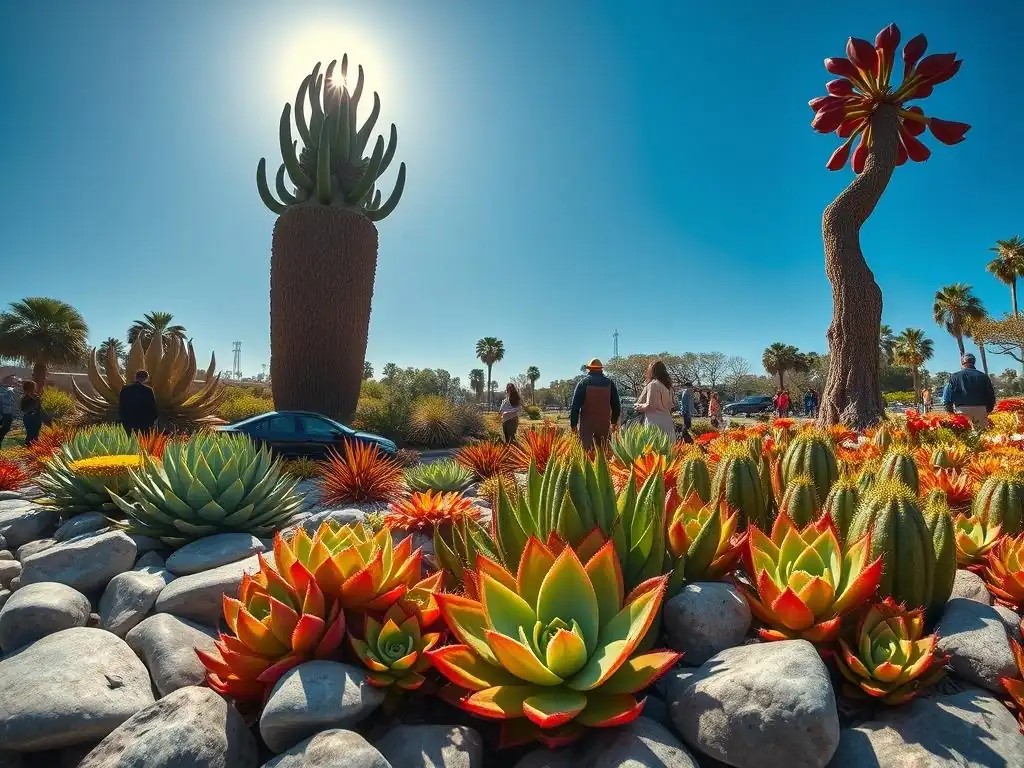
Welcome to SucculentEssentials.org, where the fascinating world of succulents unfolds before you! Prepare to be amazed by the sheer diversity of these resilient plants, from miniature gems to breathtaking giants. Have you ever imagined witnessing giant succulents dominating the landscape of a public garden? Our latest article, "From Tiny to Towering: Witness the Scale of Succulents in Public Gardens," unveils the captivating beauty and surprising scale of these drought-tolerant wonders in outdoor settings. Dive in and discover the secrets to cultivating these stunning plants, perfect for any landscaping project – especially if you're interested in xeriscaping!
- Discovering Giant Succulents in Public Gardens: A Global Perspective
- Giant Succulents: Cultivation and Considerations for Public Spaces
- The Architectural Integration of Giant Succulents in Garden Design
- Exploring the Educational Value of Large Succulent Displays
- Planning Your Visit: Finding Public Gardens with Impressive Succulent Collections
-
Frequently Asked Questions
- Where can I find giant succulents in public gardens?
- What types of giant succulents are commonly found in public gardens?
- Are these giant succulents always easy to spot in public gardens?
- How are these giant succulents cared for in public garden settings?
- Can I propagate giant succulents from cuttings I take from a public garden?
- Final Reflection: The Enduring Majesty of Giant Succulents
- Unleash Your Inner Gardener: Cultivate Your Succulent Oasis!
Discovering Giant Succulents in Public Gardens: A Global Perspective
Succulents, often associated with small, charming potted plants, possess a surprising capacity for impressive scale. This article explores the breathtaking world of giant succulents found flourishing in public gardens across the globe. From towering Agave species to impressively large Echeveria varieties, these botanical wonders showcase the remarkable adaptability and sheer size these drought-tolerant plants can achieve under optimal conditions.
We'll delve into the impressive displays found in renowned botanical gardens, highlight notable species frequently featured, and examine the crucial role these public spaces play in preserving and showcasing rare succulent varieties for both educational and aesthetic purposes. Discover the unexpected majesty of giant succulents and their captivating presence in carefully curated outdoor landscapes, proving that these plants are far more than just tiny desk decorations.
This journey will reveal the immense scale and diversity of succulents, challenging preconceived notions and inspiring a newfound appreciation for their beauty and resilience. Prepare to be amazed by the sheer size and variety of these fascinating plants as we explore the world of "Giant succulents public gardens".
Impressive Succulent Displays in Botanical Gardens Worldwide
Many botanical gardens around the world dedicate significant space to showcasing impressive succulent collections. These displays often feature carefully curated arrangements that highlight the diverse forms, textures, and colors of these plants. The scale of these installations can be truly awe-inspiring, with mature specimens reaching astonishing heights and widths.
For example, some gardens boast impressive displays of Agave americana, whose imposing rosettes can reach several meters in diameter. Other gardens cultivate vast collections of Aloe species, showcasing their diverse architectural forms and vibrant floral displays. These carefully planned gardens often include informational signage, providing visitors with detailed descriptions of each species, including their native habitats and unique characteristics.
The strategic placement of different succulent varieties within these displays allows visitors to appreciate the remarkable diversity found within the succulent family. Careful consideration is given to the design, ensuring optimal sunlight exposure and drainage to promote healthy growth, resulting in truly spectacular displays that inspire wonder and education. These displays aren't simply collections; they are carefully designed ecosystems showcasing the beauty and resilience of these remarkable plants.
Notable Species of Large Succulents Commonly Featured
Several succulent species are particularly well-suited to flourish and achieve impressive sizes in public garden settings. These species often possess characteristics that make them ideal candidates for large-scale displays:
- Agave americana (Century Plant): Known for its dramatic rosette of spiky leaves, this species can reach impressive sizes, with some specimens exceeding several meters in diameter.
- Aloe arborescens (Krantz Aloe): This tree-like aloe forms a striking centerpiece, reaching heights of several meters with its branching stems and clusters of tubular flowers.
- Dudleya brittonii (Britton's Dudleya): While not as tall as some other species, this succulent forms large, robust rosettes that can be particularly impressive when planted en masse.
- _Echeveria species:* Certain Echeveria species, with their rosette formations, can achieve significant size when provided with optimal growing conditions.
The careful selection and placement of these and other large succulent species are key to creating a stunning and educational display. The combination of different species, textures, and colors enhances the visual appeal and provides a rich learning experience for visitors. The gardens often provide detailed information about each species, including its origin, growth habits, and cultural significance. This detailed information adds a layer of educational value to the aesthetic beauty of the display.
The Role of Public Gardens in Preserving and Showcasing Rare Succulent Varieties
Public gardens play a vital role in the conservation and preservation of rare and endangered succulent species. By cultivating these plants in controlled environments, they ensure the survival of these species and provide opportunities for research and education. Many gardens actively participate in conservation programs, working to protect succulent habitats and propagate rare varieties.
These gardens also serve as valuable resources for researchers, providing opportunities to study the genetics, ecology, and evolutionary history of succulents. The public displays of these rare plants raise awareness about the importance of conservation efforts and inspire a greater appreciation for the diversity of succulent life. Furthermore, many gardens offer educational programs and workshops to the public, teaching about the importance of succulent conservation and sustainable gardening practices.
The work of public gardens in preserving and showcasing rare succulent varieties is invaluable to the future of succulent conservation and the continued appreciation of these remarkable plants. Their efforts contribute significantly to the understanding and protection of these unique and fascinating plants, ensuring that future generations can also appreciate their beauty and importance.
Giant Succulents: Cultivation and Considerations for Public Spaces

This section delves into the practical aspects of cultivating giant succulents, specifically within the context of public gardens and landscaping projects. Successfully showcasing these impressive plants requires careful planning and execution, factoring in their unique needs and the challenges presented by a public setting. We'll explore optimal growing conditions, potential problems, and sustainable cultivation methods to ensure these magnificent specimens thrive and enrich the visitor experience. The term "giant succulents" refers to those species reaching exceptional sizes, far exceeding their typical pot-grown counterparts. This often necessitates specialized care and consideration.
Optimal Growing Conditions for Large Succulents in Public Gardens
Establishing the right environment is paramount for the successful cultivation of giant succulents in public spaces. These plants, while remarkably drought-tolerant, still have specific needs. Optimal sun exposure is critical; most giant succulent varieties require at least six hours of direct sunlight daily. Location within the garden should be carefully chosen, considering factors like prevailing winds, potential shading from trees or buildings, and soil drainage.
Poor drainage is a frequent nemesis for large succulents. Their thick, fleshy leaves are susceptible to rot if exposed to consistently moist soil. Therefore, well-draining soil mixes are essential, often incorporating elements like coarse sand, pumice, or perlite to increase porosity. The soil's composition should also be considered in relation to the specific species being planted, as some may prefer more organic matter than others. Regular monitoring of soil moisture levels is vital, especially during periods of heavy rainfall.
Furthermore, the microclimate of the chosen location will significantly influence the plant's health. Consider factors like temperature fluctuations, humidity levels, and potential frost exposure. In areas with harsh winters, protective measures like windbreaks or winter mulching might be necessary to safeguard against frost damage. The selection of species should also be tailored to the local climate to ensure suitability and long-term survival.
Challenges and Solutions for Maintaining Large Succulent Collections Outdoors
Maintaining large succulent collections in public gardens presents unique challenges not encountered in smaller, private settings. One significant hurdle is vandalism. Protecting these valuable plants from damage requires strategic planning. This might involve strategically placing them within well-trafficked areas, using protective barriers or cages, or incorporating them into designs that discourage physical interaction. Regular monitoring and prompt response to any signs of damage are crucial.
Another major challenge is pest and disease control. Giant succulents, like their smaller counterparts, are susceptible to various pests and diseases. Regular inspections are vital to identify and address any issues early on. Implementing integrated pest management strategies, which prioritize preventative measures and minimize the use of chemical pesticides, is essential, especially in a public setting where environmental safety is paramount. This may involve introducing beneficial insects or using organic pest control methods.
The sheer size of these plants also presents logistical challenges. Watering, fertilizing, and pruning large succulents can be labor-intensive. Developing efficient watering systems, such as drip irrigation, can significantly reduce the workload and ensure consistent moisture delivery. Specialized equipment might be needed for pruning and maintenance, particularly for taller specimens. A well-defined maintenance schedule, taking into account the specific needs of each species, is vital for long-term success.
Sustainable Practices for Large-Scale Succulent Cultivation in Public Settings
Sustainable practices are crucial for the responsible cultivation of giant succulents in public gardens. Water conservation is a primary concern. Employing drought-tolerant landscaping techniques, such as xeriscaping, is vital. This includes selecting appropriate species, optimizing irrigation systems, and mulching to reduce evaporation. Using rainwater harvesting systems can further minimize reliance on municipal water supplies.
Reducing the use of chemical fertilizers and pesticides is another key aspect of sustainable cultivation. Organic fertilizers and integrated pest management strategies are preferred to minimize environmental impact and protect human health. Composting organic waste generated within the garden can provide a sustainable source of nutrients. Educating the public about the importance of sustainable gardening practices can also contribute to long-term success.
Finally, propagation of succulents within the garden itself can contribute to a more self-sustaining system. This reduces reliance on external sources for new plants and promotes biodiversity within the collection. By employing sustainable practices, public gardens can showcase giant succulents while minimizing their environmental footprint and promoting environmentally responsible landscaping techniques. This approach not only benefits the plants but also reinforces the garden's commitment to ecological stewardship.
The Architectural Integration of Giant Succulents in Garden Design

The breathtaking scale of giant succulents in public gardens isn't just about showcasing impressive specimens; it's about thoughtfully integrating these architectural plants into the overall garden design. Their unique forms and textures demand careful consideration of their placement and the surrounding environment. Successful integration requires understanding the mature size of the succulent, its growth habit (columnar, sprawling, rosette), and its visual weight within the landscape. This isn't simply about planting a large succulent; it's about creating a harmonious and visually stunning experience for the visitor.
Consider the interplay of line, form, and texture. A towering Agave americana, for instance, might serve as a dramatic vertical element, contrasting beautifully with the softer curves of a sprawling Dudleya brittonii. The careful selection and placement of these giant succulents can dramatically alter the perceived scale and flow of the garden itself.
Using Giant Succulents as Focal Points in Landscape Architecture
Giant succulents, with their impressive size and striking aesthetics, naturally lend themselves to serving as focal points in landscape architecture. Their unique textures and forms create compelling visual anchors that draw the eye and guide the visitor's journey through the garden. For example, a massive Beaucarnea recurvata (Elephant's Foot) can become the centerpiece of a circular patio, its bulbous base and spiky foliage commanding attention. Similarly, a cluster of mature Aloe arborescens can form a dramatic backdrop for a seating area, their vibrant red flowers adding a splash of color during their blooming season.
Strategic lighting can further enhance these focal points, highlighting their textural details and creating a captivating nighttime display. The key is to provide ample space around these majestic plants, allowing visitors to fully appreciate their scale and magnificence. Consider the surrounding plantings—complementing, rather than competing with, the giant succulent's inherent drama.
This ensures the focal point remains the star of the show. Careful planning is crucial to avoid overwhelming the surrounding landscape. A single, strategically placed giant succulent can be far more impactful than a haphazard scattering of numerous smaller plants.
Designing Pathways and Viewing Areas to Highlight Large Succulents
Designing pathways and viewing areas specifically to highlight large succulents is paramount to maximizing their visual impact. Instead of simply placing pathways nearby, consider incorporating the succulents directly into the design. A winding path might gracefully curve around a massive Ferocactus wislizeni, allowing visitors to appreciate its impressive size and intricate details from multiple perspectives.
Viewing platforms or raised decks can provide elevated vantage points, offering panoramic views of the entire succulent collection, particularly effective when showcasing larger specimens. The perspective from these vantage points can significantly enhance the appreciation of the plants’ scale and grandeur. For example, a raised platform overlooking a collection of Pachycereus pringlei (Cardón) would provide a truly awe-inspiring view of these towering cacti.
Remember to consider accessibility for all visitors when designing these pathways and viewing areas. Ramps, wider pathways, and strategically placed benches can ensure everyone can enjoy the beauty of these giant succulents. The goal is to create an immersive experience that allows visitors to connect with the scale and majesty of these remarkable plants.
Integrating Giant Succulents into Existing Garden Structures and Features
Giant succulents can be seamlessly integrated into existing garden structures and features, adding a unique and striking element to the overall design. For instance, a large Echeveria species could be planted near a water feature, its fleshy leaves contrasting beautifully with the fluidity of water. Similarly, a towering Cereus peruvianus could be incorporated into a rock garden, its imposing presence adding a dramatic element to the natural rock formations. The integration should feel natural and harmonious, avoiding a forced or jarring juxtaposition.
Consider the existing architectural style of the garden structures. A modern, minimalist garden might benefit from the clean lines of a Yucca gloriosa, while a more rustic setting might be enhanced by the rugged texture of a Dasylirion wheeleri. The use of retaining walls or raised beds can help to integrate giant succulents into sloping terrain, preventing erosion and providing a stable growing environment.
Careful consideration of the soil type and drainage is essential, ensuring the succulents thrive in their new location. The successful integration of these giant plants requires careful planning and a deep understanding of both the plant's needs and the existing garden's aesthetic. The result, however, can be a truly spectacular and unforgettable display.
Exploring the Educational Value of Large Succulent Displays
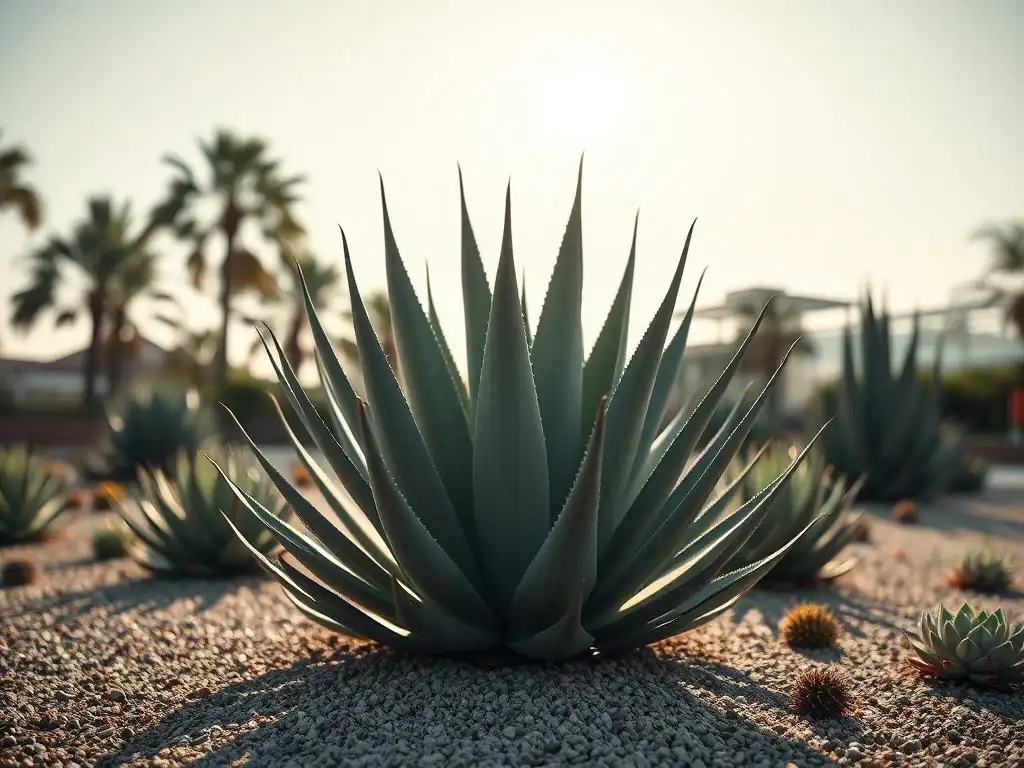
Giant succulents in public gardens offer a unique opportunity for environmental education and conservation awareness. These impressive displays, showcasing the remarkable size and diversity achievable within the succulent family, can significantly impact public perception and understanding of these often-underappreciated plants. By presenting mature specimens, public gardens can effectively demonstrate the long-term growth potential and the aesthetic impact of succulents, fostering a deeper appreciation for their role in diverse ecosystems.
Furthermore, showcasing different species and varieties allows visitors to understand the breadth of adaptation within the succulent family, highlighting their resilience and adaptability to various climates and conditions. This visual learning experience can be far more impactful than simply reading about succulents in a textbook. For example, witnessing a mature Agave americana reaching several meters in diameter can profoundly illustrate the plant's impressive growth habit and longevity, making a lasting impression on visitors of all ages.
Public Gardens as Educational Resources on Succulent Conservation
Public gardens play a crucial role in promoting succulent conservation by highlighting the threats these plants face in their natural habitats. Many succulent species are endangered due to habitat loss, over-collection, and climate change. Large-scale displays in public gardens can act as living exhibits, educating the public about the importance of protecting these plants.
Detailed signage can provide information on the conservation status of specific species, the challenges they face, and the actions individuals can take to support their survival. For instance, a garden might feature a display of endangered Dudleya species, alongside information about habitat restoration projects and responsible succulent sourcing. This approach creates a powerful connection between the visual appeal of the plants and the urgent need for their conservation, encouraging visitors to become actively involved in protecting these valuable resources.
Moreover, by partnering with conservation organizations, public gardens can amplify their educational impact and contribute to real-world conservation efforts. They can host workshops, guided tours, and talks focusing on sustainable gardening practices and the importance of biodiversity.
Engaging Visitors Through Interactive Displays and Educational Signage
To maximize the educational value of giant succulent displays, public gardens should utilize interactive elements and informative signage. Clear and concise signage should identify each species, highlighting its unique characteristics, native habitat, and conservation status. Interactive displays, such as touch screens with detailed information or augmented reality experiences, can enhance visitor engagement and learning.
Consider incorporating QR codes linked to online resources with additional photos, videos, and detailed information on each succulent species. This allows visitors to continue their learning journey beyond their visit to the garden. Engaging children through hands-on activities, such as succulent-themed crafts or guided tours specifically designed for young audiences, can foster a love for these plants from a young age.
For example, a display could include a section dedicated to the propagation of succulents, showing visitors how to grow their own plants from cuttings. This interactive element not only enhances the visitor experience but also encourages responsible plant stewardship. The use of multilingual signage ensures accessibility for a diverse range of visitors.
Promoting Succulent Appreciation and Conservation Through Public Gardens
Public gardens can play a pivotal role in shifting public perception of succulents from mere decorative plants to ecologically significant organisms. By showcasing the immense size and biodiversity achievable within the succulent family, these gardens inspire awe and admiration, fostering a deeper appreciation for their aesthetic and ecological value. Moreover, by integrating conservation messages into their displays and educational programs, public gardens can empower visitors to become active participants in protecting succulent species.
The integration of sustainable landscaping practices within the garden itself serves as a powerful demonstration of environmentally responsible horticulture. For instance, using drought-tolerant landscaping techniques and minimizing water usage demonstrates the practicality and beauty of xeriscaping, encouraging visitors to adopt similar practices in their own gardens. Through strategic partnerships with local botanical societies, universities, and environmental organizations, public gardens can further amplify their conservation message and reach a broader audience.
Public awareness campaigns, workshops, and educational materials can be developed collaboratively, ensuring a coordinated and impactful approach to succulent conservation. The cumulative impact of these efforts can lead to a significant increase in public appreciation and support for the conservation of these unique and fascinating plants.
Planning Your Visit: Finding Public Gardens with Impressive Succulent Collections
Finding public gardens boasting truly giant succulents requires a bit of research. While many botanical gardens feature succulents, the scale of the plants varies considerably. Some gardens prioritize diversity, showcasing a wide range of species, while others focus on creating dramatic displays with larger specimens. Therefore, pre-planning is key to maximizing your experience.
Public Gardens with Notable Succulent Collections
Several public gardens worldwide are renowned for their impressive succulent collections, many featuring specimens that defy expectations of size and age. These gardens often invest significant resources in cultivating optimal growing conditions for these drought-tolerant plants, resulting in truly remarkable displays. For instance, [Specific garden name and location pending] is known for its [Specific type of giant succulent and its approximate size pending], while [Another specific garden name and location pending] boasts a stunning collection of [Another specific type of giant succulent and its approximate size pending].
It's important to note that the size and availability of giant succulents can vary with the seasons and the garden's ongoing maintenance. Checking the garden's website or contacting them directly before your visit is highly recommended.
To help you plan, consider these factors:
| Garden Name (Example) | Location (Example) | Notable Succulents (Examples) | Best Time to Visit |
|---|---|---|---|
| Huntington Library, Art Museum, and Botanical Gardens | San Marino, CA | Agave americana, various Dudleya species | Spring and Fall |
| Desert Botanical Garden | Phoenix, AZ | Carnegiea gigantea (Saguaro Cactus), large Agave species | Spring and Fall |
| [Garden Name pending] | [Location pending] | [Specific succulents pending] | [Best time to visit pending] |
| [Garden Name pending] | [Location pending] | [Specific succulents pending] | [Best time to visit pending] |
Remember to always verify the information on the garden's official website, as collections and display areas can change.
Tips for Photographing Giant Succulents in Public Gardens
Capturing the majesty of giant succulents in photographs requires careful consideration of lighting, composition, and perspective. The sheer scale of these plants demands a strategic approach to photography.
Here are some tips for obtaining stunning images:
- Lighting: Golden hour (sunrise and sunset) provides the most flattering light, enhancing the textures and colors of the succulents. Avoid harsh midday sun, which can create harsh shadows and wash out details.
- Composition: Use leading lines (paths, walls) to draw the viewer's eye to the succulent. Experiment with different angles – get close for detailed shots, and step back for wider shots emphasizing scale. Consider incorporating elements of the surrounding landscape into your composition.
- Perspective: Use a wide-angle lens to capture the full size and grandeur of the succulents. Get creative with your angles – shooting from below can emphasize height, while shooting from above can showcase unique patterns.
- Equipment: A tripod is highly recommended, especially for low-light conditions or when using a longer lens. Consider using a polarizing filter to reduce glare and enhance colors.
Remember to be mindful of other visitors while photographing; always respect personal space and avoid obstructing pathways.
Respecting Garden Rules and Maintaining the Health of Succulent Collections
When visiting public gardens with giant succulents, remember that these plants are living organisms requiring respect and careful consideration. Always follow the garden's rules and guidelines.
- Do not touch the plants: Touching succulents can damage their delicate surfaces and spread diseases. Admire them from a distance.
- Stay on marked paths: Walking off designated paths can compact soil, damage roots, and disrupt the delicate ecosystem.
- Do not remove any plants or parts of plants: This is not only disrespectful but also illegal in most gardens.
- Dispose of trash properly: Keep the garden clean and beautiful for everyone to enjoy. Use designated trash receptacles.
- Report any damage or vandalism: If you notice any damage to the plants or the garden itself, report it to the staff immediately.
By following these guidelines, you can help ensure that these magnificent succulent collections remain healthy and vibrant for years to come. Enjoy the breathtaking beauty of these giant succulents responsibly! 🌵
Frequently Asked Questions
Where can I find giant succulents in public gardens?
Many botanical gardens and arboretums showcase impressive succulent collections, including giant specimens. Check local listings or search online for gardens known for their desert plant displays. You might be surprised at what you find!
What types of giant succulents are commonly found in public gardens?
Public gardens often feature large agave, aloe, and tree aeonium species. You might also see impressive specimens of Dudleya and other columnar succulents. The specific varieties will depend on the garden's climate and collection.
Are these giant succulents always easy to spot in public gardens?
Not necessarily. While some gardens prominently feature their largest succulents, others might integrate them into larger landscape designs. Take your time exploring the gardens and look in various sections, including desert or xeriscape areas.
How are these giant succulents cared for in public garden settings?
Gardeners employ specialized techniques, including appropriate watering schedules, soil composition, and protection from extreme weather. The size and age of these plants often require additional support structures to maintain their stability.
Can I propagate giant succulents from cuttings I take from a public garden?
Generally, taking cuttings from public garden plants is discouraged. These plants are valuable parts of the collection and removing cuttings can harm them. It's best to purchase succulents from reputable nurseries or propagators.
Final Reflection: The Enduring Majesty of Giant Succulents
The breathtaking scale of giant succulents in public gardens isn't just a horticultural marvel; it's a powerful symbol of resilience and adaptation in a rapidly changing world. These botanical giants, often overlooked in favor of flashier flora, offer a quiet testament to the enduring power of nature, a message particularly resonant in our current era of environmental uncertainty. Their slow, deliberate growth mirrors the patience and persistence needed to address the challenges facing our planet.
Witnessing these colossal plants, their forms sculpted by sun and wind, evokes a profound sense of awe and connection to the natural world. Their very existence challenges our anthropocentric view, reminding us of life's capacity to thrive even in seemingly harsh conditions. The earth laughs in flowers.
– Ralph Waldo Emerson. This quote perfectly encapsulates the joy and resilience embodied by these magnificent succulents, a silent celebration of life's tenacity in the face of adversity. Their presence in public gardens serves as a vital reminder of the beauty and importance of biodiversity, urging us to protect and cherish the natural world.
Consider the impact these giants have on your own perspective. Do they inspire you to cultivate patience and perseverance in your own life? Do they encourage you to appreciate the quiet strength found in seemingly simple things?
I invite you to visit a public garden featuring giant succulents, to stand in their presence, and to let their silent majesty speak to your soul. Let their enduring strength remind you of your own capacity for growth, resilience, and the profound beauty of the natural world. Let their silent story inspire you to become a steward of our planet, ensuring that future generations can also witness the towering beauty of these remarkable plants.
Unleash Your Inner Gardener: Cultivate Your Succulent Oasis!
Thank you for exploring the fascinating world of succulents with us! We hope you've gained a new appreciation for their stunning diversity and transformative potential. Ready to begin your own succulent journey?
- Start your own succulent collection: Choose a couple of varieties that caught your eye and begin your own miniature garden. It's easier than you think!
- Share your success: Post a picture of your favorite succulent (or your burgeoning collection!) on social media and tag us @SucculentEssentials.org – we'd love to see it!
- Experiment with different arrangements: Explore various pot sizes and creative arrangements to enhance your succulent gardening experience.
What unique approach will you take to bring the beauty of succulents into your life?