
Design Harmony: LowMaintenance Succulent Gardens in Perfect Balance

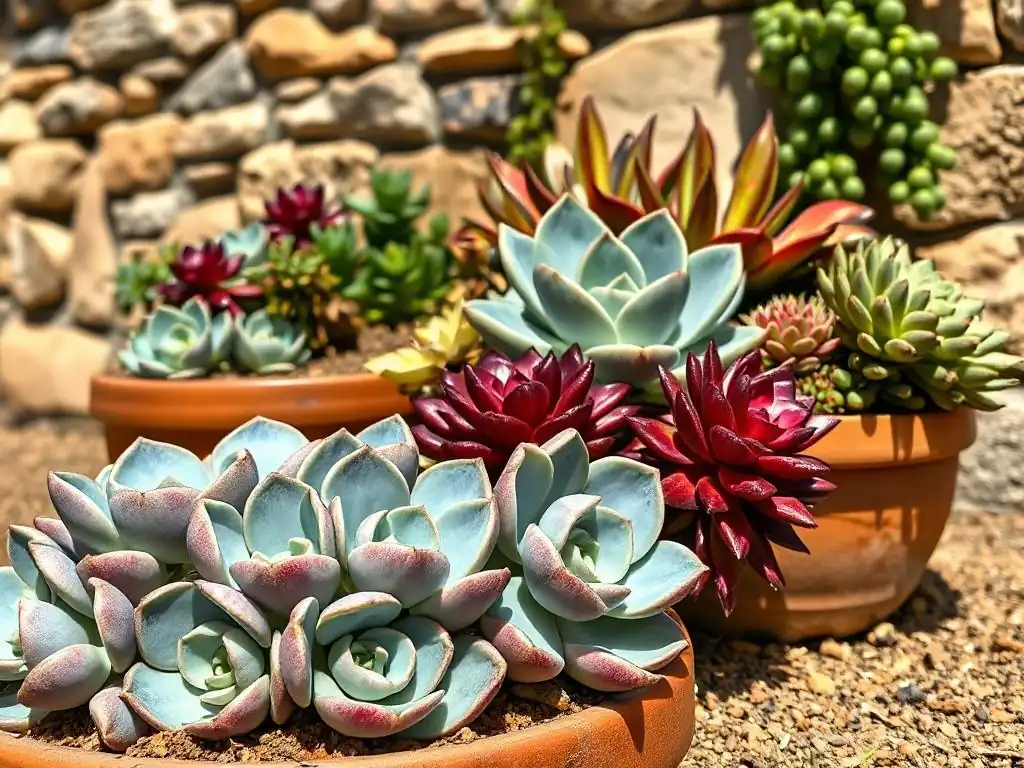
Welcome to SucculentEssentials.org, where the thriving world of succulents unfolds before you! Are you ready to unlock the secrets to effortlessly beautiful, low-maintenance succulent garden design? Imagine a landscape that demands minimal upkeep while bursting with vibrant color and texture. We'll guide you through creating your own miniature desert paradise, revealing the simple yet elegant designs that will transform your outdoor space. Dive in and discover the harmony of form and function in our exclusive guide to low-maintenance succulent gardening – your journey to a breathtaking oasis begins now!
- Understanding Low-Maintenance Succulent Garden Design Principles
-
Creating a Balanced Succulent Garden Design
- Planning Your Low-Maintenance Succulent Garden Layout
- Incorporating Different Succulent Textures and Colors for Visual Appeal
- Using Repetition and Rhythm in Your Succulent Garden Design
- The Importance of Focal Points in Low-Maintenance Succulent Gardens
- Choosing the Right Succulents for a Low-Maintenance Design
- Creating Visual Harmony Through Color and Texture
- Enhancing Your Low-Maintenance Succulent Garden Design
- Inspiring Low-Maintenance Succulent Garden Ideas
- Case Study: A Low-Maintenance Succulent Garden Transformation
-
Frequently Asked Questions
- What makes succulents ideal for low-maintenance gardens?
- What are some key design elements for a low-maintenance succulent garden?
- How can I create a visually appealing low-maintenance succulent garden?
- What are some easy-to-care-for succulent varieties for beginners?
- How often should I water a low-maintenance succulent garden?
- Final Reflection: Cultivating Tranquility Through Succulent Design
- Unleash Your Inner Gardener: Design a Thriving Succulent Oasis
Understanding Low-Maintenance Succulent Garden Design Principles
Designing a low-maintenance succulent garden doesn't mean sacrificing beauty; it's about creating a thriving landscape with minimal effort. This guide delves into the key principles for achieving a harmonious and visually stunning succulent garden that requires less upkeep, focusing on plant selection, soil preparation, and sunlight optimization. We'll explore practical strategies that empower even the busiest gardener to enjoy the unique charm and resilience of succulents without the constant demands of high-maintenance plants.
This approach aligns perfectly with the growing interest in xeriscaping and sustainable landscaping, making it an environmentally conscious and aesthetically pleasing choice. By focusing on the right plants and conditions, you can create a vibrant, low-maintenance succulent garden that thrives for years to come, requiring only minimal attention and effort. This article will equip you with the knowledge to design a low-maintenance succulent garden that's both beautiful and sustainable.
Choosing the Right Succulents for Easy Care Gardens
Selecting the right succulents is paramount for a low-maintenance garden. Different succulents have varying needs regarding sunlight, water, and soil conditions. Opting for varieties known for their drought tolerance and adaptability is crucial. Here's a breakdown to guide your choices:
- Drought-tolerant species: Prioritize succulents renowned for their ability to withstand extended periods without watering. Examples include Sedum, Echeveria, and Sempervivum, which are exceptionally resilient and require minimal watering, even in hot climates.
- Sun-loving varieties: Choose succulents that thrive in full sun or partial shade depending on your garden's location. Researching the specific sunlight requirements of each succulent before planting is essential to ensure their health and vibrancy.
- Low-maintenance growth habits: Consider succulents with compact growth habits that minimize the need for frequent pruning or shaping. This significantly reduces the maintenance required to keep the garden looking neat and tidy.
- Disease resistance: Selecting disease-resistant varieties can prevent many potential problems. A healthy succulent is a low-maintenance succulent!
Soil Selection and Drainage for Minimal Effort Succulent Gardens
Proper soil is the foundation of a thriving, low-maintenance succulent garden. Succulents are susceptible to root rot if the soil retains too much moisture. Therefore, excellent drainage is critical.
- Well-draining soil mix: A crucial aspect of low-maintenance succulent gardening is using a well-draining soil mix. A commercially available cactus and succulent potting mix is ideal, or you can create your own by combining regular potting soil with perlite, coarse sand, or pumice. The addition of these materials improves aeration and prevents waterlogging.
- Raised beds or containers: Consider using raised beds or containers to further enhance drainage. This allows excess water to drain freely, preventing root rot and ensuring the health of your succulents. Containers also offer greater control over the soil composition.
- Avoid heavy clay soils: Heavy clay soils retain too much water and are unsuitable for succulents. If your garden has clay soil, amending it with organic matter and incorporating plenty of drainage materials is essential.
Optimizing Sunlight Exposure for Low-Maintenance Succulent Landscapes
Sunlight is crucial for the health and vibrant growth of succulents. Understanding and optimizing sunlight exposure is key to creating a low-maintenance, thriving succulent garden.
- Full sun locations: Many succulents thrive in full sun, receiving at least six hours of direct sunlight daily. These locations are ideal for creating a vibrant and colorful succulent landscape. However, be mindful of the intensity of the sun in your region, especially during the hottest parts of the day.
- Partial shade considerations: Some succulents tolerate partial shade, especially in hot climates. These might be suitable for areas that receive dappled sunlight or shade during the hottest parts of the day. Observe your garden's microclimates to determine the best location for each succulent.
- Protection from harsh conditions: While succulents are drought-tolerant, extreme heat or intense sun can still stress them. Consider providing some protection from the harshest midday sun, particularly during the hottest summer months, to prevent sun scorch. This could involve strategically placing taller plants or using shade cloth.
This detailed approach to low-maintenance succulent garden design ensures a beautiful and thriving landscape with minimal ongoing effort. Remember to choose your plants and prepare your soil wisely to set your garden up for success! 🪴
Irrigation Strategies for Drought-Tolerant Succulent Gardens
Creating a thriving low-maintenance succulent garden hinges significantly on implementing effective irrigation strategies. Succulents, by nature, are remarkably drought-tolerant, making them ideal for xeriscaping and low-water landscapes. However, even these hardy plants require thoughtful watering practices to flourish. Overwatering is a common mistake that can lead to root rot and plant death, while underwatering can stunt growth and leave plants vulnerable to pests. The key is finding the sweet spot – providing just enough water to support healthy growth without encouraging excessive moisture retention.
One crucial aspect is understanding your soil type. Well-draining soil is paramount for succulents. Sandy soil allows for excellent drainage, preventing waterlogging. Amend heavy clay soils with organic matter like perlite or coarse sand to improve drainage and aeration. This ensures that excess water doesn't remain around the roots, a common cause of succulent rot. The addition of these amendments also improves the soil's ability to retain some moisture, reducing the frequency of watering.
The best irrigation method for a low-maintenance succulent garden is often a drip irrigation system. This targeted approach delivers water directly to the plant's roots, minimizing water waste and preventing foliage from getting wet. Wet foliage can encourage fungal diseases, especially in humid climates. Drip irrigation systems also allow for precise control over the amount and frequency of watering, adapting to the specific needs of different succulent species and environmental conditions. For smaller gardens, soaker hoses can be a viable alternative, though they may not offer the same level of precise control as drip irrigation.
Frequency of watering is highly dependent on several factors: climate, soil type, pot size (for container gardening), and the time of year. During hot, dry summer months, you might need to water more frequently, perhaps every 7-10 days, whereas in cooler, wetter months, watering every 2-3 weeks or even less might suffice. Always check the soil moisture before watering; stick your finger a couple of inches into the soil. If it's dry, it's time to water. Avoid watering on a regular schedule; instead, water when the plants actually need it.
This approach ensures that your succulents receive the optimal amount of water without excess. Remember, it's far better to underwater than overwater. Observing your plants carefully and adjusting your watering accordingly is key to success in low-maintenance succulent gardening. A slightly dry environment is far more preferable to constantly damp soil.
Creating a Balanced Succulent Garden Design
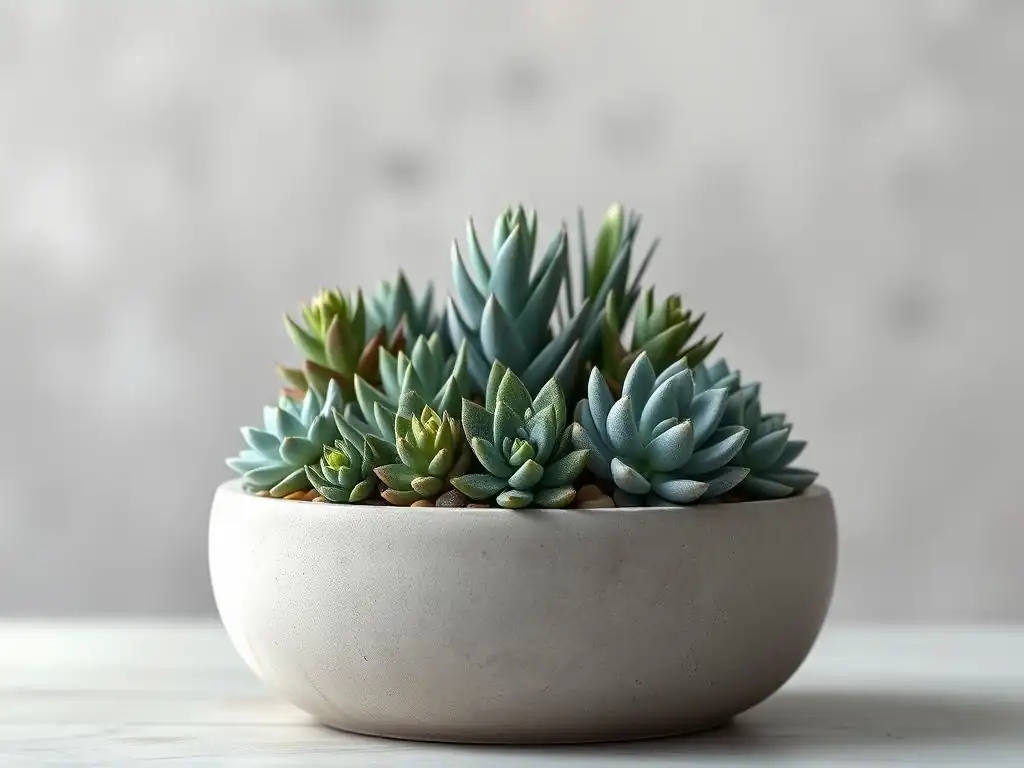
This section delves into the core principles of designing a visually stunning yet low-maintenance succulent garden. Achieving this balance requires careful consideration of several key factors, from initial planning to the final planting scheme. We'll explore how to create a harmonious and thriving succulent landscape that minimizes your workload while maximizing its aesthetic impact. Remember, the beauty of a low maintenance succulent garden design lies in its effortless elegance.
Planning Your Low-Maintenance Succulent Garden Layout
Before you even think about purchasing succulents, meticulous planning is crucial for a successful low-maintenance succulent garden. This involves assessing your site's conditions and envisioning the overall layout. Consider these crucial steps:
- Sunlight Exposure: Succulents thrive in full sun (at least 6 hours daily), so choose a location accordingly. Note the sun's path throughout the day to avoid areas of harsh afternoon shade or intense midday heat, which can scorch delicate varieties. Partial shade might be suitable for certain succulents, but full sun is ideal for most.
- Soil Drainage: Excellent drainage is paramount. Succulents are susceptible to root rot in poorly draining soil. Amend heavy clay soils with copious amounts of organic matter like perlite, pumice, or coarse sand to improve drainage significantly. Consider raised beds or containers for optimal control over drainage.
- Space Considerations: Plan the spacing between your succulents carefully. Allow for growth, considering the mature size of each variety. Overcrowding can lead to competition for resources and increased susceptibility to pests and diseases. A well-spaced arrangement enhances air circulation, preventing fungal issues. Use a garden layout tool or draw a plan on paper to visualize the final look, ensuring that the mature sizes of your chosen plants will fit harmoniously.
- Water Management: A well-designed low maintenance succulent garden requires smart irrigation. Consider installing a drip irrigation system for precise watering, minimizing water waste and ensuring even moisture distribution. Alternatively, a soaker hose can also be effective, but ensure it doesn't leave the soil excessively damp. Avoid overhead watering, which can lead to fungal issues.
Incorporating Different Succulent Textures and Colors for Visual Appeal
The secret to a captivating succulent garden lies in the artful combination of textures and colors. Monotony is the enemy of a visually interesting landscape. By incorporating diverse succulents, you can create depth and visual interest.
Consider these elements:
- Texture Variety: Combine succulents with smooth, waxy leaves (like Echeveria) with those exhibiting rough, spiky, or fuzzy textures (like Sempervivum or Sedum). This contrast creates a dynamic and engaging visual experience. The interplay of different textures adds a three-dimensional quality to your design.
- Color Palette: Select succulents with a range of colors, from blues and greens to pinks, purples, and reds. Consider the color wheel to create complementary or contrasting color schemes. Using a combination of warm and cool tones can create a balanced and visually appealing garden. For example, a mix of silvery-blue Sedum and vibrant pink Echeveria can be stunning.
- Foliage Shape: The shapes of succulent leaves also contribute to visual interest. Pair rosettes with columnar or trailing varieties to add variety and architectural interest. The interplay of different shapes and sizes adds another layer of complexity to your garden's design.
Using Repetition and Rhythm in Your Succulent Garden Design
Repetition and rhythm are fundamental design principles that create a sense of harmony and visual flow in any garden, including a low-maintenance succulent garden. These elements are essential for achieving a polished and aesthetically pleasing result.
- Repetition: Repeating specific succulents or groupings of succulents throughout the garden creates a sense of unity and cohesion. This doesn't mean planting the exact same thing everywhere, but rather using similar plants or color schemes in different areas to tie the design together. For instance, repeating a specific Echeveria variety in several key locations can create a pleasing visual rhythm.
- Rhythm: Rhythm in garden design refers to the visual flow created by the arrangement of plants. This can be achieved by arranging succulents in alternating patterns, creating visual lines, or using varying heights and sizes to guide the eye. For example, a sequence of low-growing succulents alternating with taller ones can create a dynamic visual rhythm. Consider using curves and gentle slopes to enhance the flow and visual appeal. Avoid harsh, straight lines, which can look overly structured and less natural.
By thoughtfully incorporating these design principles, you can create a low-maintenance succulent garden that is both visually striking and easy to maintain, a testament to the beauty of simplicity and careful planning. Remember that even a small, carefully planned succulent garden can be a stunning feature, showcasing the beauty and resilience of these amazing plants.
The Importance of Focal Points in Low-Maintenance Succulent Gardens
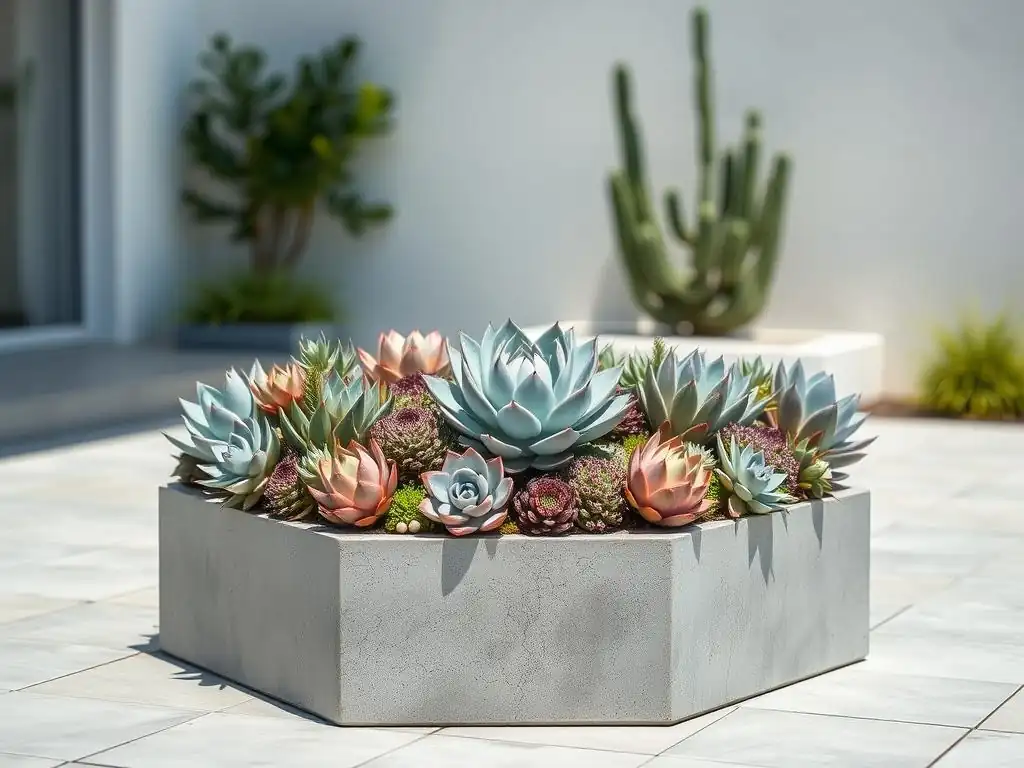
Focal points are crucial in any garden design, but they're especially important when creating a low-maintenance succulent garden. A well-placed focal point draws the eye, creating visual interest and preventing the garden from feeling monotonous or flat. In a succulent garden, where the plants themselves might be relatively small, a strong focal point provides a sense of anchor and scale. This is particularly relevant for low-maintenance designs, as we often want to minimize the amount of intervention required to maintain visual appeal.
Consider the impact of a striking, larger succulent variety as a focal point. Perhaps a majestic Agave americana or a uniquely shaped Echeveria positioned strategically in the center or at a corner of the garden. This single, impactful plant instantly elevates the overall design. The surrounding smaller succulents will then act as a supporting cast, complementing the main attraction without overwhelming it.
Furthermore, a focal point doesn't always need to be a single plant. A strategically placed rock formation, a small, decorative birdbath, or even a uniquely colored piece of garden art can effectively serve as a focal point. The key is to choose an element that complements the overall style of your low-maintenance succulent garden and provides a clear visual anchor. Remember, the goal is to create a space that is both aesthetically pleasing and requires minimal upkeep.
A thoughtfully chosen focal point contributes significantly to achieving this balance. By directing the viewer's gaze, it minimizes the need for constant adjustments or additions to maintain visual harmony. The focal point provides a structured foundation that the rest of the design complements organically.
The choice of focal point directly impacts the overall perception of the garden's size and scale. A larger, bolder focal point can make a smaller garden appear more expansive, while a smaller, more delicate focal point can add a sense of intimacy to a larger space. Experiment with different options to find the perfect balance for your specific garden and its surrounding environment. Remember to consider the mature size of your chosen focal point to ensure it remains proportionally balanced as your succulents grow.
Choosing the Right Succulents for a Low-Maintenance Design
Selecting the appropriate succulents is paramount to achieving a truly low-maintenance garden. Different succulents have varying needs regarding sunlight, watering, and soil conditions. Choosing varieties that thrive in similar conditions simplifies care significantly. For a truly low-maintenance approach, focus on drought-tolerant succulents known for their resilience and adaptability. Researching the specific requirements of each succulent before planting is crucial to prevent future problems.
For example, Sedum, Echeveria, and Sempervivum are excellent choices for beginners due to their adaptability and low water requirements. These succulents are known for their ability to withstand periods of drought and require minimal intervention once established. Conversely, some succulents, like certain Haworthia species, might require slightly more attention, potentially making them less suitable for a completely hands-off approach.
Furthermore, consider the mature size of the succulents. Overcrowding can lead to competition for resources and increase the risk of disease. Spacing plants appropriately allows for adequate airflow and sunlight penetration, promoting healthy growth and minimizing the need for intervention. Proper spacing also reduces the frequency of pruning or thinning, contributing to the overall low-maintenance nature of the garden. Planning for the mature size of each succulent is essential for creating a balanced and harmonious design that requires minimal upkeep.
Creating Visual Harmony Through Color and Texture
The visual appeal of a low-maintenance succulent garden is significantly enhanced by careful consideration of color and texture. The diverse range of colors and textures available within the succulent family allows for the creation of stunning and harmonious designs. Strategic use of color can create a sense of depth and dynamism, while texture adds visual interest and complexity.
Think about incorporating a variety of colors, from the soft greens of Sedum to the vibrant blues of Graptopetalum and the striking reds of Sedum rubrotinctum. However, avoid overwhelming the eye with too much contrast. A balanced palette, with a few dominant colors and several accent colors, creates a more cohesive and visually appealing garden. Creating a color scheme beforehand can be incredibly helpful in achieving this balance.
Texture plays a vital role in adding depth and visual interest. Combine smooth, fleshy leaves with rough, spiky textures for a dynamic and engaging display. The interplay of textures enhances the overall aesthetic appeal, making the garden more visually captivating. Consider the contrast between the smooth, almost waxy leaves of Echeveria and the textured, almost hairy leaves of certain Sempervivum varieties. The combination of contrasting textures creates visual depth and prevents the garden from appearing flat or monotonous. This careful selection of textures adds to the overall visual richness of the design.
Enhancing Your Low-Maintenance Succulent Garden Design
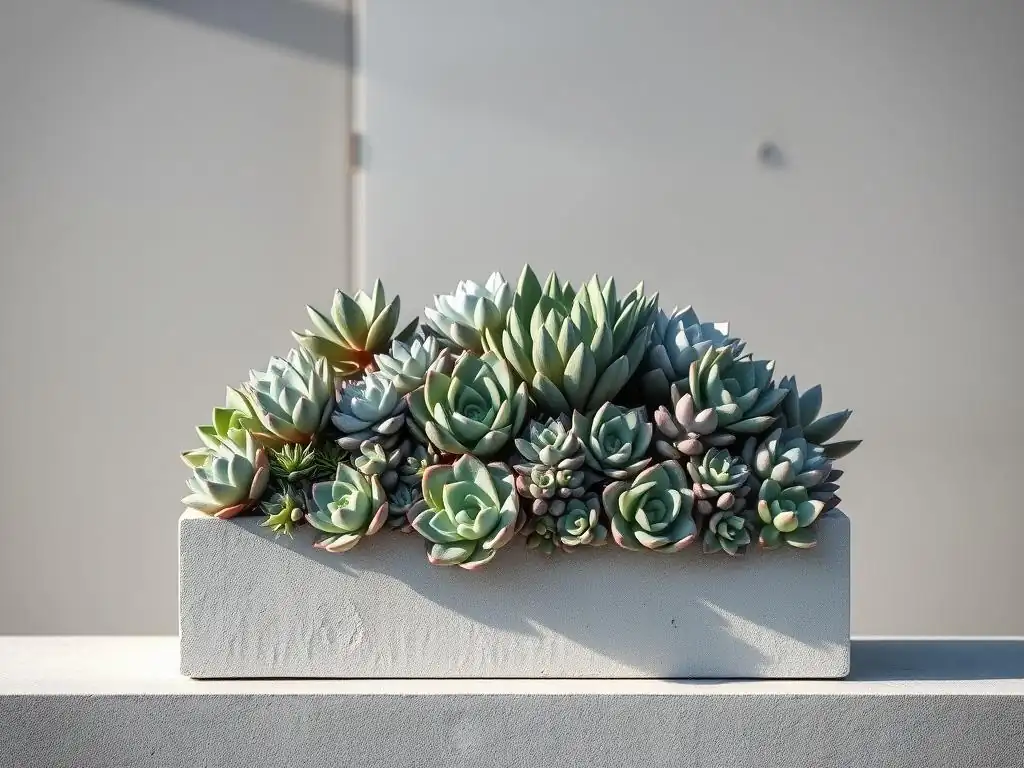
This section delves into practical strategies to elevate the aesthetic appeal of your low-maintenance succulent garden without compromising its ease of care. We'll explore how strategic additions can transform a simple planting into a visually stunning and harmonious landscape. Remember, even a low-maintenance garden benefits from thoughtful design choices. The key is to select elements that complement the succulents' natural beauty while minimizing upkeep.
Adding Accents and Architectural Elements to Your Succulent Garden
Adding architectural elements and accents can significantly enhance the visual interest of your low-maintenance succulent garden. These elements provide structure, contrast, and a focal point, drawing the eye and creating a more dynamic composition. Think of these additions as the "jewelry" for your succulent garden.
Consider incorporating the following:
- Ornamental Gravel: Different colored gravels add texture and visual appeal. Consider using a blend of sizes and colors for a more natural look. For instance, a combination of fine white gravel with larger, darker stones can create a striking contrast against the succulents' vibrant hues.
- Stepping Stones: Strategically placed stepping stones not only improve accessibility within the garden but also add a touch of elegance. Choose stones that complement the overall color palette and style of your design.
- Small Sculptures or Statues: Subtle sculptures or statues, especially those made from weather-resistant materials like stone or metal, can provide a focal point and add a unique artistic touch. Keep the size proportionate to the garden to avoid overwhelming the succulents.
- Metal or Wooden Planters: These offer a stylish alternative to traditional pots and can add a modern or rustic touch, depending on the material and design. Choose materials that can withstand the elements and won't require much maintenance.
The careful placement of these elements is crucial. Avoid overcrowding. Allow ample space between accents to let the succulents shine. Experiment with different arrangements to find what works best for your garden's size and style. Remember, less is often more when it comes to achieving a balanced and harmonious design. A few well-chosen accents can make a significant impact.
Choosing the Right Pots and Containers for Low-Maintenance Succulents
Choosing the right pots and containers is paramount for a thriving and visually appealing low-maintenance succulent garden. The container's material, size, and drainage are all vital factors influencing the succulents' health and the overall aesthetic of your design.
Here's a breakdown of key considerations:
- Drainage: Excellent drainage is non-negotiable for succulents. Ensure that any container you choose has drainage holes to prevent root rot. Terracotta pots are excellent choices due to their porous nature, which allows for better airflow and water evaporation.
- Material: Terracotta, ceramic, stone, and even repurposed metal containers can all work well. However, consider the material's susceptibility to extreme temperatures and potential for leaching chemicals into the soil.
- Size and Shape: Select container sizes appropriate for the mature size of your chosen succulents. Overcrowding can lead to competition for resources and increased susceptibility to disease. Varying pot shapes and sizes adds visual interest to your arrangement.
- Color and Texture: The color and texture of your containers can significantly impact the overall aesthetic. Neutral colors often complement succulents well, allowing their vibrant colors to stand out.
Consider creating a varied display by using a mix of pot sizes, shapes, and materials. This creates a more dynamic and visually interesting arrangement than using uniform containers. For example, a combination of small terracotta pots, larger stone troughs, and a few unique metal containers can result in a visually captivating low maintenance succulent garden design. Remember to always prioritize proper drainage regardless of the container material.
Integrating Rocks and Gravel for a Natural Look in Low-Maintenance Succulent Gardens
The strategic use of rocks and gravel significantly contributes to the overall success and aesthetic appeal of a low-maintenance succulent garden. These elements not only enhance the visual landscape but also play a crucial role in improving soil drainage and reducing weed growth. A well-integrated rock and gravel design can transform a simple succulent planting into a sophisticated and natural-looking garden.
Here's how to effectively use rocks and gravel:
- Types of Rocks and Gravel: A variety of textures and colors can be employed. Smooth river rocks, angular volcanic rocks, and various colored gravels offer diverse options. Consider contrasting colors and sizes for visual interest. For example, a bed of light-colored gravel punctuated by darker, larger stones can create a stunning effect.
- Placement and Arrangement: Rocks can be used as edging, pathways, or as individual accent pieces within the planting area. Gravel can form a mulch layer, suppressing weeds and improving drainage. Consider creating different levels and textures using a combination of rocks and gravel.
- Maintaining a Natural Look: Avoid overly structured or uniform arrangements. A more natural, slightly haphazard approach often looks more appealing. Mimic the patterns found in natural landscapes for a more organic feel.
- Size and Scale: Choose rock and gravel sizes that are proportionate to the size of your succulents and containers. Overly large rocks can overwhelm smaller succulents, while tiny pebbles might get lost in a larger planting.
Employing rocks and gravel effectively adds to the low-maintenance aspect of your garden. The gravel acts as a natural mulch, retaining moisture while preventing weed growth and improving drainage. The rocks provide visual interest and stability, creating a visually pleasing and practical addition to your succulent garden design. Remember to choose materials that complement the overall color scheme and style of your garden.
Maintaining Your Low-Maintenance Succulent Garden: Simple Tips and Tricks
Maintaining a thriving low-maintenance succulent garden doesn't require constant attention, but a few simple practices can significantly enhance its longevity and beauty. Regular, yet infrequent, care ensures your succulents remain healthy and vibrant, contributing to the overall aesthetic harmony of your design. Think of it as mindful gardening – small actions with big results.
One crucial aspect is watering wisely. Overwatering is a common mistake that can lead to root rot, a significant problem for succulents. Instead of following a strict schedule, check the soil moisture before watering. The soil should be completely dry to the touch before you provide any supplemental water.
During the dormant season (typically winter), reduce watering frequency even further, perhaps to once a month or less, depending on your climate and the specific succulent varieties. Remember, these plants are adapted to drought conditions; infrequent, deep watering is far more beneficial than frequent shallow watering. Consider using a moisture meter to gauge soil dryness accurately, especially when you are new to succulent care.
Another essential element is proper sunlight exposure. Most succulents thrive in bright, indirect sunlight. While they can tolerate some direct sun, prolonged exposure, especially during the hottest parts of the day, can scorch their leaves. Observe your succulents carefully. Signs of sunburn include discoloration or browning of the leaves. If you notice these signs, consider providing some afternoon shade, perhaps by using shade cloth or strategically placing taller plants nearby. Proper sunlight management is key to maintaining the vibrant colors and healthy growth of your succulents.
Finally, occasional pruning and deadheading will keep your succulent garden looking its best. Remove any dead or decaying leaves or stems to prevent the spread of disease. Pruning can also help maintain the shape and size of your plants, preventing them from becoming leggy or overgrown. This simple task enhances the overall aesthetic appeal of your low-maintenance design, ensuring it remains a focal point of beauty in your outdoor space.
Remember to use clean, sharp tools to minimize the risk of infection. A small pair of hand shears is ideal for this task. These small but effective maintenance practices contribute to a healthy and visually appealing succulent garden that requires minimal effort but delivers maximum impact. Enjoy the fruits of your labor!
Inspiring Low-Maintenance Succulent Garden Ideas
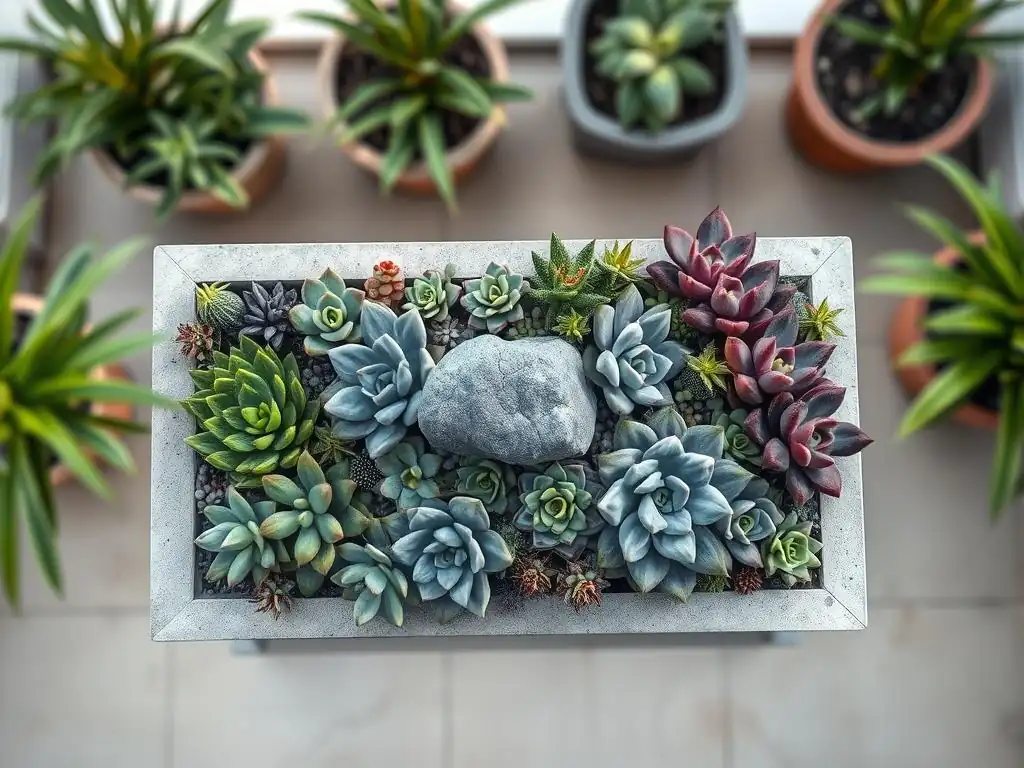
This section explores diverse design approaches for creating stunning, low-maintenance succulent gardens. We'll delve into specific design concepts, offering practical tips and considerations for various spaces and aesthetics. Remember, the key to a thriving low-maintenance succulent garden lies in careful plant selection, appropriate soil, and sufficient sunlight. Let's cultivate a space that's both beautiful and effortlessly manageable.
Small Space Succulent Garden Design Ideas for Apartments and Balconies
Even the smallest balconies or windowsills can become havens for succulents. Vertical gardening is a fantastic solution for maximizing space while minimizing footprint. Consider using wall-mounted planters, hanging baskets, or tiered stands to create a visually appealing and space-saving succulent arrangement.
For example, a small balcony could feature a combination of trailing succulents like Sedum morganianum (Burro's Tail) cascading from hanging baskets, complemented by upright varieties like Echeveria in smaller pots arranged on a tiered stand. This creates layers and visual interest without overwhelming the limited space. Choosing compact succulents, such as Haworthia or Sempervivum, further enhances space efficiency.
Remember to prioritize drainage. Use pots with drainage holes and a well-draining succulent potting mix to prevent root rot, a common problem for container-grown succulents. Regular, but infrequent, watering is crucial – allow the soil to dry completely between waterings. A moisture meter can be a helpful tool to avoid overwatering.
The use of a variety of textures and colors can also elevate the aesthetic appeal of your small-space succulent garden. Combine the smooth leaves of Echeverias with the spiky texture of Agave or the fuzzy leaves of Dudleya. Incorporate a variety of colors to create a dynamic and engaging display.
Modern Minimalist Succulent Garden Design Concepts
Minimalist succulent gardens emphasize clean lines, simple forms, and a limited color palette. This design style prioritizes the inherent beauty of the succulents themselves, allowing their unique shapes and textures to take center stage.
A modern minimalist succulent garden might feature a single, large specimen of a striking succulent, such as an Agave americana, positioned prominently in a sleek, geometric pot. The pot itself could be a statement piece, perhaps in a neutral color like white or gray, complementing the plant's natural beauty. Gravel or small stones can be used as mulch, further enhancing the clean lines of the design.
Alternatively, a grouping of succulents in various shades of green and gray, planted in uniform pots, can create a sophisticated and understated look. The use of repeating elements, such as identical pots or a consistent spacing between plants, reinforces the minimalist aesthetic.
Consider incorporating clean, modern materials into the design, such as concrete, metal, or glass. These materials complement the succulents' natural texture and create a visually harmonious landscape. The overall effect should be one of calm, simplicity, and understated elegance. Avoid overcrowding; less is more in a minimalist design.
Rustic and Earthy Succulent Garden Design Concepts
Rustic succulent gardens evoke a sense of natural, untamed beauty. This style often incorporates natural materials, such as reclaimed wood, stone, and terracotta pots, creating a warm and inviting atmosphere.
For a rustic look, consider using terracotta pots of varying sizes and shapes, arranged in a seemingly casual manner. This creates a more organic and less formal look compared to a modern minimalist design. The use of natural stone or gravel as mulch further enhances the rustic aesthetic. Incorporate weathered wood elements, such as old crates or pallets, to add texture and visual interest.
Planting succulents in groupings that mimic their natural habitats can create a more organic and realistic look. This might involve placing larger succulents at the back of the arrangement and smaller ones in the front, mimicking the layering found in nature.
Adding natural elements, such as driftwood or rocks, can further enhance the rustic feel. The color palette should be warm and earthy, incorporating browns, greens, and terracotta tones. This style celebrates the natural beauty of succulents and their ability to thrive in less-than-perfect conditions, echoing the charm of a wild, untamed garden. The overall effect should be one of relaxed, natural beauty.
Vertical Succulent Garden Designs for Limited Space
Vertical succulent gardens are a fantastic solution for those with limited space but a big desire for lush greenery. These designs maximize vertical space, transforming walls, fences, or even unused corners into vibrant displays. The beauty of a vertical succulent garden lies not only in its space-saving capabilities but also in its visual appeal. The cascading effect of succulents spilling over the edges creates a dynamic and eye-catching feature.
One popular method involves using repurposed materials like wooden pallets or slatted frames. These can be easily customized to fit any space and aesthetic. Simply attach pockets or containers to the frame, ensuring adequate drainage, and plant your succulents. This approach allows for creative freedom; you can vary the succulent types and their arrangement to achieve a unique look. Consider using a mix of textures and colors to enhance the visual impact. For instance, contrasting the smooth, fleshy leaves of Echeveria with the spiky foliage of Sedum creates visual interest.
Another effective technique utilizes hanging planters or wall-mounted troughs. This option works particularly well for smaller succulents or those that trail gracefully. Choose planters made from materials that are both aesthetically pleasing and durable, such as terracotta, metal, or even recycled containers. Remember to select planters with drainage holes to prevent root rot, a common problem with succulents.
When arranging hanging planters, consider the overall composition, ensuring a balanced and harmonious look. Grouping similar succulents together can create a sense of unity, while strategically placing contrasting colors and textures adds visual excitement. The key is to experiment and find what works best for your space and personal style.
For a more sophisticated approach, consider a living wall system. While these systems may require a slightly larger initial investment, they offer a truly stunning and low-maintenance vertical garden solution. Living wall systems often utilize specialized panels or modules designed to hold individual plants, ensuring proper drainage and airflow. These systems are typically pre-fabricated and easy to install, making them a convenient option for those seeking a professional-looking result.
However, even with living wall systems, careful selection of drought-tolerant succulents is crucial for long-term success. Regular monitoring and occasional watering are still necessary, but the overall maintenance remains significantly lower compared to traditional gardens. By carefully selecting succulents suitable for vertical growth and ensuring proper drainage and sunlight exposure, you can create a breathtaking vertical succulent garden that brings both beauty and tranquility to even the smallest of spaces.
Case Study: A Low-Maintenance Succulent Garden Transformation
This case study details the successful transformation of a neglected garden space into a thriving, low-maintenance succulent garden. We'll examine the initial conditions, the design process emphasizing low-maintenance succulent garden design, and the practical implementation. The result showcases how careful planning and the right succulent choices can create a beautiful and sustainable landscape requiring minimal upkeep. This example perfectly illustrates the principles of low-maintenance landscaping using succulents, a popular choice for xeriscaping projects.
The Initial Garden State
The initial garden was a neglected area approximately 10ft x 15ft, overrun with weeds and exhibiting poor soil drainage. The soil was compacted clay, unsuitable for most plants, let alone the drought-tolerant succulents we planned to use. There was minimal sunlight penetration due to overgrown shrubs and trees bordering the space. The overall aesthetic was unkempt and lacked any defined structure or visual appeal.
A preliminary soil test revealed a pH level of 7.5, slightly alkaline, requiring amendment for optimal succulent growth. The existing irrigation system was non-functional, highlighting the need for a new, efficient, and water-wise solution for long-term maintenance. Photographs documented the initial state, showcasing the challenges we faced in transforming this space. This initial assessment was crucial in developing a robust and effective low maintenance succulent garden design.
Design Plan and Succulent Selection
Our design plan focused on creating a visually appealing and functional space that minimized maintenance. We incorporated several key design elements to achieve this. First, we maximized sunlight exposure by strategically removing the encroaching shrubs and trees, creating a sun-drenched area ideal for succulents. Next, we amended the soil with organic compost and perlite to improve drainage and aeration, crucial factors for preventing root rot – a common problem in succulent cultivation. The amended soil brought the pH closer to the ideal range of 6.0-7.0.
The succulent selection was critical to the success of the low-maintenance strategy. We chose a diverse range of succulents known for their drought tolerance and low maintenance requirements. This included:
- Sedum: Various Sedum species were selected for their diverse textures, colors, and flowering habits. Their low-water needs and ability to thrive in full sun made them perfect for this project.
- Echeveria: These rosette-forming succulents added visual interest with their striking colors and shapes. Their relatively slow growth rates meant less frequent pruning and maintenance.
- Sempervivum (Hens and Chicks): These rapidly spreading succulents were used as ground cover, effectively suppressing weed growth and reducing the need for weeding.
- Agave: Several smaller agave varieties added architectural interest and texture, contributing to the overall design harmony of the low-maintenance succulent garden.
This careful selection ensured a visually stunning garden that would require minimal intervention. The planting scheme incorporated a mixture of sizes and textures for a dynamic and layered effect, further enhancing the overall aesthetic appeal.
Implementation and Planting Process
The implementation phase involved several steps. First, we prepared the soil by removing weeds, tilling the existing clay soil, and incorporating the compost and perlite amendment. This improved the soil structure, drainage, and nutrient content, creating an ideal environment for the succulents. Next, we installed a drip irrigation system, providing targeted watering to the plants while conserving water. This automated watering system contributes significantly to the low-maintenance aspect of the design.
Planting followed a carefully planned scheme, ensuring optimal spacing for mature plant growth. We used a combination of planting methods, including individual planting for larger specimens and mass planting for smaller succulents to create a sense of density and texture. After planting, we applied a layer of gravel mulch around the base of the plants to further conserve moisture, suppress weed growth, and enhance the visual appeal.
Regular monitoring and occasional pruning, primarily for aesthetic purposes, were integrated into the ongoing maintenance plan. The final result demonstrates a beautiful and thriving low-maintenance succulent garden, a testament to the power of thoughtful design and the right plant selection. The overall project showcased how even a challenging garden space can be transformed into a low-maintenance oasis with the right approach and a focus on low maintenance succulent garden design.
Results and Maintenance After One Year
One year after the garden's completion, the transformation was remarkable. The initially barren patch of land was now a vibrant tapestry of textures and colors, showcasing the resilience and beauty of succulents. The carefully chosen varieties thrived in the Mediterranean climate, requiring minimal intervention. We observed a significant reduction in water consumption compared to the previous landscaping, a key success factor in achieving a truly low-maintenance design. The self-sustaining nature of the succulent garden was clearly evident.
The maintenance involved minimal weeding, primarily targeting opportunistic annuals that attempted to establish themselves. Occasional pruning of a few overly exuberant species ensured the overall balance and aesthetic appeal were maintained. No significant pest or disease issues were encountered, highlighting the inherent hardiness of the selected succulents. This reinforces the low-maintenance aspect of the design; the garden largely managed itself, requiring only occasional, light attention.
The time investment was significantly less than what was previously spent on the high-maintenance traditional garden. This freed up valuable time and resources, demonstrating a practical and sustainable solution for low-maintenance landscaping. The overall health and vibrancy of the succulents exceeded expectations, proving the effectiveness of the design in creating a thriving, low-maintenance succulent garden. The reduction in water usage alone made the project a resounding success.
Frequently Asked Questions
What makes succulents ideal for low-maintenance gardens?
Succulents are naturally drought-tolerant, requiring minimal watering. Their slow growth also reduces the frequency of pruning and repotting, making them perfect for busy gardeners. They are also relatively pest-resistant.
What are some key design elements for a low-maintenance succulent garden?
Consider using drought-tolerant companion plants alongside succulents. Choose a well-draining soil mix and a sunny location. Group succulents with similar water needs together for easier care.
How can I create a visually appealing low-maintenance succulent garden?
Use a variety of textures and colors in your succulent selection. Incorporate interesting rocks, stones, and gravel for visual interest and improved drainage. Consider the overall shape and flow of your garden design.
What are some easy-to-care-for succulent varieties for beginners?
Echeveria, Sedum, and Sempervivum are excellent choices for beginners due to their hardiness and adaptability. These succulents are known for their tolerance to neglect.
How often should I water a low-maintenance succulent garden?
Watering frequency depends on your climate and soil, but generally, less is more. Allow the soil to dry completely between waterings, avoiding overwatering, which can lead to root rot.
Final Reflection: Cultivating Tranquility Through Succulent Design
The enduring appeal of low-maintenance succulent gardens lies not just in their striking beauty, but in their ability to offer a sanctuary of calm amidst the chaos of modern life. These resilient plants, thriving with minimal intervention, symbolize a powerful message of sustainable living and mindful design, a message increasingly resonant in our fast-paced world. Their quiet strength speaks volumes about the beauty of simplicity and the power of embracing imperfection.
The impact of incorporating nature, even in small doses, into our urban environments cannot be overstated. These miniature ecosystems, carefully curated yet effortlessly elegant, offer a tangible connection to the natural world, a vital antidote to the digital overload that permeates our daily lives. The glory of gardening: hands in the dirt, head in the sun, heart with nature. To nurture a garden is to feed not just the body, but the soul.
This quote perfectly captures the profound sense of peace and fulfillment that cultivating a succulent garden can bring, a feeling that extends far beyond the aesthetic pleasure.
Consider the lessons learned within these pages: the art of thoughtful composition, the importance of understanding your climate, and the surprising resilience of these often-underestimated plants. Now, I invite you to take this knowledge and cultivate your own haven of tranquility. Choose a sunny spot, select your favorite succulents, and begin to create a space that nourishes not only your garden, but also your spirit. Let the quiet beauty of your low-maintenance succulent garden be a constant reminder of the simple joys life has to offer.
Unleash Your Inner Gardener: Design a Thriving Succulent Oasis
Thank you for exploring the art of low-maintenance succulent gardening! We hope you've discovered the beauty and simplicity of creating a harmonious succulent haven. Now it's time to put your knowledge into practice.
- Design your dream succulent garden: Sketch your ideal succulent landscape. Consider the location, sunlight, and the types of succulents you'd like to include. Let your creativity flourish!
- Share your succulent journey: Post a picture of your design or succulent collection on social media using #SucculentEssentials to connect with other enthusiasts!
- Learn more: Explore our free resources on succulent care at SucculentEssentials.org (link to be inserted).
Ready to transform your space into a thriving succulent paradise? What unique design element will be the focal point of your garden?