
Unlocking Potential: Design Principles for LowCare Succulent Gardens

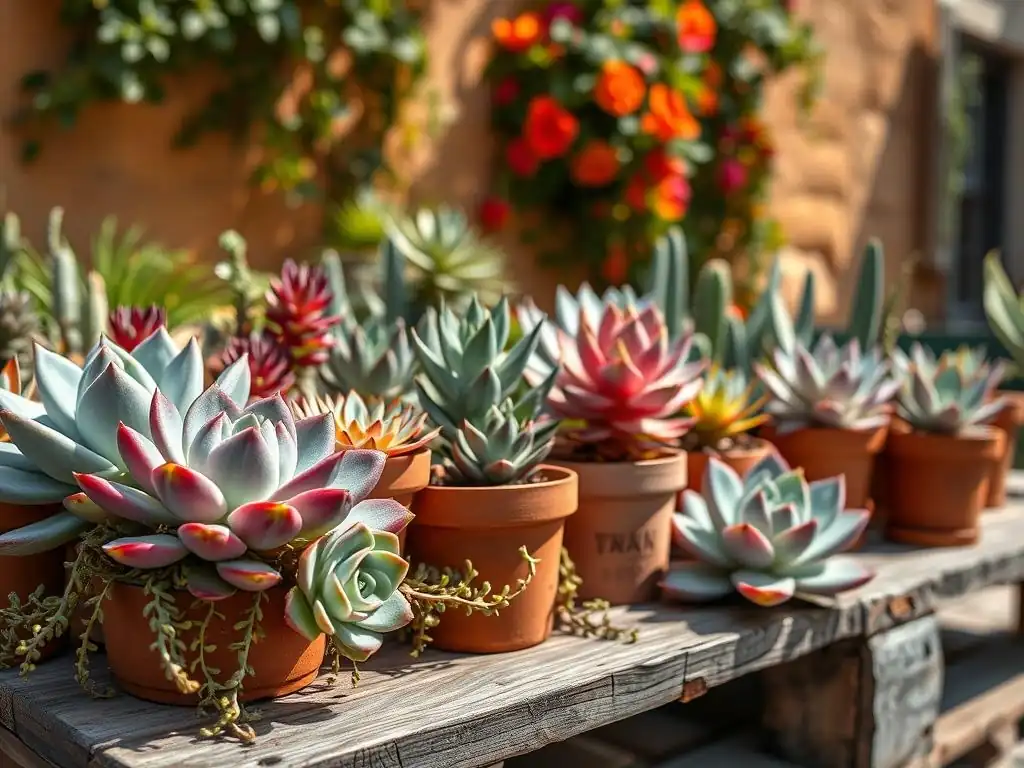
Welcome to SucculentEssentials.org, where the thriving world of succulents awaits! Are you ready to unlock the secrets to effortlessly beautiful, low-maintenance succulent garden design? Forget the fuss – we'll show you how to create stunning outdoor landscapes bursting with these resilient plants, requiring minimal effort and maximum impact. Discover the art of xeriscaping and learn how to craft a flourishing succulent oasis that will be the envy of your neighbors. Dive in and begin your journey to a vibrant, low-care succulent paradise!
- Designing Your Dream Low-Maintenance Succulent Garden
- Creating a Thriving Low-Maintenance Succulent Landscape
- Incorporating Design Elements into Your Low-Maintenance Succulent Garden
- Maintaining Your Low-Maintenance Succulent Garden: Simple Tips and Tricks
- Inspiration: Low-Maintenance Succulent Garden Ideas and Examples
- Resources for Your Low-Maintenance Succulent Garden Journey
-
Frequently Asked Questions
- What makes succulents ideal for low-maintenance garden design?
- What are some key design principles for a low-maintenance succulent garden?
- How can I create a visually appealing low-maintenance succulent garden?
- What are some common mistakes to avoid when designing a low-maintenance succulent garden?
- What are some resources available to help me design my low-maintenance succulent garden?
- Final Reflection: Cultivating Resilience, One Succulent at a Time
- Unleash Your Inner Green Thumb: Design Your Dream Succulent Garden!
Designing Your Dream Low-Maintenance Succulent Garden
Succulents, with their striking beauty and remarkable resilience, are the perfect choice for creating stunning yet low-maintenance outdoor landscapes. This guide delves into the key design principles for crafting a thriving succulent garden that requires minimal upkeep, maximizing your enjoyment while minimizing your workload. We’ll explore choosing the ideal location, selecting the right succulents for your climate, and understanding the crucial role of soil and drainage in ensuring your garden's long-term health and vibrancy.
Creating a low-maintenance succulent garden not only saves you time and effort but also contributes to water conservation, making it an environmentally friendly choice as well. This guide will help you unlock the potential of these fascinating plants and transform your outdoor space into a beautiful, low-maintenance oasis. Let's dive into the specifics of designing your dream low-maintenance succulent garden, focusing on smart choices that lead to a flourishing, resilient landscape.
Choosing the Right Location for Optimal Sunlight and Drainage
The success of your low-maintenance succulent garden hinges significantly on choosing the right location. Succulents thrive in sunny spots, generally requiring at least six hours of direct sunlight daily. However, the intensity of the sun varies depending on your geographic location and the time of year. In hotter climates, some afternoon shade might be beneficial to prevent scorching, especially for more delicate varieties. Observe your garden throughout the day to identify areas that receive ample sunlight but avoid harsh, midday sun during the hottest months.
Equally crucial is the soil's drainage. Succulents are highly susceptible to root rot in poorly draining soil, which leads to waterlogging and fungal growth. Choose a location with well-draining soil, perhaps a slightly elevated area or a slope that allows for easy water runoff.
If your soil is naturally heavy clay, amending it with organic matter like perlite or coarse sand can improve its drainage significantly. Consider the natural slope of the land to ensure proper water flow away from the plants, preventing water accumulation around their roots. Remember, proper drainage is paramount for a healthy and thriving succulent garden.
Selecting Drought-Tolerant Succulents for Your Climate
Choosing the right succulents is fundamental to creating a low-maintenance garden. Different succulents have varying tolerances to sunlight, temperature, and humidity. Research the specific needs of each succulent variety you plan to include, ensuring they are well-suited to your local climate. Consider consulting local nurseries or gardening experts for recommendations tailored to your specific region. Understanding your USDA Plant Hardiness Zone is crucial in making informed plant selections.
Variety Selection for Low-Maintenance Gardens
For a truly low-maintenance garden, prioritize succulents known for their hardiness and adaptability. Some excellent choices include Sedum, Echeveria, Sempervivum (hens and chicks), and Agave. These varieties generally require minimal watering once established and can tolerate a range of conditions. Consider the mature size of each succulent to ensure proper spacing within your garden design. Overcrowding can lead to poor air circulation and increase the risk of fungal diseases. Plan your design carefully, taking into account the mature size of each plant to prevent future issues. A well-planned layout minimizes the need for future transplanting and maintenance.
Considering Soil Type and Drainage Requirements
The soil composition plays a vital role in the health and longevity of your succulent garden. Well-draining soil is non-negotiable. As mentioned before, heavy clay soils retain too much moisture, leading to root rot. Amend heavy clay soils with plenty of coarse sand, perlite, or pumice to improve drainage and aeration. You can even create a custom succulent potting mix by combining these materials with regular potting soil.
The ideal soil should be gritty and porous, allowing excess water to drain quickly. Regularly inspect your garden's soil to ensure it remains well-draining and aerated. Avoid overwatering, which is a common mistake that can quickly lead to the demise of your succulents. Remember, less is often more when it comes to watering succulents, especially in well-drained soil. Proper soil preparation is the foundation for a thriving and low-maintenance succulent garden.
Creating a Thriving Low-Maintenance Succulent Landscape
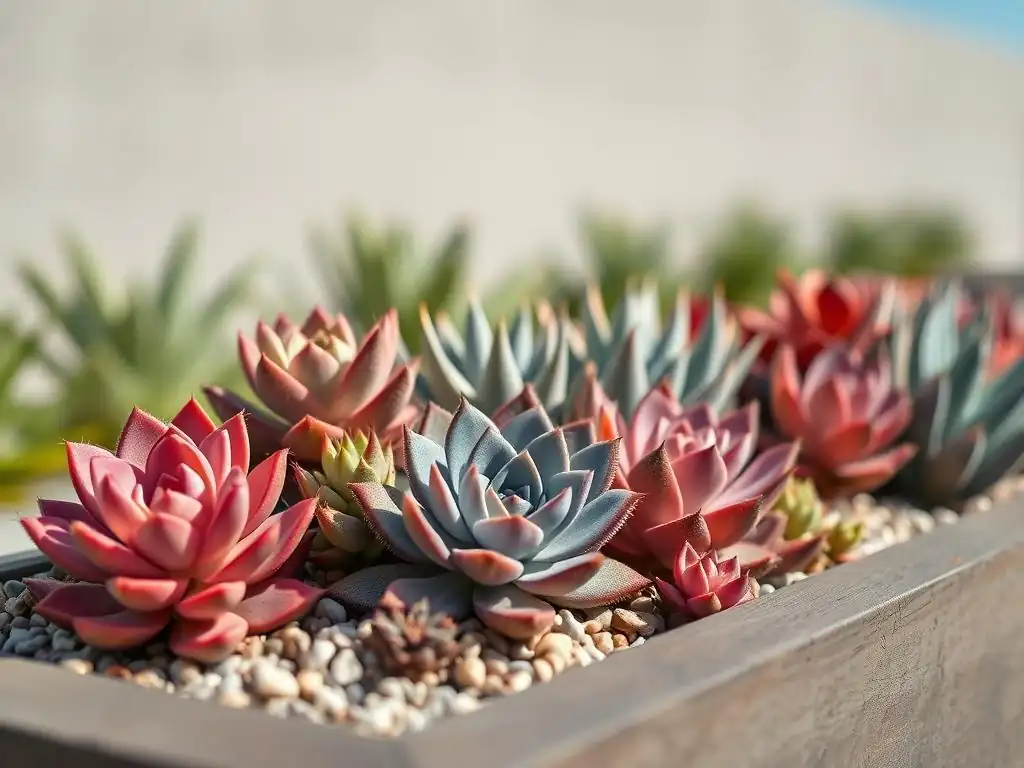
This section delves into the practical aspects of establishing a low-maintenance succulent garden that thrives with minimal upkeep. We'll explore key techniques to ensure your succulents flourish, requiring less watering, weeding, and fertilizing than traditional gardens. This approach aligns perfectly with the principles of xeriscaping, promoting water conservation and creating a beautiful, sustainable landscape. Remember, a well-planned low-maintenance succulent garden design is the cornerstone of long-term success.
Building the Foundation: Soil Preparation and Amendments
Proper soil preparation is paramount for a thriving low-maintenance succulent garden. Succulents, adapted to arid environments, require well-draining soil to prevent root rot, a common problem leading to plant death. Avoid heavy clay soils which retain too much moisture. Instead, aim for a sandy loam or a specifically formulated succulent potting mix.
Improving existing soil involves amending it with materials that enhance drainage and aeration. This might include:
- Coarse sand: Increases drainage and prevents compaction.
- Perlite: A volcanic glass that adds porosity and improves aeration.
- Pumice: Similar to perlite, providing excellent drainage and aeration.
- Compost (in moderation): Adds organic matter but use sparingly to avoid increasing water retention.
The ideal soil mix will be gritty, loose, and well-draining. A good rule of thumb is to aim for a mix that's approximately 50% inorganic material (sand, perlite, pumice) and 50% organic matter (compost, peat moss – use sparingly). Before planting, thoroughly mix the amendments into the existing soil to a depth of at least 12 inches. This ensures a consistent growing environment for your succulents. Regular soil testing can help you fine-tune the soil composition based on your specific location and plant needs. For example, a soil test might reveal a need for additional calcium or other nutrients.
Strategic Planting Techniques for Long-Term Success
The success of your low-maintenance succulent garden hinges on strategic planting techniques. Careful consideration of spacing, arrangement, and mulching will significantly reduce the need for ongoing maintenance.
Spacing and Arrangement for Visual Appeal and Growth
Proper spacing is crucial for preventing overcrowding and promoting healthy growth. Overcrowding can lead to competition for resources, increasing the risk of disease and pests. When planning your design, refer to the mature size of each succulent species. Allow adequate space for each plant to reach its full potential without impeding the growth of its neighbors. Consider using a combination of sizes and textures to create visual interest.
Taller succulents can serve as backdrops for smaller varieties, creating depth and dimension. Think about the mature size of each succulent before planting to avoid overcrowding. A well-spaced arrangement minimizes the need for later thinning or transplanting. Remember, a visually appealing and thriving low-maintenance succulent garden design takes careful planning.
Here's a simple table illustrating suitable spacing for some common succulent types:
| Succulent Type | Spacing (inches) |
|---|---|
| Sedum (Stonecrop) | 6-12 |
| Echeveria | 4-8 |
| Sempervivum (Hens and Chicks) | 2-4 |
| Agave | 12-24 |
Mulching Strategies to Conserve Moisture and Suppress Weeds
Mulching is a key element in low-maintenance succulent garden design. A layer of mulch helps retain soil moisture, reducing the frequency of watering. It also suppresses weed growth, minimizing the need for weeding. Suitable mulches for succulents include:
- Gravel: Provides excellent drainage and helps regulate soil temperature.
- Small stones: Similar to gravel, offering good drainage and weed suppression.
- Pea gravel: Adds a decorative element while providing functionality.
Avoid organic mulches like wood chips or shredded bark, as these can retain too much moisture and potentially lead to root rot. Apply a layer of mulch 1-2 inches deep around the base of your succulents, leaving some space between the mulch and the stems to prevent moisture buildup. Regularly check your mulch layer for any signs of weed growth and remove them promptly. By implementing these mulching strategies, you'll significantly reduce the time and effort required to maintain a healthy and visually appealing succulent garden. This contributes to a truly low-maintenance and sustainable landscape.
Incorporating Design Elements into Your Low-Maintenance Succulent Garden
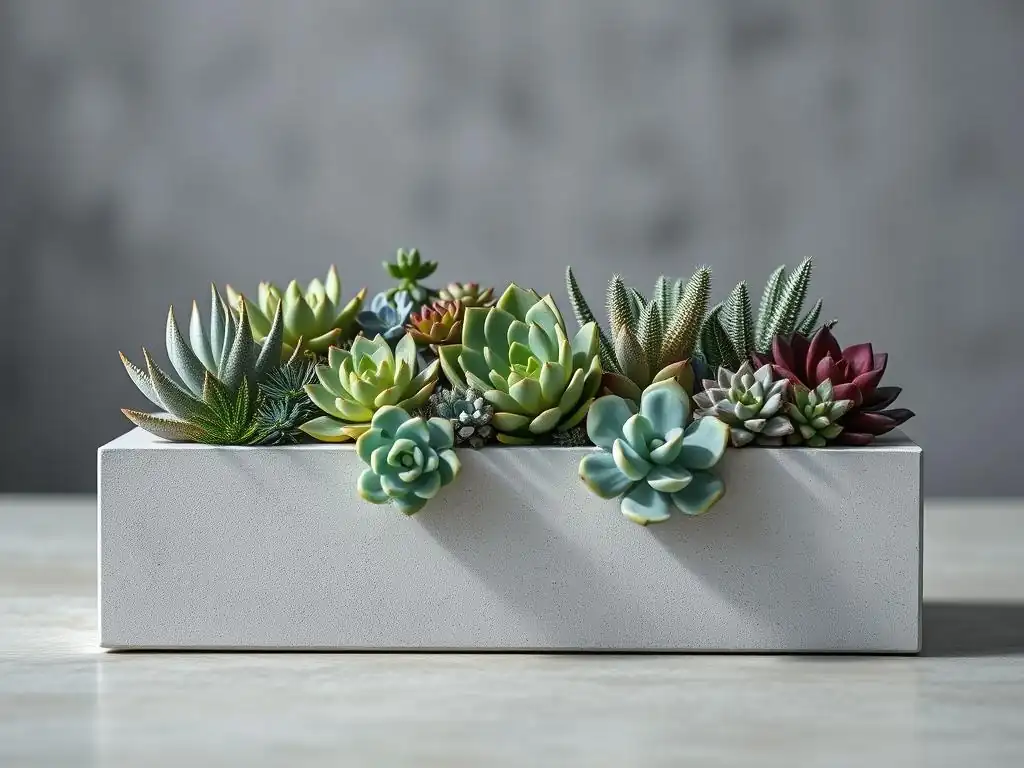
This section delves into the practical application of design principles to create a thriving and visually appealing low-maintenance succulent garden. We'll explore how to strategically incorporate various elements to maximize aesthetic impact while minimizing upkeep. Remember, the key to a successful low-maintenance succulent garden is thoughtful planning and the selection of appropriate materials and plant varieties. This approach ensures your garden remains beautiful with minimal effort, truly embodying the spirit of "lowmaintenance succulent garden design."
Adding Visual Interest with Rocks, Gravel, and Other Materials
Rocks, gravel, and other inorganic materials are invaluable in low-maintenance succulent garden design. They serve multiple purposes beyond mere aesthetics. Firstly, they help retain soil moisture, reducing the frequency of watering. Different sized rocks can create visual texture and depth. Consider using larger river rocks as focal points, medium-sized stones to define pathways, and smaller gravel to mulch around the succulents. This layering effect adds visual interest and helps suppress weeds.
For example, a garden bed featuring large, grey river rocks as a backdrop, interspersed with smaller, reddish-brown gravel around individual succulents, creates a striking contrast and visual appeal. The gravel helps to retain moisture, reducing the need for frequent watering, a key element in lowmaintenance succulent garden design. Furthermore, the choice of colors and textures can be tailored to complement the specific succulent varieties chosen.
Experiment with different shades of gravel – from white and cream to deep browns and blacks – to find the perfect match for your garden's overall aesthetic. Using contrasting colors can emphasize the vibrant hues of your succulents, enhancing their beauty.
Creating Texture and Contrast with Different Succulent Varieties
The beauty of a succulent garden lies in the diversity of textures and forms. Strategic planting of different succulent varieties is crucial for creating visual interest and a sense of depth. Think about incorporating a variety of leaf shapes, sizes, and colors. Combine rosette-forming succulents like Echeveria with columnar succulents like Sedum, and trailing succulents like Sedum morganianum for a dynamic display.
Consider the following example: A low-maintenance succulent garden could feature a central cluster of large, grey-green Echeveria 'Perle von Nürnberg' rosettes, surrounded by smaller, vibrant red Sedum 'Autumn Joy' plants. Trailing Sedum morganianum ('Burro's Tail') could cascade over the edges of the planting bed, adding a sense of movement and softness. This combination provides a delightful contrast in size, shape, and color, showcasing the diverse world of succulents.
Remember that careful selection of succulents that thrive in similar conditions is essential for a successful and low-maintenance garden. Research the specific needs of each succulent before planting to ensure their long-term health and vibrancy.
Integrating Water Features for a Unique and Peaceful Atmosphere (Optional)
While not strictly necessary, a small, strategically placed water feature can add a unique and peaceful ambiance to your low-maintenance succulent garden. A small fountain or a simple birdbath can enhance the sensory experience, introducing the soothing sound of water. The presence of water can also attract beneficial insects and birds, further enriching the garden's ecosystem.
However, it's crucial to choose water features that are appropriately sized and designed for minimal maintenance. Select a self-contained fountain that requires minimal cleaning and upkeep. Ensure that the water feature is integrated seamlessly into the overall design, complementing rather than overwhelming the succulents. For example, a small, sleek, stone fountain placed amongst larger succulents can add a touch of elegance without requiring extensive maintenance.
Remember that the goal is to create a low-maintenance garden, so choose a water feature that aligns with this objective. Prioritize practicality and ease of care when making your selection. Consider factors like material durability, water consumption, and ease of cleaning.
Maintaining Your Low-Maintenance Succulent Garden: Simple Tips and Tricks
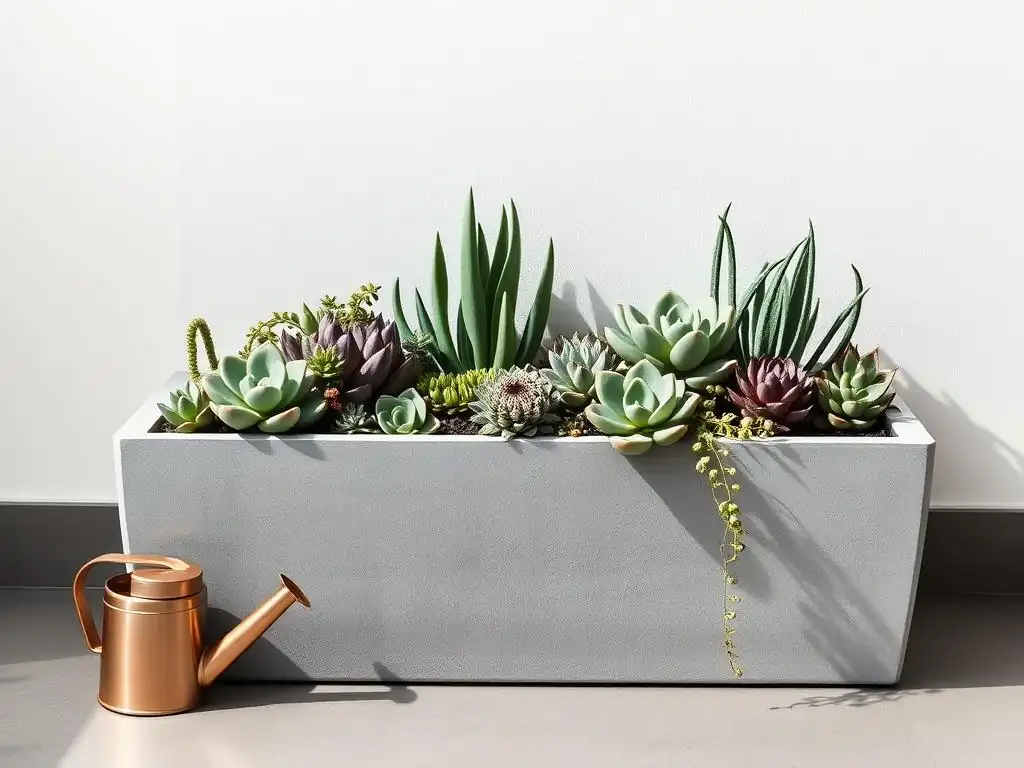
This section focuses on the ongoing care required to keep your low-maintenance succulent garden thriving. While succulents are renowned for their drought tolerance, neglecting them entirely isn't the key to success. Strategic maintenance ensures a healthy, vibrant display year-round, minimizing your workload while maximizing aesthetic appeal. Remember, even low-maintenance plants benefit from thoughtful attention. Effective upkeep translates to a beautiful, flourishing garden that requires minimal effort. Let's delve into some key strategies for maintaining your low-maintenance succulent garden design.
Watering Wisely: A Guide to Efficient Irrigation
Overwatering is the most common mistake in succulent cultivation, even in low-maintenance designs. Succulents store water in their leaves and stems, making them highly susceptible to root rot from excessive moisture. The key is infrequent, deep watering, allowing the soil to dry out completely between sessions.
The frequency of watering depends heavily on factors like climate, pot size, soil type, and the succulent species themselves. In hotter, drier climates, you might water once a week, while in cooler, more humid environments, every two to three weeks might suffice. Always check the soil moisture before watering; stick your finger a couple of inches into the soil. If it's dry, it's time to water.
Consider using a drip irrigation system or soaker hoses for efficient watering. This method delivers water directly to the roots, minimizing evaporation and runoff. Avoid overhead watering, which can lead to fungal diseases and rot. Remember, it's better to underwater than overwater. A slightly thirsty succulent will recover far more easily than one suffering from root rot.
Minimal Pruning and Maintenance for a Naturally Beautiful Garden
The beauty of a low-maintenance succulent garden lies in its natural, unfussy growth habit. Minimal pruning is generally required, focusing primarily on removing dead or diseased leaves and stems. This simple act prevents the spread of disease and maintains the overall aesthetic appeal.
Regularly inspect your plants for signs of damage or disease. Remove any affected parts using clean, sharp pruning shears to prevent further spread. For larger plants, you might occasionally need to trim back overly leggy growth to maintain a compact shape. However, resist the urge to over-prune; succulents often look their best when allowed to grow naturally. Embrace their unique forms and textures, creating a captivating display of diverse shapes and colors. This approach aligns perfectly with the principles of a low-maintenance succulent garden design, highlighting the natural beauty of these resilient plants.
Pest and Disease Management for Healthy Succulents
While succulents are relatively resistant to pests and diseases, proactive management is crucial for maintaining a healthy garden. Regular inspection is key to identifying and addressing any issues early on. Common pests include mealybugs, aphids, and spider mites. These can be controlled using insecticidal soap or neem oil, ensuring you select a product safe for succulents. Always follow the product instructions carefully.
Fungal diseases, such as root rot, are often caused by overwatering. Ensure proper drainage and avoid overhead watering to minimize the risk. If you notice signs of disease, remove affected plants promptly to prevent the spread. Promoting good air circulation around your succulents can also help prevent fungal issues. Regular inspections and prompt action are vital components in maintaining the health and vitality of your low-maintenance succulent garden, ensuring its longevity and aesthetic appeal. Remember, preventative measures are far more effective than reactive treatments.
Inspiration: Low-Maintenance Succulent Garden Ideas and Examples
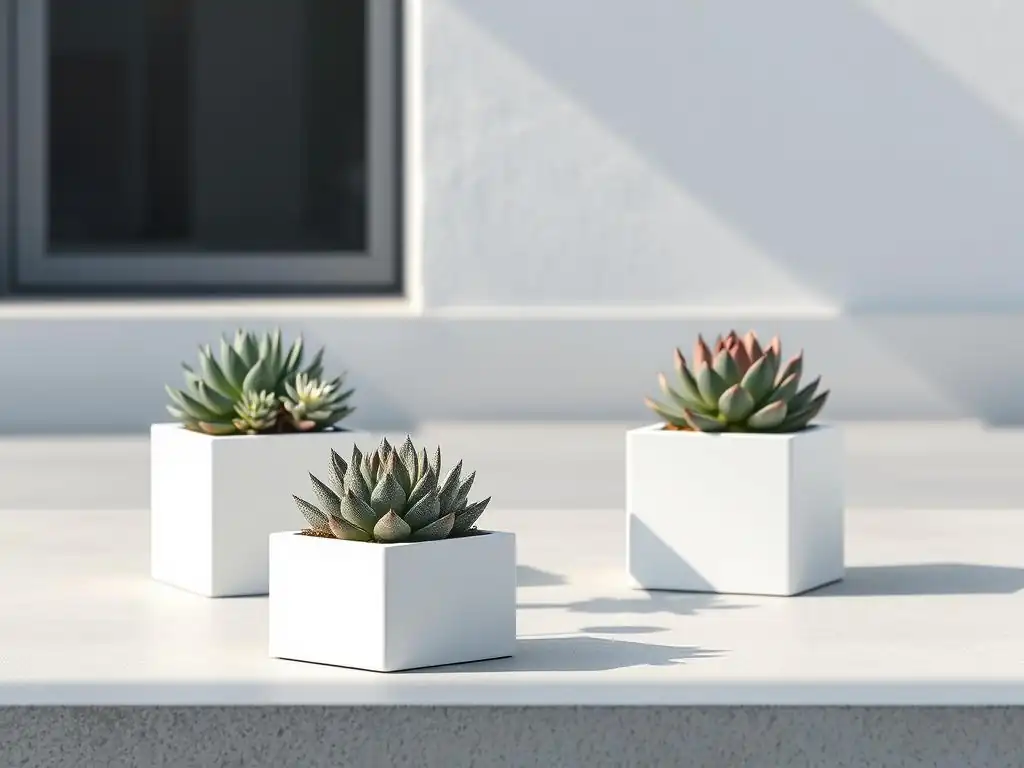
This section explores diverse examples of low-maintenance succulent garden designs, showcasing their adaptability to various spaces and aesthetics. We'll delve into specific design choices that minimize upkeep while maximizing visual appeal, proving that a stunning succulent garden doesn't require hours of daily tending. The key is strategic planning and selecting the right succulents for your specific environment and conditions. Remember, choosing the right lowmaintenance succulent garden design is crucial for long-term success.
Small Space Succulent Garden Designs
Small spaces don't preclude the creation of vibrant succulent gardens. Think creatively! A tiny balcony, a window box, or even a repurposed container can become a thriving microcosm of desert beauty. Consider using shallow, wide containers to accommodate the shallow root systems of many succulents. Select miniature or compact varieties like Sedum rubrotinctum (Jelly Bean Plant) or Echeveria minima, which will remain smaller and require less space.
For example, a 12-inch diameter terracotta pot can hold a stunning arrangement of three different Echeveria varieties, interspersed with a few smaller succulents like Sempervivum (Hens and Chicks) for textural contrast. Regular watering (approximately once every two weeks during warmer months, less frequently in winter) and bright, indirect sunlight are key to their success. This design requires minimal maintenance and delivers maximum impact. The use of contrasting colors and textures elevates the overall aesthetic, transforming a simple container into a captivating miniature landscape.
Large-Scale Low-Maintenance Succulent Landscapes
Designing large-scale low-maintenance succulent landscapes requires careful planning and thoughtful plant selection. The goal is to create a visually striking and diverse environment that requires minimal intervention. Instead of individual pots, consider integrating succulents directly into the ground, creating beds or borders.
For a truly low-maintenance approach, focus on drought-tolerant species that thrive in your specific climate. Larger succulents like Agave and Yucca can form the backbone of the design, providing structure and visual interest. Smaller succulents can then be strategically placed around these larger plants to create texture and color variations. Remember to amend the soil with plenty of grit to ensure excellent drainage, crucial for preventing root rot in succulents. Proper soil preparation is one of the most important aspects of lowmaintenance succulent garden design. A well-drained soil significantly reduces the need for frequent watering and maintenance.
Vertical Succulent Gardens: Maximizing Space and Aesthetics
Vertical succulent gardens are an ingenious solution for maximizing space and adding visual interest to walls or fences. These designs offer a unique aesthetic and require less ground space than traditional gardens. Several methods exist for creating vertical succulent gardens:
- Wall planters: These pre-made planters come in various shapes and sizes, offering a convenient way to display succulents vertically. Ensure the planters provide adequate drainage to prevent waterlogging.
- DIY vertical gardens: These can be created using repurposed materials like pallets, wire mesh, or even old picture frames. Pocket-style planters can be attached to the structure, allowing for individual succulent placement.
- Hanging baskets: Hanging baskets are another excellent option for vertical succulent gardens, allowing for cascading displays of various shapes and sizes.
The choice of succulents for vertical gardens is crucial. Select succulents that have a trailing or cascading habit, such as String of Pearls ( Senecio rowleyanus) or Burro's Tail ( Sedum morganianum). These plants will naturally drape over the edges of the planters, creating a beautiful, flowing effect. Remember that vertical gardens might require slightly more frequent watering than ground-level gardens, as they can dry out faster depending on their location and exposure to sunlight. However, with proper planning and selection of drought-tolerant species, even vertical succulent gardens can be extremely low-maintenance.
Resources for Your Low-Maintenance Succulent Garden Journey
This section focuses on equipping you with the necessary resources to successfully design and maintain your low-maintenance succulent garden. Finding the right succulents and accessing reliable information are crucial steps in your journey. We'll explore where to source healthy plants and valuable knowledge to help your succulent garden thrive.
Where to Purchase High-Quality Succulents and Supplies
Choosing a reputable source for your succulents is paramount. Purchasing healthy, disease-free plants sets the foundation for a thriving, low-maintenance garden. Avoid bargain succulents from unreliable sources, as these plants may be stressed or harbor pests and diseases, requiring more care and potentially impacting the health of your entire garden.
Here's what to consider when selecting a supplier:
- Local nurseries: Often offer a wide variety of locally adapted succulents, ensuring better acclimatization to your climate. They can also provide valuable advice tailored to your specific region. Look for nurseries specializing in succulents or cacti for a wider selection.
- Specialty succulent growers: These growers often cultivate rare and unique varieties, potentially adding a distinctive touch to your garden design. They typically prioritize plant health and may offer superior quality.
- Online retailers: While convenient, carefully research online vendors to ensure they have a strong reputation for healthy plants and safe shipping practices. Look for customer reviews and check their return policies. Be mindful of potential shipping damage and stress on the plants.
When purchasing, inspect the succulents carefully. Look for:
- Firm, plump leaves: Avoid plants with shriveled or soft leaves, which may indicate dehydration or disease.
- Healthy root systems (if potted): The roots should be white or light-colored, not brown or mushy.
- Absence of pests and diseases: Check carefully for insects, discoloration, or unusual spots on the leaves.
Beyond the plants themselves, sourcing quality supplies is equally important. Consider these essentials:
- Well-draining potting mix: This is crucial for succulent health. A specialized succulent and cacti mix is preferable to standard potting soil.
- Appropriate containers: Choose pots with drainage holes to prevent root rot. Terracotta pots are a popular choice due to their porous nature.
- Gardening tools: Basic tools like trowels, hand rakes, and pruning shears will be invaluable.
Recommended Books and Online Resources for Succulent Enthusiasts
Continuous learning is essential for nurturing a thriving low-maintenance succulent garden. Supplementing your practical experience with reliable information will help you anticipate challenges and make informed decisions.
Here are some excellent resources to expand your knowledge of low-maintenance succulent garden design:
- Books: Search for titles focusing on succulent gardening, xeriscaping, and drought-tolerant landscaping. Look for authors with proven expertise in these areas. Many books offer detailed guidance on plant selection, soil preparation, and garden design specifically for low-maintenance environments.
- Online forums and communities: Connect with other succulent enthusiasts to share experiences, ask questions, and learn from their successes and challenges. These communities often offer a wealth of practical tips and advice.
- Reputable websites and blogs: Many websites and blogs dedicated to succulents provide valuable insights into care, propagation, and design. Look for sites that cite credible sources and offer evidence-based information. Be wary of sources offering unsubstantiated claims.
Remember, building a successful low-maintenance succulent garden is an ongoing process. By combining careful plant selection, proper planting techniques, and consistent learning, you can create a beautiful and thriving outdoor space that requires minimal upkeep. Enjoy the journey!
Frequently Asked Questions
What makes succulents ideal for low-maintenance garden design?
Succulents are naturally drought-tolerant, requiring less frequent watering than many other plants. Their slow growth also reduces the need for frequent pruning or shaping. This makes them perfect for busy gardeners or those seeking simplicity.
What are some key design principles for a low-maintenance succulent garden?
Consider drainage as the most important factor. Choose a sunny location and select succulents with similar water and light requirements. Group them according to their size and mature dimensions to avoid overcrowding.
How can I create a visually appealing low-maintenance succulent garden?
Use a variety of textures, colors, and shapes to add visual interest. Incorporate different succulent types with contrasting foliage. Consider adding rocks, gravel, or other hardscaping elements to enhance the overall design.
What are some common mistakes to avoid when designing a low-maintenance succulent garden?
Overwatering is a significant issue. Avoid planting succulents in poorly draining soil. Also, don't overcrowd the plants, as this can lead to rot and disease. Careful planning and selection are key.
What are some resources available to help me design my low-maintenance succulent garden?
Explore websites like SucculentEssentials.org for care guides and design inspiration. Consult books and online forums dedicated to succulents to learn more about specific varieties and their needs. Local nurseries can also offer expert advice.
Final Reflection: Cultivating Resilience, One Succulent at a Time
The enduring appeal of low-maintenance succulent gardens speaks volumes about our modern need for beauty and tranquility without the burden of constant upkeep. These resilient plants, thriving even in harsh conditions, mirror our own desire for sustainable living and a simpler, more fulfilling existence. Their quiet strength offers a powerful counterpoint to the frenetic pace of modern life.
The beauty of a well-designed succulent garden lies not just in its visual appeal, but in its symbolic representation of resilience and adaptability. It's a testament to the power of careful planning and mindful selection, mirroring the choices we make in our own lives. The glory of gardening: hands in the dirt, head in the sun, heart with nature. To nurture a garden is to feed not just the body, but the soul.
This quote perfectly captures the profound connection we can forge with nature, even within the confines of a small, low-maintenance garden.
Now, consider your own space. What small corner of your life could benefit from the same principles of mindful design and resilient growth? Perhaps it's a neglected area of your home, a project you've put off, or even a relationship needing a little tending. Embrace the simplicity and strength of the succulent garden as a metaphor for cultivating your own potential, nurturing your own resilience, and finding beauty in the unexpected places. Let the lessons learned here inspire you to create your own thriving, low-maintenance haven – whether it's a garden, a project, or a life well-lived.
Unleash Your Inner Green Thumb: Design Your Dream Succulent Garden!
Thanks for exploring the world of low-maintenance succulent gardening with us! We hope you've gained valuable insights into creating stunning, thriving displays with minimal effort. Now it's time to put your knowledge into practice.
Here's how to get started:
- Design your dream succulent garden! Grab a pen and paper (or your favorite design app) and sketch out your ideal succulent landscape, keeping in mind the tips and tricks we've discussed. Let your creativity flourish!
- Share your design! Post a picture of your sketch or a plan for your garden on our SucculentEssentials.org community forum – we'd love to see your vision!
- Explore a wide variety of low-maintenance succulents. Check out our resources page for even more inspiration for your project.
What striking succulent will be the centerpiece of your breathtaking new garden?