
Xeriscaping: The Best Way to Create a WaterEfficient Landscape

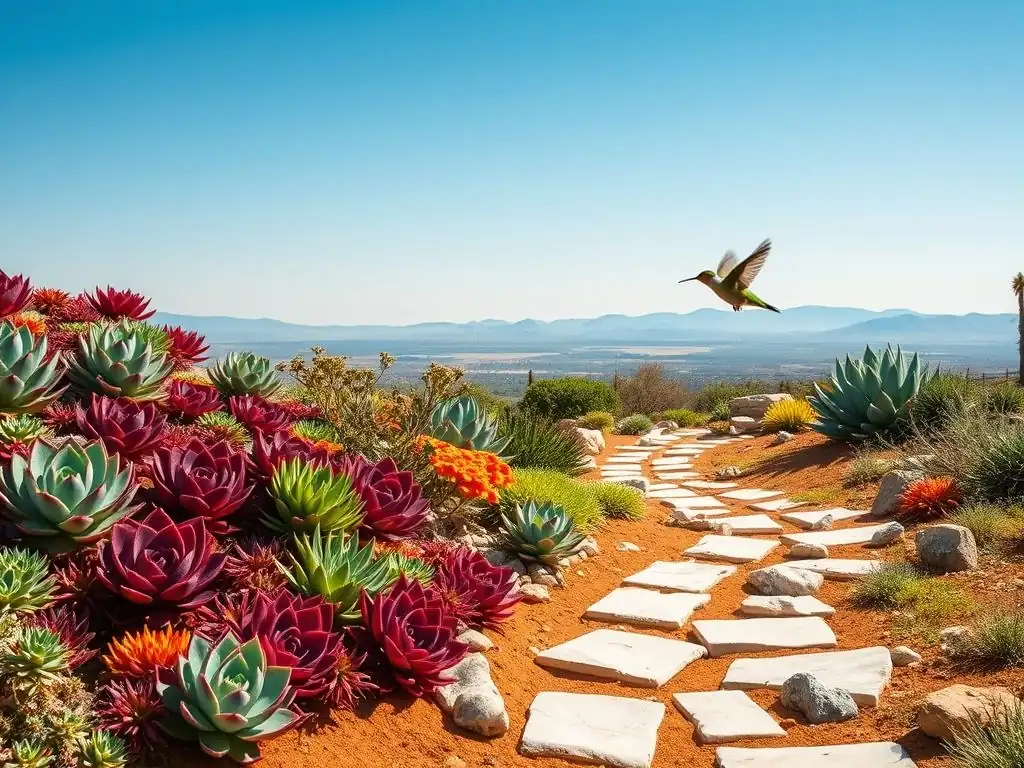
Welcome to SucculentEssentials.org, your gateway to the fascinating world of succulents! Are you ready to unlock the secrets to thriving, drought-resistant gardens? We'll guide you through the art of succulent care, from propagation techniques to breathtaking designs. Discover innovative waterwise succulent landscaping ideas that will transform your outdoor space into a low-maintenance oasis, as featured in our article on xeriscaping. Prepare to be amazed by the possibilities – let's get started!
- Understanding Waterwise Succulent Landscaping Ideas
- Planning Your Water-Efficient Succulent Garden
- Implementing Your Waterwise Succulent Landscaping Design
- Maintaining Your Water-Wise Succulent Landscape
- Advanced Waterwise Succulent Landscaping Ideas
- Resources for Waterwise Succulent Landscaping
- Frequently Asked Questions
- Final Reflection: Embracing the Desert's Wisdom in a Thirsty World
- Unleash Your Drought-Resistant Oasis!
Understanding Waterwise Succulent Landscaping Ideas
Xeriscaping, a landscaping approach emphasizing water conservation, is rapidly gaining popularity, especially in arid and semi-arid regions. This technique focuses on creating beautiful, thriving landscapes while minimizing water usage, making it the perfect solution for those passionate about sustainable gardening and drought-tolerant plants like succulents. This article will explore the core principles of xeriscaping and highlight its numerous benefits, particularly when incorporating the diverse and resilient world of succulents.
We'll delve into the advantages of choosing xeriscaping for your drought-resistant plants, and how significantly it can reduce your water bills, contributing to both environmental responsibility and economic savings. By understanding these concepts, you can transform your outdoor space into a stunning, water-wise oasis teeming with vibrant succulents, perfectly suited to your climate and budget. Prepare to discover how to create a breathtaking and sustainable landscape using the beauty and resilience of succulents!
Defining Xeriscaping and its Benefits for Arid Climates
Xeriscaping, derived from the Greek word "xeros" meaning "dry," is a landscaping design method that prioritizes water conservation. It's not about creating a barren, lifeless space; rather, it's about designing a landscape that thrives with minimal irrigation. This is achieved through a combination of strategies:
- Careful Plant Selection: Choosing drought-tolerant plants, like succulents, is crucial. These plants require less frequent watering, reducing overall water consumption.
- Efficient Irrigation Systems: Implementing drip irrigation or soaker hoses delivers water directly to plant roots, minimizing evaporation and runoff.
- Soil Improvement: Enhancing soil with organic matter improves water retention, reducing the need for frequent watering.
- Mulching: Applying a layer of mulch helps retain soil moisture, suppress weeds, and regulate soil temperature.
- Proper Site Planning: Careful consideration of sun exposure, wind patterns, and microclimates helps optimize plant placement for maximum success with minimal water.
The benefits of xeriscaping in arid climates are substantial: It significantly reduces water consumption, lowers water bills, conserves precious water resources, and contributes to a more sustainable environment. Furthermore, xeriscaped landscapes often require less maintenance than traditional lawns, saving time and effort.
Why Choose Xeriscaping for Drought-Resistant Plants like Succulents?
Succulents are perfectly suited for xeriscaping due to their inherent drought tolerance. Their thick leaves and stems store water, allowing them to survive extended periods without irrigation. This makes them ideal for creating low-maintenance, water-wise landscapes. The diverse range of succulents, from small sedums to large agaves, offers a wide array of textures, colors, and forms, allowing for creative and visually appealing designs.
Integrating succulents into a xeriscaped landscape offers several advantages:
- Reduced Watering Needs: Significantly less water is required compared to traditional landscaping.
- Low Maintenance: Succulents require minimal upkeep, reducing the time and effort needed for garden maintenance.
- Aesthetic Versatility: The wide variety of succulents allows for unique and visually striking landscape designs.
- Environmental Benefits: Conserves water and reduces the environmental impact of traditional landscaping practices.
- Cost Savings: Lower water bills and reduced maintenance costs translate to significant long-term savings.
The Advantages of Water-Wise Landscaping in Reducing Water Bills
Implementing water-wise landscaping techniques, like xeriscaping with succulents, can lead to substantial reductions in your water bill. The exact savings will vary depending on factors such as your climate, the size of your landscape, and your previous water usage. However, the potential for savings is significant. By reducing the frequency and amount of watering, you'll directly lower your water consumption, resulting in a smaller monthly bill.
This cost-effectiveness makes xeriscaping a financially sound choice, especially in regions with high water prices or water restrictions. Moreover, the reduced need for fertilizers and pesticides, often associated with traditional landscaping, further contributes to cost savings. The long-term financial benefits of a water-wise landscape, coupled with its environmental advantages, make it an increasingly attractive option for homeowners.
Planning Your Water-Efficient Succulent Garden
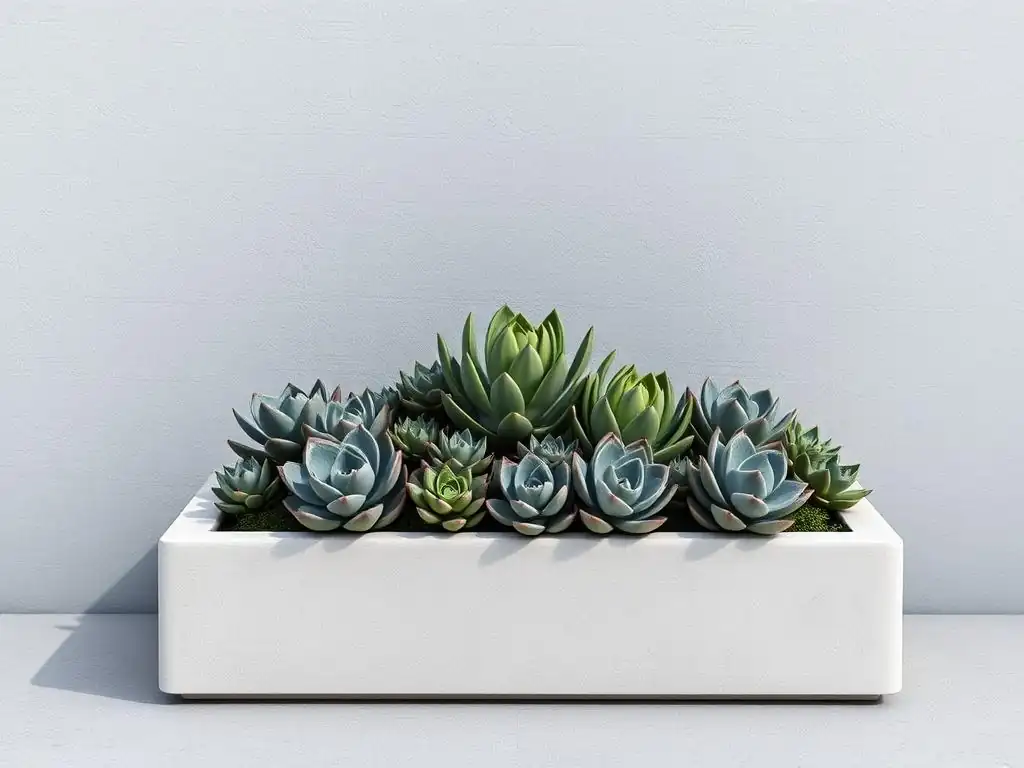
This section delves into the crucial initial steps for creating a thriving and water-wise succulent garden. Careful planning is key to minimizing water consumption while maximizing the beauty and health of your succulents. Remember, a well-planned xeriscape requires less maintenance in the long run, saving you both time and water. We'll explore the key considerations to ensure your succulent garden flourishes for years to come.
Assessing Your Site: Sunlight, Soil, and Microclimate Considerations
Before even thinking about which succulents to plant, you need a thorough understanding of your site's conditions. This involves assessing sunlight exposure, soil type, and the microclimate. Neglecting this crucial step can lead to plant failure, regardless of how meticulously you choose your succulents.
Sunlight is paramount. Most succulents thrive in full sun (at least 6 hours of direct sunlight daily), but some prefer partial shade, especially in hotter climates. Observe your garden space throughout the day to determine its sun exposure patterns. Note the times of day with the most intense sunlight and any areas that receive dappled shade. This information will guide your succulent selection.
Soil plays a vital role in water retention and drainage. Well-draining soil is essential for succulents; they are highly susceptible to root rot in soggy conditions. Amend heavy clay soils with organic matter like perlite or pumice to improve drainage. Sandy soils may require the addition of compost to retain some moisture. A soil test can provide valuable insights into your soil's pH and nutrient levels. Adjusting soil pH and adding necessary nutrients will promote healthier growth.
Microclimate refers to the specific climatic conditions of a small area within your garden. Factors like wind exposure, proximity to buildings, and elevation can significantly impact the temperature and humidity around your plants. A sheltered area will often require less watering than an exposed one. Consider these microclimatic differences when planning your layout to optimize water usage. For instance, placing more drought-tolerant succulents in exposed, sunny areas, and less drought-tolerant varieties in slightly shadier, more sheltered spots.
Choosing the Right Succulents for Your Xeriscape Design
Selecting the appropriate succulents is crucial for a successful water-wise garden. Consider the mature size of each succulent to avoid overcrowding and ensure adequate spacing for air circulation. Overcrowding can lead to increased humidity and the risk of fungal diseases.
Here's a table illustrating some popular, drought-tolerant succulent varieties suitable for different light conditions:
| Succulent Variety | Sunlight Requirement | Mature Size | Water Needs |
|---|---|---|---|
| Echeveria | Full Sun | Varies greatly | Low |
| Sedum | Full Sun to Partial Shade | Varies greatly | Moderate to Low |
| Sempervivum (Hens and Chicks) | Full Sun to Partial Shade | Small to Medium | Low |
| Agave | Full Sun | Large | Low |
| Dudleya | Full Sun | Varies | Low |
Remember to research the specific needs of each succulent variety before planting. Consider factors like cold hardiness if you live in an area with freezing temperatures. Choosing succulents adapted to your climate ensures their survival and minimizes the need for supplemental watering. Diversity in your succulent selection adds visual interest and resilience to your xeriscape.
Designing Your Layout: Incorporating Pathways, Rocks, and Other Features
The layout of your water-wise succulent garden significantly impacts its overall aesthetic and functionality. Careful planning ensures efficient water usage and minimizes the need for frequent weeding.
Incorporating pathways creates easy access for maintenance and enjoyment of your garden. Use permeable paving materials like gravel or stepping stones to allow water to seep into the soil. Avoid paved pathways that prevent water from reaching the plants' roots.
Rocks play a crucial role in xeriscaping. They help suppress weeds, improve drainage, and add visual interest. Larger rocks can be used as focal points, while smaller ones can be used as mulch to retain soil moisture and reduce evaporation. The color and texture of the rocks can complement your succulents beautifully.
Other features to consider include raised beds, retaining walls (for sloped areas), and decorative elements like birdbaths or small sculptures. Remember to keep the overall design simple and uncluttered to minimize maintenance and maximize the beauty of your succulents. A well-planned layout minimizes water usage and creates a visually stunning and low-maintenance water-wise succulent landscape. Remember that even small details like strategically placed rocks can significantly impact the overall success of your waterwise succulent landscaping. 🪴
Implementing Your Waterwise Succulent Landscaping Design
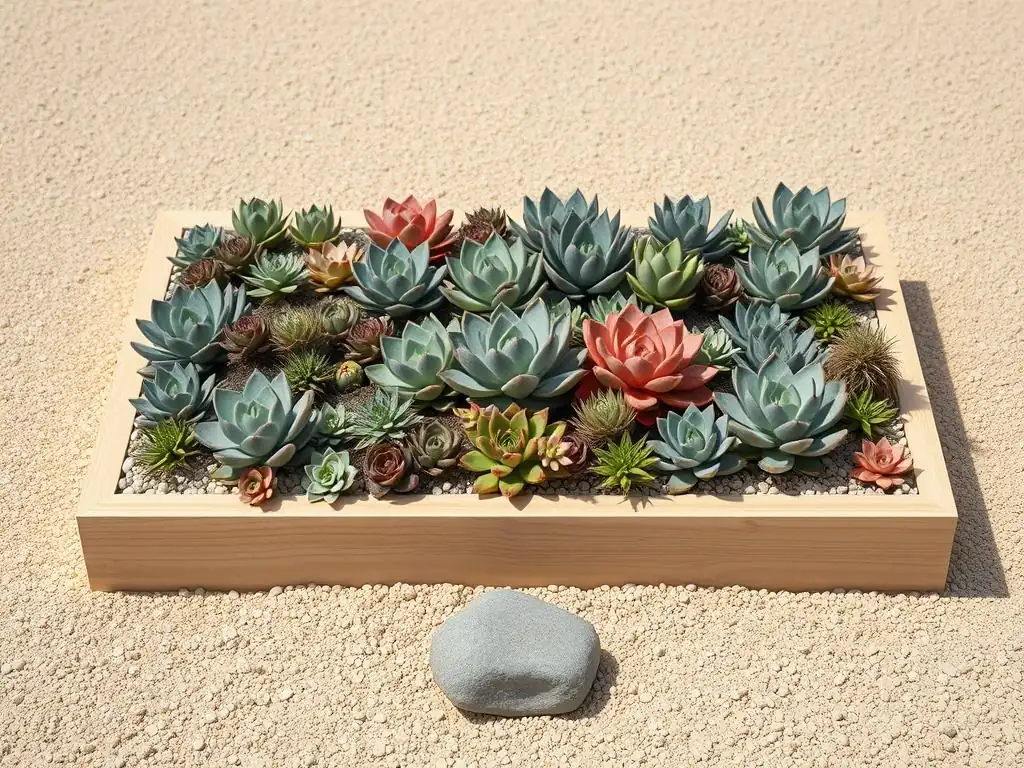
This section dives into the practical application of designing a waterwise succulent landscape. We'll explore crucial steps to ensure your succulents thrive while minimizing water consumption, contributing to a beautiful and sustainable garden. Remember, successful waterwise succulent landscaping hinges on meticulous planning and execution. Let's get started!
Preparing the Soil: Improving Drainage and Fertility for Succulents
Proper soil preparation is paramount for healthy succulent growth. Succulents are prone to root rot in poorly draining soil, so amending your existing soil is crucial. This involves improving both drainage and fertility. Avoid heavy clay soils which retain too much moisture. Instead, aim for a well-draining, slightly alkaline soil mix.
Here's a step-by-step guide:
- Testing your soil: Before you begin, it's wise to conduct a soil test to determine its pH and nutrient levels. This provides a baseline understanding of your soil's composition and informs your amendment strategy. Knowing your soil's pH is especially important as succulents prefer slightly alkaline conditions.
- Amending the soil: For improved drainage, incorporate amendments like perlite, pumice, or coarse sand into your native soil. A good ratio is often 1:1 or 1:2 (soil to amendment). This increases porosity, allowing excess water to drain efficiently. To enhance fertility, add compost or other organic matter. However, avoid using too much organic matter as this can retain too much moisture. A balanced approach is key.
- Creating raised beds (optional): For areas with particularly poor drainage, consider creating raised beds. This allows for better control over the soil composition and drainage. Raised beds also provide better aeration for the roots.
Remember, overwatering is a common cause of succulent death. Excellent drainage is your first line of defense against root rot.
Planting Your Succulents: Techniques for Optimal Growth and Spacing
Careful planting techniques and appropriate spacing are vital for successful waterwise succulent landscaping. Overcrowding can lead to competition for resources and increased susceptibility to disease. Sufficient spacing promotes airflow, reducing the risk of fungal diseases which thrive in humid environments.
Here are some key considerations:
- Spacing: The required spacing varies depending on the mature size of each succulent variety. Research the specific needs of each species before planting. Generally, allow for adequate space between plants to prevent overcrowding. A good rule of thumb is to plant succulents at a distance roughly equal to their mature width.
- Planting depth: Plant succulents at the same depth they were growing in their containers. Planting too deep can lead to root rot, while planting too shallow can destabilize the plant.
- Planting method: When planting, gently loosen the roots before placing the succulent in the prepared hole. Fill the hole with the amended soil, ensuring the plant is securely positioned. Gently firm the soil around the base of the plant.
| Succulent Type | Average Spacing (inches) | Notes |
|---|---|---|
| Echeveria | 6-12 | Varies greatly depending on the specific variety |
| Sedum | 4-8 | Can be planted closer together in some cases |
| Sempervivum (Hens and Chicks) | 2-4 | Spreads rapidly |
Mulching Strategies to Conserve Moisture and Suppress Weeds
Mulching plays a critical role in waterwise succulent landscaping. A well-chosen mulch helps conserve soil moisture, suppresses weed growth, and moderates soil temperature.
Several mulching options exist, each with its benefits and drawbacks:
- Gravel: Gravel is a popular choice for its drainage properties and aesthetic appeal. It reflects sunlight, helping to keep the soil cooler. However, it can become very hot in direct sunlight, potentially stressing the succulents.
- Pea gravel: This is a smaller variation of gravel, offering similar benefits but with a finer texture.
- Lava rock: Lava rock provides excellent drainage and is aesthetically pleasing. It is also resistant to degradation.
- Organic mulch (use sparingly): While organic mulches like shredded bark decompose over time, enriching the soil, they can retain too much moisture for succulents. Use them sparingly and only in well-drained areas.
Choosing the right mulch is crucial for balancing moisture retention and drainage. Consider your climate and the specific needs of your succulents when making your selection. A thin layer of mulch is generally sufficient. Too much mulch can create a humid environment, increasing the risk of fungal diseases.
Maintaining Your Water-Wise Succulent Landscape
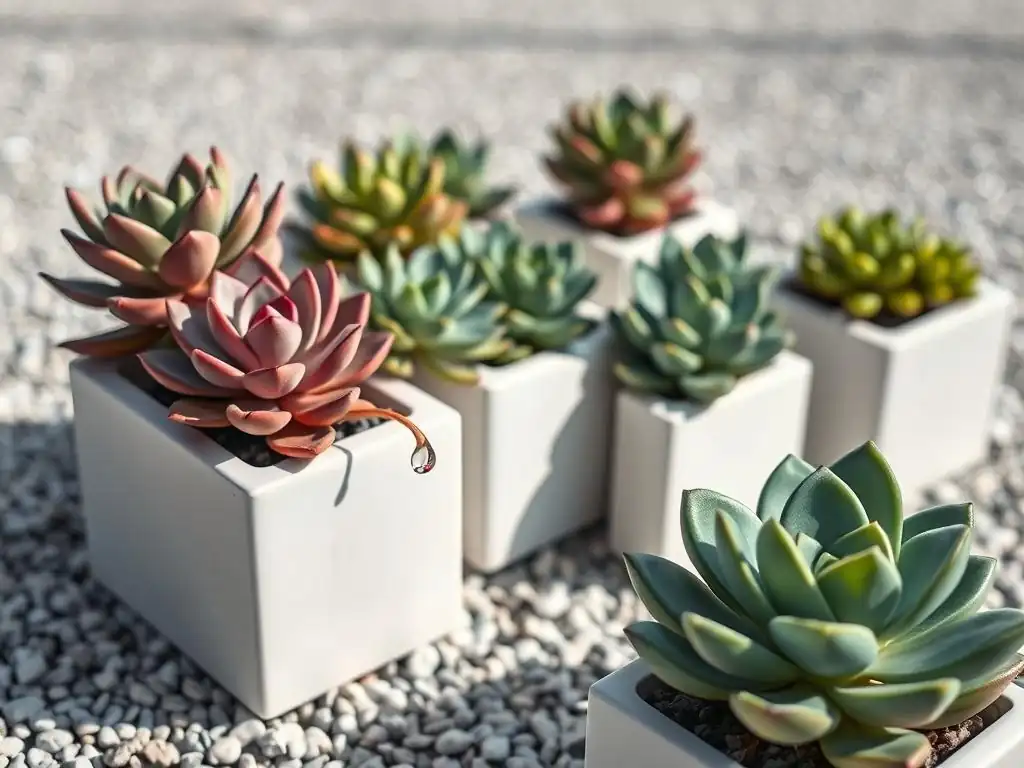
Creating a stunning waterwise succulent landscape is only half the battle. Proper maintenance is crucial to ensuring the long-term health and beauty of your drought-tolerant garden. This section focuses on key maintenance practices to keep your succulents thriving while minimizing water consumption. We'll explore optimal watering strategies, appropriate fertilization techniques, and effective pest and disease management for a vibrant and sustainable xeriscape. Remember, consistent care, even with drought-tolerant plants, leads to the best results for your "waterwise succulent landscaping ideas."
Watering Techniques for Established Xeriscapes
Once your succulents are established (typically after the first year), their watering needs significantly decrease. Overwatering is a common mistake that can lead to root rot and other issues. Instead of frequent, shallow watering, adopt a "deep and infrequent" approach. This means thoroughly soaking the soil when it's completely dry, allowing the water to penetrate deeply to the roots. How often you water depends on several factors: climate, soil type, sunlight exposure, and the specific succulent species.
A good rule of thumb is to check the soil moisture before watering. Stick your finger about an inch into the soil; if it feels dry, it's time to water. During hotter months, you may need to water slightly more frequently, but always avoid letting the soil remain soggy. Consider using a moisture meter for a more precise measurement, especially if you're unsure. Remember, consistent monitoring and adapting to your specific conditions are key to successful waterwise succulent landscaping.
Here's a helpful table summarizing watering frequency based on typical conditions:
| Condition | Watering Frequency (approx.) | Notes |
|---|---|---|
| Hot, Sunny Climate | Every 7-10 days | May need more frequent watering, especially for smaller succulents. |
| Mild, Sunny Climate | Every 10-14 days | Adjust based on soil dryness. |
| Shady Conditions | Every 14-21 days | Less frequent watering is usually sufficient. |
Remember, less is often more when it comes to watering established succulents. Underwatering is preferable to overwatering, as succulents are naturally adapted to arid conditions.
Fertilizing Succulents in a Water-Efficient Landscape
While succulents are low-maintenance, they still benefit from occasional fertilization, especially in less-than-ideal soil conditions. However, avoid over-fertilizing, as this can lead to salt buildup in the soil, harming your plants. Opt for a balanced, slow-release fertilizer specifically formulated for cacti and succulents. Apply fertilizer sparingly, typically once or twice during the growing season (spring and early summer).
Always follow the instructions on the fertilizer packaging carefully. Dilute the fertilizer to a weaker concentration than recommended to prevent burning the roots. It's better to under-fertilize than over-fertilize. Observe your plants closely; if you notice signs of excessive growth or discoloration, reduce or stop fertilizing. Remember, healthy soil is as important as fertilizer. Improving soil structure through amendments like perlite or pumice can significantly improve the health and vigor of your succulents without needing heavy fertilization. This approach supports your goals for sustainable "waterwise succulent landscaping ideas".
Pest and Disease Management in Drought-Tolerant Gardens
Even drought-tolerant succulents are susceptible to pests and diseases. Regular inspection is essential for early detection and prevention. Common pests include mealybugs, aphids, and spider mites. These can be controlled with insecticidal soap or neem oil, applied according to the product instructions. Always test a small area first to ensure there are no adverse reactions to your specific succulent varieties.
Diseases are less common in succulents but can still occur. Overwatering is the most frequent cause of fungal diseases like root rot. Proper watering techniques, as discussed earlier, are crucial for disease prevention. If you notice signs of disease (e.g., soft, mushy stems or leaves), remove the affected parts immediately to prevent the spread.
Good sanitation practices, such as removing fallen leaves and debris, also help to minimize the risk of disease. Remember, proactive pest and disease management is a crucial part of maintaining a healthy and beautiful waterwise succulent landscape. This contributes significantly to the overall success of your "waterwise succulent landscaping ideas".
Advanced Waterwise Succulent Landscaping Ideas
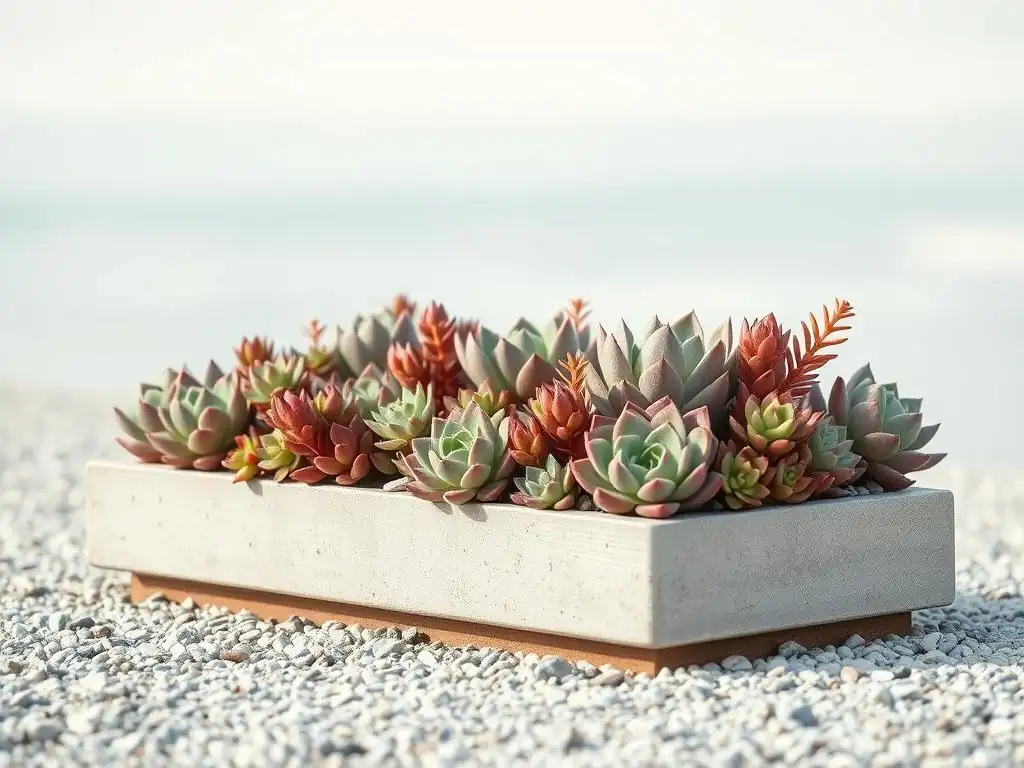
This section delves into sophisticated techniques for creating stunning and sustainable succulent landscapes that minimize water consumption. We'll explore strategies beyond the basics, focusing on maximizing visual appeal while conserving precious water resources. Remember, the key to successful waterwise succulent landscaping lies in thoughtful planning and the selection of appropriate plant varieties. Let's explore some advanced concepts.
Creative Xeriscaping Designs Incorporating Different Succulent Varieties
Designing a truly captivating xeriscape involves more than just planting succulents; it's about creating visual interest and texture through a diverse palette of succulent species. Consider the following approaches to elevate your waterwise succulent landscaping ideas:
- Textural Contrast: Combine succulents with varying leaf shapes and sizes. Pair smooth, rounded leaves of Echeveria with the spiky, architectural forms of Agave. The contrast creates a dynamic and engaging visual experience. Consider incorporating succulents with different colors as well, such as the blue-tinged Sedum and the reddish hues of certain Sempervivum varieties.
- Height and Layering: Avoid a flat, monotonous look. Utilize different heights by incorporating taller succulents like Dasylirion or Yucca as focal points, surrounded by smaller varieties for a layered effect. This approach adds depth and dimension to your xeriscape.
- Color Coordination: Carefully select succulents with complementary colors to create a harmonious and visually appealing design. Think about the interplay of greens, blues, reds, and purples to achieve a balanced aesthetic. Remember that the color intensity of many succulents can vary with sun exposure, so plan accordingly.
- Succulent Stepping Stones: Create unique pathways using larger, hardy succulents like Agave or Aloe as natural stepping stones. This is a visually striking and highly water-efficient alternative to traditional paving. However, ensure the chosen succulents are robust enough to withstand foot traffic.
- Succulent Mosaics: For a truly unique touch, consider creating succulent mosaics using smaller varieties planted in patterns within larger containers or directly into the ground. This intricate approach requires careful planning and execution but results in a breathtaking display.
Integrating Other Drought-Tolerant Plants into Your Xeriscape
While succulents are the stars of waterwise landscaping, incorporating other drought-tolerant plants enhances biodiversity and adds visual complexity. Here are some excellent companions for your succulents:
- Grasses: Ornamental grasses like Stipa tenuissima (Mexican feather grass) add movement and texture. Their airy plumes contrast beautifully with the solid forms of succulents. Choose grasses that are native to your region for optimal water conservation.
- Shrubs: Low-water shrubs like Lavender, Rosemary, and Salvia provide bursts of color and fragrance, complementing the succulents' unique textures. These plants often attract pollinators, increasing the biodiversity of your garden.
- Groundcovers: Drought-tolerant groundcovers like Sedum spp. (stonecrop) and Delosperma (ice plant) help to suppress weeds and reduce soil erosion, minimizing the need for supplemental watering. These groundcovers can fill in gaps between larger succulents, creating a lush and complete look.
The careful integration of these elements can significantly improve the visual appeal and ecological balance of your xeriscape. Remember to research plants suitable for your specific climate and soil conditions.
Designing for Year-Round Interest in Your Water-Efficient Garden
A truly successful waterwise garden provides visual interest throughout the year. To achieve this, consider the following:
- Seasonal Variation: Select succulents with varying bloom times to ensure color and visual appeal throughout the year. Some succulents offer vibrant blooms in spring, while others provide stunning autumnal displays.
- Evergreen Choices: Incorporate succulents and other drought-tolerant plants that remain evergreen, providing texture and structure even during the dormant season. This prevents your garden from looking bare during winter months.
- Varying Foliage Colors: Choose succulents with different foliage colors that change with the seasons or remain consistently attractive throughout the year. This helps maintain visual interest even when flowering is minimal.
- Architectural Elements: Integrate hardscaping elements like rocks, gravel, and strategically placed boulders to add visual interest and create a sense of structure, even when plants are not actively growing or flowering. These elements also help retain soil moisture.
By strategically combining these techniques, you can create a waterwise succulent landscape that’s not only beautiful and sustainable but also offers year-round visual enjoyment, showcasing the best in waterwise succulent landscaping ideas. 🌱
Resources for Waterwise Succulent Landscaping
This section provides valuable resources to help you create a thriving and beautiful waterwise succulent landscape. We'll explore where to source the best drought-tolerant plants and materials, and point you towards further learning opportunities to deepen your xeriscaping expertise. Remember, successful waterwise succulent landscaping requires careful planning and the right resources. Let's dive in!
Recommended Suppliers of Drought-Tolerant Plants and Materials
Finding reliable suppliers of high-quality succulents and xeriscaping materials is crucial for a successful project. Not all nurseries carry the same selection, and sourcing materials locally can often be more sustainable and cost-effective. Consider the following when choosing your suppliers:
- Local Nurseries: Start by checking local nurseries specializing in native plants and succulents. They often have a better understanding of your region's climate and will carry plants well-suited to your specific conditions. Ask about their experience with drought-tolerant varieties and their recommendations for your area. Look for nurseries actively promoting sustainable practices.
- Online Retailers: Several online retailers specialize in succulents and xeriscaping supplies. However, carefully research their reputation and shipping practices before ordering. Be aware of potential shipping costs and the risk of damage during transit, especially for delicate plants. Read reviews to gauge customer satisfaction and reliability.
- Specialty Growers: Some growers focus exclusively on drought-tolerant plants and succulents. These growers often have a wider selection of unusual and rare varieties. Connecting directly with these specialists can provide access to expert advice and high-quality plants.
- Material Suppliers: Don't forget the importance of sourcing appropriate materials for your xeriscaping project. This includes gravel, mulch, and other elements that contribute to water retention and soil health. Look for locally sourced materials to minimize your environmental impact.
Here's a sample table summarizing key considerations when selecting suppliers:
| Supplier Type | Advantages | Disadvantages | Considerations |
|---|---|---|---|
| Local Nurseries | Local expertise, readily available, sustainable | Limited selection, potentially higher prices | Check for organic and sustainable practices |
| Online Retailers | Wide selection, convenience | Shipping costs, potential damage during transit | Read reviews carefully, check return policies |
| Specialty Growers | Wide selection of rare varieties, expert advice | Potentially higher prices, limited availability | Contact them directly to discuss your needs |
| Material Suppliers | Locally sourced, cost-effective (sometimes) | Limited selection of specific materials | Ensure quality and compatibility with your plants |
Remember to always inspect plants carefully before purchasing to ensure they are healthy and free from pests or diseases. A healthy start is key to a successful waterwise succulent landscape!
Books and Online Resources for Further Learning on Xeriscaping
Continuing your education on xeriscaping is essential for long-term success. There are numerous resources available to expand your knowledge and refine your techniques. Consider these options:
- Books on Xeriscaping and Succulent Gardening: Many excellent books offer comprehensive guides to xeriscaping principles, succulent care, and design ideas. Look for books tailored to your specific climate and region for the most relevant information. Check reviews to find books with high ratings and practical advice.
- Online Courses and Workshops: Numerous online platforms offer courses and workshops on various aspects of xeriscaping and succulent gardening. These courses can provide in-depth knowledge and practical skills, often including interactive elements and expert guidance. Look for courses with positive reviews and a clear curriculum.
- Gardening Blogs and Websites: Numerous blogs and websites dedicated to xeriscaping and succulents offer valuable tips, advice, and inspiration. However, always critically evaluate the information you find online, ensuring it aligns with established horticultural practices. Look for reputable sources with a proven track record.
- Local Horticultural Societies: Joining a local horticultural society can connect you with experienced gardeners and provide access to valuable resources and workshops in your region. This fosters a sense of community and provides opportunities for learning and sharing experiences. Participating in local gardening events can also broaden your knowledge and network.
This ongoing learning will ensure your waterwise succulent landscaping project not only thrives but also evolves and adapts to changing conditions, remaining beautiful and sustainable for years to come. Happy gardening! 🌱
Frequently Asked Questions
What is xeriscaping?
Xeriscaping is a water-wise landscaping approach that uses drought-tolerant plants, like succulents, to create beautiful and sustainable gardens. It minimizes water usage while maximizing curb appeal. It focuses on efficient irrigation and soil management.
Why choose succulents for xeriscaping?
Succulents are ideal for xeriscaping because of their exceptional drought tolerance. They require minimal watering once established, making them perfect for water-conscious landscapes. Their diverse shapes and colors add visual interest.
What are some creative succulent landscaping ideas?
Consider rock gardens, vertical succulent walls, or raised beds filled with a variety of succulents. You can also incorporate stepping stones and gravel pathways to enhance the design and reduce water needs.
How do I maintain a succulent xeriscape?
Proper soil preparation is crucial. Use well-draining soil and avoid overwatering. Mulching helps retain moisture and suppress weeds, reducing the need for frequent watering.
Where can I find more information on water-wise succulent landscaping?
Explore resources like SucculentEssentials.org for comprehensive guides, tips, and inspiration on creating beautiful and sustainable succulent landscapes. We offer detailed care instructions and design ideas.
Final Reflection: Embracing the Desert's Wisdom in a Thirsty World
The escalating global water crisis demands innovative solutions, and xeriscaping offers a powerful, aesthetically pleasing response. Creating water-wise landscapes isn't just a trend; it's a necessity for a sustainable future, ensuring our precious water resources are used responsibly and efficiently. The beauty of drought-tolerant plants, carefully chosen and strategically placed, can transform our outdoor spaces while minimizing our environmental footprint.
The shift towards xeriscaping reflects a growing awareness of our interconnectedness with the natural world. We are learning to appreciate the resilience and beauty of native plants, adapting our landscaping practices to better suit local climates. This isn't just about saving water; it's about fostering biodiversity and creating habitats that support local ecosystems. The land is what gives us our identity, our sustenance, and our future. We must treat it with respect and care.
This sentiment resonates deeply as we consider the long-term impact of our landscaping choices.
Consider the possibilities: imagine your own water-wise succulent landscape, vibrant with color and texture, thriving with minimal water consumption. Think about the sense of accomplishment in creating a beautiful space that contributes to a healthier planet. You have the power to make a difference, one drought-tolerant plant at a time. Embrace the principles of xeriscaping, explore the diverse world of succulents and native plants, and let your garden become a testament to sustainable living.
Unleash Your Drought-Resistant Oasis!
Thanks for exploring the world of xeriscaping with us! We hope you've gained valuable insights into creating a beautiful, water-wise landscape. Now it's time to put your knowledge into practice.
Here's how to get started:
- Begin your xeriscaping project today! Start by sketching a simple plan, noting sunny and shady areas, and selecting your favorite drought-tolerant plants. Even small steps make a big difference.
- Share your progress! Post pictures of your xeriscaping journey on social media and inspire others to conserve water. Use #XeriscapeMyYard and tag SucculentEssentials.org!
- Explore our resources: Learn more about specific plant choices and design techniques on our website, SucculentEssentials.org.
Ready to transform your outdoor space into a thriving, water-efficient haven? What's the first drought-tolerant plant you'll add to your landscape?