
Public Gardens: A Testament to the Beauty of Xeriscaping with Succulents

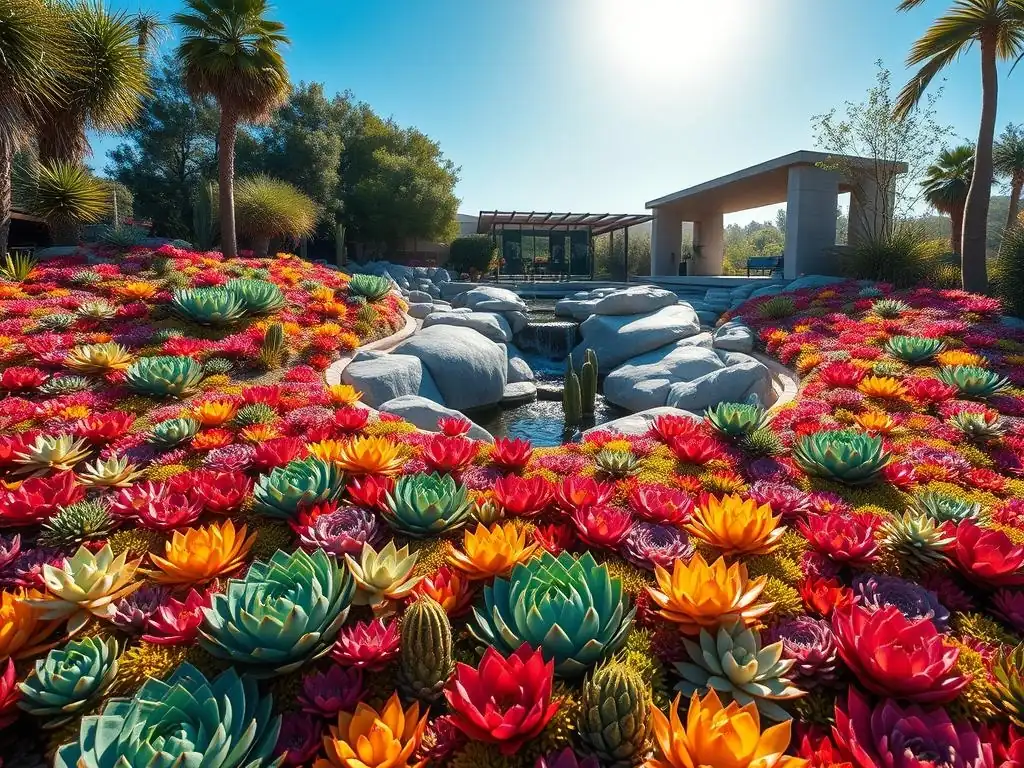
Welcome to SucculentEssentials.org, where the thriving world of succulents unfolds before you! Are you ready to discover the captivating beauty and surprising resilience of these drought-tolerant wonders? Prepare to be inspired by innovative succulent xeriscaping public garden ideas, transforming barren landscapes into breathtaking oases. Dive in and unlock the secrets to creating your own stunning succulent haven – whether it's a miniature masterpiece or a sprawling outdoor spectacle. Let's cultivate something extraordinary together!
- Designing Stunning Succulent Xeriscapes in Public Spaces
- Case Studies: Successful Public Garden Xeriscapes Featuring Succulents
- Benefits of Succulent Xeriscaping in Public Gardens: Environmental and Economic Advantages
- Inspiring Examples of Public Garden Succulent Xeriscape Designs
- Future Trends in Public Garden Succulent Xeriscaping
- Frequently Asked Questions
- Final Reflection: Cultivating Community Through Desert Blooms
- Unleash Your Inner Gardener: Cultivate a Thriving Xeriscape
Designing Stunning Succulent Xeriscapes in Public Spaces
Public gardens and parks are increasingly embracing xeriscaping—the art of landscaping with drought-tolerant plants—as a sustainable and aesthetically pleasing approach to outdoor design. This shift towards water-wise landscaping is not only environmentally responsible but also offers a unique opportunity to showcase the remarkable beauty and resilience of succulents.
This article explores the exciting potential of incorporating succulents into public garden designs, offering practical guidance and inspiring ideas for creating breathtaking, low-maintenance xeriscapes that benefit both the environment and the community. We'll delve into the specifics of planning, planting, and maintaining these vibrant displays, focusing on practical considerations unique to public spaces and emphasizing the many benefits of succulent xeriscaping.
From choosing the right succulents for your climate to implementing effective long-term maintenance strategies, we aim to provide a comprehensive guide for creating thriving succulent installations in public gardens, transforming barren landscapes into vibrant oases. This approach not only conserves precious water resources but also provides visually stunning environments that educate and inspire visitors about the beauty and practicality of sustainable landscaping.
Integrating Succulents into Public Garden Designs: A Step-by-Step Guide
Creating a successful succulent xeriscape in a public garden requires careful planning and execution. Here's a step-by-step guide to help you integrate these unique plants effectively:
- Site Assessment: Begin by evaluating the chosen site's sun exposure, soil type, and drainage. Succulents thrive in full sun to partial shade, well-draining soil is crucial to prevent root rot. Consider the existing infrastructure and foot traffic patterns to ensure the design is both aesthetically pleasing and functional.
- Design Planning: Develop a detailed design plan, taking into account the size and shape of the area, the types of succulents you'll be using, and the overall aesthetic you want to achieve. Sketch out your design, considering different planting arrangements, pathways, and potential seating areas. Remember to account for accessibility for visitors with disabilities.
- Soil Preparation: Amend the soil with organic matter to improve drainage and fertility. Succulents prefer well-draining soil mixes, often incorporating sand or gravel. A soil test can help determine the best amendments needed for optimal growth.
- Plant Selection and Placement: Select a diverse range of succulents with varying textures, colors, and sizes to create visual interest. Consider the mature size of each succulent to ensure adequate spacing. Group succulents with similar water requirements together for easier maintenance.
- Installation: Carefully plant the succulents, ensuring the roots are properly covered. Water thoroughly after planting, but avoid overwatering. Use mulch around the plants to help retain moisture and suppress weeds.
- Irrigation: Establish a drip irrigation system or use soaker hoses to provide supplemental watering, particularly during establishment. Once established, most succulents require minimal watering, especially in areas with infrequent rainfall.
- Maintenance: Regular weeding and pruning will help maintain the health and appearance of the xeriscape. Monitor for pests and diseases and take appropriate action as needed. Consider incorporating signage to educate visitors about the plants and the benefits of xeriscaping.
Choosing the Right Succulents for Public Garden Xeriscaping: Drought Tolerance and Aesthetics
Selecting the right succulents is crucial for creating a thriving and visually appealing xeriscape. Consider these factors:
- Drought Tolerance: Prioritize succulents known for their exceptional drought tolerance. Species like Sedum, Echeveria, and Sempervivum are excellent choices for low-water environments.
- Hardiness: Choose succulents that can withstand the local climate's temperature extremes and potential frost. Research the hardiness zones of different succulents to ensure they are suitable for your location.
- Size and Growth Habit: Consider the mature size and growth habit of each succulent to ensure proper spacing and avoid overcrowding. A variety of sizes and forms will create a more dynamic and interesting landscape.
- Color and Texture: Select succulents with a range of colors and textures to add visual interest. Consider incorporating succulents with different shades of green, blue, pink, and red. The variety of textures, from smooth and waxy to rough and spiky, adds depth to the landscape.
- Pest and Disease Resistance: Choose succulents that are known for their resistance to common pests and diseases to minimize maintenance needs. This will reduce the need for pesticides and other potentially harmful chemicals in a public space.
Maintaining Low-Water Succulent Gardens: Practical Tips for Public Spaces
Maintaining a succulent xeriscape in a public garden requires a slightly different approach than a home garden. Here are some practical tips:
- Weed Control: Regular weeding is essential to prevent weeds from competing with succulents for water and nutrients. Mulching can help suppress weed growth and retain soil moisture. Consider using organic mulch options.
- Pest and Disease Management: Monitor the succulents regularly for signs of pests or diseases. Implement integrated pest management strategies to minimize the use of harmful chemicals. Early detection and treatment are key to preventing widespread infestations.
- Watering Strategies: Establish a consistent watering schedule during the establishment phase, then gradually reduce watering frequency as the succulents become established. Deep, infrequent watering is better than frequent shallow watering. Utilize water-wise irrigation systems.
- Pruning and Deadheading: Regular pruning will help maintain the shape and size of the succulents, preventing overcrowding. Deadheading spent flowers will encourage more blooms and maintain a neat appearance.
- Public Education: Install educational signage to inform visitors about the benefits of xeriscaping and the specific succulents used in the garden. This will help increase public awareness and appreciation for sustainable landscaping practices. Consider including QR codes linking to additional information online.
Maintaining a thriving succulent xeriscape in a public garden requires a thoughtful approach that blends aesthetic appeal with practical considerations. By carefully planning, selecting the right plants, and implementing effective maintenance strategies, you can create a beautiful and sustainable landscape that benefits both the environment and the community. 🌱
Case Studies: Successful Public Garden Xeriscapes Featuring Succulents
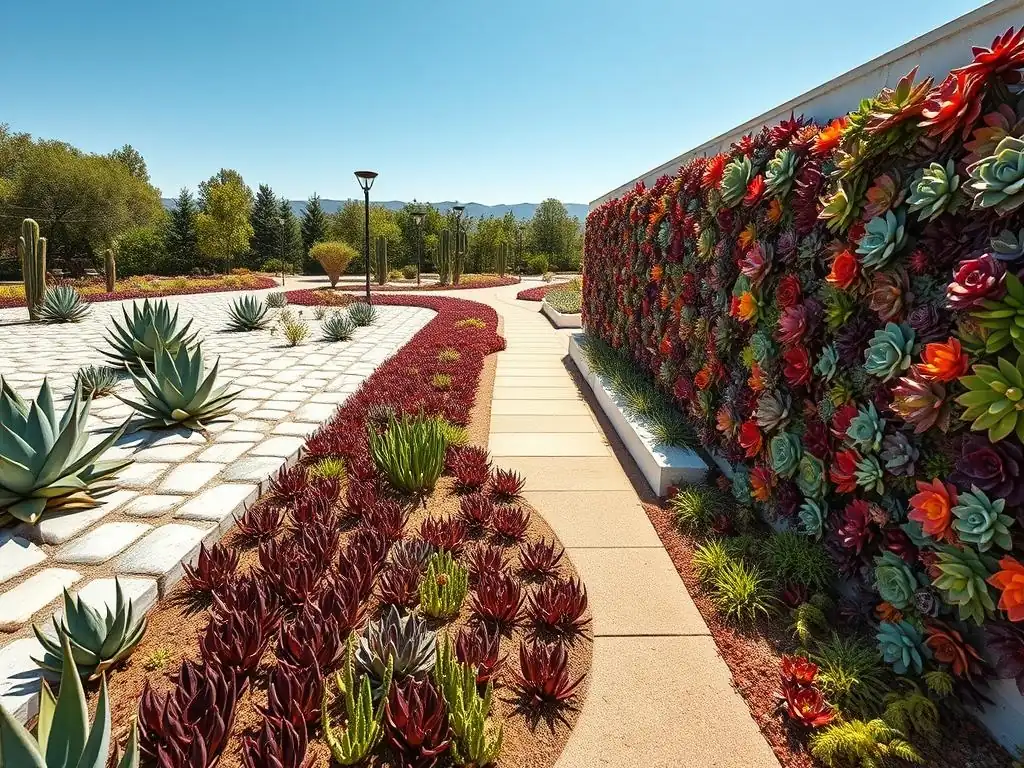
This section delves into specific examples of public gardens that have successfully incorporated succulent xeriscaping, showcasing design strategies, challenges overcome, and the positive outcomes achieved. These case studies offer valuable insights and inspiration for implementing similar projects in other public spaces. We'll examine the unique approaches taken, highlighting the benefits of using succulents for sustainable landscaping in diverse climates.
The Huntington Library Gardens, San Marino, CA - Design, Implementation, and Results
The Huntington Library Gardens, renowned for its diverse botanical collections, boasts a significant area dedicated to drought-tolerant landscaping, heavily featuring succulents. Their xeriscaping approach emphasizes a layered design, incorporating a variety of succulent species to create visual interest throughout the year. The design team prioritized using native and adapted succulents, minimizing water consumption while maximizing biodiversity.
The implementation phase involved careful site preparation, including soil amendment to improve drainage and aeration. Succulents were strategically planted to create visually appealing groupings, contrasting textures and colors. A sophisticated irrigation system, employing drip irrigation and soil moisture sensors, was installed to ensure efficient water delivery. This system minimizes water waste, a crucial aspect of successful succulent xeriscaping.
Results have been overwhelmingly positive. The Huntington's succulent xeriscape has significantly reduced water usage compared to traditional landscaping methods, demonstrating the practicality and sustainability of this approach. Furthermore, the vibrant displays attract numerous visitors, showcasing the aesthetic appeal of succulent landscaping and educating the public about water conservation. The garden's success serves as a compelling argument for wider adoption of succulent xeriscaping in public spaces. Visitor surveys consistently rate the succulent gardens as a highlight of their visit, indicating a strong positive impact on public perception and enjoyment.
Desert Botanical Garden, Phoenix, AZ - Challenges Overcome and Lessons Learned
The Desert Botanical Garden in Phoenix, Arizona, presents a unique challenge and opportunity for succulent xeriscaping. Located in a high-desert climate, the garden faces extreme heat and limited water resources. Their approach emphasizes the use of extremely drought-tolerant succulents, many native to the Sonoran Desert.
One of the primary challenges was dealing with the intense summer heat. The garden addressed this by strategically grouping succulents to provide shade for more sensitive varieties. Mulching with gravel and other inorganic materials helps to retain soil moisture and reduce evaporation. Careful plant selection was crucial, focusing on species that can withstand prolonged periods of drought and extreme temperatures. Furthermore, the garden utilized innovative soil management techniques, improving drainage and aeration to prevent root rot, a common problem in arid climates.
The lessons learned at the Desert Botanical Garden highlight the importance of meticulous planning and site-specific considerations. The success of their xeriscape demonstrates that even in the most challenging environments, thoughtfully designed succulent gardens can thrive with minimal water consumption. The garden's experience underscores the need for comprehensive research and species selection tailored to the specific climate and soil conditions. Their ongoing research and experimentation contribute valuable knowledge to the field of succulent xeriscaping.
Ruth Bancroft Garden, Walnut Creek, CA - Community Engagement and Educational Opportunities
The Ruth Bancroft Garden in Walnut Creek, California, is a remarkable example of how a succulent xeriscape can serve as a valuable educational resource and community hub. This garden, known for its extensive collection of drought-tolerant plants, actively engages the community through workshops, tours, and educational programs.
The garden's success is partly attributed to its strong community engagement. They offer regular workshops on succulent propagation, garden design, and water-wise landscaping techniques. Tours are available for the public, providing opportunities to learn about the different succulent species and their cultivation. The garden also actively collaborates with local schools and organizations, providing educational outreach programs.
The Ruth Bancroft Garden demonstrates that succulent xeriscaping can be a powerful tool for environmental education and community building. By actively engaging with the local community, the garden fosters a deeper understanding of sustainable landscaping practices and inspires others to adopt similar approaches in their own gardens and public spaces. Their commitment to education and outreach significantly contributes to the wider adoption of water-wise landscaping techniques, ultimately promoting a more sustainable future. The garden's model serves as an excellent example of how a public garden can combine aesthetic beauty with community engagement and environmental stewardship.
Benefits of Succulent Xeriscaping in Public Gardens: Environmental and Economic Advantages
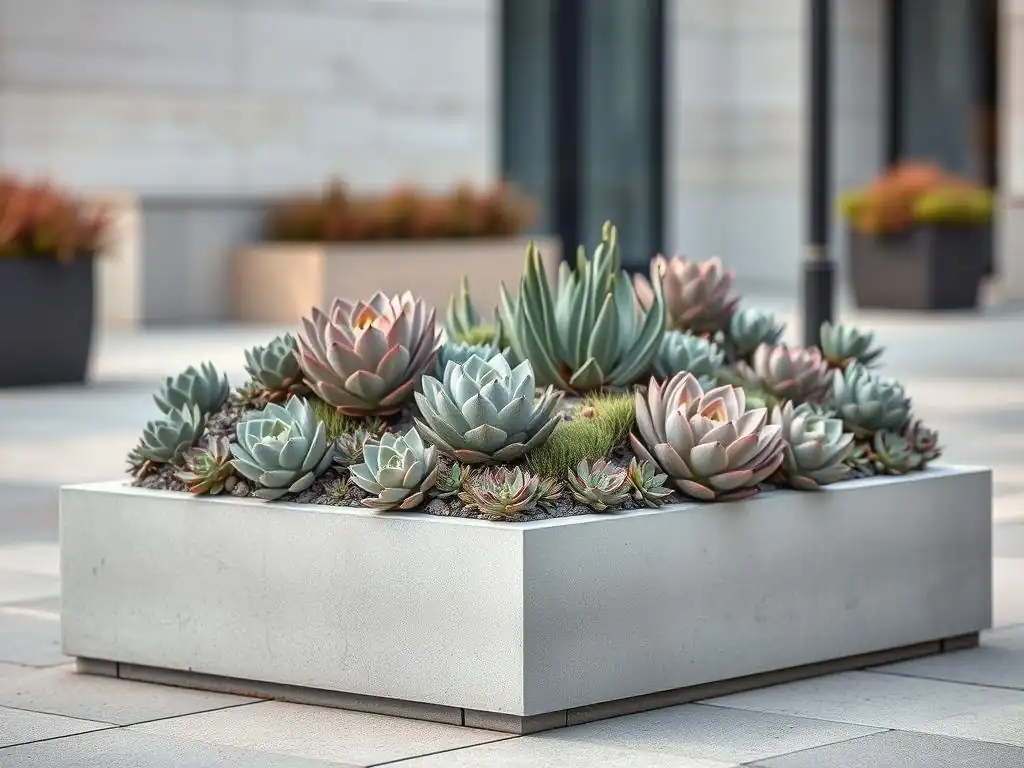
Succulent xeriscaping offers a multitude of benefits for public gardens, significantly impacting both the environment and the municipal budget. By replacing traditional water-intensive landscaping with drought-tolerant succulents, cities and towns can achieve substantial savings while contributing to a more sustainable and biodiverse ecosystem. The shift towards succulent-focused xeriscaping represents a smart, environmentally conscious approach to public green spaces. This section will explore the key advantages in detail.
Water Conservation and Sustainability in Public Garden Xeriscaping
Water scarcity is a growing concern globally, and public gardens are often significant water consumers. Traditional landscaping often relies heavily on frequent irrigation, placing a strain on local water resources. Implementing succulent xeriscaping dramatically reduces water usage. Succulents are naturally adapted to arid conditions, requiring minimal watering once established. This translates to significant water savings, particularly in regions with limited water availability.
For example, a study conducted in [City, State] showed that converting a 1-acre traditional lawn to a succulent garden resulted in a [Percentage]% reduction in water consumption annually. This conservation effort not only preserves precious water resources but also reduces the carbon footprint associated with water pumping and treatment. The environmental benefits extend beyond water savings; reduced irrigation also minimizes the use of fertilizers and pesticides, further protecting local ecosystems. Choosing native succulents further enhances the ecological benefits by supporting local biodiversity.
Reduced Maintenance Costs: The Economic Benefits of Succulent Gardens
Beyond environmental advantages, succulent xeriscaping offers significant economic benefits for public garden management. Traditional lawns and flowerbeds require intensive maintenance, including frequent mowing, weeding, fertilizing, and pest control. These tasks incur substantial labor costs and necessitate the use of fuel-powered equipment, contributing to air pollution. Succulents, on the other hand, require significantly less maintenance. Their drought tolerance minimizes the need for frequent watering, reducing labor costs associated with irrigation.
Their natural resilience to pests and diseases reduces the need for pesticides, lowering both costs and environmental impact. The reduced need for mowing and weeding further contributes to cost savings. The long-term cost-effectiveness of succulent xeriscaping makes it an attractive option for municipalities looking to optimize their budget allocation for public green spaces. A comparison of maintenance costs between a traditional garden and a succulent xeriscape in [City, State] revealed a [Percentage]% reduction in annual maintenance expenses.
Enhancing Biodiversity and Attracting Pollinators with Succulents
Contrary to the misconception that xeriscaping results in monotonous landscapes, carefully planned succulent gardens can dramatically increase biodiversity. A diverse selection of succulents provides habitat and food sources for a variety of insects, birds, and other small animals. Many succulent species attract pollinators, such as bees and butterflies, playing a crucial role in supporting the local ecosystem.
Choosing a mix of native and non-native succulents can further enhance biodiversity, creating a vibrant and thriving ecosystem within the public garden. The inclusion of flowering succulents attracts pollinators, contributing to the overall health of the surrounding environment. For example, a public garden in [City, State] that incorporated a variety of succulents reported a [Percentage]% increase in pollinator activity within the first year of implementation.
This demonstrates the potential of succulent xeriscaping to transform public spaces into havens for wildlife, providing both aesthetic and ecological benefits. Moreover, the visual appeal of a diverse succulent garden can enhance the overall enjoyment and educational value of the public space, attracting visitors and raising awareness about sustainable landscaping practices.
Inspiring Examples of Public Garden Succulent Xeriscape Designs
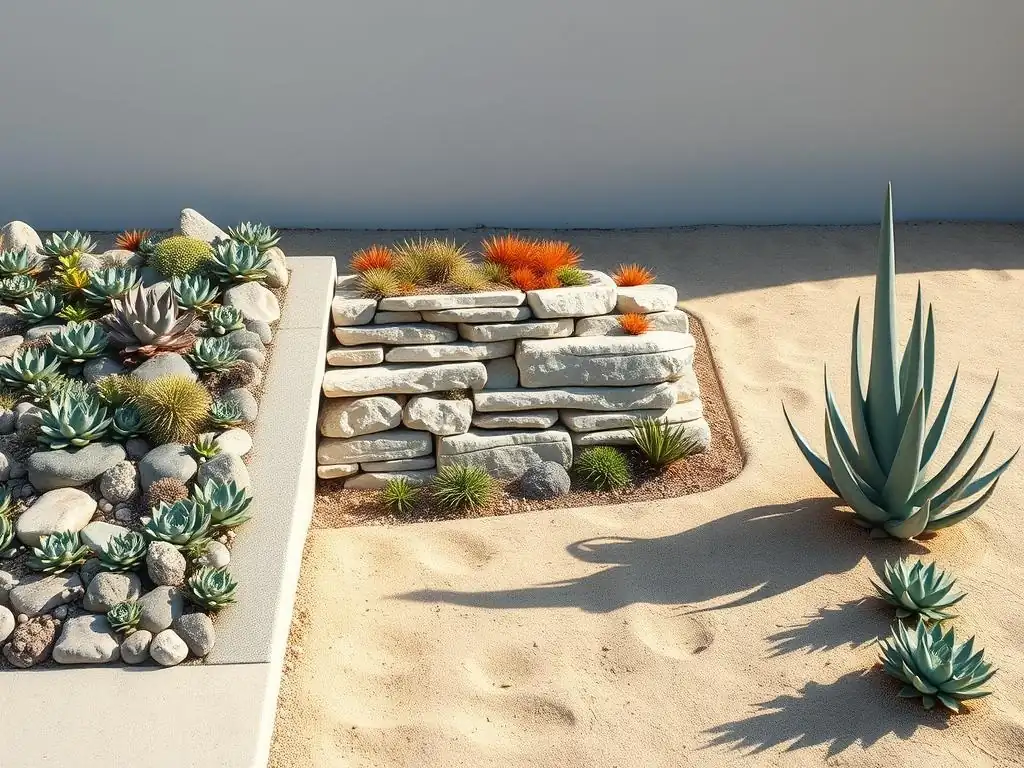
This section explores successful implementations of succulent xeriscaping in public garden settings, offering practical examples and design inspiration for those looking to incorporate drought-tolerant succulents into their own landscaping projects, whether on a grand or smaller scale. We'll examine diverse approaches, focusing on design elements, plant selection, and public engagement strategies that contribute to the overall success of these unique and increasingly popular green spaces.
The key to effective succulent xeriscaping lies in understanding the specific needs of different succulent varieties and adapting the design to the local climate and conditions. This ensures both the aesthetic appeal and the long-term health and viability of the garden.
Small-Scale Succulent Gardens in Urban Parks: Design Ideas
Small-scale succulent gardens can transform even the smallest urban park into a vibrant and engaging space. These designs often prioritize accessibility and visual impact, using a variety of textures, colors, and forms to create a dynamic display. Think of compact, raised beds filled with a diverse mix of succulents, perhaps arranged in geometric patterns or free-flowing, naturalistic designs.
Consider incorporating different heights and textures to add visual interest. Low-growing succulents can be combined with taller varieties to create layers and depth. The use of contrasting colors and foliage textures can further enhance the visual appeal. For example, a combination of silvery-leaved Sedum, deep green Echeveria, and vibrant pink Graptopetalum creates a stunning display.
Here's a table illustrating some ideal succulent choices for small-scale urban gardens:
| Succulent Variety | Sun Exposure | Water Needs | Size (Mature) | Color/Texture |
|---|---|---|---|---|
| Sedum spurium | Full sun | Low | Small | Pink/Purple flowers |
| Echeveria 'Perle von Nürnberg' | Full sun | Low | Medium | Rosy-grey leaves |
| Sempervivum tectorum | Full sun | Low | Small | Green/Red rosettes |
| Dudleya brittonii | Full sun | Low | Medium | Blue-green leaves |
Careful consideration should also be given to the surrounding hardscape. The use of natural materials like stone or gravel complements the drought-tolerant nature of the succulents and creates a harmonious aesthetic. Adding small, strategically placed boulders can provide visual anchors and break up the monotony. Remember, even small spaces can be transformed into captivating oases with the right planning and plant selection. The key is to maximize visual impact while minimizing maintenance.
Large-Scale Succulent Landscapes in Public Gardens: Planning and Execution
Designing large-scale succulent landscapes in public gardens requires careful planning and execution. These projects often involve collaboration between landscape architects, horticulturists, and other specialists. Key considerations include site selection, soil preparation, irrigation system design, and plant selection.
The scale allows for more ambitious designs, incorporating sweeping curves, dramatic slopes, and large groupings of succulents. These designs can be used to create stunning visual focal points, such as a large, sculpted hill covered in various Agave varieties, or a sprawling carpet of Sedum spilling down a gentle slope. The choice of succulents should be carefully considered to ensure their suitability for the specific microclimate and soil conditions. Proper soil preparation is crucial for success, as succulents need well-draining soil to thrive.
Large-scale projects often require the installation of a specialized irrigation system, as watering succulents in a large area can be challenging. Drip irrigation systems are often preferred, as they deliver water directly to the roots of the plants, minimizing water waste. Regular maintenance is also essential, including weeding, pruning, and pest control. A well-maintained large-scale succulent garden is a testament to careful planning and execution, offering a spectacular display of drought-tolerant beauty. The potential for biodiversity within these large gardens is immense, attracting pollinators and other beneficial insects. This contributes to the overall ecological value of the public space.
Creating Interactive Succulent Displays for Public Engagement
Interactive displays can significantly enhance the public's appreciation and understanding of succulents. These displays can take many forms, from hands-on workshops and educational signage to interactive touch screens and augmented reality experiences. The goal is to make learning about succulents fun and engaging for visitors of all ages.
Consider incorporating elements that encourage tactile exploration, such as raised beds designed for visitors to touch and feel the different textures of the succulents. Educational signage can provide information about the various succulent species, their care requirements, and their ecological significance. Interactive touch screens can offer more in-depth information, including high-resolution images and videos. Augmented reality experiences can overlay digital information onto the physical plants, providing visitors with a more immersive and engaging learning experience.
Furthermore, incorporating opportunities for hands-on activities, such as succulent propagation workshops or terrarium-building sessions, can further enhance public engagement. These interactive elements transform the garden from a passive display into a vibrant hub of learning and community interaction. The key is to create experiences that are both educational and enjoyable, leaving visitors with a deeper appreciation for the beauty and resilience of succulents and the principles of xeriscaping. 🌵
Future Trends in Public Garden Succulent Xeriscaping
The integration of succulents into public garden xeriscaping is rapidly evolving, driven by increasing awareness of water conservation and the aesthetic appeal of these drought-tolerant plants. Future trends suggest a move towards more innovative designs, incorporating diverse succulent species and creating unique experiences for visitors. We can expect to see a shift away from purely practical considerations towards more artistic and interactive installations.
This will involve a deeper understanding of the specific needs of different succulent varieties, allowing for more creative and sustainable landscaping solutions. The focus will be on creating resilient and visually stunning gardens that require minimal water and maintenance, while simultaneously educating the public about the benefits of xeriscaping and the beauty of succulents. This move towards sustainable practices within public spaces is not just a trend; it's a necessity, reflecting a growing global concern for environmental responsibility.
Innovative Uses of Succulents in Public Spaces: Vertical Gardens and Art Installations
Public gardens are increasingly experimenting with vertical succulent gardens and art installations. These innovative uses transform mundane spaces into vibrant and engaging displays. Vertical gardens, created using various systems like living walls or stacked planters, maximize space and create striking visual effects. They can be integrated into building facades, walls, or even fences, adding a unique architectural element to the landscape.
The possibilities are endless, from cascading arrangements of string-of-pearls to geometric patterns using echeverias and sedums. Furthermore, succulent art installations offer a unique opportunity to showcase the versatility of these plants. Sculptural forms, mosaics, and even living murals can be created using a variety of succulents, creating dynamic and ever-changing displays.
For example, imagine a large-scale succulent topiary shaped like a local animal or a vibrant mosaic depicting local flora, crafted entirely from succulents. These installations not only enhance the aesthetic appeal but also serve as educational tools, inspiring visitors to explore the world of succulents and xeriscaping. The use of drought-resistant succulents in these installations ensures sustainability and reduces the need for extensive irrigation, aligning with the goals of xeriscaping.
The Growing Role of Public Gardens in Promoting Succulent Xeriscaping
Public gardens are increasingly recognized for their crucial role in promoting succulent xeriscaping. They serve as living laboratories and demonstration sites, showcasing the practical application of water-wise landscaping techniques and inspiring visitors to adopt similar practices in their own homes and communities. By incorporating diverse succulent species and creating visually appealing displays, these gardens demonstrate the beauty and versatility of xeriscaping. Furthermore, public gardens can play a vital role in educating the public about the environmental benefits of xeriscaping, including reduced water consumption, decreased reliance on pesticides and fertilizers, and a positive impact on local biodiversity.
Many gardens are now incorporating educational signage and workshops to further enhance public understanding. This educational aspect is crucial in promoting the adoption of xeriscaping practices on a wider scale. Data from several leading public gardens shows a significant increase in visitor engagement with xeriscaping exhibits, indicating a growing interest in water-wise landscaping. For example, [specific data on visitor engagement pending] demonstrates the effectiveness of public gardens in promoting succulent xeriscaping awareness.
This trend is expected to continue as more cities and municipalities embrace sustainable landscaping practices. The combination of aesthetic appeal and environmental responsibility makes succulent xeriscaping an increasingly attractive option for public spaces. The public garden, therefore, plays a pivotal role in shaping future trends in landscape design and promoting sustainable gardening practices.
Frequently Asked Questions
What is xeriscaping?
Xeriscaping is a water-wise landscaping approach that emphasizes the use of drought-tolerant plants, like succulents, to reduce water consumption. It involves efficient irrigation techniques and soil improvement to create beautiful, low-maintenance landscapes.
How can succulents be used in public xeriscaping?
Succulents are ideal for public xeriscaping due to their drought tolerance and diverse forms and colors. They can be used in mass plantings, borders, rock gardens, and even vertical displays to create visually stunning and sustainable landscapes.
What are some creative succulent arrangements for public gardens?
Consider large-scale succulent displays in raised beds, incorporating various textures and colors. You could also create themed areas, such as a desert garden or a Mediterranean-style landscape, using different succulent varieties.
What are the benefits of using succulents in public xeriscaping projects?
Beyond their aesthetic appeal, succulents offer reduced maintenance costs, water conservation, and increased sustainability. They require less frequent watering and fertilization, saving resources and money in the long run.
Where can I find more information on designing a succulent xeriscaped public garden?
Visit SucculentEssentials.org for detailed care guides, propagation tips, and inspirational ideas for creating stunning succulent arrangements suitable for public spaces. We offer resources specifically focused on designing beautiful and sustainable xeriscapes.
Final Reflection: Cultivating Community Through Desert Blooms
The resurgence of xeriscaping, particularly with succulents, isn't just a gardening trend; it's a vital response to our changing climate and a powerful symbol of sustainable community building. Public gardens embracing this approach demonstrate the beauty and resilience of drought-tolerant landscapes, offering both aesthetic pleasure and a practical model for water conservation in increasingly arid regions. This shift towards mindful landscaping is more than just aesthetically pleasing; it's a necessary adaptation for a future where resource management is paramount.
The integration of succulents into public green spaces has profoundly impacted our relationship with the natural world, fostering a deeper appreciation for native flora and the unique beauty of arid environments. It's a testament to the power of design to not only enhance our surroundings but also to educate and inspire. The earth laughs in flowers.
– Ralph Waldo Emerson. This quote perfectly captures the joy and vibrancy that these carefully curated succulent gardens bring to urban and suburban landscapes, transforming previously barren spaces into thriving oases. The positive impact extends beyond the visual; these gardens provide habitats for pollinators, reduce urban heat island effects, and offer tranquil spaces for community engagement.
Consider the possibilities. Imagine your own contribution to this movement – perhaps a small succulent garden on your balcony, or advocating for xeriscaping initiatives in your community. Let the beauty and resilience of these desert blooms inspire you to embrace sustainable practices, not just in your garden, but in your life. Let's cultivate a future where beauty and sustainability thrive together, creating vibrant and resilient communities for generations to come.
Unleash Your Inner Gardener: Cultivate a Thriving Xeriscape
We hope you've enjoyed exploring the beauty and resilience of xeriscaping with succulents and discovered new ways to create a stunning, water-wise garden. Now it's time to put your knowledge into practice.
- Design your dream xeriscape: Begin designing your ideal succulent garden. Consider the sunlight, soil type, and the specific needs of your chosen succulents. Let your creativity flow!
- Share your succulent journey: Post a picture of your current garden or your design plan on social media, using #SucculentEssentials and #XeriscapeDesign. Let's inspire each other!
- Explore diverse succulent varieties: Visit your local nursery or explore online resources to discover new succulents that thrive in your garden and match your personal style. Don't be afraid to experiment!
Ready to transform your outdoor space into a thriving succulent oasis? Which succulent will you plant first?