
Commercial Succulent Landscaping: Maintenance and Care Tips


Welcome to SucculentEssentials.org, where the fascinating world of succulents unfolds before you! Are you ready to unlock the secrets to thriving succulent gardens? We delve into the art and science of succulent cultivation, from identifying rare varieties to mastering propagation techniques. But first, let's explore the practical side: discover essential Succulent landscape maintenance tips that will transform your outdoor space into a breathtaking, drought-tolerant oasis. Dive in and uncover the key to creating and maintaining the succulent landscape of your dreams!
- Understanding Commercial Succulent Landscape Needs
-
Essential Succulent Landscape Maintenance Tips
- Watering Techniques for Commercial Succulent Gardens: Deep and Infrequent
- Fertilizing Commercial Succulents: Choosing the Right Nutrients and Schedule
- Pruning and Trimming for Commercial Succulent Installations: Shaping and Health
- Pest and Disease Management in Commercial Succulent Landscapes: Prevention and Treatment
- Maintaining the Health and Vitality of Your Commercial Succulents
- Seasonal Care for Commercial Succulent Landscapes
- Long-Term Planning and Sustainability
-
Frequently Asked Questions
- How often should I water my succulent landscape?
- What are the best fertilizers for succulents in a landscape setting?
- How do I deal with pests and diseases in my succulent landscape?
- What are the essential tools for maintaining a succulent landscape?
- How can I prevent weeds from overtaking my succulent landscape?
- Final Reflection: Cultivating Resilience: The Enduring Appeal of Succulent Landscapes
- Unleash Your Inner Green Thumb: Next Steps for a Thriving Succulent Garden
Understanding Commercial Succulent Landscape Needs
Commercial succulent landscaping presents a unique set of challenges and rewards compared to residential installations. The scale is significantly larger, demanding a more robust and strategic approach to maintenance and care. This guide delves into the specific needs of maintaining large-scale succulent gardens in commercial settings, providing practical tips and strategies to ensure the long-term health and visual appeal of your succulent landscape.
From assessing your existing installation to developing effective irrigation strategies, we'll cover the key aspects of maintaining thriving commercial succulent gardens that withstand the test of time and impress clients and visitors alike. Successful commercial succulent landscape management requires proactive planning, meticulous attention to detail, and a deep understanding of these resilient yet demanding plants.
This article will equip you with the knowledge and tools to achieve just that, enhancing the beauty and sustainability of your commercial property. Remember, a well-maintained succulent landscape not only adds aesthetic value but also contributes to a more eco-friendly and sustainable environment.
Assessing Your Commercial Succulent Installation: A Comprehensive Checklist
Before diving into maintenance, a thorough assessment of your existing commercial succulent installation is crucial. This involves more than just a casual glance; it requires a detailed checklist to identify potential issues and inform your maintenance strategy. Consider these key aspects:
- Species Identification: Knowing the specific types of succulents used is vital. Different species have varying water and sunlight requirements. A detailed inventory, perhaps even a map of the installation, can be invaluable.
- Plant Health: Examine each plant for signs of stress, disease, or pest infestation. Look for discoloration, wilting, unusual growths, or insect activity. Document any issues you find.
- Soil Condition: Assess the soil's drainage, moisture retention, and nutrient levels. Poor drainage can lead to root rot, while nutrient deficiencies can hinder growth. Consider soil testing for a precise analysis.
- Irrigation System: Evaluate the efficiency and effectiveness of your irrigation system. Check for leaks, clogged emitters, and uneven water distribution. Ensure the system is appropriately calibrated for the specific needs of the succulents.
- Structural Integrity: Inspect any retaining walls, raised beds, or other structures supporting the succulent landscape. Ensure they are stable and free from damage.
- Weed Control: Note the presence and extent of weeds. A proactive weed control strategy is essential to prevent competition for resources.
This comprehensive checklist will provide a baseline for developing a tailored maintenance plan, ensuring the ongoing health and beauty of your commercial succulent landscape. Remember, prevention is key; addressing potential problems early can save significant time and resources in the long run.
Unique Challenges of Large-Scale Succulent Gardens
Maintaining large-scale succulent gardens presents unique challenges not encountered in smaller, residential settings. These challenges often stem from the sheer scale of the project and the increased exposure to environmental factors.
- Accessibility: Reaching all areas of a large installation for maintenance can be difficult. Consider the use of specialized equipment or techniques to ensure all plants receive adequate care.
- Environmental Factors: Large installations are more exposed to extreme weather conditions, such as intense sun, heavy rains, or strong winds. This requires a more robust maintenance strategy to mitigate potential damage.
- Water Management: Consistent and efficient water delivery becomes increasingly complex with larger installations. A well-designed and regularly monitored irrigation system is essential.
- Pest and Disease Control: The larger the installation, the greater the risk of pest and disease outbreaks. Proactive monitoring and prompt treatment are crucial to prevent widespread damage.
- Labor Costs: Maintaining a large succulent landscape requires significant labor. Efficient planning and possibly the use of specialized equipment can help manage these costs effectively.
Water Requirements for Commercial Succulent Landscapes: Irrigation Strategies
Water management is paramount for the success of any succulent landscape, but especially crucial in commercial settings. Overwatering is a common mistake that can lead to root rot and plant death. Conversely, underwatering can stress the plants and compromise their aesthetic appeal.
- Drip Irrigation: This method delivers water directly to the roots, minimizing water waste and reducing the risk of fungal diseases. It's particularly effective for large installations.
- Soaker Hoses: These hoses provide a slow, even release of water, ideal for succulents that prefer consistently moist soil.
- Automated Systems: Automated irrigation systems allow for precise control over watering schedules and amounts, ensuring optimal water delivery even during periods of extreme weather.
- Soil Moisture Monitoring: Regularly check soil moisture levels to adjust watering schedules as needed. Using soil moisture sensors can provide accurate readings and prevent overwatering.
- Seasonal Adjustments: Water requirements vary throughout the year. Adjust your irrigation schedule based on seasonal changes in temperature and rainfall. During hotter months, more frequent watering may be necessary, while less frequent watering is usually sufficient during cooler months. Remember to account for rainfall when determining watering schedules to avoid overwatering.
By implementing these strategies, you can ensure your commercial succulent landscape receives the precise amount of water it needs, promoting healthy growth and vibrant aesthetics while conserving water resources. Regular monitoring and adjustments are key to long-term success.
Essential Succulent Landscape Maintenance Tips
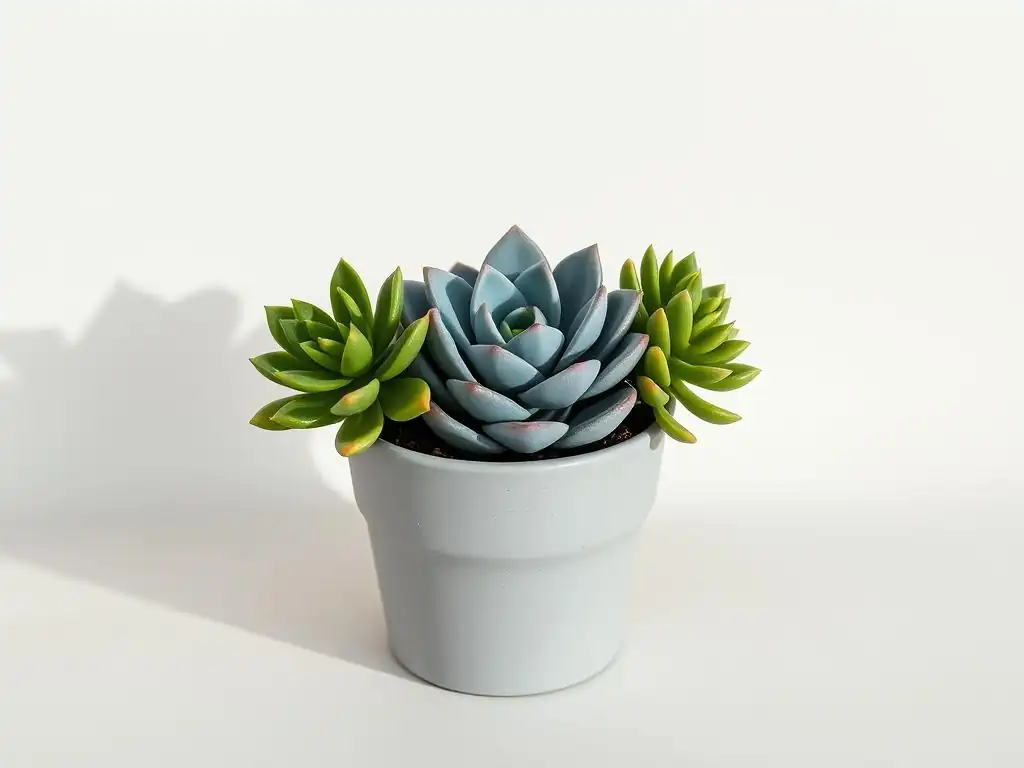
This section delves into the specifics of maintaining large-scale commercial succulent installations, focusing on techniques crucial for their long-term health and aesthetic appeal. We'll explore watering, fertilization, and pruning strategies tailored to the demands of these impressive displays. Remember, consistent, informed care is key to maximizing the lifespan and beauty of your succulent landscape. Proper succulent landscape maintenance tips are crucial for success.
Watering Techniques for Commercial Succulent Gardens: Deep and Infrequent
Effective watering is paramount in succulent landscape maintenance. Overwatering is a common killer of succulents, leading to root rot and fungal diseases. The goal is to provide a deep, infrequent watering that allows the soil to dry out completely between waterings. This mimics the natural conditions succulents thrive in.
The frequency of watering depends heavily on several factors:
- Climate: Hot, dry climates will necessitate more frequent watering than cooler, more humid ones. Expect to water more often during extended periods of heat.
- Soil Type: Well-draining soil is crucial. Amend heavy clay soils with perlite or pumice to improve drainage. Poor drainage leads to waterlogging and root problems.
- Plant Type: Different succulent species have varying water requirements. Research the specific needs of the succulents used in your installation.
- Potting Mix: A specialized succulent and cacti potting mix is highly recommended. These mixes are formulated for excellent drainage.
Instead of frequent light watering, aim for a thorough soaking that allows water to penetrate deeply into the root zone. You should see water draining from the bottom of containers or the base of the planting area. Allow the soil to dry completely before watering again. This deep and infrequent approach minimizes the risk of root rot while ensuring the plants receive adequate hydration. Checking the moisture level with your finger is a simple way to determine if watering is necessary.
Fertilizing Commercial Succulents: Choosing the Right Nutrients and Schedule
Succulents are not heavy feeders, but they do benefit from occasional fertilization, especially in commercial landscapes where plants are under more stress from environmental factors and potential competition for resources. Over-fertilizing can be detrimental, leading to salt buildup in the soil and potentially burning the roots.
A balanced, slow-release fertilizer formulated for cacti and succulents is ideal. Look for a low-nitrogen formula. High nitrogen can encourage leggy growth in succulents, compromising their compact form. Apply fertilizer sparingly, following the manufacturer's instructions. A good rule of thumb is to fertilize only during the active growing season (spring and summer) and to avoid fertilizing during the dormant period (fall and winter). The optimal schedule for fertilization will also depend on the specific types of succulents used and their growth rate.
Consider using liquid fertilizers diluted to half strength. This reduces the risk of salt buildup. Always water thoroughly after fertilizing to help flush away excess salts and prevent damage to the roots. Regular soil testing can help determine nutrient deficiencies, allowing for targeted fertilization to maintain optimal plant health. Remember, less is often more when it comes to fertilizing succulents.
Pruning and Trimming for Commercial Succulent Installations: Shaping and Health
Pruning and trimming are essential for maintaining the shape, size, and health of your commercial succulent landscape. This involves removing dead, damaged, or diseased leaves and stems, as well as shaping plants to maintain a desired aesthetic. Pruning also encourages bushier growth in some succulent varieties.
Tools: Use clean, sharp pruning shears or scissors to minimize damage to the plants. Sterilizing the tools with rubbing alcohol between cuts helps prevent the spread of diseases.
Techniques:
- Deadheading: Regularly remove spent flowers to prevent the plant from expending energy on seed production. This redirect energy towards new growth.
- Removing Damaged Leaves: Carefully remove any leaves that are yellowed, brown, or otherwise damaged. This improves the overall appearance and prevents the spread of disease.
- Shape and Size Control: For larger succulents, you may need to prune to control their size and shape, keeping them within the desired boundaries of the landscape design. This is especially important in tightly packed arrangements.
- Propagation: In some cases, pruned cuttings can be used for propagation, expanding your succulent collection or filling in gaps in your landscape.
Remember that proper pruning techniques are critical to maintaining the health and beauty of your commercial succulent installation. Regular inspection and timely pruning will significantly enhance the overall appearance and longevity of your landscape, demonstrating the benefits of consistent succulent landscape maintenance tips.
Pest and Disease Management in Commercial Succulent Landscapes: Prevention and Treatment
Maintaining the health and vitality of a large-scale succulent landscape requires a proactive approach to pest and disease management. Ignoring these issues can quickly lead to widespread damage, impacting the aesthetic appeal and potentially the survival of your plants. Prevention is always the best strategy, and this involves careful planning and consistent monitoring.
One crucial preventative measure is selecting disease-resistant succulent varieties. Certain species are inherently more susceptible to specific pests and diseases than others. Consulting with a horticultural expert or a reputable succulent nursery can help you choose robust varieties well-suited to your climate and the specific challenges of your location. Understanding the local pest and disease profile is also vital. Researching common issues in your area will allow you to focus your preventative efforts effectively.
Regular inspection is paramount. Conduct thorough visual checks of your succulent landscape at least weekly, if not more frequently during periods of high humidity or extreme temperatures. Early detection of pests or diseases allows for swift intervention, minimizing the potential for widespread damage. Look for signs like discoloration, wilting, unusual spots, or the presence of insects. Pay close attention to the undersides of leaves and stems, as many pests tend to hide in these areas.
When pests or diseases are identified, timely and appropriate treatment is crucial. For minor infestations, hand-picking pests may suffice. However, for more significant issues, you may need to utilize environmentally friendly pesticides or fungicides. Always follow the manufacturer's instructions carefully and consider the potential impact on beneficial insects and pollinators. Organic pest control options, such as neem oil or insecticidal soap, are often preferred for their reduced environmental impact. Remember that over-watering can weaken succulents, making them more vulnerable to diseases. Proper irrigation techniques are essential for robust plant health.
In severe cases, it might be necessary to remove and replace heavily infested or diseased plants to prevent the spread of problems to healthy specimens. This is particularly important in large commercial landscapes where the rapid spread of disease can have significant financial consequences. Proper disposal of infected plants is also crucial to prevent the further spread of pathogens.
Consider composting healthy plant debris separately to avoid contaminating your compost. Documentation of treatment methods, including the type of pest or disease, treatment applied, and its effectiveness, is invaluable for future reference and refining your landscape management strategies. This data-driven approach ensures that you can adapt and refine your approach over time, leading to a healthier and more resilient succulent landscape.
Maintaining the Health and Vitality of Your Commercial Succulents
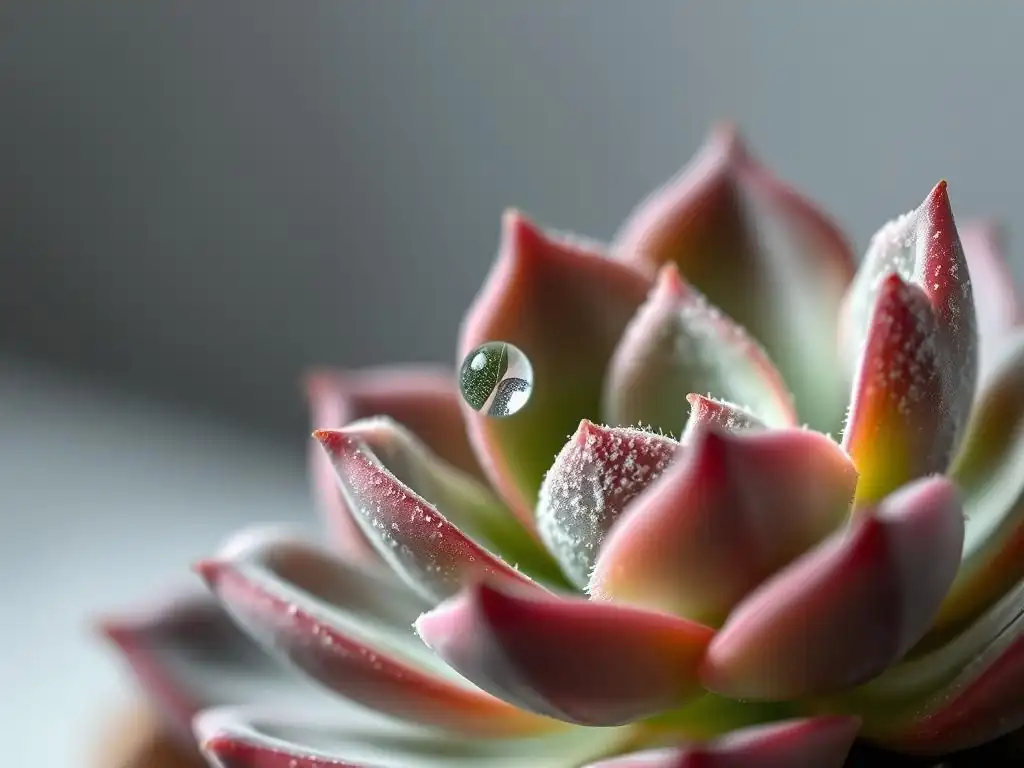
Maintaining a thriving commercial succulent landscape requires a proactive approach to plant health. Ignoring even minor issues can quickly escalate into widespread problems, impacting the aesthetic appeal and potentially the longevity of your installation. Regular monitoring and timely interventions are key to preventing significant setbacks. This section will provide crucial tips on ensuring your succulents remain vibrant and visually stunning.
Common Commercial Succulent Diseases and Their Treatment
Succulents, while generally hardy, are susceptible to certain diseases, particularly in densely planted commercial landscapes. Early detection is crucial for effective treatment. Here are some common ailments and their management strategies:
- Root Rot: This fungal disease, often caused by overwatering, manifests as mushy, brown roots and wilting foliage. Prevention is key: ensure excellent drainage and avoid overwatering. Treatment involves removing affected plants, improving soil drainage (consider amending with perlite or pumice), and potentially applying a fungicide. Careful watering practices are paramount in preventing recurrence.
- Leaf Spot: Characterized by brown or black spots on leaves, leaf spot is usually caused by fungal or bacterial pathogens. Good air circulation helps prevent it. Remove affected leaves and apply a fungicide or bactericide as needed. Avoid overhead watering to minimize spread.
- Edema: This physiological disorder appears as corky bumps or blisters on leaves. It's typically caused by overwatering, leading to root damage and a disruption in water uptake. Adjust watering frequency to address this. Improving drainage and allowing the soil to dry out completely between waterings is vital.
| Disease | Symptoms | Treatment | Prevention |
|---|---|---|---|
| Root Rot | Mushy, brown roots; wilting foliage | Remove affected plants; improve drainage; fungicide | Proper drainage; avoid overwatering |
| Leaf Spot | Brown or black spots on leaves | Remove affected leaves; fungicide/bactericide | Good air circulation; avoid overhead watering |
| Edema | Corky bumps or blisters on leaves | Adjust watering; improve drainage | Avoid overwatering; ensure proper drainage |
| Pests (general) | Visible insects; leaf damage; webbing | Identify pest; use appropriate insecticide/pesticide | Regular monitoring; preventative treatments |
The table above summarizes common diseases, their symptoms, treatment, and preventative measures. Remember, early diagnosis significantly improves the chances of successful treatment and prevents further spread within your commercial succulent landscape.
Identifying and Addressing Pest Infestations in Large-Scale Succulent Gardens
Pest infestations can quickly devastate a commercial succulent garden. Regular monitoring is essential for early detection and effective control. Here's a breakdown of common pests and control strategies:
- Mealybugs: These small, white, cottony insects suck sap from plants, causing stunted growth and leaf discoloration. Manual removal with a cotton swab dipped in rubbing alcohol is effective for small infestations. For larger infestations, consider using insecticidal soap or neem oil.
- Aphids: Tiny, pear-shaped insects that cluster on stems and leaves, sucking plant sap. They can be controlled with insecticidal soap, neem oil, or a strong spray of water.
- Spider Mites: These tiny arachnids create fine webbing on plants and cause stippling or yellowing of leaves. Miticides are effective, but preventative measures such as maintaining good air circulation are crucial.
More on Pest Control:
Always identify the pest accurately before applying any control measures. Using the wrong pesticide can harm beneficial insects and the environment. Consider integrated pest management (IPM) strategies, which prioritize preventative measures and only use pesticides as a last resort.
Regular inspections, ideally weekly, are crucial for early detection. Prompt action is key to minimize damage and prevent widespread infestation. Remember to always follow pesticide instructions carefully and consider the environmental impact of any chemical treatments.
Soil Health and Improvement in Commercial Succulent Landscapes
Healthy soil is the foundation of a thriving succulent landscape. Succulents prefer well-draining soil that is slightly acidic to neutral. Improper soil conditions can lead to various problems, including root rot and nutrient deficiencies.
Improving soil health involves several key strategies:
- Amendments: Incorporate amendments such as perlite, pumice, or coarse sand to improve drainage and aeration. Avoid heavy clay soils, as they retain too much moisture.
- Organic Matter: Adding organic matter like composted manure or coco coir can enhance soil structure and fertility, providing essential nutrients. However, ensure it's well-decomposed to avoid introducing pathogens.
- Soil Testing: Regular soil testing provides valuable insights into nutrient levels and pH. This allows for targeted amendments to address any deficiencies.
Maintaining optimal soil conditions is crucial for the long-term health and vitality of your commercial succulent landscape. A well-draining, nutrient-rich soil will promote strong root growth and enhance the overall resilience of your plants, minimizing the risk of diseases and pest infestations. Remember, a healthy soil translates directly to healthy and vibrant succulents.
Mulching Strategies for Commercial Succulent Gardens: Moisture Retention and Weed Control
Mulching is a cornerstone of successful succulent landscape maintenance, especially in large-scale commercial installations. It offers a dual benefit: conserving moisture and suppressing weed growth, both crucial for the long-term health and aesthetic appeal of your succulent beds. The type of mulch you choose significantly impacts its effectiveness. For example, using a coarse gravel mulch, like decomposed granite, provides excellent drainage while preventing water evaporation. This is particularly important for succulents, which are highly susceptible to root rot from overwatering. The larger particles also help to aerate the soil, preventing compaction and encouraging healthy root development.
Choosing the right mulch depth is just as critical as the material itself. A layer that's too thin won't provide sufficient weed suppression or moisture retention, while a layer that's too thick can impede drainage and create a breeding ground for fungal diseases. Generally, a 2-3 inch layer of gravel mulch is ideal for most succulent landscapes.
However, this can vary depending on the climate, the specific type of succulents planted, and the soil composition. In hotter, drier climates, a slightly thicker layer may be beneficial, while in cooler, wetter environments, a thinner layer might be more appropriate to avoid waterlogging.
Regular inspection and maintenance of your mulch layer are essential. Over time, the mulch can settle, compact, or become contaminated with weeds. Regularly replenish the mulch layer as needed, paying close attention to areas where it has thinned or been disturbed.
This preventative measure will help to maintain the effectiveness of your mulch and minimize the need for more intensive weed control methods later on. Remember that consistent mulch maintenance is a key element in achieving efficient succulent landscape maintenance and contributes significantly to the longevity and beauty of your commercial succulent installation.
Proper mulching is a cost-effective method for improving the overall health and aesthetics of your commercial succulent landscape, reducing the need for frequent watering and weeding, leading to lower maintenance costs in the long run. Consider experimenting with different mulch types and depths in smaller test areas to determine the most effective strategy for your specific site conditions and succulent varieties.
Seasonal Care for Commercial Succulent Landscapes

Commercial succulent landscapes, while drought-tolerant, still require attentive seasonal care to thrive and maintain their aesthetic appeal. Neglecting seasonal adjustments can lead to stunted growth, disease, and ultimately, a less vibrant display. Understanding the specific needs of your succulents throughout the year is crucial for long-term success and minimizing maintenance costs. This section details the essential care practices for each season, offering actionable tips to keep your succulent landscape flourishing.
Winter Care for Commercial Succulent Gardens: Protection from Frost and Cold
Winter presents unique challenges for succulent landscapes, particularly in regions experiencing frost or freezing temperatures. Many succulents are susceptible to cold damage, which can manifest as discoloration, leaf drop, or even plant death. Protection is paramount. For exposed areas, consider using frost cloths or row covers to shield plants from the harshest conditions. These lightweight fabrics provide insulation without inhibiting airflow.
Remember that even seemingly hardy succulents can suffer damage in prolonged freezing temperatures. Monitoring nighttime temperatures is crucial. If a hard freeze is predicted, supplemental watering should be avoided as this can increase the risk of ice damage within the plant tissue. Instead, focus on protecting the root systems with a layer of mulch, such as gravel or shredded bark. This helps insulate the soil and prevent freezing.
Regular inspection for any signs of frost damage – wilting, mushy leaves, or discoloration – is essential. Damaged portions should be carefully removed to prevent further spread of rot. Early detection and proactive measures will greatly improve the chances of your succulents surviving the winter months. Consider the specific cold hardiness of each succulent species when planning your winter protection strategy. Some species tolerate freezing conditions better than others.
Summer Care for Commercial Succulent Gardens: Heat Stress Management and Watering
Summer's intense heat and sun can pose significant challenges to succulent landscapes. While succulents are drought-tolerant, extreme heat can lead to heat stress, manifested as leaf scorching, wilting, and reduced growth. Providing adequate shade during the hottest parts of the day is crucial. This can be achieved through the strategic placement of shade cloth, strategically planted taller plants or even adjusting the orientation of the landscape to minimize direct sunlight exposure during peak hours.
Watering is another critical aspect of summer succulent care. While overwatering should be avoided, consistent yet infrequent deep watering is essential to prevent desiccation. The frequency will depend on factors such as temperature, sunlight exposure, and the type of soil. Monitor the soil moisture carefully; water only when the top inch or two of soil is dry.
Deep watering encourages strong root growth, helping the plants withstand heat stress more effectively. Consider utilizing drip irrigation or soaker hoses for efficient and targeted watering, minimizing water waste and preventing foliar diseases. Regularly inspect your plants for signs of heat stress. If you observe wilting or leaf scorching, increase the frequency of watering or provide additional shade.
Spring and Fall Maintenance for Commercial Succulent Landscapes: Pruning and Fertilization
Spring and fall offer ideal opportunities for essential maintenance tasks, such as pruning and fertilization, which promote healthy growth and aesthetic appeal. Spring pruning focuses on removing any dead, damaged, or diseased portions of the plants. This encourages new growth and maintains the overall shape and structure of the landscape. Use sharp, clean pruning tools to minimize the risk of disease transmission. Fall pruning is less extensive, primarily focusing on removing any late-season growth that might be susceptible to winter damage.
Fertilization plays a vital role in supporting healthy succulent growth. Spring is the optimal time for fertilization, as succulents begin their active growth phase. Use a slow-release, balanced fertilizer specifically formulated for succulents, avoiding high-nitrogen formulations. Follow the manufacturer's instructions carefully, avoiding over-fertilization, which can damage the plants.
Fall fertilization is generally not necessary for most succulents, as their growth slows considerably as temperatures drop. Remember to always water thoroughly after fertilizing to prevent fertilizer burn. Regular inspection throughout these seasons is crucial to catch any problems early, allowing for timely intervention and maximizing the longevity and beauty of your commercial succulent landscape. A well-maintained succulent landscape provides a low-maintenance yet stunning visual appeal, increasing its value and longevity.
Long-Term Planning and Sustainability
This section delves into the crucial aspects of long-term planning and sustainability when designing and maintaining commercial succulent landscapes. Ignoring these factors can lead to high maintenance costs, plant failure, and an overall less aesthetically pleasing result. Strategic planning from the outset is key to a thriving and cost-effective succulent installation.
Designing for Longevity: Choosing the Right Succulents for Your Climate
Selecting the appropriate succulents is paramount for a successful and sustainable commercial landscape. Ignoring climate considerations will inevitably lead to high replacement costs and a less visually appealing result. Consider these factors:
- Hardiness Zones: Knowing your specific hardiness zone is critical. Choosing succulents rated for your zone ensures they can withstand the temperature fluctuations throughout the year. Using a hardiness zone map is essential for this process. Using succulents outside their hardiness zone will likely result in winter kill or summer stress.
- Sunlight Exposure: Assess the sunlight exposure of your installation site. Some succulents thrive in full sun, while others prefer partial shade. Incorrect placement can lead to sunburn or etiolation (leggy growth). Detailed site analysis, including hourly sunlight mapping, should be conducted before planting.
- Soil Drainage: Succulents require well-draining soil to prevent root rot. Amend heavy clay soils with organic matter like perlite or pumice to improve drainage. Poor drainage is a leading cause of succulent failure in commercial landscapes. Soil testing should be conducted to determine the best amendments for your specific site.
- Species Selection: Diversity is key! Don't rely on a single succulent species. A diverse selection offers resilience against pests and diseases, creates a more visually interesting landscape, and provides different textures and colors. A well-designed landscape will incorporate a variety of textures, colors, and growth habits to maximize visual appeal.
- Mature Size: Account for the mature size of each succulent species. Overcrowding can lead to competition for resources and disease. Proper spacing is crucial, especially in large-scale installations. Detailed planting plans with precise spacing should be created prior to installation.
Sustainable Practices for Commercial Succulent Landscapes: Water Conservation and Waste Reduction
Sustainable practices are not just environmentally responsible; they also translate to significant cost savings in the long run. Commercial succulent landscapes offer inherent water conservation benefits, but strategic planning can amplify these advantages.
- Water-Wise Irrigation: Implement a drip irrigation system tailored to the specific water needs of your chosen succulents. Avoid overhead watering, which can lead to fungal diseases. Smart irrigation controllers can further optimize water usage based on weather conditions and soil moisture levels.
- Mulching: Applying a layer of gravel or other inorganic mulch around the succulents helps retain soil moisture, suppresses weeds, and regulates soil temperature. This reduces the frequency of watering and minimizes weed control costs.
- Compost and Organic Matter: Use compost and other organic matter sparingly, focusing primarily on improving drainage rather than adding excessive nutrients. Succulents are adapted to low-nutrient environments. Over-fertilization can lead to rapid, weak growth and increased susceptibility to pests and diseases.
- Waste Reduction: Recycle or compost any plant debris to minimize waste and enrich the soil for future plantings. Avoid the use of chemical pesticides and herbicides whenever possible, opting for integrated pest management strategies. Properly disposing of plant waste is also crucial to prevent the spread of diseases.
Cost-Effective Maintenance Strategies for Large-Scale Succulent Installations
Effective maintenance is crucial for maintaining the aesthetic appeal and longevity of your commercial succulent landscape. Implementing cost-effective strategies from the start can save significant time and money.
- Regular Inspection: Conduct regular inspections to identify and address any issues promptly. Early detection of pests, diseases, or irrigation problems can prevent minor issues from escalating into costly repairs.
- Pruning and Deadheading: Regular pruning and deadheading remove dead or damaged growth, promoting healthy growth and improving the overall appearance of the landscape. This also helps prevent the spread of diseases.
- Weed Control: Implement a proactive weed control strategy. Regular weeding, mulching, and the strategic use of organic weed control methods can minimize weed competition for resources.
- Pest and Disease Management: Develop an integrated pest management plan that prioritizes preventative measures. Monitor for pests and diseases, and implement appropriate control measures only when necessary. This minimizes the use of chemical pesticides, reducing environmental impact and cost.
- Seasonal Adjustments: Adapt maintenance practices to seasonal changes. For example, increase watering during hot, dry periods and reduce watering during cooler months. This ensures that the succulents receive the right amount of water throughout the year.
The successful maintenance of a commercial succulent landscape relies heavily on proactive planning and sustainable practices. By implementing these strategies, you can ensure a beautiful, thriving, and cost-effective installation for years to come. Remember, preventative measures always cost less than reactive repairs.
Frequently Asked Questions
How often should I water my succulent landscape?
Watering frequency depends on climate and soil type. Generally, less is more; allow the soil to dry completely between waterings. Overwatering is a common problem.
What are the best fertilizers for succulents in a landscape setting?
A balanced, slow-release fertilizer is ideal. Avoid high-nitrogen fertilizers, which can encourage leggy growth. Use sparingly, following package instructions carefully.
How do I deal with pests and diseases in my succulent landscape?
Regular inspection is key. Treat infestations promptly with appropriate insecticides or fungicides. Good air circulation helps prevent many problems.
What are the essential tools for maintaining a succulent landscape?
Essential tools include hand trowels, pruning shears, and a watering can with a rose head. Consider adding gloves for protection.
How can I prevent weeds from overtaking my succulent landscape?
Mulching around your succulents helps suppress weeds. Regular weeding, especially early on, is crucial. Consider using a weed barrier fabric under the mulch for extra protection.
Final Reflection: Cultivating Resilience: The Enduring Appeal of Succulent Landscapes
The enduring beauty of succulent landscapes isn't just aesthetically pleasing; it's a testament to the power of resilience in a changing world. These low-maintenance marvels offer a practical and visually stunning solution to water scarcity and the increasing demands of modern lifestyles, reflecting a growing global need for sustainable practices. Their ability to thrive in harsh conditions serves as a potent metaphor for our own capacity to adapt and flourish, even amidst challenges.
The increasing popularity of succulent landscaping speaks volumes about our collective desire for beauty that doesn't come at the cost of environmental responsibility. It's a reflection of a shift in values, a move away from resource-intensive practices towards more mindful and sustainable choices. The earth laughs in flowers.
– Ralph Waldo Emerson. This quote perfectly encapsulates the joy and resilience found in these remarkable plants, a joy that extends beyond the individual garden to a broader appreciation for the natural world and its capacity for renewal.
Consider the lessons these hardy plants teach us. Their ability to store water and withstand periods of drought mirrors our own inner strength and capacity to persevere. You too possess an inner resilience, a capacity to adapt and thrive, even in the face of adversity. Embrace the spirit of the succulent: learn to conserve, to adapt, and to find beauty in simplicity. Let the beauty and resilience of your own succulent garden serve as a daily reminder of your own inner strength and potential for growth.
Unleash Your Inner Green Thumb: Next Steps for a Thriving Succulent Garden
Thank you for exploring the world of succulent landscaping! You've gained valuable knowledge to create stunning, low-maintenance landscapes. Ready to put your new skills to the test?
- Design your dream succulent space: Sketch a plan for incorporating succulents into your commercial property. Consider sunlight, watering needs, and the desired aesthetic. Let your creativity flourish!
- Share your progress: Post pictures of your design or progress updates on social media. Use #SucculentEssentials to inspire others.
- Explore diverse succulent varieties: Discover the vast array of succulent varieties available. Visit your local nursery or browse online resources to find unique options for your landscape design.
What exciting succulents are you planning to use? Share your ideas in the comments below!