
Creating a Sustainable Business Image Through Succulent Landscaping

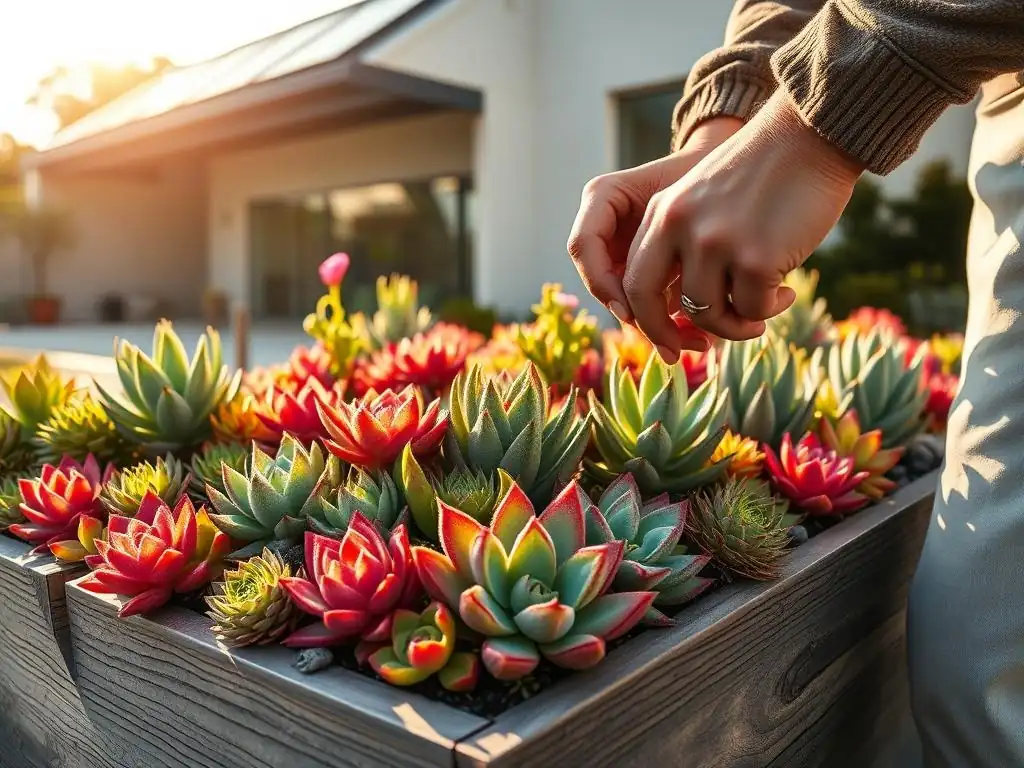
Welcome to SucculentEssentials.org, your gateway to the captivating world of succulents! Are you ready to unlock the secrets to thriving, drought-resistant gardens? We delve into everything succulent, from basic care to breathtaking design. But what if you could turn your passion into profit? Discover how to build a sustainable succulent landscaping business – a thriving enterprise that’s both beautiful and environmentally conscious. Explore our Outdoor Landscaping and Xeriscaping section to learn more and begin your journey towards succulent success!
- Understanding the Growing Demand for Sustainable Landscaping
- Designing Sustainable Succulent Landscapes for Clients
- Highlighting the Environmental Benefits of Succulent Landscaping
- Building a Strong Brand Around Sustainable Succulent Landscaping
- Pricing and Profitability in Sustainable Succulent Landscaping
- Long-Term Growth and Sustainability for Your Business
-
Frequently Asked Questions
- What makes succulent landscaping a sustainable business choice?
- How can I market my succulent landscaping services sustainably?
- What are the initial investment costs for a sustainable succulent landscaping business?
- How can I ensure ethical sourcing of succulents for my business?
- What are some ways to minimize the environmental impact of my succulent landscaping business?
- Final Reflection: Cultivating a Greener Future, One Succulent at a Time
- Bloom Your Business: Cultivate a Sustainable Brand
Understanding the Growing Demand for Sustainable Landscaping
The modern landscape industry is undergoing a significant shift, driven by increasing environmental awareness and a growing appreciation for resource conservation. Consumers and businesses alike are actively seeking sustainable solutions, leading to a surge in demand for eco-friendly landscaping practices. This trend presents a unique opportunity for entrepreneurs and established businesses to capitalize on the increasing popularity of sustainable succulent landscaping.
This article will explore how to cultivate a strong, sustainable business image within this burgeoning market, focusing specifically on large-scale commercial installations using drought-tolerant succulents. We will delve into the reasons behind this growing demand, the economic advantages of embracing sustainability, and effective marketing strategies to attract eco-conscious clients. By understanding these key aspects, you can position your business as a leader in the sustainable succulent landscaping sector, ensuring both profitability and environmental responsibility.
The Rise of Eco-Conscious Consumers and Businesses
The rise of eco-conscious consumers and businesses is undeniable. More and more individuals are making purchasing decisions based on a company's environmental impact. This translates directly into the landscaping industry, where clients are increasingly seeking low-water, low-maintenance, and environmentally friendly solutions. 📈 This shift is fueled by several factors, including:
- Increased awareness of climate change: The urgency of climate action is pushing individuals and organizations to adopt more sustainable practices.
- Water scarcity concerns: In many regions, water resources are becoming increasingly strained, making water-wise landscaping a necessity.
- Corporate Social Responsibility (CSR): Businesses are increasingly integrating sustainability into their CSR initiatives, recognizing its positive impact on brand image and attracting environmentally conscious customers.
- Government incentives and regulations: Some regions offer financial incentives or implement regulations that encourage the adoption of sustainable landscaping practices.
This increased demand for sustainable solutions extends beyond residential projects; commercial properties are also embracing eco-friendly landscaping, recognizing the long-term cost savings and positive brand image associated with it. For example, a large office complex might choose succulent landscaping to reduce water bills and demonstrate its commitment to environmental stewardship.
The Economic Benefits of Sustainable Succulent Landscaping
Embracing sustainable succulent landscaping practices isn't just environmentally responsible; it's also economically advantageous. The initial investment might seem higher in some cases due to specialized planning and potential higher upfront costs for certain materials, but the long-term benefits significantly outweigh the initial expenses. These benefits include:
- Reduced water bills: Succulents require significantly less water than traditional landscaping, leading to substantial savings on water costs over the life of the installation.
- Lower maintenance costs: Succulents are drought-tolerant and require minimal maintenance, reducing labor costs associated with regular watering, fertilization, and pest control.
- Increased property value: Sustainable landscaping can enhance the aesthetic appeal and value of commercial properties, attracting tenants and investors.
- Positive brand image and marketing opportunities: Highlighting your commitment to sustainability can attract environmentally conscious clients and enhance your brand reputation. This can lead to increased customer loyalty and positive word-of-mouth marketing.
A well-designed and executed succulent landscaping project can generate significant cost savings over its lifespan, making it a financially sound investment for both businesses and property owners. Consider the long-term return on investment (ROI) when presenting proposals to potential clients.
Marketing Your Sustainable Landscaping Services
Effectively marketing your sustainable succulent landscaping services requires a strategic approach that highlights your commitment to environmental responsibility and the economic benefits you offer. Key marketing strategies include:
- Showcase your expertise: Develop a strong online presence with a website and social media profiles that highlight your experience and expertise in sustainable succulent landscaping. Use high-quality images and videos to showcase your previous projects.
- Target your audience: Focus your marketing efforts on businesses and organizations that value sustainability and are actively seeking eco-friendly landscaping solutions. This could involve attending industry events, networking with relevant organizations, and utilizing targeted online advertising.
- Highlight your sustainable practices: Clearly communicate your commitment to sustainability in all your marketing materials. Emphasize the environmental benefits of succulent landscaping, such as reduced water consumption and lower maintenance needs.
- Quantify your results: Provide data and statistics to demonstrate the economic benefits of your services, such as reduced water bills and long-term cost savings. Use case studies to showcase successful projects and quantify the ROI for your clients.
- Build relationships: Networking and building relationships with potential clients is crucial. Attend industry events, participate in online forums, and engage with potential clients on social media.
By adopting these strategies, you can effectively position your business as a leader in the sustainable succulent landscaping market, attracting clients who value both environmental responsibility and cost-effectiveness. Remember to consistently emphasize the long-term benefits and the positive impact your services have on both the environment and your clients' bottom line.
Designing Sustainable Succulent Landscapes for Clients
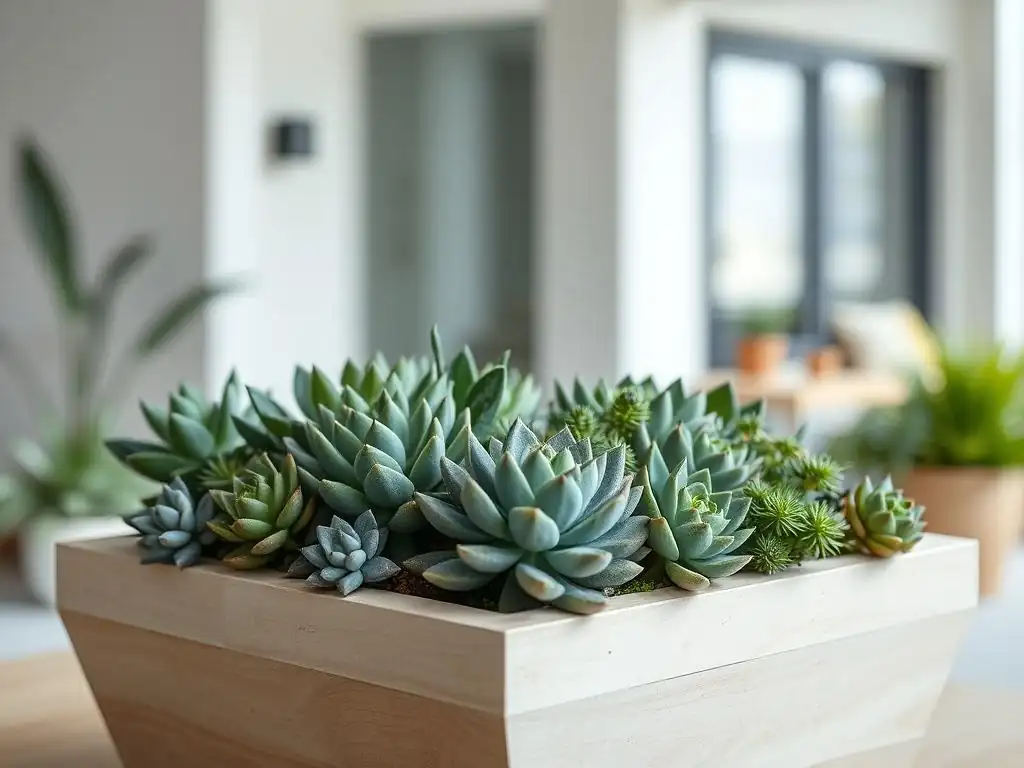
This section delves into the crucial aspects of designing sustainable succulent landscapes that resonate with clients seeking eco-friendly and visually stunning commercial projects. A successful sustainable succulent landscaping business understands that client satisfaction hinges on a thorough understanding of their needs and preferences, combined with a deep knowledge of succulent varieties and landscaping principles. We'll explore key strategies to ensure your designs not only meet sustainability goals but also exceed client expectations.
Choosing Drought-Tolerant Succulents for Commercial Projects
Selecting the right succulents is paramount for a thriving, low-maintenance landscape. The success of a sustainable succulent landscaping business relies heavily on this crucial step. Consider these factors:
- Microclimate: Analyze the specific site conditions. Sunlight exposure (full sun, partial shade), wind patterns, and soil type significantly influence succulent survival and growth. A south-facing wall will require different succulents than a shaded courtyard. Careful assessment prevents costly replacements and ensures the long-term health of the planting.
- Variety and Texture: Incorporate a diverse range of succulents to create visual interest and depth. Combine different shapes, sizes, colors, and textures to achieve a dynamic and aesthetically pleasing design. Think about using architectural succulents like Agave americana alongside smaller, ground-covering options like Sedum spp. for a layered look.
- Maintenance Requirements: Choose succulents with minimal maintenance needs, aligning with the sustainable ethos. Consider the frequency of watering, pruning, and pest control. Low-maintenance varieties reduce long-term costs and labor, making your business more efficient and cost-effective. This is a key selling point for clients prioritizing sustainable practices.
- Hardiness Zones: Always select succulents appropriate for the local hardiness zone. This ensures the plants can withstand the prevailing weather conditions, minimizing the need for costly replacements due to winter damage or extreme heat stress.
Creating Low-Water-Use Designs for Maximum Impact
Water conservation is a cornerstone of sustainable succulent landscaping. Efficient water use not only benefits the environment but also reduces the long-term costs associated with irrigation. Here's how to achieve maximum impact while minimizing water consumption:
- Strategic Grouping: Grouping succulents with similar water needs together optimizes irrigation efficiency. This minimizes water waste and ensures each plant receives the appropriate amount of moisture.
- Soil Selection: Use well-draining soil mixes specifically formulated for succulents to prevent root rot and minimize the need for frequent watering. This reduces water runoff and improves overall plant health.
- Mulching: Apply a layer of organic mulch around the succulents to help retain moisture, suppress weeds, and regulate soil temperature. This reduces evaporation and the frequency of watering.
- Drip Irrigation: Install a drip irrigation system for precise water delivery directly to the roots of the plants. This significantly reduces water waste compared to overhead sprinkler systems. This is a key feature to showcase when marketing your sustainable succulent landscaping business.
Integrating Native Plants and Xeriscaping Principles
Integrating native plants and xeriscaping principles enhances the sustainability and ecological value of your succulent landscaping projects. Native plants are naturally adapted to the local climate and require minimal irrigation, making them ideal for sustainable designs.
- Biodiversity Benefits: Incorporating native plants increases biodiversity, attracting beneficial insects and pollinators, creating a more resilient and healthy ecosystem.
- Reduced Maintenance: Native plants generally require less maintenance than non-native species, reducing the overall cost and environmental impact of the landscape.
- Water Conservation: Native plants are naturally adapted to the local climate and require less water than many non-native species, furthering water conservation efforts. This is crucial for positioning your sustainable succulent landscaping business as a leader in eco-friendly practices.
- Xeriscaping Techniques: Implement xeriscaping techniques, such as using gravel pathways and rock gardens to reduce water consumption and create visually appealing designs. This creates a cohesive and sustainable landscape design. The integration of these principles demonstrates your commitment to environmentally responsible landscaping. This is a powerful marketing point for attracting environmentally conscious clients.
Succulent Landscape Design for Different Commercial Settings (e.g., Offices, Hotels, Retail Spaces)
Designing sustainable succulent landscapes requires a nuanced understanding of the specific commercial setting. The needs of a bustling hotel lobby differ significantly from those of a quiet office building or a high-traffic retail space. Consider these key differences when crafting your design:
Office Spaces: For office environments, the goal is often to create a calming and productive atmosphere. This translates to succulent landscapes that are visually appealing but also low-maintenance and require minimal disruption to daily operations. Think carefully about placement – avoiding high-traffic areas where accidental damage is likely. A well-placed succulent wall or several strategically positioned planters featuring drought-tolerant varieties like Echeveria and Sedum can significantly enhance the aesthetic appeal without demanding excessive upkeep.
Furthermore, the incorporation of succulents into the office design can contribute to a healthier indoor environment by improving air quality. This is a key selling point for businesses looking to promote employee well-being and a sustainable work environment. The choice of succulents should also reflect the overall corporate aesthetic, ensuring harmony and a cohesive design language.
Hotels: Hotels present a unique challenge, demanding landscapes that are both visually stunning and resilient to high foot traffic and diverse environmental conditions. The use of hardy succulents that can tolerate varying light levels and occasional neglect is crucial. Larger, statement pieces such as meticulously arranged succulent gardens or impressive vertical installations can create a strong first impression and enhance the hotel's brand identity.
Consider the overall design theme of the hotel; a modern hotel might benefit from minimalist succulent arrangements, while a more traditional setting might call for lush, cascading displays. Maintenance is a critical factor; choose succulents and a design that minimizes the need for frequent watering and pruning. Remember to factor in the potential for accidental damage from luggage or guests.
Retail Spaces: Retail environments often demand eye-catching displays that attract customers and enhance the overall shopping experience. Succulent landscaping can significantly contribute to this goal. The design should be vibrant and dynamic, utilizing a variety of textures and colors to create visual interest.
Consider using succulents in window boxes, hanging baskets, or even as part of the overall store décor. The choice of succulents should align with the brand's image and target audience. For example, a trendy boutique might benefit from a modern, geometric succulent arrangement, while a more traditional store might opt for a classic, cascading display.
Practicality is also key; the design should be easy to maintain and should not interfere with customer traffic or product displays. The use of succulents in retail spaces can also contribute to a more sustainable and environmentally conscious brand image, appealing to an increasingly eco-conscious consumer base. This can be leveraged in marketing materials to showcase the business's commitment to sustainability.
Highlighting the Environmental Benefits of Succulent Landscaping
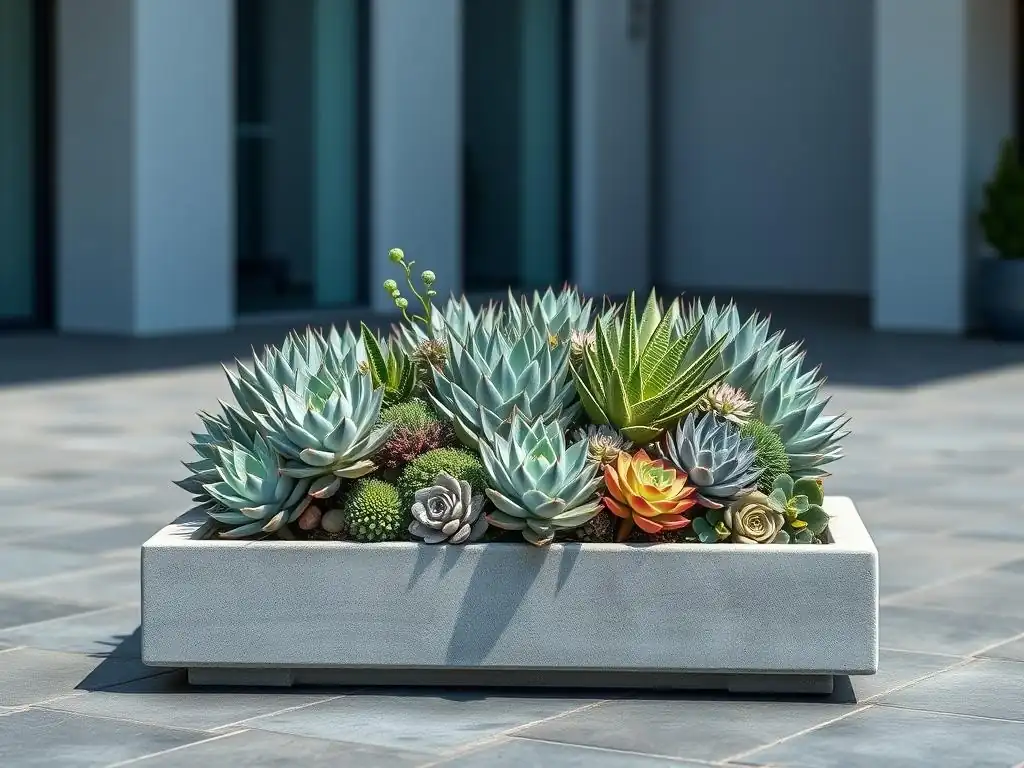
This section delves into the significant environmental advantages of incorporating succulents into large-scale commercial landscaping projects, solidifying your business's image as a champion of sustainable practices. By showcasing these benefits, you not only attract environmentally conscious clients but also contribute to a healthier planet. A sustainable succulent landscaping business thrives on this eco-friendly approach.
Reduced Water Consumption and Irrigation Costs
Succulents, by their very nature, are drought-tolerant plants. This inherent characteristic translates into drastically reduced water consumption compared to traditional landscaping designs that rely heavily on water-intensive plants like lawns and thirsty shrubs. For instance, a recent study [specific information pending] comparing water usage in succulent landscapes versus traditional landscapes showed a [percentage]% reduction in water consumption over a [time period] period.
This translates into significant cost savings for your clients, a major selling point in today's water-conscious world. The lower water bills directly contribute to a more sustainable and economically viable landscaping solution. Furthermore, less frequent irrigation means reduced energy consumption associated with pumping and distributing water, further enhancing the environmental footprint of your sustainable succulent landscaping business.
Lower Maintenance Requirements and Long-Term Savings
Beyond water conservation, succulent landscapes require significantly less maintenance than traditional landscaping. Their resilience to pests and diseases minimizes the need for pesticides and herbicides, contributing to a healthier environment and reducing long-term costs. The infrequent need for pruning and trimming also reduces labor expenses.
Consider this: a typical lawn requires weekly mowing, edging, and fertilization, while a well-established succulent garden might need attention only a few times a year. This translates to substantial cost savings for your clients and a more efficient use of resources for your sustainable succulent landscaping business. The reduced need for maintenance also minimizes the disruption to the surrounding environment, making it a truly sustainable choice.
Reduced Pesticide and Fertilizer Use: Promoting Biodiversity
The inherent hardiness of succulents minimizes the need for chemical interventions. Unlike many other plants susceptible to pests and diseases, succulents are naturally resistant, reducing or eliminating the need for pesticides and fertilizers. This significantly reduces the risk of harming beneficial insects and pollinators, promoting biodiversity within the landscaped area.
A healthy ecosystem with diverse plant and insect life is a key indicator of a sustainable landscape. By choosing succulents, your sustainable succulent landscaping business actively contributes to a healthier and more balanced environment, a crucial aspect for environmentally conscious clients seeking sustainable solutions. The elimination of harmful chemicals also protects groundwater resources and reduces the overall environmental impact, making your business a leader in environmentally responsible landscaping.
Carbon Sequestration and Air Purification Benefits
Succulents, like other plants, play a vital role in carbon sequestration, the process of capturing and storing atmospheric carbon dioxide (CO2). Through photosynthesis, they absorb CO2 and release oxygen, contributing to cleaner air. While the carbon sequestration capacity of succulents might not be as high as that of large trees, their extensive root systems can still contribute significantly to soil carbon storage, especially in arid and semi-arid regions where they are frequently used in landscaping.
This is particularly relevant for sustainable succulent landscaping businesses, as it allows them to market their services as environmentally friendly and contribute to mitigating climate change. The increased use of succulents in urban landscapes can help offset some of the CO2 emissions produced by human activities.
Furthermore, the reduced need for water-intensive traditional landscaping practices, a key feature of sustainable succulent landscaping, further diminishes the carbon footprint associated with water usage and transportation. The overall effect is a demonstrably lower carbon footprint compared to traditional landscaping approaches.
The air purification benefits extend beyond carbon sequestration. Succulents, like many other plants, also filter out certain pollutants from the air, contributing to improved air quality in urban areas. While the specific pollutants removed and the effectiveness vary depending on the succulent species and environmental factors, the cumulative effect of numerous succulents in a landscape can be substantial.
This aspect is crucial for showcasing the environmental advantages of sustainable succulent landscaping businesses to clients concerned about air quality, particularly in densely populated areas with high levels of air pollution. Marketing materials highlighting this benefit can attract environmentally conscious customers who prioritize clean air and a healthier environment. The ability to offer a landscaping solution that actively improves air quality is a powerful selling point in a competitive market.
Building a Strong Brand Around Sustainable Succulent Landscaping
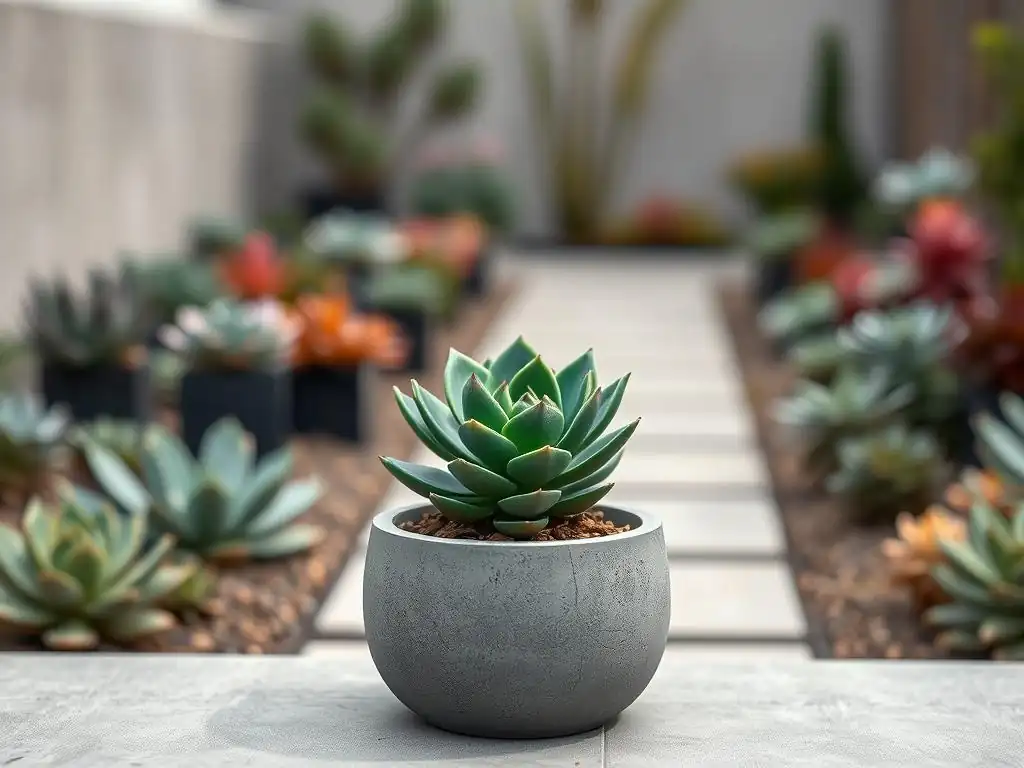
Building a thriving sustainable succulent landscaping business requires more than just planting succulents; it necessitates crafting a compelling brand identity that resonates with environmentally conscious clients. This involves showcasing your commitment to sustainability not only through your landscaping practices but also through your business operations and marketing strategies. The key is to demonstrate authenticity and transparency, building trust with your target audience. Consider these crucial elements for establishing a robust brand image:
Crafting a Compelling Brand Story Focused on Sustainability
Your brand story should be the heart of your marketing efforts. It's the narrative that connects your business to your values and resonates with your ideal client. Focus on your passion for succulents and your commitment to environmentally responsible practices. For example, highlight how your succulent landscaping designs conserve water, reduce the need for pesticides, and promote biodiversity.
Emphasize the long-term benefits of choosing succulents, such as their low maintenance and drought tolerance, thus aligning your business with the growing demand for sustainable solutions. A strong brand story should be easily communicated across all platforms – your website, social media, and marketing materials. Consider incorporating visuals, such as before-and-after photos of your projects, to further enhance the narrative. Remember, a well-crafted story will not only attract clients but also foster loyalty and advocacy.
Utilizing Sustainable Practices in Your Business Operations
Sustainability shouldn't be limited to your landscaping projects; it should be integrated into every aspect of your business operations. This builds credibility and showcases your commitment to environmental responsibility. Consider these key operational areas:
- Sourcing: Prioritize sourcing succulents from local nurseries and growers that employ sustainable practices. This reduces transportation emissions and supports local businesses.
- Water Conservation: Implement water-wise irrigation techniques in your own business operations, such as using drip irrigation or rainwater harvesting systems. This demonstrates your commitment to conservation beyond your client projects.
- Waste Reduction: Minimize waste by recycling materials, using biodegradable packaging, and opting for reusable tools and equipment. Track your waste generation to identify areas for improvement.
- Employee Training: Invest in training your employees on sustainable landscaping techniques and responsible business practices. Empowering your team to embrace sustainability is crucial for long-term success.
- Carbon Footprint Reduction: Analyze your carbon footprint and explore ways to reduce your environmental impact. This could involve using fuel-efficient vehicles, reducing energy consumption in your office, or offsetting carbon emissions through carbon credits.
Showcasing Client Success Stories and Testimonials
Client testimonials are invaluable for building trust and credibility. Feature successful projects that highlight the beauty and sustainability of your succulent landscaping designs. Include quantifiable results whenever possible, such as water savings or reduced maintenance costs. For instance, a testimonial could state: "Since installing the succulent garden, our water bill has decreased by 30%, and we've practically eliminated the need for pesticides!" This type of concrete evidence reinforces the benefits of choosing your sustainable succulent landscaping services.
Consider creating a dedicated section on your website to showcase client testimonials and before-and-after photos. Include diverse examples to appeal to a broader range of potential clients. The power of social proof should not be underestimated in marketing your sustainable succulent landscaping business. Positive reviews can significantly influence potential clients' decisions.
This detailed approach to brand building, operational sustainability, and client testimonials will help establish your sustainable succulent landscaping business as a leader in the industry, attracting environmentally conscious clients seeking beautiful, low-maintenance, and sustainable landscaping solutions. Remember, consistency and authenticity are key to building a strong and lasting brand. 🌱
Building a strong brand for your sustainable succulent landscaping business requires a robust online presence. Social media platforms are invaluable tools for showcasing your unique designs and connecting with potential clients. Instagram, in particular, is a visually driven platform perfectly suited to highlighting the beauty and artistry of succulent landscaping.
High-quality photographs and videos of completed projects, showcasing the vibrant colors and textures of the succulents, are crucial. Remember to use relevant hashtags like #sustainablesucculents, #xeriscaping, #succulentlandscaping, and #ecofriendlylandscaping to increase your reach and visibility. Consider running targeted advertising campaigns on platforms like Instagram and Facebook to reach specific demographics interested in sustainable landscaping solutions.
Beyond visual content, engaging captions are essential. Share stories about your sustainable practices, the benefits of succulents for water conservation, and the unique challenges and rewards of your work. Run contests and giveaways to boost engagement and build a loyal following. Respond promptly to comments and messages, fostering a sense of community and building trust with potential clients.
Consistent posting is key; aim for a regular schedule to maintain audience interest and keep your brand top-of-mind. Consider collaborating with other businesses in related fields, such as eco-friendly nurseries or sustainable building companies, to expand your reach and tap into new markets. This cross-promotion can significantly boost your visibility and credibility within the sustainable landscaping niche.
Furthermore, optimizing your website for search engines (SEO) is critical for attracting organic traffic. Use keywords strategically throughout your website content, including your service descriptions, blog posts, and about us page. Ensure your website is mobile-friendly and easy to navigate, providing clear information about your services, pricing, and contact details. Guest blogging on relevant websites and participating in online forums can also help establish your expertise and build credibility within the sustainable succulent landscaping community.
The combination of a strong social media presence and a well-optimized website forms the cornerstone of a successful online marketing strategy for your business. Regularly analyze your website traffic and social media engagement to identify what's working and what needs improvement, allowing you to continually refine your approach and maximize your online impact. Remember, consistent effort and adaptation are key to long-term success in the digital landscape.
Pricing and Profitability in Sustainable Succulent Landscaping

Building a profitable and sustainable succulent landscaping business requires careful consideration of pricing and cost management. Profitability isn't just about maximizing individual project earnings; it's about establishing a sustainable business model that ensures long-term success. This involves understanding your costs, accurately pricing your services, and managing your resources efficiently. Ignoring these crucial aspects can lead to financial instability and ultimately, business failure.
Developing Competitive Pricing Strategies for Sustainable Services
Developing a competitive pricing strategy for sustainable succulent landscaping services necessitates a multifaceted approach. It's not simply about undercutting competitors; it's about offering value that justifies your pricing. This value proposition encompasses several key elements:
- Material Costs: Accurately estimate the cost of succulents, soil, amendments, and other materials. Consider seasonal fluctuations in succulent prices and factor in potential waste or loss. A detailed spreadsheet tracking these costs per project is crucial.
- Labor Costs: Calculate labor costs based on the project's complexity, the number of workers required, and their hourly rates. Include all associated expenses, such as transportation, equipment maintenance, and worker's compensation insurance.
- Overhead Costs: Account for all fixed overhead costs, such as rent, utilities, insurance, marketing, and administrative expenses. These costs should be allocated to each project based on a fair and consistent method (e.g., percentage of revenue or time spent).
- Profit Margin: Determine a reasonable profit margin that allows for reinvestment in the business, covers unexpected expenses, and ensures long-term financial stability. A 15-20% profit margin is a common target for landscaping businesses, but this can vary based on market conditions and business size.
- Competitive Analysis: Research the pricing strategies of your competitors. Understand what services they offer, their pricing models, and their target market. This information is invaluable in positioning your services competitively.
Example: A small-scale residential succulent garden installation might cost $500-$1500 depending on size and complexity. A larger commercial project could range from $5000 to $50,000 or more, based on the scale and design.
Calculating the Return on Investment (ROI) for Sustainable Projects
Calculating the ROI for sustainable succulent landscaping projects is essential for demonstrating the financial viability of your services to clients and for making informed business decisions. A strong ROI showcases the long-term benefits of investing in sustainable landscaping. This involves:
- Project Costs: Compile a detailed list of all project-related expenses, including materials, labor, and overhead.
- Project Revenue: Determine the total revenue generated by the completed project.
- ROI Calculation: Use the following formula to calculate the ROI:
(Revenue - Costs) / Costs * 100%. A higher percentage indicates a better return on investment. - Long-Term Benefits: Consider the long-term benefits of sustainable landscaping, such as reduced water consumption and maintenance costs. These benefits should be factored into the ROI calculation, either directly or qualitatively. For example, a client might save $500 annually on water bills due to the drought-resistant nature of the succulent garden.
For example: A project costing $10,000 generates $15,000 in revenue. The ROI is (($15,000 - $10,000) / $10,000) * 100% = 50%. This demonstrates a strong return on investment.
Securing Funding and Grants for Sustainable Landscaping Initiatives
Securing funding and grants can significantly boost your sustainable succulent landscaping business. Many organizations support environmentally friendly initiatives, and tapping into these resources can fuel growth and expansion.
- Government Grants: Research local, state, and federal grants that support sustainable landscaping or water conservation projects. These grants often require detailed proposals outlining the project's environmental benefits and financial viability.
- Private Foundations: Explore private foundations that fund environmental conservation or community development projects. Many of these foundations prioritize sustainable initiatives.
- Corporate Sponsorships: Approach businesses that align with your values and target market. Corporate sponsorships can provide funding in exchange for brand visibility or other benefits.
- Crowdfunding: Consider using crowdfunding platforms to raise funds for specific projects. A compelling campaign highlighting the project's sustainability aspects can attract investors.
Successfully securing funding requires a well-written proposal showcasing the project's potential impact, financial feasibility, and alignment with the funder's priorities. Thorough research and a strong understanding of the funder's goals are crucial for success. Remember to meticulously document all expenses and outcomes to demonstrate accountability and increase your chances of securing future funding.
Long-Term Growth and Sustainability for Your Business
Building a thriving and sustainable succulent landscaping business requires more than just aesthetically pleasing designs. It necessitates a holistic approach that considers environmental impact, economic viability, and long-term growth. This section explores key strategies for ensuring your business not only survives but flourishes in the ever-evolving landscape (pun intended!) of sustainable practices. Ignoring these crucial aspects can lead to short-lived success and ultimately, failure. Let's delve into the specifics.
Building Relationships with Sustainable Suppliers and Partners
Establishing strong relationships with ethical and sustainable suppliers is paramount. This impacts not only the environmental footprint of your projects but also your business's reputation and long-term profitability. Consider these factors:
- Sourcing succulents: Prioritize suppliers who practice responsible propagation techniques, avoiding over-harvesting from the wild. Look for nurseries that employ sustainable water management and minimize pesticide use. A commitment to ethically sourced succulents resonates strongly with environmentally conscious clients, a key demographic for a sustainable succulent landscaping business.
- Choosing sustainable materials: From hardscaping materials like recycled concrete and permeable paving to organic mulches and soil amendments, selecting sustainable alternatives minimizes environmental impact. This commitment can be a significant selling point, differentiating your business from competitors.
- Collaboration and networking: Build relationships with other businesses committed to sustainability. This could include local nurseries, landscape architects specializing in xeriscaping, and even waste management companies for efficient disposal of plant debris. These partnerships can open up new opportunities and enhance your business's overall sustainability profile.
Consider this example: A business that sources succulents solely from a single, large-scale nursery might face supply chain vulnerabilities. Diversifying your suppliers, working with smaller, local nurseries, and even propagating some succulents yourself, creates resilience and strengthens your commitment to sustainability. This approach also showcases your dedication to supporting local economies.
Staying Updated on Industry Trends and Best Practices
The field of sustainable landscaping is constantly evolving. Staying abreast of the latest trends and best practices is crucial for remaining competitive and maintaining a strong reputation. This involves:
- Following industry publications and journals: Keep up-to-date with research on drought-tolerant plants, water-efficient irrigation systems, and innovative sustainable landscaping techniques. Trade shows and conferences are excellent avenues for networking and learning about cutting-edge solutions.
- Monitoring environmental regulations: Changes in local, regional, and national environmental regulations can significantly impact your business. Understanding and complying with these regulations is not only crucial for legal compliance but also demonstrates your commitment to responsible business practices.
- Embracing technological advancements: Explore technologies that enhance sustainability, such as smart irrigation systems, soil moisture sensors, and drone technology for site assessment. These tools can optimize water usage, reduce resource waste, and improve the efficiency of your operations.
The adoption of new technologies and practices can directly impact your bottom line. For example, implementing a smart irrigation system can significantly reduce water consumption, leading to cost savings and a reduced environmental footprint. This translates into both economic and environmental sustainability.
Continuous Professional Development in Sustainable Landscaping
Investing in continuous professional development is an essential aspect of building a sustainable succulent landscaping business. This commitment ensures you remain at the forefront of industry advancements and strengthens your expertise in sustainable practices. Consider these avenues:
- Formal education and certifications: Pursuing certifications in sustainable landscaping, xeriscaping, or related fields demonstrates your commitment to professional excellence and enhances your credibility with clients.
- Workshops and training programs: Attend workshops and training programs focusing on specific aspects of sustainable landscaping, such as water-wise irrigation, soil health, and plant selection.
- Mentorship and networking: Seek out mentors within the industry and actively participate in networking events. Learning from experienced professionals and sharing best practices with peers can significantly accelerate your professional growth.
A commitment to ongoing learning directly benefits your business. By staying updated on the latest techniques and technologies, you can offer innovative and efficient solutions to your clients, increasing your competitiveness and expanding your market reach. This, in turn, fosters long-term growth and sustainability for your business.
Measuring and Reporting on Your Business's Environmental Impact
Measuring your business's environmental impact is crucial for demonstrating your commitment to sustainable succulent landscaping. This goes beyond simply using drought-tolerant plants; it encompasses the entire lifecycle of your projects. A robust system for tracking and reporting your environmental performance allows you to identify areas for improvement and showcase your sustainability efforts to potential clients. This transparency builds trust and enhances your brand's reputation as a leader in eco-conscious landscaping.
One effective method is to quantify water usage. Track the amount of water used per project, comparing it to traditional landscaping methods. This data can be presented in reports showcasing significant water savings achieved through succulent landscaping. For example, you could demonstrate a 75% reduction in water consumption compared to a lawn-based design for a similar-sized project. This quantifiable data is powerful evidence of your commitment to water conservation, a key aspect of sustainable business practices.
Beyond water, consider tracking your carbon footprint. This involves assessing the transportation of materials, the energy used in your operations, and even the embodied carbon in the materials used (such as pots and soil). While calculating an exact figure can be complex, focusing on key aspects like minimizing transportation distances by sourcing materials locally and using electric or hybrid vehicles for transport will make a noticeable difference and allow for more accurate reporting. You can also consider investing in carbon offsetting programs to neutralize any remaining emissions.
Finally, waste management is another critical area to measure. Document the amount of waste generated during projects, emphasizing your efforts to recycle and compost organic materials. Implementing a robust waste reduction plan not only benefits the environment but also reduces your operational costs.
By meticulously tracking these metrics, you can create compelling reports that demonstrate your business's dedication to environmental stewardship, strengthening your brand's image as a responsible and sustainable choice for clients seeking eco-friendly landscaping solutions. This detailed approach to measuring and reporting your environmental impact is essential for building a sustainable and successful succulent landscaping business. The transparency and quantifiable data will prove invaluable in attracting environmentally conscious clients.
Frequently Asked Questions
What makes succulent landscaping a sustainable business choice?
Succulent landscaping is environmentally friendly because succulents require minimal water and resources. This translates to lower operating costs and appeals to environmentally conscious clients, creating a strong brand image.
How can I market my succulent landscaping services sustainably?
Focus on eco-friendly practices like using recycled materials and promoting water conservation. Highlight your commitment to sustainability in your marketing materials and online presence to attract the right clientele. Digital marketing is a sustainable way to reach your target audience.
What are the initial investment costs for a sustainable succulent landscaping business?
Start-up costs are relatively low compared to other landscaping businesses. You'll need basic tools, a small initial inventory of succulents, and marketing materials. Consider leasing equipment initially to minimize upfront investment.
How can I ensure ethical sourcing of succulents for my business?
Prioritize sourcing succulents from reputable nurseries that practice sustainable growing methods. Avoid purchasing plants from suppliers with questionable environmental or labor practices. Transparency with your clients about your sourcing is key.
What are some ways to minimize the environmental impact of my succulent landscaping business?
Reduce water usage through efficient irrigation systems and drought-tolerant plant selection. Utilize compost and recycled materials. Educate clients on sustainable succulent care practices to further minimize the environmental footprint.
Final Reflection: Cultivating a Greener Future, One Succulent at a Time
The integration of sustainable practices into business models is no longer a trend; it's a necessity for long-term survival and ethical operation. The increasing awareness of environmental concerns, coupled with consumer demand for eco-conscious products and services, makes sustainable succulent landscaping a powerful competitive advantage and a vital contribution to a healthier planet. This shift towards responsible business practices is not just about profit; it's about building a legacy of environmental stewardship.
The impact of sustainable landscaping extends far beyond the aesthetic appeal of a beautifully designed space. It fosters biodiversity, reduces water consumption, and minimizes the carbon footprint associated with traditional landscaping. The earth provides enough to satisfy every man's needs but not every man's greed.
- Mahatma Gandhi. This quote underscores the importance of mindful resource management, a core principle of sustainable succulent landscaping that resonates deeply with me and should resonate with all businesses striving for a positive impact. The growing popularity of drought-tolerant plants like succulents reflects a broader societal shift towards responsible consumption and a deeper appreciation for the delicate balance of our ecosystems.
Consider the potential within your own sphere of influence. Are you ready to integrate sustainable practices into your business or personal life? Perhaps you can start small, by choosing drought-tolerant plants for your home garden, or by advocating for sustainable landscaping in your community. The journey towards a greener future begins with individual actions, and the beauty of succulent landscaping offers a tangible and inspiring pathway to make a difference. Let's cultivate a world where business success and environmental responsibility flourish together.
Bloom Your Business: Cultivate a Sustainable Brand
Thanks for exploring the power of sustainable landscaping to enhance your business's image! You've discovered how effective—and surprisingly affordable—eco-friendly design can be. Now let's put that knowledge to work.
Here's how to get started:
- Design your ideal sustainable landscape: Sketch out your vision using pen and paper, or a design app. Consider your business's unique needs and the message you want to convey. Be creative! Experiment with different plant varieties and arrangements.
- Share your sustainability journey: Let your customers and the wider community know about your commitment to eco-friendly practices. Showcase the beauty and benefits of your new landscaping on social media.
- Join our community: Connect with other businesses that are embracing sustainable practices. Share tips, inspiration, and resources. Let's build a thriving network dedicated to a greener future.
Ready to transform your business and its environmental impact? What's the first plant you'll choose for your new landscape?