
The Essential Steps to Setting Up a SucculentFriendly Drip System

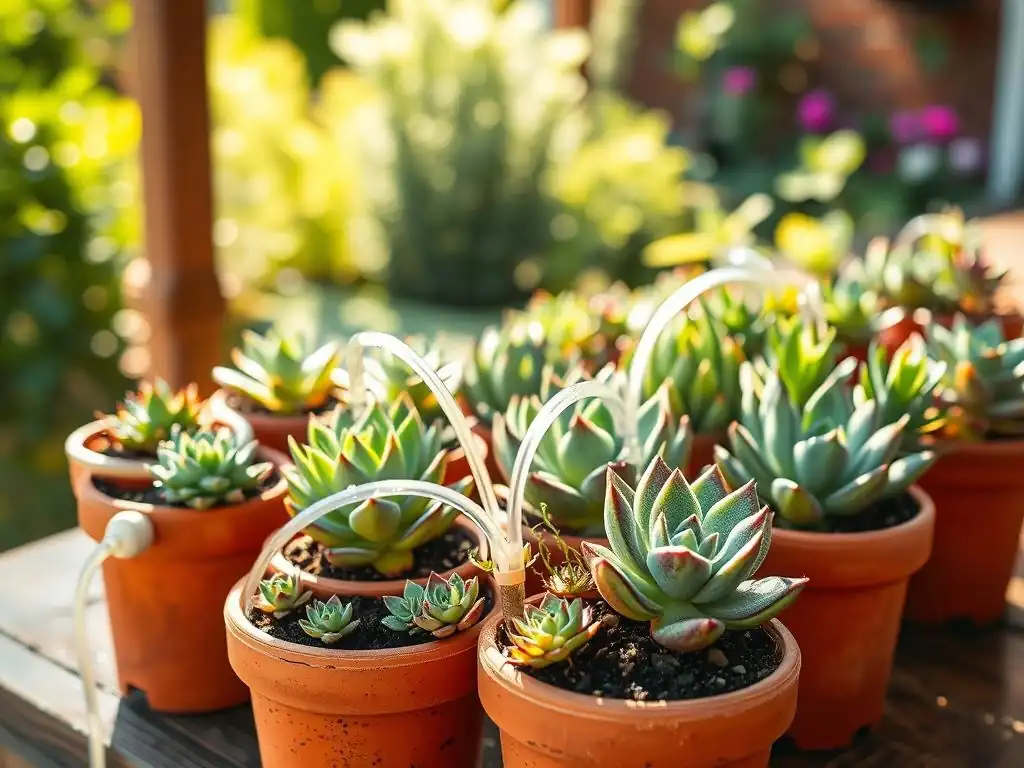
Welcome to SucculentEssentials.org, your gateway to the fascinating world of succulents! Are you ready to unlock the secrets to thriving succulents, even in the driest climates? We're diving deep into the art of succulent care, from basic propagation to breathtaking arrangements. But first, discover how to effortlessly maintain your succulent collection with our expert guide on building a DIY succulent drip irrigation system – the key to a flourishing outdoor oasis. Let's get started!
-
Planning Your DIY Succulent Drip Irrigation System
- Assessing Your Succulent Garden's Needs: Water Requirements and Soil Type
- Mapping Out Your Drip Lines: Placement for Optimal Succulent Hydration
- Choosing the Right Drip Irrigation Components: Emitters, Tubing, and Connectors for Succulents
- Calculating Water Flow and Pressure: Ensuring Even Distribution for Healthy Succulents
-
Setting Up Your DIY Succulent Drip System: A Step-by-Step Guide
- Step 1: Preparing the Soil for Efficient Water Absorption
- Step 2: Installing the Main Water Line and Connecting to Your Water Source
- Step 3: Laying Out the Drip Lines and Positioning the Emitters
- Step 4: Testing Your System for Leaks and Ensuring Even Water Distribution
- Step 5: Fine-Tuning Your System: Adjusting Emitters and Water Pressure for Optimal Results
-
Maintaining Your Succulent Drip Irrigation System
- Regular System Checks: Identifying and Fixing Leaks or Clogs
- Cleaning Your Drip System: Preventing Mineral Buildup and Ensuring Proper Functioning
- Adjusting Your System for Seasonal Changes: Water Needs of Succulents Throughout the Year
- Troubleshooting Common Problems: Addressing Water Pressure Issues and Clogged Emitters
- Winterizing Your Drip System: Protecting Your Investment During Cold Months
-
Advanced Techniques for a Thriving Succulent Garden with Drip Irrigation
- Utilizing Smart Irrigation Technology: Automation for Efficient Water Management
- Implementing a Water Timer for Customized Watering Schedules
- Integrating Soil Moisture Sensors for Precise Watering Control
- Creating a Zone-Based System: Catering to Different Succulent Water Needs
- Utilizing Rain Sensors to Conserve Water and Prevent Overwatering
- Frequently Asked Questions
- Final Reflection: Cultivating Growth, One Drop at a Time
- Unleash Your Succulents' Thriving Potential!
Planning Your DIY Succulent Drip Irrigation System
Creating a thriving succulent garden requires careful attention to watering, and a DIY succulent drip irrigation system offers the perfect solution for consistent and efficient hydration. This guide will walk you through the essential steps to design and install a customized drip system tailored to the specific needs of your succulents, ensuring their health and beauty while minimizing water waste. We’ll cover everything from assessing your succulents' water requirements to selecting the appropriate components and laying out the drip lines.
By the end, you'll be well-equipped to build a DIY succulent drip irrigation system that's both effective and aesthetically pleasing, transforming your succulent care routine for the better. This process will save you time and water, leading to happier, healthier succulents and a more manageable gardening experience.
Assessing Your Succulent Garden's Needs: Water Requirements and Soil Type
Before you even think about purchasing materials, understanding your succulents' specific needs is paramount. Different succulents have varying water requirements depending on their species and the climate in which they are planted. Some species, like Echeveria, prefer drier conditions, while others, like Sedum, tolerate slightly more moisture. The soil type also plays a crucial role. Well-draining soil is essential for succulents to prevent root rot – a common problem that can quickly kill these drought-tolerant plants.
Consider these factors when assessing your garden's needs:
- Succulent Variety: Identify the types of succulents you have. Research their individual water preferences. A quick online search for "[succulent name] water needs" will provide helpful information.
- Sunlight Exposure: Sun-drenched succulents will dry out faster than those in shade, requiring more frequent watering (even with a drip system).
- Soil Composition: Is your soil sandy, loamy, or clay-based? Well-draining soil is crucial. Amend heavy clay soils with perlite or pumice to improve drainage.
- Climate: Hot, dry climates will demand more frequent watering than cooler, more humid climates.
This initial assessment will inform your decisions regarding the frequency and duration of your drip irrigation system's operation. Remember, it's better to underwater than overwater succulents! 💦
Mapping Out Your Drip Lines: Placement for Optimal Succulent Hydration
With your succulents' water needs assessed, it's time to plan the layout of your drip irrigation system. Careful placement of drip lines ensures that each plant receives the appropriate amount of water without wasting resources. Avoid overwatering certain areas while leaving others dry.
Consider these points when mapping your drip lines:
- Plant Spacing: The distance between your succulents will determine the spacing of your emitters.
- Emitter Type: Choose emitters with appropriate flow rates for your succulents. Low-flow emitters are generally preferred to prevent overwatering.
- Water Pressure: Your water pressure will influence the type of tubing and emitters you can use. Higher pressure may require pressure regulators.
- Accessibility: Ensure that the drip lines are easily accessible for maintenance and adjustments.
Sketch a diagram of your succulent garden, marking the location of each plant and planning the paths of your drip lines. This visual representation will be invaluable during the installation process. Remember to consider the overall aesthetics of your system – you want it to enhance, not detract from, your garden's beauty.
Choosing the Right Drip Irrigation Components: Emitters, Tubing, and Connectors for Succulents
Selecting the right components is crucial for a successful DIY succulent drip irrigation system. The market offers a wide variety of emitters, tubing, and connectors, each with its own advantages and disadvantages. Choosing wisely will ensure your system's efficiency and longevity.
Here's a breakdown of essential components:
| Component | Description | Considerations |
|---|---|---|
| Emitters | Deliver water directly to the soil at the base of each succulent. | Choose low-flow emitters (e.g., 0.5 gallons per hour) to prevent overwatering. |
| Tubing | Carries water from the water source to the emitters. | Consider durability and UV resistance. Flexible tubing is often preferred. |
| Connectors & Fittings | Connect different parts of the system, including tubing and emitters. | Ensure compatibility with your chosen tubing and emitters. |
| Water Source | A hose bib or other water source. | Consider using a timer for automated watering. |
Remember to choose components that are durable and easy to install and maintain. Investing in high-quality materials will ensure the longevity of your DIY succulent drip irrigation system. Properly installed, this system will greatly reduce your gardening workload and contribute to the long-term health and beauty of your succulents.
Calculating Water Flow and Pressure: Ensuring Even Distribution for Healthy Succulents
Precise calculation of water flow and pressure is crucial for a successful DIY succulent drip irrigation system. Uneven watering can lead to overwatering in some areas, causing root rot, and underwatering in others, resulting in stunted growth or even plant death. Your succulents' health depends on a consistent and gentle supply of moisture.
To determine the appropriate flow rate, consider the size and density of your succulent planting. A larger, more densely packed arrangement will require a higher flow rate than a smaller, sparsely populated one. Start by measuring the total area your system will cover. Then, estimate the number of succulents and their approximate size. This information will help you determine the number of emitters needed and their flow rate (measured in gallons per hour or liters per hour).
Remember that succulents generally prefer infrequent, deep watering rather than frequent, shallow watering. Therefore, your drip system should deliver a slow, steady drip rather than a forceful spray. Emitters with a low flow rate (around 0.5 gallons per hour or less) are generally ideal for succulents. Using emitters with higher flow rates risks overwatering and damaging the delicate root systems.
Pressure is another key factor. Too much pressure can damage the emitters or cause erosion of the soil, leading to uneven watering. Too little pressure may result in insufficient water delivery. A pressure regulator is highly recommended for a DIY system, allowing you to fine-tune the water pressure to suit your needs. Most home water systems have sufficient pressure, but a regulator ensures consistent delivery across your entire succulent garden, even if the pressure fluctuates.
Consider using a pressure gauge to monitor the pressure at various points in your system. This allows you to identify any pressure drops that might indicate blockages or other issues. Regular inspection and maintenance of your system, including cleaning emitters, will prevent these problems and ensure optimal water distribution. A well-planned system with appropriate flow and pressure will ensure your succulents thrive. Don't forget to adjust the flow and pressure as needed based on weather conditions and the specific needs of your succulents throughout the year. Seasonal changes can significantly affect water requirements.
Setting Up Your DIY Succulent Drip System: A Step-by-Step Guide
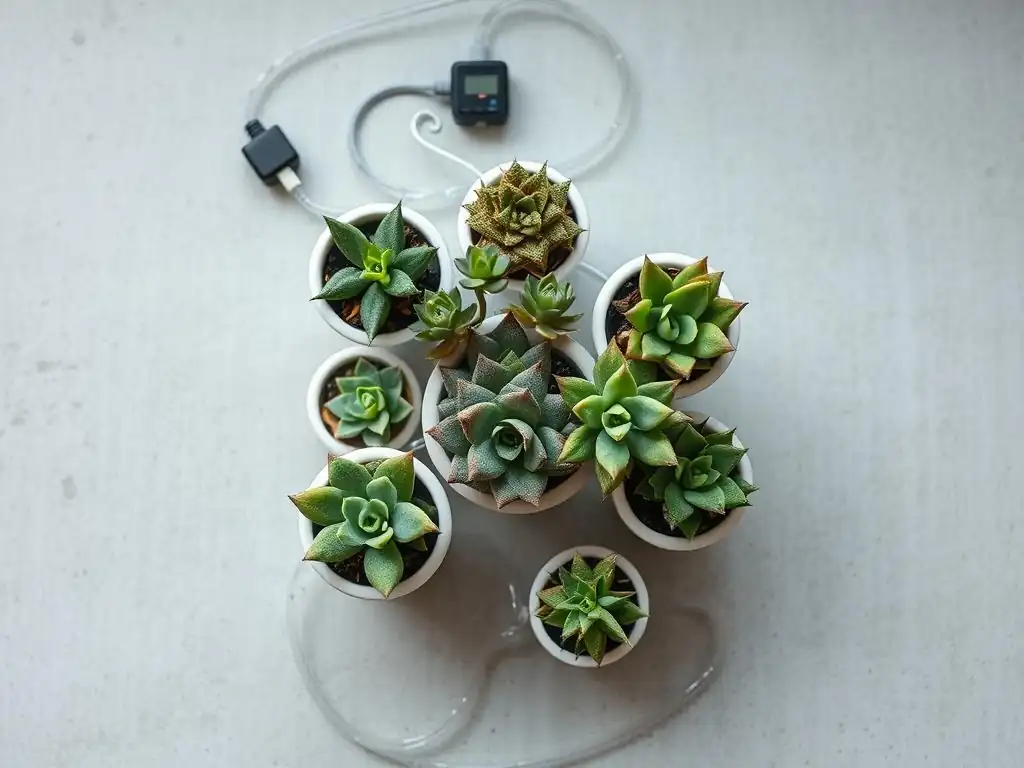
This section details the crucial steps involved in creating a DIY succulent drip irrigation system, perfect for maintaining the health and vibrancy of your drought-tolerant plants. A well-designed system ensures even water distribution, preventing overwatering or underwatering, common issues that can lead to succulent root rot or wilting. This guide focuses on building a simple yet effective system, ideal for beginners and experienced succulent enthusiasts alike. Remember, proper planning and execution are key to a successful DIY succulent drip irrigation system.
Step 1: Preparing the Soil for Efficient Water Absorption
Before installing any irrigation system, optimizing your succulent's soil is paramount. Succulents thrive in well-draining soil that prevents waterlogging. Improper soil preparation can negate the benefits of even the best drip irrigation system.
The ideal soil mix for succulents generally consists of a blend of inorganic and organic materials. A common recipe includes:
- 50% Inorganic Material: This could be perlite, pumice, coarse sand, or a combination thereof. These materials enhance drainage and aeration.
- 30% Organic Material: This provides nutrients and helps retain some moisture. Options include coco coir, peat moss, or composted bark.
- 20% Potting Soil: This adds structure and holds some essential nutrients. Choose a high-quality, well-draining potting mix specifically designed for cacti and succulents.
Before planting your succulents, amend your existing soil with this carefully balanced mix. Thoroughly mix the ingredients to achieve a uniform consistency. The improved drainage will ensure that water from your drip system reaches the roots efficiently, without leading to waterlogged conditions that can harm your plants. Remember, proper soil preparation is the foundation of a thriving succulent garden, and a key component of any successful DIY succulent drip irrigation system. Avoid using heavy clay soils without significant amendment, as these will retain too much water.
Step 2: Installing the Main Water Line and Connecting to Your Water Source
This step involves establishing the backbone of your DIY succulent drip irrigation system: the main water line. Choose a durable, weather-resistant tubing, such as polyethylene (PE) tubing, which is readily available and relatively inexpensive. The diameter of the tubing will depend on the size of your succulent garden and the number of drip lines you plan to use. A larger diameter will allow for higher water flow rates.
The first step is to connect the tubing to your water source. This could be a garden hose bib, a rain barrel, or even a dedicated water line. You will need appropriate connectors and potentially a pressure regulator to prevent overwatering. A pressure regulator is especially important if you're using a high-pressure water source. Remember, the goal is to deliver a gentle, consistent flow of water to your succulents, not a forceful jet.
Consider the location of your water source and plan the route of your main water line strategically to minimize the length of tubing needed. This will reduce costs and potential leaks. Before burying the tubing, it's recommended to lay it out on the surface to ensure proper placement and to identify any potential obstacles. Once you're satisfied with the positioning, you can carefully bury the tubing at a depth appropriate for your climate and soil conditions, usually around 6-12 inches. This protects the tubing from damage and temperature fluctuations. Mark the location of the main line for future reference.
Step 3: Laying Out the Drip Lines and Positioning the Emitters
With the main water line in place, it’s time to install the drip lines that will deliver water directly to your succulents. Use smaller diameter tubing, typically 1/4" or 1/2" diameter, for the drip lines. These lines branch off from the main water line and are placed strategically among your succulents. This allows for precise water delivery to each plant, minimizing water waste.
The emitters are the devices that release water from the drip lines. Select emitters with an appropriate flow rate for succulents. Low-flow emitters (e.g., 0.5 gallons per hour) are ideal, preventing overwatering. These emitters should be spaced according to the size and spacing of your succulents. For example, smaller succulents might only need one emitter per plant, while larger specimens might benefit from two or more.
Careful placement of the drip lines and emitters is critical. Ensure that the emitters are positioned close to the base of each plant, but not directly touching the stems to prevent rot. It's helpful to gently push the emitters slightly into the soil for stability.
After installation, thoroughly test the entire system by turning on the water and checking for leaks or areas with inadequate water flow. Adjust the emitter spacing and flow rates as needed to ensure even watering across your succulent collection. This step is a crucial part of building a truly effective DIY succulent drip irrigation system.
Step 4: Testing Your System for Leaks and Ensuring Even Water Distribution
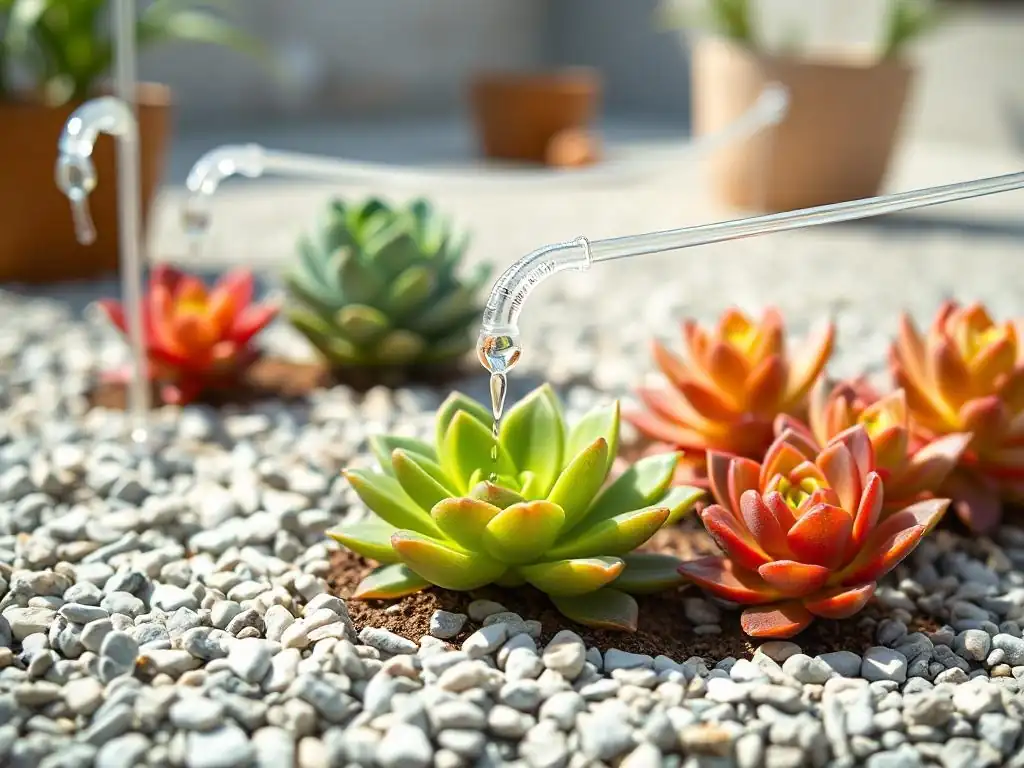
Before you commit to a full watering cycle, it's crucial to thoroughly test your DIY succulent drip irrigation system. This step prevents potential water waste and ensures the health of your precious succulents. Begin by turning on the water source at a low pressure. Carefully inspect each connection, emitter, and tubing for any leaks. Even a small drip can lead to significant water loss over time, particularly problematic in arid climates where succulents thrive.
Pay close attention to the connections where you've used barbed fittings; these are sometimes prone to leakage if not properly secured. A gentle tug on each section will help you verify the tightness of the connections. If you discover a leak, simply tighten the connection or replace the faulty component. Remember to have spare tubing and fittings on hand for quick repairs.
Once you've addressed any leaks, it's time to check for even water distribution. Observe each emitter closely to ensure that water is dispensing consistently. Uneven water distribution can lead to some succulents being overwatered while others remain thirsty. If you notice some emitters dispensing more water than others, you may need to adjust the pressure or replace the emitter. Consider using a small container—like a measuring cup—placed under each emitter for a precise measurement.
Note the amount of water collected in a set time period (e.g., 5 minutes). Consistent measurements across all emitters indicate a well-balanced system. Significant variations highlight areas requiring further adjustment or replacement. This careful testing phase is vital for a successful and efficient DIY succulent drip irrigation system. Remember, patience and attention to detail are key to achieving optimal results.
Step 5: Fine-Tuning Your System: Adjusting Emitters and Water Pressure for Optimal Results
After the initial testing, fine-tuning your DIY succulent drip irrigation system is essential to achieve optimal results. This involves adjusting emitters and water pressure to ensure each succulent receives the perfect amount of water. Begin by observing your succulents' response to the initial watering cycle. Are they showing signs of overwatering (e.g., leaf discoloration, root rot)? Or are they still appearing slightly dry?
This visual assessment will guide your adjustments. If succulents exhibit signs of overwatering, reduce the water pressure by slightly closing the valve on your water source or adjusting the pressure regulator if you've installed one. You can also consider using lower-flow emitters to reduce the water output per emitter. Conversely, if succulents appear dry, increase the water pressure or use higher-flow emitters.
Remember that the ideal watering frequency and duration depend on factors like your climate, soil type, and the specific succulent species. Experimentation is key to finding the sweet spot. You might need to adjust your system multiple times before achieving perfect water distribution. Consider using a timer to automate the watering process and create a consistent watering schedule.
This will prevent overwatering or underwatering, and it will save you time and effort in the long run. Keep a detailed log of your adjustments, noting the date, time, pressure settings, and the observed results. This record will serve as a valuable reference for future fine-tuning and will help you optimize your DIY succulent drip irrigation system for long-term success. This iterative process of testing, observing, and adjusting will ensure your succulents thrive under a precisely regulated watering schedule.
Maintaining Your Succulent Drip Irrigation System
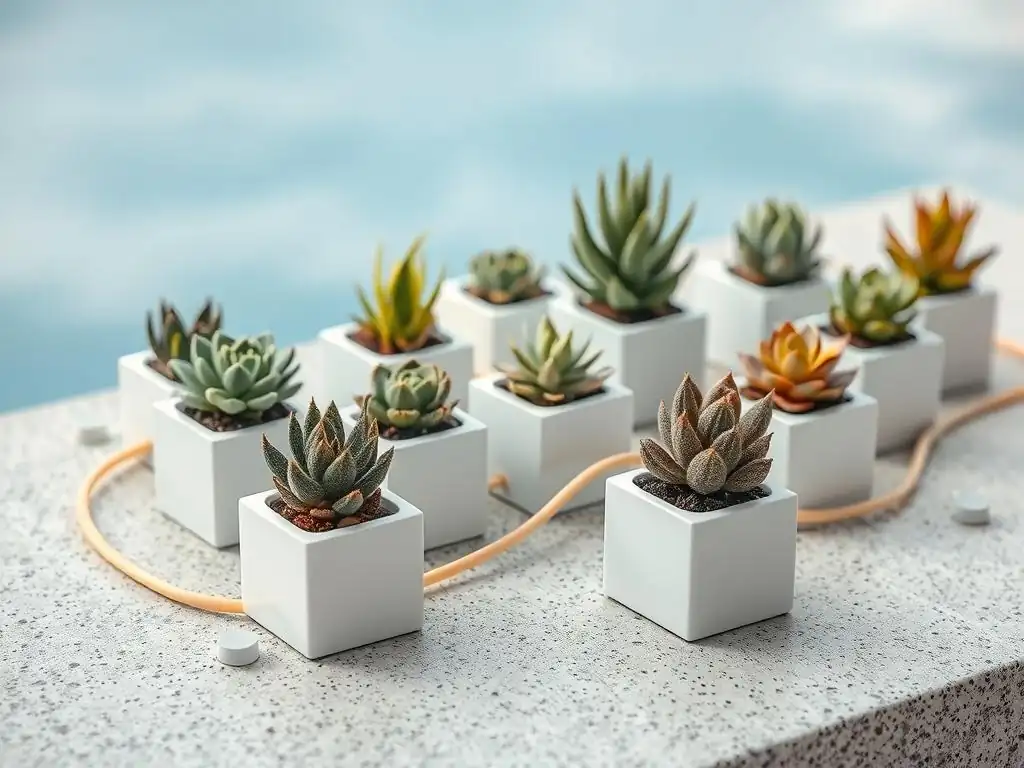
This section details the crucial maintenance tasks necessary to keep your DIY succulent drip irrigation system operating efficiently and effectively, prolonging its lifespan and ensuring the health of your precious succulents. Neglecting maintenance can lead to decreased water delivery, mineral buildup, and ultimately, damage to your plants. Regular upkeep is key to maximizing the benefits of a drip irrigation system for your succulents.
Regular System Checks: Identifying and Fixing Leaks or Clogs
Regular inspections are paramount to a healthy and efficient DIY succulent drip irrigation system. Leaks and clogs are common issues that can significantly impact water distribution. Ideally, you should perform a thorough check at least once a month, or more frequently during periods of intense heat or heavy rainfall.
A visual inspection is the first step. Carefully examine the entire system, from the water source to the individual emitters. Look for:
- Leaks: These can manifest as puddles, damp soil in unexpected areas, or a noticeable decrease in water pressure. Small leaks can be easily repaired with appropriate sealant; larger leaks may require replacing sections of tubing.
- Clogs: These often occur in the emitters or within the tubing itself, restricting water flow. Symptoms include emitters delivering less water than others, or no water at all. You might notice a decrease in overall water pressure as well.
To unclog emitters, try flushing them with a solution of white vinegar and water (a 1:1 ratio). A small needle or thin wire can also be used to gently clear any blockages. For stubborn clogs, consider replacing the emitter. For clogs within the tubing, you may need to flush the entire line with a pressure cleaner. Remember to always turn off the water supply before performing any maintenance.
Here's a simple checklist to guide your inspection:
| Component | Check for | Action |
|---|---|---|
| Water Source | Proper pressure and flow | Adjust pressure regulator if necessary |
| Tubing | Cracks, holes, kinks, or discoloration | Repair or replace damaged sections |
| Emitters | Clogs, leaks, or reduced water flow | Flush, clean, or replace as needed |
| Connectors | Leaks or loose connections | Tighten or replace connectors |
| Valves | Proper functioning | Check for leaks and ensure smooth operation |
Regular checks prevent minor problems from escalating into major issues, saving you time, money, and stress in the long run. Early detection and prompt action are crucial for maintaining the optimal performance of your DIY succulent drip irrigation system. Think of it as a preventative health check for your succulents! 💧
Cleaning Your Drip System: Preventing Mineral Buildup and Ensuring Proper Functioning
Mineral buildup is a common problem in drip irrigation systems, particularly in areas with hard water. Minerals accumulate within the tubing and emitters, restricting water flow and eventually leading to clogs. Regular cleaning is essential to prevent this.
Cleaning your system doesn't require specialized tools or expensive products. A simple solution of white vinegar and water (again, a 1:1 ratio) is often sufficient. Turn off the water supply, disconnect the system from the water source, and flush the system with the vinegar solution. Allow the solution to sit for several hours, or even overnight, to effectively dissolve mineral deposits. Then, flush the system thoroughly with clean water to remove all traces of vinegar.
Consider using a pressure cleaner for a more thorough cleaning, especially for larger systems. Remember to always refer to the manufacturer's instructions for your specific system components before using a pressure cleaner. This ensures you don't damage any sensitive parts. Regular cleaning, ideally every three to six months (depending on your water hardness), will significantly extend the lifespan of your drip irrigation system and help maintain its efficiency. A clean system ensures that your succulents receive the consistent, even watering they need to thrive.
Adjusting Your System for Seasonal Changes: Water Needs of Succulents Throughout the Year
The water requirements of succulents vary considerably throughout the year, influenced by temperature, sunlight, and rainfall. Your DIY succulent drip irrigation system should be adjusted accordingly to avoid overwatering or underwatering.
During the hot summer months, succulents require more frequent watering. You might need to increase the frequency of your irrigation cycles or adjust the duration of each cycle. Conversely, during cooler months or periods of significant rainfall, you'll likely need to reduce watering frequency to prevent root rot.
Monitoring soil moisture is crucial. Use a moisture meter or simply stick your finger a couple of inches into the soil to assess moisture levels. If the soil is already moist, reduce or delay watering. Observe your succulents closely for signs of stress, such as wilting or discoloration, which can indicate either underwatering or overwatering.
Adjusting your system might involve:
- Changing the timer settings: Increase watering frequency during hot, dry periods and decrease it during cooler, wetter periods.
- Modifying the emitters: Consider using emitters with lower flow rates during periods of less intense sunlight or higher rainfall.
- Adding or removing emitters: Adjust the number of emitters based on the size and density of your succulent planting.
Remember that consistent observation and adaptation are key to providing your succulents with the precise amount of water they need throughout the year. By regularly adjusting your DIY succulent drip irrigation system, you'll ensure the health and beauty of your succulent collection.
Troubleshooting Common Problems: Addressing Water Pressure Issues and Clogged Emitters
Maintaining a healthy and efficient DIY succulent drip irrigation system requires regular monitoring and occasional troubleshooting. One of the most common problems encountered is insufficient water pressure, leading to inadequate watering of your precious succulents. This can stem from several sources. Firstly, check your water source. Is the main water supply providing adequate pressure? A low water pressure issue originating from the main line will affect the entire system.
You might need to contact your water provider if this is the case. Secondly, inspect the tubing for any kinks or blockages. Even a slight bend can significantly restrict water flow. Straighten any kinks gently. Thirdly, examine the filters. Over time, mineral deposits and debris can accumulate, reducing the water pressure.
Regularly cleaning or replacing filters is crucial for maintaining optimal pressure. A simple rinse with water often suffices, but a more thorough cleaning with a mild solution might be necessary for stubborn buildup. Finally, check the pressure regulator if your system has one. Ensure it's properly adjusted and functioning correctly. A malfunctioning regulator can severely impact water pressure throughout the system.
Another prevalent issue is clogged emitters. These tiny devices are prone to blockage by sediment, algae, or even small insects. Identifying clogged emitters is often straightforward: simply observe which plants aren't receiving sufficient water. To address this, you can try flushing the emitters individually with a small wire or a needle. If this doesn’t work, replacement is often the most effective solution.
Prevention is key here. Using a high-quality filter significantly reduces the likelihood of emitter clogging. Regularly inspecting your emitters can help you catch minor blockages before they become major problems. Remember, a clogged emitter can lead to uneven watering, potentially stressing or even damaging your succulents. Careful maintenance and prompt action will ensure the longevity and effectiveness of your DIY succulent drip irrigation system.
Winterizing Your Drip System: Protecting Your Investment During Cold Months
Winterizing your DIY succulent drip irrigation system is crucial for preventing damage from freezing temperatures. Freezing water expands, potentially causing pipes and emitters to burst, rendering your system unusable until repairs are made. The first step is draining the system completely. This involves turning off the main water supply and opening any valves to allow any remaining water to drain out. You might need to use compressed air to push out any lingering water from the tubing.
Remember to disconnect any hoses connecting to the main water supply. For areas with particularly harsh winters, it's recommended to disconnect the entire system and store the components indoors in a dry, frost-free location. This protects all components from the elements and extends the lifespan of your drip irrigation system. Properly storing your system prevents costly replacements and ensures your succulents will be ready for a healthy watering schedule when spring arrives.
If complete removal isn't feasible, consider insulating the exposed tubing and emitters. Insulating materials like foam sleeves or heat tape can help protect the system from freezing temperatures. However, this method is less effective in extremely cold climates. You should also consider the type of tubing you are using. Some materials are more resistant to freezing than others.
Before winter arrives, research and select the correct type of tubing for your climate to minimize the risk of damage. Regularly checking your system during periods of freezing temperatures is also a good practice. Early detection of any issues can help you prevent extensive damage to your system. Remember, a little preventative maintenance in the fall goes a long way in protecting your investment and ensuring your succulents thrive, even when temperatures plummet.
Advanced Techniques for a Thriving Succulent Garden with Drip Irrigation
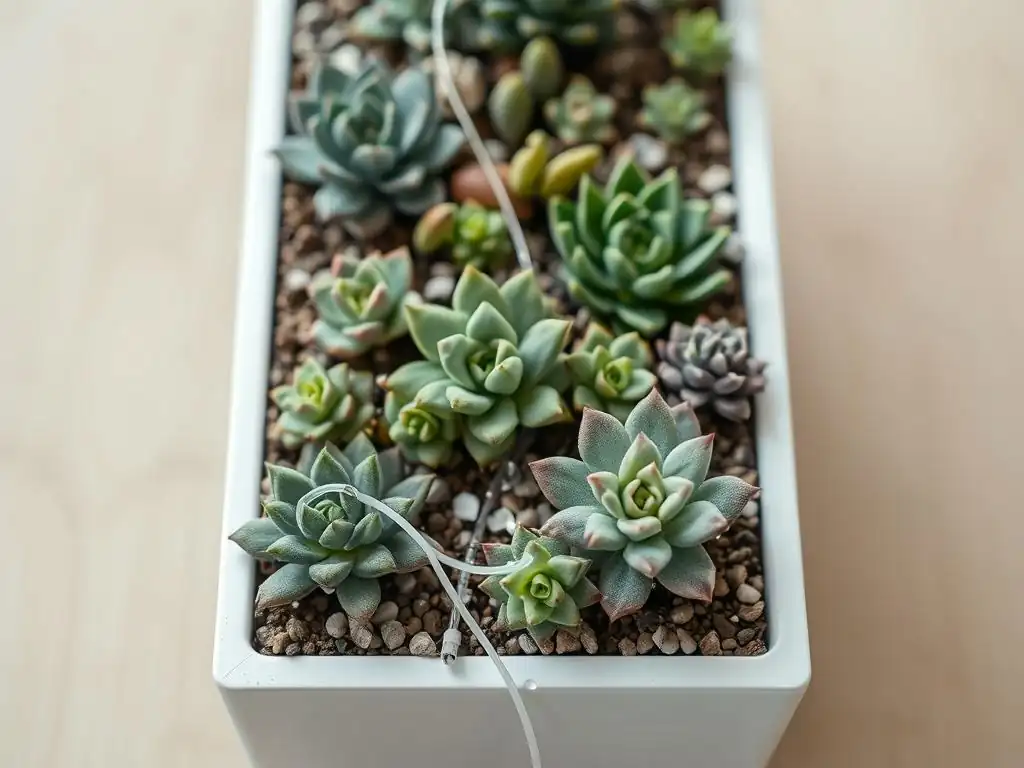
This section delves into sophisticated methods to optimize your DIY succulent drip irrigation system, moving beyond the basics to achieve peak performance and succulent health. We'll explore how technology can enhance water efficiency and minimize water waste, ensuring your succulents receive precisely the right amount of hydration. Mastering these techniques will significantly improve your succulent garden's overall health and vibrancy.
Utilizing Smart Irrigation Technology: Automation for Efficient Water Management
Smart irrigation technology offers unparalleled control and efficiency for your DIY succulent drip irrigation system. These systems, often controlled via smartphone apps, allow for customized watering schedules based on real-time weather data, soil moisture levels (when integrated with sensors), and even sunlight exposure. This automation minimizes overwatering – a common cause of succulent root rot – and ensures your plants receive the precise amount of water needed, even when you're away from home.
Several benefits arise from incorporating smart technology. For example, you can program different watering schedules for different succulent species, catering to their individual needs. Some succulents, like Echeveria, prefer infrequent, deep watering, while others, like Sedum, tolerate more frequent, lighter watering. A smart system allows you to create distinct watering zones, tailoring the irrigation to each plant's specific requirements.
Moreover, many smart systems incorporate weather sensors, automatically adjusting watering schedules based on rainfall and temperature. This prevents unnecessary water usage during rainy periods, saving water and money. The ability to monitor water usage remotely is another significant advantage, offering valuable insights into your system's performance and allowing for timely adjustments. Data logging features track water consumption, providing a record of your irrigation practices.
Implementing a Water Timer for Customized Watering Schedules
A water timer provides a simpler, yet highly effective, method for controlling your DIY succulent drip irrigation system. While lacking the advanced features of smart irrigation technology, a water timer allows you to create customized watering schedules, ensuring consistent hydration without the need for manual intervention. This is particularly beneficial for busy individuals or those who travel frequently.
Selecting the right water timer is crucial. Consider timers with multiple programming options, allowing you to set different watering schedules for various days of the week and even different times of the day. Timers with adjustable watering durations are essential, enabling you to fine-tune the amount of water delivered to your succulents. For example, you might set a longer watering duration for larger, more established succulents and a shorter duration for smaller, newly planted ones.
It's also important to choose a timer that is compatible with your chosen drip irrigation components. Check for compatibility with the type of tubing and emitters you are using to ensure a seamless integration. Regular maintenance, such as checking the timer's battery and ensuring that the valves are functioning correctly, is essential for optimal performance.
Integrating Soil Moisture Sensors for Precise Watering Control
Soil moisture sensors represent a significant advancement in precision watering for succulents. These sensors measure the moisture level in the soil around your succulents, providing real-time data that can be used to inform your watering decisions. Integrating these sensors with your DIY succulent drip irrigation system allows for highly precise and efficient irrigation, minimizing water waste and preventing overwatering.
The benefits are numerous. Firstly, sensors eliminate guesswork. Instead of relying on visual cues or a predetermined schedule, you receive accurate data about the soil's moisture content. This ensures that your succulents are watered only when necessary, preventing both underwatering and overwatering.
Secondly, sensors can be integrated with smart irrigation controllers or even simple water timers, creating a system that automatically adjusts watering based on soil moisture levels. For instance, if the sensor detects sufficient moisture, it can prevent the irrigation system from activating, conserving water and preventing root rot. Thirdly, using soil moisture sensors provides valuable data for understanding your succulent's watering needs. This data can be used to refine your watering strategies over time, leading to healthier and more vigorous plants.
Consider the placement of the sensors – strategically positioning them near the roots of your succulents will provide the most accurate readings. Regular calibration of the sensors ensures accurate measurements, maintaining the integrity of your irrigation system. The data gathered from the sensors can provide valuable insights into the long-term health of your succulents.
Creating a Zone-Based System: Catering to Different Succulent Water Needs
Succulents, despite their drought tolerance, exhibit diverse water requirements depending on species, size, and environmental factors. A single, uniform watering schedule rarely suffices for a thriving succulent garden. This is where a zone-based drip irrigation system shines. By dividing your succulent collection into zones based on similar water needs, you can precisely tailor watering schedules to each group.
For example, newly planted succulents, or those in smaller pots, will need more frequent, albeit less intense, watering than established, larger specimens. Similarly, succulents planted in full sun might require more frequent watering than those in partial shade, as the sun's intensity increases evaporation rates. Creating zones allows you to address these variations effectively. Consider grouping Echeverias, known for their water-wise nature, separately from Sedums, which can tolerate slightly more frequent watering.
This targeted approach prevents overwatering sensitive species while ensuring that others receive adequate hydration. Remember to adjust the emitters' flow rates accordingly. Smaller emitters for smaller plants, and larger ones for larger, more established plants is a good rule of thumb.
Regularly monitoring the soil moisture in each zone is crucial to fine-tune your watering schedule and emitter settings for optimal results. Don't be afraid to experiment and make adjustments based on your observations, aiming for consistently moist but not soggy soil. The beauty of a zone-based system lies in its adaptability; you can easily modify it as your collection evolves and seasonal changes impact water needs.
Utilizing Rain Sensors to Conserve Water and Prevent Overwatering
Overwatering is a common culprit in succulent demise. A DIY succulent drip irrigation system, while efficient, can still lead to overwatering if not managed properly, especially in regions with unpredictable rainfall. Integrating a rain sensor into your system offers a crucial safeguard against this. A rain sensor automatically suspends irrigation when sufficient rainfall is detected, preventing unnecessary water usage and the risk of root rot.
This is particularly beneficial during periods of unexpected showers or prolonged rainy seasons. The sensor works by detecting moisture in the air or on a designated surface. When enough moisture is present, it sends a signal to the controller, halting the operation of the drip system. Once the sensor detects that the rain has stopped and the soil has had a chance to dry, it will resume the irrigation schedule, ensuring your succulents receive only the water they need.
The use of a rain sensor contributes significantly to water conservation, a crucial aspect of sustainable gardening, especially in arid or semi-arid climates where succulents often thrive. By preventing unnecessary irrigation, you reduce water waste, and lower your water bills. Furthermore, a rain sensor minimizes the risk of fungal diseases and root rot which are often caused by consistently damp soil conditions. Choosing a high-quality rain sensor is essential for reliable functionality.
Consider factors such as sensitivity, ease of installation, and compatibility with your existing drip irrigation controller when making your selection. Properly installing and calibrating the sensor is also critical to its effectiveness. Consult the manufacturer's instructions for detailed guidance. Integrating a rain sensor into your DIY succulent drip irrigation system is a simple yet highly effective step towards ensuring the long-term health and prosperity of your succulent collection while promoting responsible water management.
Frequently Asked Questions
What is a DIY succulent drip irrigation system?
A DIY succulent drip irrigation system is a low-pressure watering system you build yourself. It delivers water directly to the base of your succulents, preventing overwatering and promoting healthy growth. This saves you time and water compared to manual watering.
Why is drip irrigation best for succulents?
Succulents are prone to root rot from overwatering. A drip system provides precise watering, ensuring the soil gets adequately moistened without soaking the leaves or crown. This reduces the risk of disease and promotes healthier plants.
What materials do I need for a DIY succulent drip irrigation system?
You'll need flexible tubing, drip emitters, water source, and connectors. Consider using a timer for automated watering. Specific materials depend on your system design.
How do I prevent clogs in my DIY succulent drip irrigation system?
Use a filter at the water source to remove debris. Regularly flush the system with water to remove mineral buildup. Choose high-quality components designed for drip irrigation.
How often should I water my succulents using a drip irrigation system?
Watering frequency depends on factors like climate, pot size, and succulent type. Start with infrequent watering and monitor the soil moisture; adjust as needed. Observe your plants for signs of underwatering or overwatering.
Final Reflection: Cultivating Growth, One Drop at a Time
The meticulous process of crafting a DIY succulent drip irrigation system isn't just about saving water; it's about cultivating a deeper connection with the natural world and fostering sustainable practices. In a time of increasing environmental awareness and water scarcity, understanding how to efficiently irrigate even small gardens becomes a crucial skill, impacting not only our plants but also our planet. This knowledge empowers us to take control of our gardening, ensuring the thriving of our beloved succulents and promoting responsible resource management.
The journey of building a drip system, from planning the layout to witnessing the satisfying trickle of water nourishing my succulents, has been a profound learning experience. It's a testament to the power of mindful gardening, reminding us that even the smallest actions can have a significant impact. The glory of gardening: hands in the dirt, head in the sun, heart with nature. To nurture a garden is to feed not just the body, but the soul.
This quote perfectly encapsulates the holistic benefits of engaging in such a project, extending beyond the mere act of watering plants to a deeper connection with the earth and ourselves.
Now, I invite you to consider your own gardening practices. Perhaps you'll be inspired to design your own succulent drip irrigation system, or maybe you'll find ways to incorporate similar principles of efficiency and sustainability into your existing routines. Regardless, remember the power of mindful action – every drop counts, not just for your succulents, but for the health of our planet. Embrace the opportunity to cultivate growth, both in your garden and within yourself.
Unleash Your Succulents' Thriving Potential!
Thank you for exploring the world of succulent-friendly drip irrigation! You now have the knowledge to create a watering system that will keep your plants happy and healthy. Ready to put your new skills into practice?
- Start installing your drip system today: Gather your supplies and dedicate even 30 minutes to get started. You'll be surprised how quickly you can improve your succulent care.
- Share your progress and ask questions: Join our thriving online community at SucculentEssentials.org – we'd love to see your setup and answer any questions you may have!
- Experiment with different emitter flow rates: Find the perfect balance for your specific succulents.
Ready to watch your succulents flourish? What's the first step you'll take to improve your succulent watering routine?