
The Art of Xeriscaping: Transform Dry Land into a Vibrant Ecosystem

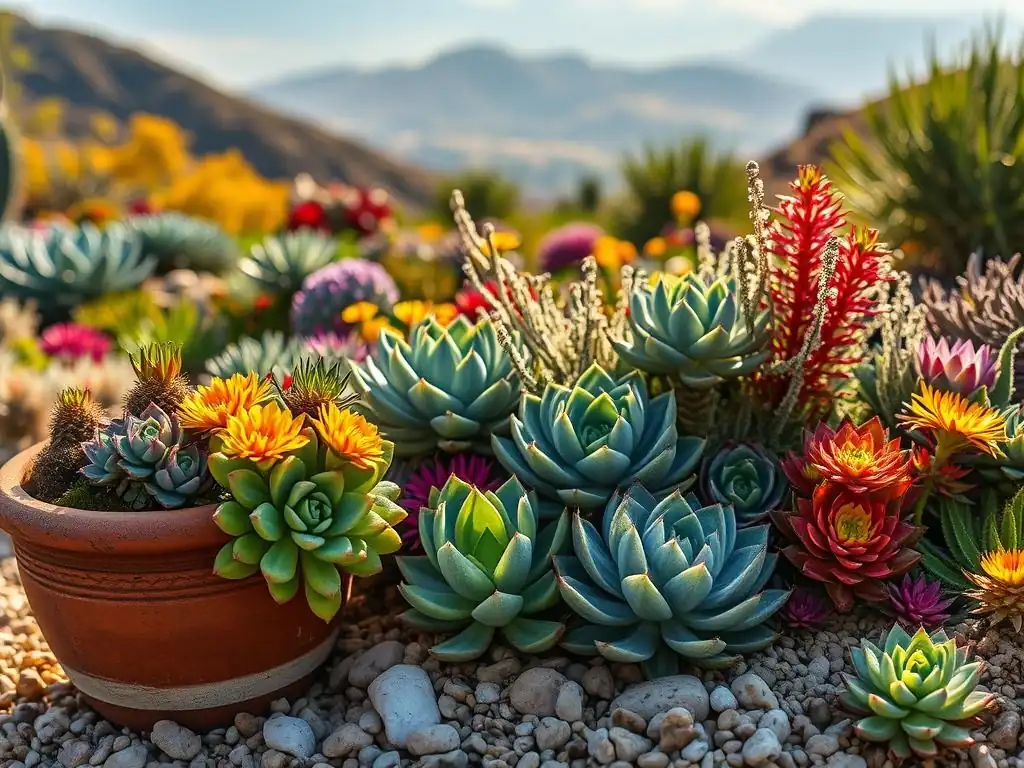
Welcome to SucculentEssentials.org, where the arid becomes amazing! Prepare to be captivated by the resilience and beauty of succulents. Are you ready to unlock the secrets of creating a thriving, water-wise landscape? Dive into our expert guide on Xeriscaping succulent garden design and discover how to transform even the driest land into a vibrant, flourishing ecosystem. Let's begin your succulent journey!
- Understanding Xeriscaping Succulent Garden Design Principles
- Planning Your Xeriscaping Succulent Garden Design
- Implementing Your Xeriscaping Succulent Garden Design
- Advanced Xeriscaping Techniques for Succulent Gardens
- The Benefits of a Xeriscaping Succulent Garden Design
- Inspiration and Ideas for Your Xeriscaping Succulent Garden
-
Frequently Asked Questions
- What is xeriscaping, and how does it relate to succulents?
- How can I design a succulent xeriscape garden?
- What are some essential succulent varieties for a xeriscape garden?
- How much water does a xeriscaped succulent garden need?
- Are there any specific design considerations for a xeriscape succulent garden?
- Final Reflection: Cultivating Resilience: Xeriscaping's Enduring Legacy
- Unleash Your Inner Landscape Architect: Design a Thriving Xeriscape Today!
Understanding Xeriscaping Succulent Garden Design Principles
Xeriscaping, derived from the Greek word "xeros" meaning "dry," represents a revolutionary approach to landscaping that prioritizes water conservation. This article delves into the art of xeriscaping, specifically focusing on its application in creating vibrant and thriving succulent gardens. We'll explore the core principles of xeriscaping, guiding you through the process of transforming dry, arid land into a flourishing ecosystem teeming with drought-tolerant succulents. This guide is designed for both seasoned succulent enthusiasts and beginners eager to learn how to create beautiful, low-maintenance gardens that are both aesthetically pleasing and environmentally responsible.
Mastering xeriscaping succulent garden design means embracing a sustainable approach to gardening that conserves precious water resources while enhancing the beauty of your outdoor space. Learning these techniques will not only reduce your water bill but also contribute to a healthier environment. Let's embark on this journey of creating a stunning and sustainable succulent paradise!
Defining Xeriscaping: Water-Wise Landscaping for Arid Climates
Xeriscaping isn't simply about planting drought-tolerant plants; it's a holistic approach to landscaping that minimizes water usage. It involves seven key principles: planning and design, soil analysis, appropriate plant selection, efficient irrigation, practical mulching, proper drainage, and responsible maintenance. In the context of succulent gardens, xeriscaping becomes particularly relevant, as succulents are naturally adapted to arid conditions.
By applying these principles, you can create a beautiful and thriving succulent garden that requires minimal watering, significantly reducing water consumption and your environmental impact. This approach is especially beneficial in arid and semi-arid regions where water resources are scarce. Think of it as designing a garden that mimics the natural water-wise ecosystems found in deserts and arid lands.
Key Principles of Xeriscaping for Succulent Gardens
Implementing xeriscaping principles in your succulent garden design involves careful consideration of several factors. Plant selection is paramount; choose succulents known for their drought tolerance and suitability to your specific climate and soil conditions. Proper soil preparation is crucial; amending the soil with organic matter improves drainage and water retention, ensuring your succulents receive the right balance of moisture. Efficient irrigation systems, such as drip irrigation, deliver water directly to the roots, minimizing water waste.
Mulching helps retain soil moisture, suppress weeds, and regulate soil temperature. Finally, careful planning and design ensure that the garden layout maximizes sunlight exposure and minimizes water runoff. Consider incorporating hardscaping elements like rocks and gravel to enhance the visual appeal and further reduce water needs.
Here's a table summarizing key considerations:
| Principle | Implementation in Succulent Gardens | Benefits |
|---|---|---|
| Plant Selection | Choose drought-tolerant succulents native to your region. | Reduced watering needs, improved plant health, and enhanced aesthetic appeal. |
| Soil Preparation | Amend soil with organic matter to improve drainage and water retention. | Improved water absorption and root development. |
| Efficient Irrigation | Use drip irrigation or soaker hoses to deliver water directly to the roots. | Minimizes water waste and reduces evaporation. |
| Mulching | Use gravel, pebbles, or other suitable mulch to retain soil moisture. | Reduces evaporation, suppresses weeds, and regulates soil temperature. |
| Planning & Design | Optimize garden layout for maximum sunlight exposure and minimal water runoff. | Maximizes plant growth and minimizes water waste. |
Choosing the Right Location for Your Xeriscaped Garden
The success of your xeriscaped succulent garden hinges on choosing the right location. Select a site that receives at least six hours of direct sunlight daily. This is crucial for succulents, as they thrive in sunny conditions. Consider the slope of the land; a slightly sloped area allows for better drainage, preventing waterlogging, which can be detrimental to succulents. Assess the soil type; well-draining soil is essential to prevent root rot.
Avoid areas with standing water or poor drainage. Finally, take into account the prevailing winds; sheltered locations protect your plants from harsh winds, which can desiccate them. Careful site selection ensures that your succulents will have the optimal conditions for growth and health. Remember, proper planning is key to creating a thriving xeriscape succulent garden that will beautify your outdoor space for years to come.
Soil Preparation for Optimal Succulent Growth in Xeriscapes
Creating a thriving xeriscaping succulent garden hinges on proper soil preparation. Succulents, known for their drought tolerance, still require well-draining soil to prevent root rot, a common problem leading to plant death. The ideal soil blend mimics their native environments, offering excellent drainage while retaining some moisture. Forget heavy clay soils; they retain too much water, suffocating succulent roots. Instead, focus on creating a porous, sandy loam.
One effective approach involves mixing equal parts of coarse sand, perlite, and potting soil. Coarse sand improves drainage significantly, while perlite adds aeration, preventing compaction. Potting soil contributes organic matter, providing essential nutrients for healthy growth. The ratio can be adjusted slightly depending on your specific soil conditions. If your existing soil is particularly heavy clay, you might increase the proportion of sand and perlite. Conversely, if your soil is already very sandy, you might increase the amount of potting soil to improve water retention – but remember, drainage remains paramount.
Before planting, amend the existing soil thoroughly. This is crucial, especially if you're working with compacted or clay-rich soil. Dig to a depth of at least 12 inches, breaking up large clods and incorporating the amended soil mixture. This allows for better root penetration and ensures even moisture distribution.
Adding compost to the mix further enhances soil structure and fertility, providing slow-release nutrients that benefit your succulents over time. A soil test can also be invaluable; it pinpoints nutrient deficiencies and allows for targeted amendments, maximizing the health and vigor of your xeriscaping succulent garden. Remember, healthy soil is the foundation of a successful xeriscape. Ignoring this critical step can lead to stunted growth, susceptibility to diseases, and ultimately, the failure of your carefully planned xeriscaping succulent garden design.
Planning Your Xeriscaping Succulent Garden Design
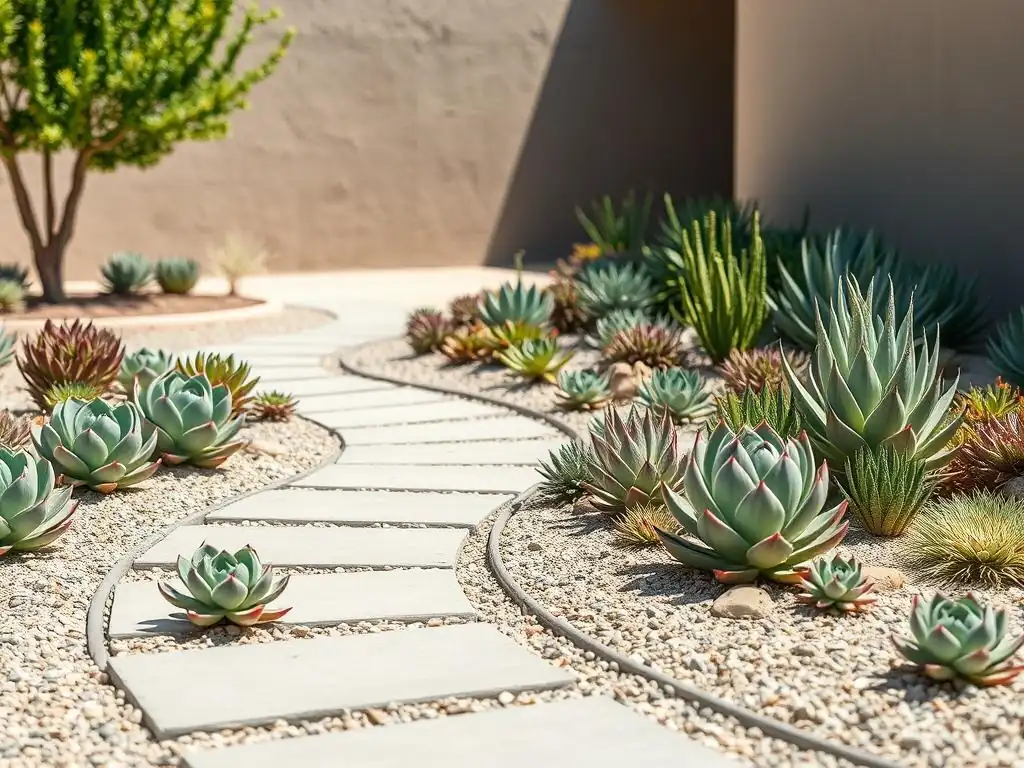
This section delves into the crucial initial steps of crafting a thriving xeriscaping succulent garden. Careful planning ensures your design is both aesthetically pleasing and environmentally responsible, maximizing the inherent drought tolerance of succulents. Effective xeriscaping isn't just about planting; it's about understanding your site and choosing the right plants for long-term success. Remember, a well-planned xeriscape minimizes water usage while maximizing the beauty of your succulent collection. Let's explore the key elements to consider.
Assessing Your Site's Conditions: Sun Exposure, Soil Type, and Drainage
Before even considering which succulents to plant, a thorough assessment of your site's conditions is paramount for a successful xeriscaping succulent garden design. This involves analyzing three key factors: sun exposure, soil type, and drainage.
Understanding your site's sun exposure is critical. Most succulents thrive in full sun (at least 6 hours of direct sunlight daily), but some prefer partial shade, especially during the hottest part of the day. Observe your yard throughout the day to determine the sun's path and identify areas with varying levels of sunlight. Note the duration and intensity of sun exposure in different locations. This information will guide your plant selection.
Soil type significantly impacts a succulent's ability to thrive. Well-draining soil is crucial; succulents are susceptible to root rot in waterlogged conditions. Test your soil's drainage by digging a hole and filling it with water. Observe how quickly the water drains. If it drains slowly, amend the soil with organic matter like perlite or coarse sand to improve drainage. A sandy loam soil is ideal, offering good drainage while retaining some moisture. Knowing your soil's composition allows you to prepare the ideal growing environment for your succulents.
Drainage is equally important, potentially even more so than soil type. Poor drainage can lead to root rot, a common cause of succulent death. Assess your site's natural drainage patterns. If water tends to pool in certain areas, consider adding raised beds or improving drainage through amending the soil with materials like gravel or pumice. Avoid planting succulents in low-lying areas prone to water accumulation. A well-draining environment is the foundation of a successful xeriscape.
Selecting Drought-Tolerant Succulents for Your Xeriscape
Choosing the right succulents is key to a successful xeriscaping succulent garden design. Consider these factors:
- Sunlight Requirements: Match the succulents' sunlight needs (full sun, partial shade) to the conditions in your garden.
- Mature Size: Plan for the ultimate size of each succulent to avoid overcrowding and ensure adequate spacing.
- Color and Texture: Select a variety of colors and textures to create visual interest and depth in your design.
- Water Needs: Even within the succulent family, water requirements vary. Select varieties known for their exceptional drought tolerance.
- Hardiness Zone: Ensure the succulents you choose are suitable for your specific climate and hardiness zone.
Here’s a sample list to get you started: Sedum, Echeveria, Sempervivum, and Agave are excellent choices for beginners. Remember to research specific varieties within these genera to find ones that perfectly suit your conditions. Consider the mature size of each plant to ensure proper spacing in your design. A diverse selection of succulents will create a visually appealing and resilient xeriscape.
Designing a Water-Wise Irrigation System for Your Succulent Garden
Even drought-tolerant succulents benefit from occasional watering, especially during establishment. A well-designed irrigation system is essential for successful xeriscaping. Avoid overhead watering, which can lead to fungal diseases. Instead, opt for drip irrigation or soaker hoses, delivering water directly to the root zone. This minimizes water waste and prevents leaf burn.
Consider using a timer to automate your watering schedule. This ensures consistent watering while conserving water. Adjust the watering frequency based on your local climate and the specific needs of your succulents. During periods of intense heat or drought, you may need to water more frequently.
Always monitor the soil moisture before watering to prevent overwatering. Regularly inspect your irrigation system for leaks or clogs to maintain efficiency. A well-maintained irrigation system is crucial for the long-term health and beauty of your xeriscaping succulent garden. Remember, the goal is to provide just enough water to keep the plants healthy, without encouraging excessive growth or root rot.
Incorporating Gravel, Stones, and Mulch for Water Retention and Aesthetics
Gravel, stones, and mulch play a crucial role in successful xeriscaping succulent garden design, offering both aesthetic appeal and practical functionality. Their strategic placement enhances water retention, suppresses weeds, and regulates soil temperature, creating a thriving environment for your succulents.
The type of material you choose significantly impacts the overall look and feel of your garden. For instance, using smooth, river-washed pebbles creates a clean, modern aesthetic, while larger, irregularly shaped stones lend a more rustic and natural charm. Consider the color and texture of your chosen materials to complement the colors and shapes of your succulents. A variety of sizes and colors can add depth and visual interest, preventing the garden from looking monotonous. Think about incorporating different shades of gray, beige, and even pops of color with colored glass or glazed pottery pieces.
Beyond aesthetics, these materials directly contribute to the health of your succulents. A layer of gravel or small stones placed beneath the succulents helps with drainage, preventing waterlogging which can lead to root rot – a common problem for succulents. This improved drainage is especially crucial in areas with heavy clay soils. Furthermore, a layer of organic mulch, such as decomposed granite or shredded bark, helps retain moisture in the soil, reducing the frequency of watering.
This is vital for xeriscaping, where minimizing water usage is paramount. The mulch also helps to suppress weed growth, reducing competition for water and nutrients. Remember to leave space between the mulch and the succulent stems to avoid potential rot.
The depth of the gravel, stone, and mulch layer should be carefully considered. A layer that's too shallow won't provide adequate benefits, while a layer that's too deep might smother the succulents. A general guideline is to use a layer approximately 2-4 inches deep, but this can vary depending on the specific needs of your succulents and the type of soil. Experimentation and observation are key to determining the optimal depth for your garden.
Regularly inspect your garden and adjust the mulch layer as needed, adding more as it decomposes or is washed away by rain. This proactive approach ensures the long-term health and beauty of your xeriscaping succulent garden. Careful selection and placement of these materials are crucial steps in creating a beautiful and sustainable xeriscape that thrives even in the driest climates.
Implementing Your Xeriscaping Succulent Garden Design
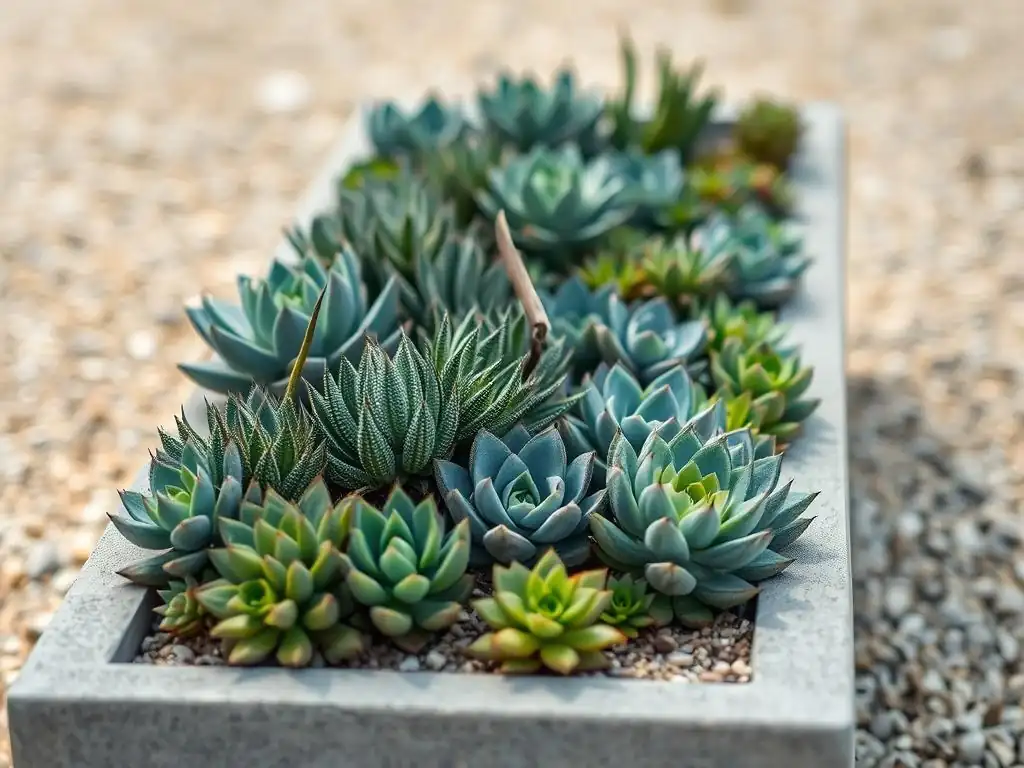
This section delves into the practical application of designing a thriving xeriscaping succulent garden. We'll move beyond the theoretical and explore the concrete steps involved in transforming your arid landscape into a vibrant, water-wise oasis brimming with succulents. Remember, successful xeriscaping relies on thoughtful planning and execution; let's ensure your succulent garden flourishes.
Step-by-Step Planting Guide for Succulents in a Xeriscape
Before you even think about planting, soil preparation is crucial for xeriscaping succulent garden design. Proper soil drainage is paramount for succulent health. Succulents are prone to root rot in waterlogged conditions. Amend your native soil with plenty of coarse sand, perlite, or pumice to improve drainage. Aim for a well-draining soil mix that mimics the succulents' natural habitat.
- Site Selection: Choose a location that receives at least six hours of sunlight daily. Most succulents thrive in full sun, though some varieties tolerate partial shade. Consider the microclimate – areas with reflected heat might be too intense for certain succulents.
- Soil Preparation: As mentioned, amend the soil with at least 30% inorganic material (sand, perlite, pumice). This increases aeration and prevents waterlogging. A soil pH of 6.0-7.0 is ideal for most succulents. You can test your soil pH using a home testing kit and adjust accordingly.
- Planting: Dig holes slightly larger than the succulent's root ball. Gently remove the succulent from its container, taking care not to damage the roots. Plant at the same depth as it was in the container. Water thoroughly after planting, allowing the water to soak into the soil.
- Spacing: Proper spacing is critical for air circulation and prevents overcrowding, reducing the risk of fungal diseases. Research the mature size of your chosen succulents before planting to ensure adequate spacing. Generally, allow at least 6-12 inches between plants depending on the size and variety.
- Mulching: Applying a layer of gravel, decomposed granite, or small stones around your succulents helps retain soil moisture, suppress weeds, and regulate soil temperature. Avoid using organic mulch as it can retain too much moisture and lead to root rot.
Creating Visual Interest with Different Succulent Textures and Colors
The beauty of a xeriscaping succulent garden design lies not only in its drought tolerance but also in its aesthetic appeal. By strategically combining succulents with varying textures and colors, you can create a visually captivating display. Consider these elements:
- Texture: Incorporate succulents with diverse textures. Think of the smooth, waxy leaves of Echeveria contrasted with the spiky, hairy leaves of Sempervivum. The interplay of textures adds depth and visual interest.
- Color: Select succulents with a range of colors, from the deep greens and blues to the vibrant pinks, purples, and reds. Consider the seasonal color variations; some succulents change color depending on the amount of sunlight they receive. A well-planned color palette can transform your garden.
- Form and Size: Use a mix of sizes and shapes to add visual dynamics. Combine low-growing groundcovers with taller, upright specimens. This layering creates a sense of depth and complexity. Avoid planting only one size and shape, which will create a monotonous effect.
- Patterns and Repetition: Create visual rhythm by repeating certain succulents or color combinations in a pattern. This creates a sense of order and balance, making the design more pleasing to the eye.
Integrating Native Plants and Rocks into Your Xeriscape Design
Xeriscaping is more than just planting succulents; it's about creating a harmonious ecosystem that complements the local environment. Integrating native plants and rocks enhances the natural beauty of your xeriscape and promotes biodiversity.
- Native Plants: Research native plants suitable for your region that have similar water requirements to succulents. These plants will thrive in your local climate and require less maintenance. They also support local pollinators and wildlife. [Specific native plant suggestions pending – needs regional data].
- Rocks and Stones: Rocks serve multiple purposes in a xeriscape. They improve drainage, suppress weeds, and add visual texture. Use a variety of sizes and colors to create visual interest. Larger rocks can be used as focal points, while smaller stones can be used as mulch. Consider using local stone to maintain a cohesive aesthetic.
- Gravel Pathways: Gravel pathways not only complement the xeriscape design but also help to prevent soil compaction and erosion. They provide a practical and aesthetically pleasing way to navigate your garden. The choice of gravel color can be used to enhance the overall design.
Remember, successful xeriscaping is a journey, not a destination. Experiment, observe, and adapt your design as needed. Your xeriscaping succulent garden design will evolve over time, reflecting your unique style and the ever-changing landscape.
Maintaining Your Xeriscaped Succulent Garden: Minimal Watering and Pruning Techniques
Maintaining a thriving xeriscaped succulent garden hinges on understanding the unique water requirements and growth habits of these drought-tolerant plants. Overwatering is a common mistake that can lead to root rot and other problems, ultimately harming or killing your succulents. The key is infrequent, deep watering, allowing the soil to dry out completely between waterings. This encourages strong root growth, making your succulents more resilient to dry spells.
The frequency of watering will depend on several factors, including the climate, soil type, and the specific succulent varieties in your garden. In hotter, drier climates, you might water once every two to three weeks during the growing season (spring and summer), while in cooler, more humid regions, watering once a month might suffice. Always check the soil moisture before watering; if the top inch or two feels dry, it's time to water. Remember, it's better to underwater than overwater.
Pruning your succulents is crucial for maintaining their shape and health, promoting bushier growth, and preventing overcrowding. However, unlike many other plants, succulents don't require frequent pruning. Instead, focus on removing dead or damaged leaves and stems as needed. This keeps your garden looking neat and prevents the spread of disease. Over-pruning can stress the plant, making it more vulnerable to pests and diseases.
When pruning, use clean, sharp shears or pruning scissors to minimize damage to the plant tissue. For larger succulents that have grown leggy or become unbalanced, you can carefully trim back some stems to encourage bushier growth and improve the overall aesthetic of your xeriscaped garden. Always remember to sterilize your pruning tools between plants to prevent the spread of diseases. Pruning should be done during the growing season, when the plants are actively growing and can better recover from any stress.
The type of pruning you perform will also depend on the specific succulent species. Some succulents, like echeverias, naturally produce offsets (baby plants) that can be carefully removed and propagated to create new plants. This is a wonderful way to expand your xeriscaped succulent garden and share your love of these unique plants. Others, like sedums, may require more significant pruning to maintain their shape and prevent overcrowding.
Always research the specific needs of your chosen succulents to ensure you're using the appropriate pruning techniques. Remember, patience and observation are key to successful succulent care. By paying close attention to your plants and adjusting your watering and pruning techniques accordingly, you can enjoy a vibrant and healthy xeriscaped succulent garden for years to come. Careful maintenance is the cornerstone of a beautiful and sustainable xeriscape.
Advanced Xeriscaping Techniques for Succulent Gardens
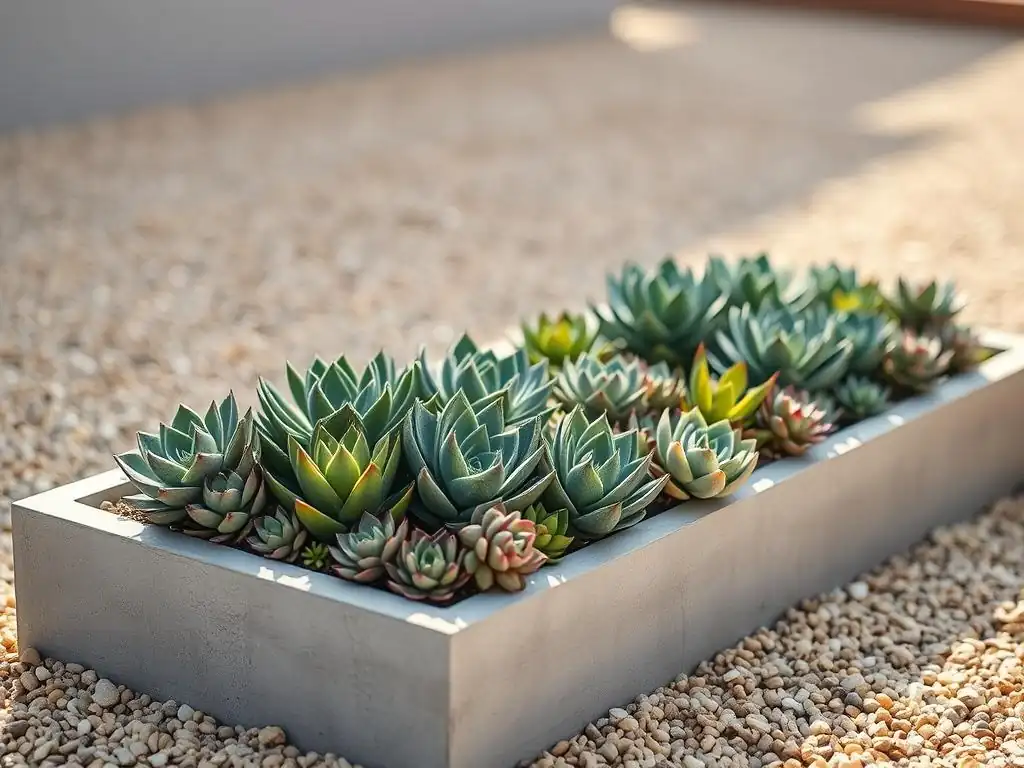
This section delves into sophisticated strategies for crafting thriving succulent gardens within the framework of xeriscaping, focusing on maximizing water efficiency and minimizing maintenance. We'll explore techniques that go beyond the basics, allowing you to create a truly stunning and sustainable xeriscape that showcases the beauty of succulents while conserving precious water resources. Effective xeriscaping succulent garden design requires careful planning and execution; these techniques will help you achieve exceptional results.
Designing Xeriscapes with Raised Beds for Optimal Drainage
Poor drainage is a common nemesis of succulent gardens, leading to root rot and plant death. Raised beds offer a powerful solution, particularly in areas with heavy clay soils or poor water permeability. By elevating the planting area, you create superior drainage, allowing excess water to escape readily. This is crucial for succulents, which are highly susceptible to overwatering.
The optimal height for a raised bed depends on your soil type and the specific succulents you're planting. Generally, a height of 12-18 inches provides ample drainage. The materials used for constructing the raised beds are also important. Consider using materials that allow for good air circulation, such as untreated lumber, stone, or even repurposed materials. Avoid materials that retain excessive moisture, like untreated concrete or some types of plastic.
Here's a table summarizing the benefits of using raised beds in xeriscaping succulent garden design:
| Benefit | Description |
|---|---|
| Improved Drainage | Excess water drains quickly, preventing root rot. |
| Enhanced Soil Aeration | Better air circulation around roots promotes healthy growth. |
| Increased Soil Warmth | Raised beds warm up faster in spring, encouraging earlier growth. |
| Weed Control | Raised beds can make weeding easier, reducing maintenance. |
| Customizable Soil Mix | You can create a custom soil blend optimized for succulents, improving water retention and drainage simultaneously. |
Constructing raised beds requires planning and preparation. Consider the overall design of your xeriscape and the size and placement of your beds to ensure harmonious integration within your landscape. Remember to amend the soil within the raised beds with materials that improve drainage and aeration, such as perlite or pumice.
Utilizing Water-Harvesting Techniques to Supplement Irrigation
Water conservation is paramount in xeriscaping. Supplementing your irrigation system with water-harvesting techniques can significantly reduce your reliance on municipal water supplies. This approach aligns perfectly with the principles of sustainable xeriscaping succulent garden design.
Rain barrels are an excellent starting point. These collect rainwater runoff from rooftops, which can then be used to water your succulents. Properly sized rain barrels can store a substantial amount of water, especially during periods of heavy rainfall. Remember to install a filter to prevent debris from entering the barrel and ensure the water remains clean.
Beyond rain barrels, consider implementing other water-harvesting strategies. This might include creating swales or berms to capture runoff from hardscaped areas, or using a greywater system (after appropriate filtration and treatment) to irrigate your succulents. The specific techniques you choose will depend on your location, climate, and the overall design of your xeriscape.
The benefits of water harvesting extend beyond water conservation. Rainwater is generally softer than municipal water, which is often treated with chemicals that can negatively impact plant health. Using rainwater can lead to healthier, more vibrant succulents.
Creating a Low-Maintenance Xeriscape with Minimal Upkeep
The essence of xeriscaping lies in minimizing maintenance while maximizing aesthetic appeal. Careful plant selection is crucial for achieving a low-maintenance xeriscape featuring succulents. Choose drought-tolerant varieties known for their resilience and minimal upkeep.
Mulching is another key element of low-maintenance xeriscaping. A layer of gravel, decomposed granite, or other suitable mulch helps retain soil moisture, suppress weeds, and regulate soil temperature. This minimizes the need for frequent watering and weeding, significantly reducing your workload.
Regular pruning and deadheading can prevent your succulents from becoming overgrown and leggy. This helps maintain their shape and promotes healthy growth. However, the need for pruning is generally minimal with many drought-tolerant succulents, making them ideal for busy gardeners.
Consider using drip irrigation or soaker hoses for targeted watering, avoiding overhead watering which can lead to fungal diseases and water waste. This targeted approach ensures that water reaches the roots efficiently, maximizing water use and minimizing evaporation. Planning your xeriscape with careful consideration of these elements will create a beautiful and easy-to-maintain garden, showcasing the best aspects of xeriscaping succulent garden design.
Combining Xeriscaping with Other Sustainable Landscaping Practices
Xeriscaping, at its core, is about water conservation. But its principles can be beautifully interwoven with other sustainable landscaping practices to create a truly thriving and environmentally responsible succulent garden. This synergistic approach maximizes benefits and minimizes environmental impact. For example, incorporating permeable paving materials, like gravel or paving stones with gaps, not only complements the xeriscape aesthetic but also allows rainwater to seep into the ground, replenishing groundwater reserves and reducing runoff. This reduces the strain on municipal drainage systems and minimizes the risk of erosion.
Furthermore, integrating rainwater harvesting techniques significantly enhances the effectiveness of a xeriscaping succulent garden design. Collected rainwater can be used to supplement irrigation, reducing reliance on municipal water supplies. Simple systems like rain barrels can be aesthetically integrated into the landscape, adding another layer of visual interest.
Think of a charming rain barrel subtly hidden behind a cluster of Echeveria or a strategically placed cistern serving as a focal point within a rock garden. This not only reduces water bills but also provides a more natural and consistent water source for your succulents, mimicking the rainfall patterns of their natural habitats.
Another crucial element is the selection of native or drought-tolerant plants beyond succulents. Integrating these plants creates a more diverse and resilient ecosystem, attracting beneficial insects and pollinators. This biodiversity enhances the overall health and sustainability of the garden, reducing the need for pesticides and fertilizers. Choosing plants with different bloom times ensures a continuous display of color and texture throughout the year, adding visual richness to your xeriscape.
Careful consideration of plant placement, taking into account sun exposure, wind patterns, and soil type, maximizes the success of these companion plants, mimicking the natural layering and biodiversity found in arid ecosystems. This holistic approach transforms your garden from a simple collection of plants into a thriving, self-sustaining micro-environment. The added benefit? A significantly reduced environmental footprint and a more beautiful, resilient landscape.
The Benefits of a Xeriscaping Succulent Garden Design
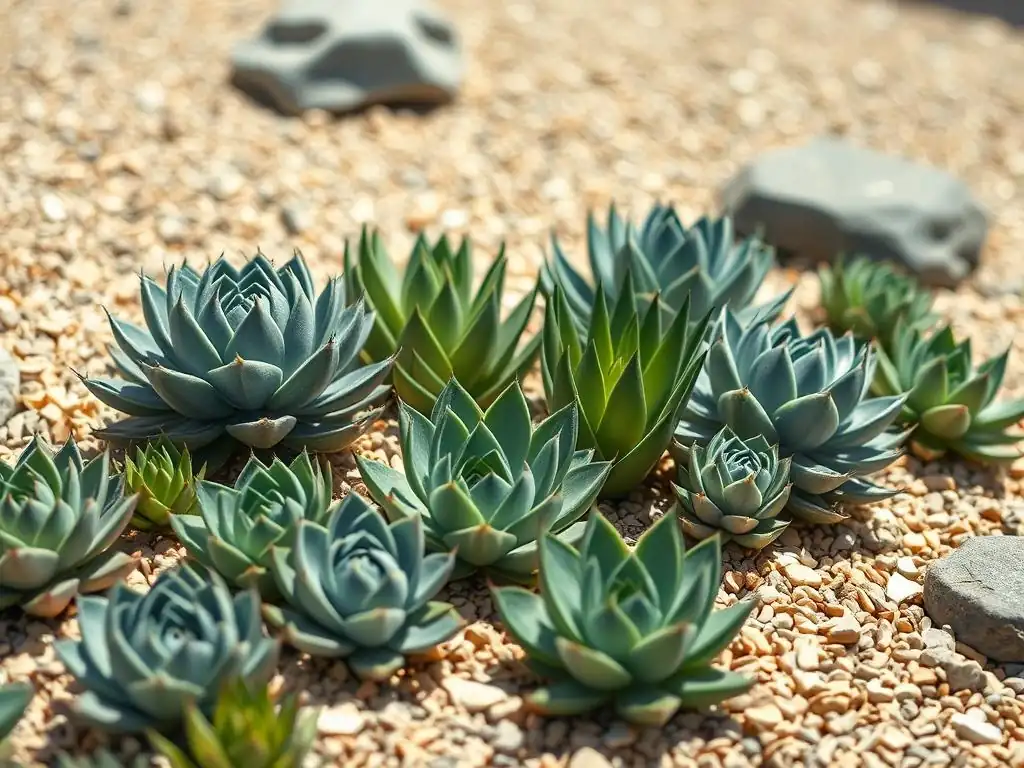
Xeriscaping, derived from the Greek word "xeros" meaning dry, is a landscaping approach that prioritizes water conservation. Integrating succulents into a xeriscape design offers a multitude of advantages, creating a visually stunning and environmentally responsible outdoor space. This section explores the key benefits of embracing a Xeriscaping succulent garden design, highlighting its positive impacts on your wallet and the environment. The aesthetic appeal, of course, is an added bonus!
Water Conservation and Reduced Water Bills
One of the most compelling reasons to adopt a xeriscaping succulent garden design is its inherent water efficiency. Succulents, by their very nature, are drought-tolerant plants adapted to arid conditions. Unlike traditional lawns and thirsty flowering plants, succulents require minimal watering, significantly reducing your water consumption. This translates directly into lower water bills, offering substantial long-term savings.
Consider this: a typical lawn requires frequent watering, often multiple times a week during dry spells. This constant irrigation leads to significant water waste through evaporation and runoff. A succulent garden, however, can often thrive with infrequent, deep watering, conserving precious water resources. The reduction in water usage can be dramatic, potentially saving you hundreds, if not thousands, of dollars annually, depending on your climate and the size of your garden. The exact figures will vary based on factors such as local water rates and the specific succulent varieties chosen, but the potential for savings is undeniable.
Environmental Benefits of Xeriscaping: Protecting Local Ecosystems
Beyond personal financial gains, a xeriscaping succulent garden design offers significant environmental benefits. By reducing water consumption, you contribute to the conservation of local water resources, preserving this vital resource for future generations. This is particularly important in arid and semi-arid regions, where water scarcity is a growing concern.
Furthermore, xeriscaping often involves the use of native plants, including many succulent species. Choosing native succulents supports local biodiversity by providing habitat and food sources for native insects, birds, and other wildlife. This contrasts sharply with traditional landscaping, which may rely on non-native plants that offer little ecological value and can even be invasive. Protecting local ecosystems is crucial for maintaining biodiversity and overall environmental health. A flourishing succulent garden can become a vibrant micro-ecosystem, contributing to the larger ecological balance.
Long-Term Cost Savings Compared to Traditional Landscaping
While the initial investment in establishing a xeriscaping succulent garden design might seem comparable to traditional landscaping, the long-term cost savings are substantial. The reduced need for frequent watering translates to lower water bills, as discussed above. Moreover, succulents generally require less maintenance than traditional landscaping. They are less susceptible to pests and diseases, reducing the need for expensive pesticides and treatments. The lower maintenance requirements also translate to less time spent on gardening chores, freeing up your time for other activities.
Let's compare: Traditional landscaping often necessitates regular mowing, fertilizing, and pest control, all contributing to ongoing expenses. A xeriscaping succulent garden, on the other hand, requires minimal intervention, resulting in significantly lower maintenance costs over the years. This makes xeriscaping a fiscally responsible and sustainable landscaping choice, offering both immediate and long-term financial benefits. The overall cost-effectiveness is a key advantage that shouldn't be overlooked when planning your outdoor space.
Creating a Beautiful and Unique Outdoor Space
Designing a xeriscaping succulent garden offers a fantastic opportunity to craft a truly unique and visually stunning outdoor space. Unlike traditional landscaping that often relies on water-intensive plants and regular maintenance, a xeriscaping approach using succulents allows for a low-maintenance, drought-tolerant garden that thrives even in arid climates. The inherent diversity of succulents—in size, shape, color, and texture—provides endless possibilities for creative arrangements. You can play with contrasting colors and forms, creating visually dynamic patterns and textures that capture the eye.
Imagine a cascading arrangement of trailing succulents spilling over a rock wall, contrasting with the upright, architectural forms of agave or aloe plants. The possibilities are limited only by your imagination! The beauty of xeriscaping lies in its ability to highlight the natural beauty of the plants themselves, rather than masking them with excessive ornamentation.
This approach allows you to create a garden that reflects your personal style and preferences. Whether you prefer a minimalist aesthetic with carefully chosen specimens or a more exuberant, densely planted design, succulents provide the versatility to achieve your vision. You can incorporate different types of rocks, gravel, and other hardscaping elements to complement the succulents and create visual interest.
Consider using different sized stones to create pathways or raised beds, adding another layer of texture and depth to your design. The use of strategically placed boulders can also provide shade and shelter for more delicate succulents, enhancing their overall health and longevity. A well-designed xeriscaping succulent garden becomes an extension of your home, a personal oasis that invites relaxation and contemplation.
It's a space where you can connect with nature and appreciate the beauty of drought-tolerant plants. The unique character of your xeriscaping succulent garden will become a source of pride and enjoyment for years to come.
Inspiration and Ideas for Your Xeriscaping Succulent Garden
This section provides inspiration and practical ideas for designing a thriving and visually appealing xeriscaping succulent garden. We'll explore various design approaches, considering factors like sunlight exposure, soil type, and the overall aesthetic you wish to achieve. Remember, successful xeriscaping succulent garden design hinges on understanding the specific needs of your chosen succulents and creating a harmonious environment that mimics their natural habitats. Let's delve into some exciting possibilities for your xeriscaping project.
Showcase of Stunning Xeriscaped Succulent Gardens
Imagine a cascading wall of vibrant Echeverias, their rosette leaves catching the sunlight, spilling down a gently sloping rock feature. This is just one example of the breathtaking beauty achievable with a well-designed xeriscaping succulent garden. Consider these stunning examples to spark your creativity:
- The Modern Minimalist: A sleek, geometric design featuring primarily grey and blue-toned succulents planted in clean lines within a raised bed. Gravel pathways and strategically placed rocks enhance the contemporary feel. This design prioritizes architectural form and showcases the unique textures of the succulents. Think Sedum, Sempervivum, and Graptopetalum for a color palette that complements the minimalist aesthetic.
- The Mediterranean Oasis: Evoking the sun-drenched landscapes of the Mediterranean, this design incorporates terracotta pots, rustic stonework, and a variety of succulents with warm colors and textures. The inclusion of drought-tolerant herbs like rosemary and lavender complements the succulents beautifully, adding fragrance and visual interest. Consider using Aeonium, Dudleya, and Echeveria species for a truly Mediterranean feel.
- The Desert Bloom: This design mimics the natural beauty of a desert landscape, featuring a variety of succulents in different sizes and textures, interspersed with native cacti and gravel. The use of natural materials like wood and stone creates a sense of authenticity and complements the rugged beauty of the desert flora. This design is perfect for showcasing the diversity within the succulent family, incorporating species like Opuntia, Yucca, and various Agaves.
These are just starting points. Your xeriscaping succulent garden design should reflect your personal style and the specific conditions of your location.
Xeriscaping Design Ideas for Small Spaces and Patios
Even if you have a limited outdoor space, you can still create a stunning xeriscaping succulent garden. Small spaces and patios offer unique opportunities for creative design. Here are some ideas to maximize your limited area:
- Vertical Gardens: Utilize vertical space with wall-mounted planters or hanging baskets. This is a space-saving solution that allows you to showcase a wider variety of succulents. Consider using a variety of smaller succulents that are able to thrive in hanging baskets and are less prone to damage from the elements.
- Tiered Planters: Create a visually appealing display by using tiered planters of varying sizes. This maximizes vertical space while creating visual interest. Each tier can feature a different type of succulent or a combination of textures and colors.
- Container Gardening: Use a variety of pots and containers to create a cohesive and visually pleasing arrangement. Choose pots that are appropriate for the size and drainage needs of your succulents. A collection of terracotta pots of various sizes and shapes can create a beautiful display.
Remember to choose succulents that are suited to the amount of sunlight your patio receives. Regular maintenance, including watering and occasional pruning, will help ensure the health and beauty of your miniature xeriscape.
Combining Succulents with Other Drought-Tolerant Plants in Xeriscapes
Xeriscaping succulent garden design isn't limited to succulents alone. Expanding your plant palette to include other drought-tolerant species enhances biodiversity and creates a more dynamic landscape. Consider incorporating:
- Ornamental Grasses: These add movement and texture to the garden, providing a striking contrast to the succulents' more rigid forms. Feather grasses or blue fescue are excellent choices. Their delicate foliage complements the bolder forms of the succulents.
- Shrubs: Small, drought-tolerant shrubs like lavender, rosemary, or salvia provide height and visual interest, while also attracting pollinators. Their aromatic foliage can add another layer to the sensory experience of your xeriscape.
- Groundcovers: Low-growing, drought-tolerant groundcovers like creeping thyme or sedum groundcovers help to suppress weeds and prevent soil erosion. They create a natural, unkempt look that complements the succulents perfectly.
Strategic placement of these plants can create a rich tapestry of textures, colors, and heights, resulting in a visually stunning and ecologically sound xeriscape. Remember to research the specific needs of each plant to ensure they thrive in your chosen environment. Careful planning and selection are key to a successful xeriscaping design that integrates succulents and other drought-tolerant plants harmoniously.
Xeriscaping your Garden for Specific Climates [e.g., Mediterranean, Desert]
Designing a xeriscaping succulent garden requires careful consideration of your specific climate. The success of your drought-tolerant landscape hinges on selecting succulents that thrive in your local conditions. A Mediterranean climate, for instance, with its hot, dry summers and mild, wet winters, demands a different approach than a desert climate with extreme temperatures and minimal rainfall.
In Mediterranean climates, you'll find success with succulents that tolerate some winter moisture but also withstand long, hot, dry periods. Consider incorporating species like Sedum, Sempervivum, and Echeveria, which are known for their adaptability. Strategic placement is key; ensure good drainage to prevent root rot during the wetter months.
Adding gravel or other porous materials to the soil mix can improve drainage and aeration. Careful consideration of sun exposure is also vital; some succulents prefer full sun, while others benefit from partial shade during the hottest part of the day. Think about using taller succulents as a backdrop to shorter ones, creating depth and visual interest.
A desert climate presents unique challenges. The extreme heat and intense sunlight necessitate choosing succulents that are exceptionally drought-tolerant and heat-resistant. Species like Agave, Yucca, and certain hardy cacti excel in these conditions. Soil preparation is paramount; using well-draining soil is crucial to prevent waterlogging, which can quickly lead to root rot.
Consider incorporating native succulents whenever possible; they are already adapted to the local climate and require minimal supplemental watering once established. Group succulents according to their water and sun requirements to optimize their growth. You'll also want to consider the wind exposure, opting for more robust varieties in areas prone to strong winds. Remember, even in a desert climate, occasional deep watering may be necessary, especially during periods of extreme heat.
Beyond Mediterranean and desert climates, other arid regions require similar careful planning. Understanding the specific nuances of your local climate – including rainfall patterns, temperature fluctuations, and soil type – is crucial for selecting the right succulents and creating a thriving xeriscaping succulent garden. Researching the native flora of your region can provide valuable insights into suitable plant choices. Remember, a well-designed xeriscape is not just beautiful but also sustainable and environmentally friendly.
Frequently Asked Questions
What is xeriscaping, and how does it relate to succulents?
Xeriscaping is a water-wise landscaping approach that emphasizes drought-tolerant plants. Succulents are perfectly suited for xeriscaping due to their natural ability to thrive in dry conditions, making them ideal for creating beautiful, low-maintenance gardens.
How can I design a succulent xeriscape garden?
Start by assessing your sun exposure and soil type. Choose a variety of succulents with differing textures, colors, and sizes. Consider incorporating rocks, gravel, and other hardscaping elements to enhance the design and reduce water needs.
What are some essential succulent varieties for a xeriscape garden?
Popular choices include Sedum, Echeveria, Sempervivum, and Agave. These hardy succulents offer diverse shapes, colors, and sizes, creating visual interest in your xeriscape. Remember to select varieties appropriate for your climate.
How much water does a xeriscaped succulent garden need?
A well-established xeriscaped garden requires minimal watering, especially after the first year. Deep, infrequent watering is better than frequent shallow watering. Monitor soil moisture to avoid overwatering, which can lead to root rot.
Are there any specific design considerations for a xeriscape succulent garden?
Yes, consider slope and drainage to prevent water pooling. Group succulents with similar water and sun requirements. Use mulch to retain moisture and suppress weeds. Incorporate hardscaping elements to add visual interest and reduce evaporation.
Final Reflection: Cultivating Resilience: Xeriscaping's Enduring Legacy
The art of xeriscaping isn't merely a landscaping trend; it's a vital response to our changing climate and a testament to the beauty of sustainable living. In a world increasingly grappling with water scarcity and environmental degradation, embracing drought-tolerant landscaping offers a powerful solution, transforming arid spaces into thriving ecosystems that require minimal water and maintenance. This approach, far from being austere, unlocks a world of creative possibilities, as demonstrated throughout this exploration of xeriscaping succulent garden design.
The shift towards water-wise gardening reflects a growing awareness of our interconnectedness with the natural world. We are beginning to understand that beauty doesn't require constant consumption; instead, it can flourish through mindful design and a deep respect for the environment. This resonates deeply with me, as I've witnessed firsthand the transformative power of xeriscaping, not only in the visual appeal of a thriving garden but also in the sense of accomplishment and connection to nature it fosters. The glory of gardening: hands in the dirt, head in the sun, heart with nature. To nurture a garden is to feed not just the body, but the soul.
This quote perfectly encapsulates the profound satisfaction derived from creating a sustainable and beautiful landscape.
Consider the possibilities within your own space. Imagine transforming a barren patch of land into a vibrant oasis, teeming with life and requiring minimal resources. You, too, can contribute to a more sustainable future, one succulent at a time. Embrace the challenge, explore the diverse world of drought-tolerant plants, and discover the joy of creating a xeriscape that not only beautifies your surroundings but also reflects your commitment to responsible environmental stewardship. Let your garden become a testament to resilience, beauty, and the enduring power of nature's ingenuity.
Unleash Your Inner Landscape Architect: Design a Thriving Xeriscape Today!
Thanks for exploring the world of xeriscaping with us! We hope you've gained valuable insights into creating a beautiful and sustainable garden that thrives even in arid conditions. Now, let's put those insights into action.
- Start designing your xeriscape today! Grab a pen and paper, or open your favorite digital design software, and begin sketching your ideal water-wise garden. Consider the sunlight, soil type, and the drought-tolerant plants you love.
- Share your vision! Post a picture of your initial design or some inspirational images on social media using #XeriscapeChallenge and #DroughtTolerantGardening – let's inspire each other!
- Expand your knowledge! Explore additional resources online, such as our website, to discover even more amazing drought-tolerant plants and landscaping techniques.
What's the first drought-tolerant plant you're excited to include in your xeriscape design? Let's start a conversation in the comments!