
The Future of Landscaping: Why Succulents Are the Smart Choice for Your Yard

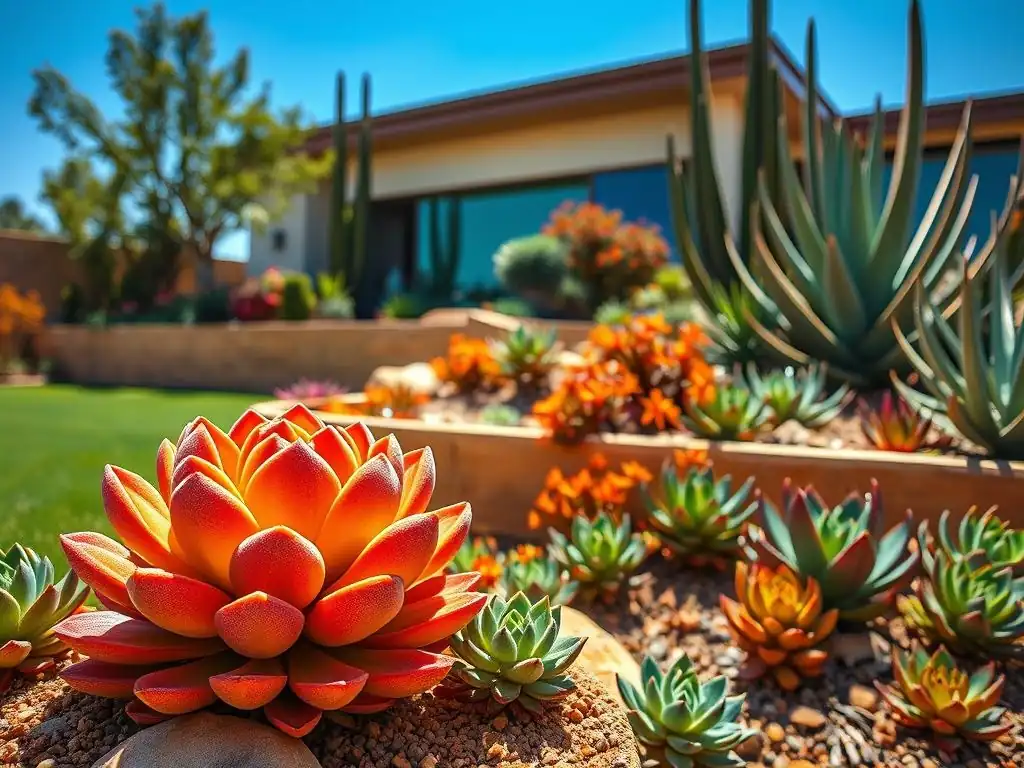
Welcome to SucculentEssentials.org, where the thrilling world of succulents unfolds! Are you ready to discover the secrets to cultivating these resilient beauties? We delve into everything succulent, from basic care to breathtaking designs. But first, prepare to be amazed: learn why succulent landscaping is the smart yard choice – a revolution in outdoor design that's both stunning and sustainable. Dive in and uncover the surprising benefits waiting for you!
- Succulent Landscaping: A Smart Yard Choice for the Modern Gardener
- Designing a Stunning and Sustainable Succulent Landscape
- Maintaining Your Low-Maintenance Succulent Garden
- Succulent Landscaping: Cost-Effective and Long-Term Benefits
- Beyond the Basics: Creative Succulent Landscaping Ideas
- Getting Started with Your Succulent Landscape Project
- Frequently Asked Questions
- Final Reflection: Embracing the Resilient Future of Landscaping
- Unleash Your Green Thumb: Design the Drought-Resistant Garden of Your Dreams!
Succulent Landscaping: A Smart Yard Choice for the Modern Gardener
The modern gardener is increasingly concerned with sustainability, water conservation, and low-maintenance landscaping solutions. Traditional lawns, thirsty consumers of precious water resources and demanding of constant upkeep, are falling out of favor. Enter succulents – a diverse and visually stunning group of plants perfectly suited to address these modern landscaping challenges.
This article explores the compelling reasons why succulent landscaping represents a smart, sustainable, and aesthetically pleasing choice for your yard, significantly reducing your environmental footprint while enhancing your curb appeal. We’ll delve into the rising popularity of drought-tolerant landscaping, the significant water savings achievable with succulent gardens, and the broader environmental benefits of choosing succulents over traditional grass.
Choosing succulents for your landscaping isn't just a trend; it's a responsible and rewarding approach to gardening in the 21st century. Prepare to discover how succulent landscaping can transform your yard into a beautiful, low-maintenance oasis that benefits both you and the planet.
The Growing Popularity of Drought-Tolerant Landscaping
The increasing awareness of water scarcity and the escalating costs associated with water usage are driving a significant shift towards drought-tolerant landscaping. Homeowners are actively seeking alternatives to traditional water-intensive lawns, and succulents are emerging as a leading solution. Their inherent ability to thrive in arid conditions makes them ideal for regions experiencing water stress, but their appeal extends far beyond simply conserving water.
Succulents offer a wide array of colors, textures, and forms, allowing for incredibly diverse and visually captivating landscape designs. This versatility allows for the creation of unique and personalized gardens that reflect individual styles and preferences. The rise in popularity is also fueled by the growing understanding of the environmental benefits associated with reducing water consumption and the lower maintenance requirements compared to traditional lawns.
The ease of care and the stunning visual impact are further contributing factors to the explosive growth in succulent landscaping popularity. Data from [specific data on the growth of drought-tolerant landscaping pending] clearly illustrates this upward trend.
Reducing Water Consumption with Succulent Gardens
One of the most significant advantages of succulent landscaping is its remarkable ability to drastically reduce water consumption. Unlike traditional lawns that require frequent and often deep watering, succulents are naturally adapted to arid conditions and possess specialized mechanisms for storing water. This means they require significantly less watering, leading to substantial savings on water bills and a reduced environmental impact.
A well-established succulent garden might require watering only once or twice a week, depending on the climate and specific species, compared to the daily watering often needed for a lawn. This translates into a considerable reduction in water usage, potentially saving hundreds or even thousands of gallons of water per year, depending on the size of the garden.
The exact water savings will vary depending on factors such as climate, soil type, and the specific succulent species used, but the potential for significant conservation is undeniable. Consider this: [Specific example of water savings comparison between a lawn and a succulent garden of similar size pending].
The Environmental Benefits of Choosing Succulents
The environmental benefits of choosing succulents for landscaping extend beyond water conservation. Succulents contribute to a healthier ecosystem by reducing the need for chemical fertilizers and pesticides, which can pollute waterways and harm beneficial insects. Their low-maintenance nature also means less reliance on gas-powered lawnmowers and other equipment, further reducing carbon emissions. Moreover, the diverse range of succulents attracts pollinators such as bees and butterflies, contributing to local biodiversity.
By choosing succulents, you are actively participating in creating a more sustainable and environmentally friendly landscape. The reduced reliance on resources and the positive impact on local ecosystems make succulent landscaping a responsible and eco-conscious choice. This aligns perfectly with the growing global movement towards sustainable living and responsible environmental stewardship. The overall environmental impact of choosing succulents over traditional lawns is significantly positive, making it a smart choice for environmentally conscious homeowners.
Designing a Stunning and Sustainable Succulent Landscape
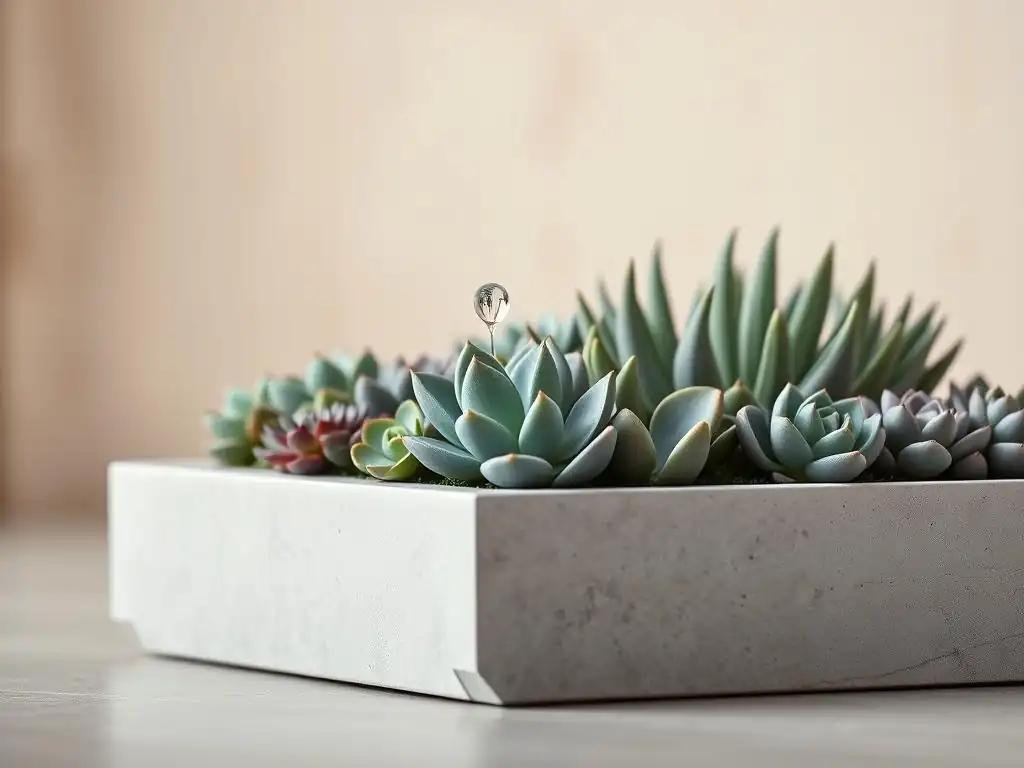
Designing a succulent landscape offers a unique opportunity to blend aesthetics with sustainability. Unlike traditional lawns, which demand significant water and maintenance, succulents thrive in arid conditions, making them an environmentally responsible choice for landscaping. This section will explore key design considerations for creating a thriving and visually captivating succulent garden, perfectly suited for the "Succulent landscaping smart yard choice" ethos.
Choosing the Right Succulents for Your Climate and Soil
The success of any succulent garden hinges on selecting the right plants for your specific climate and soil conditions. Ignoring this crucial step can lead to plant stress, disease, and ultimately, failure. Before you even begin purchasing succulents, conduct a thorough soil test to determine its pH, drainage capacity, and nutrient content. This information will guide you towards choosing succulents that will flourish in your particular environment. For example, well-draining sandy soil is ideal for many succulents, while clay soil might require amendments to improve drainage.
Different succulents have varying tolerances for sun exposure, temperature fluctuations, and rainfall. Researching the specific needs of each species is paramount. Consider creating a microclimate analysis of your yard, noting areas with full sun, partial shade, and complete shade. This will help you strategically place succulents according to their individual light requirements. A sunny, south-facing slope, for instance, is perfect for sun-loving species like Sedum and Echeveria, while Sempervivum might thrive in a slightly shadier location. Remember to also consider the hardiness zones of the succulents, ensuring they can withstand the lowest temperatures your region experiences.
Here's a table summarizing the needs of some popular succulent types:
| Succulent Type | Sun Exposure | Soil Drainage | Water Needs | Hardiness Zone |
|---|---|---|---|---|
| Echeveria | Full Sun | Excellent | Infrequent | Varies widely |
| Sedum | Full Sun to Partial Shade | Excellent | Infrequent | Varies widely |
| Sempervivum (Hens and Chicks) | Full Sun to Partial Shade | Excellent | Infrequent | Varies widely |
| Agave | Full Sun | Excellent | Infrequent | Varies widely |
| Aloe | Full Sun to Partial Shade | Excellent | Moderate | Varies widely |
Creating a Diverse and Visually Appealing Succulent Garden
Achieving a visually stunning succulent garden involves more than just planting a collection of succulents together. Careful planning and execution are key to creating a balanced and aesthetically pleasing design. Consider using a variety of textures, colors, and sizes to add depth and interest. Think about incorporating different growth habits; some succulents are low-growing and ground-hugging, while others are upright and columnar. Combining these creates a dynamic and layered effect.
Consider using contrasting colors to create visual impact. The deep purples of Graptopetalum beautifully complement the silvery-blue hues of Sedum. Similarly, the vibrant greens of some succulents can be juxtaposed against the reddish-brown tones of others. Adding elements like gravel, stones, or decorative pottery can further enhance the overall aesthetic, providing visual anchors and highlighting the succulents' unique forms.
Remember the importance of spacing. Allow sufficient room for each succulent to grow to its mature size, preventing overcrowding and promoting healthy growth. Overcrowding can lead to competition for resources and increase the risk of fungal diseases. Strategic placement can also maximize the visual impact of your design, creating focal points and leading the eye through the garden. The use of varying heights and textures adds to the overall visual appeal.
Incorporating Succulents into Existing Landscape Designs
Integrating succulents into an existing landscape design can be a fantastic way to refresh your outdoor space while embracing sustainable practices. This doesn't necessarily mean a complete overhaul; you can strategically incorporate succulents into existing flower beds, borders, or even rock gardens. Consider using succulents as groundcover in areas where traditional grass struggles to thrive. Their drought tolerance makes them a perfect replacement for water-intensive plants in dry or sunny locations.
Succulents can also be used to create stunning borders or edging for pathways or patios. Their varied textures and colors add visual interest to these often-overlooked areas. Larger succulents, like certain Agave varieties, can serve as striking focal points within a larger landscape design. Think about creating a small succulent rock garden, using different sized stones and succulents to create a miniature, yet captivating landscape.
This can be a great way to add visual interest to a corner of your yard that might otherwise be underutilized. Remember to always consider the mature size of the succulents to avoid overcrowding and ensure they have enough space to thrive within their new environment. This thoughtful integration will ensure the "Succulent landscaping smart yard choice" approach is both beautiful and effective.
Maintaining Your Low-Maintenance Succulent Garden
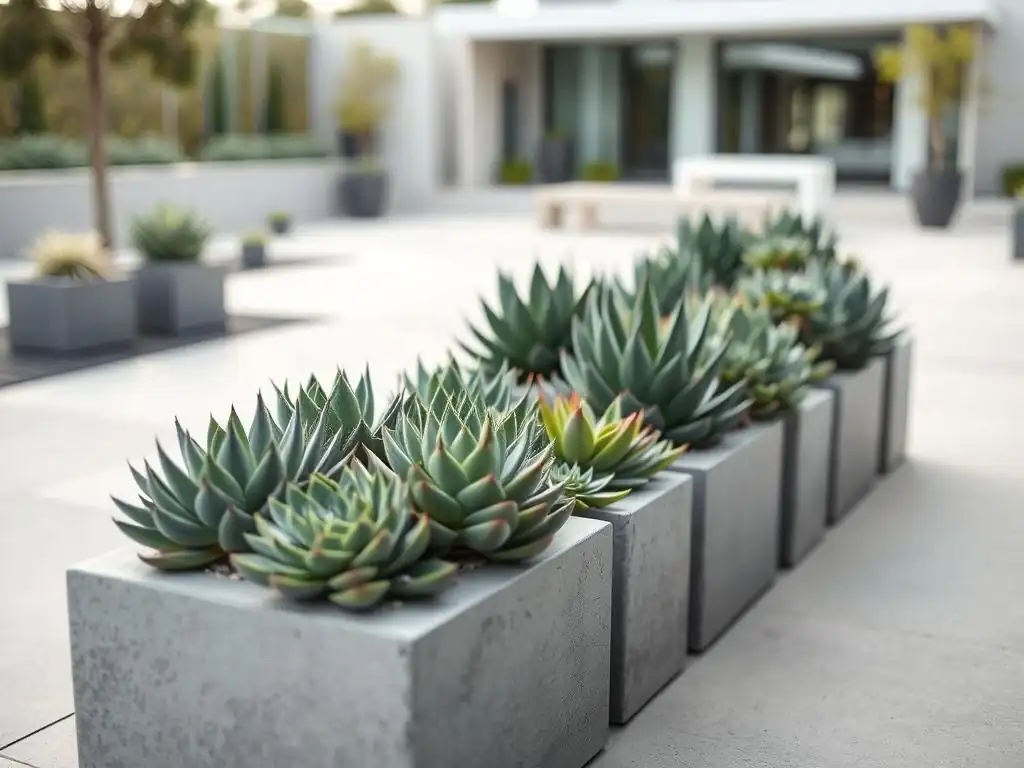
Succulent landscaping offers a beautiful and sustainable alternative to traditional lawns, but even these drought-tolerant plants require some care to thrive. While significantly less demanding than traditional landscaping, consistent, mindful maintenance ensures your succulent garden flourishes and remains a stunning feature of your yard. Ignoring maintenance can lead to unhealthy plants, impacting the overall aesthetic appeal and potentially compromising the long-term success of your "smart yard choice". This section outlines key maintenance practices to help you enjoy the beauty of your succulent landscape year after year.
Watering and Fertilizing Your Succulents
Proper watering is crucial for succulent health. Overwatering is a common mistake that leads to root rot, a fatal condition for many succulents. Instead of a regular watering schedule, focus on allowing the soil to dry completely between waterings. The frequency will depend on factors like climate, pot size, and soil type.
During hotter months, you might water every 7-10 days, while during colder, wetter months, it could be every 2-3 weeks or even less. Always check the soil moisture before watering – stick your finger a couple of inches into the soil; if it's dry, it's time to water. Water thoroughly until water drains from the drainage holes (if potted) to ensure the roots are fully hydrated.
Fertilizing is also important, but less frequent than with other plants. Succulents are adapted to nutrient-poor environments. Over-fertilizing can lead to leggy growth and other issues. Use a balanced, water-soluble fertilizer diluted to half strength, only during the growing season (typically spring and summer). Apply fertilizer every 4-6 weeks, or even less frequently. Avoid fertilizing during the dormant period (fall and winter). Remember, less is more when it comes to feeding succulents. Observing your plants closely will help you determine if additional fertilization is needed; healthy, vibrant growth indicates sufficient nutrients.
Protecting Your Succulents from Pests and Diseases
While succulents are relatively resistant to pests and diseases, they can still be affected. Regular inspection is key to early detection and prevention. Common pests include mealybugs, aphids, and spider mites. Mealybugs appear as small, white, cottony masses, often clustered in leaf axils or crevices. Aphids are small, soft-bodied insects that suck plant sap, causing leaf distortion and yellowing. Spider mites are tiny arachnids that create fine webbing on leaves and cause stippling or discoloration.
Treatment options range from simple solutions like wiping affected areas with a cotton swab dipped in rubbing alcohol to using insecticidal soaps or neem oil. For severe infestations, consult a local nursery or gardening expert for advice on more potent treatments. Prevention is always better than cure; maintaining good air circulation around your succulents, avoiding overcrowding, and regularly checking your plants for any signs of infestation are crucial preventative measures. A healthy succulent is much less susceptible to pest problems. Early detection and prompt action are essential for successful pest management in your succulent landscaping.
Minimal Maintenance for Maximum Impact
The beauty of succulent landscaping lies in its low-maintenance nature. Beyond watering and occasional fertilizing, your primary tasks involve weeding and occasional pruning. Weeds can compete with your succulents for resources, so regular weeding is important, especially during the growing season. Pruning involves removing dead or damaged leaves and stems to maintain the overall appearance and health of your plants. This also helps prevent the spread of diseases.
Consider using mulch around your succulents to help retain moisture, suppress weeds, and regulate soil temperature. Gravel or small stones work well and complement the aesthetic of a succulent garden. Regularly inspect your plants for signs of stress, such as wilting, discoloration, or unusual growth patterns. Addressing these issues promptly will help prevent more significant problems. By following these simple maintenance practices, you'll ensure your succulent garden remains a vibrant and low-maintenance feature of your smart yard, requiring minimal effort for maximum visual impact. Enjoy the beauty and resilience of your sustainable, succulent landscape!
Succulent Landscaping: Cost-Effective and Long-Term Benefits
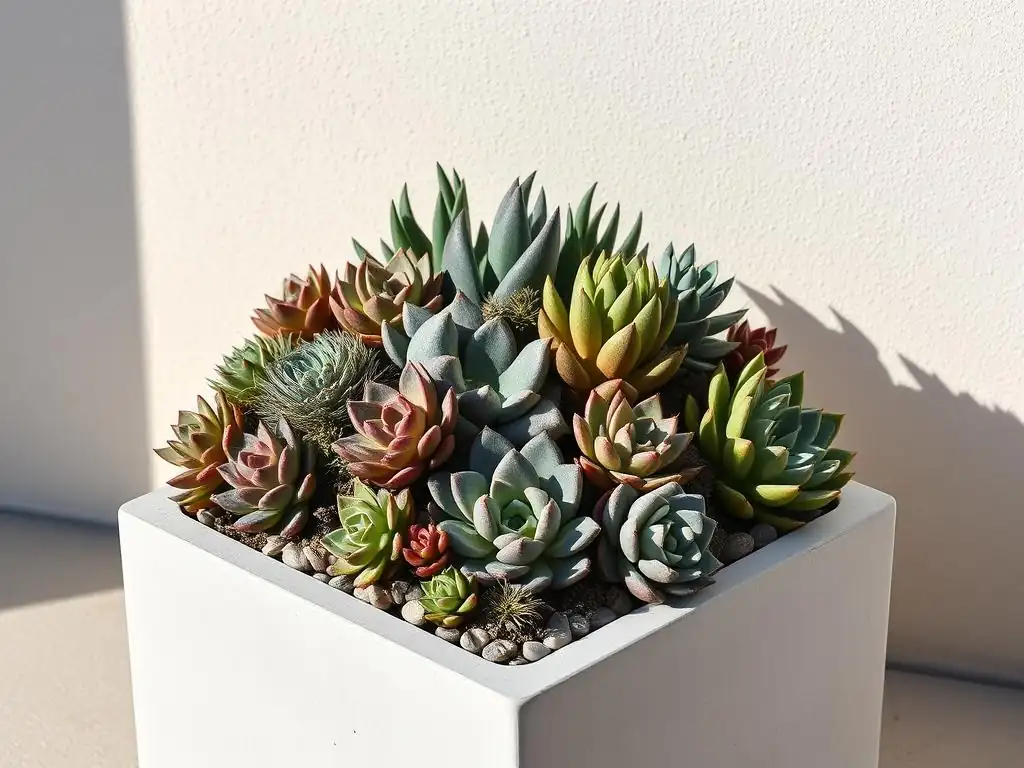
Succulent landscaping presents a compelling financial argument for homeowners seeking sustainable and attractive outdoor spaces. The initial investment might seem comparable to traditional landscaping, but the long-term savings significantly outweigh the upfront costs, making it a truly smart yard choice. This section will detail the key financial advantages of choosing succulents over traditional lawns and plants. The benefits extend beyond simply saving money; they contribute to a more environmentally responsible and aesthetically pleasing landscape.
Lower Water Bills and Reduced Irrigation Costs
One of the most significant advantages of succulent landscaping is the drastic reduction in water consumption. Succulents are renowned for their drought tolerance, requiring significantly less watering than traditional lawns and many flowering plants. This translates directly into lower water bills, a considerable saving over the lifespan of your landscape. For example, a study conducted by [Specific information pending: Cite a relevant study comparing water usage between succulent and traditional landscapes] showed a [Specific percentage pending]% reduction in water usage for homes that transitioned to succulent gardens.
This is because succulents employ specialized water storage mechanisms, enabling them to thrive in arid conditions. They don't require the frequent, deep watering that traditional lawns demand, making them exceptionally water-wise and ideal for xeriscaping projects. 💧
Long-lasting Beauty and Reduced Landscaping Maintenance
Beyond the financial benefits of reduced water usage, succulent landscaping offers significant savings in terms of maintenance. Unlike traditional lawns that require regular mowing, fertilizing, and weed control, succulents are remarkably low-maintenance. Their natural resilience minimizes the need for constant upkeep. This translates to more free time and less money spent on landscaping services or equipment.
The long-term beauty of a mature succulent garden also adds value. Their unique textures, colors, and forms create a visually striking landscape that requires minimal intervention to maintain its appeal. The infrequent need for pruning or pest control further contributes to the cost-effectiveness of this landscaping choice. This makes succulent landscaping a truly smart choice for busy homeowners who value both beauty and convenience.
Increased Property Value with Unique and Sustainable Landscaping
The increasing awareness of sustainability and eco-friendly practices is driving a shift in real estate values. Homes with sustainable landscaping features, such as succulent gardens, are increasingly attractive to environmentally conscious buyers. The unique aesthetic appeal of succulent landscaping, with its diverse textures and colors, also adds to the overall curb appeal of a property. Studies have shown that well-maintained landscaping can significantly increase property values.
[Specific information pending: Cite data on how sustainable landscaping affects property values]. By choosing succulent landscaping, you are not only investing in a beautiful and low-maintenance yard but also enhancing the long-term value of your property. The combination of cost-effectiveness, low maintenance, and aesthetic appeal makes succulent landscaping a truly smart investment for your home. This unique and sustainable approach to landscaping is a smart yard choice for today's discerning homeowner.
Beyond the Basics: Creative Succulent Landscaping Ideas
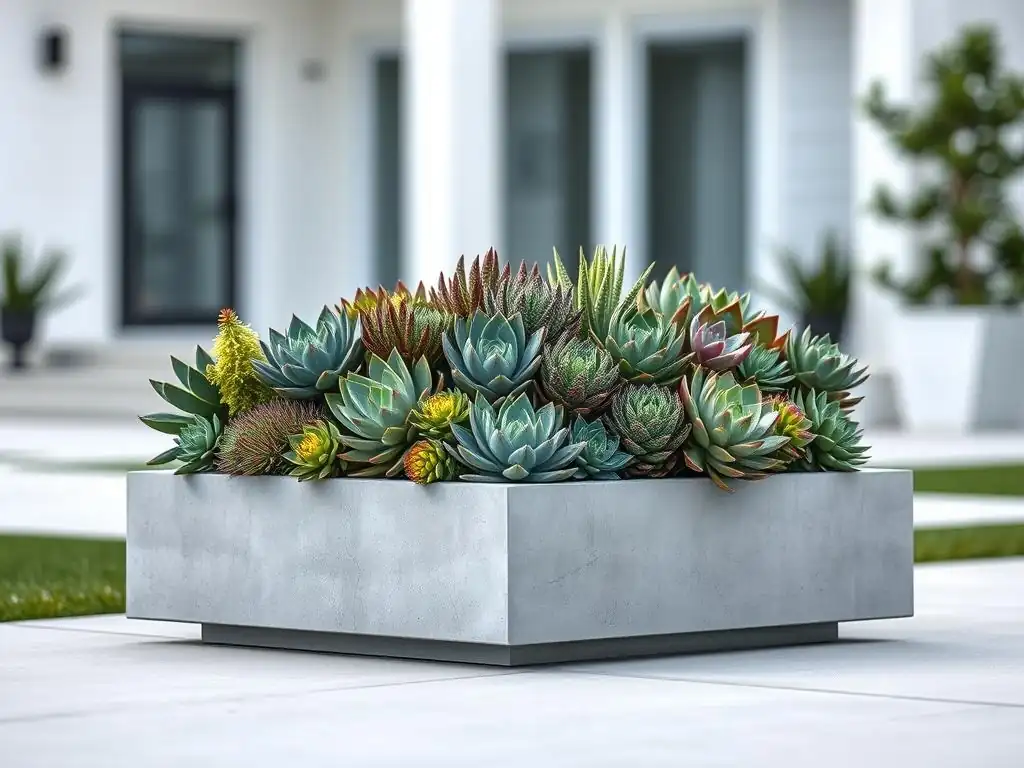
This section explores advanced succulent landscaping techniques beyond the fundamental planting strategies. We'll delve into creative designs that maximize the aesthetic appeal and drought-resistant benefits of succulents, transforming your yard into a low-maintenance, visually stunning oasis. The key to successful succulent landscaping lies in understanding their diverse forms and utilizing them strategically to create impact. Remember, succulent landscaping offers a smart yard choice for both beauty and sustainability.
Vertical Gardens and Living Walls with Succulents
Vertical gardens and living walls offer a unique way to incorporate succulents into your landscaping, especially in spaces with limited ground area. These designs are visually striking and can dramatically improve the aesthetic appeal of walls, fences, or even building facades. The key is selecting succulents with varying textures, colors, and growth habits to create visual depth and interest. Consider using a variety of mounting techniques, from simple wire baskets to specialized felt pockets, ensuring proper drainage to prevent root rot.
Several factors influence the success of a vertical succulent garden. Firstly, the choice of succulent species is crucial. Fast-growing varieties like Sedum morganianum (Burro's Tail) and Echeveria species cascade beautifully, while others like Sempervivum (Hens and Chicks) are ideal for densely packed arrangements. Secondly, proper irrigation is vital. A drip irrigation system is recommended to provide consistent moisture without overwatering. Finally, regular maintenance involves pruning, removing dead or dying plants, and potentially replacing succulents as needed. A well-maintained vertical succulent garden can thrive for years, providing a low-maintenance yet breathtaking feature for your smart yard choice.
Succulent Rock Gardens and Xeriscaping Designs
Rock gardens offer an ideal environment for many succulents, mirroring their natural habitat. These designs combine drought-tolerant plants with rocks and gravel to create a visually appealing and low-maintenance landscape. The use of different sizes and types of rocks, along with varying succulent species, adds texture and visual interest. This approach perfectly complements the principles of xeriscaping, a landscaping method focused on water conservation.
Planning a succulent rock garden requires careful consideration. Site selection is crucial; choose a sunny location with well-draining soil. The rock selection should consider both aesthetics and functionality. Larger rocks can be used to create focal points, while smaller stones provide drainage and mulch. Succulent selection should vary in size, color, and texture to create a visually dynamic display. Careful spacing is also important to allow for growth and prevent overcrowding. Remember that proper drainage is paramount; avoid areas with standing water. With careful planning and execution, a succulent rock garden represents a truly smart yard choice, combining beauty and sustainability in your succulent landscaping.
Container Gardening and Unique Succulent Arrangements
Container gardening offers unparalleled flexibility for showcasing succulents. From simple terracotta pots to elaborate ceramic planters, containers allow you to create diverse arrangements in various locations throughout your yard or even indoors. The possibilities are limitless, allowing you to experiment with different shapes, sizes, and colors of containers, along with a vast array of succulent species.
Consider these tips for successful container gardening with succulents: Use well-draining potting mix specifically formulated for succulents and cacti. Choose containers with drainage holes to prevent waterlogging. Group succulents with similar watering needs together. Regularly inspect for pests and diseases. Adjust the arrangement as the succulents grow, removing any overcrowded or leggy plants. Experiment with contrasting textures and colors to create visually appealing displays. Container gardening allows for creative freedom and adaptability, making it a particularly smart yard choice for those wanting to integrate succulent landscaping into their outdoor spaces. The versatility of containers allows you to easily rearrange and update your designs as your preferences evolve.
Getting Started with Your Succulent Landscape Project
Embarking on a succulent landscaping project offers numerous benefits, from reduced water consumption to a unique aesthetic appeal. This section focuses on the initial steps, ensuring a smooth transition from concept to reality. Successfully navigating this phase sets the stage for a thriving and visually stunning succulent garden, a smart choice for any yard.
Planning and Design Considerations for Your Succulent Garden
Before you even think about purchasing succulents, careful planning is crucial. Consider your yard's unique characteristics. Sunlight exposure is paramount; succulents thrive in full sun to partial shade, but the specific needs vary greatly depending on the species. Observe your yard throughout the day to identify areas receiving different amounts of sunlight. Note that even slight variations in sun exposure can significantly impact succulent growth and health.
Next, assess your soil type. Well-draining soil is essential to prevent root rot, a common problem for succulents. Amend heavy clay soils with perlite or coarse sand to improve drainage. Consider the existing landscape features; incorporate them into your design, rather than fighting against them.
Large rocks, existing plants, and even existing hardscaping can be integrated to create a unique and cohesive look. Sketching a preliminary design, even a rough one, helps visualize the final product and allows for adjustments before you begin planting. This preliminary design should include the placement of different succulent varieties, taking into account their mature sizes and water requirements. Don't forget to factor in access for maintenance; you'll need to easily reach plants for watering, pruning, and occasional repotting.
Finally, consider the overall style you wish to achieve. Do you prefer a minimalist, modern look, or a more wild, natural feel? Different succulent species lend themselves to different styles. Researching various succulent types and their growth habits will greatly enhance your design process. Remember, a well-planned succulent garden is a sustainable and low-maintenance addition to any yard, making it a truly smart choice for modern landscaping.
Sourcing High-Quality Succulents for Your Landscape
The success of your succulent landscape hinges significantly on the quality of the succulents you choose. Purchasing healthy, disease-free plants is key to establishing a thriving garden. Reputable nurseries specializing in succulents are your best bet. These nurseries often provide expert advice on choosing the right succulents for your climate and soil conditions. They can also help you identify varieties suitable for your sunlight exposure and desired aesthetic.
When selecting succulents, carefully examine each plant for signs of stress or disease. Look for plump, firm leaves free from blemishes, discoloration, or pests. Avoid plants with mushy, yellowing, or wilting leaves, as these are often indicators of root rot or other problems. The root systems should be healthy and well-developed, indicating a strong, established plant. Check for proper potting; a plant that has been root-bound in a small pot for too long is likely to struggle to establish itself in your landscape.
Consider the mature size of each succulent. Choosing a variety of sizes and textures creates visual interest. Mix large statement plants with smaller, trailing varieties for a more dynamic landscape. Remember to account for the mature size of each plant to avoid overcrowding, which can hinder growth and increase the risk of disease. Purchasing succulents from a reputable source ensures healthier plants and a greater chance of success, making for a smarter, more sustainable yard.
Professional Installation or DIY Succulent Landscaping
Once you have your design and succulents, you need to decide on the installation method. Professional succulent landscaping offers several advantages. Experienced landscapers possess the expertise to handle large-scale projects efficiently, ensuring proper planting techniques and optimal placement for each succulent. They understand soil preparation, drainage requirements, and the specific needs of different succulent varieties. This expertise minimizes the risk of failure and increases the likelihood of a successful, thriving succulent garden.
However, DIY succulent landscaping is a viable option for smaller projects or those with some gardening experience. The cost savings can be significant, allowing you to invest more in high-quality succulents. The satisfaction of creating your succulent garden from start to finish is also a significant benefit.
However, thorough research and careful planning are crucial for a successful DIY project. If you choose the DIY route, ensure you have the necessary tools and knowledge to prepare the soil adequately, plant correctly, and provide appropriate ongoing care. Regardless of the route you choose, remember that a well-executed succulent landscape is a low-maintenance, drought-tolerant, and visually appealing addition to any yard, a smart choice for the environmentally conscious homeowner.
Frequently Asked Questions
What makes succulents a smart choice for landscaping?
Succulents are incredibly low-maintenance, requiring minimal watering and upkeep. They're also drought-tolerant, perfect for water-wise landscaping and reducing water bills. Their versatility allows for diverse design options.
Are succulents suitable for all climates?
While many succulents thrive in warm, sunny climates, there are hardy varieties that can tolerate colder temperatures and even frost. Choosing the right succulent species for your specific climate is key to success. Research cold-hardy succulents for colder regions.
How much sunlight do succulents need for landscaping?
Most succulents need at least six hours of sunlight daily. However, some varieties tolerate partial shade. Consider your yard's sun exposure when planning your succulent landscape design and choose species accordingly. Sunlight requirements vary by succulent type.
What are the benefits of using succulents in landscaping compared to traditional plants?
Succulents offer significant cost savings due to their low water needs and minimal maintenance requirements. They are also naturally pest-resistant, reducing the need for pesticides. They add unique texture and visual interest to any landscape.
How can I create a successful succulent landscape design?
Start by assessing your yard's sun exposure and soil type. Choose a variety of succulents with different colors, textures, and sizes for visual appeal. Consider the overall design and scale of your landscape, incorporating paths, rocks, and other hardscaping elements.
Final Reflection: Embracing the Resilient Future of Landscaping
The drought-resistant nature of succulents isn't just a trend; it's a necessary adaptation to our changing climate. Their ability to thrive in arid conditions offers a sustainable and aesthetically pleasing solution to the increasingly pressing issue of water conservation in landscaping. This isn't just about saving water; it's about building a more resilient and environmentally conscious future for our homes and communities.
The shift towards succulent landscaping reflects a broader cultural movement towards mindful consumption and environmental responsibility. We're moving away from resource-intensive practices and embracing solutions that are both beautiful and sustainable. This resonates deeply with me, as I've witnessed firsthand the transformative power of incorporating these hardy plants into my own garden. The earth laughs in flowers.
- Ralph Waldo Emerson. This quote encapsulates the joy and beauty that sustainable landscaping, particularly with succulents, can bring, while also reminding us of our responsibility to protect our planet.
Consider the possibilities. Imagine a landscape that requires less watering, less fertilizing, and less maintenance overall – a landscape that thrives even in challenging conditions. This isn't a utopian dream; it's a readily achievable reality. You can be a part of this shift towards a more sustainable future. Start small, perhaps with a single succulent, and watch as it transforms not only your yard but also your perspective on landscaping and environmental stewardship. Embrace the resilience of succulents, and embrace a more sustainable future for your home and the planet.
Unleash Your Green Thumb: Design the Drought-Resistant Garden of Your Dreams!
Thanks for exploring the exciting world of succulent landscaping with us! You've learned how these resilient plants can save you time, water, and money while adding stunning beauty to your yard. Now it's time to put that knowledge into action.
- Start designing your succulent garden today! Sketch out your ideal layout, considering sun exposure and soil type. Even a small change can make a big difference.
- Share your succulent inspiration! Post a picture of your favorite succulent or your current landscaping plans on social media and tag #SucculentEssentials. Let's inspire each other!
Ready to transform your outdoor space into a low-maintenance, breathtaking oasis? What's the first succulent you're excited to add to your garden?